Keep reading for just $1
$1 trial for two weeks, thereafter $8.50 every two months, cancel any time
Signed in as . Sign out

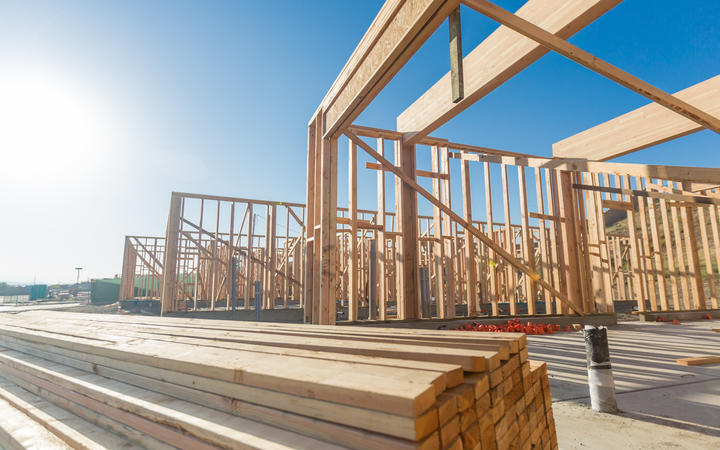
A stoush has broken out over new research that challenges whether green-certified homes are actually warmer, drier and healthier than typical new builds, as has been claimed.
The study by two Auckland University researchers measured indoor temperatures of 30 social houses including newly constructed 6-homestar rated properties compared to code compliant new builds and older homes.
During winter the research found the Homestar rated houses spent 56 percent of the time below the World Health Organisation’s recommended temperature of 18 degrees.
The newly-built code compliant homes dropped below that temperature 64 percent of the time – a difference the researchers say is statistically insignificant.
In summer, the 6 Homestar-rated houses chronically overheated 75 percent of the time, compared to 58 percent of the time for the non-certified houses, the research showed.
The Homestar rating system run by the Green Building Council is supposed to measure the health and energy efficiency of a home.
The council claims a 6 star rating or higher means the home will be easier and more cost-effective to keep warm, healthy and more environmentally friendly than a typical new house built to the building code.
One of the researchers, Rochelle Ade alleges that since sharing the results, which seriously challenge the rating system, the Green Building Council has been trying to undermine the study and her personal reputation.
She talks to Lisa Owen.

Subscribe to our free newsletter for news and prizes
3
$1 trial for two weeks, thereafter $8.50 every two months, cancel any time
Signed in as . Sign out