Science and environment

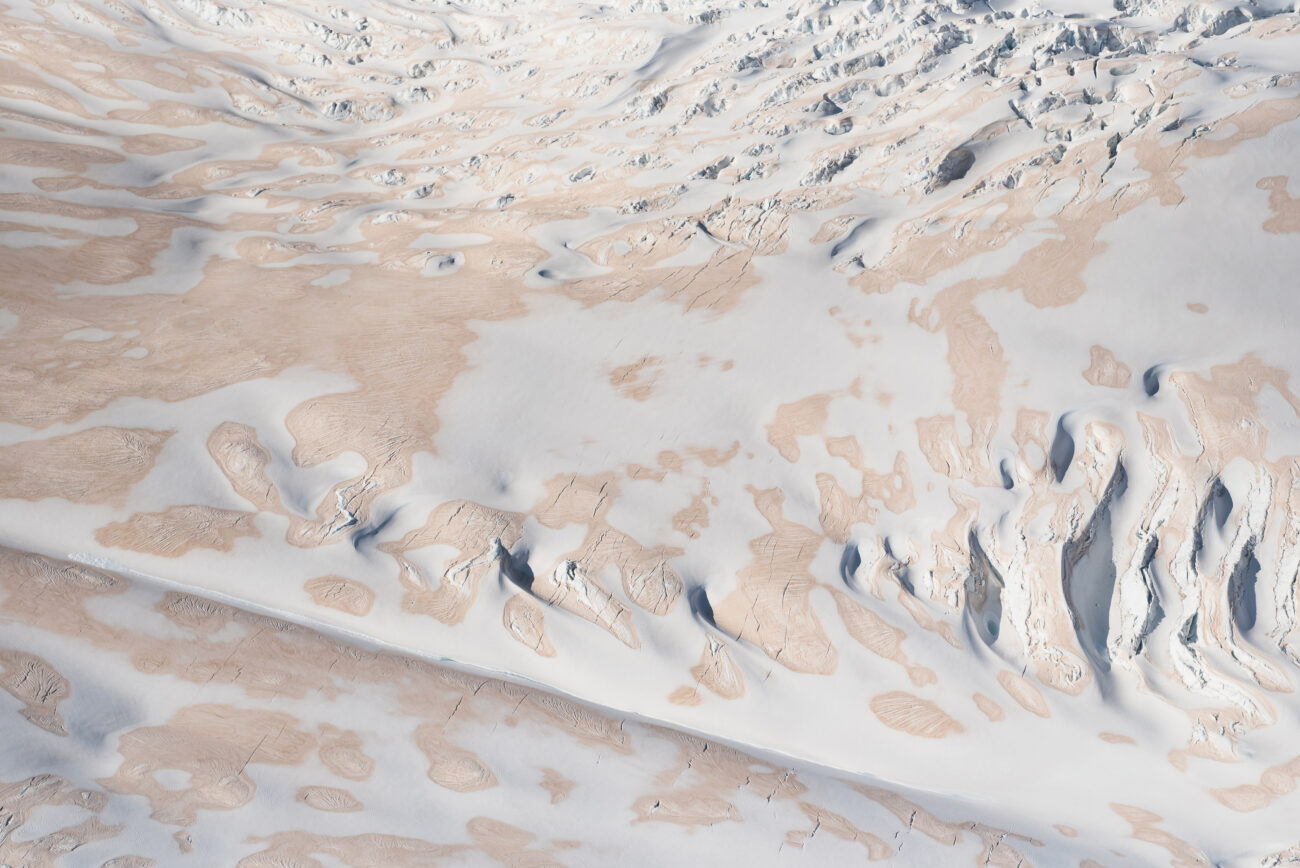
Snaring the sun

The age of fossil fuels is ending, and the world is entering the era of solar power. What matters now is how…

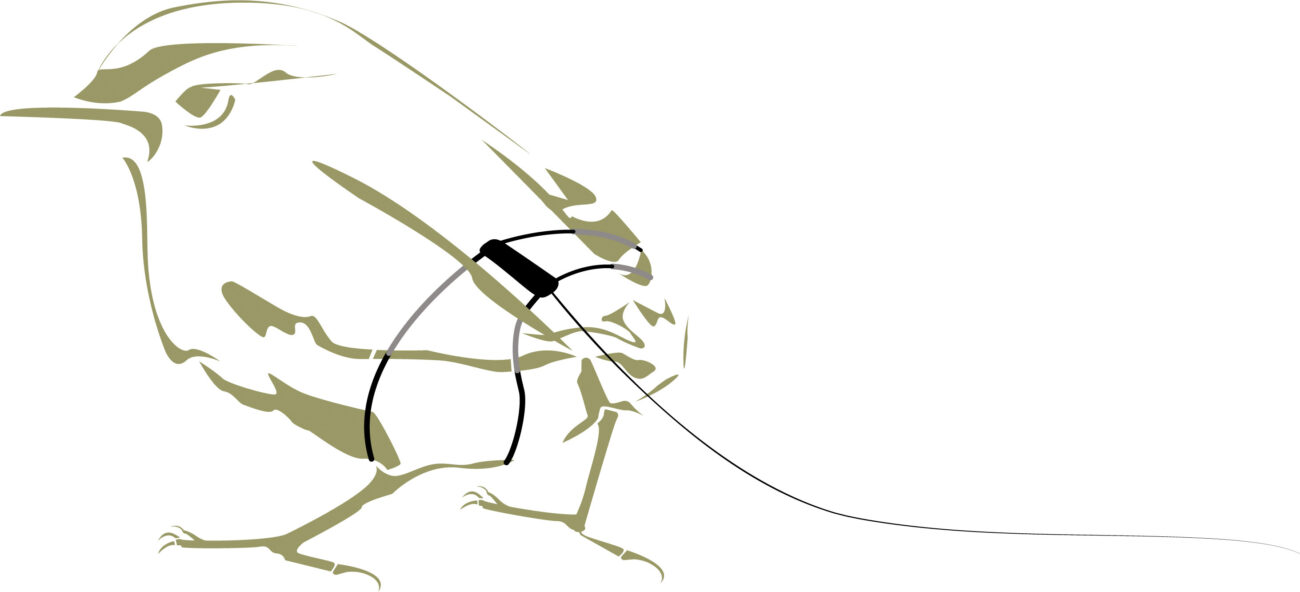
The great robin bounce-back

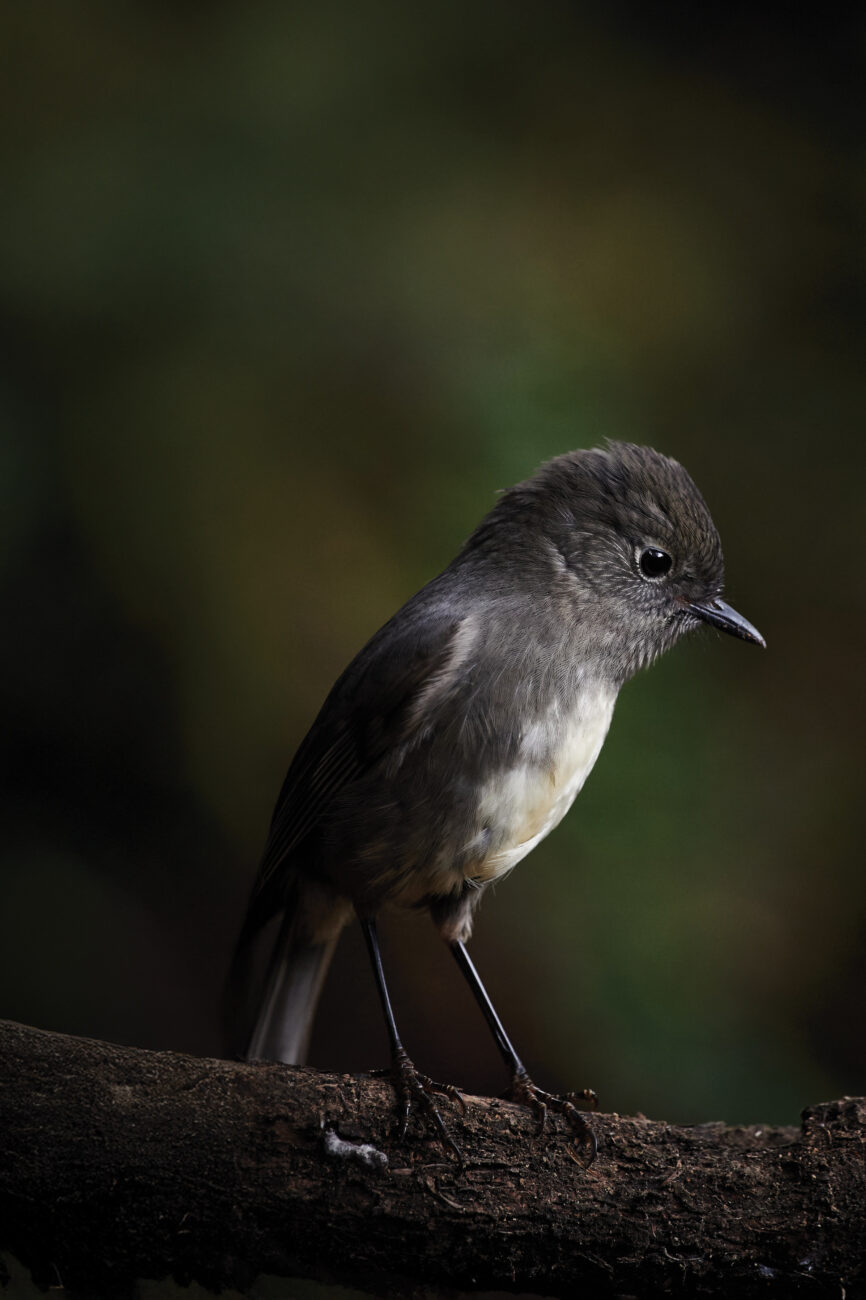
Fifteen years after kakaruwai were brought to Dunedin’s Orokonui Ecosanctuary, a new study shows the tiny…

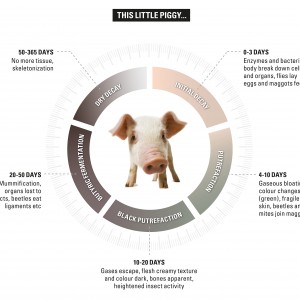
Stone-cold killers

In the world of academic publishing, there has been no more enjoyable read this year than a recent paper out…

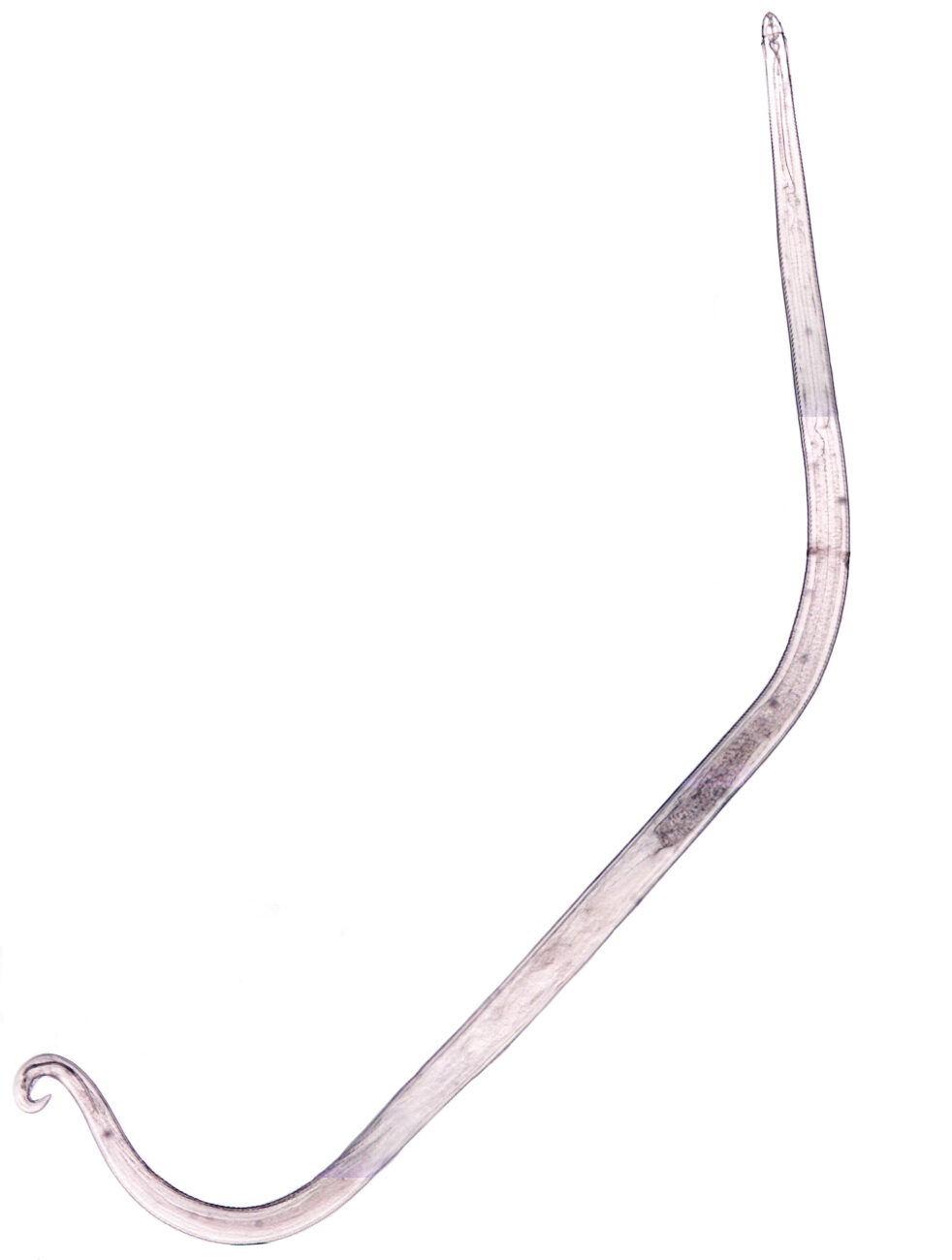
Revenge of the worms: a “hectic” new species invades the mouths of kōtare

For several years, kōtare, our native kingfishers, have been turning up at West Auckland rehab centre BirdCare…

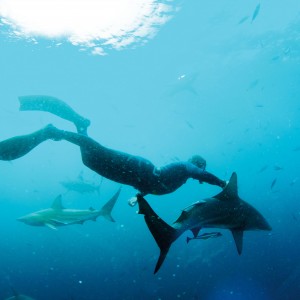
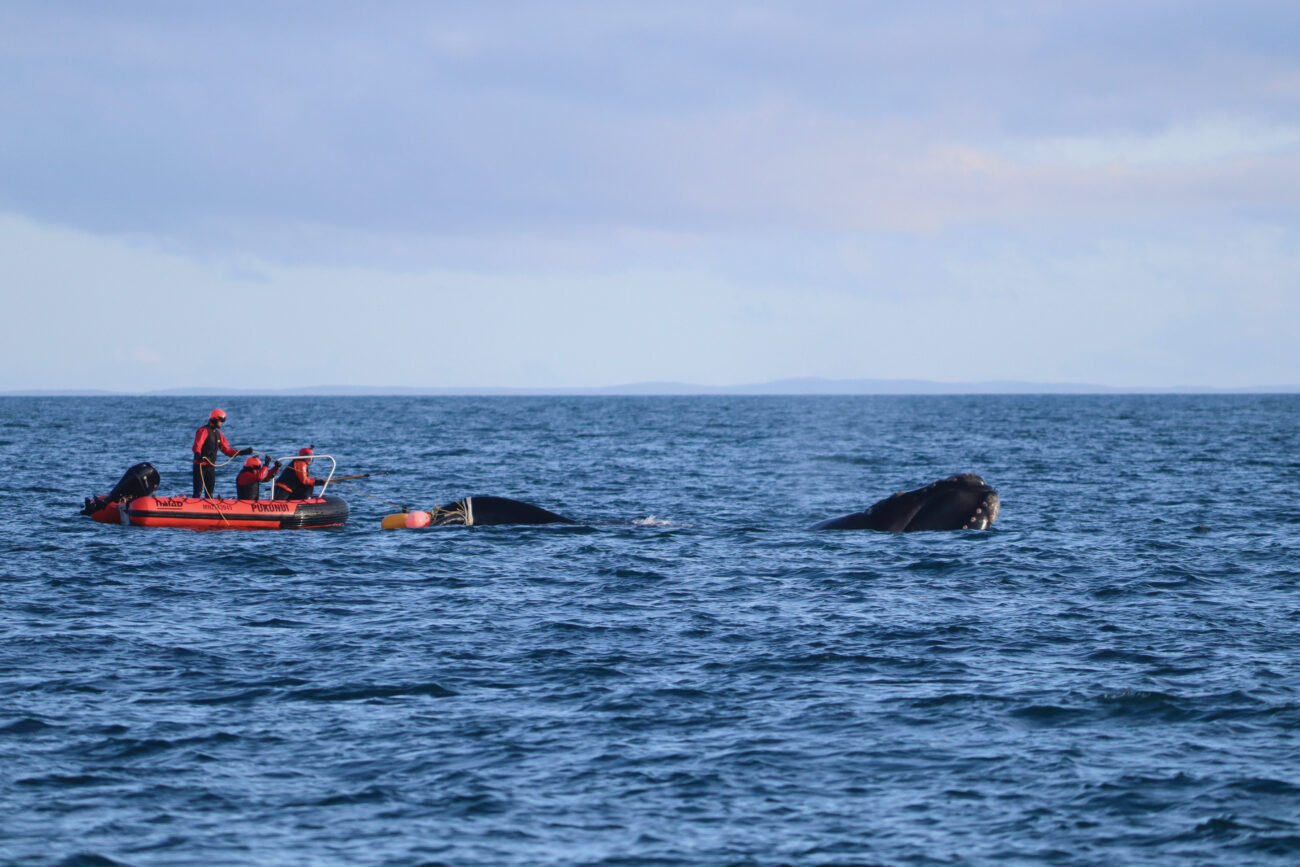
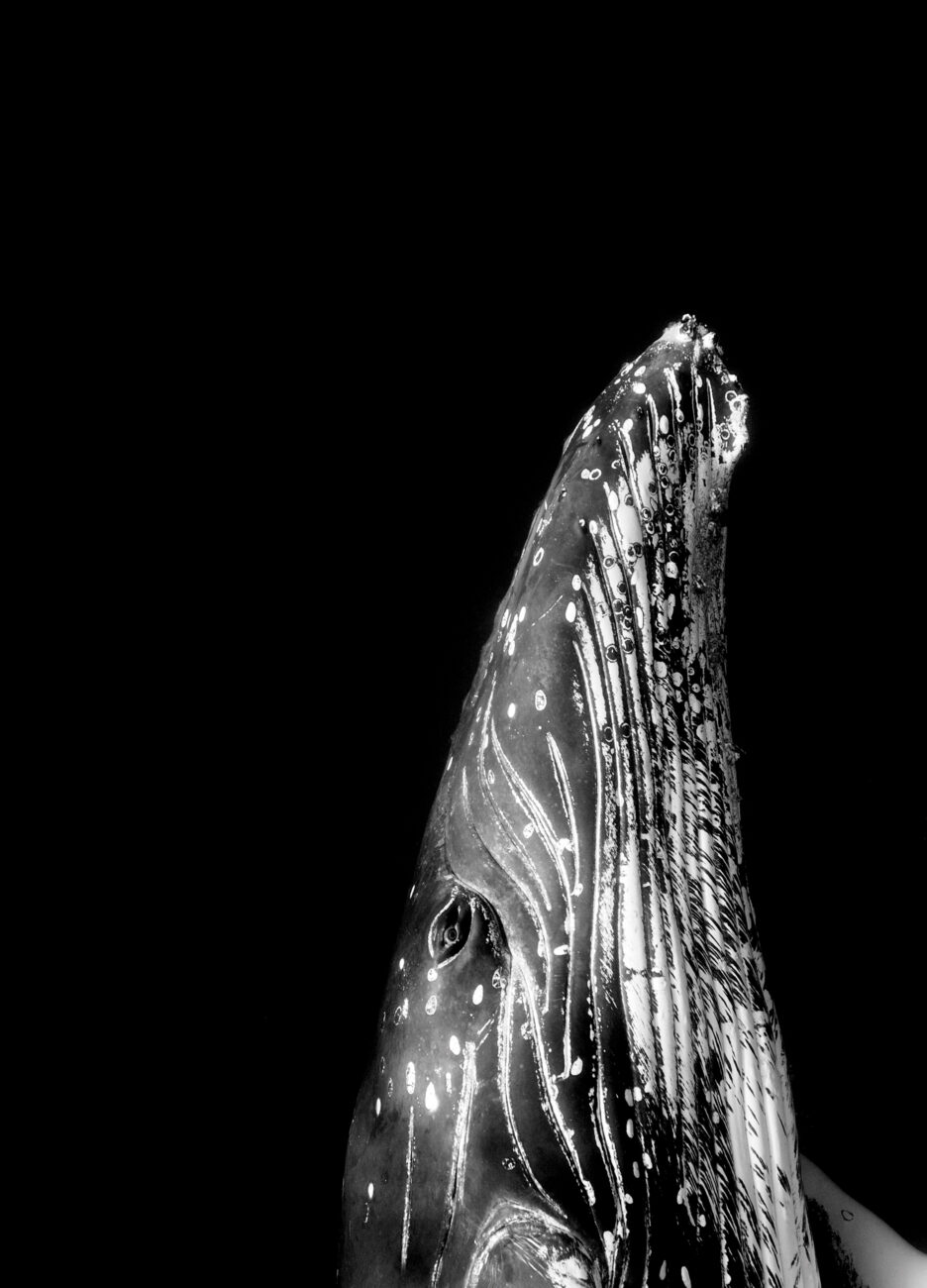
How a dolphin saved a southern right whale

On December 10, 2024, a juvenile bottlenose dolphin was reported tangled in fishing line near Riverhead, in…

Science and environment

Heads up, Earthlings

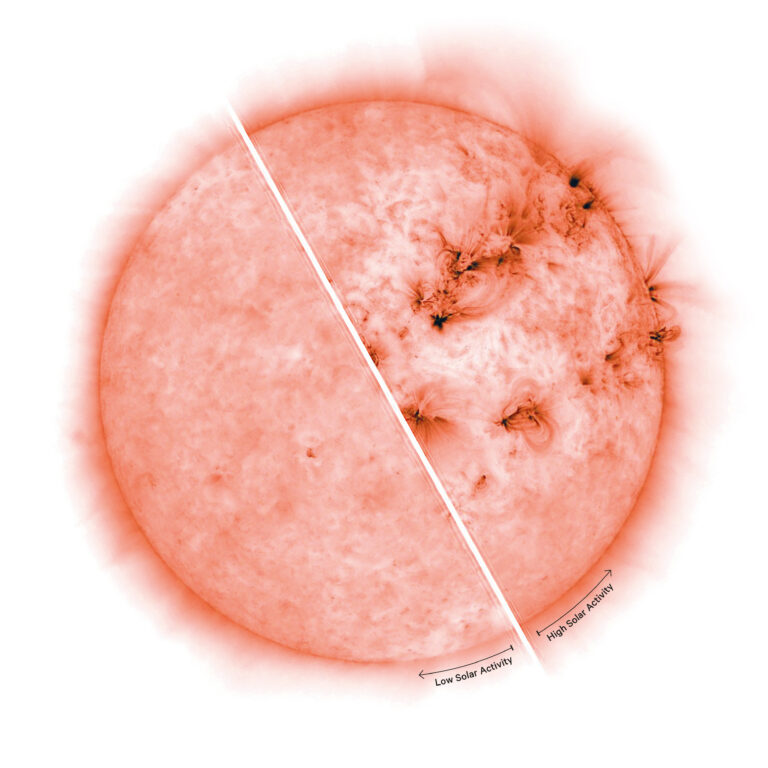
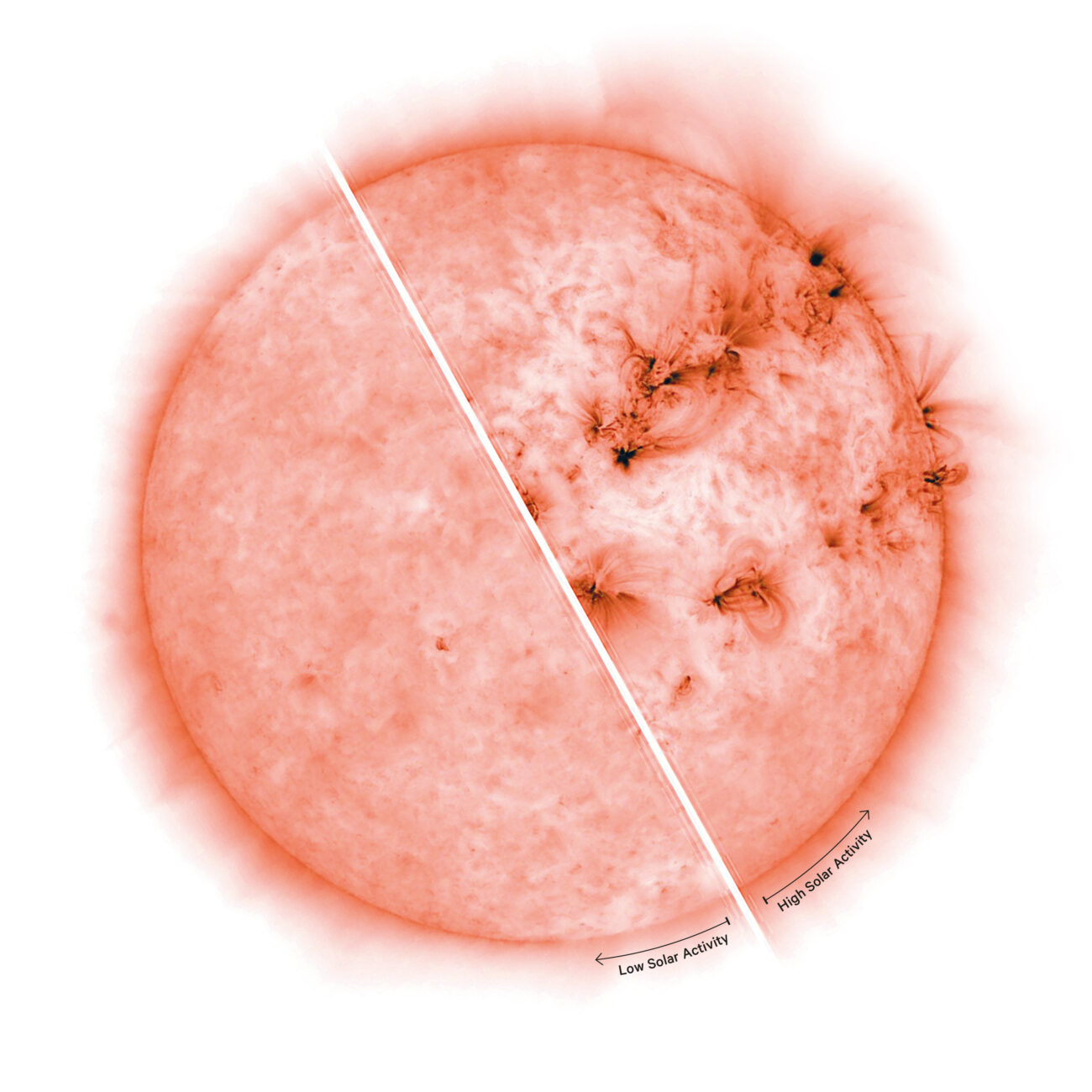
Something strange is happening inside the Sun. In the last 40 years, the pattern of tiny sound waves produced…

Magazine

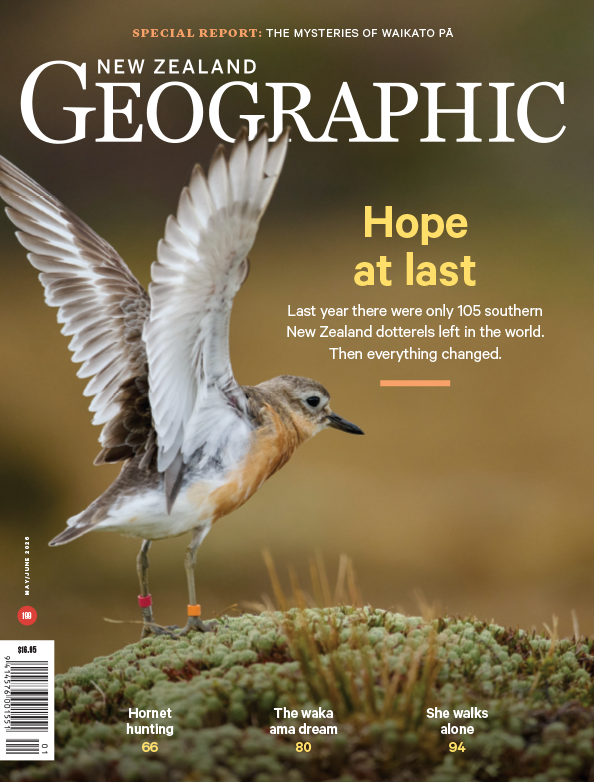
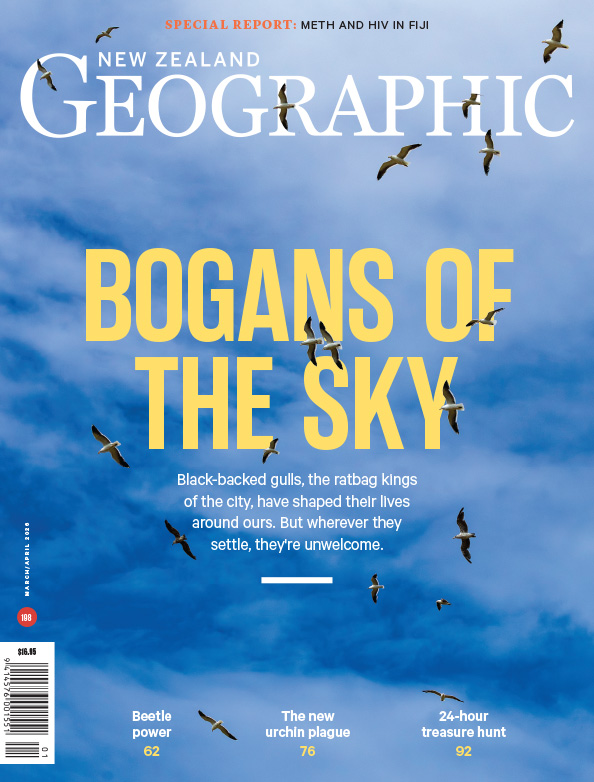
Issue 200

Jul - Aug 2026

Solar power
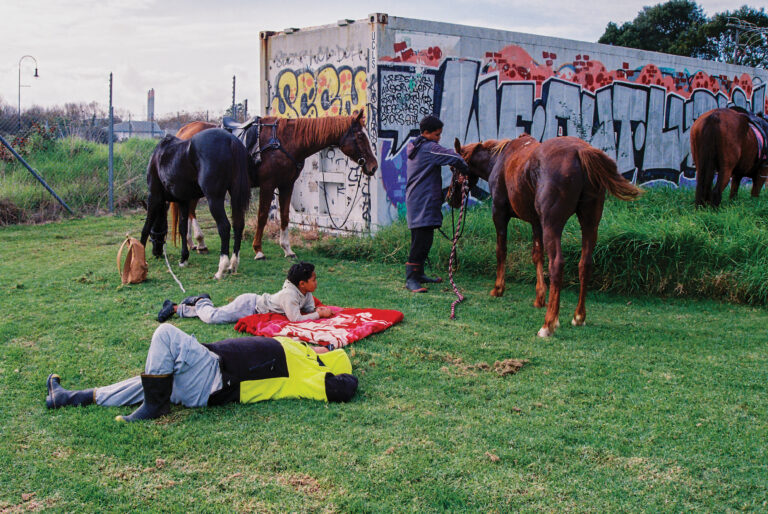
Horses of Huntly
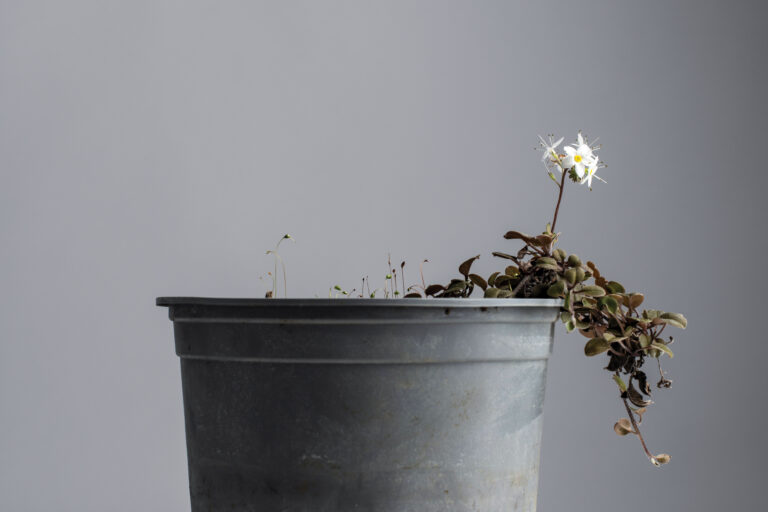
Forget me not
Whaling
Red admirals

Issue 200 Jul - Aug 2026

Trending

Science and environment

Feeling fairly okay about the fuel crisis?

“It won’t sort itself out,” warns energy expert Nathan Surendran....

Archive

Science and environment

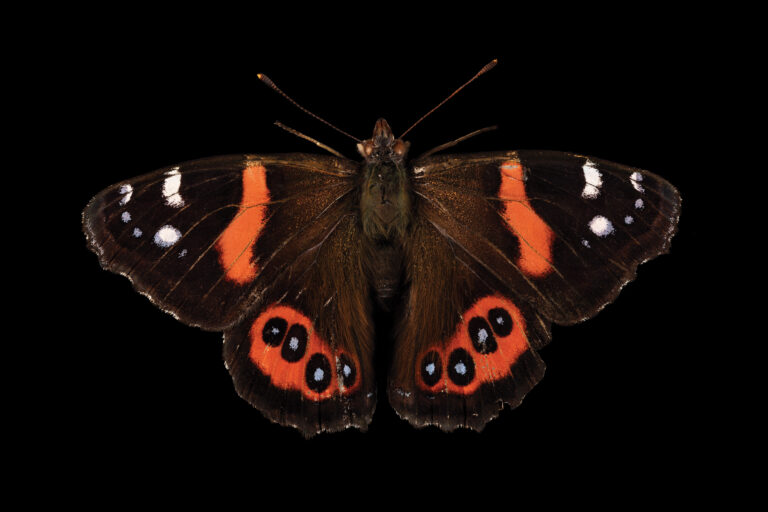
A flicker of red

Decades ago, red admiral butterflies all but abandoned Auckland city. Now, united by two retirees...

Science and environment

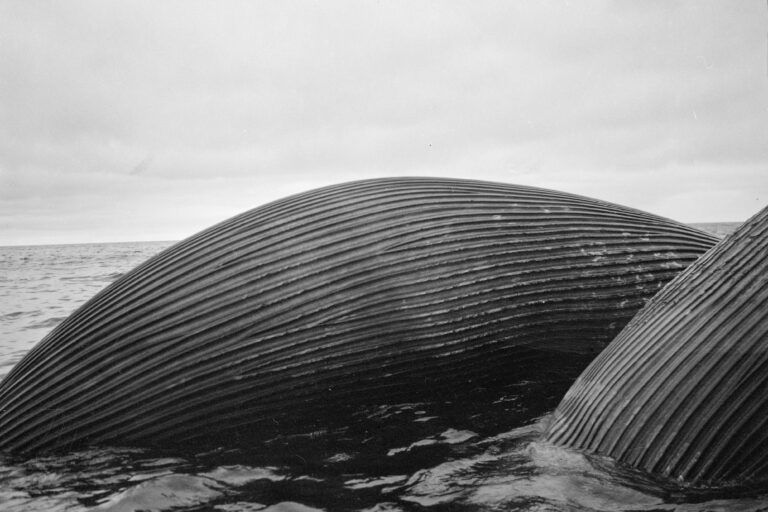
After the slaughter, a singing in the deep

A century ago, in a human frenzy for oil, hundreds of thousands of blue whales...
Science and environment

Forget me not

The exquisitely rare native flower that refuses to disappear....

Science and environment

West side story

When life’s gone off the rails and the road home is hard, it helps to...

Science and environment

Woman alone

The hard, heavy work of not feeling scared in the bush—and why we persist....

How a dolphin saved a southern right whale

On December 10, 2024, a juvenile bottlenose dolphin was reported tangled in fishing line near...

Revenge of the worms: a “hectic” new species invades the mouths of kōtare

For several years, kōtare, our native kingfishers, have been turning up at West Auckland rehab...

Stone-cold killers

In the world of academic publishing, there has been no more enjoyable read this year...

Heads up, Earthlings

Something strange is happening inside the Sun. In the last 40 years, the pattern of...

The great robin bounce-back

Fifteen years after kakaruwai were brought to Dunedin’s Orokonui Ecosanctuary, a new study shows the...

Big blue comeback

After being hunted to less than three per cent of their original population by commercial...

For moths and butterflies, a clear pattern of decline

Butterflies and moths are active in the middle of the day, and mostly through spring...

A lady’s debut

For decades, young women of New Zealand marked their late teens with ceremonies that looked...

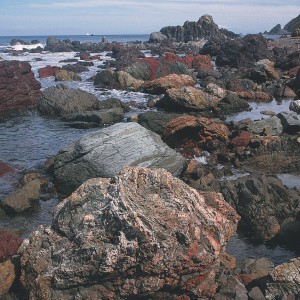
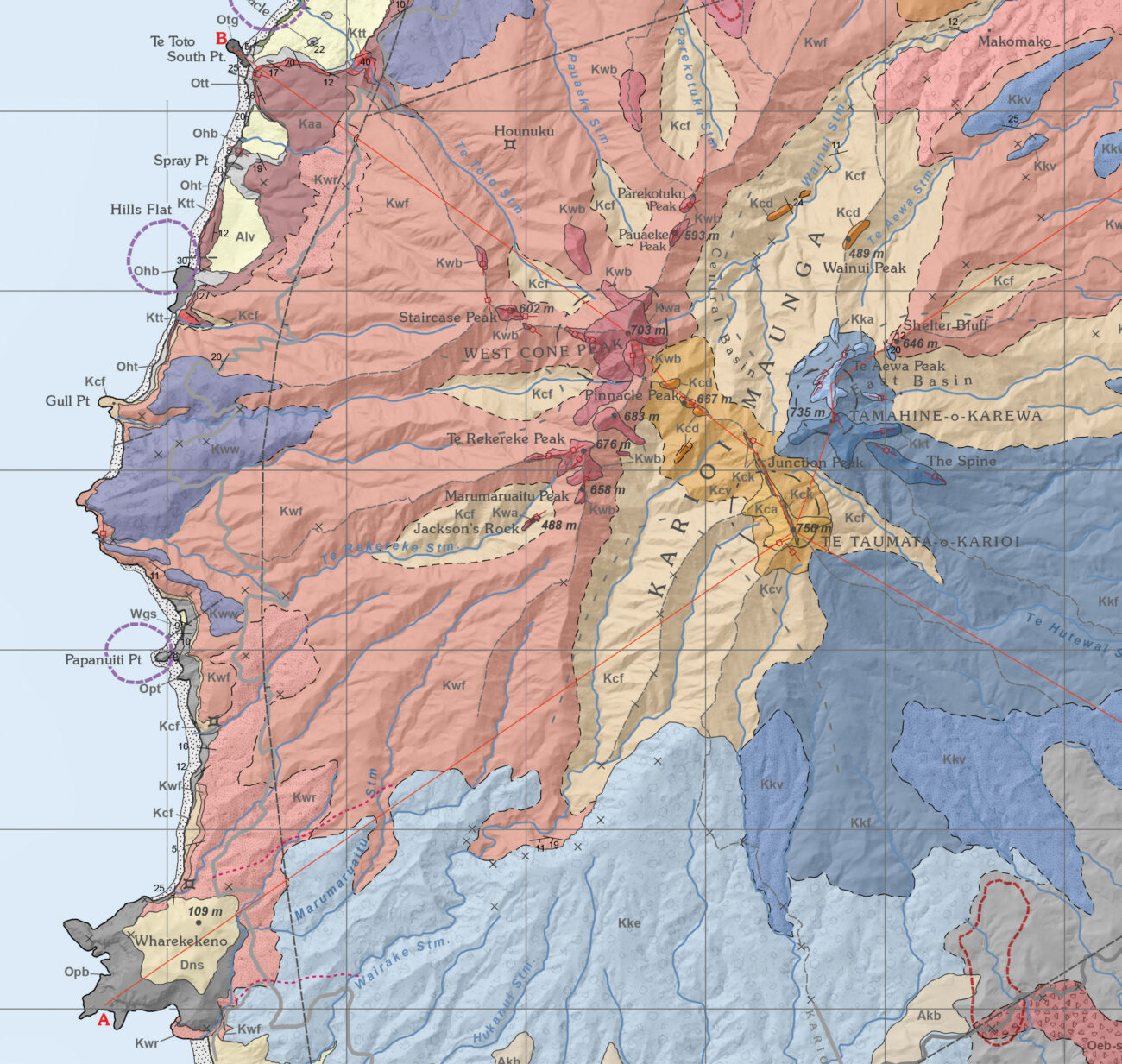
Geology of Karioi Volcano, Aotearoa New Zealand: Geological Map

OE McLeod with RM Briggs, CE Conway and O Ishizuka Geoscience Society of New Zealand,...

Mark Adams: A survey—He kohinga whakaahua

Mark Adams and Sarah Farrar, Massey University Press, $80...

Food music

Whales sing more when there’s oodles of food around, researchers have discovered. A team based...

Pattern recognition

How Tara Viggo fled fast fashion and cut herself a new career....

The elephant has left the room

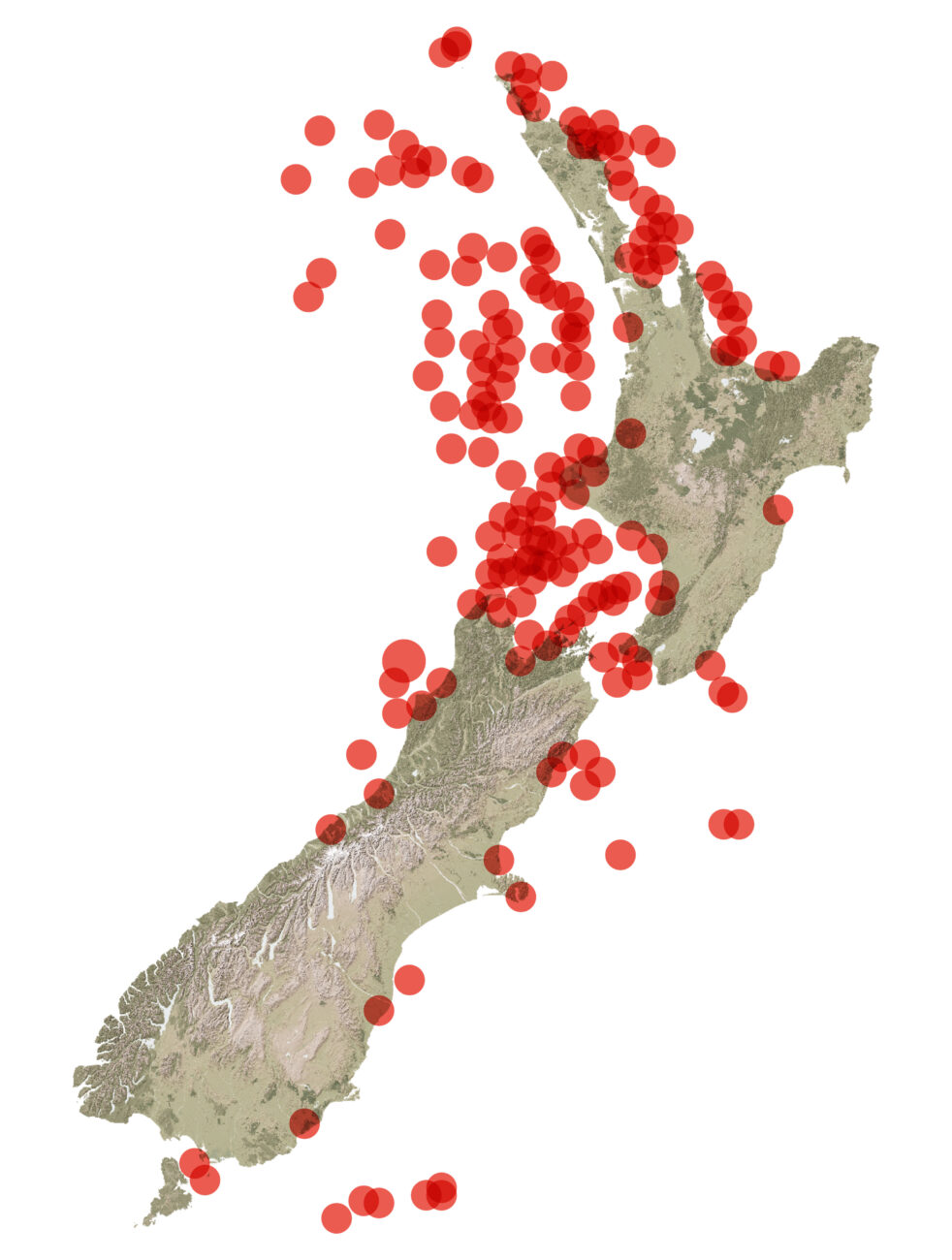
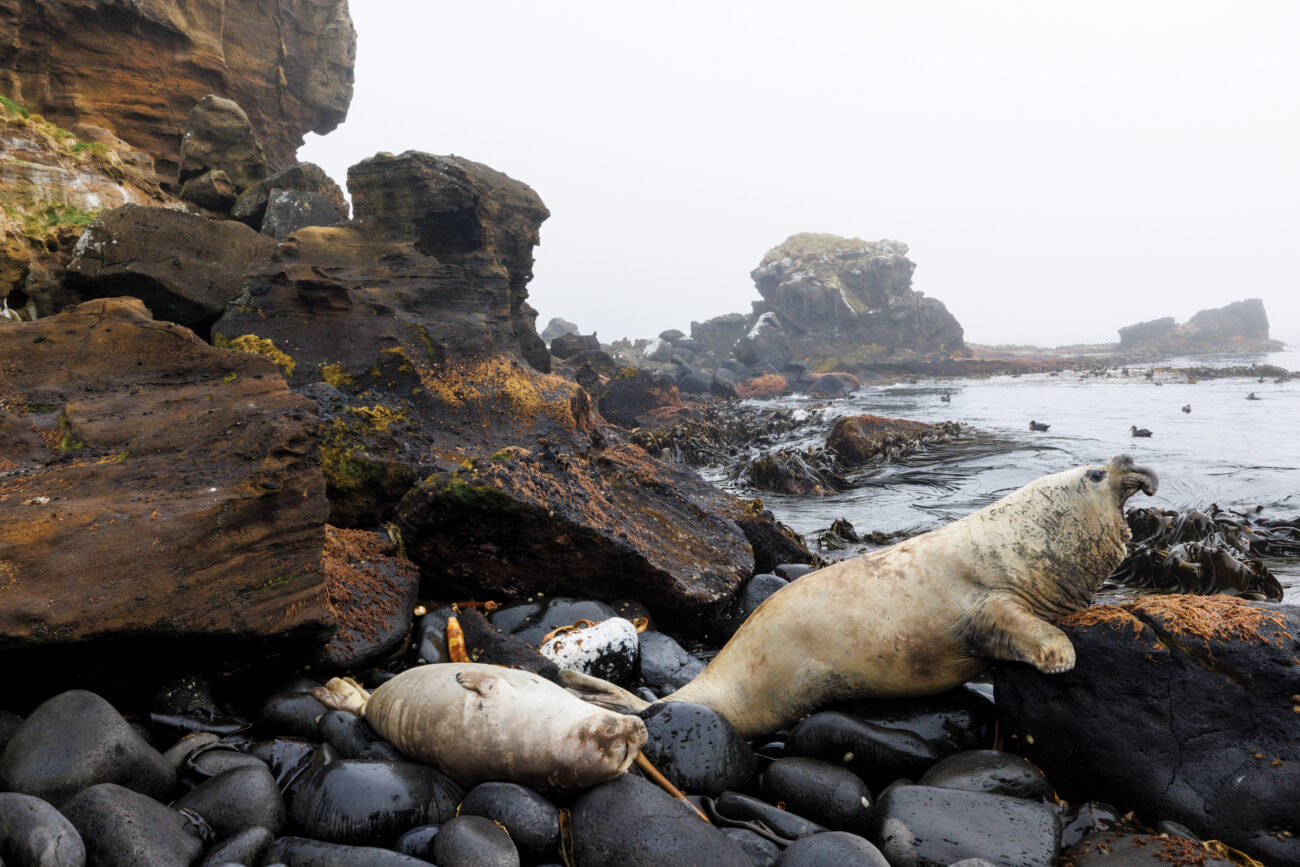
These days, it’s rare to spot a southern elephant seal in New Zealand. These hefty...

Even by orchid standards, this new native species is exceedingly elegant

Orchids are everywhere. New Zealand has well over 100 species; worldwide there are tens of...

Sparrow country

What sorts of birds are you likely to see if you tackle Te Araroa? After...

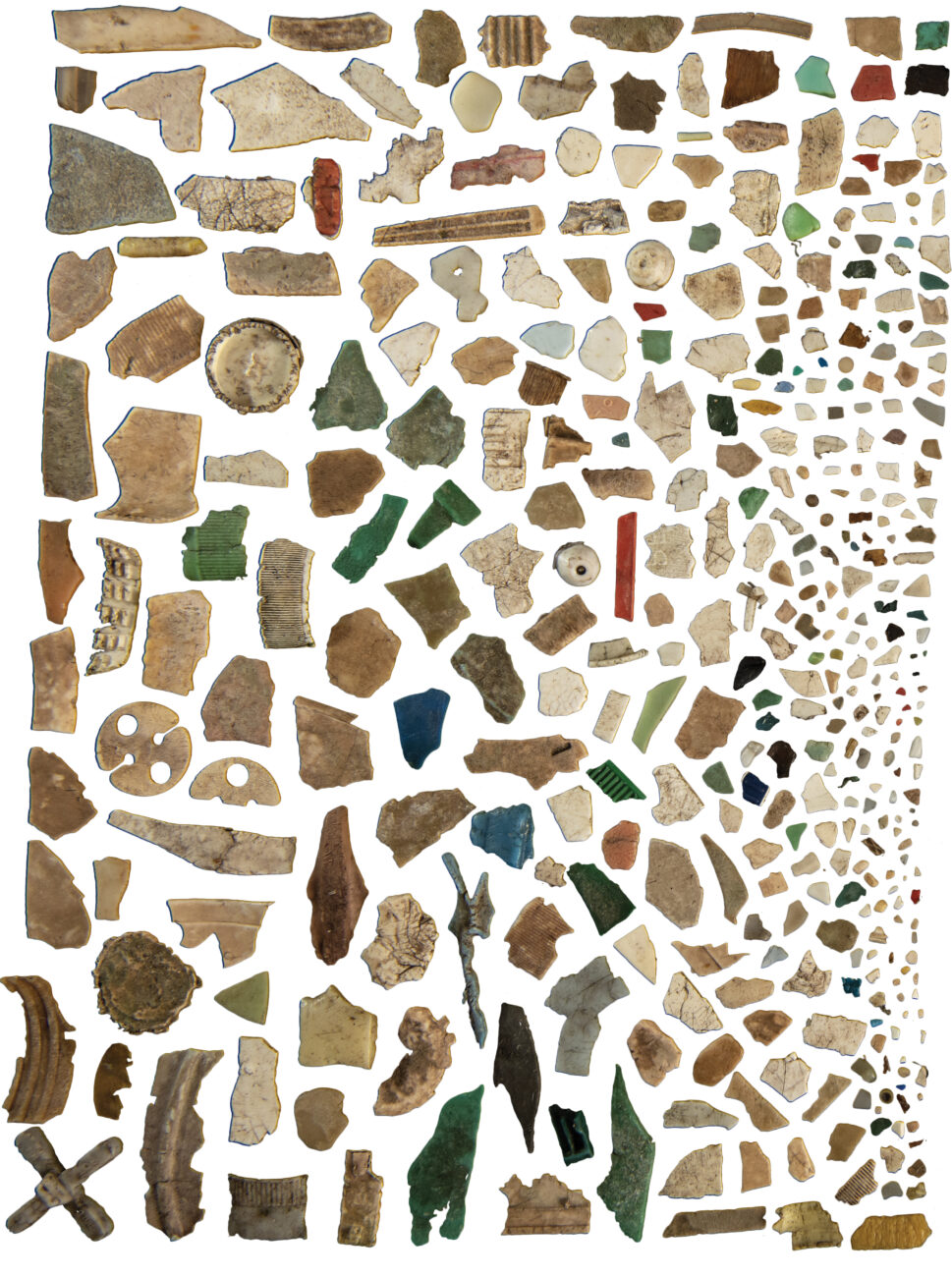
For seabird chicks, eating plastic takes an insidious toll

The sable shearwaters of Lord Howe Island, between Australia and New Zealand in the Tasman...
×

Subscribe to our free newsletter for news and prizes