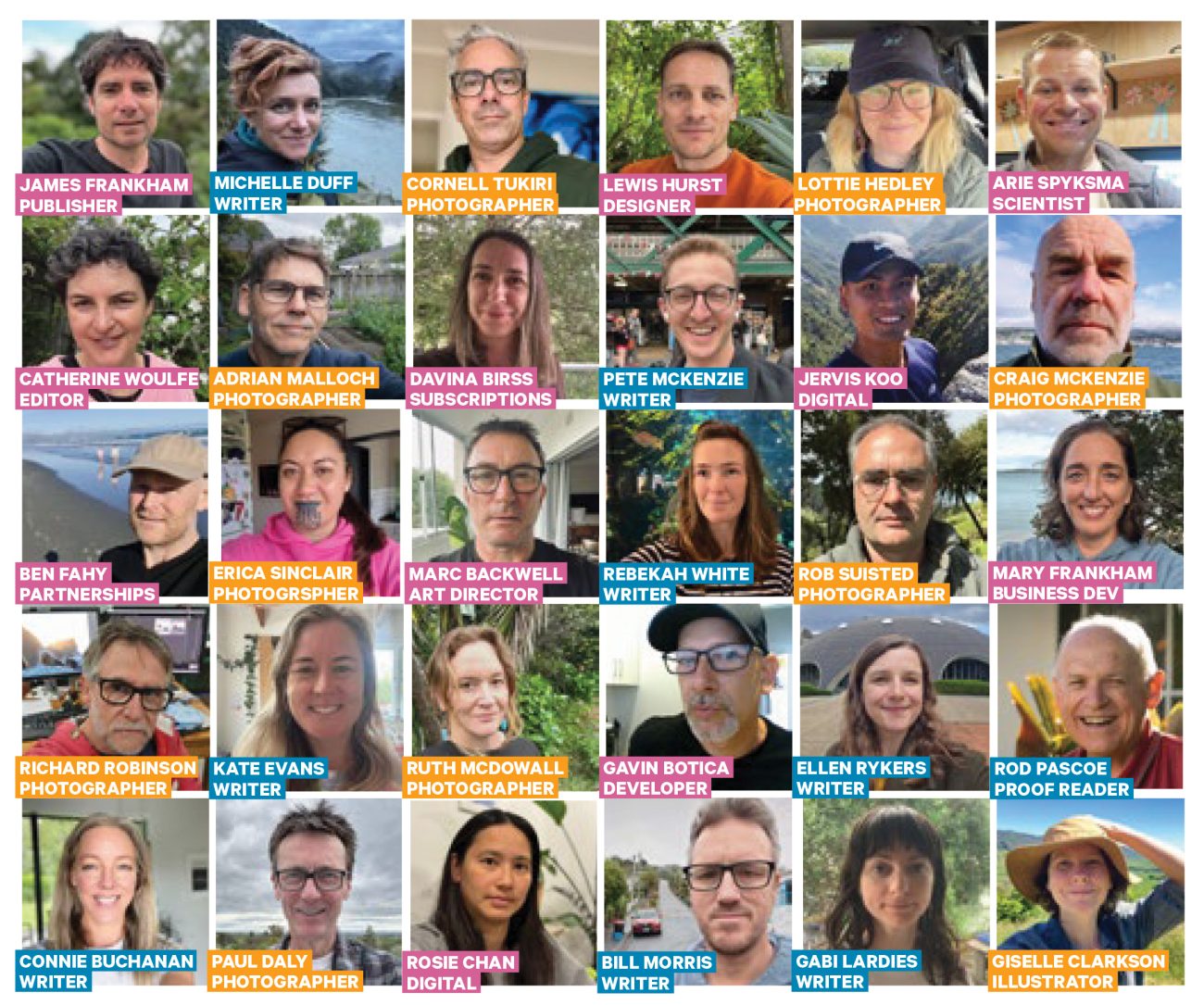
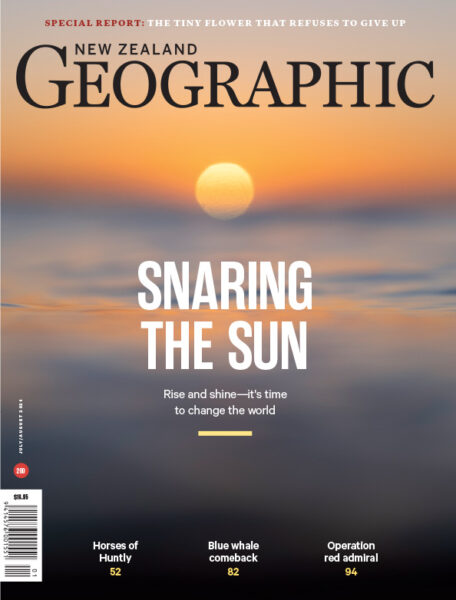
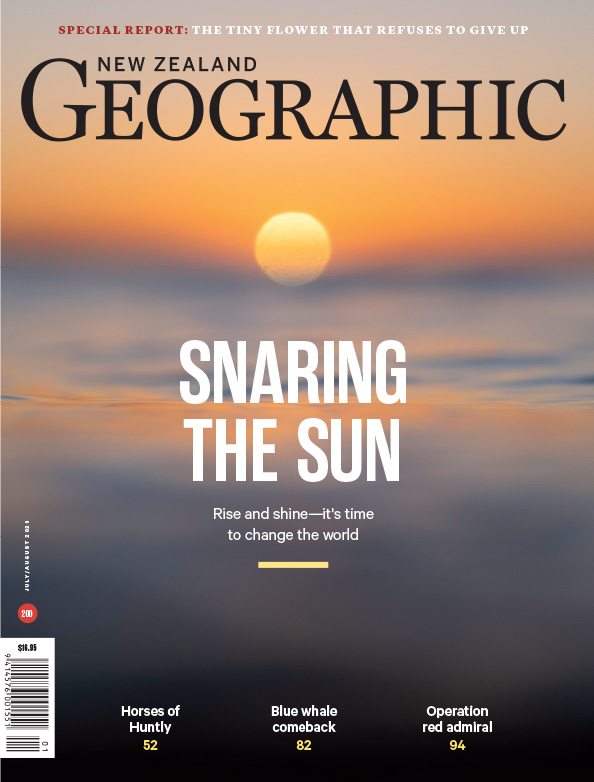
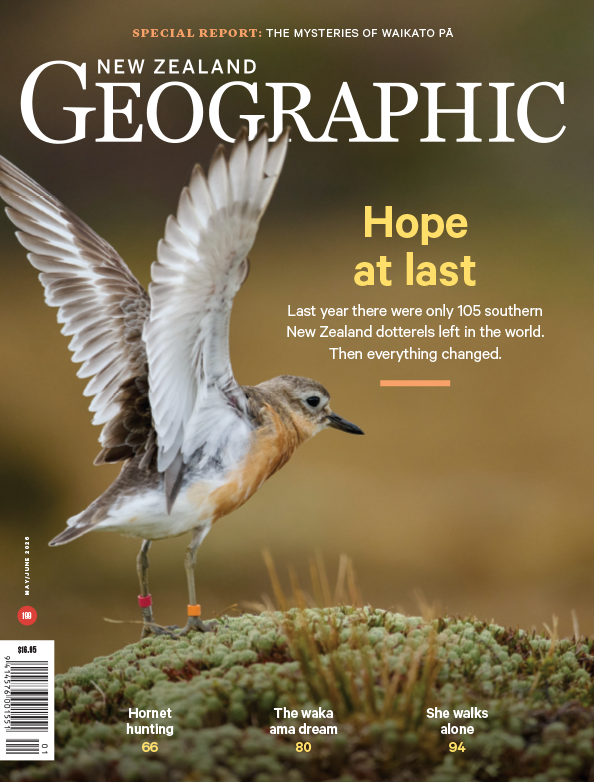
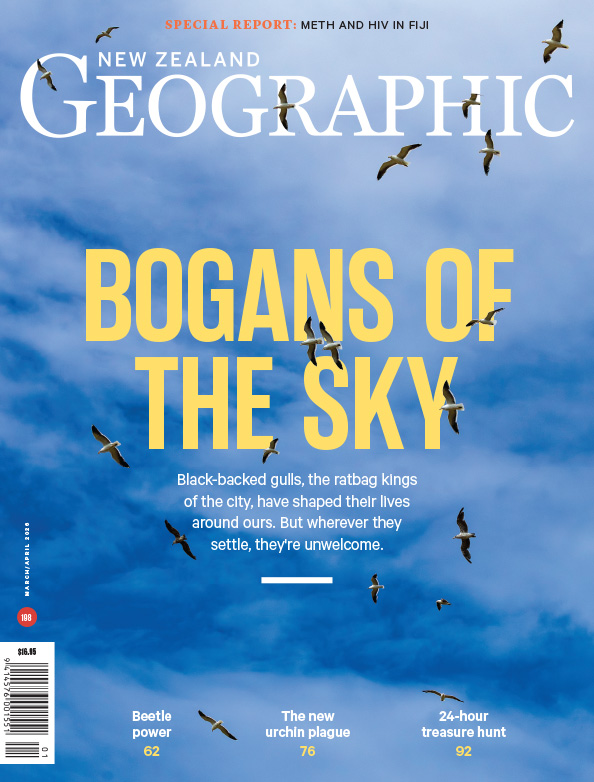
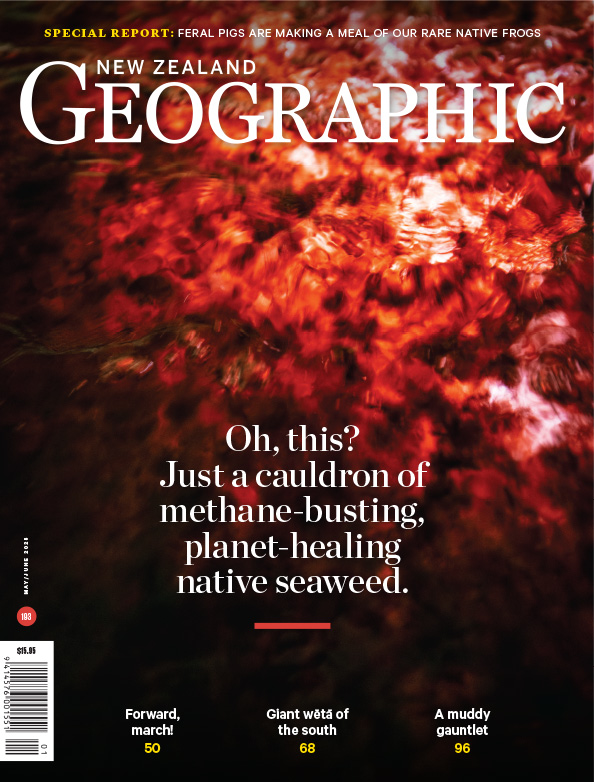
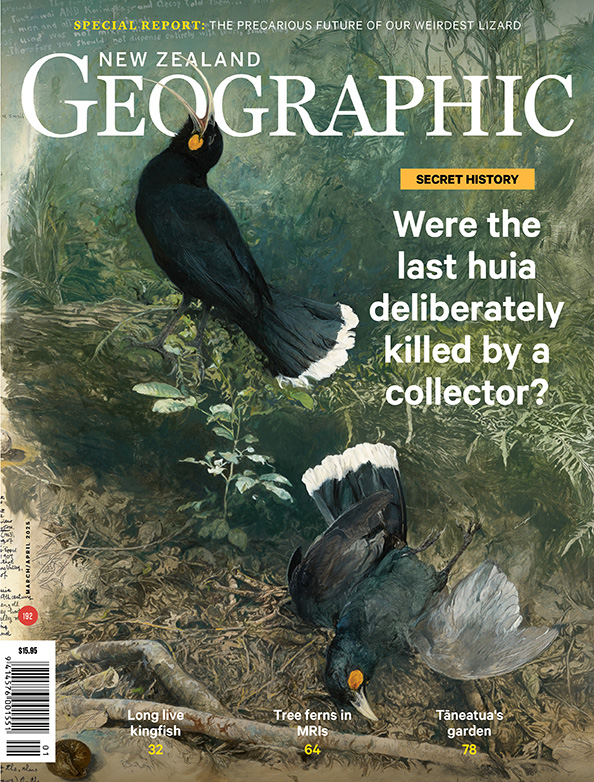
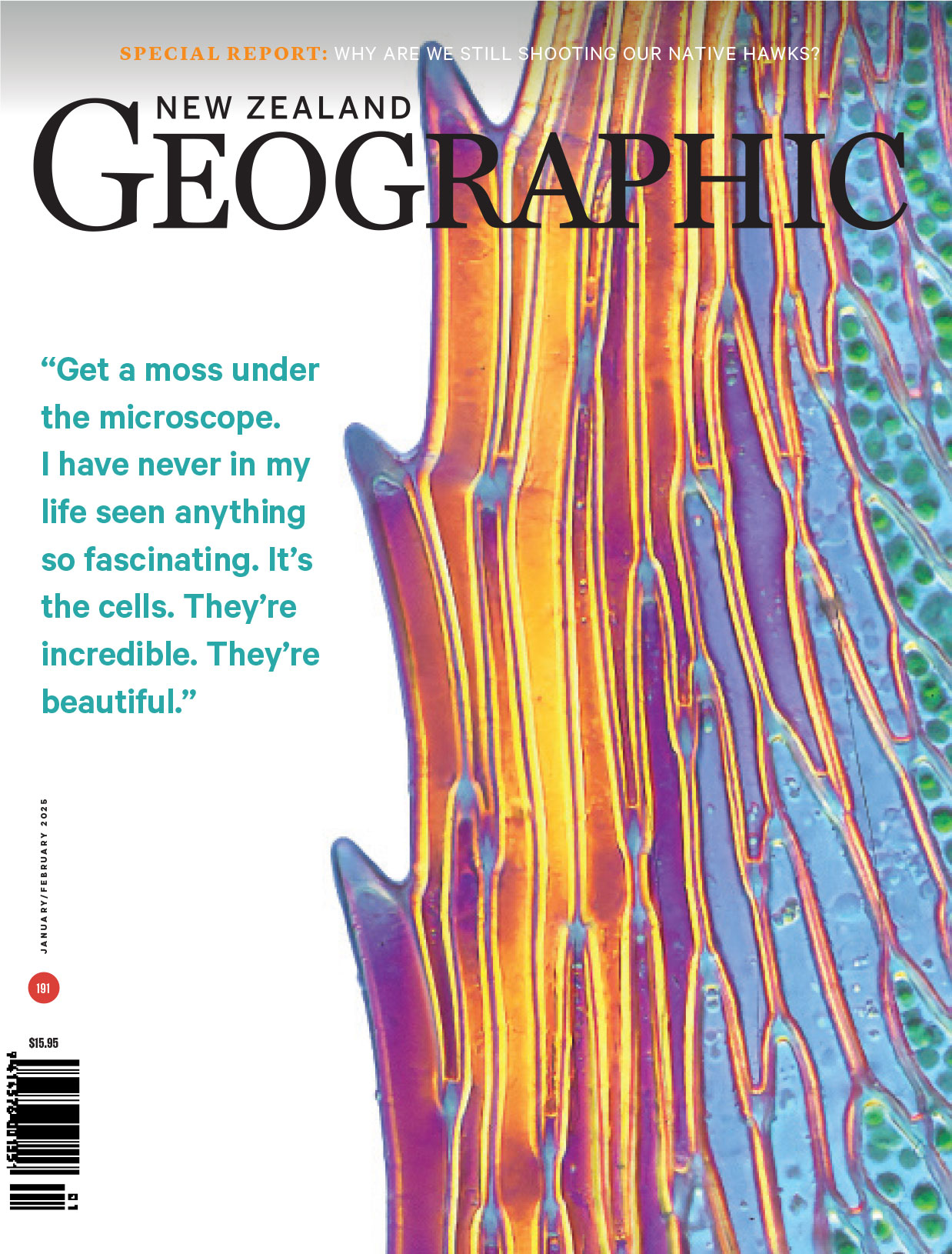
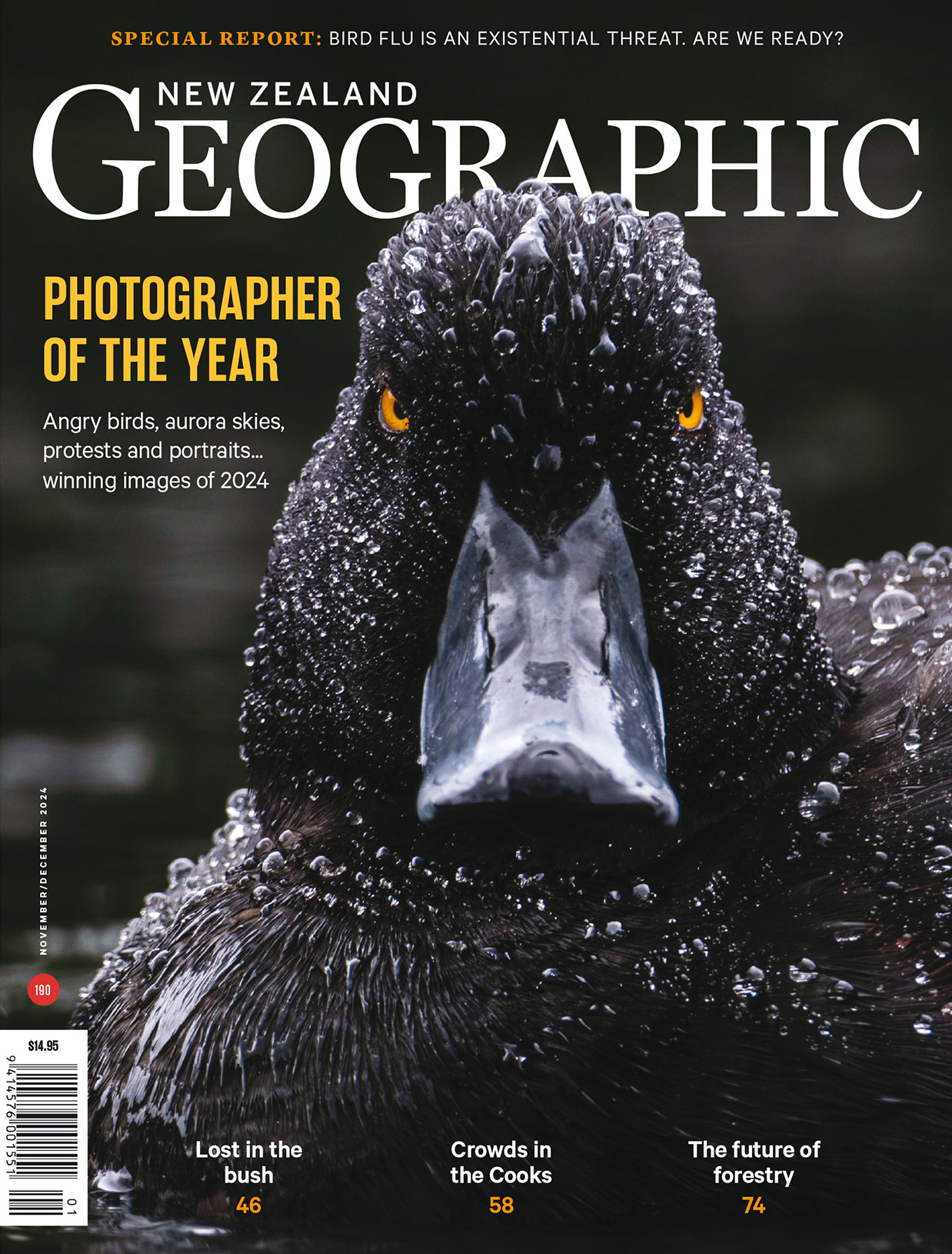
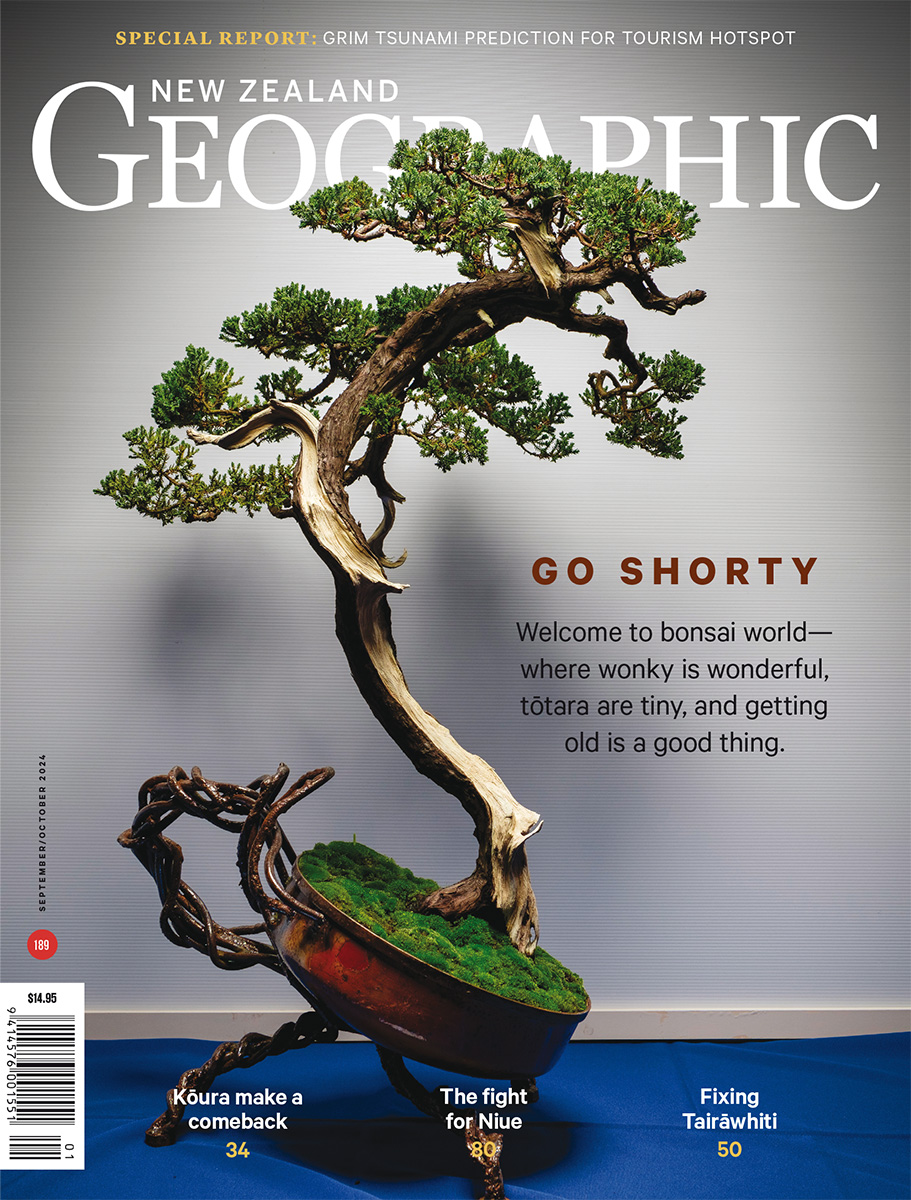
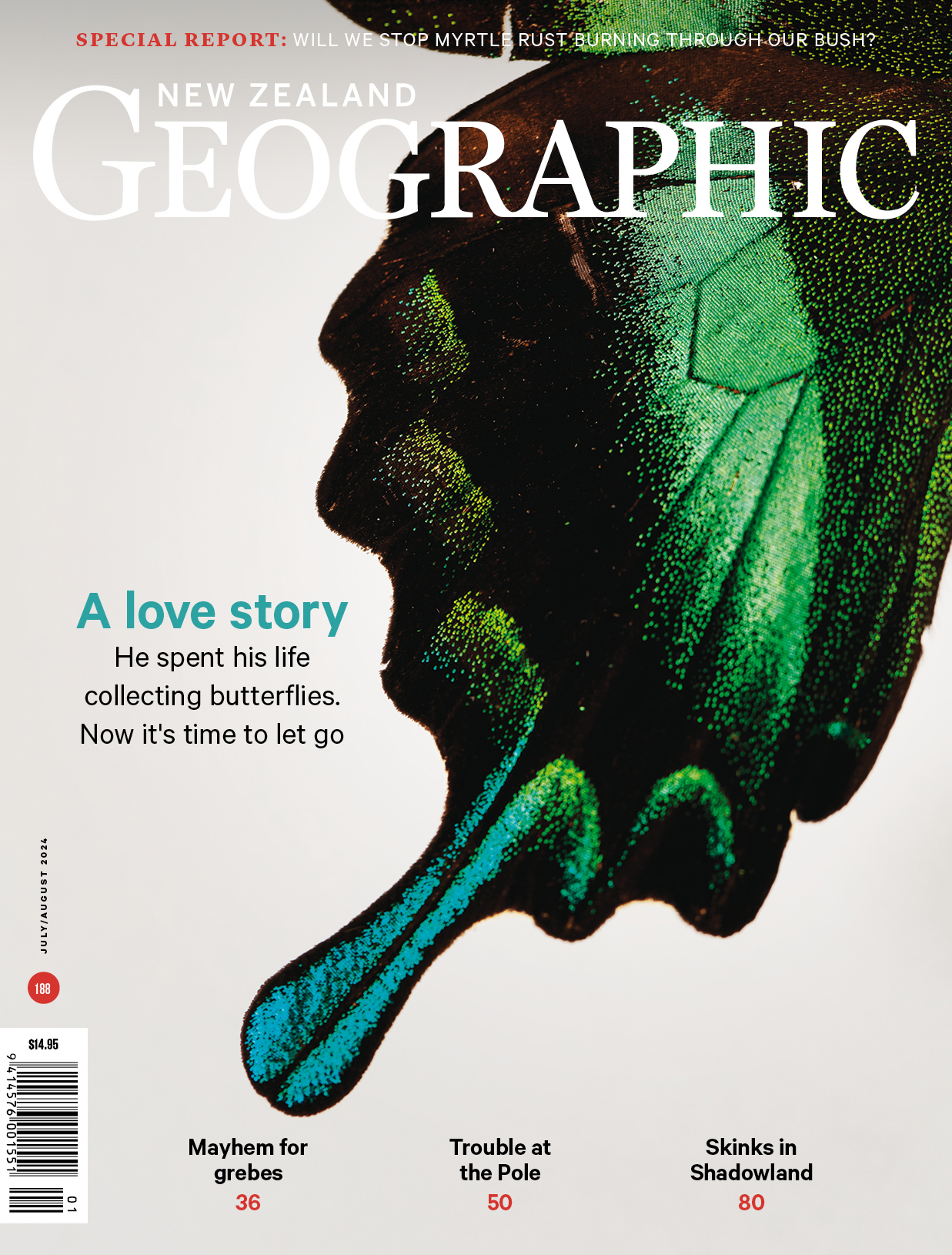
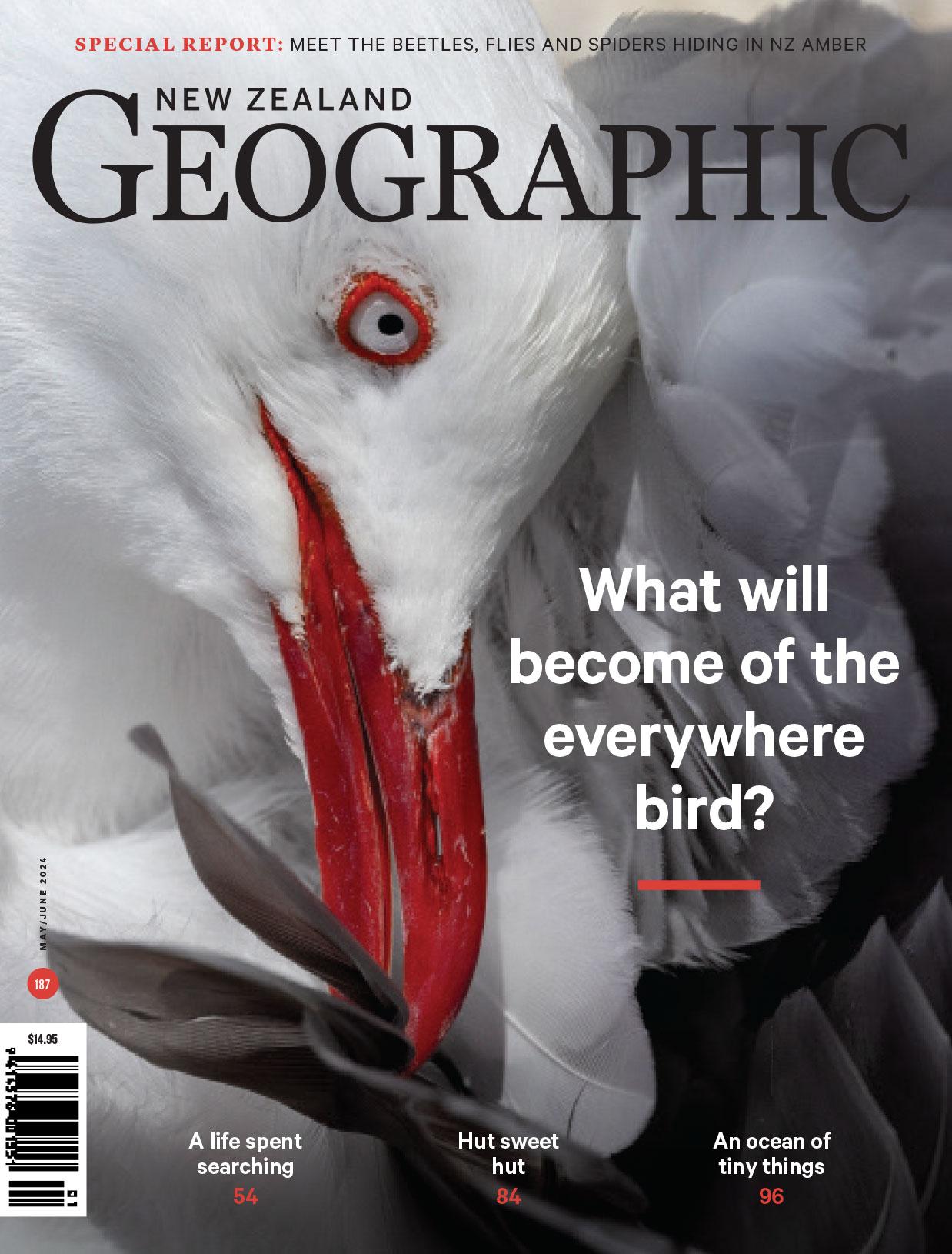
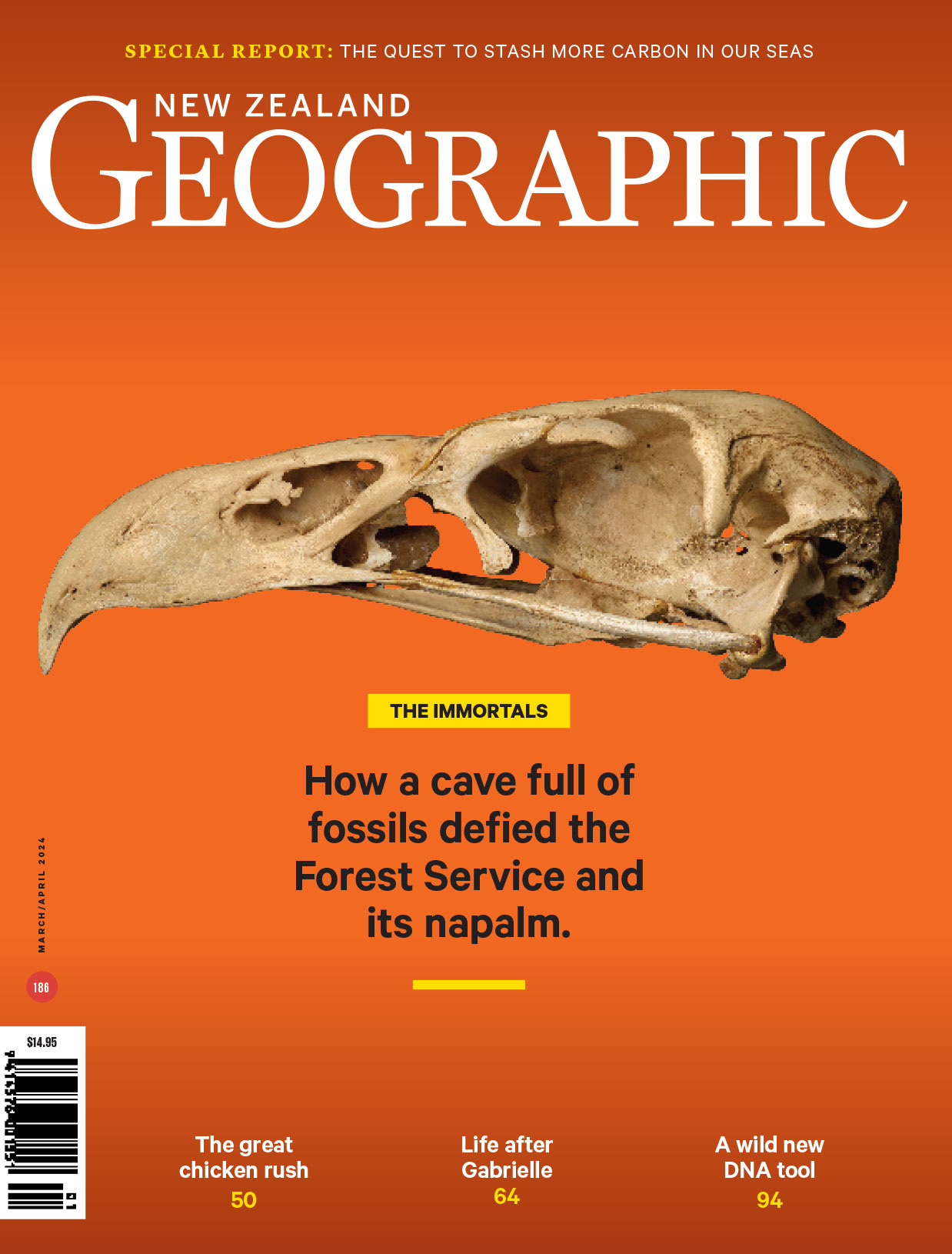
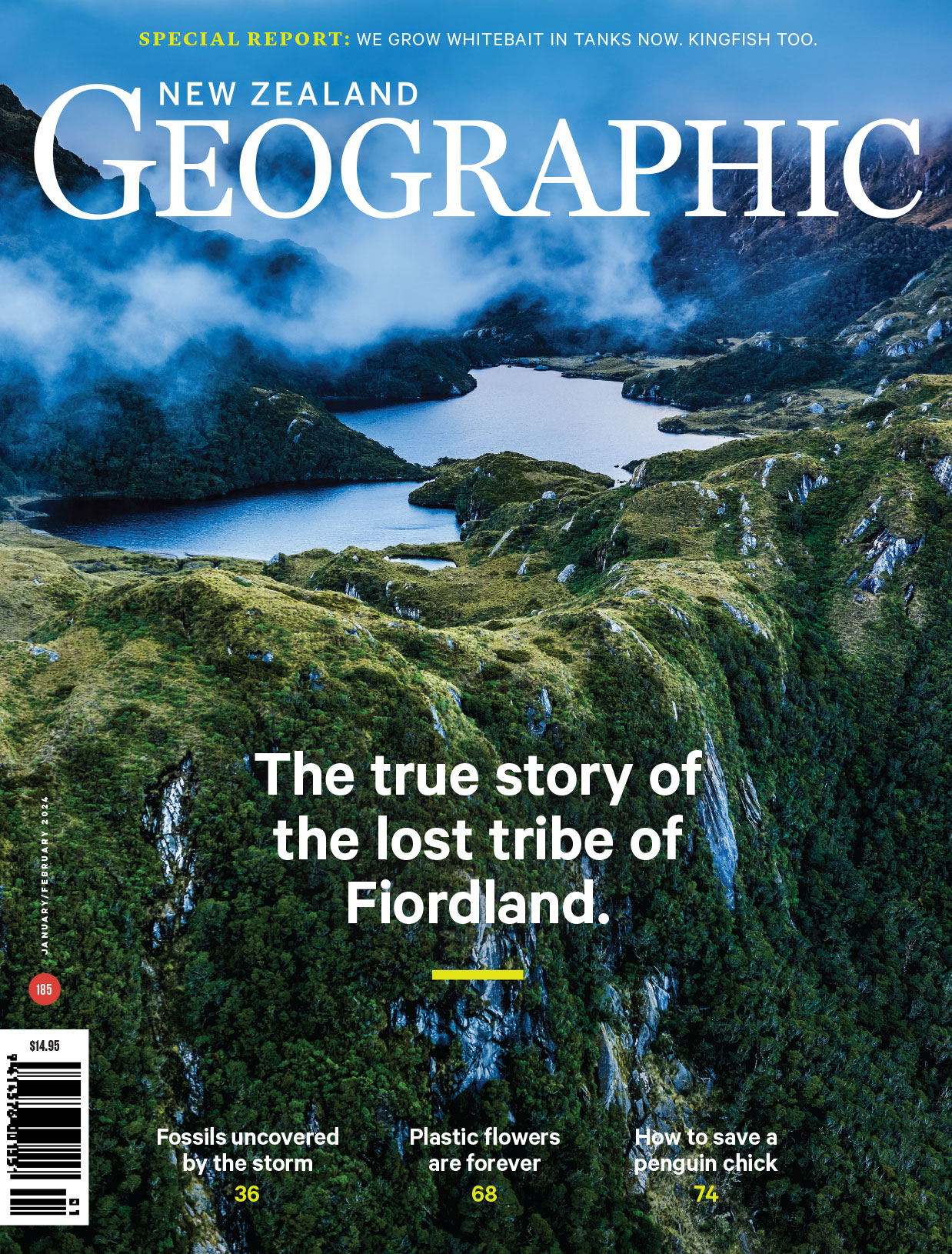
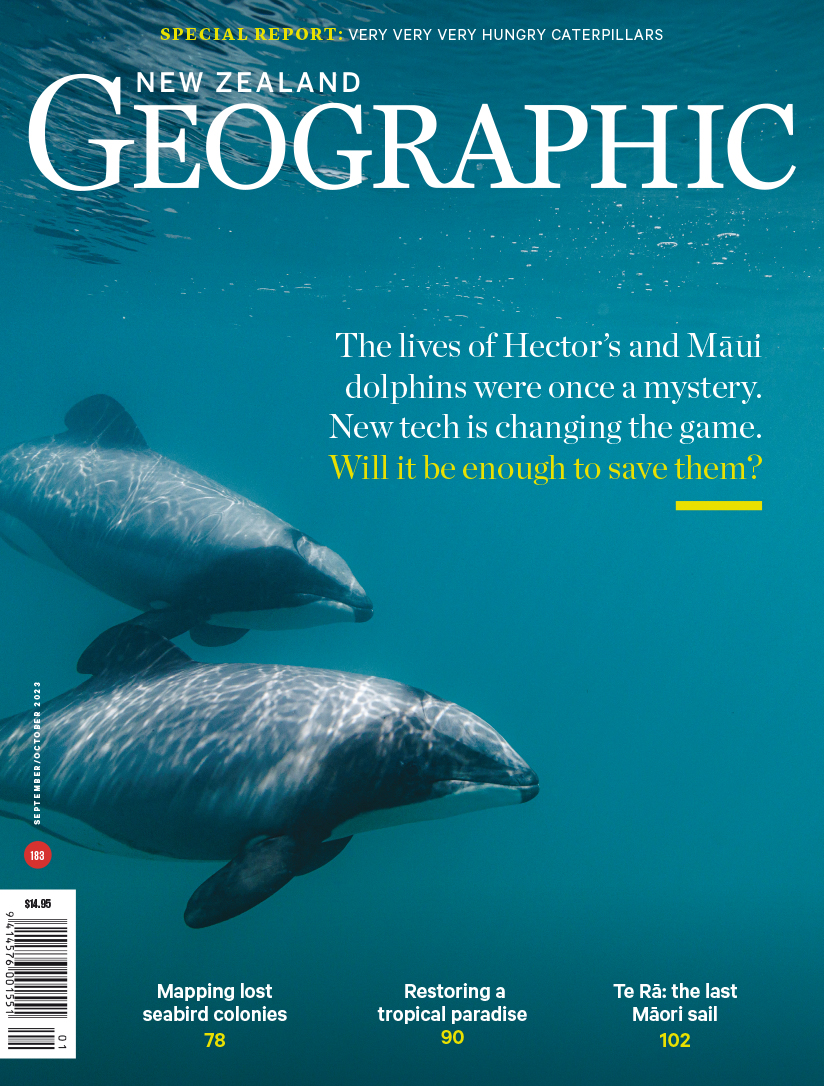
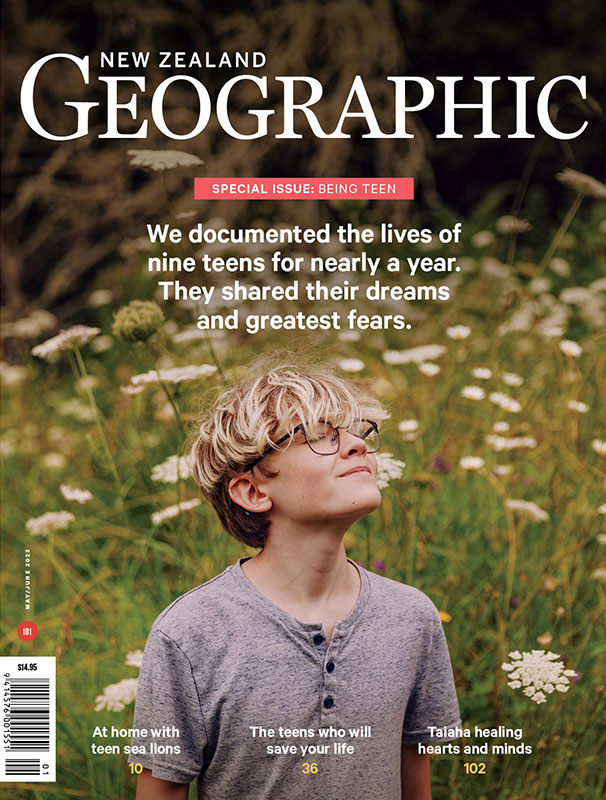
We have secured the future of New Zealand Geographic. Again....
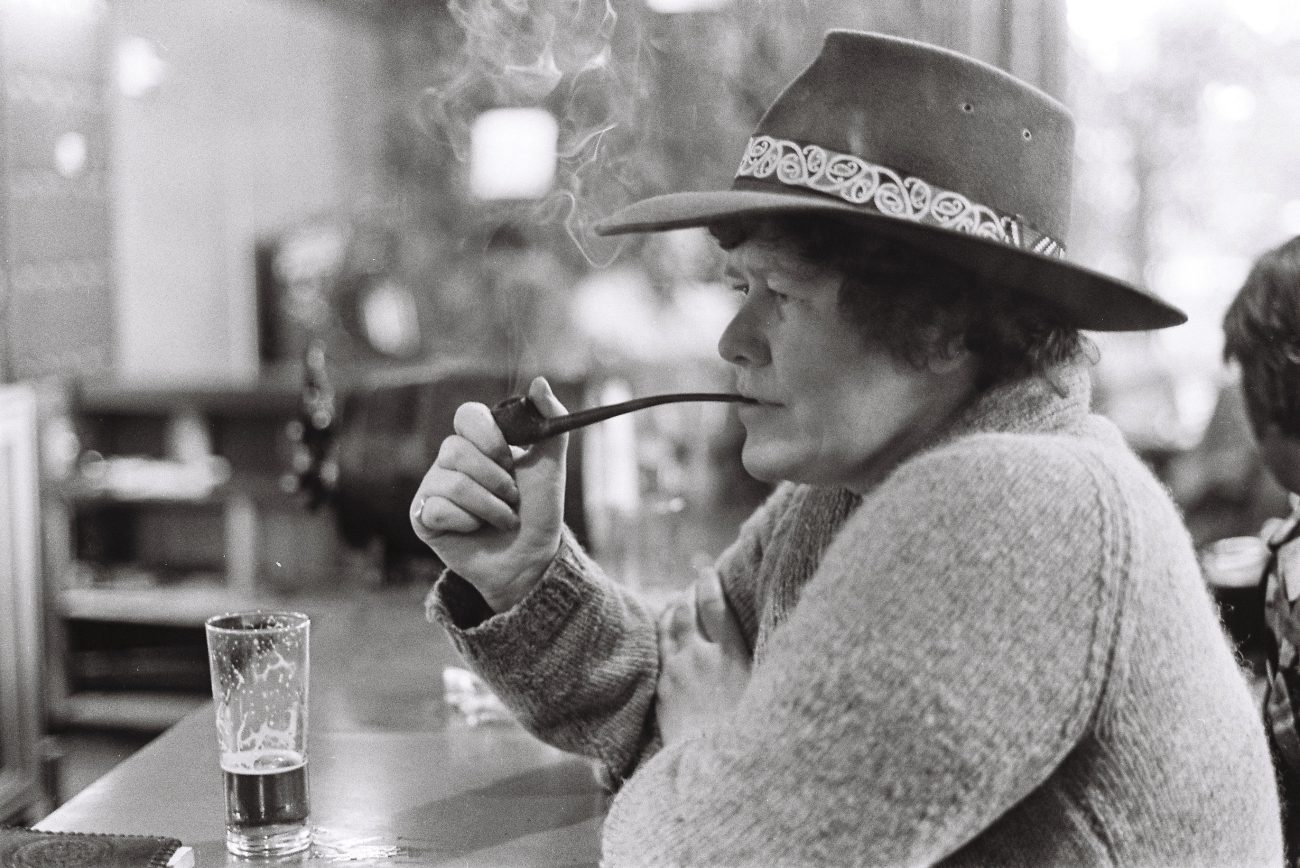
In first-year philosophy we chewed over the theory that humans were most interested in watching water, fire, and sky. The idea always irked me. What about a dune of tussock rippling in the wind? Seagull fights? Bumblebees in tomato flowers? Recently, I read an essay by American poet and minister Ralph Waldo Emerson, called ‘Nature’. […]...
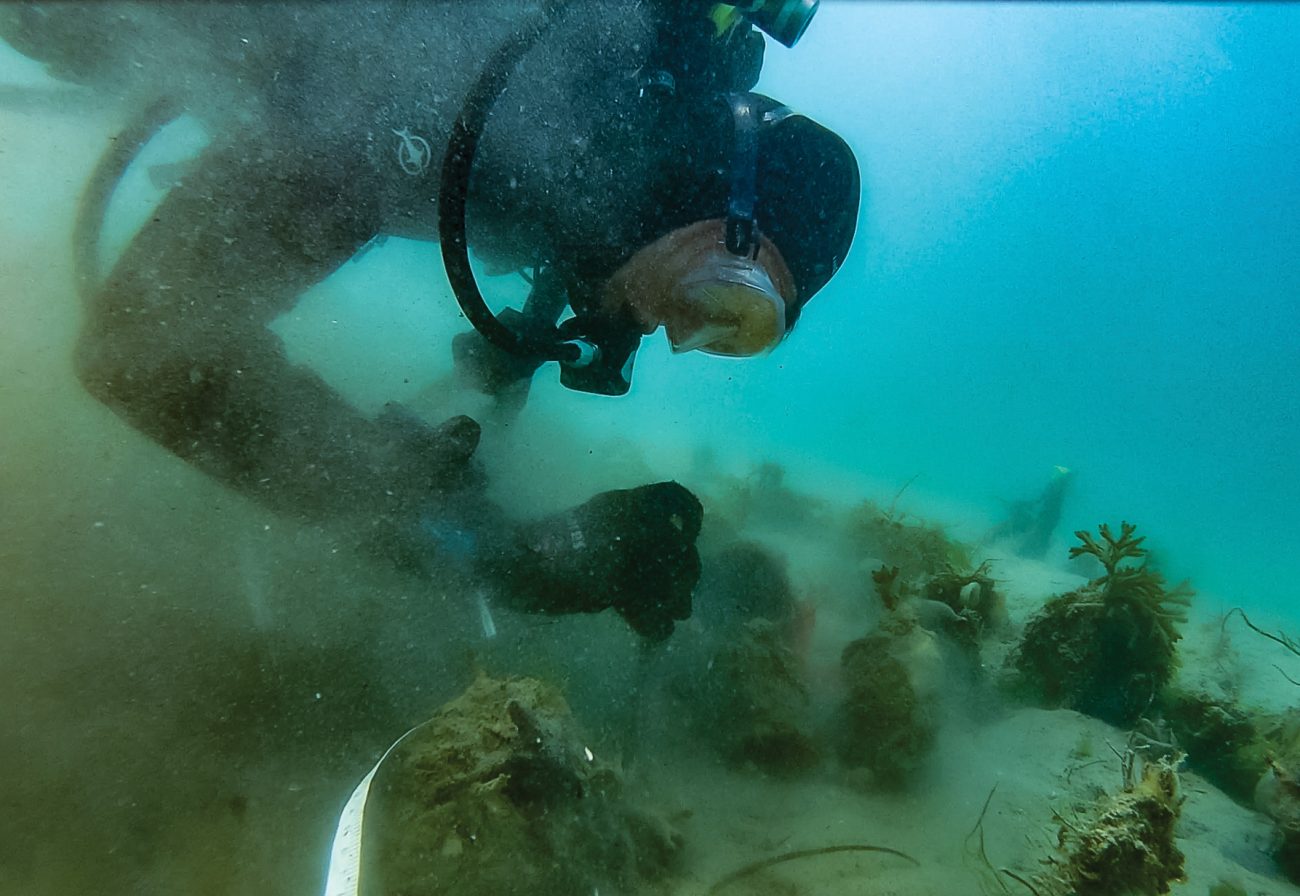
On page 54, Nic Low writes about a beach settlement at Moeraki. The sea is eating it, graves and taonga and all. Sheep and rabbits are chipping away with sharp hooves and scraping paws. Nic spirals out into a story about Ngāi Tahu reclaiming control of archaeology—keeping their ancestors and treasures safe, and not always […]...
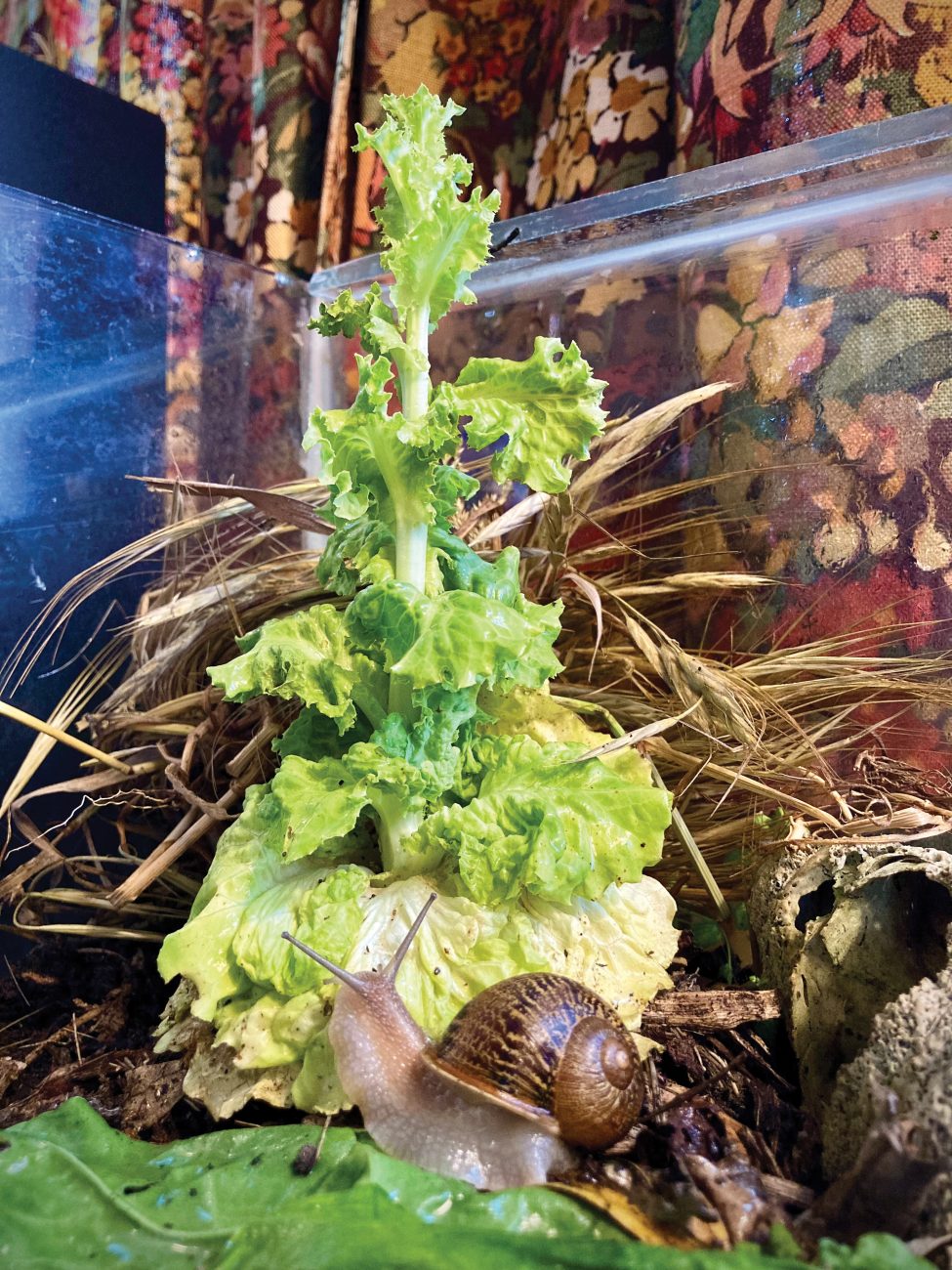
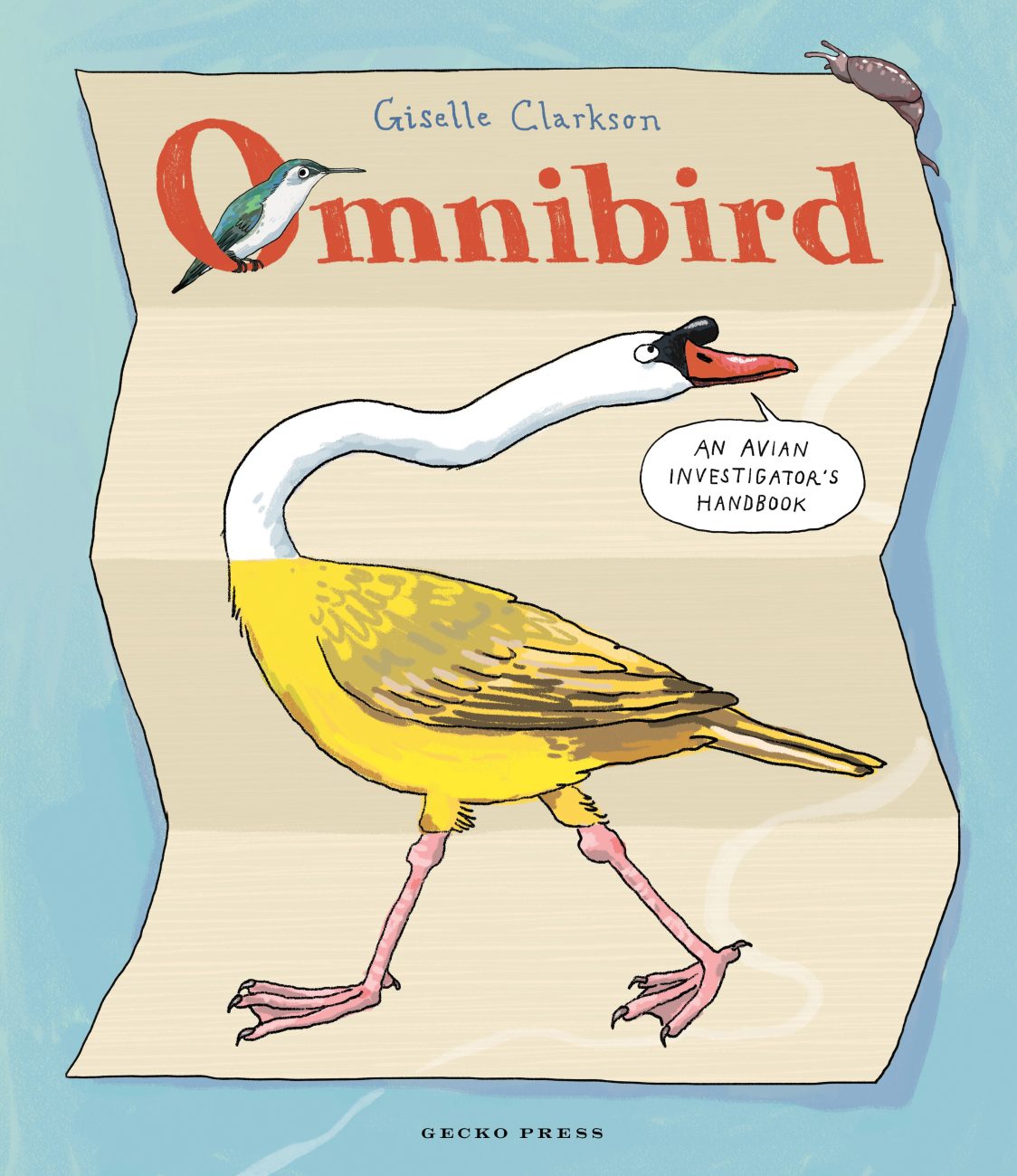
Ned the snail, whose discovery made international news in 2025, is heading into the new year still without a mate. Ned’s anatomy is flipped—a one in 40,000 fluke—which means a fellow leftie is required. Illustrator Giselle Clarkson found the super-rare gastropod in August and has been devoted ever since, providing daily spritzes of water, regular […]...
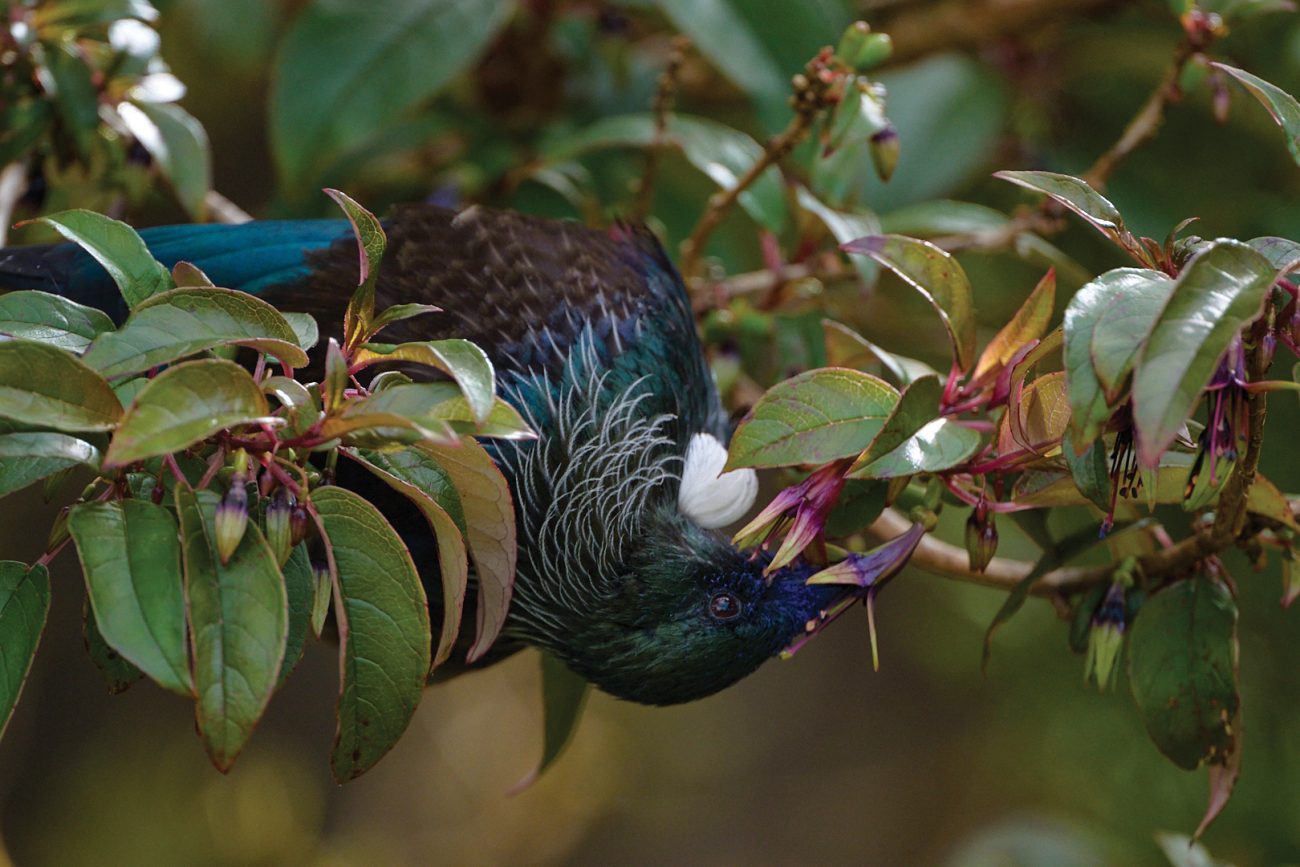
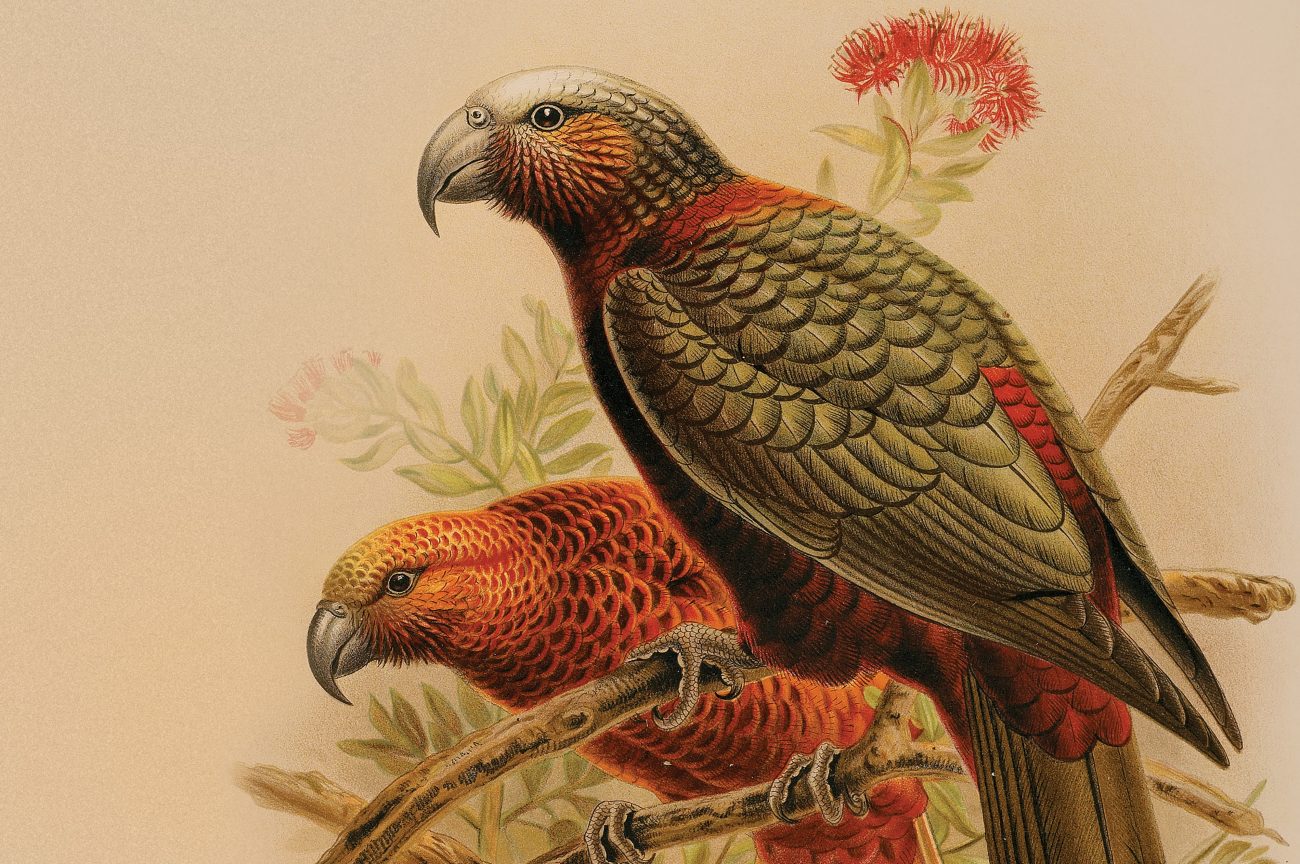
Scientists who spent nine years birdwatching in Wellington ecosanctuary Zealandia Te Māra a Tāne report that birds visit the flowers of kōtukutuku, our native tree fuchsia, 16.4 times an hour. That put it streaks ahead of any other plant in the forest, including tasty stalwarts kōwhai and harakeke. Seven species of native birds, especially tūī, […]...
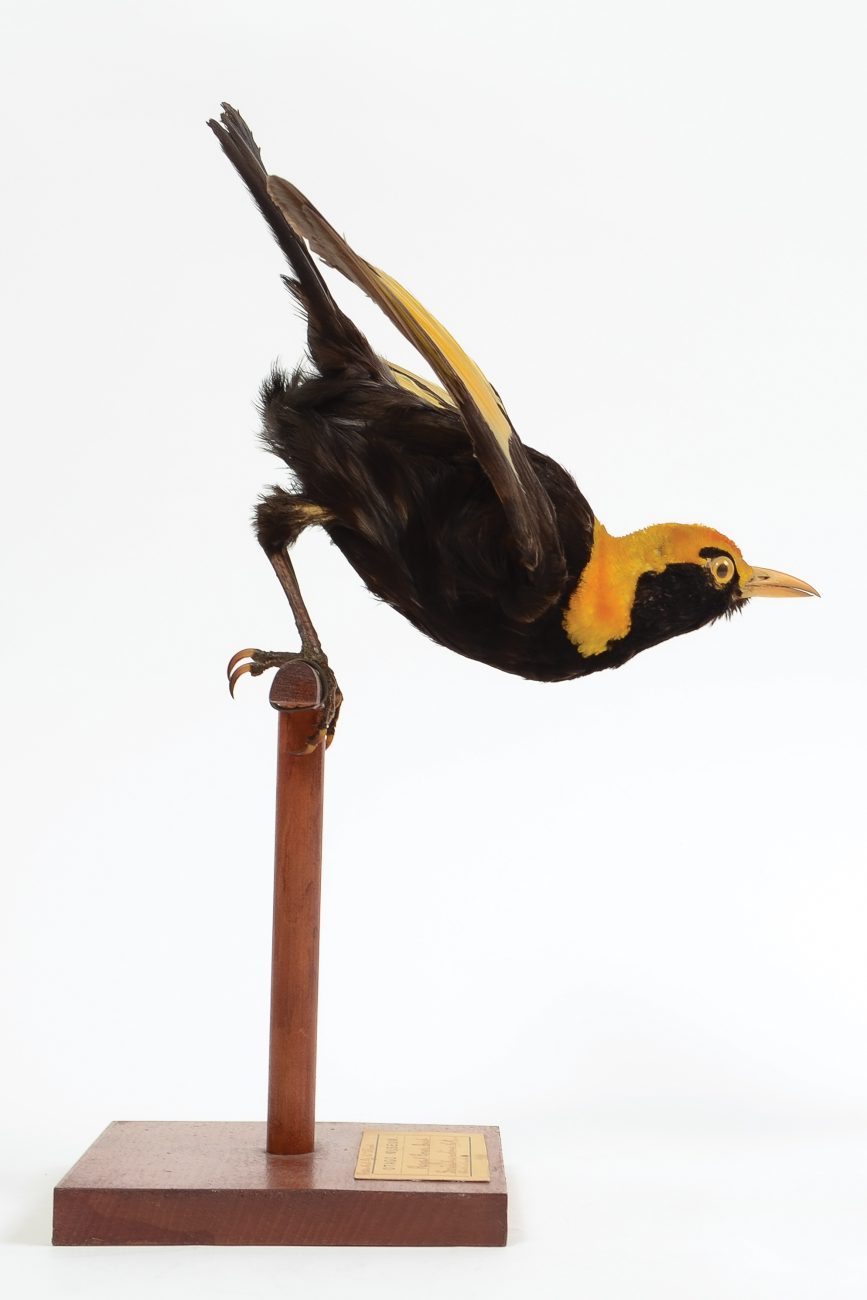
The bone belonged to a songbird, but it didn’t belong to any existing New Zealand songbird, alive or dead, and so Elizabeth Steell was stumped. Steell, a research fellow at the University of Cambridge, is one of the world’s few experts in prehistoric songbirds. The bone had been excavated from the archaeological site at St […]...
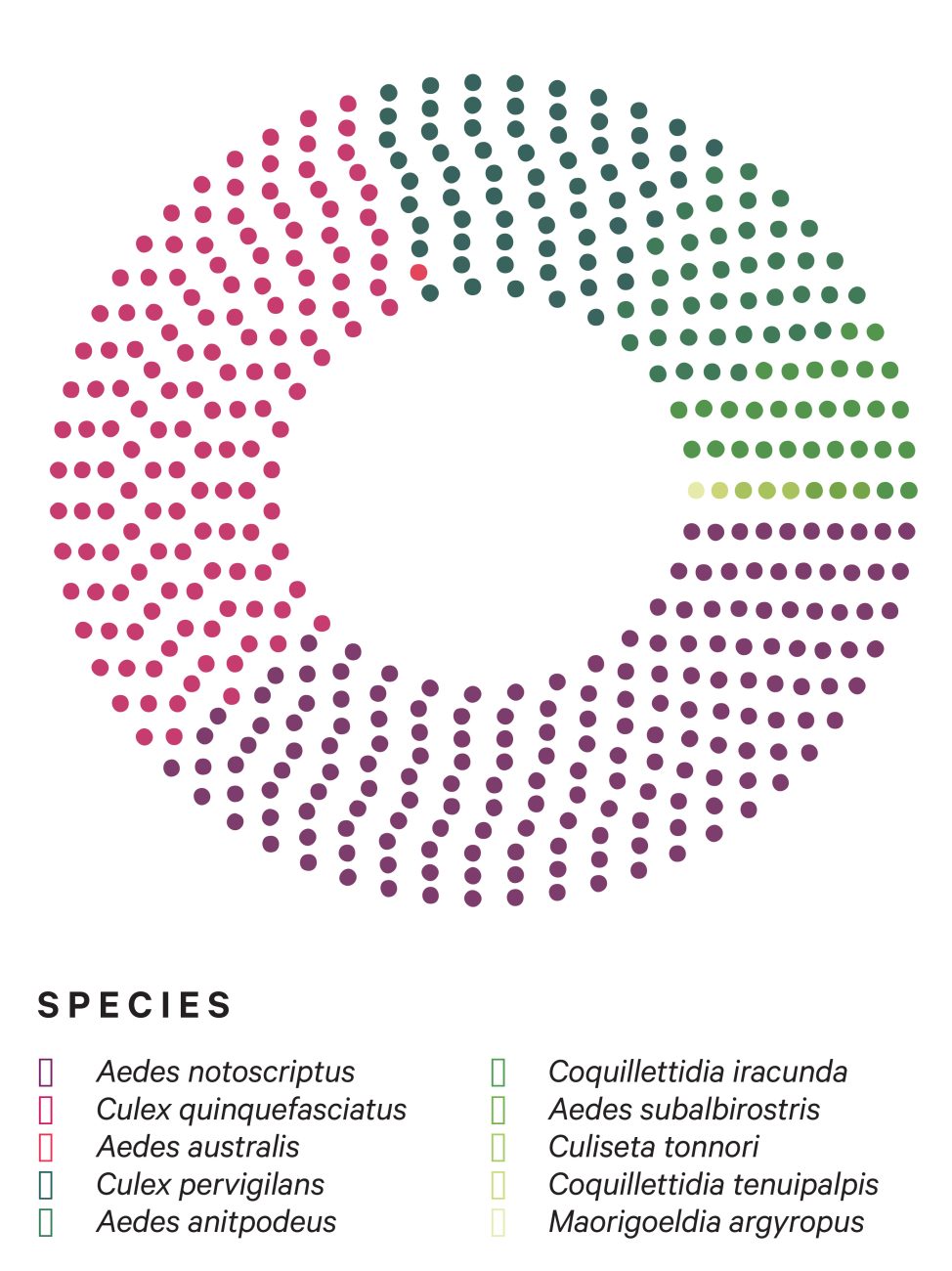
In 2019, scientists asked the public to catch and freeze mosquitoes, then post them to Te Papa. Over three years almost 900 tiny packages turned up. About a third of the insects weren’t mosquitoes at all, or they were too damaged (squashed?) to identify. Of the rest, two exotic species dominate. Julia Kasper, lead curator […]...
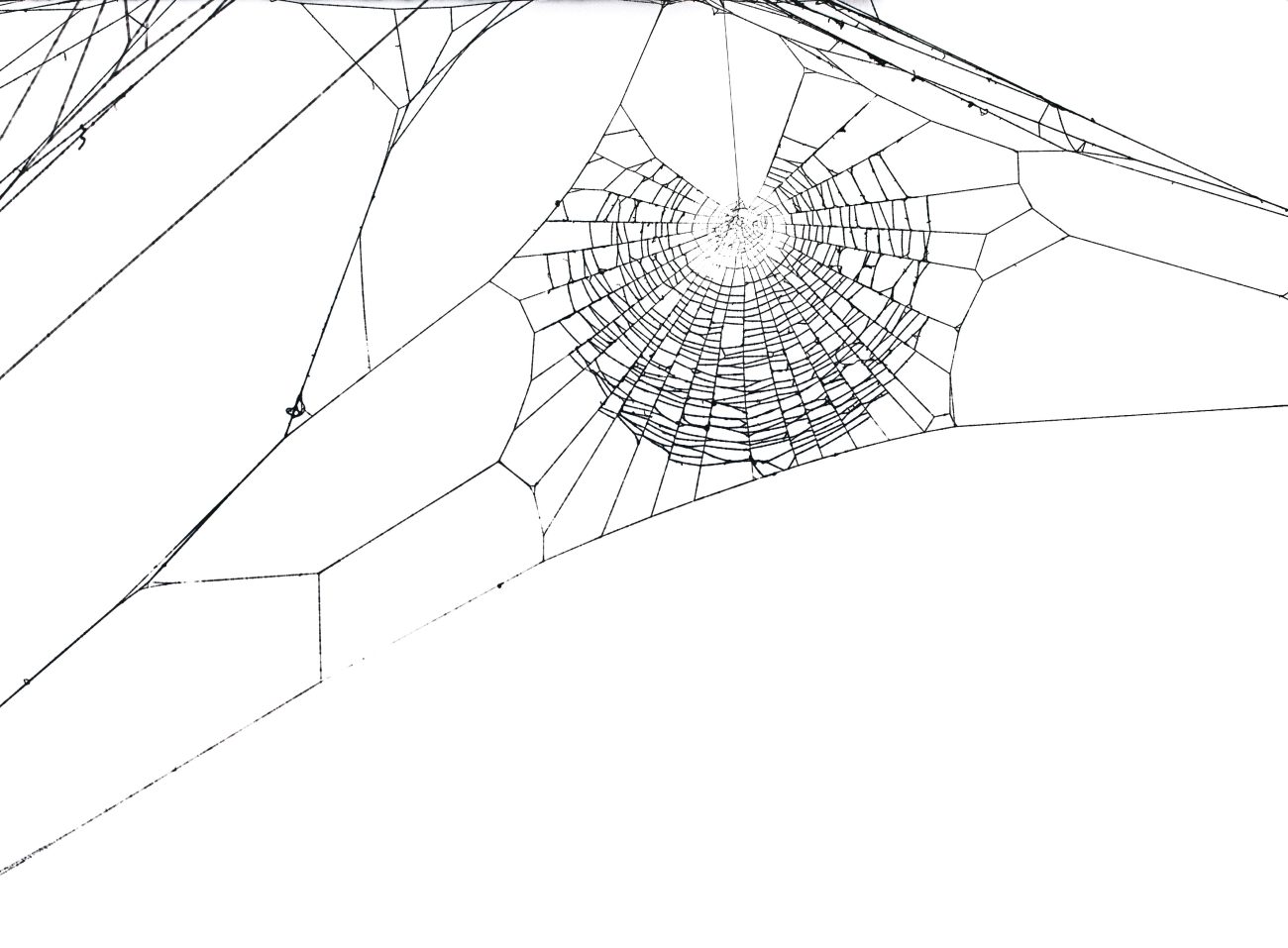
For years, scientists have been using water samples to trace plants, microbes, animals and fungi via the invisible bits of DNA they leave behind. Recently this eDNA technology has taken to the air, using spiderwebs to catch clues wafting on the breeze. But scaling that up would be rough on spiders. And one web is not […]...
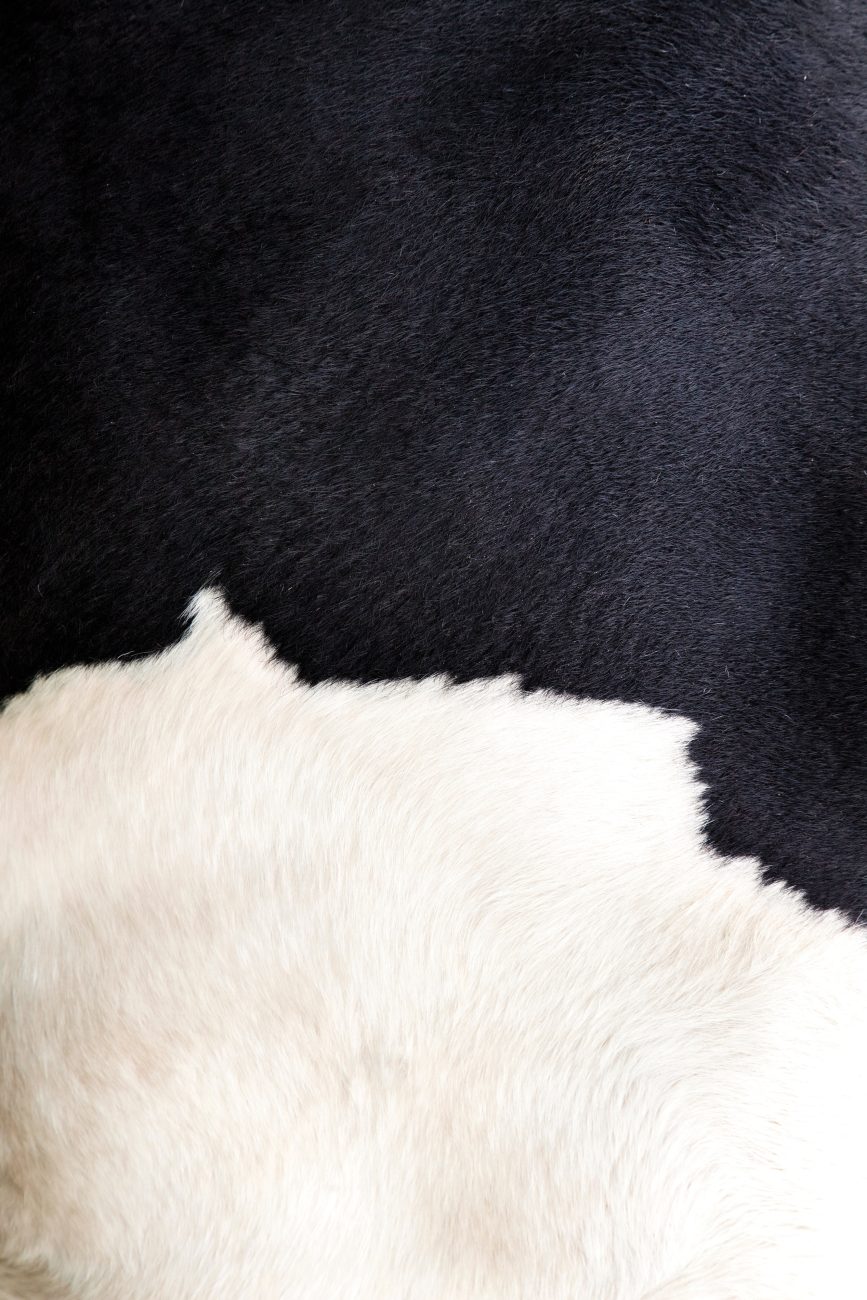
Most dairy cows in New Zealand are Friesians—the ones with black spots dappling white backs and bellies. Figuring out which genes dictate these markings was particularly devilish, but after analysing thousands of coat patterns, an international team of scientists have done it, publishing their findings in Science Advances. It was like winning a race, says […]...
Horse mussels are massive. Given a chance, the shellfish can grow to almost half a metre long. University of Auckland marine scientist Jenny Hillman says that until the 1990s, these huge shellfish carpeted harbours and estuaries around New Zealand, cleaning the seawater as they filtered it. They were big builders, too: forming reefs that bound […]...