


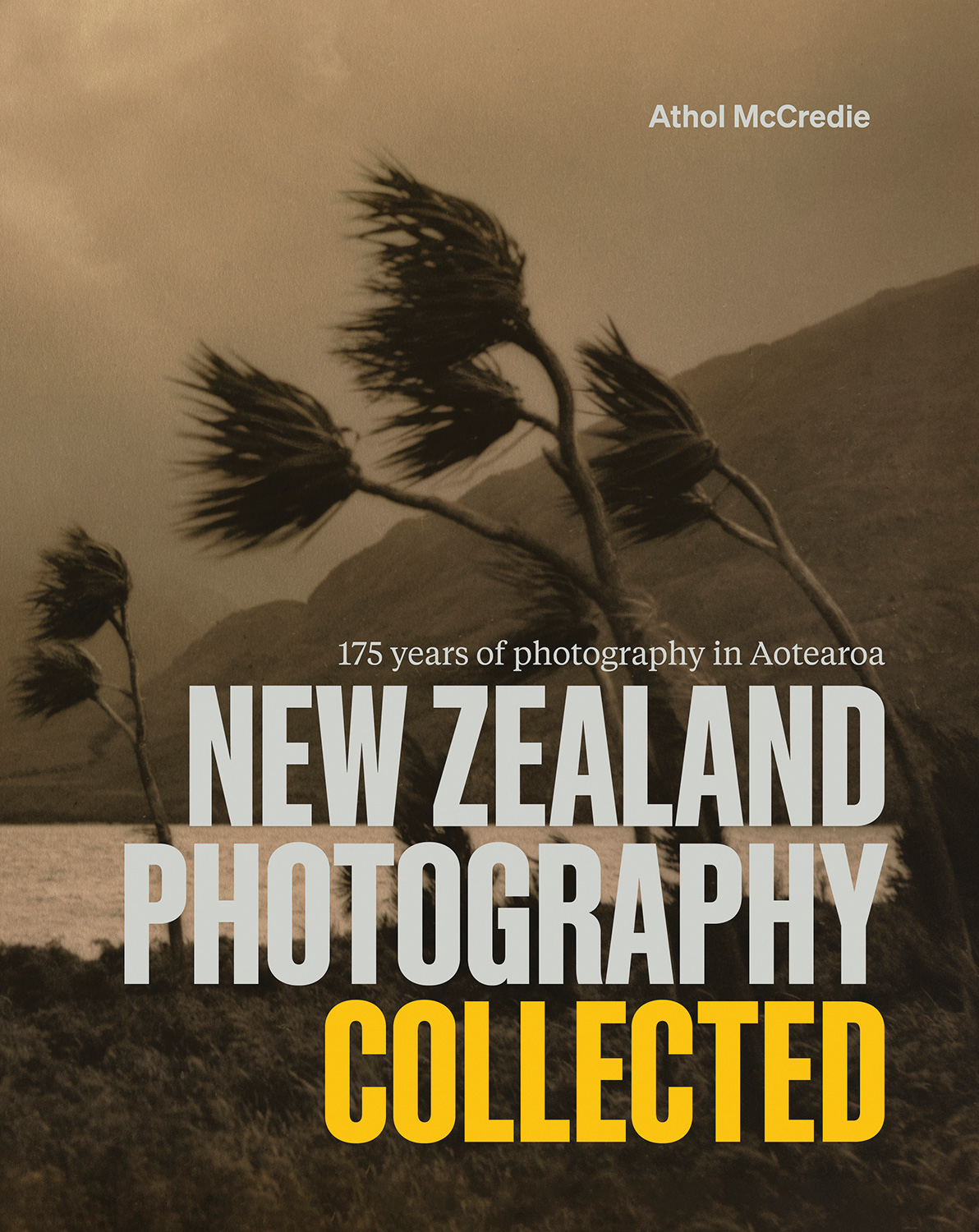
Edited by Athol McCredie, Te Papa Press, $90
In 2022, an extraordinary set of images surfaced at auction. Taken in Christchurch around a hundred years ago, they show a small group of young gay men—tops off and grinning in sand dunes; reclining on a bed; sitting in gardens; on a porch, a casual arm looped around a shoulder. Happy, clowning.
Who took the photos? We don’t know; perhaps the photographer preferred it that way. The images must also have been processed, says Athol McCredie, curator of photography at Te Papa, by someone the group could trust: at the time, any sexual activity between men was illegal, and penalties were severe.
Chris Brickell, a gender studies researcher, spotted the upcoming auction and alerted McCredie. In the end, Brickell and a friend bought some of the photographs and gifted them to the museum. But the collection had been split for sale. Those happy young men and their time in the sun—and their bravery, in allowing this permanent record of their relationships—are diluted. “I think everyone felt, what a pity,” McCredie says.
He includes three of the images in New Zealand Photography Collected, a revised edition of a landmark book published in 2015. This version has more than 400 new images. On one level it’s an eclectic history of this country and photography itself.
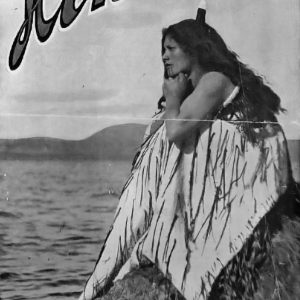
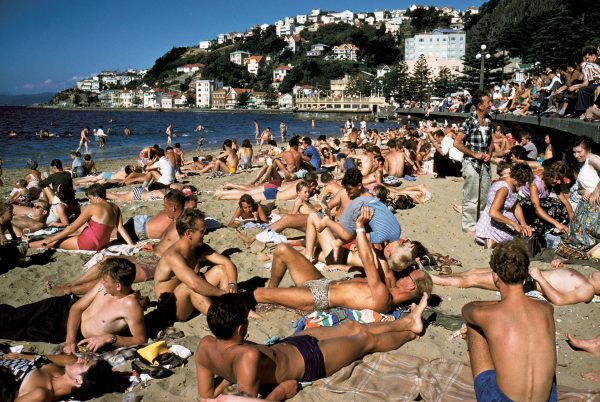
There are natural disasters, weavers and wool-sorters, moa bones, parties, hui, DOC huts, a 1960 Brian Brake shot of crowds at Oriental Bay where you can almost feel the sunburn.
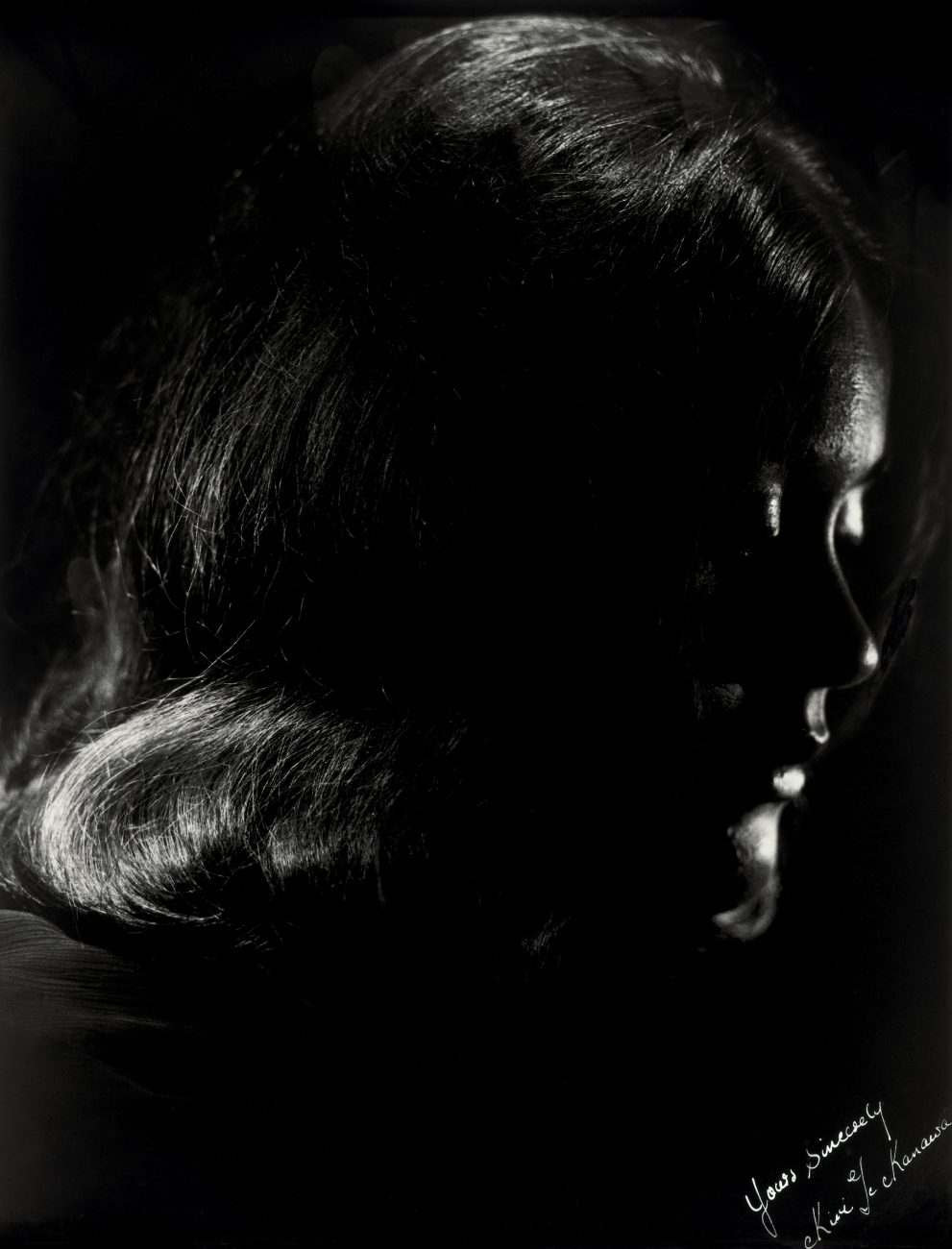
One of McCredie’s favourites is a portrait of Dame Kiri Te Kanawa with light just brushing her profile, taken by HR Holland in the mid-60s. “It’s almost blank,” he says. “There’s almost nothing of her there.” He remembers first seeing that photograph and thinking, “This is so strange. It’s so strange that we have to have it.” Many of his selections for the book unfolded like that, he says—his criteria were nebulous, “just that I will possibly know it when I see it”.
But the broader point he is gently trying to make, McCredie says, is about the way all photographs operate in collections. Your family album, for example, carries a particular meaning for you. That out-of-focus photo shows baby’s first steps; that shambolic group shot marks the last time you were all together.
But absorb that collection into a museum archive and, suddenly, “their meaning changes”. Strangers pore over the same photographs to understand fashions at the time, or social dynamics. Sometimes, as with the Christchurch set, that transition can be a time of fragmentation. Other times, important context is carved off completely.
McCredie is fascinated by a set of 24 school portraits that were taken in June 1934 and credited, with notes on each negative, to early-1900s photographer Leslie Adkin. But McCredie is very familiar with Adkin’s work, and says “there are things that just don’t add up”. The handwriting is not Adkin’s; the photos are not his style; nor was it his style to write on negatives at all. The shoot is not mentioned in Adkin’s diaries. McCredie picked five portraits for the book, writing: “All we are left with are the names of the children, the dates written on the negatives, and the words ‘opening of new school’ on the box in which they came.” He would be delighted to hear from any descendants; the full list of names and photos is at nzgeo.com/schoolphotos.
More by Catherine Woulfe