When black-backs attack

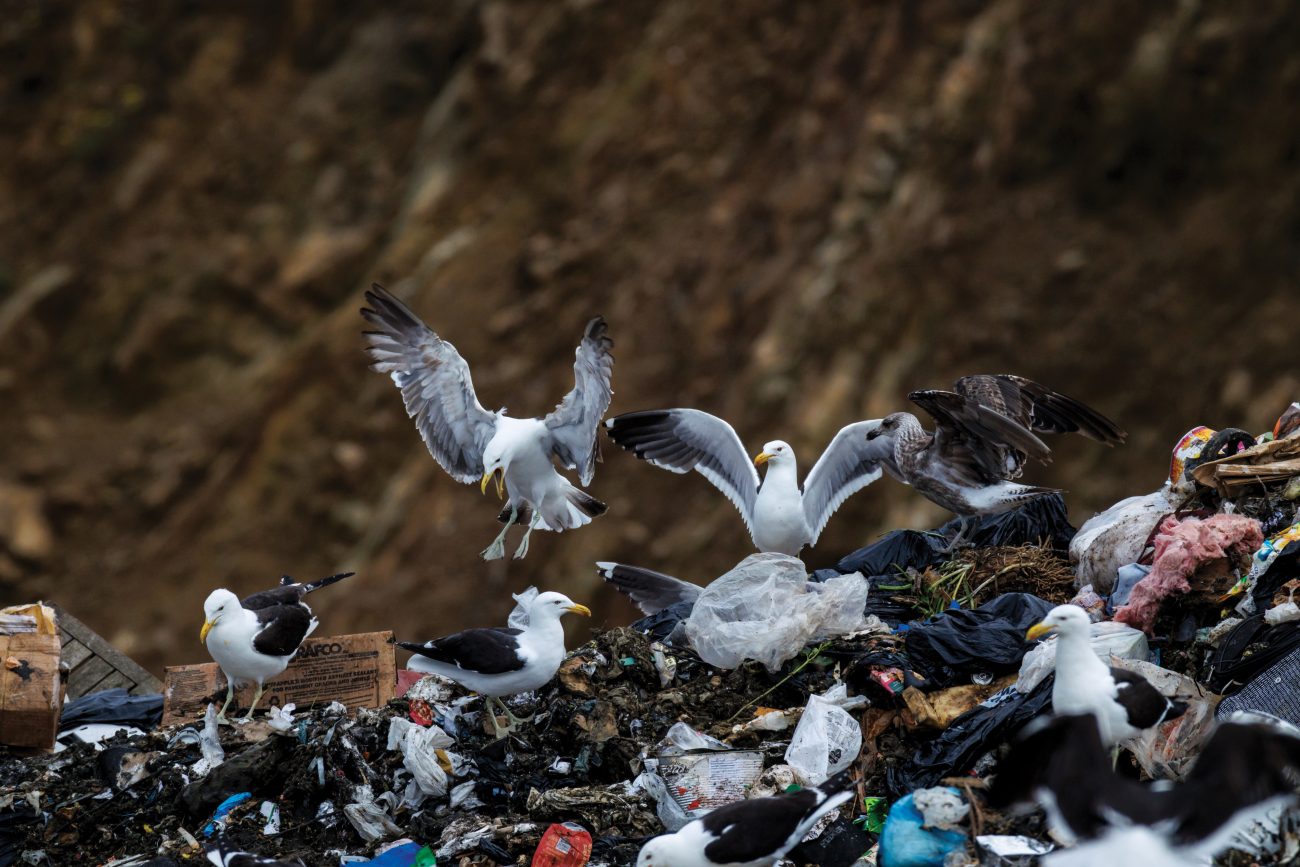
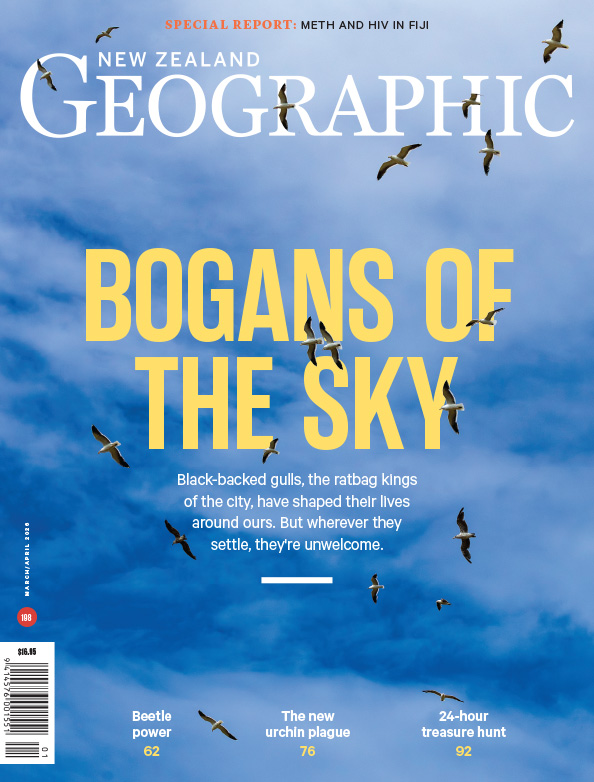
Put a drone up and any self-respecting black-backed gull in the vicinity will be there within moments, pecking and hollering and generally bullying the strange, buzzing interloper. “Black-backs are always the hardest,” says oceans photographer Richard Robinson—he’s been 12 miles off the coast, he says, with no birds in sight, but as soon as the […]...

For shame

While editing Sarah Newey and Simon Townsley’s feature story about the surge of methamphetamine and HIV in Fiji (page 50), I read a Rapid Assessment report from a team commissioned by the United Nations. They spent weeks in Suva in 2025, interviewing dozens of men and women who inject meth. In their own words, these […]...

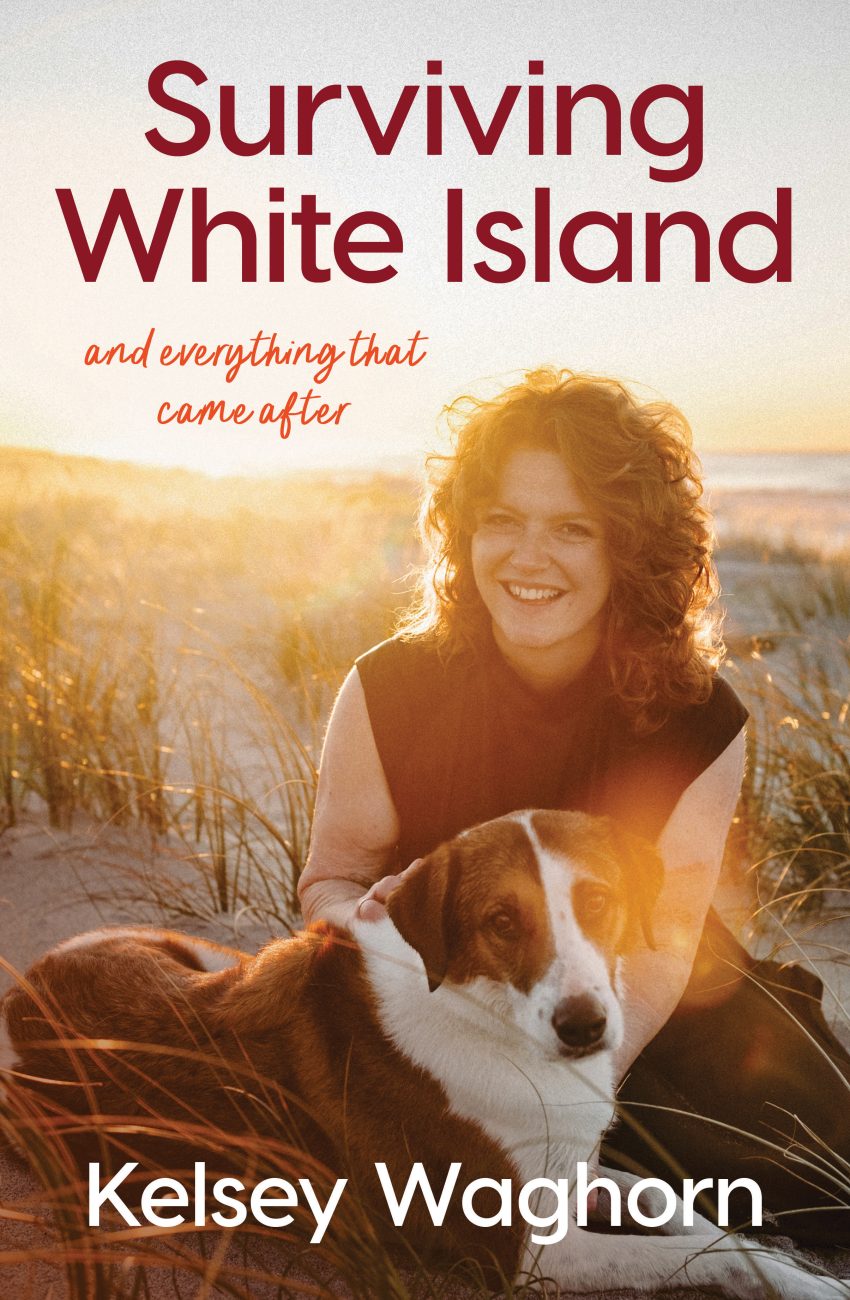
Surviving White Island

Kelsey Waghorn, HarperCollins...

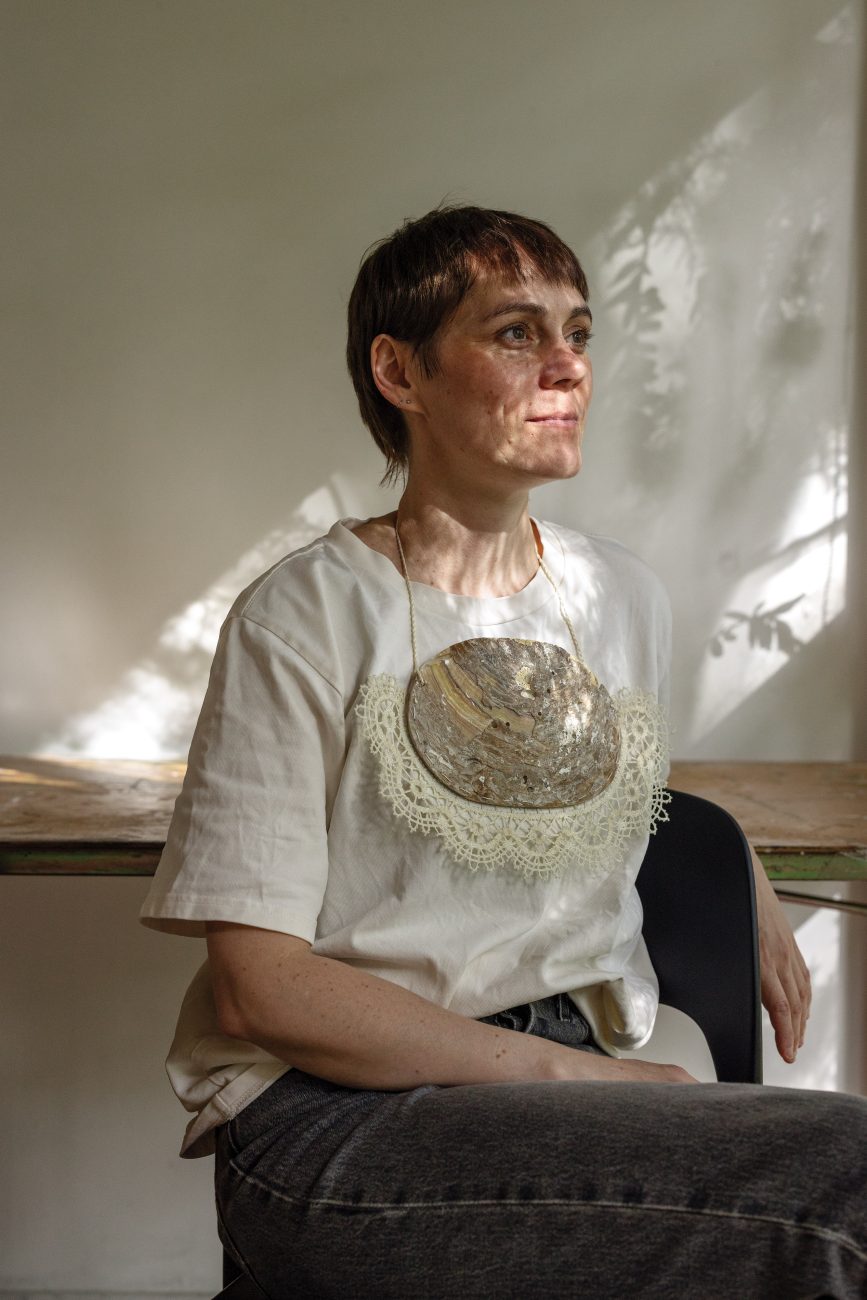
The lacemaker

In the studio with textile artist Rowan Panther...

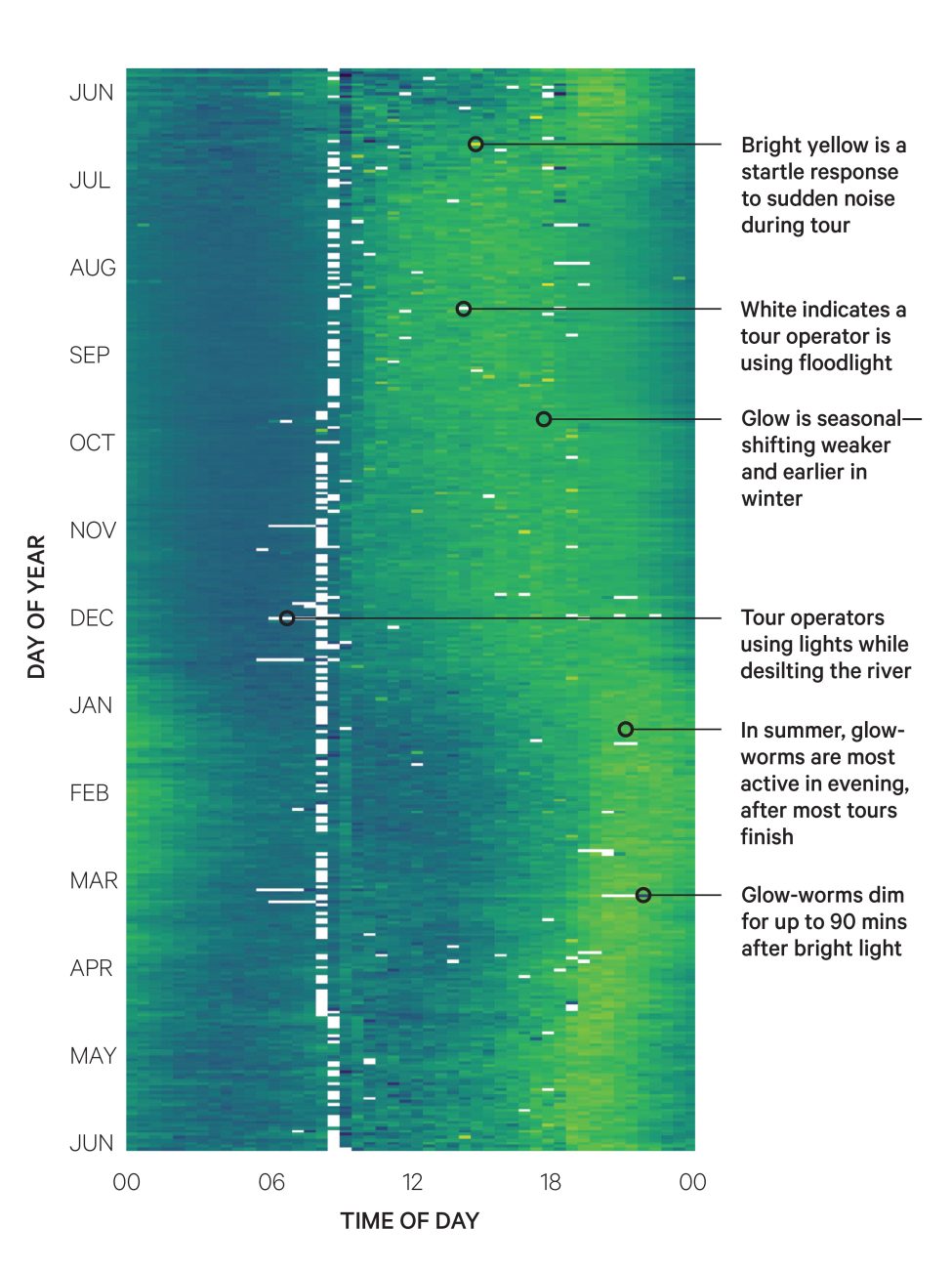
A whole year of tourists giving glow-worms little frights

Timelapse photography shows the tiny superstars of the world’s most famous glow-worm cave system, Waitomo, flickering in response to us pesky humans. Noise makes the glow-worms dial up their bioluminescence, and artificial light prompts them to dim, or switch off for a while. This heat map tracks the intensity of the light show across the […]...

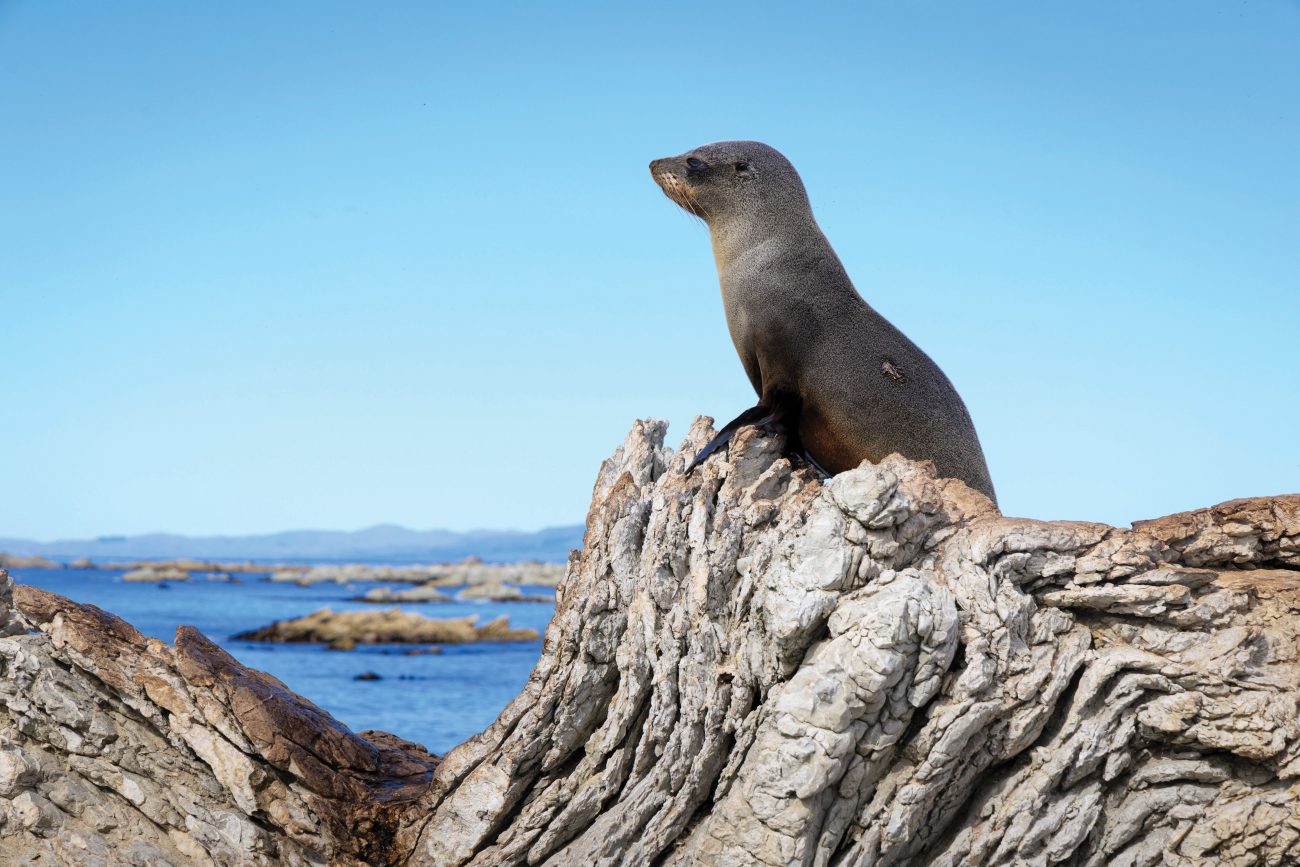
Fur seals on the rocks

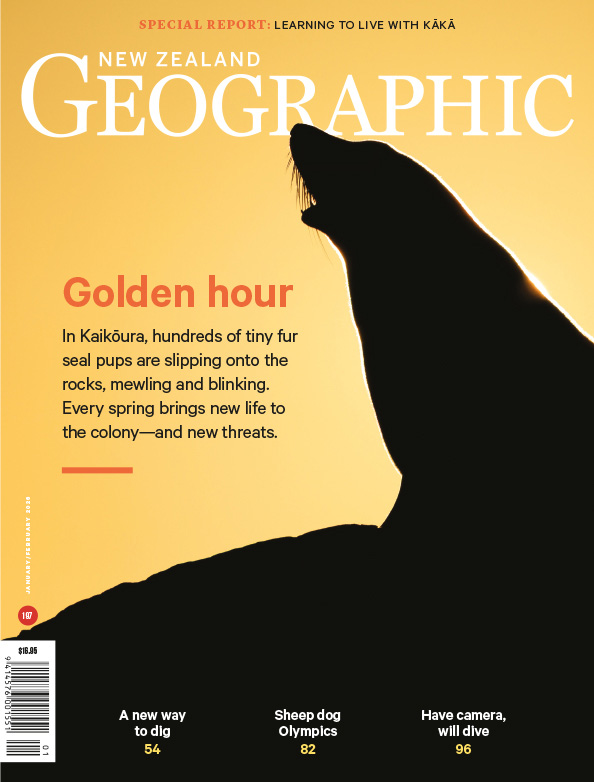
In our cover story last issue, we outlined the many threats facing our fur seal colonies. While most populations are stable or growing—for now—a new paper shows that all along the West Coast, birth rates are plummeting. At Wekakura Point, Cape Foulwind, and Taumaka Island, pup numbers have dropped by 83 per cent, 71 per […]...

On tree bark, a vast new army of climate allies

Up to six trillion climate change-fighting microbes inhabit each square metre of tree bark, according to a new study by scientists at Australia’s Monash and Southern Cross universities. The paper, published in Science, samples eight species of Australian tree and finds that not only is the bark teeming with life, but those microbes are “air […]...

“Bup, squeek, brumm, drr”

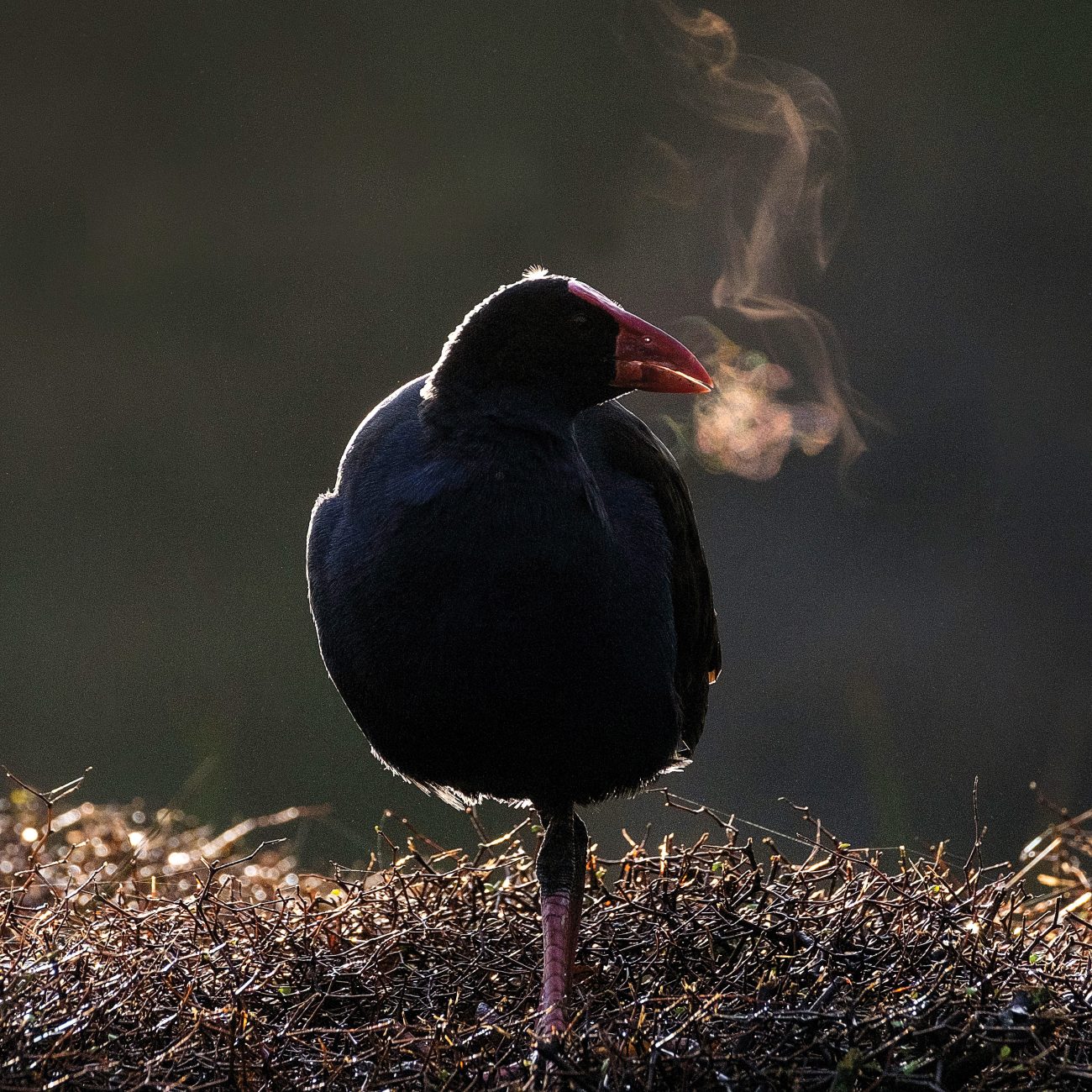
Anyone who’s camped in pūkeko country knows they make a heck of a lot of noise. Now, researchers led by a team from the University of Konstanz in Germany have discovered that the birds’ language also has a “sophisticated and structured” logic to it. The team analysed thousands of recordings of the birds’ raucous breeding […]...

A delicious crayfish circle of life

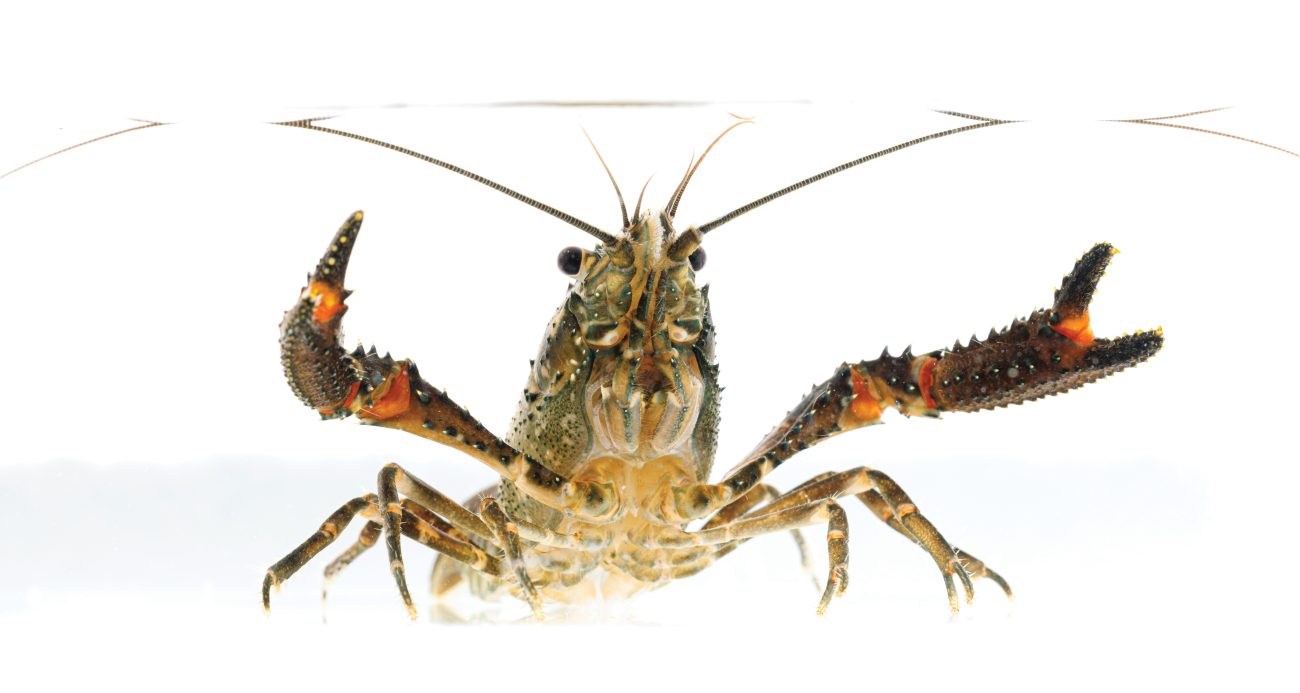
“A dead fish is a dead fish.” That’s the key finding of a recent study on the scavenging habits of our native crayfish, led by Calum MacNeil, a freshwater and invasion ecologist at Cawthron Institute. Kōura detect predators, such as eels, in the water through chemical cues. They can also tell when a predator is […]...

Before the flood

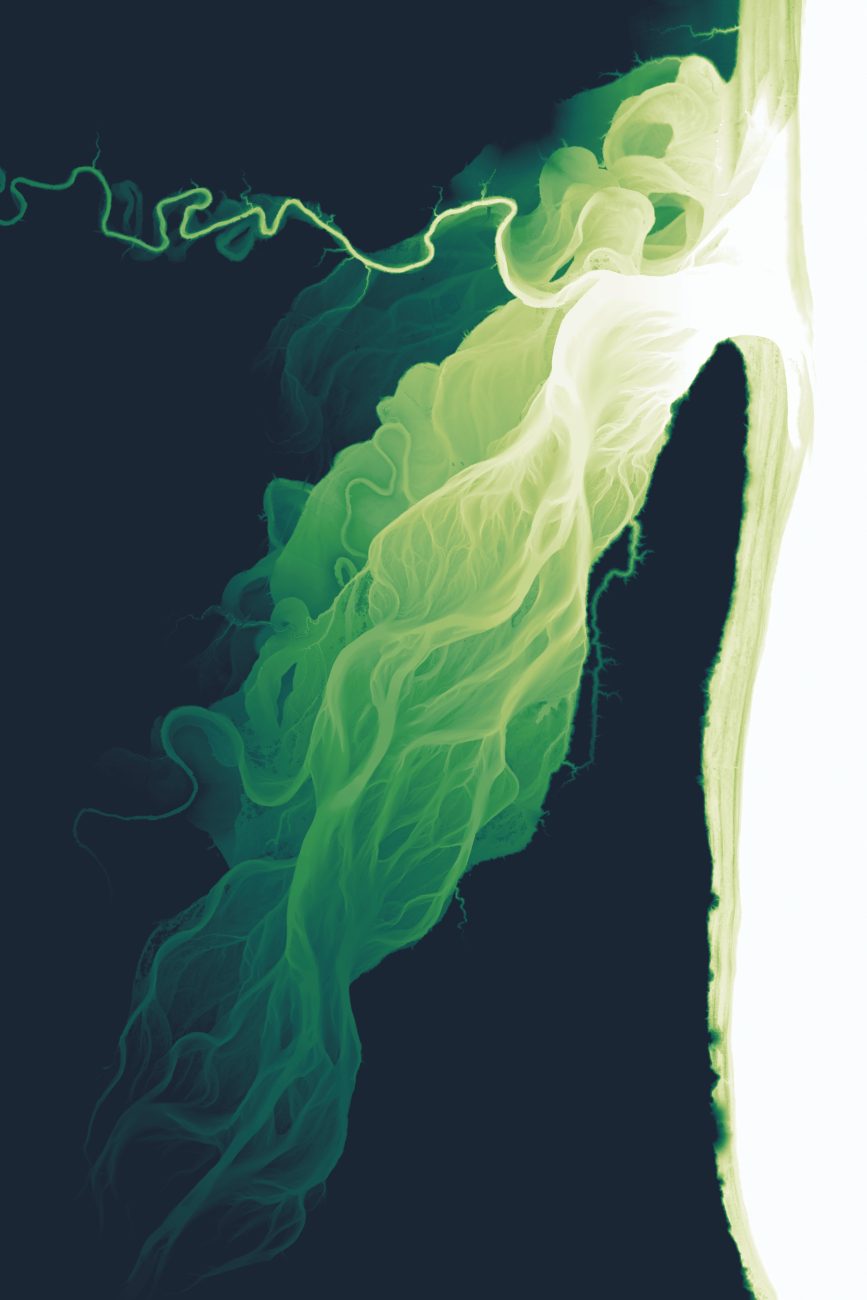
Waiapu River, a treasure of Ngāti Porou, is now known, too, for its volatility. After decades of forestry thrashing the land, every major storm pushes silt and pine slash downriver to the people and beaches of Tairāwhiti. This image, showing where the river meets the coast at Gisborne, is based on aerial LiDAR data collected […]...

Two years on Mana Island

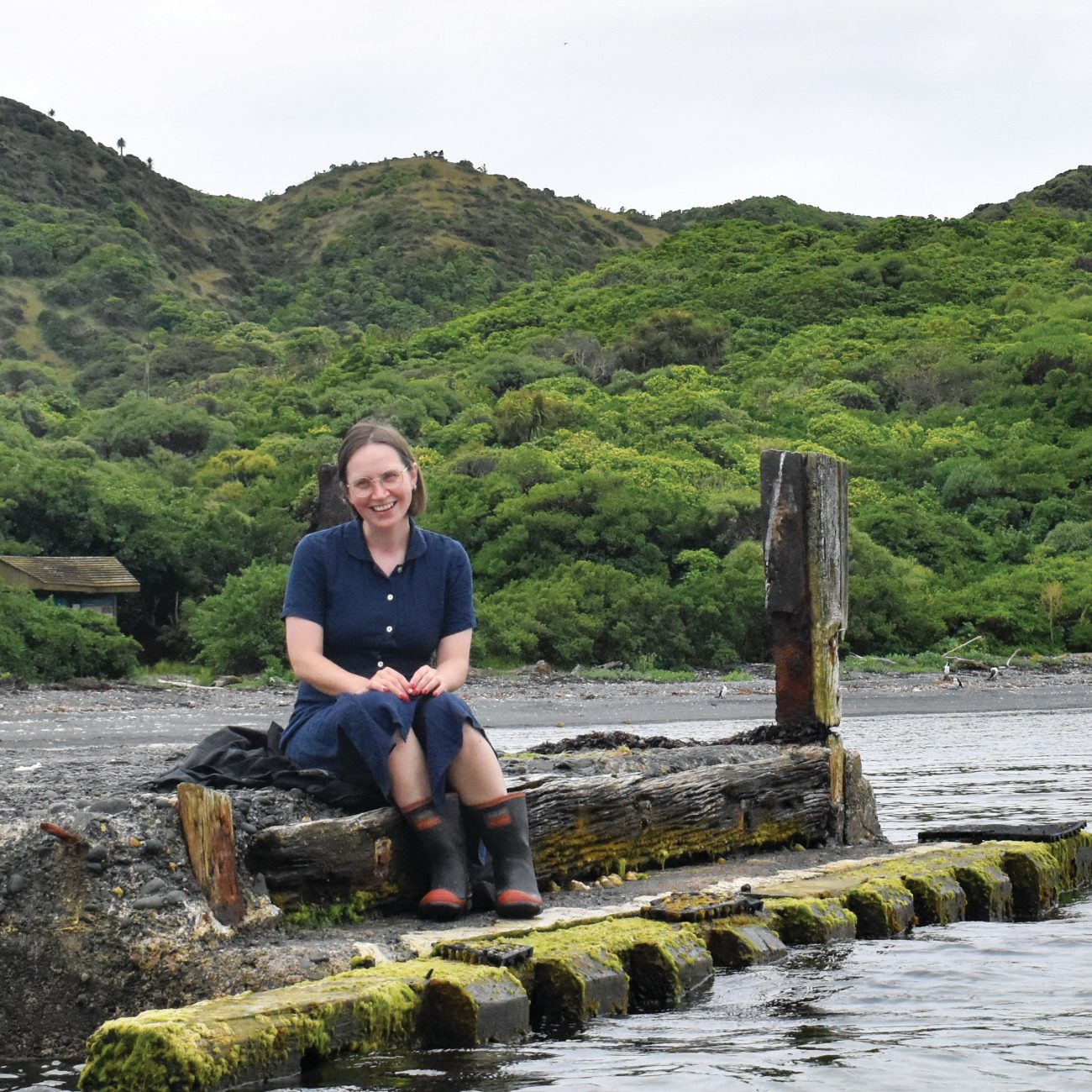
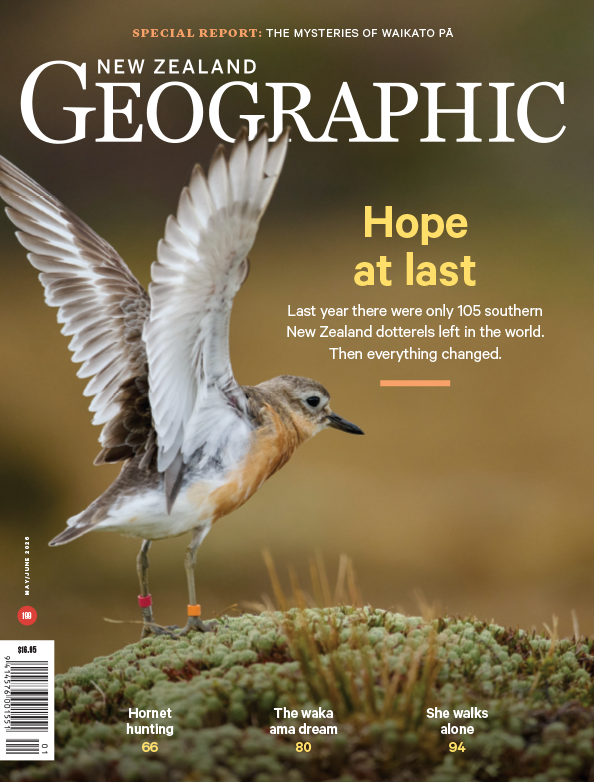
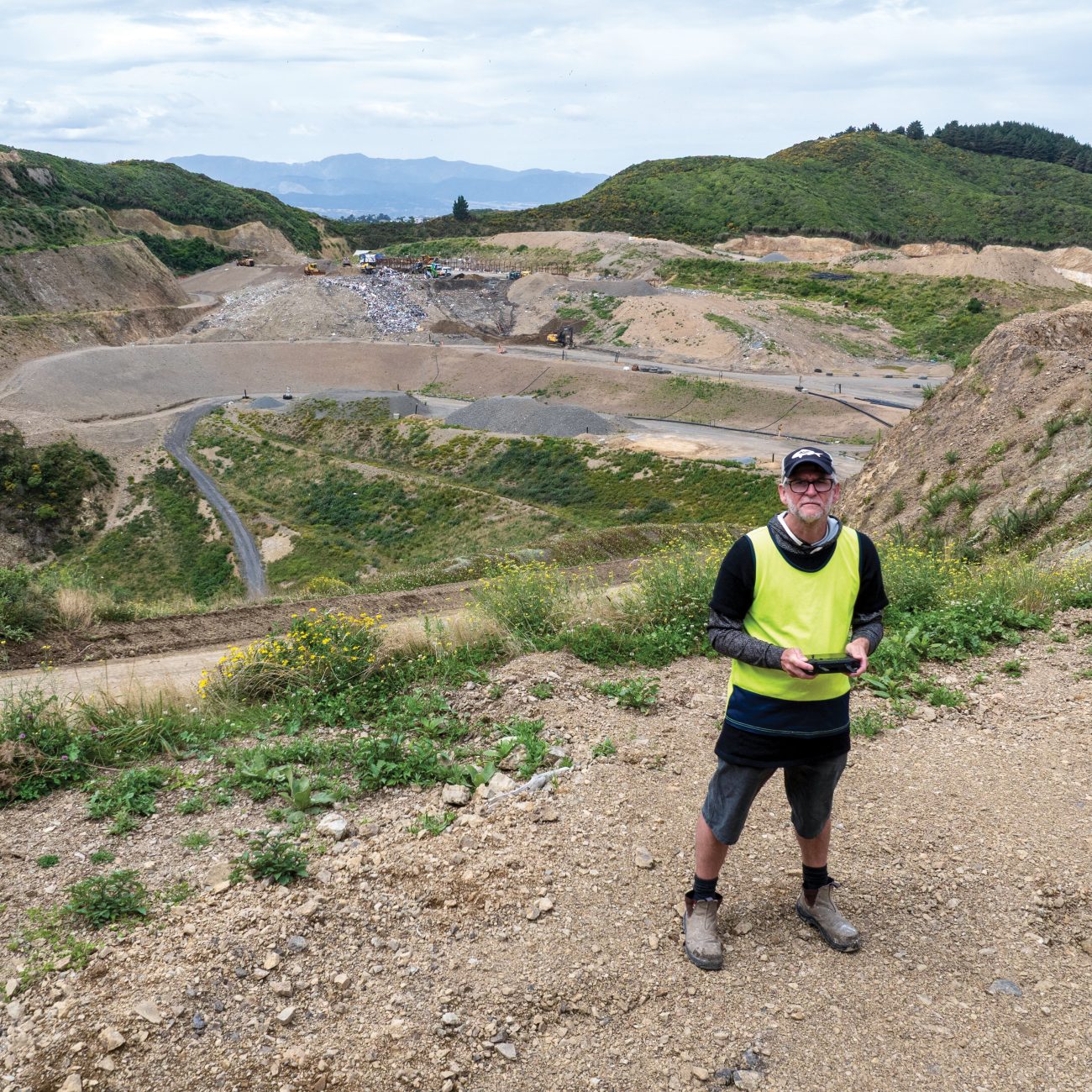
Flora Feltham wrote an early version of our cover story when she was living on Wellington’s predator-free reserve Mana Island with her husband, then a DOC ranger. The couple spent two years on the island, often alone, spanning Feltham’s first pregnancy and 10 months of their baby’s life. An incredible honour, she says, but it […]...

They Poisoned the World

Mariah Blake, Penguin Random House...

Choose your own adventure

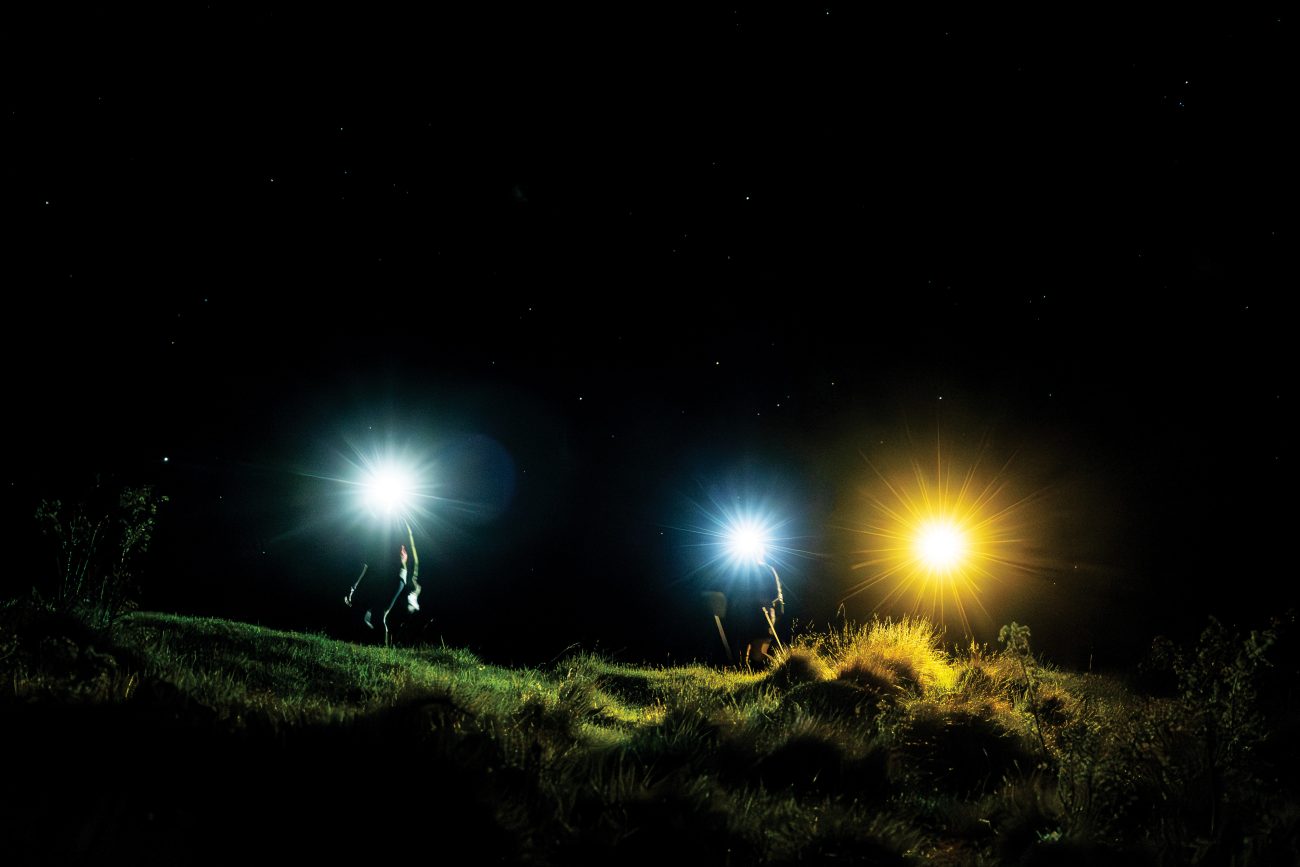
A diabolical gamemaker scatters 85 flags across the Pisa Range. He assigns each flag a certain number of points. Some are buried in brambles, others hidden in gorges. Some, fiendishly, will lead you away from fresh water. You have 24 hours, and a map. Go....

The rock eaters

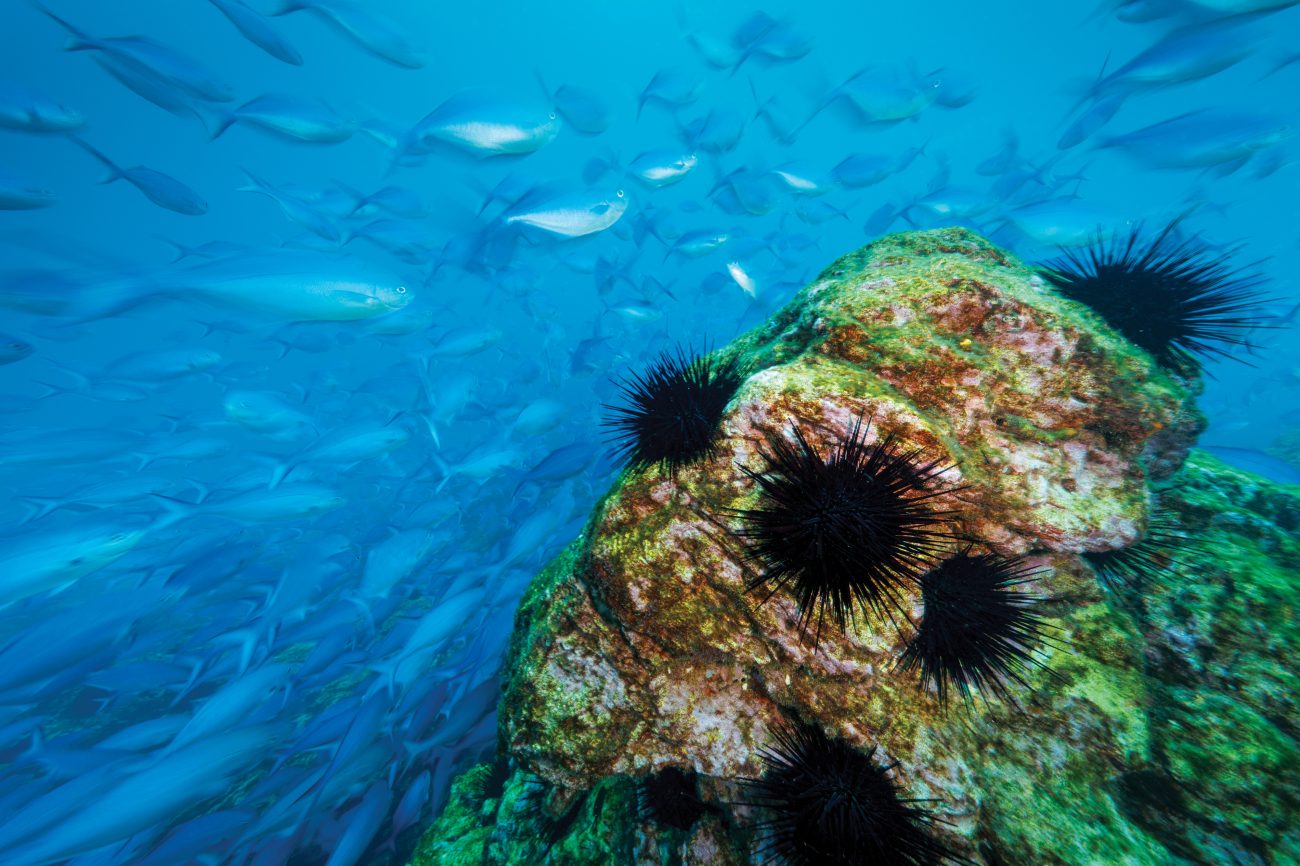
First came the kina, hordes of them taking down kelp forests in shallow waters. But they were a warm-up act. Now, on the deeper reefs, a much bigger, hungrier urchin is going rogue—and once it’s eaten everything that lives on the reef, it starts scraping away at the reef itself....

Pushing it uphill

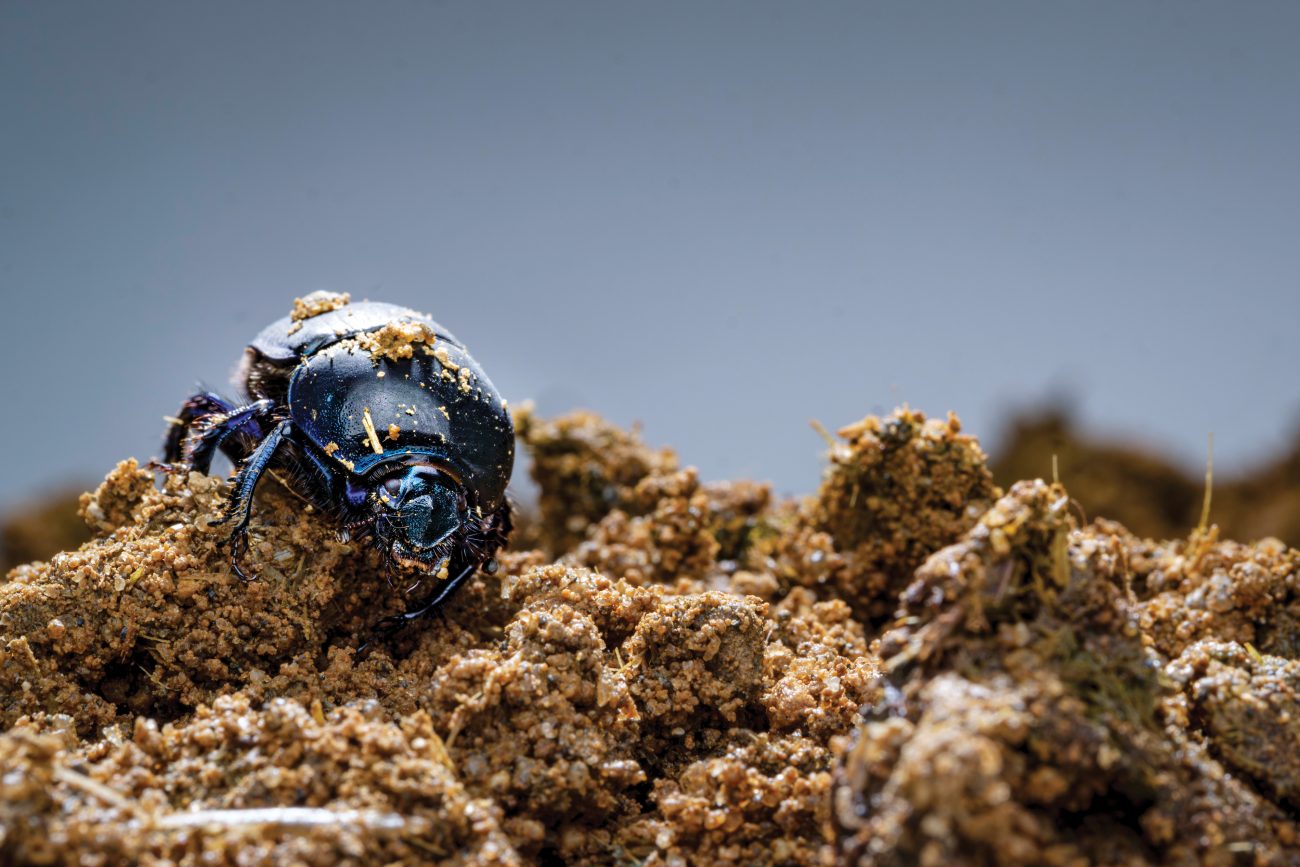
In the battle against this country’s rivers of poo, the dung beetle is a potentially powerful weapon and Shaun Forgie is a one-man army. But he’s been fighting for decades and he’s running out of both money and patience....

Fire it up

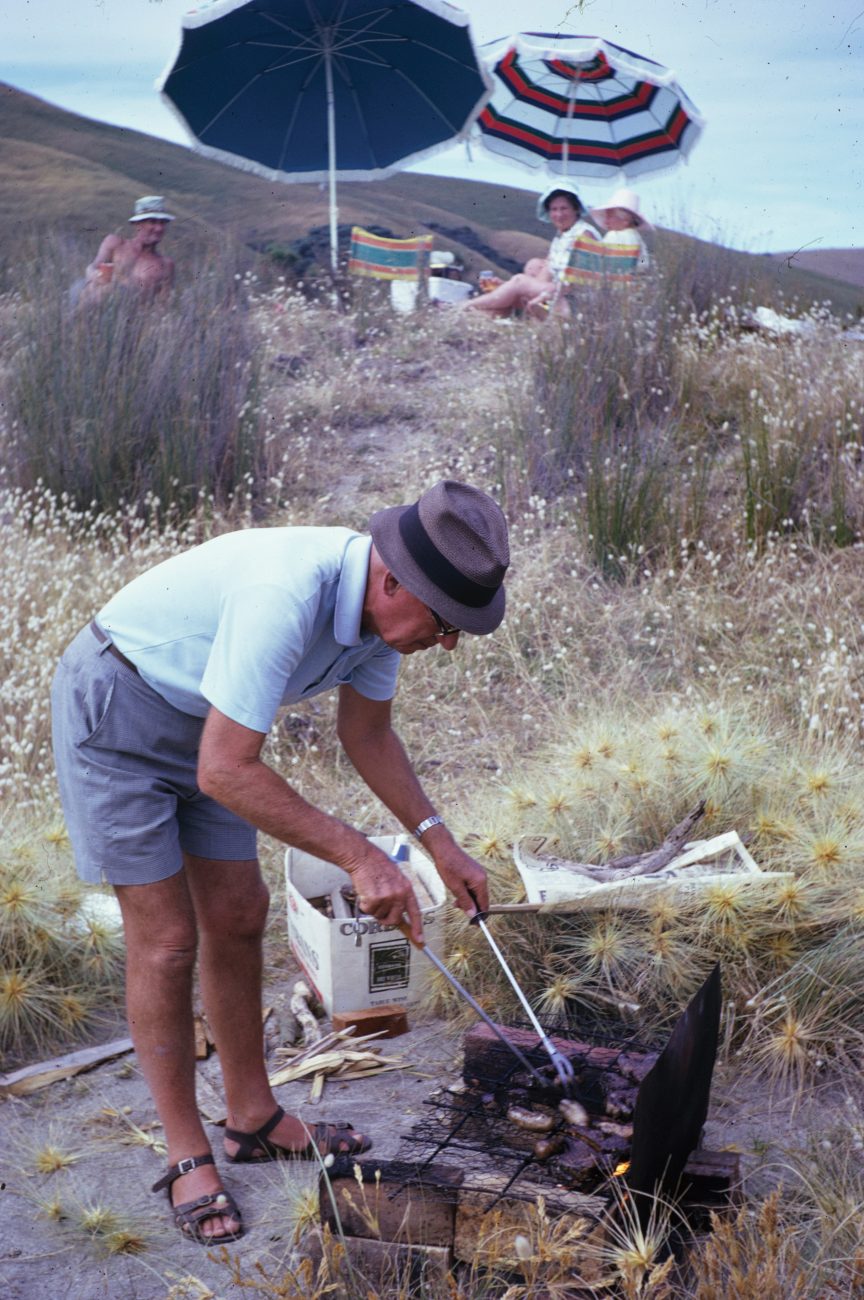
The barbecue has been an integral part of New Zealand social life for—well, not that long, actually....

Bogans of the sky

Black-backed gulls, their messy city lives, and the people entangled with them....

Every breath you take

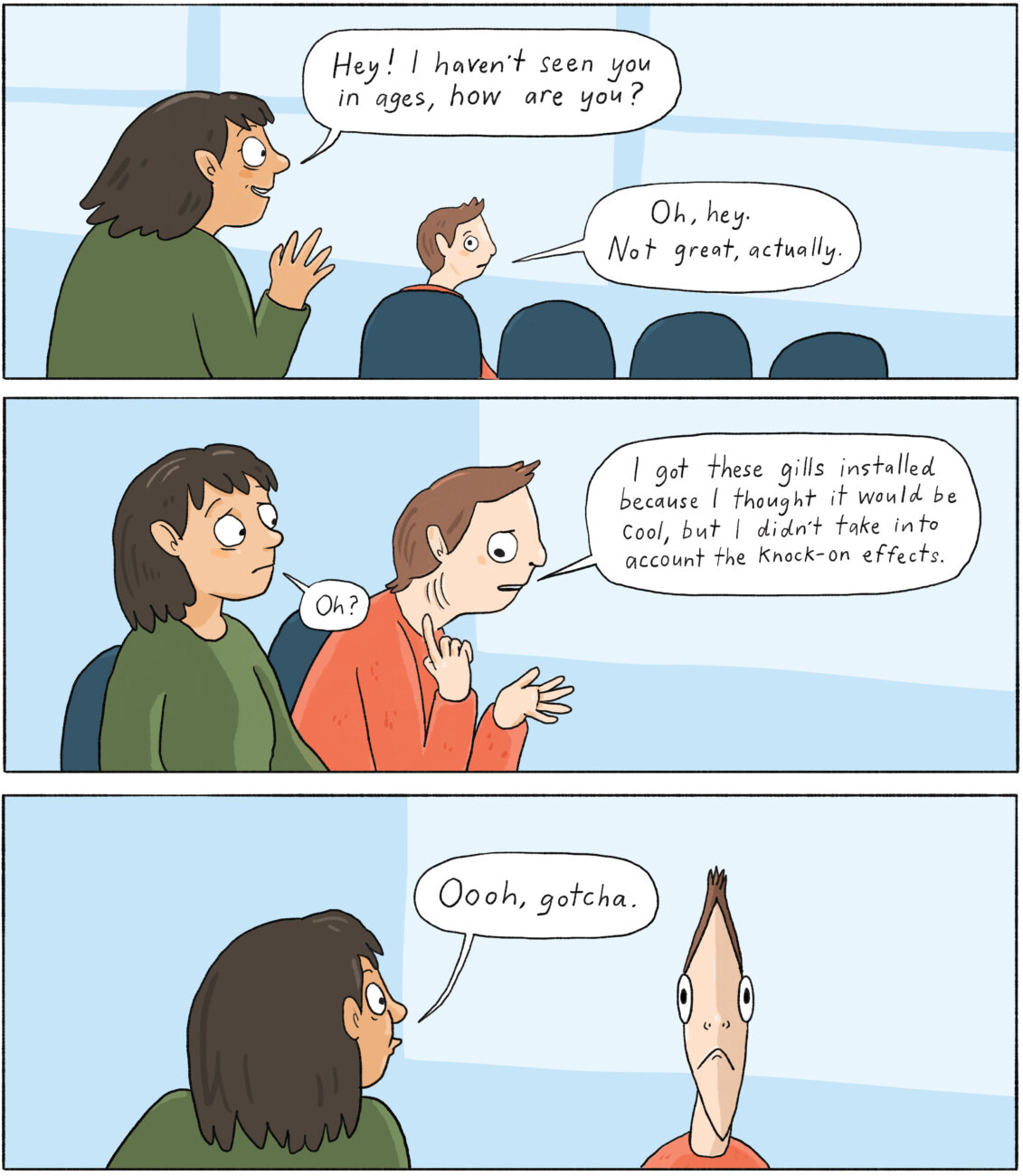
Oxygen shaped the world as we know it. It’s why we hiccup and why frogs croak. It’s so good that some turtles have learned to suck it in using not just their nose and mouth, but also… another orifice....

The longest swim

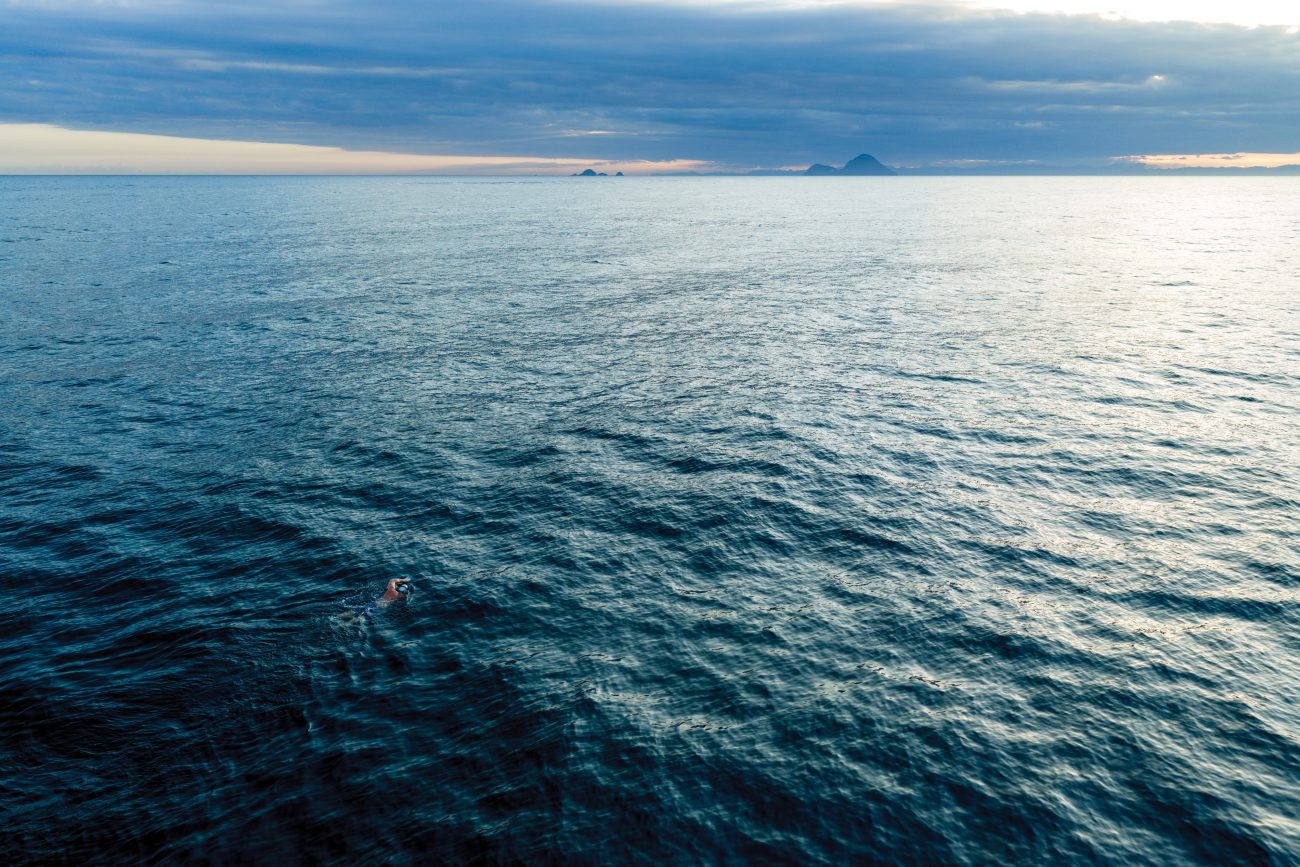
Jono Ridler is swimming the length of the North Island unassisted… but he has a lot of help....

In Fiji, a wave of meth, HIV and shame

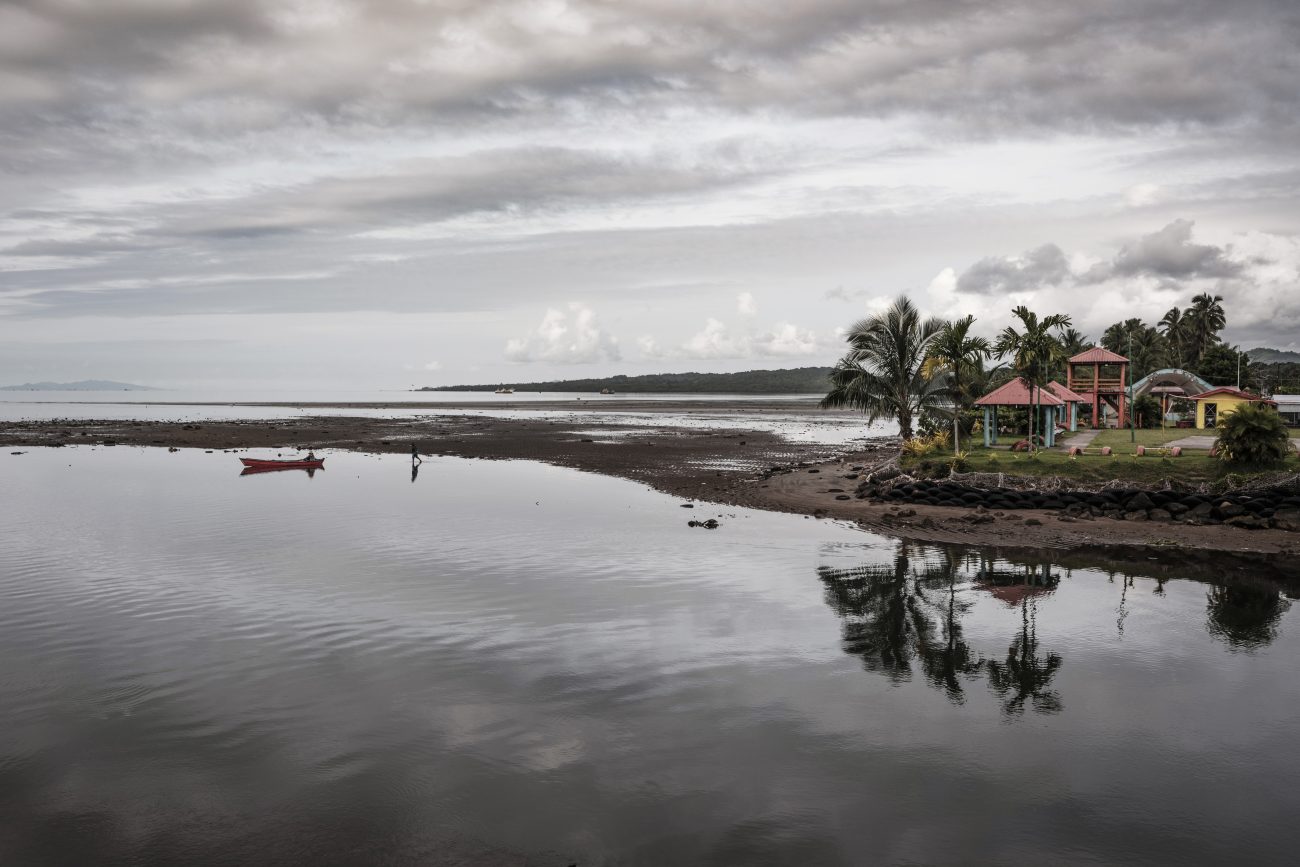
A dispatch from Suva, where cruel epidemics are racing in parallel....

Magazine

Issue 200

Jul - Aug 2026

Solar power
Horses of Huntly
Forget me not
Whaling
Red admirals

Issue 200 Jul - Aug 2026

Trending

When a male South Island robin is in want of a mate, he sings. It’s not a glamorous sound, says ecologist Manaia Pearmain-Fenton. Plee plee plee / chee chee chee. Loud, plinky, like a kid picking at a keyboard. Pearmain-Fenton has whakapapa to Ngāti Hokopū, Ngāti Awa and Te Whakatōhea in the Bay of Plenty. […]...
When the forecast is just right, Irene and Crispin Middleton wake up in the middle of the night and put to sea....
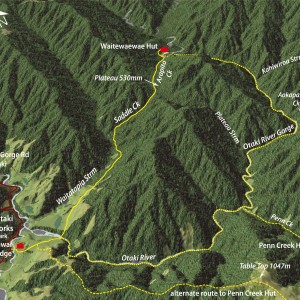
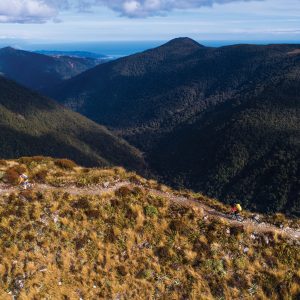
Tararua Forest Park, 2 days...
The wind tore at the wave tops until they stood up stiff, driving spray from their crests which was carried with the breeze and lit up by the early morning sun until the air itself seemed filled with glitter. Though the forecasters had predicted a gentle zephyr for the final day of a voyage around […]...
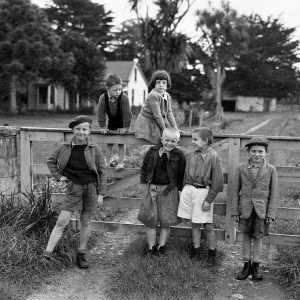
Charles Alcock and the fate of the universe....
Marine scientist and freediver Kura Paul-Burke on restoring the moana—with action, not just research....
The blast of the harpoon may have given way to the click of the camera, but whales are still the cornerstone of commerce—and the subject of many a decorative mural—in the north Canterbury town of Kaikoura. In little more than a decade, marine ecotourism has transformed a coastal backwater into an international travel hotspot....
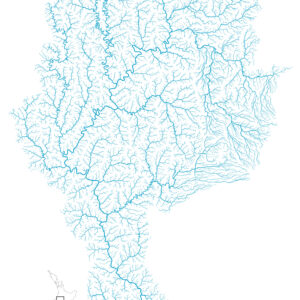
Whanganui is Aotearoa’s third-longest river. It begins on Mount Tongariro and flows 290 kilometres to the Tasman Sea, joined by thousands of small tributaries along the way. Whanganui iwi have long sought legal recognition of their relationship with the river. They petitioned Parliament in the 1870s for protection of their awa. From the 1880s, the […]...
Riley Elliott at the sharp end of marine science...
Belly flopping frogs...
Archive

×

Subscribe to our free newsletter for news and prizes