


A dispatch from Suva, where cruel epidemics are racing in parallel.
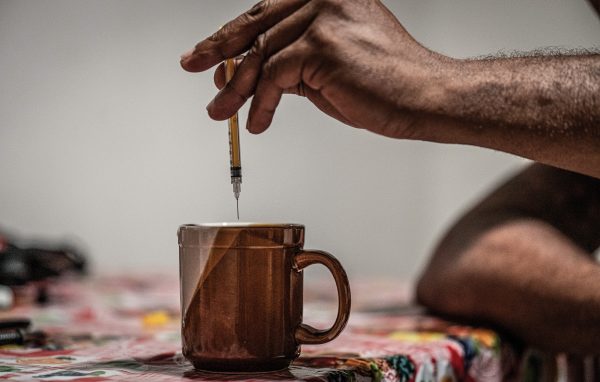
Ben took his drugs “on the rocks”. Instead of diluting the methamphetamine with water, he’d draw blood into a syringe, dissolve the crystals, and inject himself. Sometimes it was his blood, sometimes a friend’s, and the needle was rarely new. That hardly seemed to matter.
It was 2021 and Ben, whose name has been changed, was living on the streets in Suva. Then 20, he’d fled his home after his father and five brothers tried to beat away his bisexuality.
“I just felt like the love I was looking for was in the streets, it was not at home,” Ben, now a tall, measured 24-year-old, tells me. Crystal meth was another escape. He didn’t think about his safety at all, he says. He just used, and used. “For me, when I took drugs, it transformed my mind. I was in another world altogether.”
By late 2023, Ben had a persistent cough. His dark hair was falling out, and he was losing weight rapidly— dropping from a waist size 42 to just 22. When he was hospitalised with severe pneumonia, doctors diagnosed Ben with late-stage HIV, then transferred him to a ward notorious in Fiji as the place men go to die.
“That’s how ill I was,” he said, sipping Coca-Cola on the seafront earlier this month. “Lying in that bed with no hope, everything seemed lost and fading.”
As recently as 2020, stories like this were relatively rare in Fiji. But now, the small Pacific nation is struggling to stem the world’s fastest-growing HIV outbreak.
“This is the ugly side of Fiji,” says Paulo, a 31-year-old in a colourful “bula” shirt, shaking his head. He’s another of the five people living with HIV who spoke with us in Suva. Children as young as 10 have contracted the virus from injecting drugs, as HIV rips through a country caught off guard.
According to data shared by the Ministry of Health and Medical Services, 147 people were newly diagnosed with the disease in 2020. Just four years later, that number had jumped 10-fold. The data for the whole of 2025 is not yet available—but in the first six months alone, 1226 cases were reported. Overall, infections have risen by 3000 per cent since 2010.
While still a relatively small total compared to Fiji’s population—roughly 930,000 people—patchy testing means many more people are sick but undiagnosed, and not receiving the medicine that can help them live a normal, healthy life with HIV.
The trajectory of the outbreak looks ominous: the health department estimates that without urgent interventions, the country could see 25,000 cases a year by 2029.
“I never thought I’d see another epidemic like this in my lifetime,” says Lisa Maher, an epidemiologist at the Kirby Institute in Sydney. Maher worked on the HIV response in New York in the 1980s and later in south-east Asia, and is now supporting Fiji. “It came out of nowhere, because there was no data and no surveillance in place.”
*
The escalating crisis is linked to a boom in drugs that threatens to turn the Pacific into a “semi-narco region”, says Jose Sousa-Santos, director of the Pacific Regional Security Hub at the University of Canterbury.
New Zealand’s drug habit, and the fact that users here are prepared to pay so dearly for a fix, is part of the problem. Australia, too. (Sousa-Santos says a kilogram of uncut cocaine would cost US$50,000 in New York, but US$350,000 in Sydney or Auckland—compared to US$1500 at the source in Peru or Ecuador.) That makes both far-flung countries highly desirable markets—and the Pacific islands, scattered like stepping stones between them and the drugs’ origin points in the Americas and south-east Asia, are suffering. Now the route’s popularity is increasing, with organised crime in the Pacific “evolving faster than any previous point in history”, according to a report from the United Nations Office on Drugs and Crime.
Chinese triads, Mexican cartels and Australian and Kiwi gangs are all operating, even collaborating, in a “thriving criminal ecosystem” that exploits the region’s porous coastlines, weak law enforcement and widespread corruption, the report says. Yachts, narco-subs and drones have all been used to shift drugs across the network of air and maritime routes.
Fiji, alongside Tonga and Papua New Guinea, is now a key foothold. It’s geographically handy to much of the Pacific, and four coups in four decades have eroded democratic institutions, leaving them open to infiltration.
Recent seizures by authorities, including 4.8 tonnes of crystal meth and 2.6 tonnes of cocaine, give a sense of the scale of drugs flowing through the archipelago. Police have also confirmed “wash-ups” of drug packages on outer islands—one story circulating suggests unaware locals in one remote village used the “white stuff” as washing powder after it swept ashore.
Yet Fiji is no longer simply a stop-off point. Drugs, predominantly methamphetamines, are also spilling into a booming domestic market.
“A transit country doesn’t usually stay as a transit country,” says Megumi Hara, a regional advisor on transnational organised crime with the UN, based in Suva. “Eventually, it also becomes a destination—and that’s what we’ve seen here.”
*
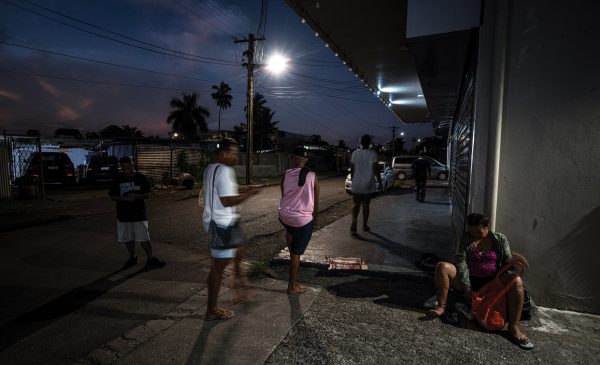
As a deep-orange sunset spreads above Suva on a Sunday evening, two contacts take us on a “sightseeing tour” of the city’s many drug-dealer hang-outs: behind a grey block of social housing, at a nondescript bus stop on a busy road, and a lush green village just outside town.
“This is one of the drug red zones in Fiji,” says one of our well-connected escorts, as the car splutters up a steep hillside in the village, past a group of boys under a palm tree. “Even the police are scared to come here… they can’t do anything because the drug lord is the landowner. His children, his brother, his brother’s son—they’re all selling drugs.” (We agreed not to name our contacts, or the locations.)
When we pause outside a modest wooden house, a gaunt man in a hoodie immediately saunters up to the car window—a red burner phone in one hand, six small sachets of crystal meth in the other. We try to talk, but he scuttles away as soon as another car pulls up, hoping for a better customer.
The sheer volume of meth now circulating on the archipelago is unprecedented. Although surveillance data remains limited, the number of cases involving meth reported by Fiji police jumped 36-fold between 2015 and 2024, from just 10 arrests to 366.
The market, says Sousa-Santos, was a deliberate construction.
When organised crime first operated in the Pacific, the gangs developed a network of facilitators—usually people from commercial elites, or with links to law enforcement and government. For a fee, these facilitators would ensure the smooth passage of drug shipments through the country. But, as the quantity of drugs grew, criminal syndicates offered to pay in product instead of cash—a much more lucrative option.
Local gangs emerged and became increasingly professionalised. They started out selling to sex workers, says Sousa-Santos. By 2018 and 2019, meth was not only on the streets, but also starting to be sold on university campuses as “study aids”, and to elites as a sexual drug. Trade accelerated during the pandemic: A lot of meth was stuck in Fiji, along with people who were bored, and struggling for work.
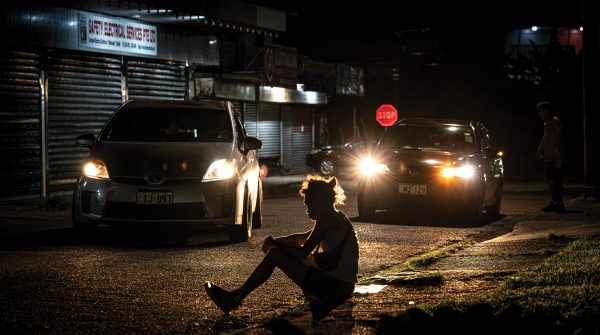
Perched on the kerbside of a dark road in east Suva as friends and customers come and go, a charismatic “drug lord” explains how the market operates on his turf.
Simon, whose name we have changed due to ongoing criminal cases, mainly sold and smoked marijuana—but swapped the “green stuff” for the “white stuff” when meth started to hit the streets. The upbeat, 48-year-old reggae musician says he is selling to “put food on the table” for his children, and to make sure users have access to “high-quality stuff”.
Now the market “has exploded”, Simon says, his eyes wide. He’s vague about where he gets the meth he hawks. But there are two main distribution routes.
The first is to sell the substance to other small-time pushers at a wholesale price—around NZ$1800 for seven grams. These dealers then split the meth into dozens of small sachets, generally containing 0.08g of crystals, which they peddle on the streets for about NZ$38—nearly doubling their money.
Simon and his partners also employ people to work on their patch, running two four-hour shifts a night. Pushers are paid NZ$38 per shift, during which they generally sell at least 14 bags of crystal meth. (In Fiji, the national minimum wage is NZ$3.75 per hour.)
But methamphetamines alone do not trigger an HIV crisis: the virus—which spreads through bodily fluids—is finding fertile ground because of the way the drugs are being used.
Widespread sharing of blood, needles and syringes has transformed a small, background epidemic into an explosive outbreak.
The shift emerged rapidly. In 2021, the country’s two main sexual health hubs, in Suva and Lautoka, did not report a single HIV case transmitted through drug use. Three years later, people injecting meth accounted for roughly half the country’s new HIV infections.
The UN commissioned Maher to quickly get to grips with the situation in Suva. She flew from Sydney and spent six weeks on the ground, running a team interviewing dozens of drug users as well as holding talanoa, group sessions, with government officials, health workers, religious leaders and people in the legal system.
“You had a lot of young people, very young people, initiating injecting with no context, no information, no awareness and no access to sterile equipment,” Maher says.
The team’s Rapid Assessment report, published in August 2025, makes grim reading. The drug is everywhere, their sources said, describing kids selling in marketplaces, and people injecting in public toilets, behind the seawall, in taxis and building lots and on deep-sea fishing boats. “It’s like buying sugar at a canteen near your place,” a 31-year-old woman said. “Everybody is using it now.”
People did not know much at all about how HIV and other diseases, such as hepatitis, could be transmitted; some did not realise treatment was available for HIV, so didn’t see the point in testing. The report highlights the cruel paradox that this crisis is playing out in a country that struggles to talk about drugs and prefers to teach young people to abstain. The stigma, now that HIV is in the mix, too, is profound. Maher: “A bin fire has become a bushfire.”
*
While sleeping rough on the seafront in 2021 and again in 2023, Ben engaged in many risky drug practices—sometimes motivated by intrigue, sometimes culture, and sometimes necessity.
One trend at the time was “bluetoothing”, he says, a cost-saving strategy where friends would pool money to buy a single bag of meth but only one would inject the drug. Once that person was high, the friends would draw blood from the initial user and inject themselves, chasing a secondary rush from the traces of meth in the bloodstream. It was a headline-grabbing concept, but bluetoothing is now uncommon—it didn’t work.
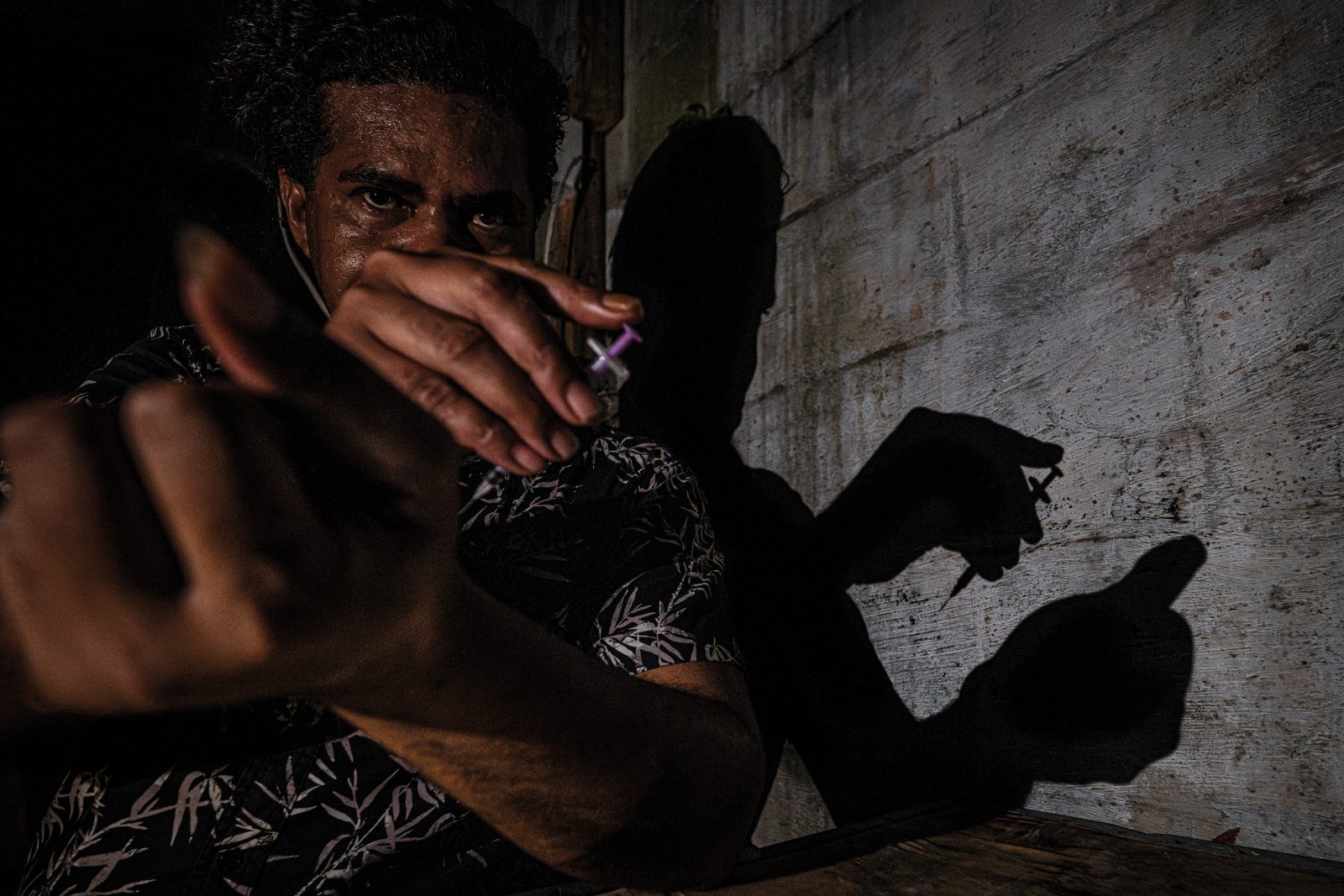
Instead, some people report using blood, rather than water, as the solvent to dissolve methamphetamine. This involves inserting the needle into a vein and repeatedly “flushing” the plunger back and forth to draw enough blood into the syringe to dilute the crystals, before injecting the entire mixture.
“It gives a stronger high… it gives us a lot of energy,” says Ben, explaining the appeal. He calls this practice “bluetoothing” as well, but most drug users who spoke with us or with Maher’s team call it “on the rocks”, “dry” or “koda”—a Fijian word meaning “raw”, and a nod to the fish dish kokoda. (Some consider the “stronger high” to be overrated, and prefer their meth “wet”, mixed with water.)
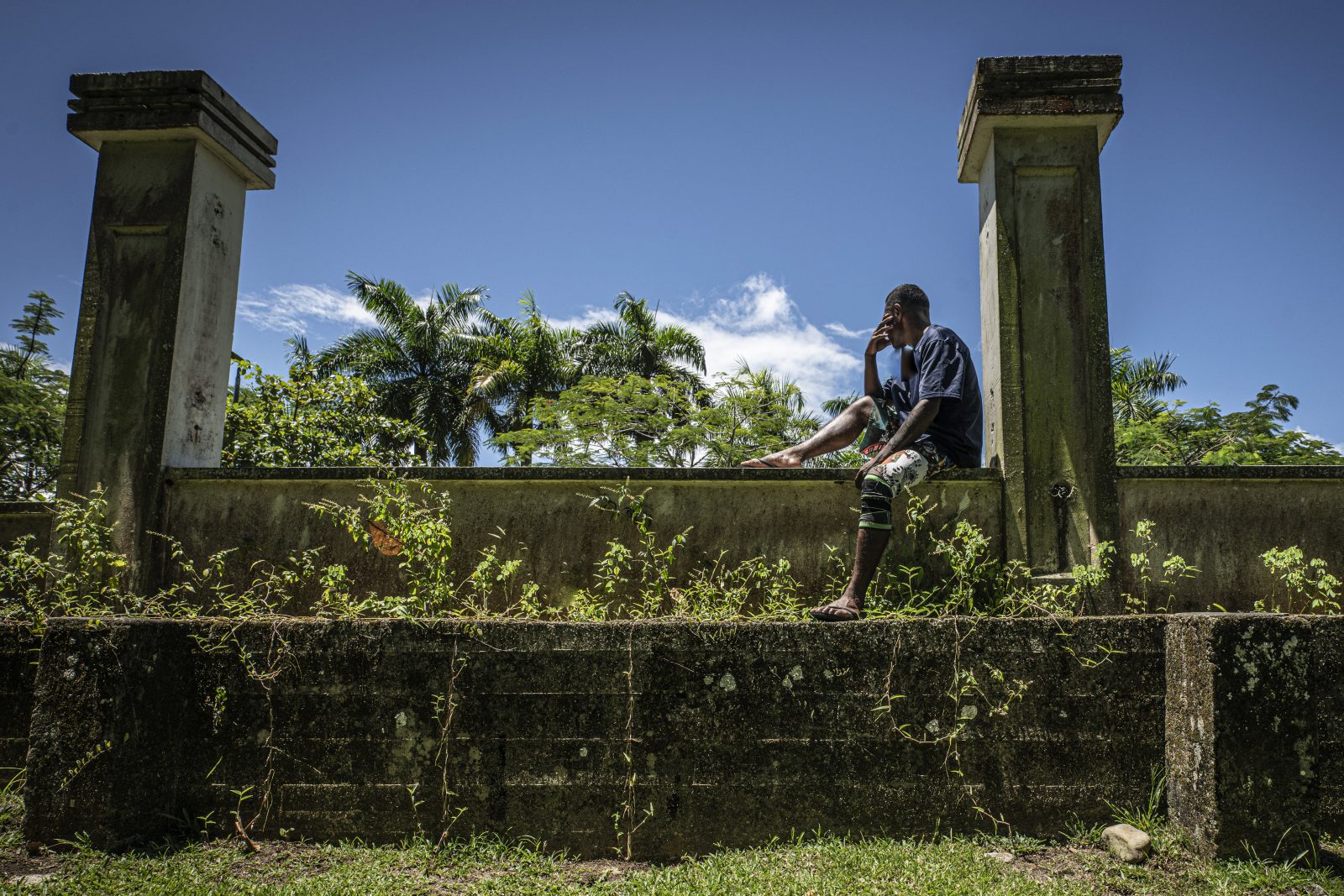
Maher’s report flags the influence of kerekere, the system of customary borrowing that still underpins indigenous Fijian life, obliging people to share in times of scarcity. The system bolsters community when it’s fish being shared, or money earned in New Zealand, or kava. It falls down completely in this new context.
Many who spoke with Maher’s team said they had been introduced to drugs by family or friends, sex work clients, male partners, or tourists. One 22-year-old said he was 18 when his cousins got him started, sharing a needle between five or six of them. They called the person doing the injecting “the doctor”.
Injecting was preferred because it delivered a more efficient high. It was common to share mixing paraphernalia such as bottle caps and mugs, but most dangerously, when COVID wrecked supply chains, needles and syringes became scarce. That’s when people started sharing those, too—it’s also when HIV diagnoses started to ramp up, fast. Now many pharmacies, hassled by police, are refusing to sell needles and syringes without a prescription, even though they are legally permitted to. “Pharmacies are scared now,” a 23-year-old woman said.
Drug users are resorting to buying from dealers at huge mark-ups, with no way of knowing whether their “new” needle is in fact so.
One woman described washing her syringes in water from a drink bottle; another explained that “experienced needle users” judged a syringe to be fresh if the numbers printed on the side had not yet rubbed off. People described persisting with needles so blunt they would no longer pierce the skin. A 21-year-old woman said she once ingested her own blood, mixed with meth, because she’d been unable to get a needle to work. She said she’d seen another person, similarly frustrated, drink someone else’s.
*
I talk with Meri in a small courtyard at the Survival Advocacy Network, in Suva. She sits on a woven mat, wears a cap over her bleached-blonde pixie cut, and tries for an air of nonchalance. Like Ben, she asked for her name to be changed.
Meri has seen the human cost of the needle shortage more clearly than most. Within four months last year, she buried three of her closest friends; they were only 33, 42 and 44.
The group started buying methamphetamines just after the pandemic, when they were living on the streets in Lautoka, a city 200 kilometres’ drive from the capital, on the western side of Fiji’s largest island.
Meri had long been a marijuana smoker, but had never tried meth before. Soon the 55-year-old was hooked—she loved “the brightness”, and besides, staying awake was useful for long shifts selling cigarettes (some here call meth “mileage”, as it keeps you up for days). But the friends were rarely able to buy sterile equipment. Drugs were everywhere, but clean needles and syringes were a luxury. “We washed them,” says Meri. “But sharing was kind of [a] necessity.”
In February 2024, Meri tested positive for HIV. She was scared, and blamed herself, although she didn’t want to show it. She immediately phoned her friends, who still lived on the streets. Until then, none of them had considered the risk of blood-borne infections.
By the time her friends were tested, the virus had progressed to AIDS. They received treatment, but didn’t stop taking drugs or drinking alcohol and gradually their immune systems faltered. Meri said a final goodbye to two of them in July, and one in October.
At the funerals, she made a decision.
“I had to change and just leave it behind for good,” she says, softly. “It’s a hard thing to stop… but I had to think of my life.”
*
In January 2025, the Ministry of Health declared a national HIV outbreak and set up a dedicated taskforce with domestic funding of NZ$7.5 million. On top of that, Australia has given NZ$5.9 million and invested more than NZ$56 million in a broader Pacific-wide programme. New Zealand has given NZ$4 million. Both countries have also supported law enforcement operations to counter the flow of drugs into Fiji.
But key elements of the health response are beset by delays: six months on from Maher’s report, there is still no needle and syringe exchange programme, no rehab centre and no pre-exposure prophylaxis (PrEP) available, a drug which can prevent people from contracting HIV.
There are also major gaps in testing and treatment. It’s estimated that only about one-third of the approximately 6000 people living with HIV in Fiji in 2024 were aware of their status, and only one in four were taking the lifesaving antiretroviral treatments. And the virus is seeping into new groups: in the first half of 2025, 33 babies were born with HIV, signalling broader weaknesses in the health system.
Jason Mitchell, a Fijian doctor who has worked on HIV across south-east Asia and the Pacific, now heads the Fiji response. When we meet in a boardroom at the Ministry of Health, he’s animated, and clearly frustrated.
“The outbreak is so large now that it has the potential to impact the country as a whole, the economy, and all of the industries that we rely on,” he says. Tourism, for example, which is responsible for 40 per cent of Fiji’s GDP. There are also signs HIV is starting to spread to other Pacific island nations, he says, including Samoa, Tonga and Vanuatu.
“So it is an emergency.”
Fiji has proven it can respond quickly. During COVID, Mitchell points out, “things just happened overnight, approvals just happened, finances just flowed, all of that was fast-tracked. That has not happened for the HIV response.
“Why? It’s a question I can’t actually answer.”
Some of what Mitchell is up against is outlined in Maher’s report. “Punitive attitudes and moral framing of drug use” is a barrier, it says, as is the fear, among church leaders and police, that making drug use safer could end up encouraging it.
Mitchell stresses that there has been major progress to rebuild the capacity, expertise and systems that the country needs in order to put up a fight. (While Fiji once had a robust programme to keep HIV at bay, it was gradually sidelined as cases remained low, new health threats emerged and donations were diverted elsewhere.)
Mitchell is optimistic that the much-needed needle and syringe programme will launch in the second quarter of this year, once supplies arrive in March, and he hopes PrEP will become available for high-risk groups within six months.
Eleven new HIV care teams are now established in hospitals across the country, free condom pick-up points have been set up, and peer-to-peer education programmes are targeting those most at-risk.
Kesaia Tuidraki, director of Medical Services Pacific, talks with me at the NGO’s modest clinic overlooking the capital’s busy port. She says that some of the most important programmes are those taking services directly to communities— whether that’s the group of former drug users educating others on the streets of Suva, or teams heading to remote islands three days away by boat, where cases are also emerging. (She would not name the islands.)
“Economical issues, unemployment, challenging backgrounds, geographic isolation, stigma—all these things are stopping people from coming forward,” Tuidraki says.
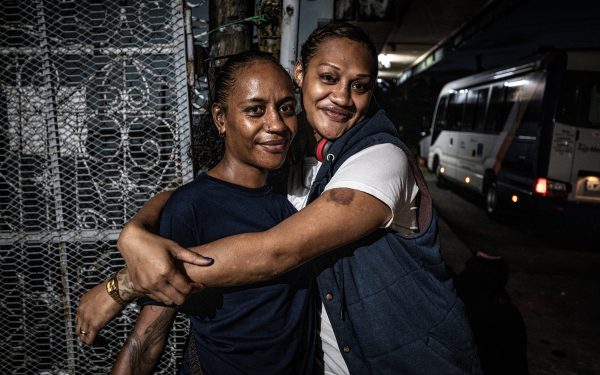
Many people in Fiji, she says, only seek help once their infection has deteriorated into AIDS, when the immune system is so compromised that opportunistic infections can easily become life-threatening. HIV is a manageable chronic condition, but only if treatment begins before the immune system is permanently damaged. More than half of the 60 people known to have died of HIV-related causes in 2024 found out their status the same year. Eight were younger than 15.
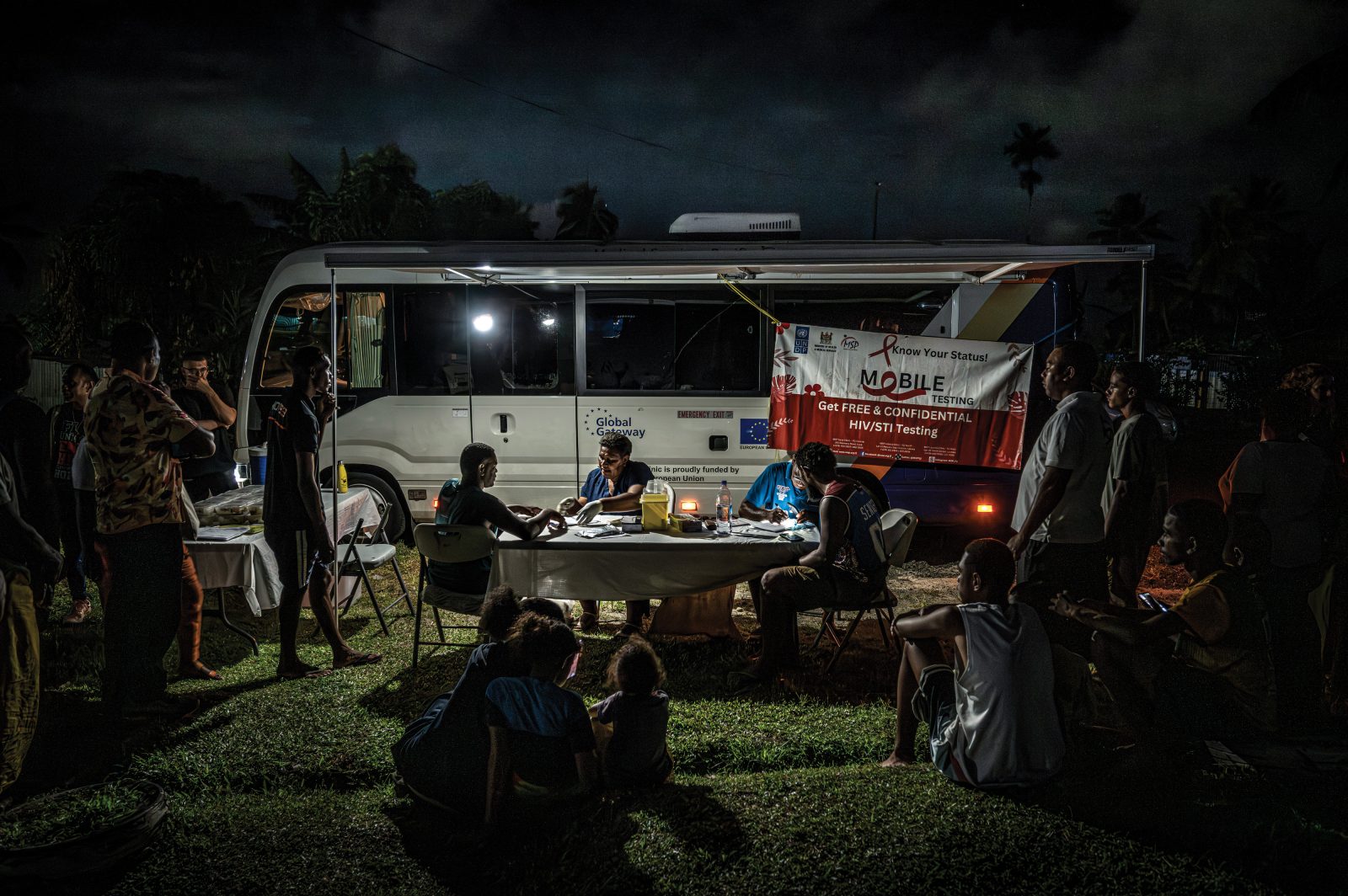
And so, as evening rush-hour traffic eases, a bus kitted out as a mobile clinic sets off to a housing project in the densely populated Suva-Nausori corridor. This is the Moonlight programme, which is trying to close the glaring testing gap that’s hindering the response.
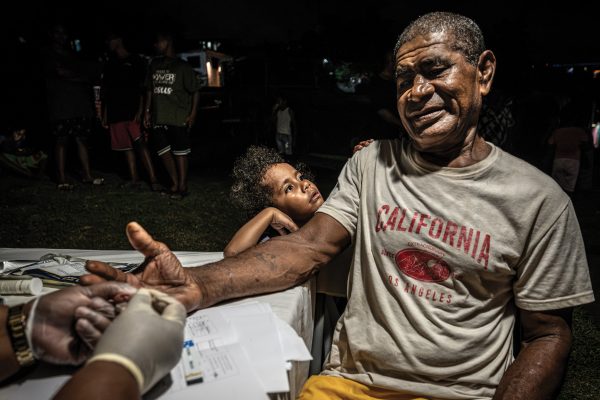
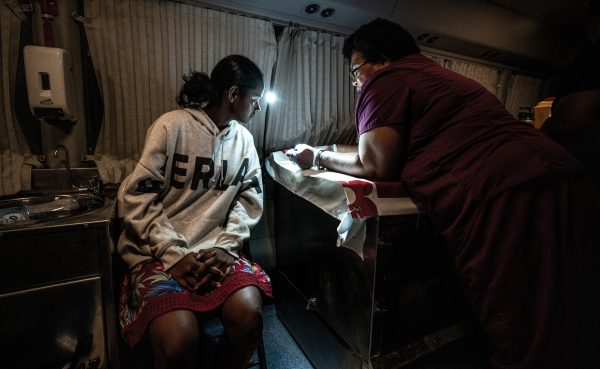
Within half an hour of the bus arriving, a long queue has formed and screening for HIV, hepatitis and syphilis is under way. Outside the bus, healthcare workers under a bright hanging torch ask preliminary questions, then prick people’s index fingers and transfer the blood to a rapid test. Some 15 minutes later, results are delivered in private inside the compact mobile clinic.
“Well, we caught some tigers,” nurse practitioner Vilisi Uluinaceva says at the end of a long night. Two of 50 tests came back reactive. Those samples will now be sent to the hospital lab for confirmation, and the patients referred to the main clinic for treatment.
It’s a lower hit rate than usual—at one screening, 19 of 25 tests came back positive. Uluinaceva is pleased that so many teenagers came, as she knows cases among young people are surging. In the first half of 2025 alone, 174 children and teenagers aged between five and 19 were diagnosed nationwide. Uluinaceva has treated patients as young as 13.
She understands stigma and the power of education; she has spent decades working to teach Fijians about concepts such as menopause, family planning, gender violence and sexual assault.
“We just have to create more awareness on this issue,” she says, “because if all these children are going to have HIV, there’ll be no future for Fiji.”
She is holding back tears. “Of course I worry and sometimes I’m really emotional. We just don’t know what the future holds.”
*
For Ben, the future finally feels exciting again—he’s found a job and a flat, and is considering re-enrolling at university. It’s a far cry from the weeks after his diagnosis, when the loneliness felt crushing and thoughts of suicide dominated his mind. He has been taking his medication diligently.
“I have come to understand that HIV is just a sickness like any other,” he says. “What matters is how we accept our condition and maintain a positive mindset.”
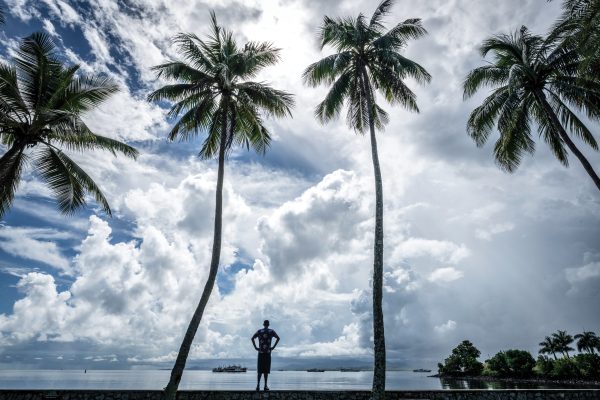
Walking through the shallow waters near the seawall where he used to sleep, Ben also shares uplifting news: last week, after more than 18 months of treatment, he found out his HIV viral load is now so low it’s undetectable. It doesn’t mean the virus has gone, but it means Ben can no longer pass HIV to someone else—and the virus isn’t attacking his immune system.
“Here I am today, just living my life like any other normal person,” he says, beaming.
This story was produced in cooperation with The Telegraph in the UK, where Sarah Newey and Simon Townsley are part of the Global Health Security reporting team. Townsley, a New Zealander, is a three-times British Press Photographer of the Year. Newey, based in Bangkok, has recently reported on doctors under fire in Myanmar, and scam operations in Laos.
More by Russell Duurloo
More by Simon Townsley