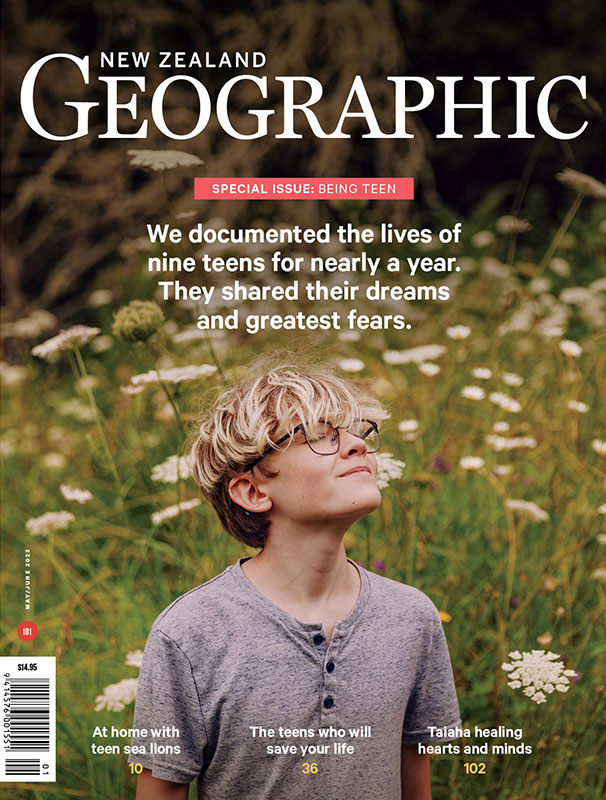
No pressure—but there are only four of these plants left in the wild

To shoot the feature on our rarest native forget-me-not, Brennan Thomas had clambered around Hawke’s Bay mountains in the chilly pre-dawn. He’d documented a nursery in Taradale, and people tending the forget-me-nots at Napier’s Centennial Gardens. But to do this beauty justice he still needed some glamour shots—the kind that required a studio, and lights. […]...

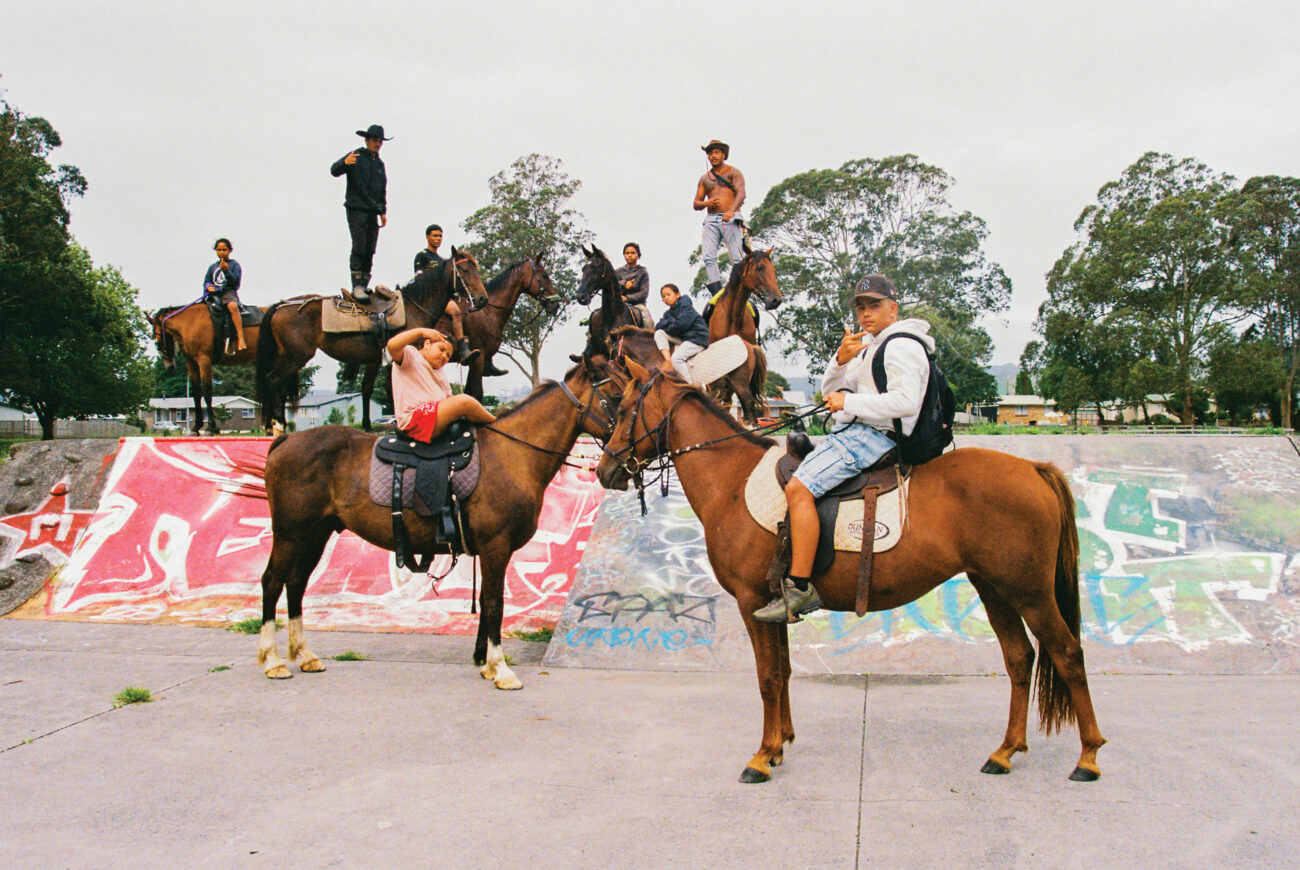
From BikeLife to HoofLife

When Louis Macalister first met the Huntly crew in our story on page 52, they were riding dirt bikes—hooning through parks and public spaces, and hacking people off with the noise and disruption. Good fodder for a documentary. Macalister and his friends run a YouTube channel, Department of Information. It’s a bit like a New […]...

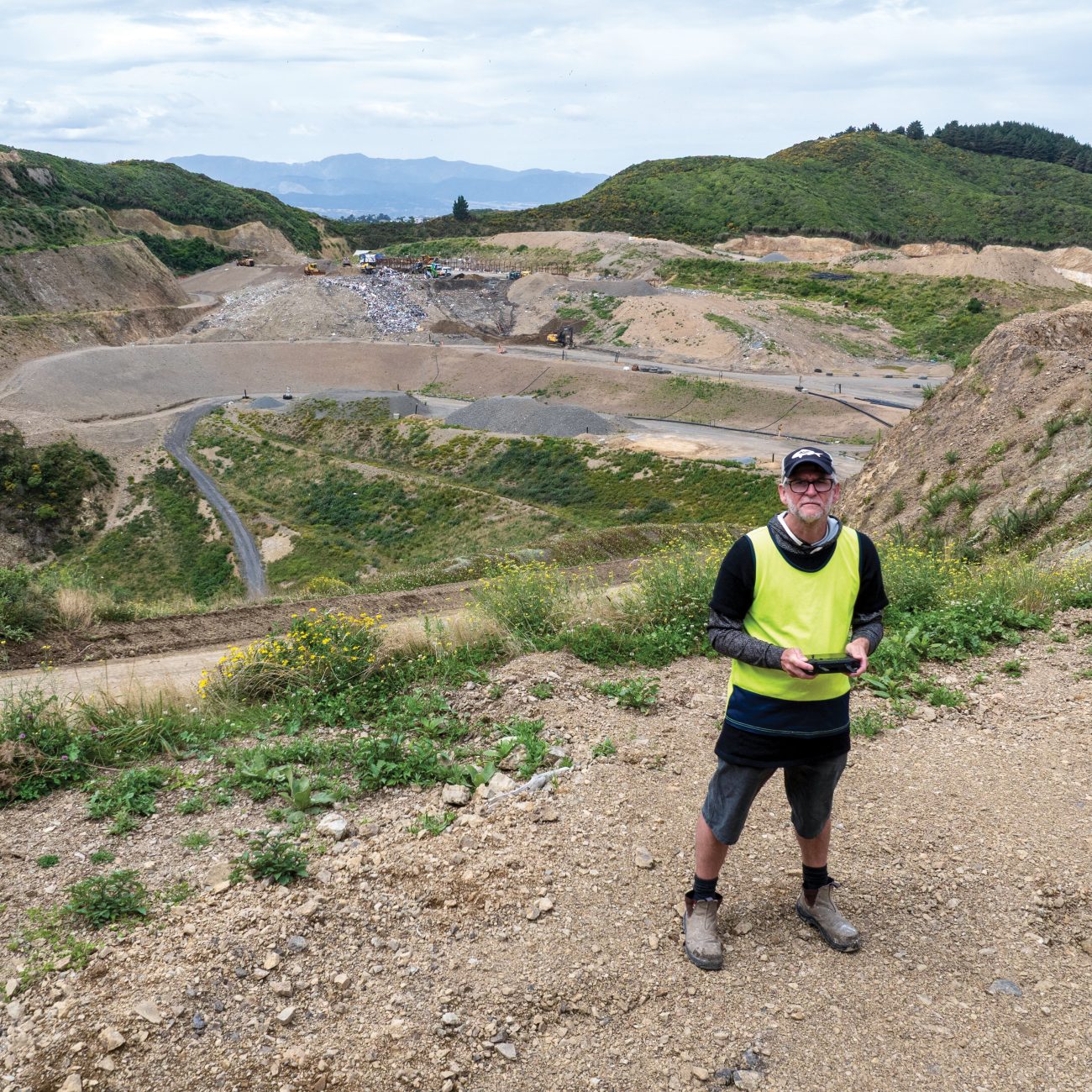
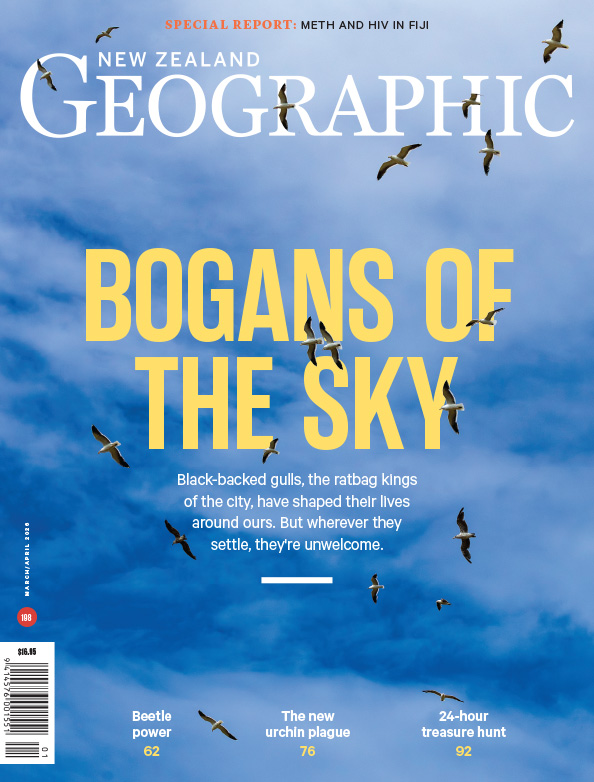
When black-backs attack

Put a drone up and any self-respecting black-backed gull in the vicinity will be there within moments, pecking and hollering and generally bullying the strange, buzzing interloper. “Black-backs are always the hardest,” says oceans photographer Richard Robinson—he’s been 12 miles off the coast, he says, with no birds in sight, but as soon as the […]...

Two years on Mana Island

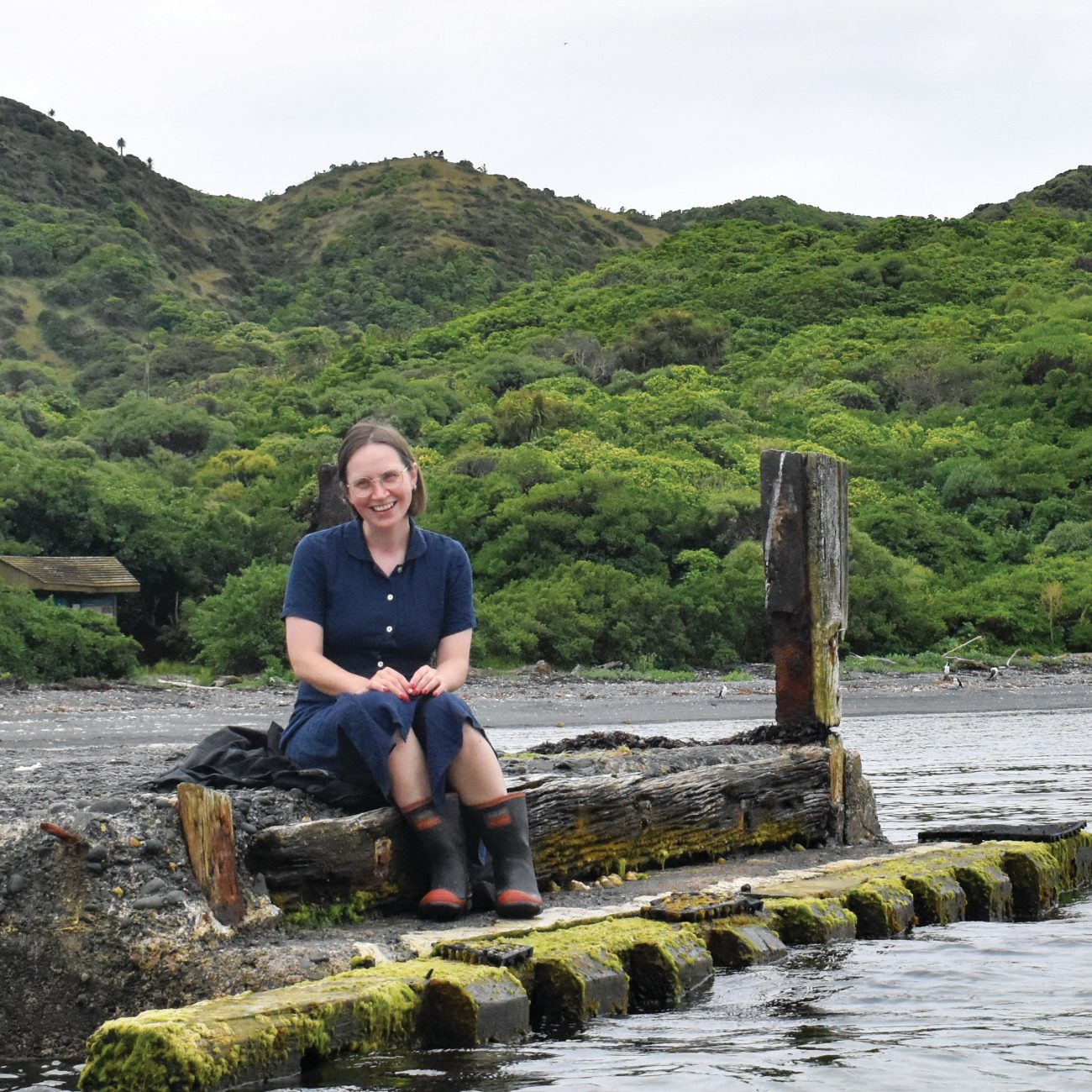
Flora Feltham wrote an early version of our cover story when she was living on Wellington’s predator-free reserve Mana Island with her husband, then a DOC ranger. The couple spent two years on the island, often alone, spanning Feltham’s first pregnancy and 10 months of their baby’s life. An incredible honour, she says, but it […]...

Where the bone people began

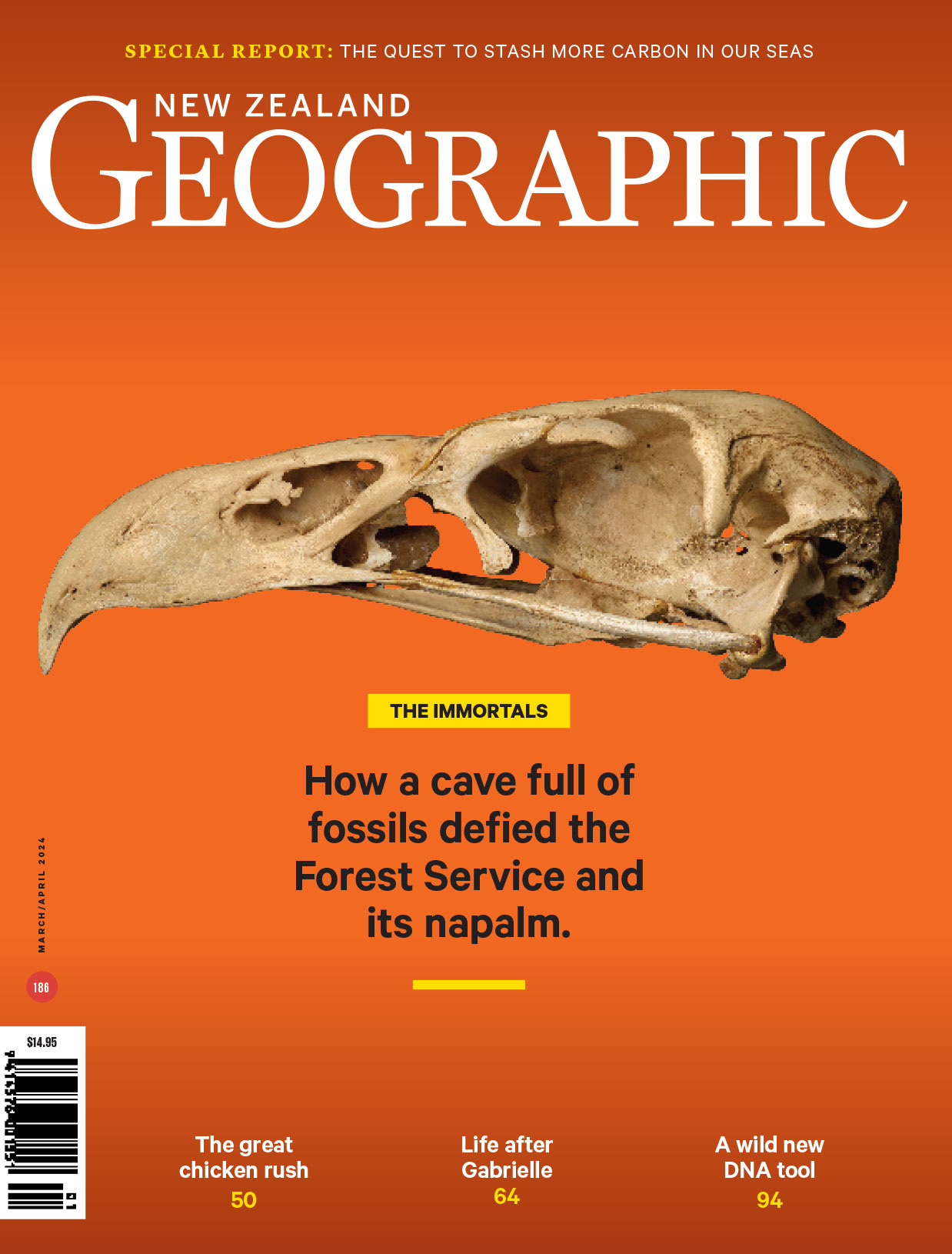
On page 54, Nic Low writes about a beach settlement at Moeraki. The sea is eating it, graves and taonga and all. Sheep and rabbits are chipping away with sharp hooves and scraping paws. Nic spirals out into a story about Ngāi Tahu reclaiming control of archaeology—keeping their ancestors and treasures safe, and not always […]...

Jingle shells, jingle shells…

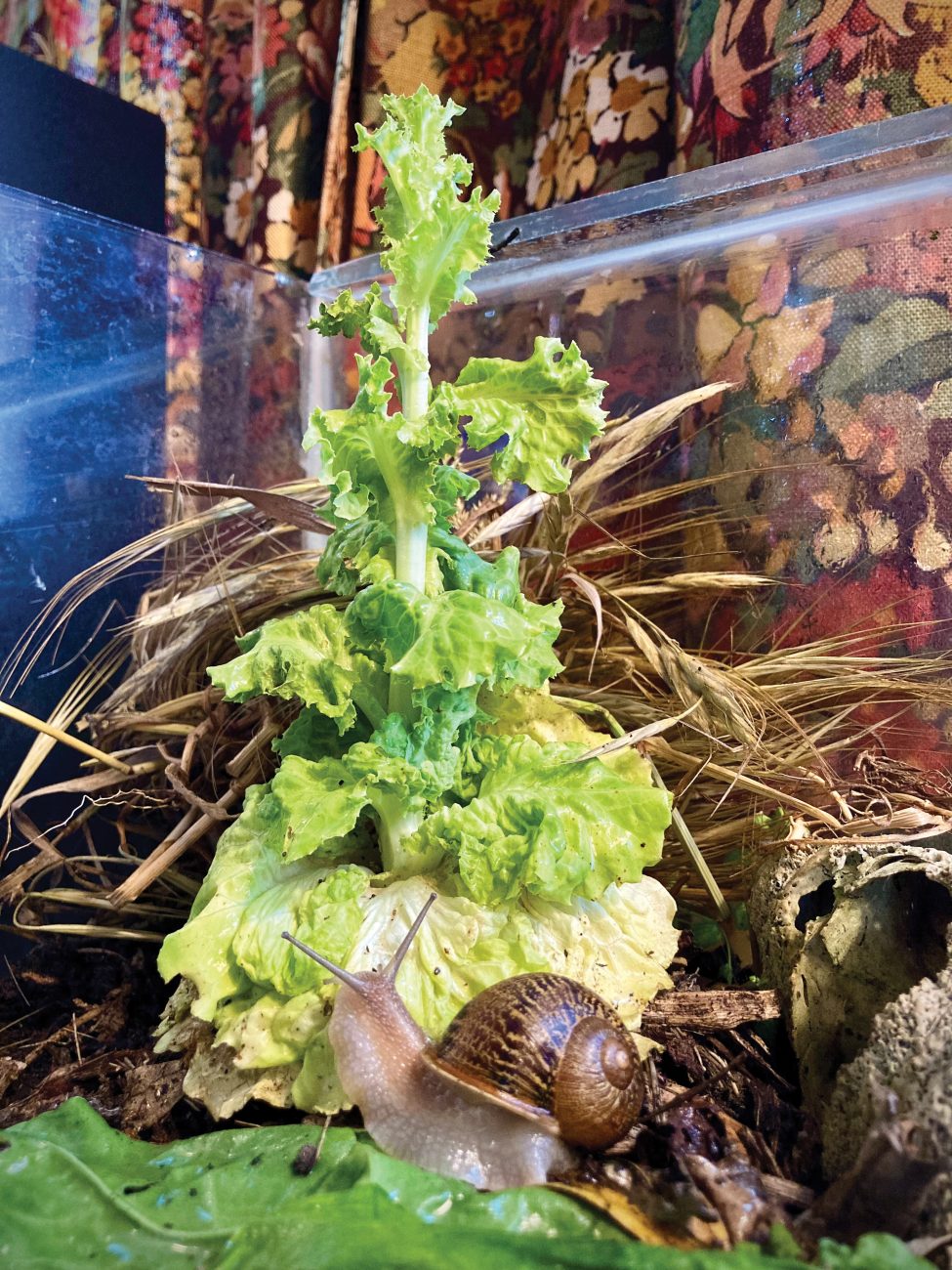
Ned the snail, whose discovery made international news in 2025, is heading into the new year still without a mate. Ned’s anatomy is flipped—a one in 40,000 fluke—which means a fellow leftie is required. Illustrator Giselle Clarkson found the super-rare gastropod in August and has been devoted ever since, providing daily spritzes of water, regular […]...

For the mapheads

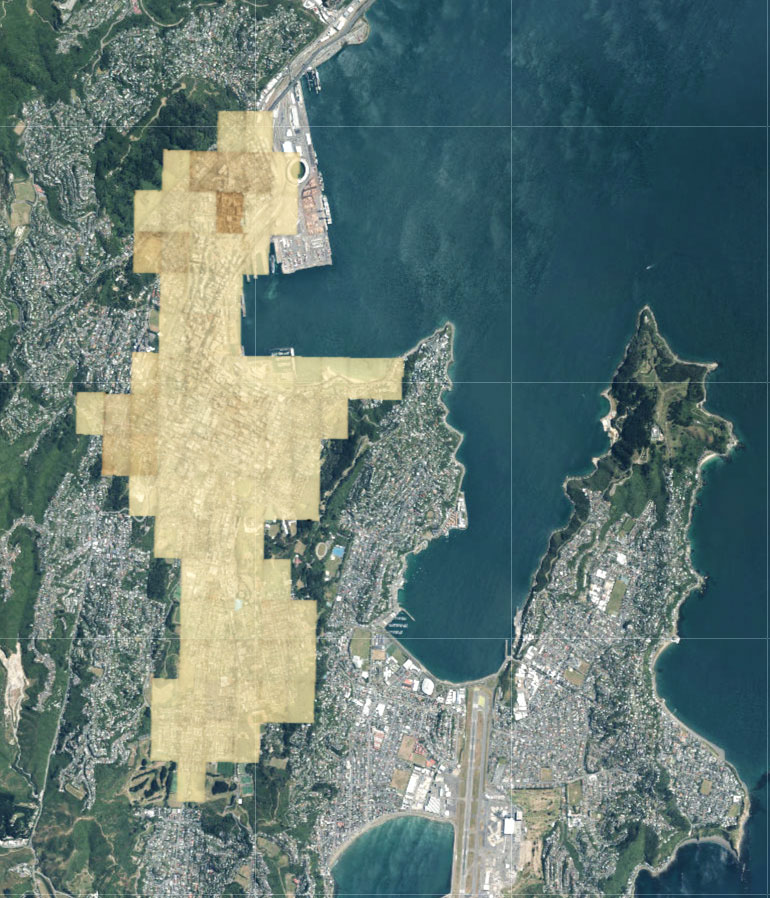
Rebekah White unfolds the little-known story of Thomas Ward, the surveyor who precisely mapped Wellington as the city ballooned in the late 1800s. Ward recorded the footprint of each building, right down to the corrugated-iron walls, porches and outhouses—and, like a Victorian version of Google Docs, his massive map was constantly updating. Whenever a building […]...

Inspired by a NZGeo story, readers joined the fight for Niue

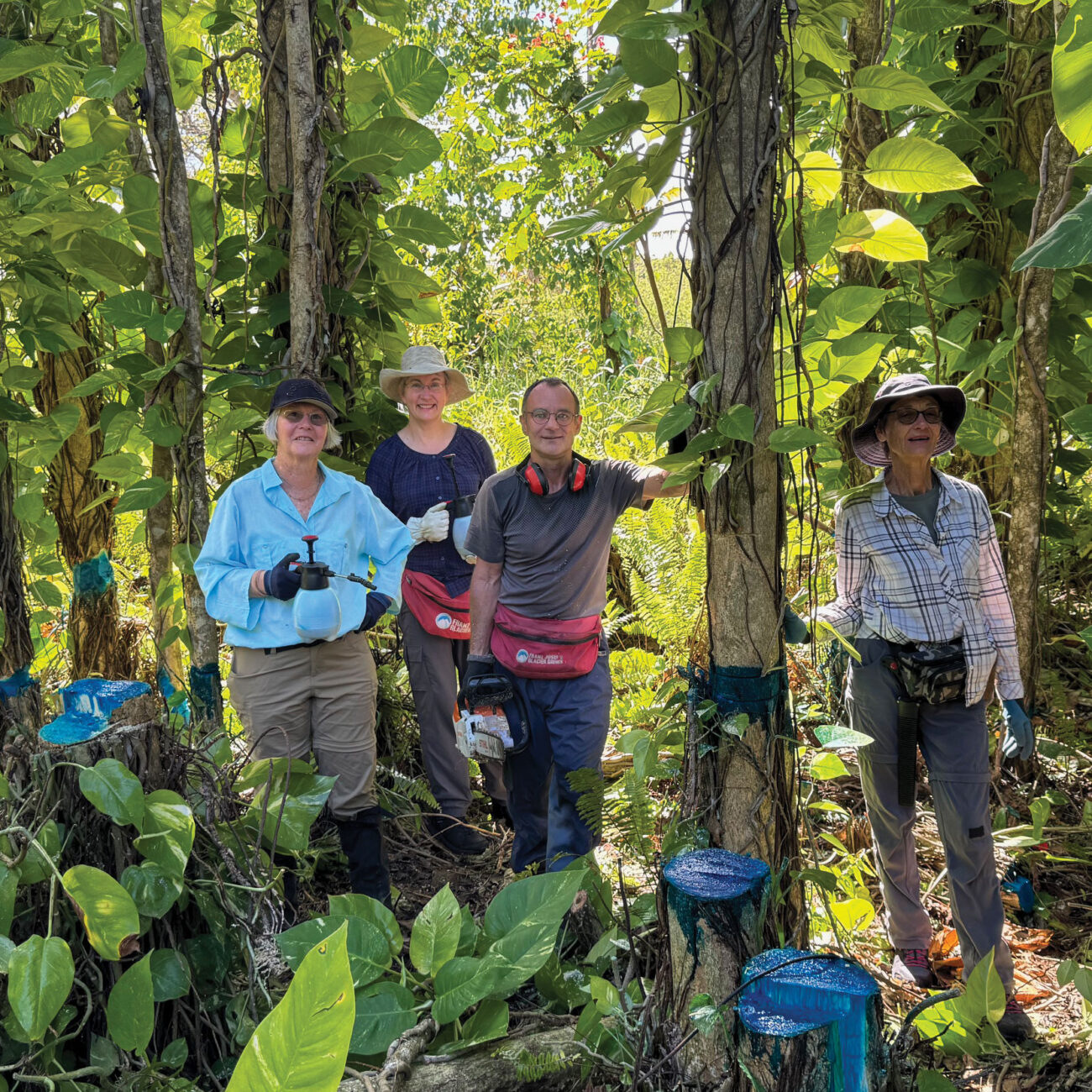
“You think that they’re dead,” says Frances McClure, one of a team of volunteers helping hammer invasive African tulip trees on Niue. She pulls back a vine, revealing a cheeky sapling. “But look at this: Fresh! Vibrant!” Seconds later, she attacks with a chainsaw. The 12-strong group, called Friends of Niue, formed after reading our feature about […]...

Lacking teeth, moa ate pretty rocks

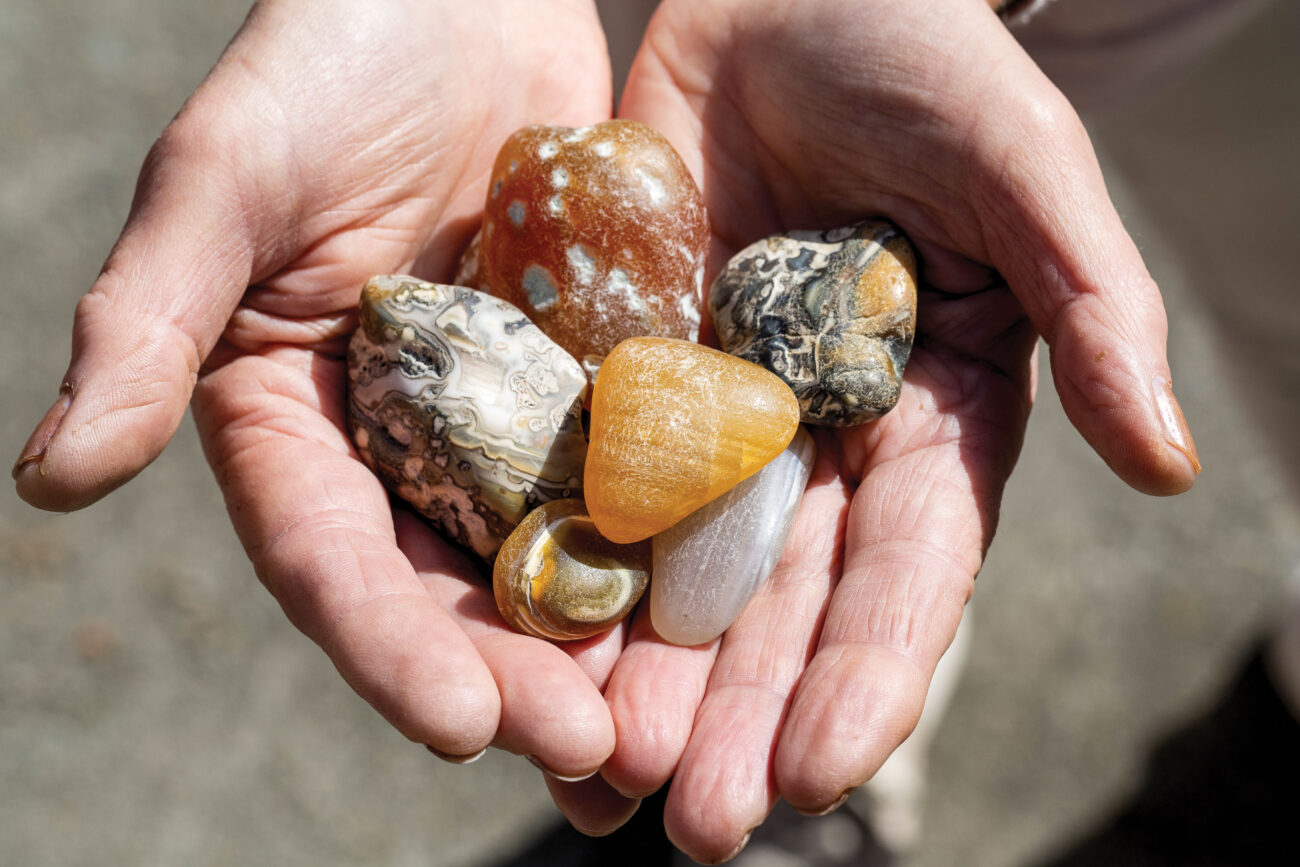
These lustrous pieces of agate were found on Rangiatea Station in Canterbury, home to Sara and Blair Gallagher. The farm is rich in agates, and the couple use some of it to run a small jewellery business on the side. But the agates shown here weren’t split and polished by jewellers, or rockhounds—instead, more than […]...

How to shoot a unicorn

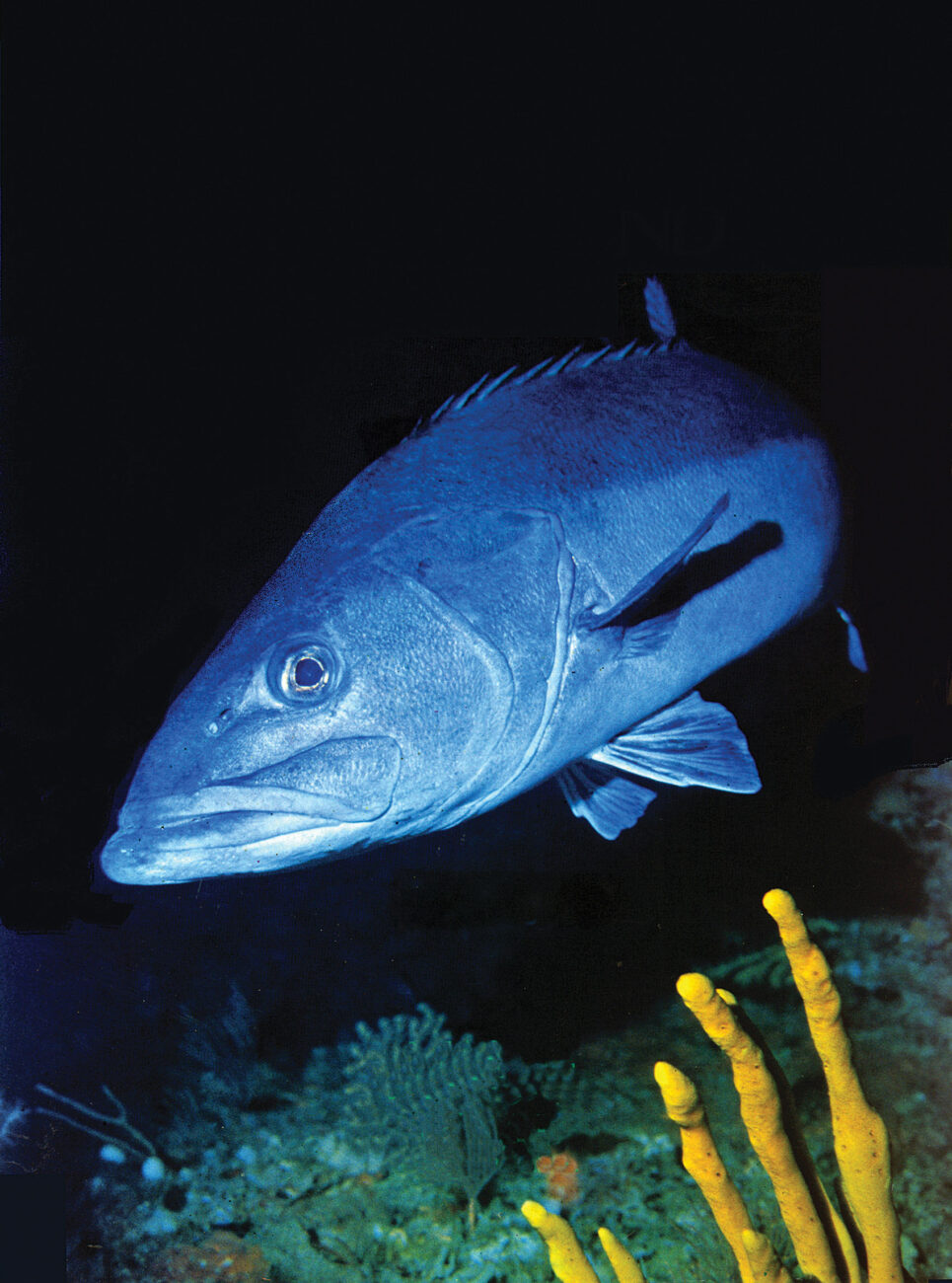
In the early 1970s Wade Doak published a book that would become the bible for a generation of divers, Fishes of the New Zealand Region. I have copy # 21. Wade wanted a striking photo of a hāpuku for the cover, but even by then they were rarely seen. He was desperate. By stealth and […]...

Chasing joy

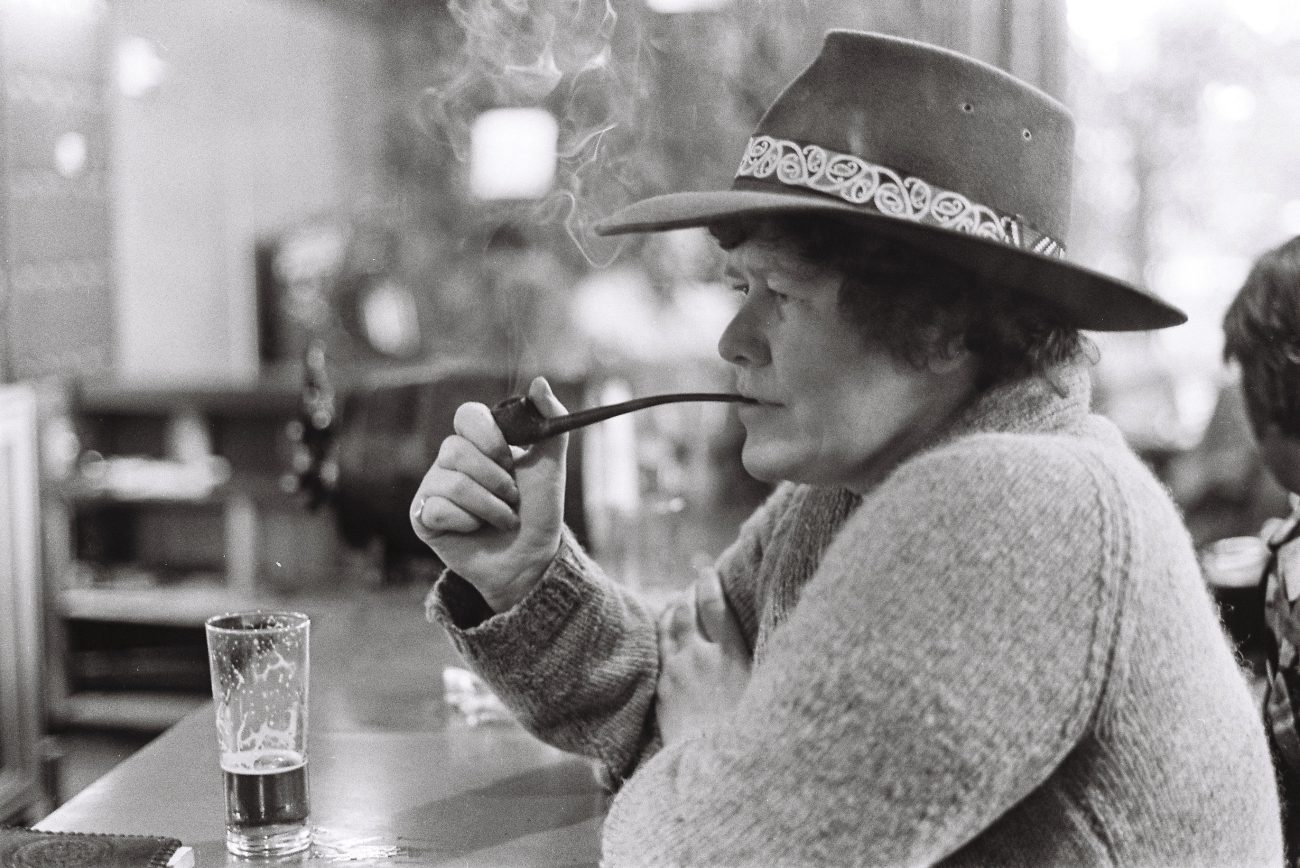
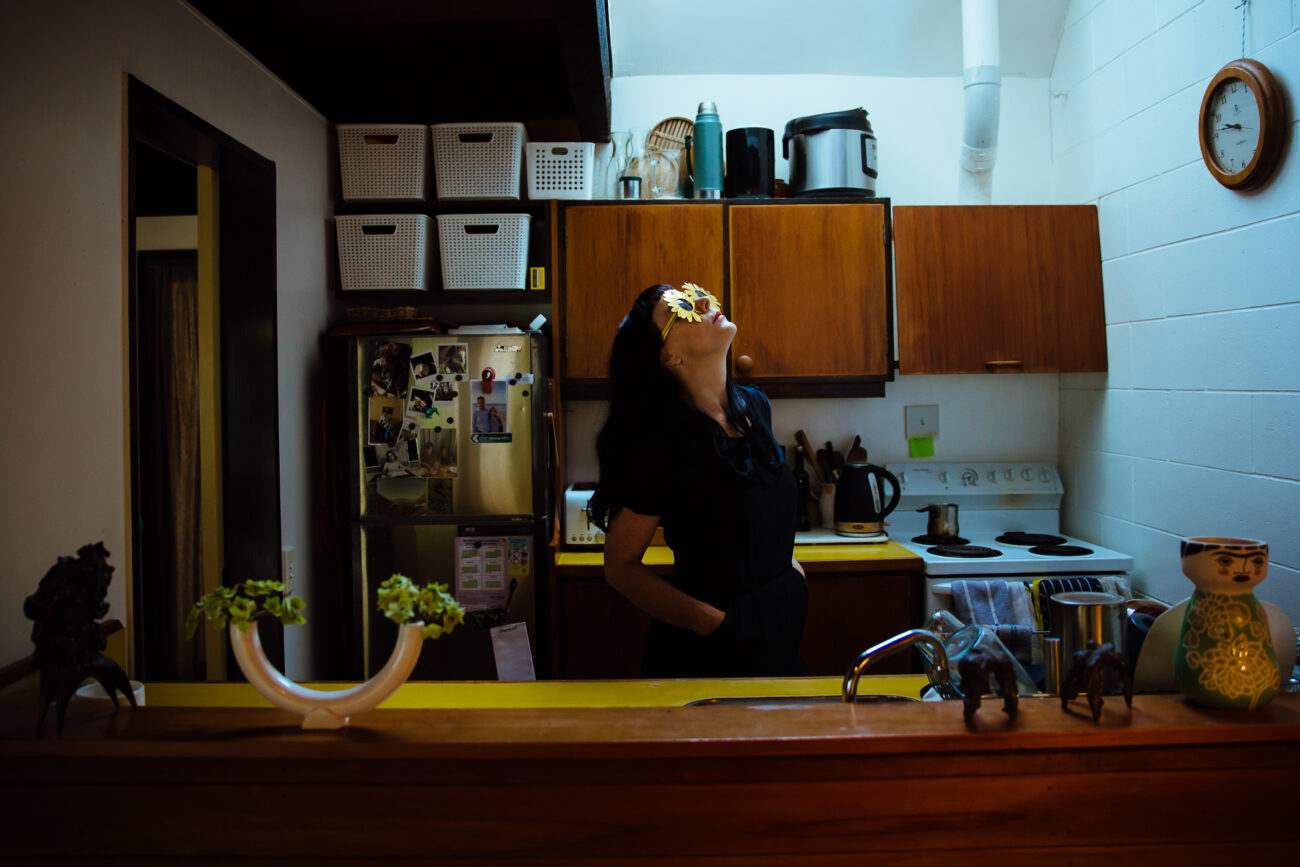
For years Ebony Lamb has been the go-to portrait photographer for Wellington artists—writers in particular, notoriously hard to shoot well. A standout is Elizabeth Knox in garden-witch mode: apron, brassicas, a clever, peering-forward posture. Lamb photographed poet Karlo Mila for this issue. The two working mums were both frantically busy but time, Lamb says, “stood […]...

Full commitment

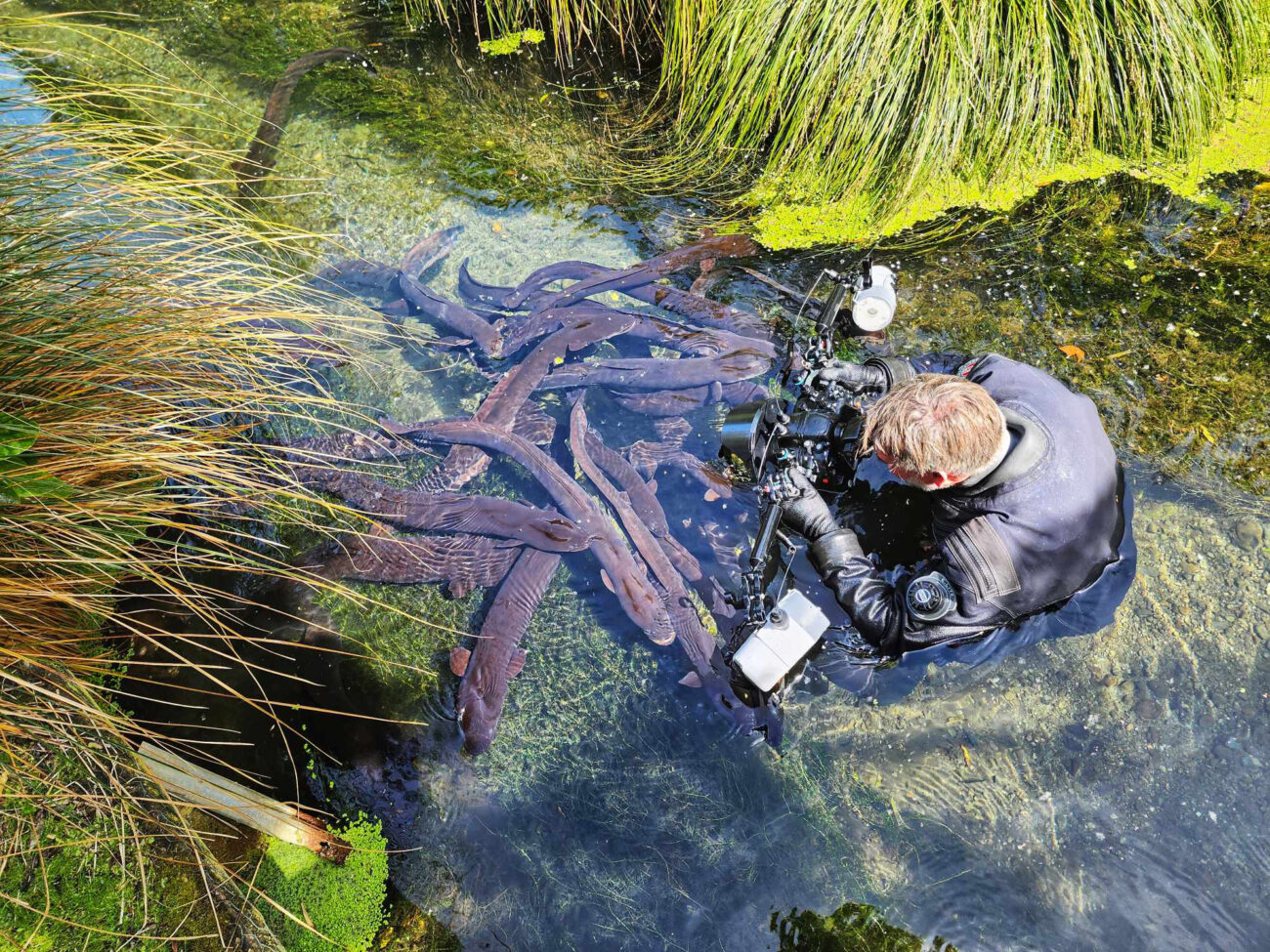
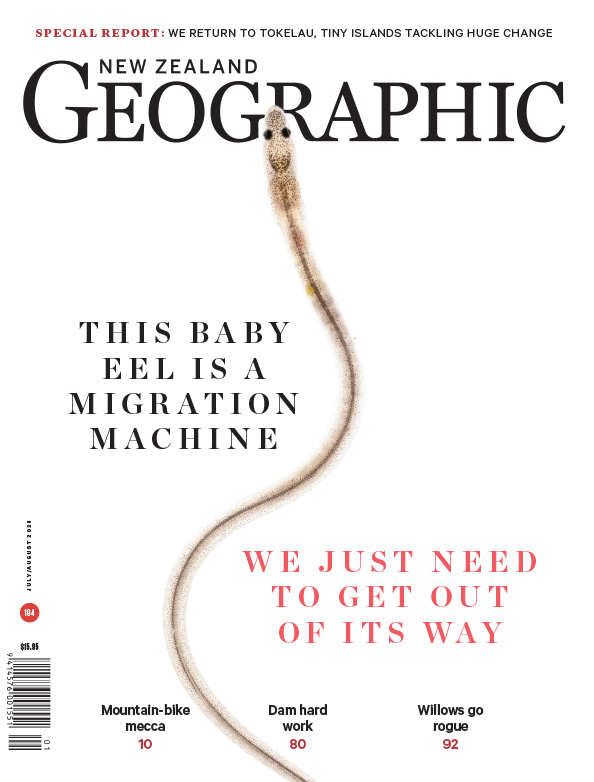
Richard Robinson and Bill Morris threw themselves into reporting their cover story on eels: icy streams, extreme slime, gear that still smells of smoked eel. The big lesson? “Never wear rings while handling eels,” advises Morris. Pictured here helping local iwi wrangle eels into the sea at Te Waihora, the writer didn’t notice until he […]...

Tech for Tokelau

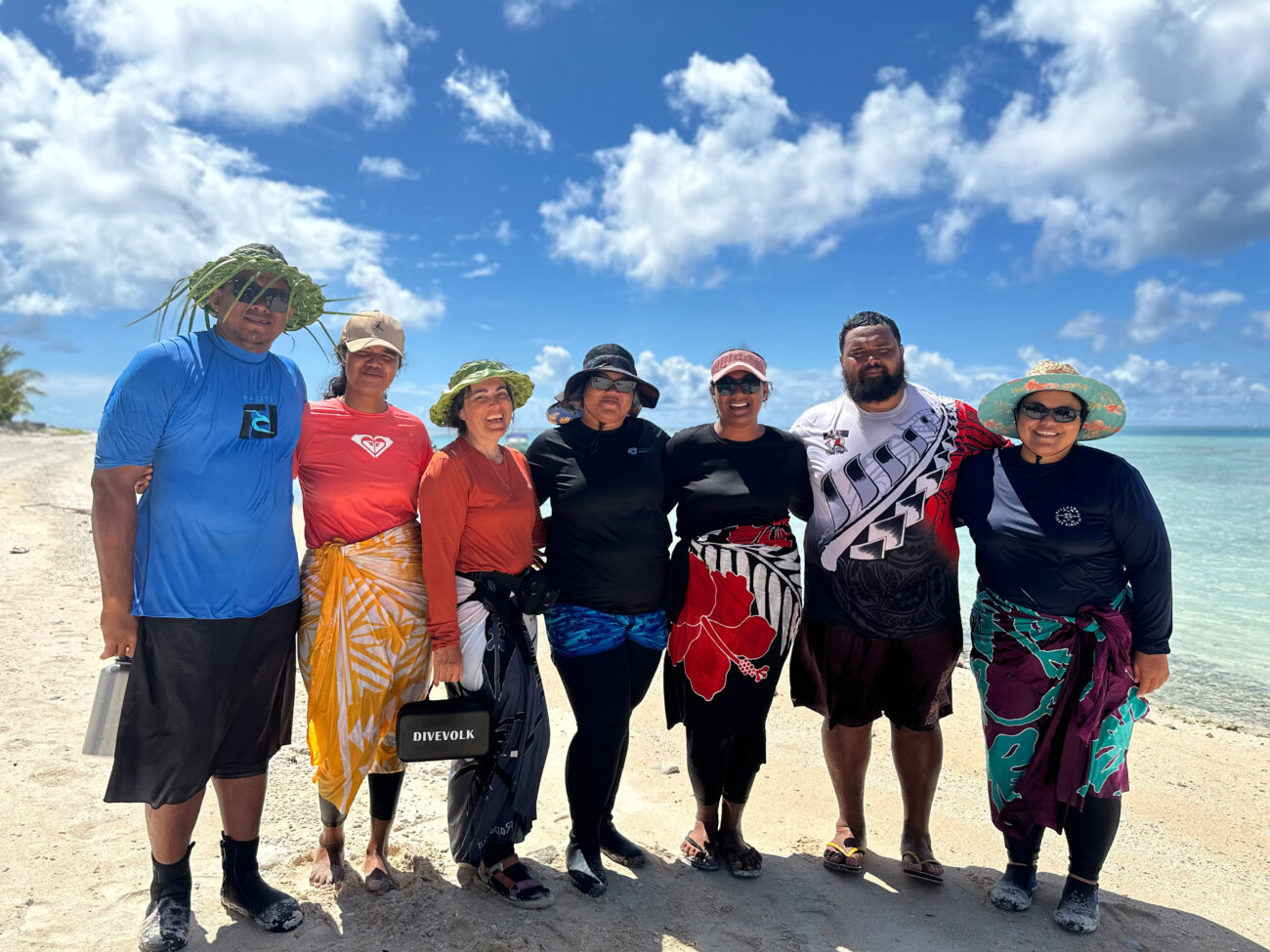
The Tokelau project started with a phone call during lockdown five years ago. Conservation International had been successful with its proposal to MFAT, and wanted us to contribute to a very different sort of aid programme—an initiative that allowed communities to take conservation into their own hands. The kaupapa meshed well with new citizen science […]...

Behind the photo, a friendship

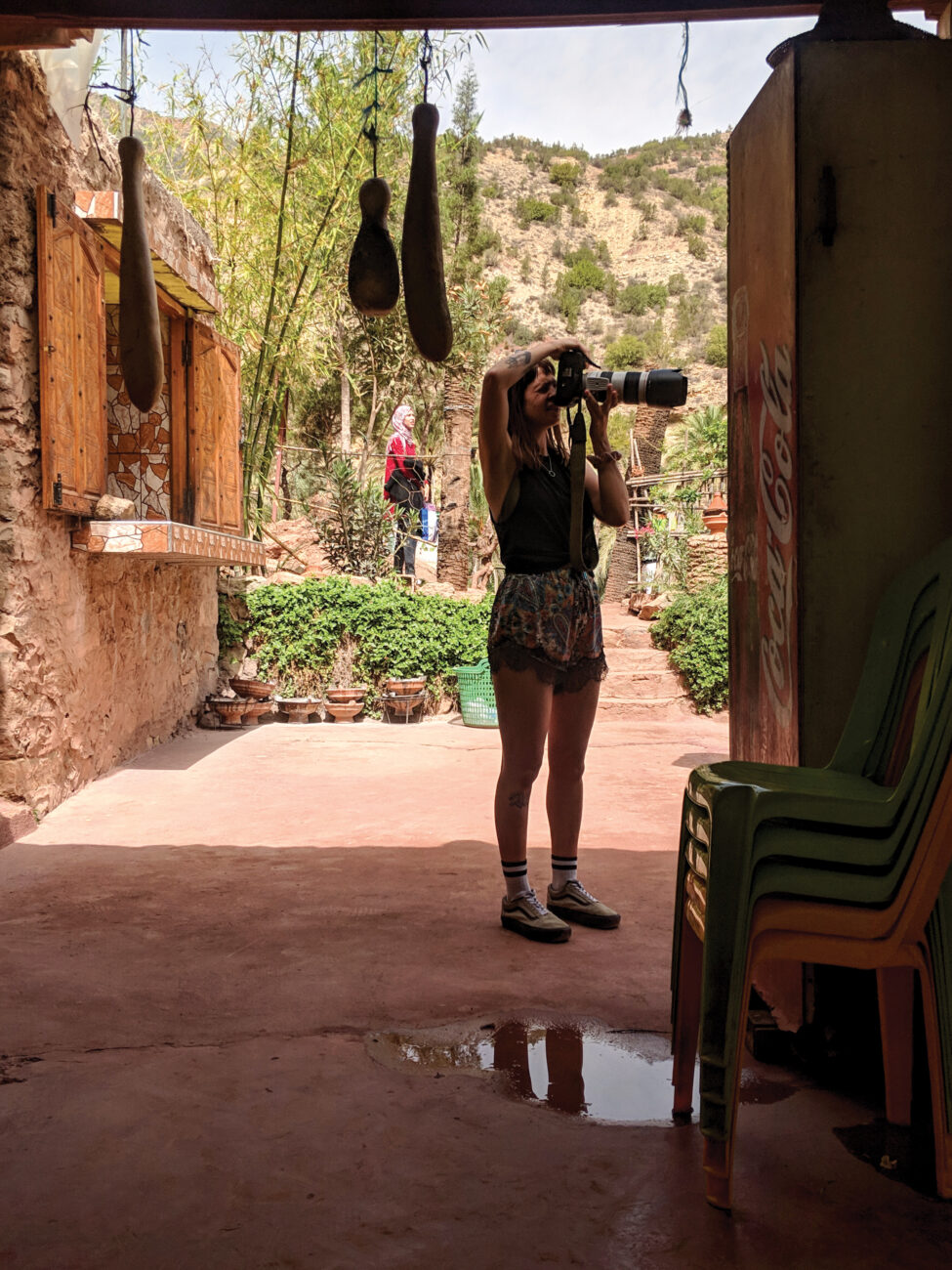
The photograph of patternmaker Tara Viggo on page 29 was taken by her late friend, UK photographer Caylee Hankins, in 2019. The pair had bonded over their love of surfing and obscure gigs, and spent a glorious 10 days surfing with a bunch of friends in Morocco. “We instantly hit it off,” says Viggo. “She […]...

Get a whiff of that

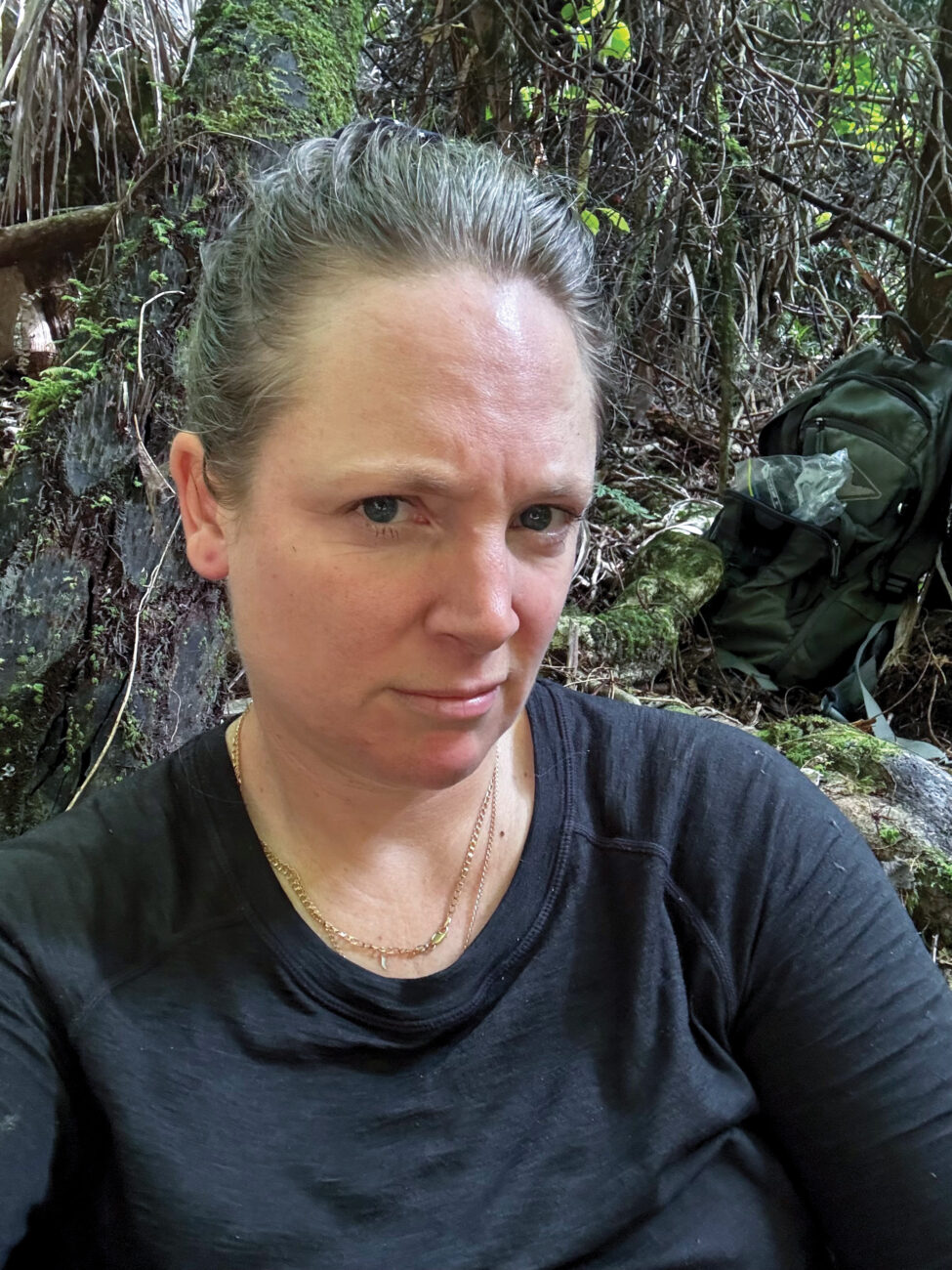
Nelson writer Naomi Arnold has two features in this issue, and both involve moments of extremis. Arnold recounts her muddy, soul-destroying slog through Southland’s Longwood Forest, near the start of her Te Araroa odyssey last year. Nine months after the forest of mud, she reached Cape Reinga. By then she was a feral shell of […]...

Seeking Miss McNeill

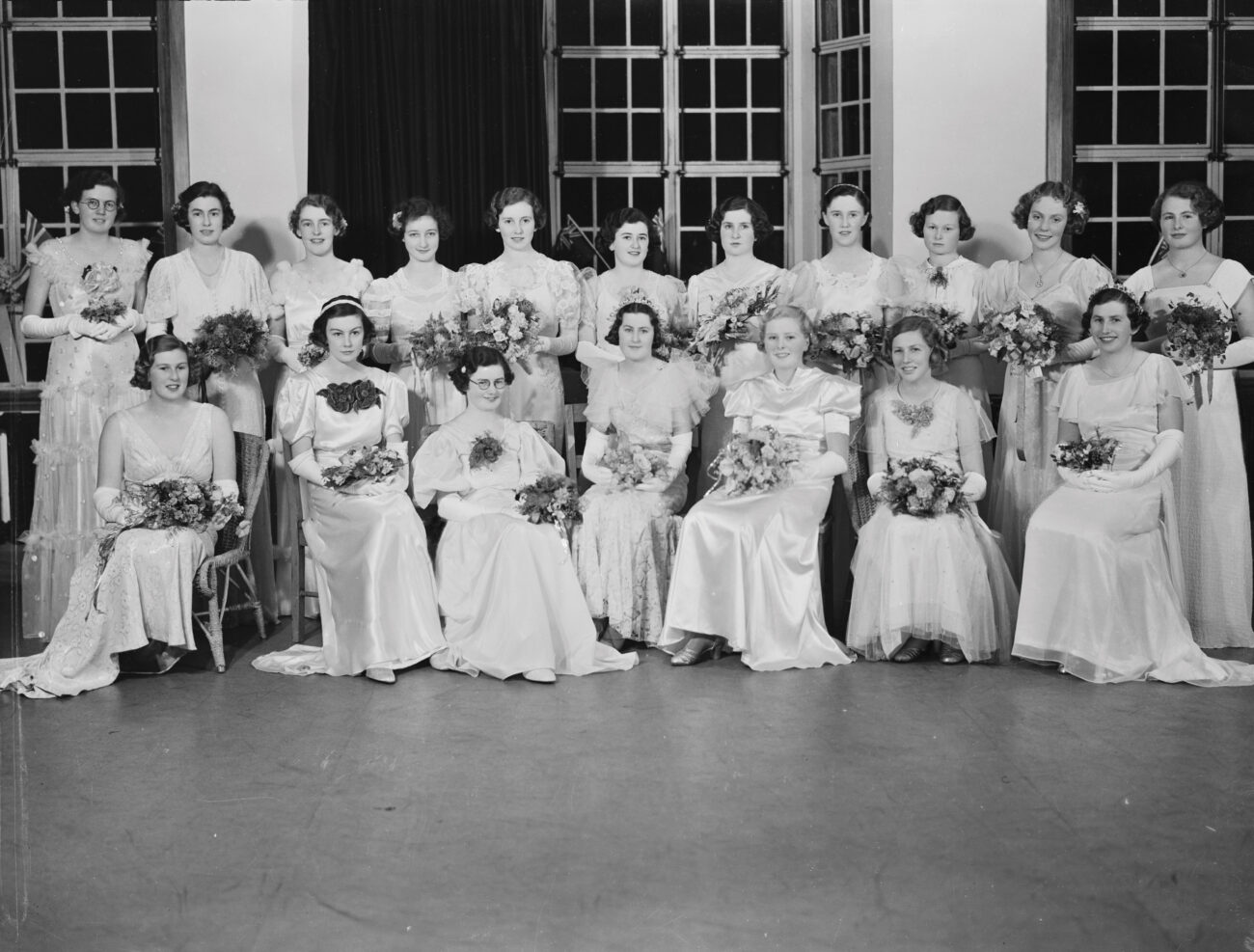
Colour photography hit its stride in New Zealand just as debutante balls were fading from the scene, so almost all of the images in official archives, like this group of young ladies pictured in their deb-ball finery in 1937, are black and white. Debutantes routinely wore white dresses, but many added vibrant flourishes that are […]...

Child’s-eye view

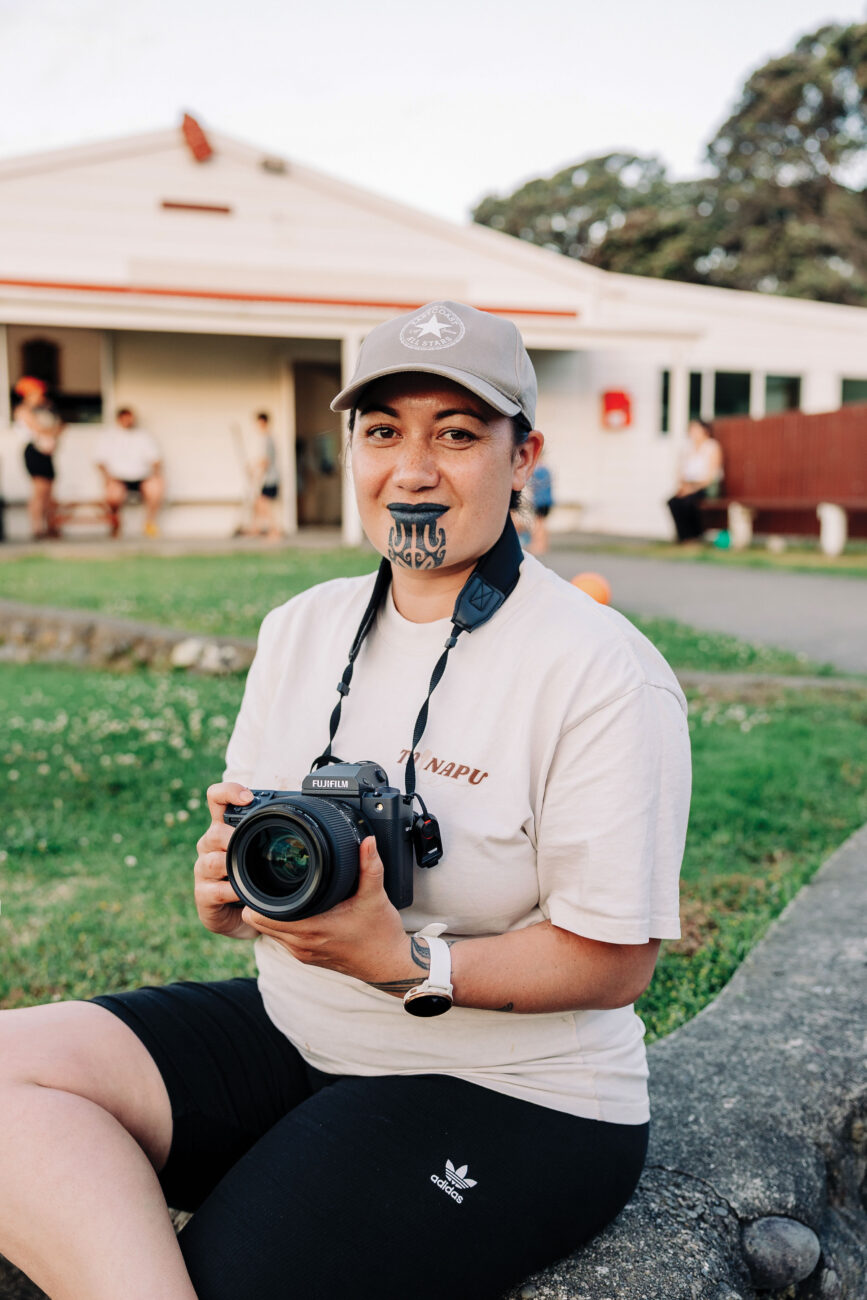
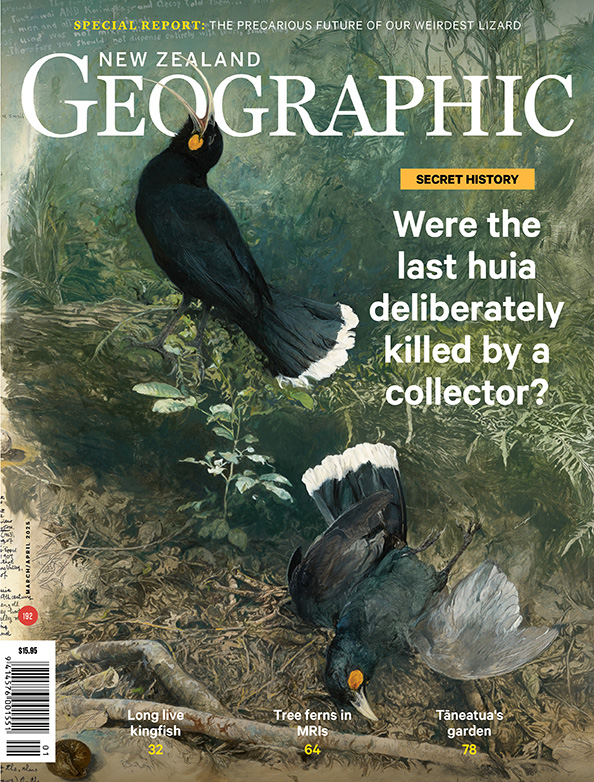
Photographer Erica Sinclair shot half of this magazine, occasionally with her children in tow—her daughter Maiea was happy to settle in with a book while Mum documented a remarkable community garden in Tāneatua (see ‘The Garden of Life’, page 78). The tables turned when Sinclair was photographing a piupiu wānanga held by her husband’s kapa […]...

Bug day out

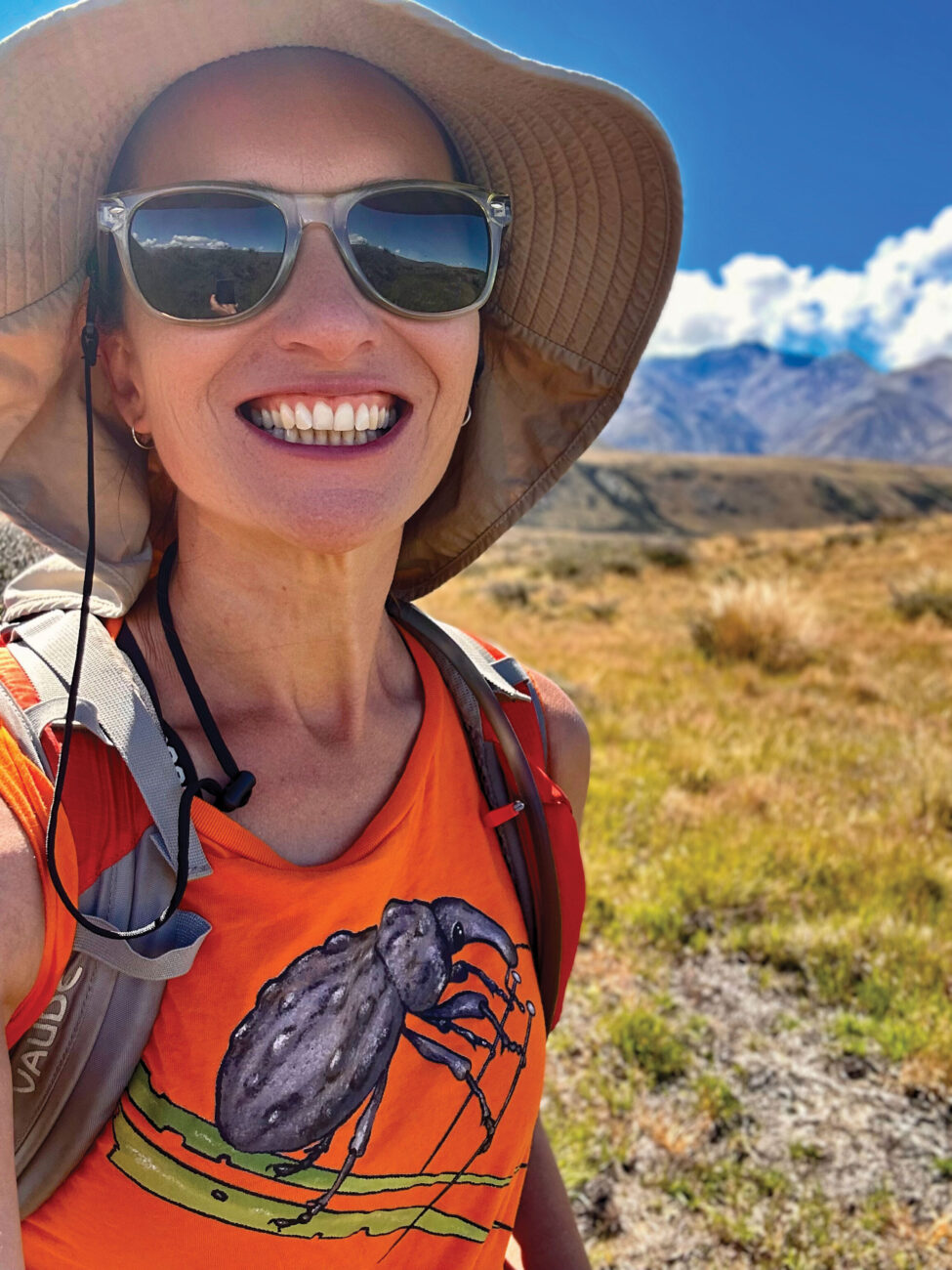
Lily Duval’s first piece for New Zealand Geographic is a news story about the resurgence of the magnificent Canterbury knobbled weevil which bears the delightfully bumpy Latin name Hadramphus tuberculatus (page 19). The artist and critter expert filed straight from the field after a happy day fossicking through speargrass helping Department of Conservation staff count […]...

Done in

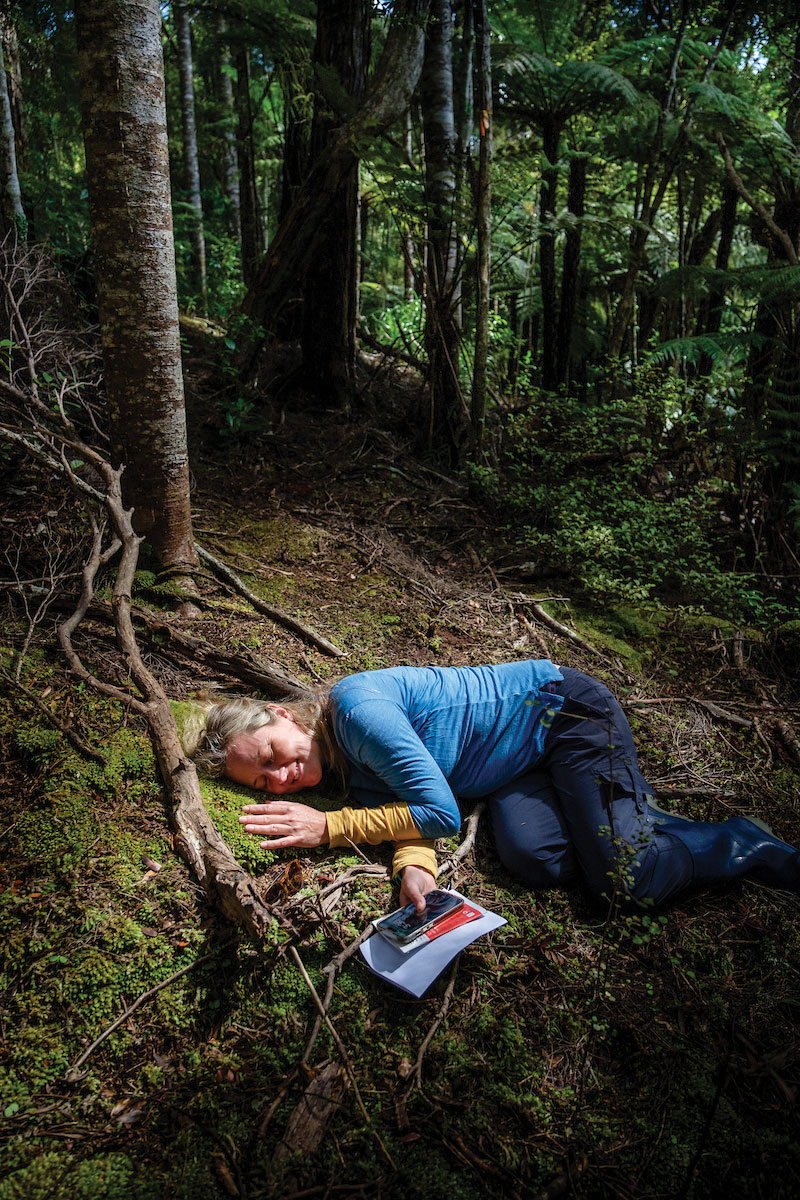
Kate Evans, flat out reporting her tree ferns feature (page 64). To be fair, this trip landed right in the middle of the pre-Christmas flurry, and she’d just managed to bust her phone in a harried slammed-door mishap. Plus there was surfing to be done, and festivals attended, and many treks from her Raglan home […]...

Home and away

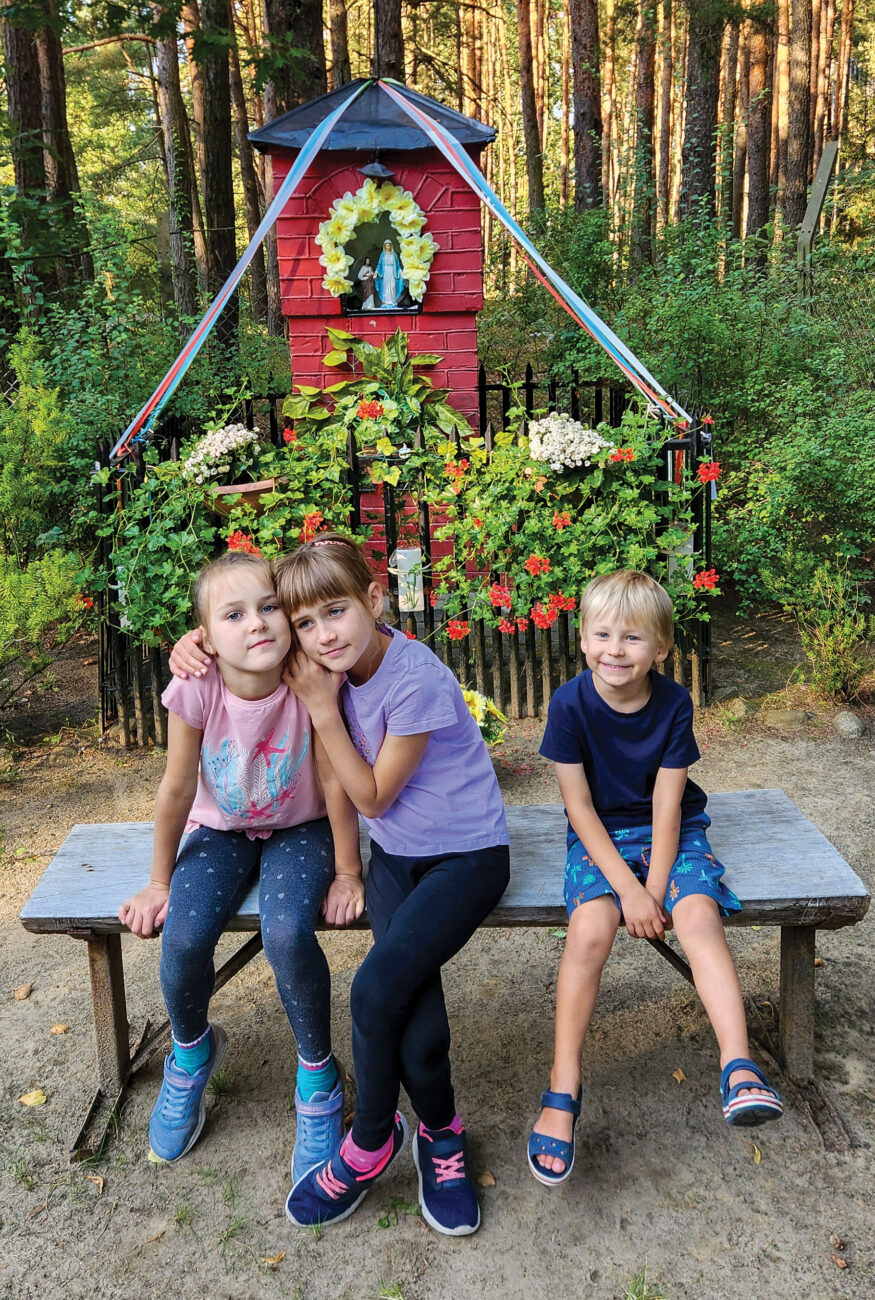
Sixteen years ago, Richard Robinson met a Polish woman, Ania Matuszczak, diving at the Poor Knights. Now, the couple live in Auckland, and have three kids—from left, Nina, Eva and Ted. “For us they’re not just Kiwis,” Robinson says, “they are Polish, and we’re really keen for them to grow up in that culture.” The […]...

Magazine

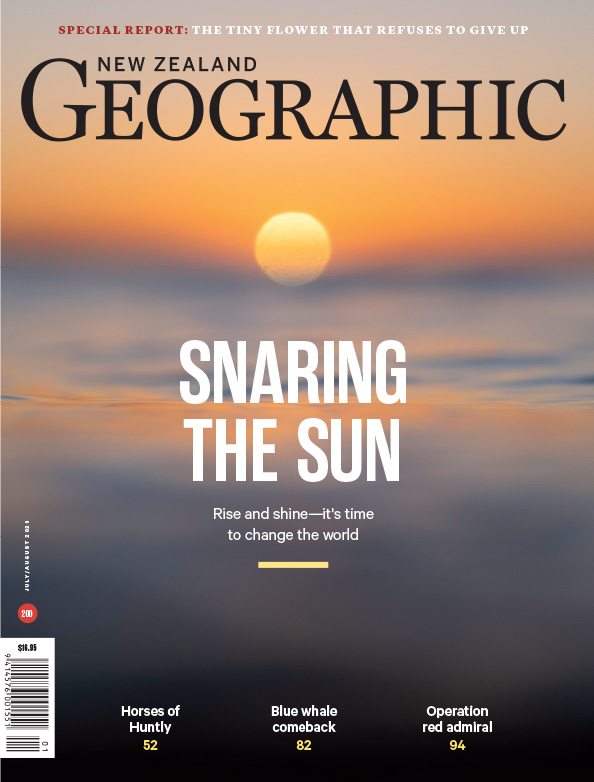
Issue 200

Jul - Aug 2026

Solar power
Horses of Huntly
Forget me not
Whaling
Red admirals

Issue 200 Jul - Aug 2026

Trending

When the forecast is just right, Irene and Crispin Middleton wake up in the middle of the night and put to sea....
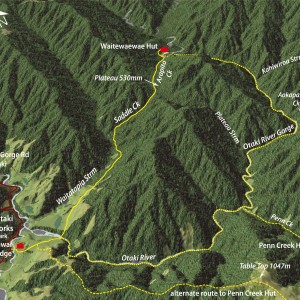
Tararua Forest Park, 2 days...
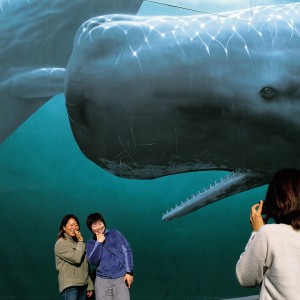
The blast of the harpoon may have given way to the click of the camera, but whales are still the cornerstone of commerce—and the subject of many a decorative mural—in the north Canterbury town of Kaikoura. In little more than a decade, marine ecotourism has transformed a coastal backwater into an international travel hotspot....
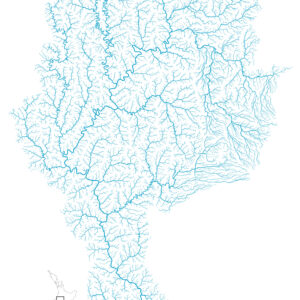
Whanganui is Aotearoa’s third-longest river. It begins on Mount Tongariro and flows 290 kilometres to the Tasman Sea, joined by thousands of small tributaries along the way. Whanganui iwi have long sought legal recognition of their relationship with the river. They petitioned Parliament in the 1870s for protection of their awa. From the 1880s, the […]...
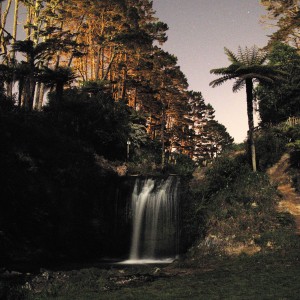
Where can the city dweller look for the inexhaustible wild? Perhaps it lies closer than we think, on the flipside of the ordinary, along the unkempt edges of the familiar. An urban green space can become a site of pilgrimage, a place to discover a waterfall by moonlight....
Anthocyanins, the molecules that turn fruit red and blue, are usually produced at a particular time and for a particular purpose, such as when a plant wants to advertise the fact that its fruit is ripe, or during times of stress. Anthocyanins are particularly power­ful anti-oxidants, those molecules that mop up the free radicals that […]...
Look up! Behold, the architecture of the skies!...
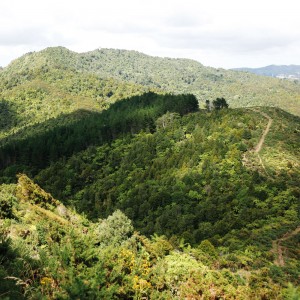
The track goes over Mt Tamahunga (437 metres) the highest accessible summit between Auckland and Whangarei. It’s named for Te Kiri, a Ngati Wai chief who in 1864 rescued 180 Waikato prisoners from Governor George Grey’s nearby Kawau Island estate and brought them here, beyond reach of the British military. The Government demanded that the […]...
Old snow can tell us a lot about the past. As snowflakes fall, they collect whatever particles are in the atmosphere at the time—dust, volcanic ash, smoke, pollen. Then, as the snow accumulates and turns to ice, it freezes with it a record of what the weather was like dozens, even hundreds, of years ago. […]...
ICE. At one extreme, it is the humble cube which puts the clink in your drink on a hot summer’s afternoon. At the other, it is a major cog in the engine which drives the world’s weather. Further­more, its behaviour over the ages may have played a pivotal role in human evolution. At the heart […]...
Archive

×

Subscribe to our free newsletter for news and prizes