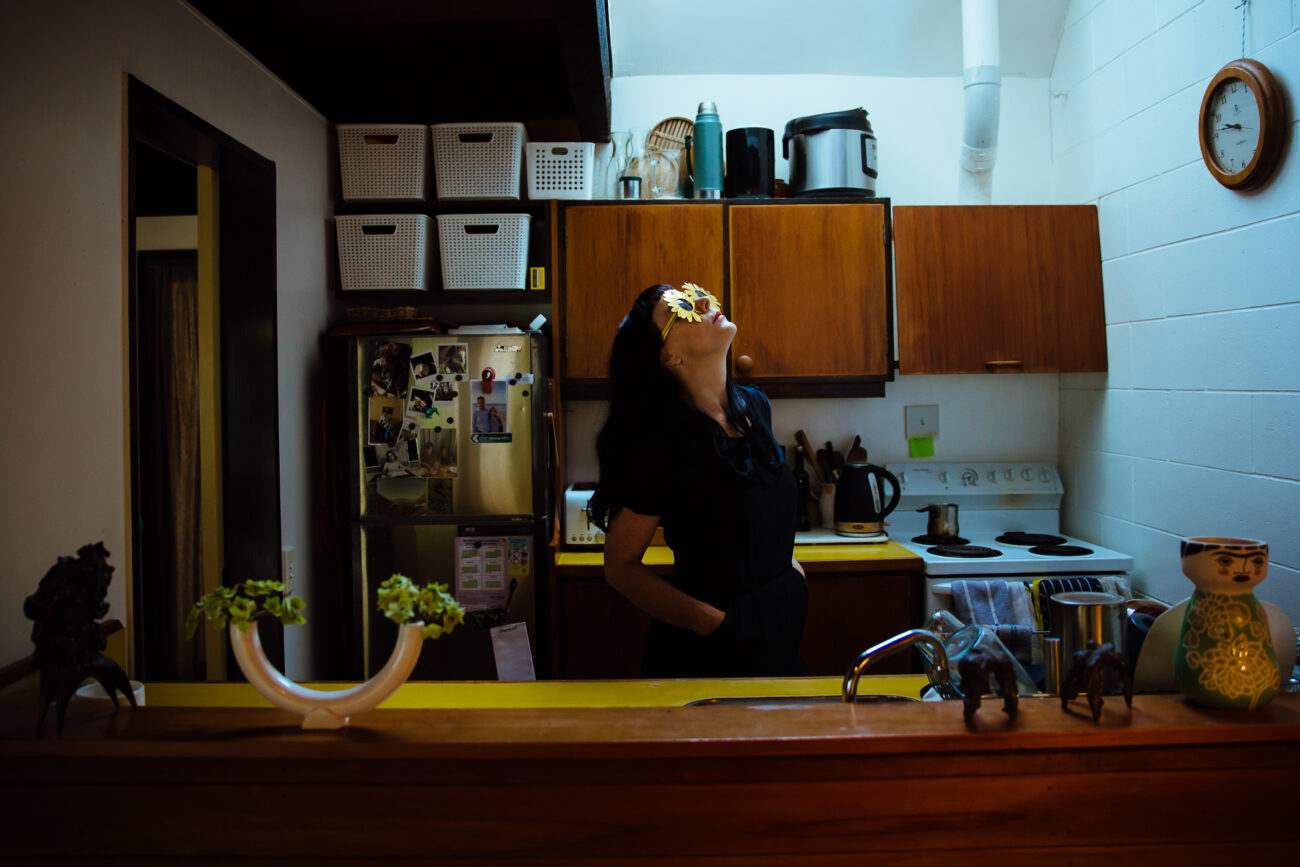
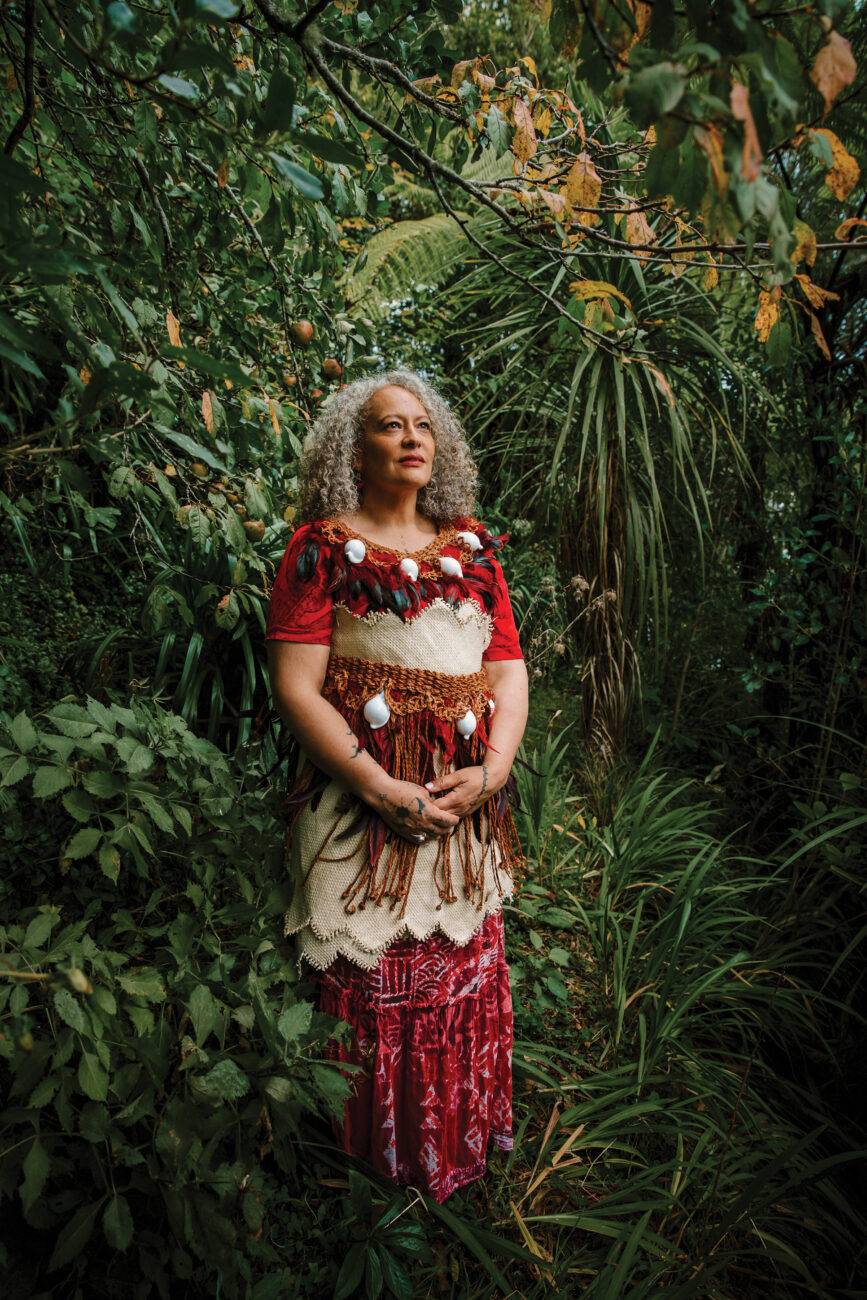
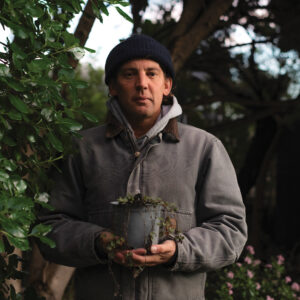
For years Ebony Lamb has been the go-to portrait photographer for Wellington artists—writers in particular, notoriously hard to shoot well. A standout is Elizabeth Knox in garden-witch mode: apron, brassicas, a clever, peering-forward posture. Lamb photographed poet Karlo Mila for this issue. The two working mums were both frantically busy but time, Lamb says, “stood […]...
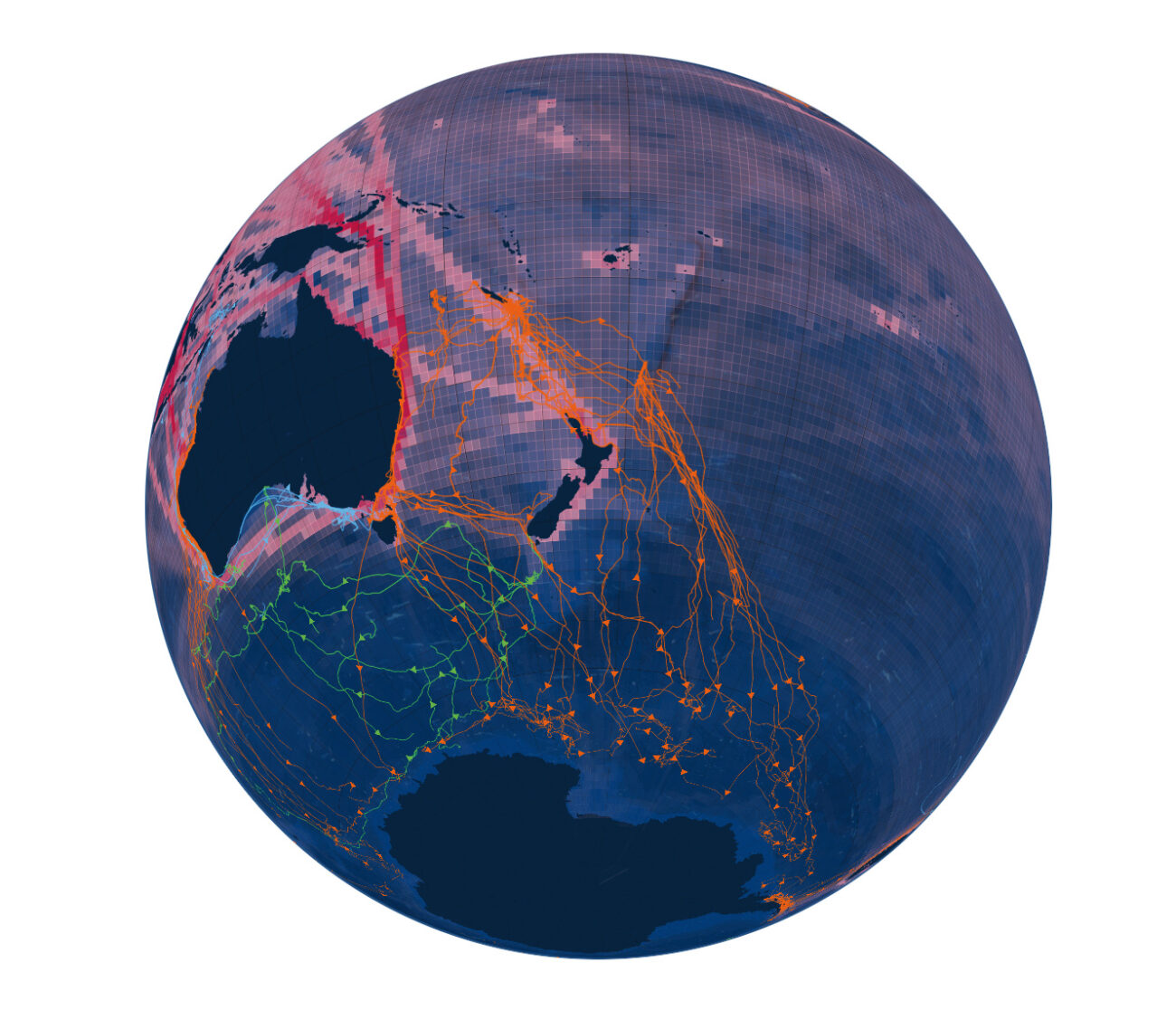
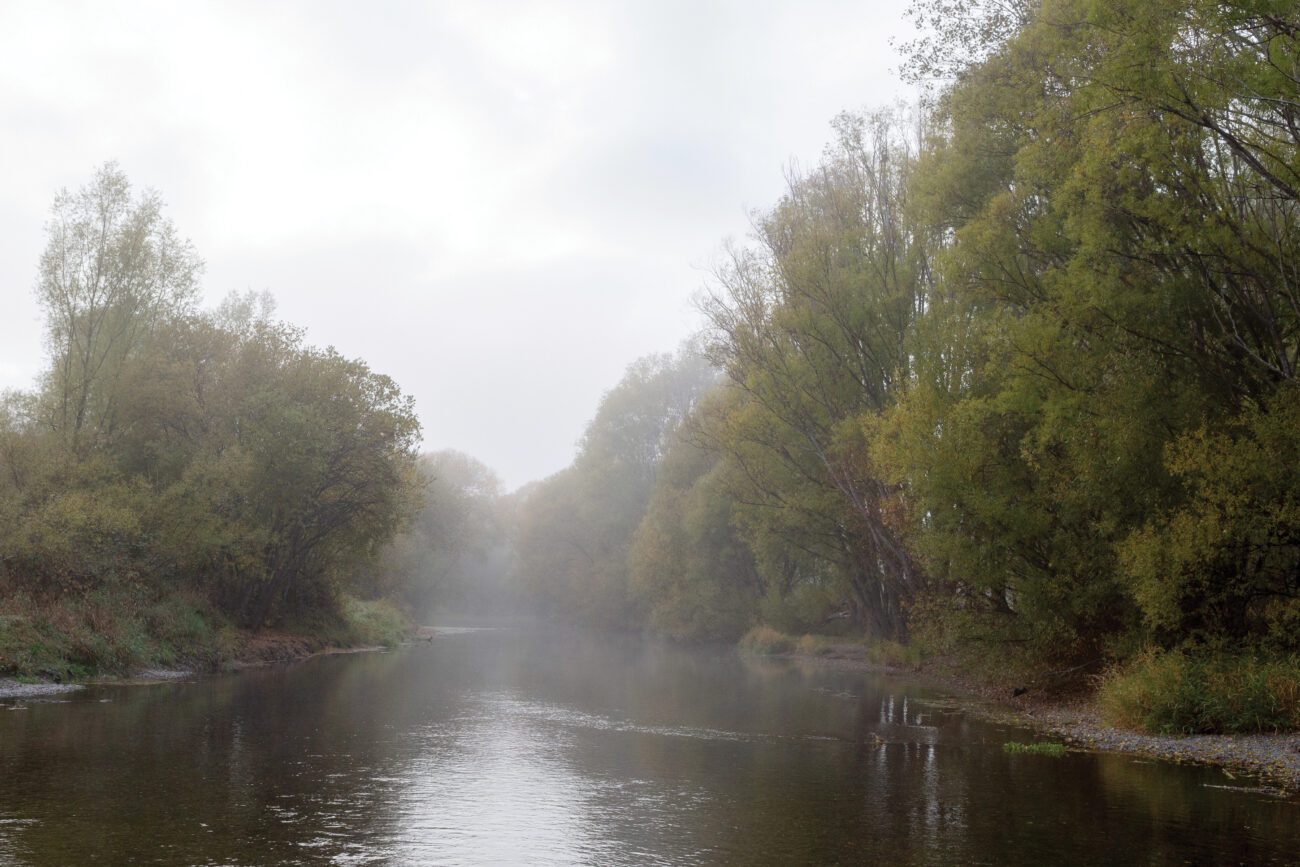
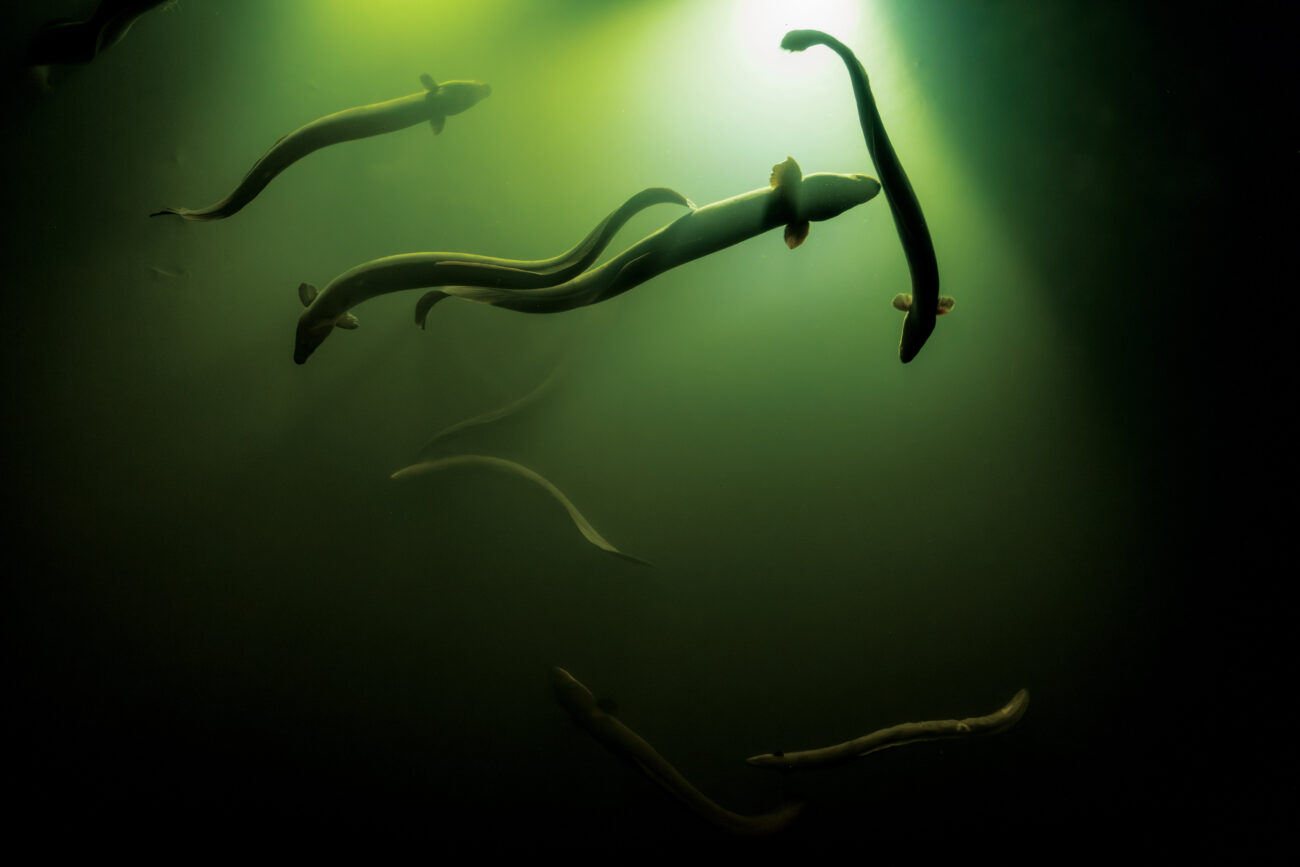
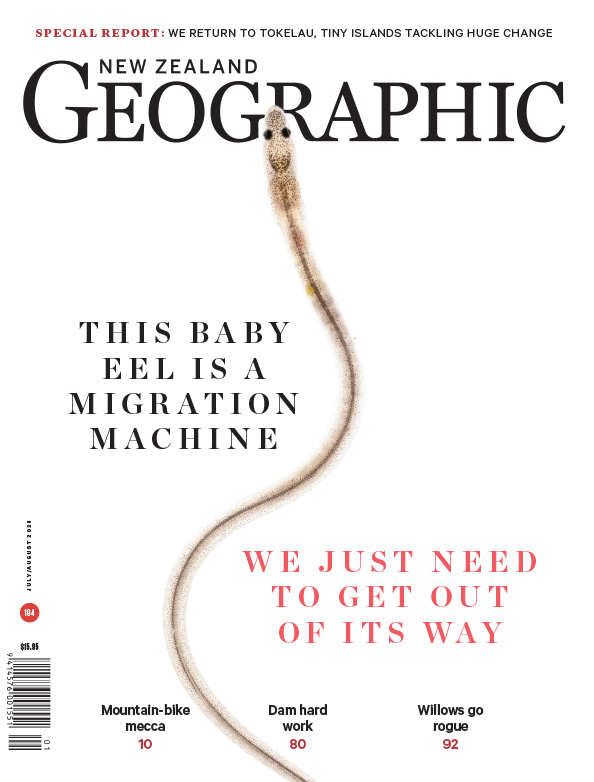
Picture a map of New Zealand. Now delete the land. What you’re left with is a vascular system pumping fresh water: swampy hearts, lakes, rivers, thousands of trickling capillaries. This is the Aotearoa that eels know....
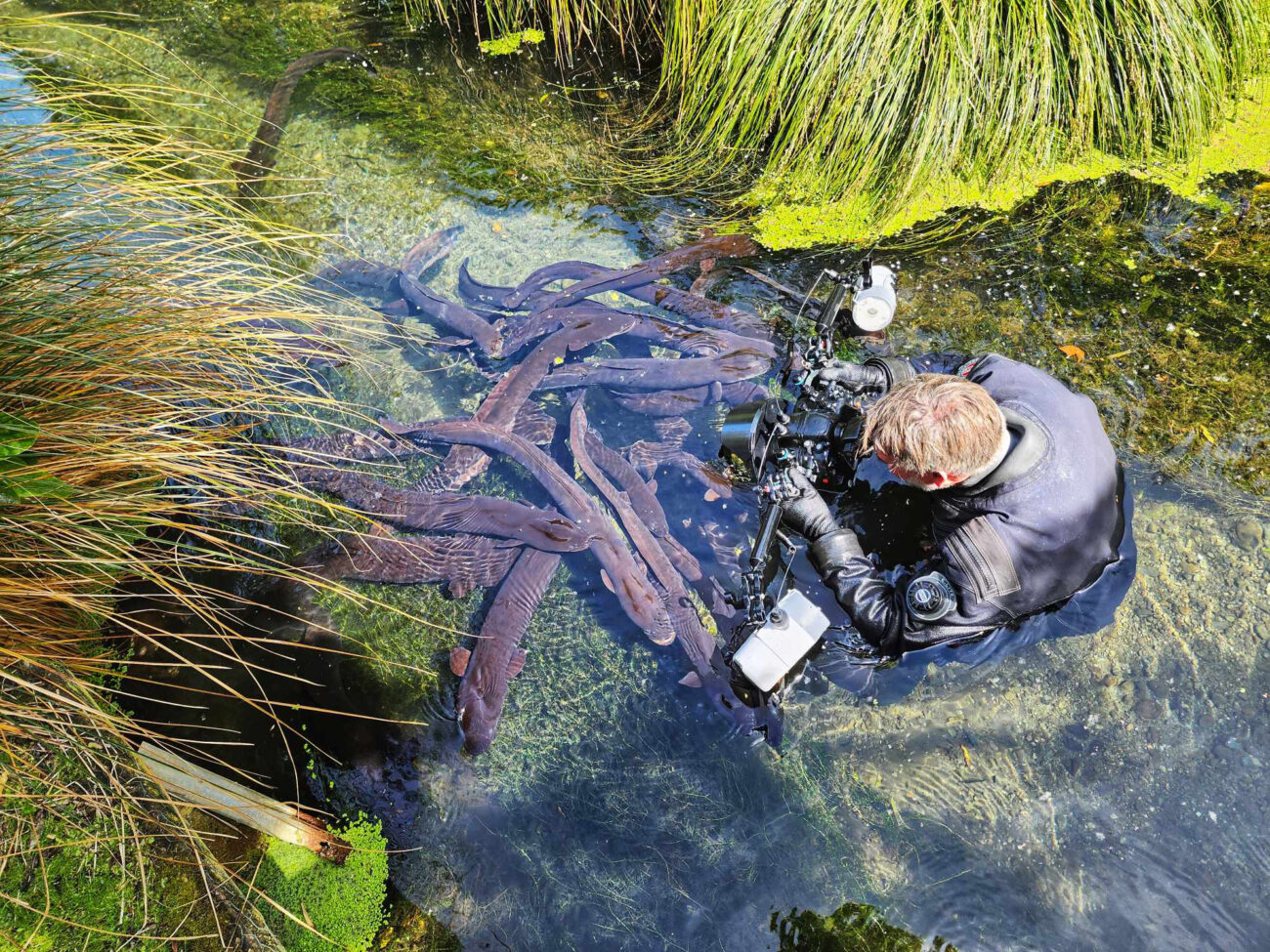
Richard Robinson and Bill Morris threw themselves into reporting their cover story on eels: icy streams, extreme slime, gear that still smells of smoked eel. The big lesson? “Never wear rings while handling eels,” advises Morris. Pictured here helping local iwi wrangle eels into the sea at Te Waihora, the writer didn’t notice until he […]...
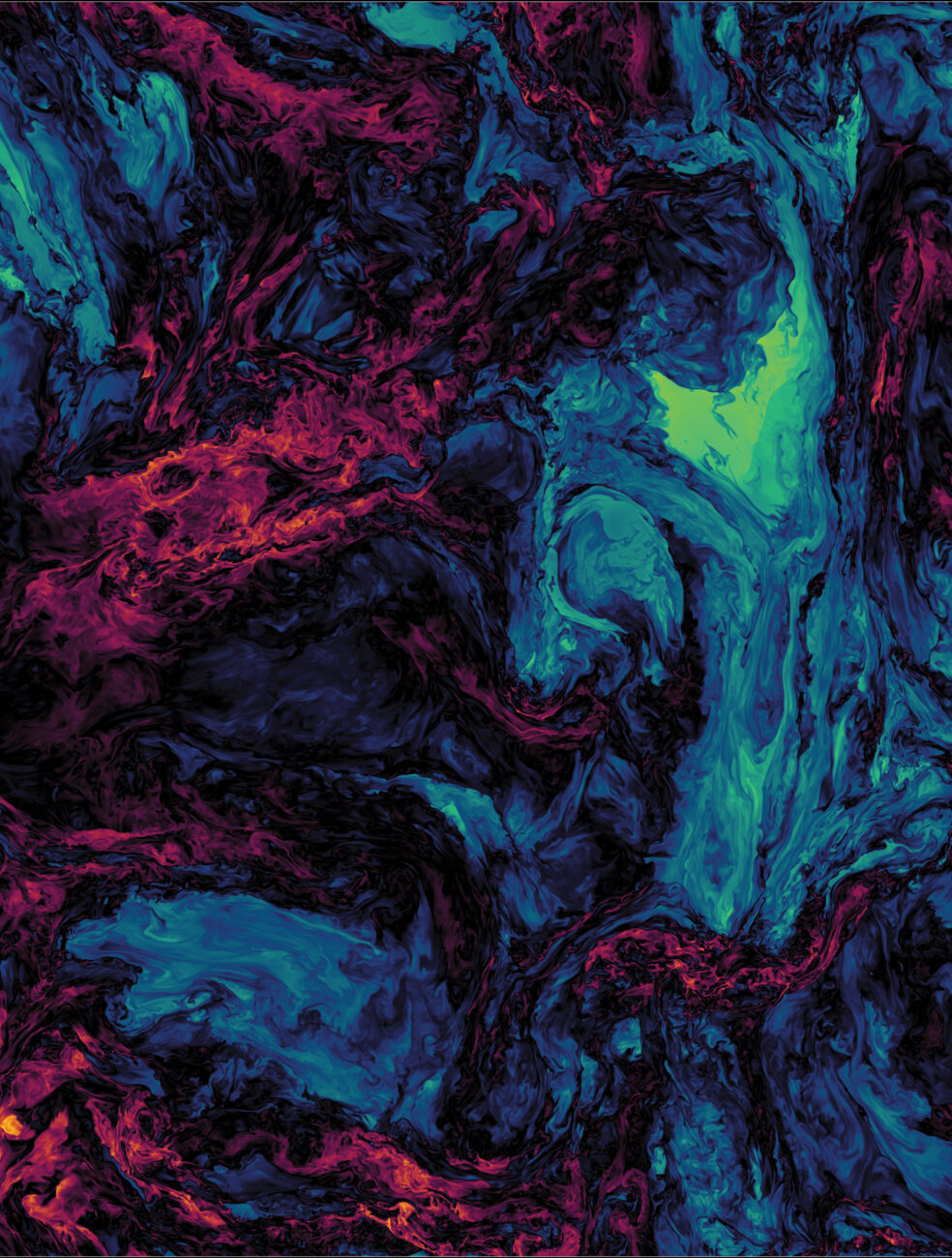
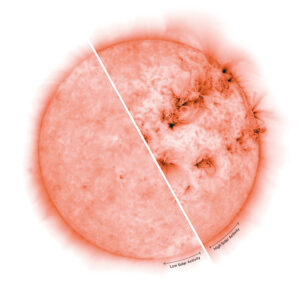
What you’re looking at is a slice of the roiling, chaotic stuff between stars—the magnetised dust and gases that make up the plasma of our Milky Way, modelled on a supercomputer at unprecedented scale and detail. Bright red and cyan indicate “shock fronts”, says project lead James Beattie, where the plasma is most dense and may […]...
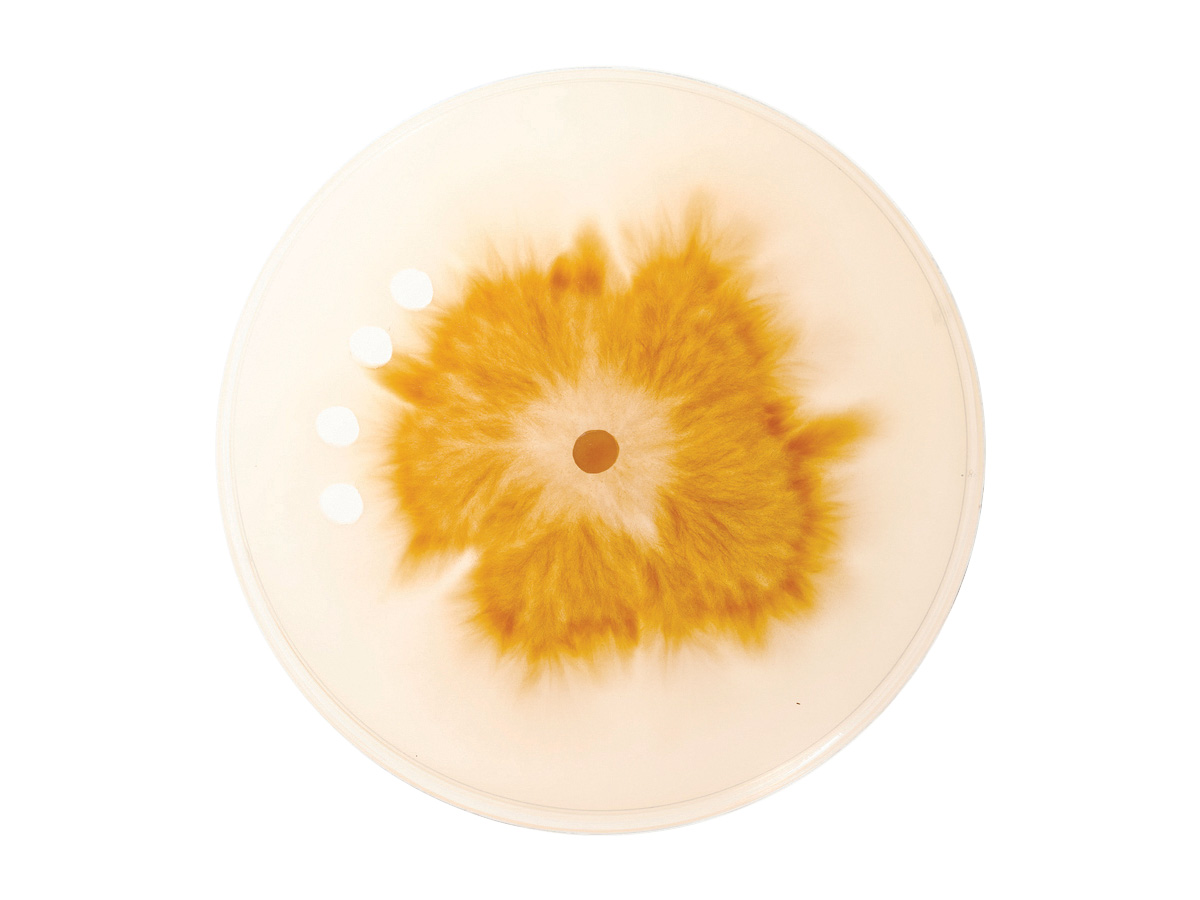
Dangerous fungal spores can survive stratospheric travel, Swiss scientists have found—which may explain how devastating fungal diseases such as myrtle rust skip between continents. The stratosphere begins higher than commercial planes fly; it includes the ozone layer and wraps the planet like a blanket. To find fungal spores way up there, the scientists built sampling […]...
ChatGPT can certainly spit out an essay in time for a deadline—but, reassuringly for those of us who write for a living, the results lack a crucial human quality. Researchers at the University of East Anglia compared 145 essays by second-year British university students with 145 churned out by the AI, and found the students’ […]...
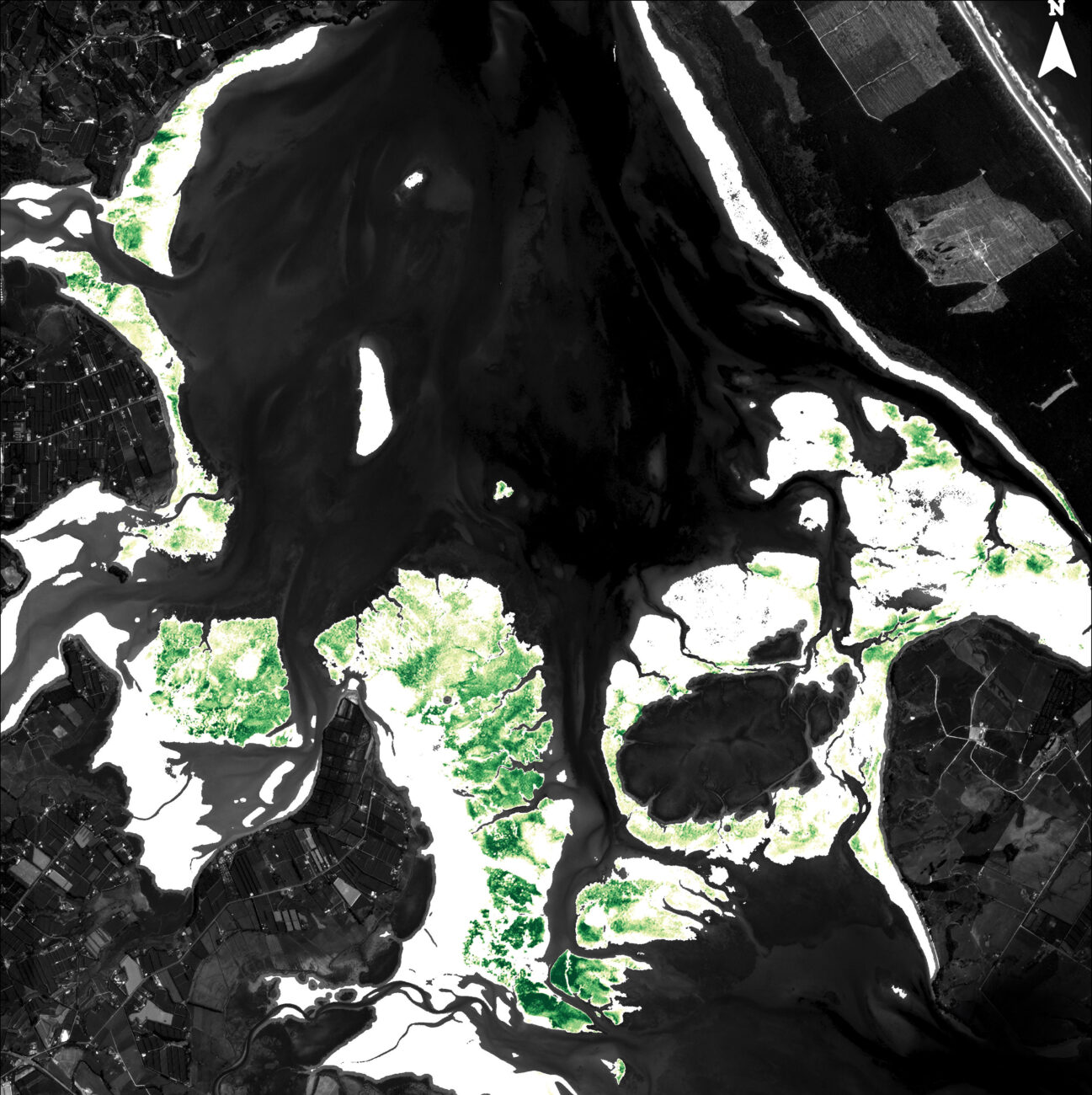
Seagrass is excellent habitat for fish, birds and invertebrates; it helps keep water clean by holding sediment in place; and it’s a superlative carbon sink. But all over the world, precious meadows of the stuff are disappearing, smothered in mud, or smashed by extreme weather. Now, scientists from the National Natural Science Foundation of China […]...
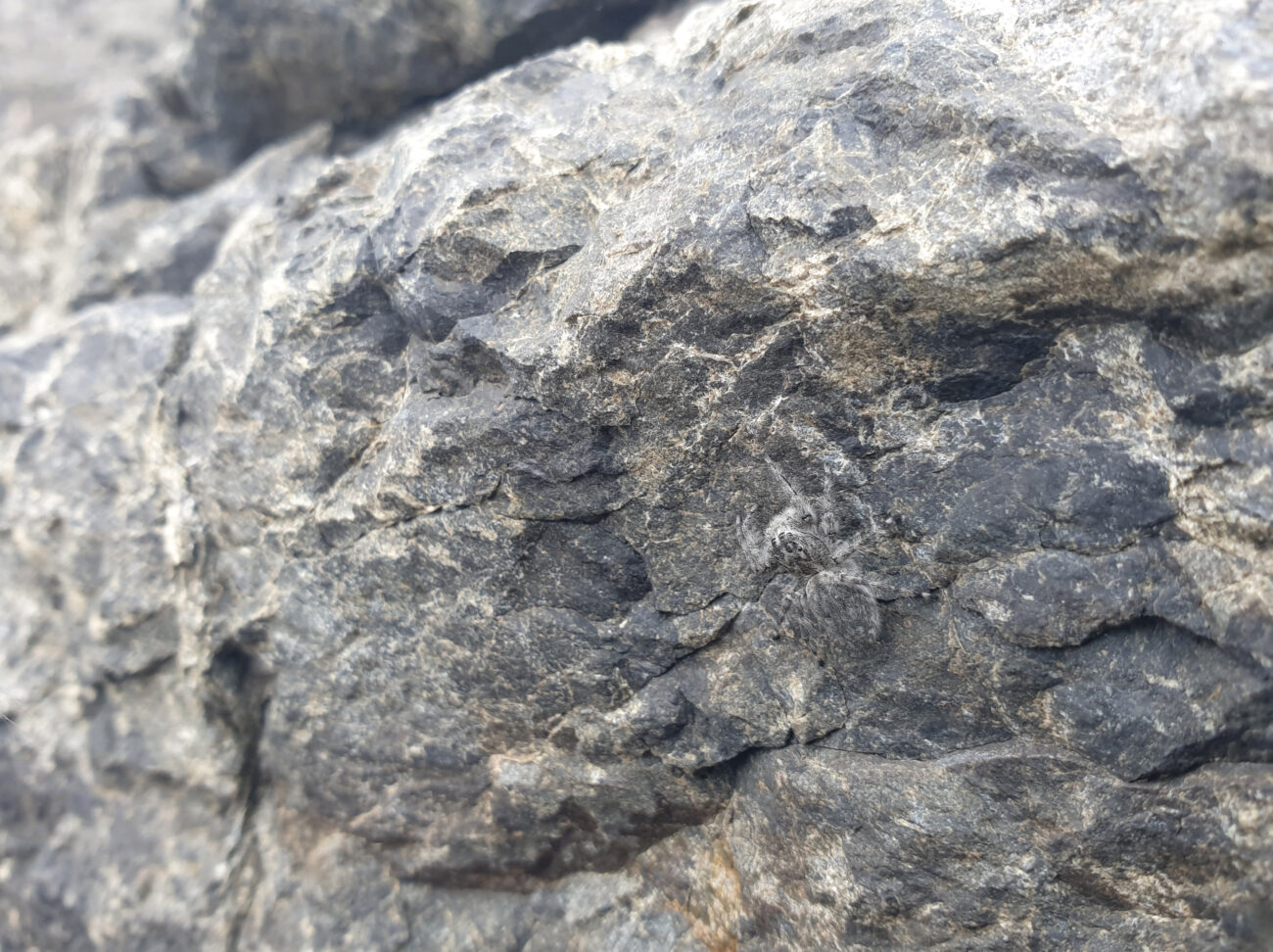
Look at the centre of the image above. Now slightly to the right. That’s a New Zealand jumping spider—one of a whole new genus discovered by Lincoln University master’s student Robin Long. Her extraordinary spider hunt spanned two years and 19 alpine areas across the South Island. Spotting these camo-masters was one thing, Long says. Jumping […]...