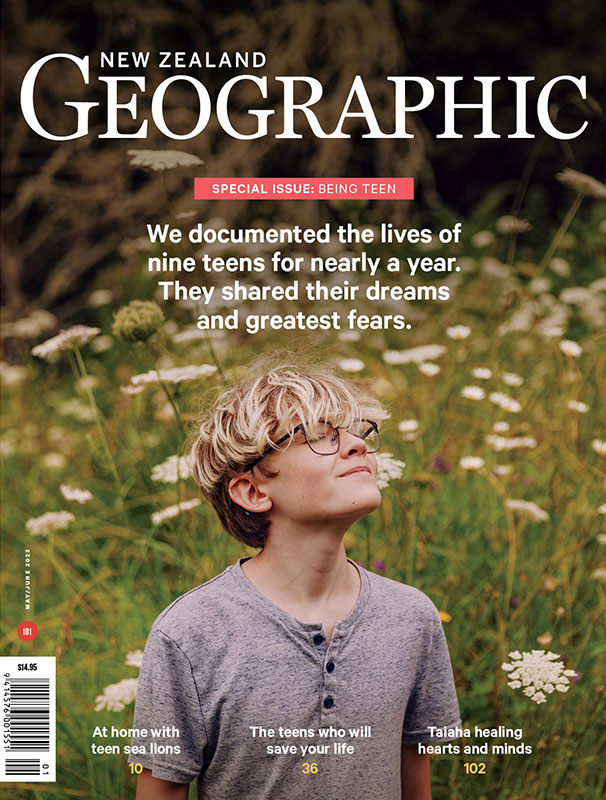
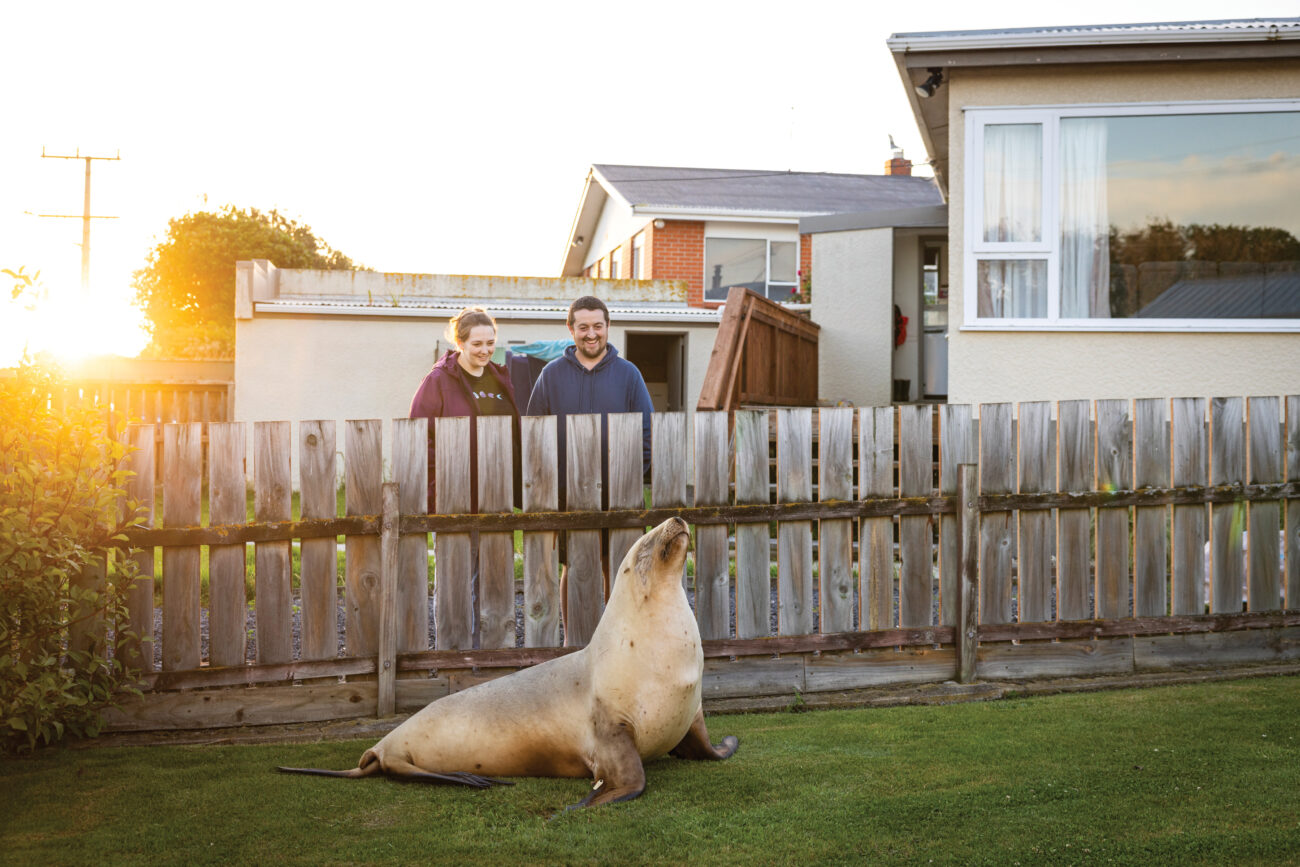
City slickers

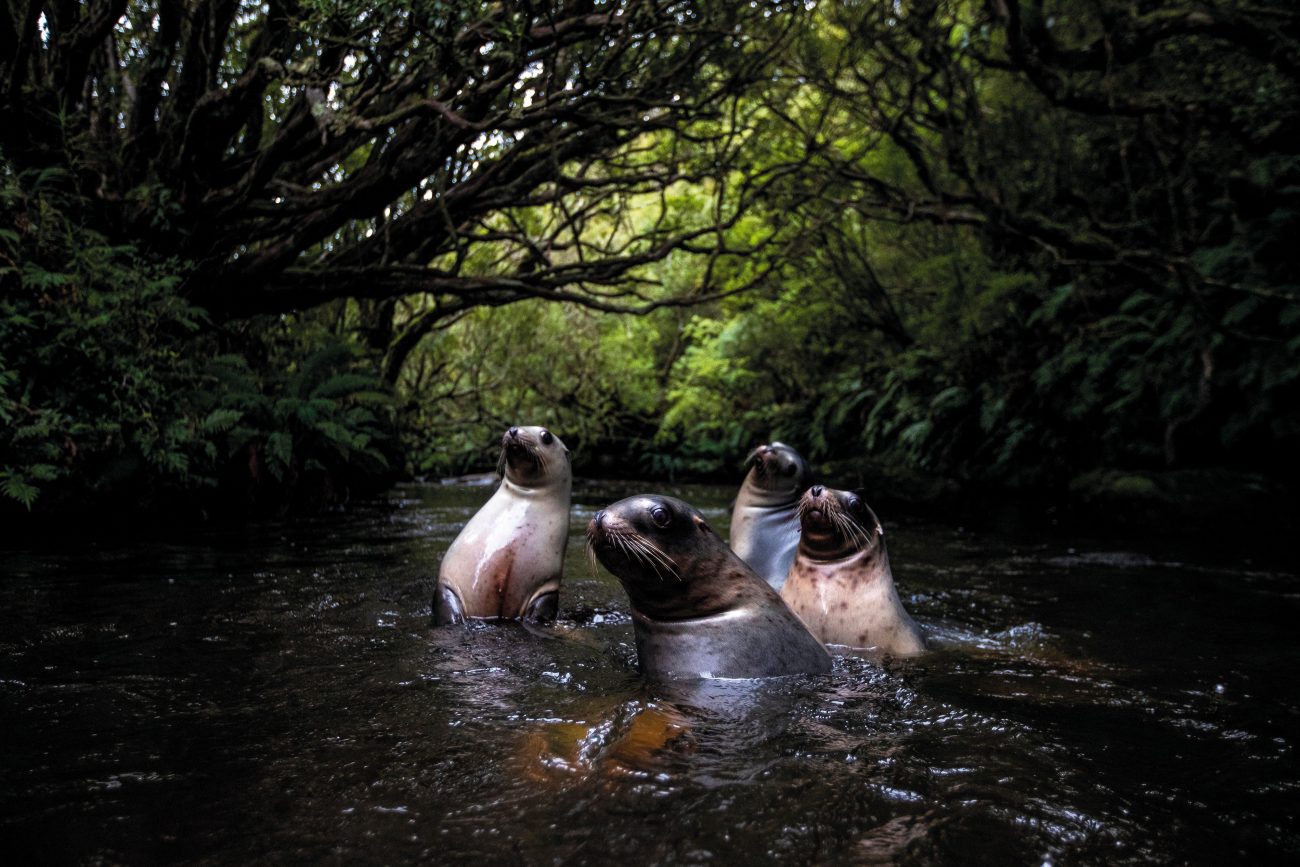
Derek Morrison photographs Dunedin’s most celebrated citizens: the dozens of sea lions making themselves at home in gardens, golf courses, and fish and chip shops....

We just dumped five billion litres of raw sewage into this ecosystem

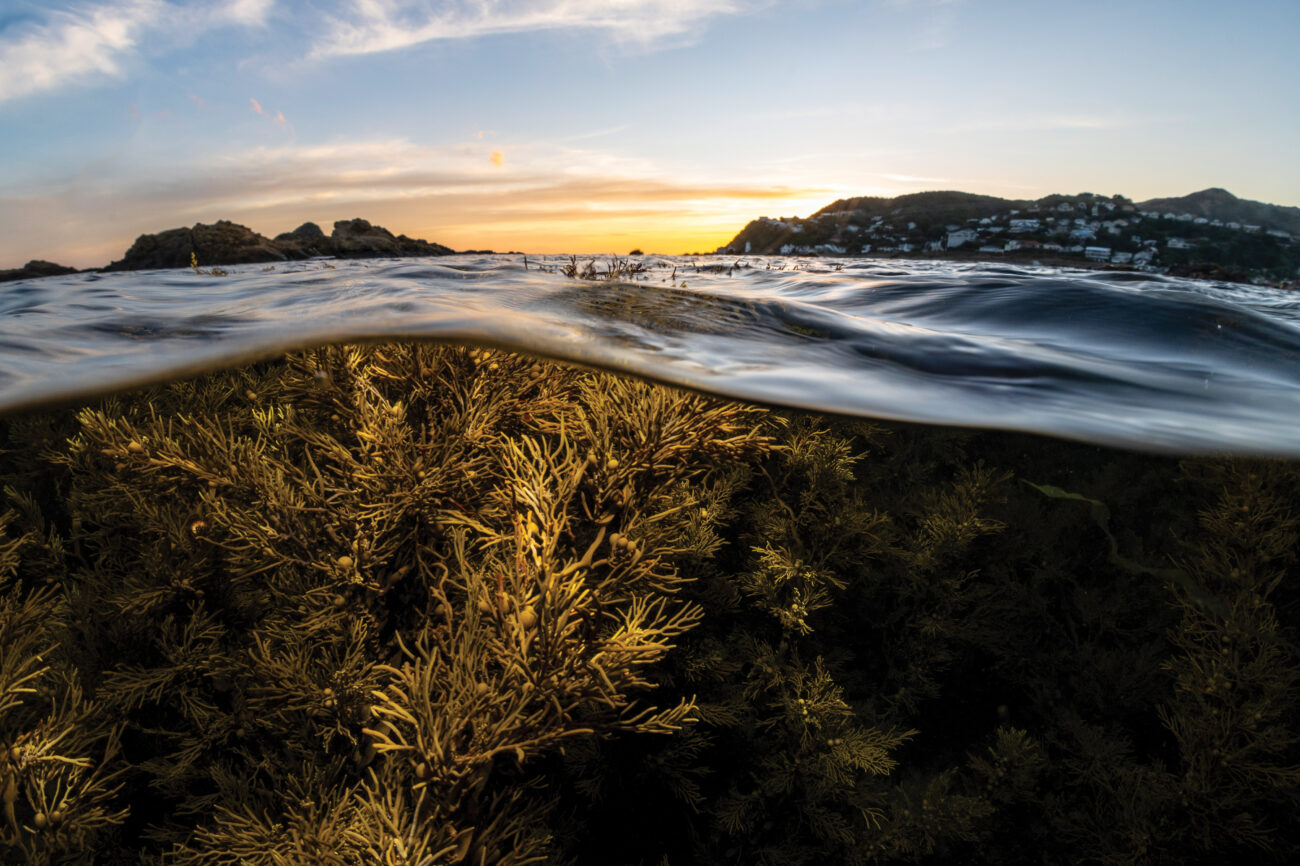
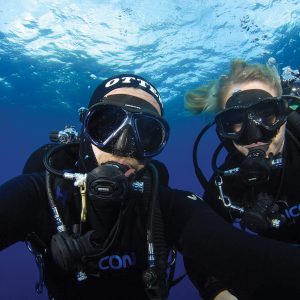
Marine ecologist Irene Middleton photographs one of her favourite dive spots, Wellington’s south coast. Astonishingly full of life, it’s now also the site of a massive, ongoing sewage spill....

The longest swim

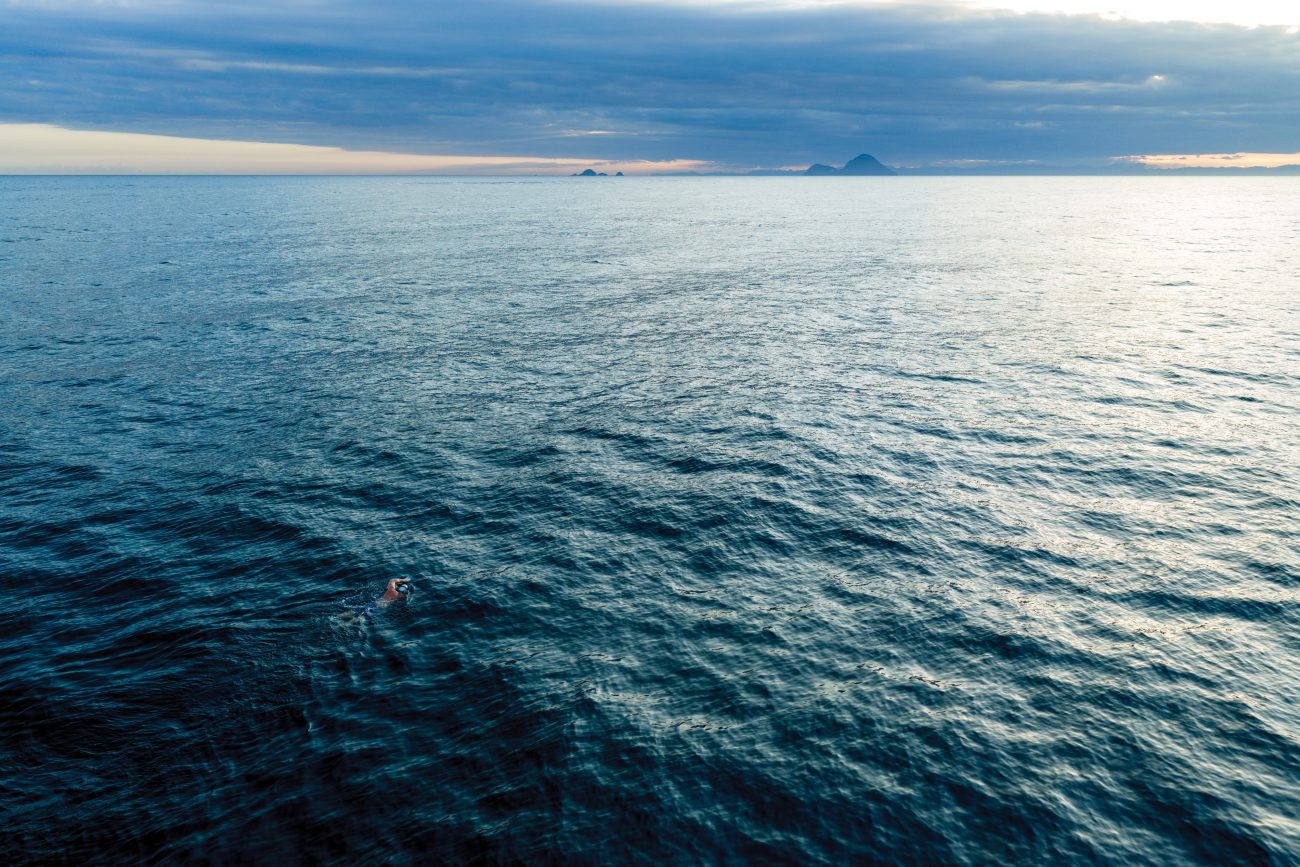
Jono Ridler is swimming the length of the North Island unassisted… but he has a lot of help....

Life in the dying city

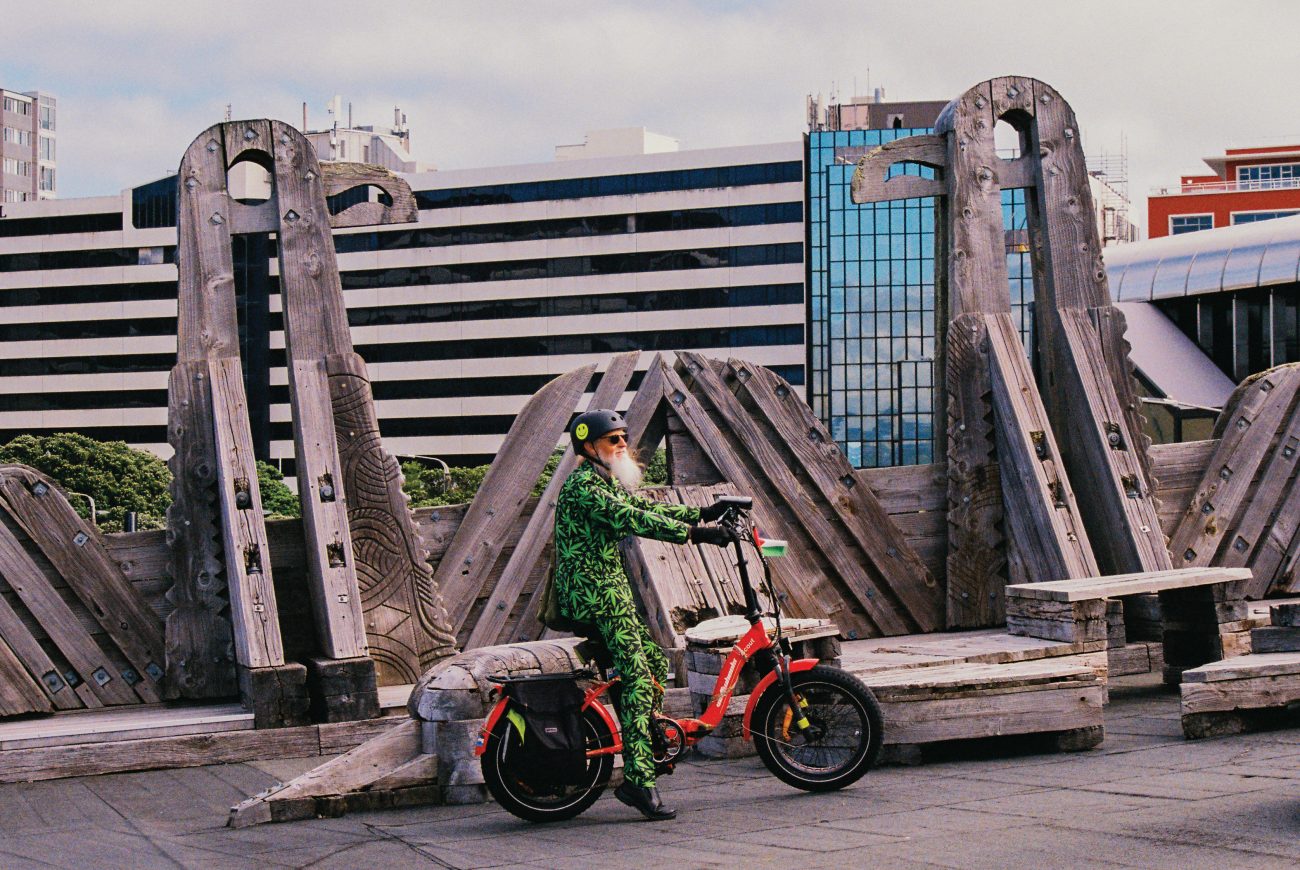
On paper, Wellington city’s not looking too flash. But photographer Louis Elorfi Macalister finds life—loud, colourful, and dynamic—on every corner....

Risk and reward

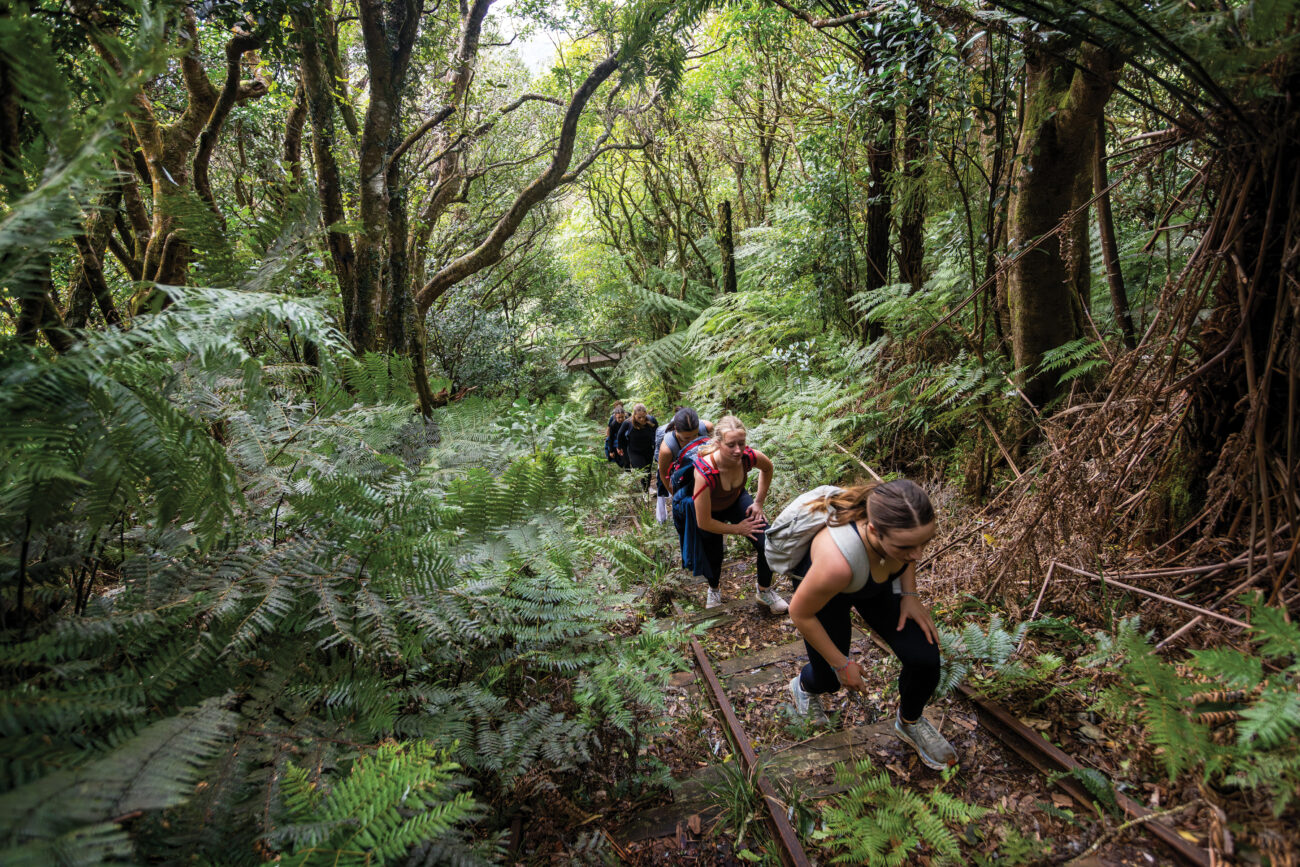
Outdoor education is at a crossroads....

“We Play for Each Other”

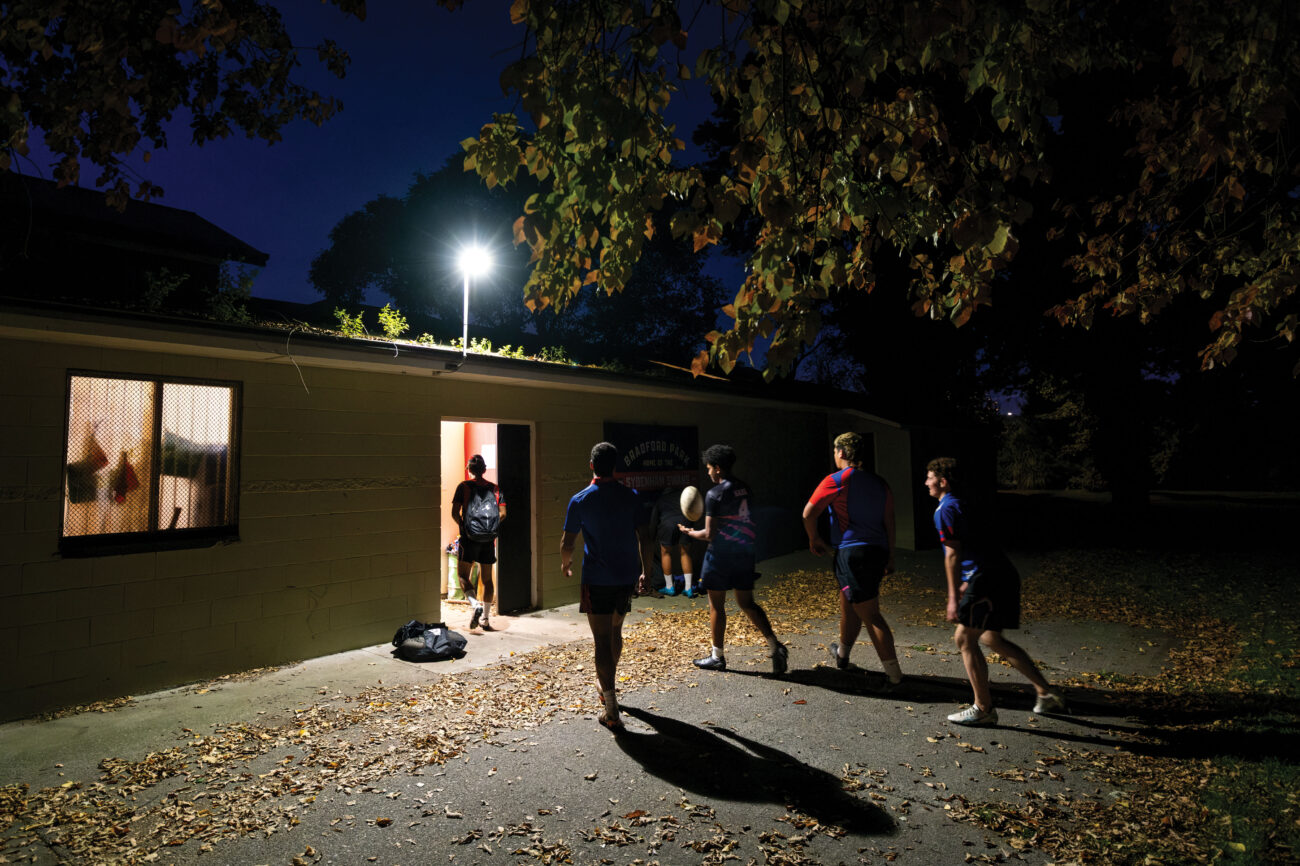
Joe Harrison photographs an extraordinary league team....

Dress rehearsal

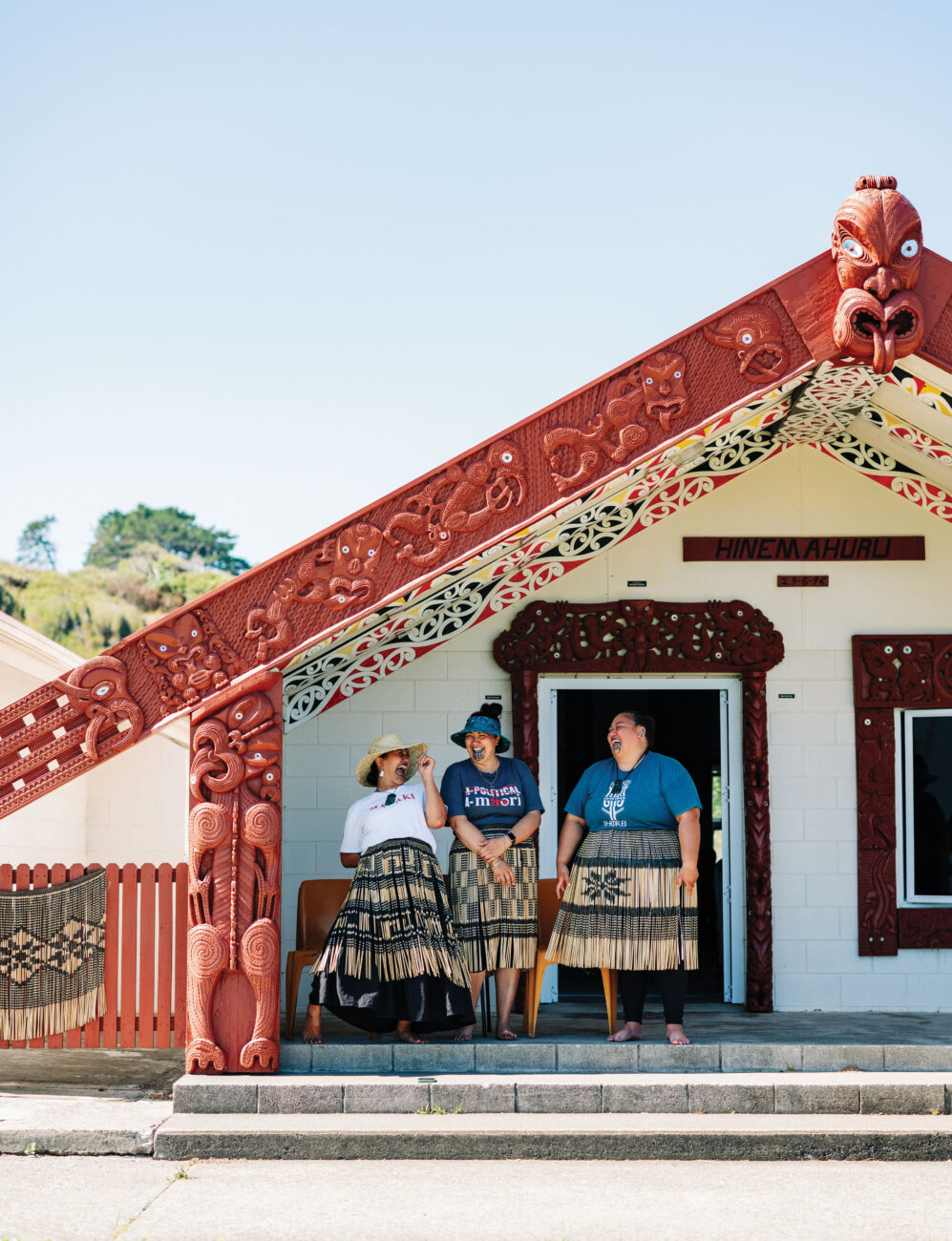
Often, kapa haka teams order their piupiu in batches. This year, a newbie team from the East Cape decided to make their own—40 piupiu, all with individual designs—and debut them on the biggest stage in the country. Erica Sinclair photographed the elaborate process....

Limbo

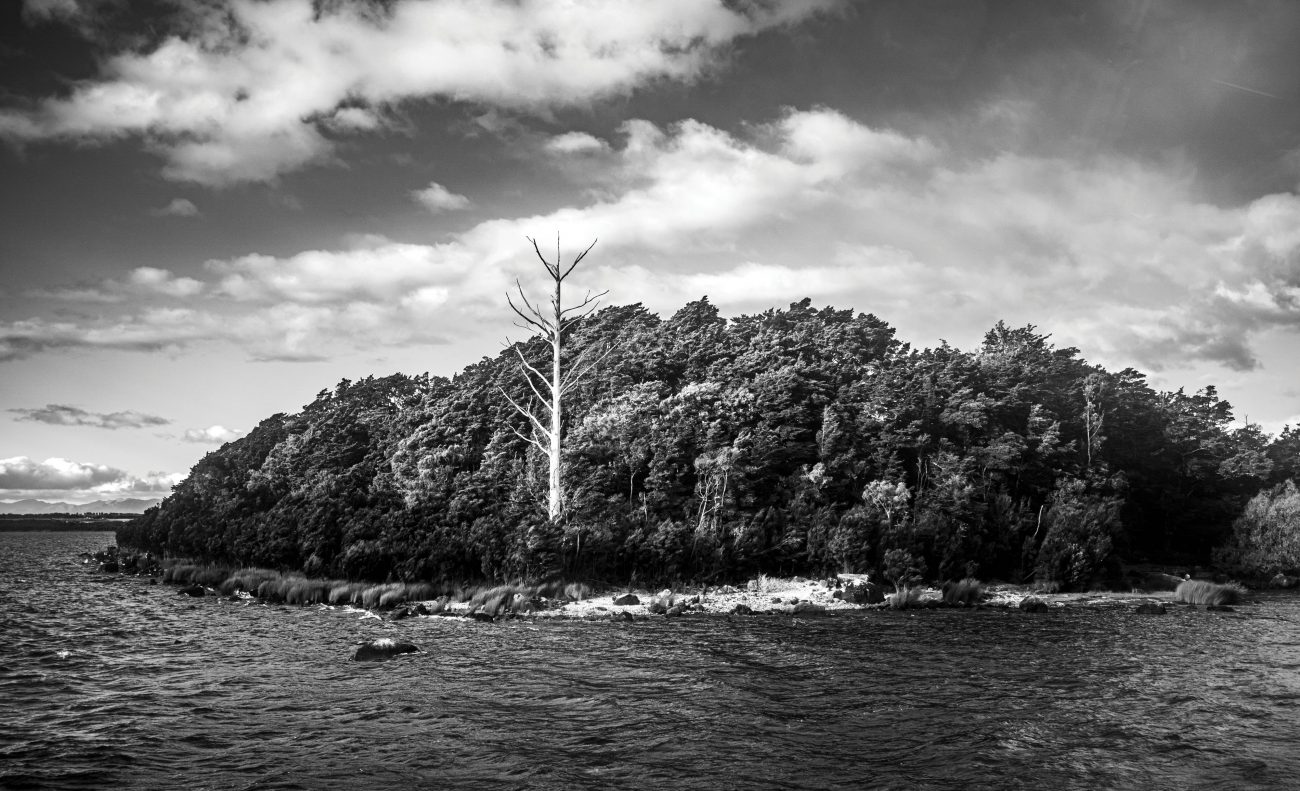
At Lake Ellesmere/Te Waihora, Joe Harrison documents an era of change and uncertainty....

On the road

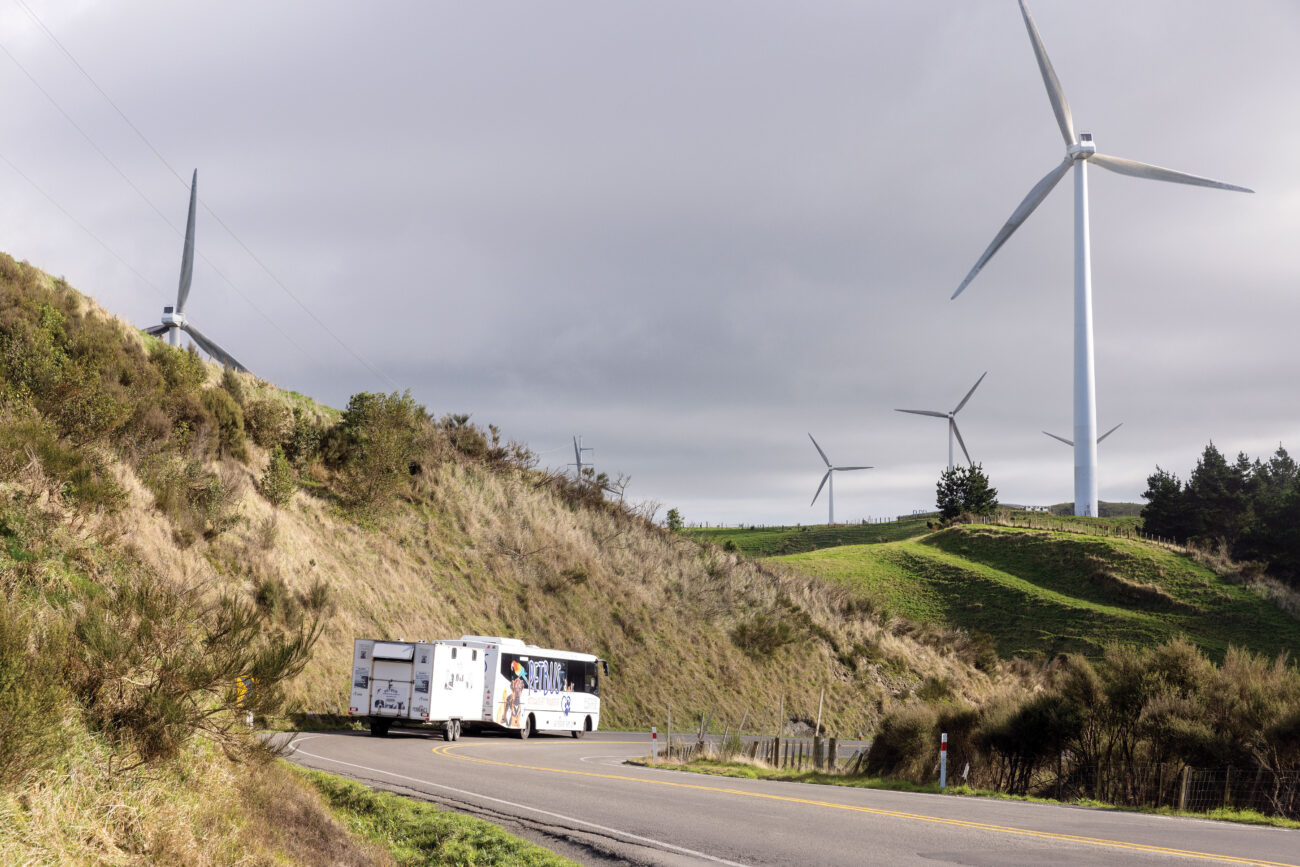
How did the chicken (and the chihuahua, and the chinchilla) cross the country? By bus, of course. Lottie Hedley documents an extraordinary journey....

Leslie’s world

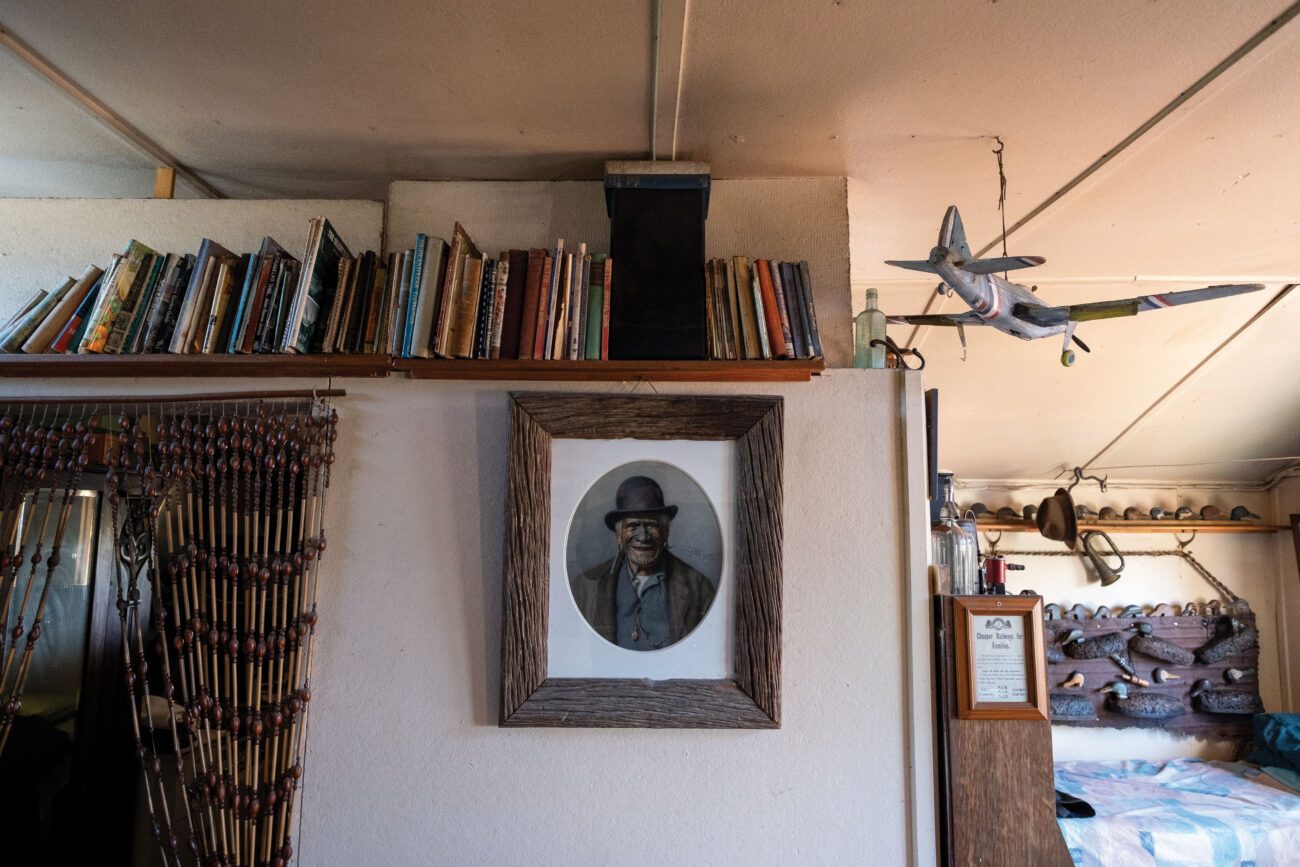
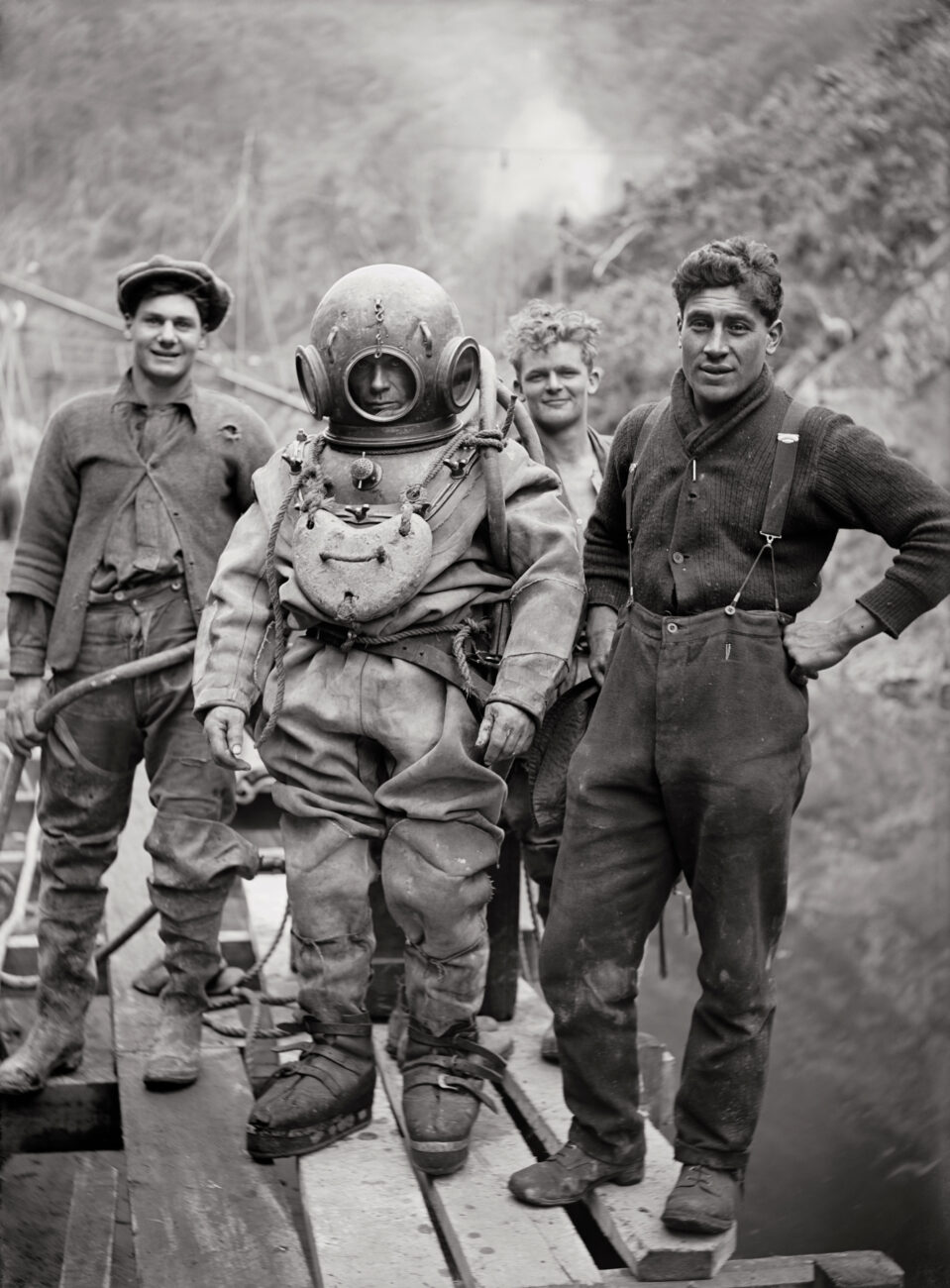
Leslie Adkin wore a lot of hats: photographer, farmer, pioneering tramper, husband and father, self-taught geologist, anthropologist. But it’s his pictures that have had the broadest impact. His meticulously created photographs, showcased in a new book, are an exceptional record of daily life in the early 1900s....

Touchstone

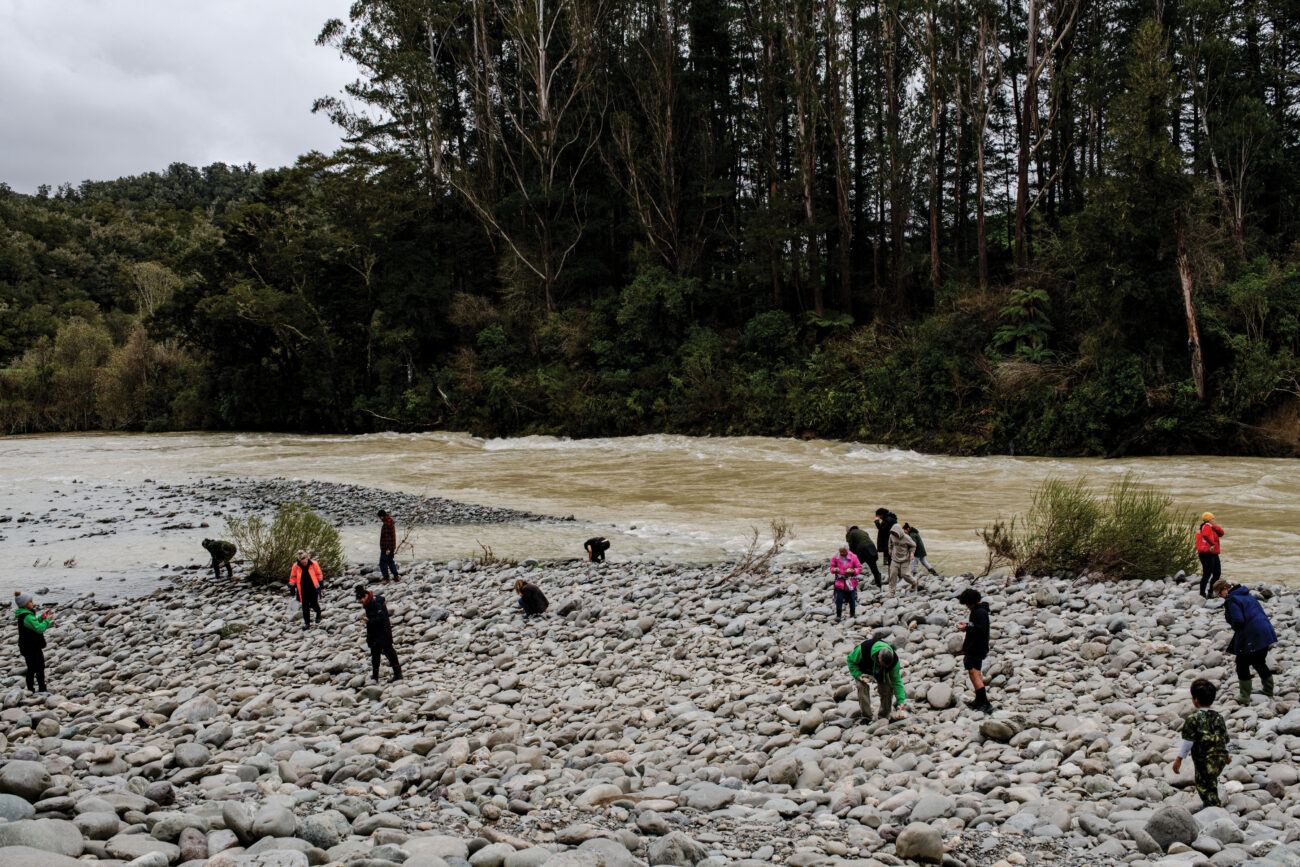
Ngāti Kuia once relied on what they call pakohe, a type of argillite found only in their rohe, for the tools that kept them alive. Now, the iwi are revitalising traditional methods of working the precious stone. Tatsiana Chypsanava photographed a recent wānanga....

Uplift

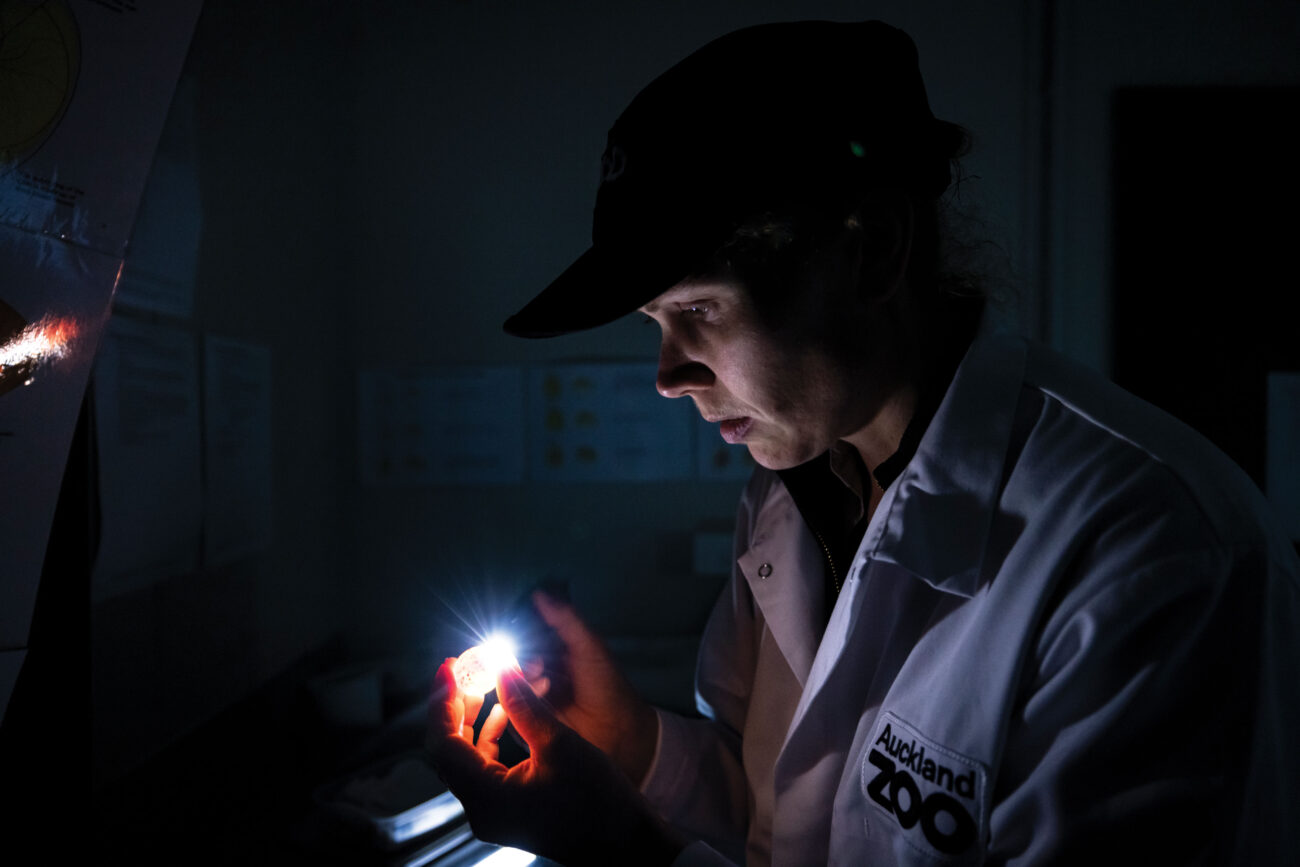
For once, fairy terns are having a good year. Photographer Richard Robinson revisits the birds he previously feared were doomed....

A meditation

Our trees, through the steady lens of German photographer Dirk Nayhauss....
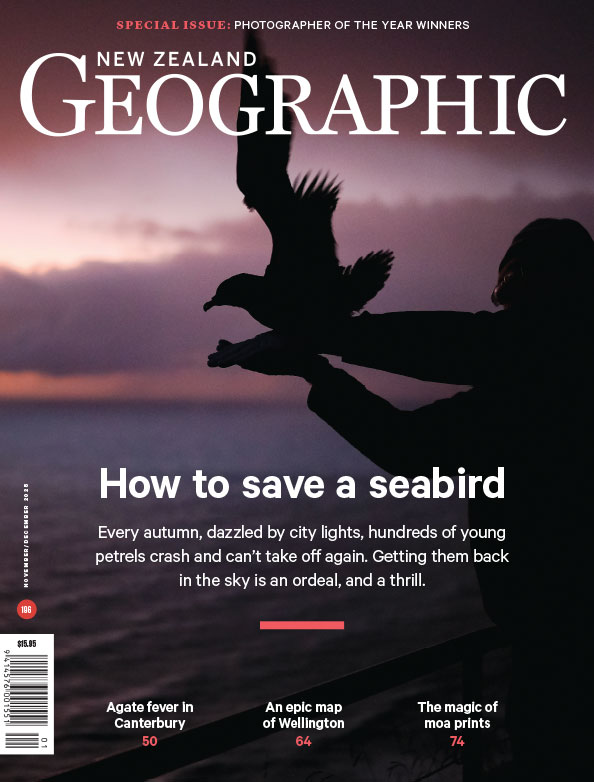
When it rains

Auckland fungi obsessive Jay Lichter documents the tiny rainforest that flourished during 2023’s warm, wet winter....
Moving day

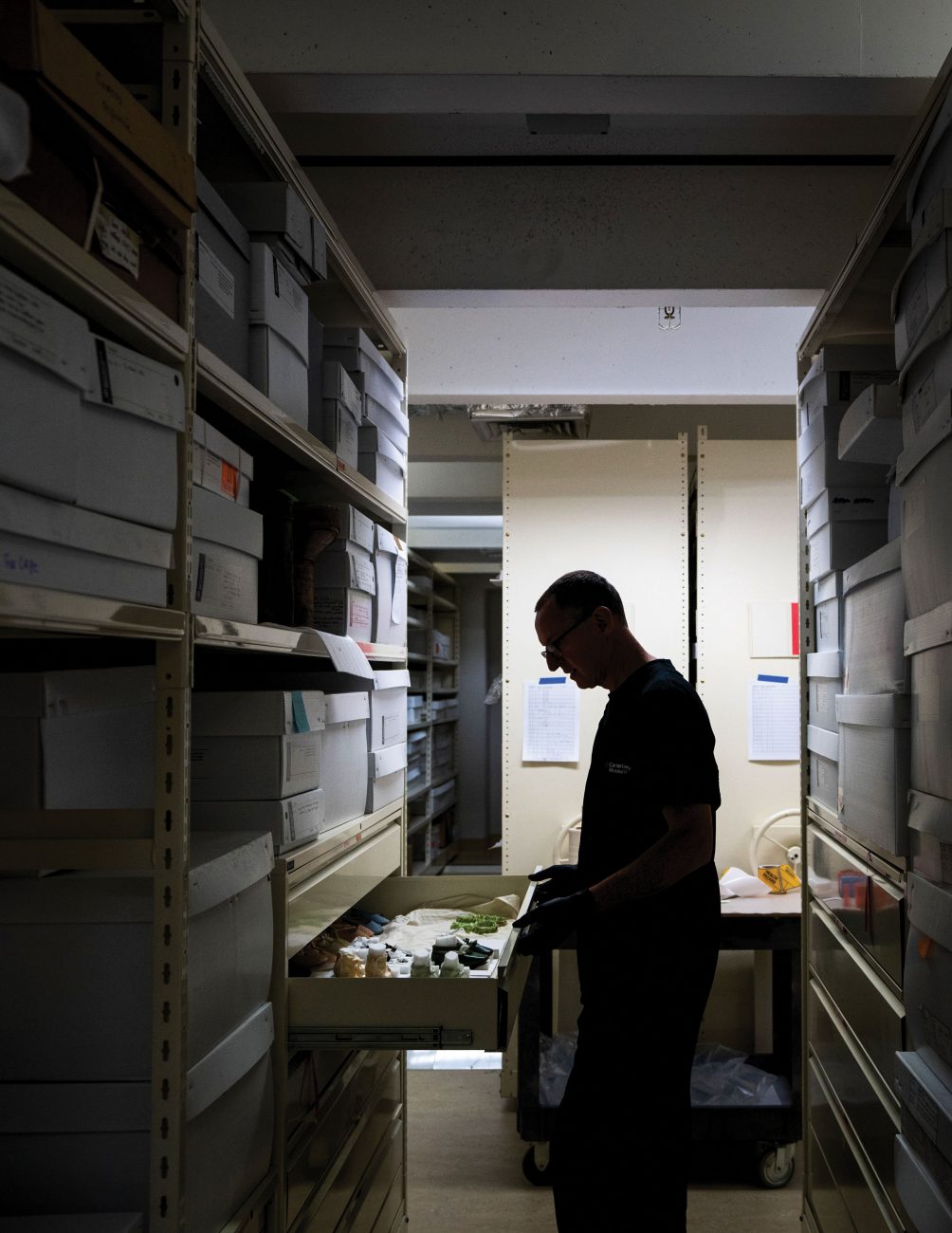
Photographers Chris Hoopmann and Johannes van Kan showcase the meticulously organised chaos of moving a 155-year-old museum....
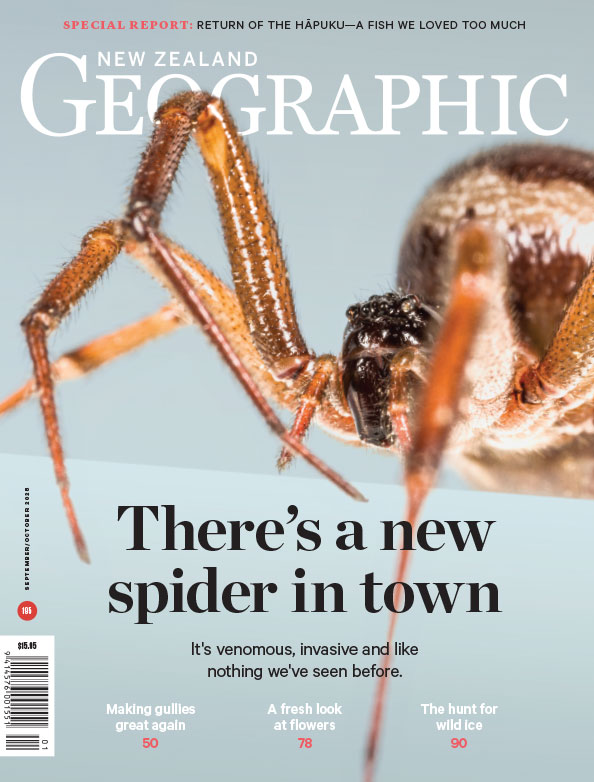
Two rivers and a baby

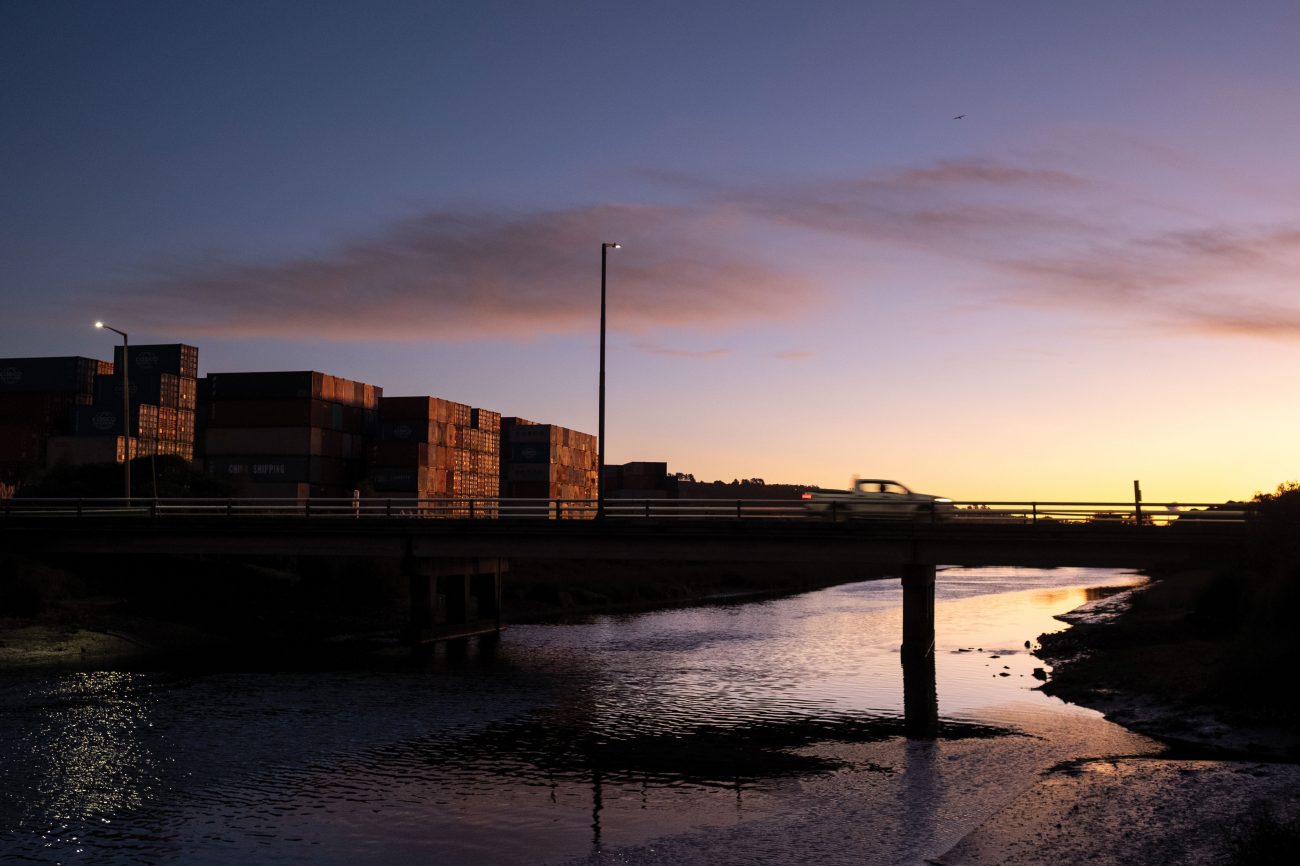
Christchurch photographer Joe Harrison documents the waterways of his home city....
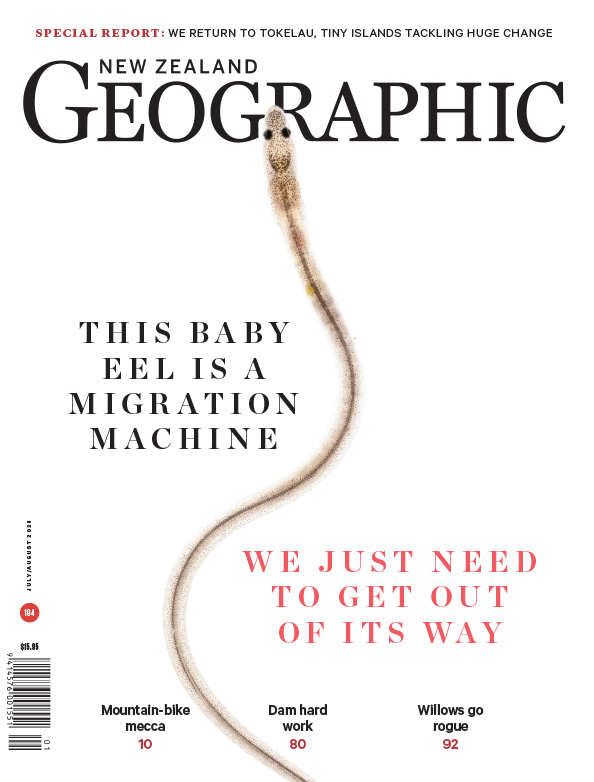
Losing the ice

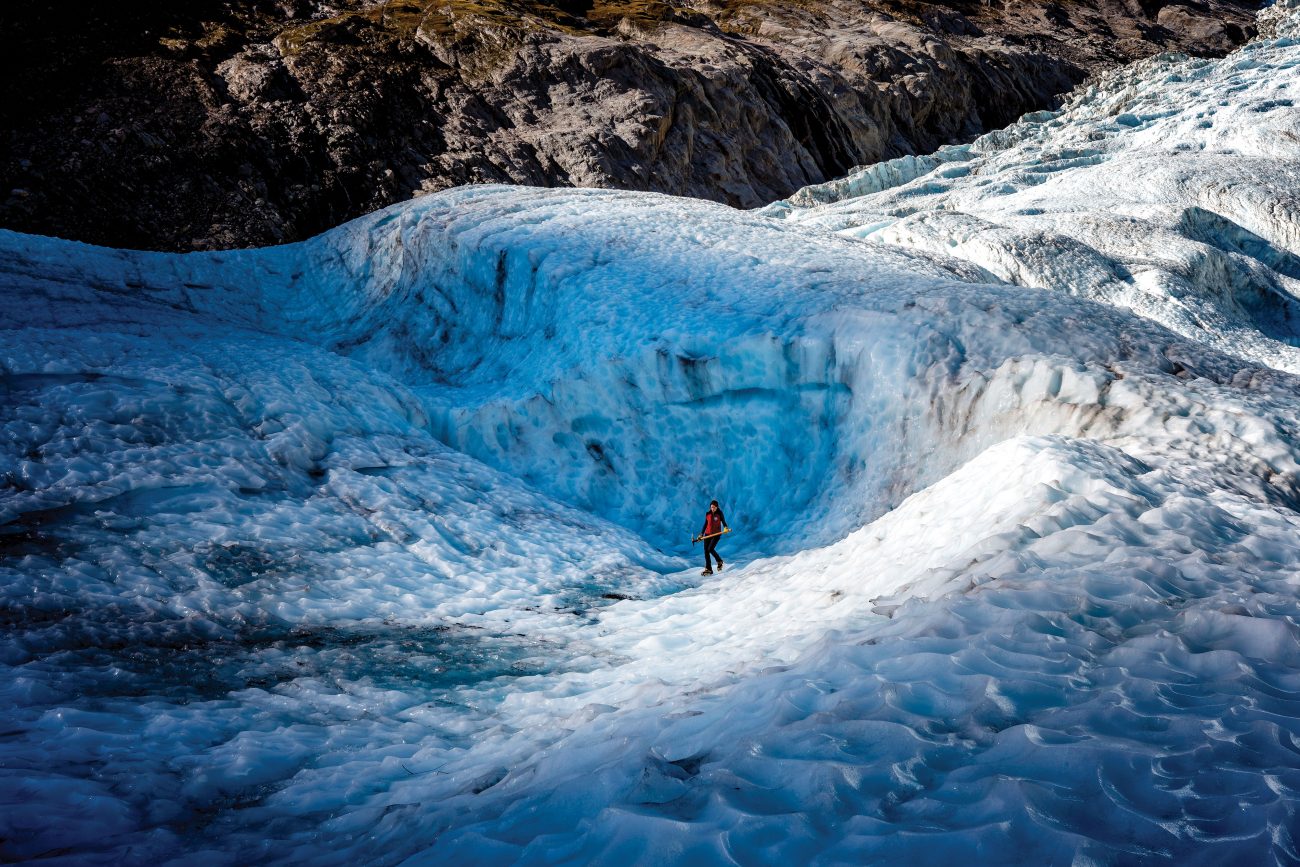
Virginia Woolf documents our melting glaciers....
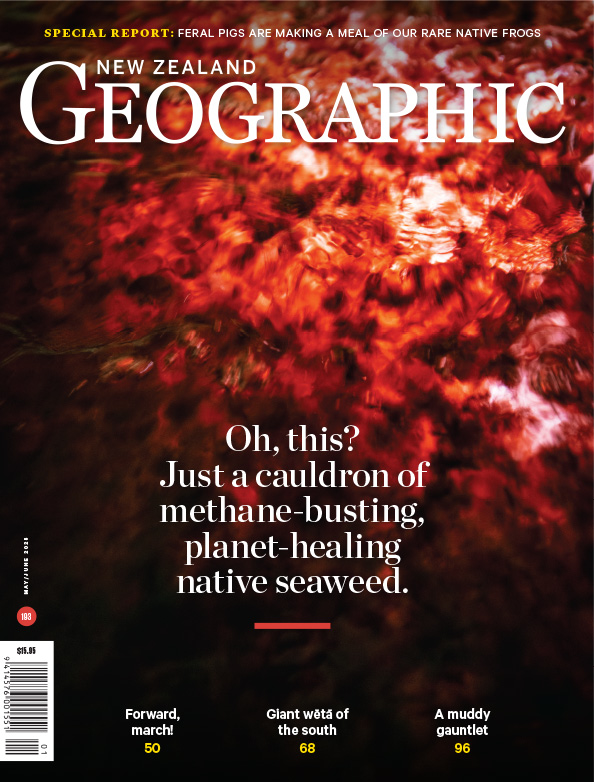
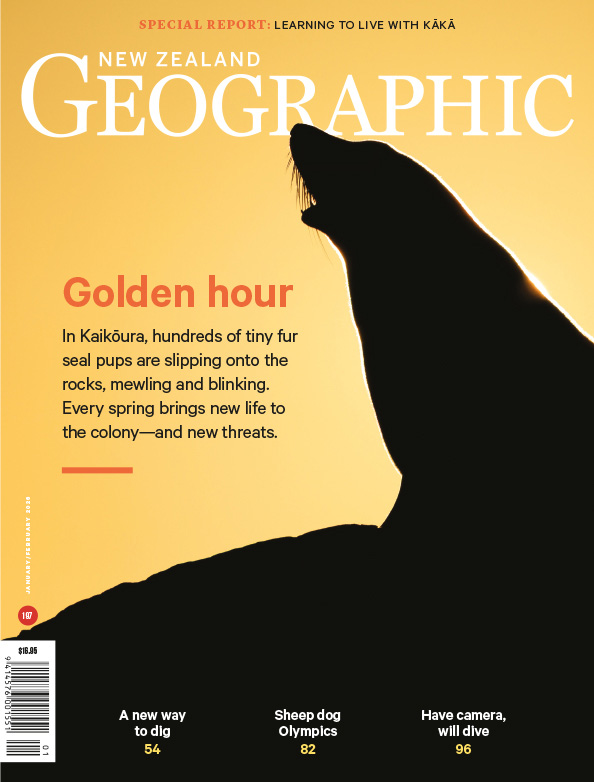
Teen spirit

It’s a teenager’s life for young sea lions in the Auckland Islands: not yet battling over mates, they’re free to wrestle, snooze—and accost photographers....

Human nature

After the rain came for Northland and Auckland, Cyclone Gabrielle made landfall. It was a sobering test....

Honouring the gift of Puhiwai Rangi

Te Rawhitiroa Bosch documents the traditional harvest of a sperm whale stranded in the Coromandel....

Magazine

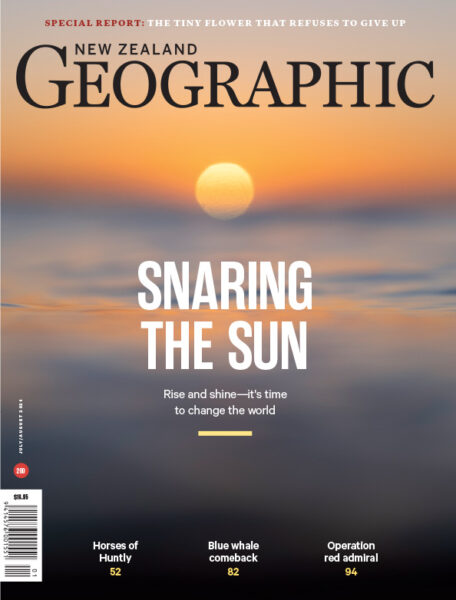
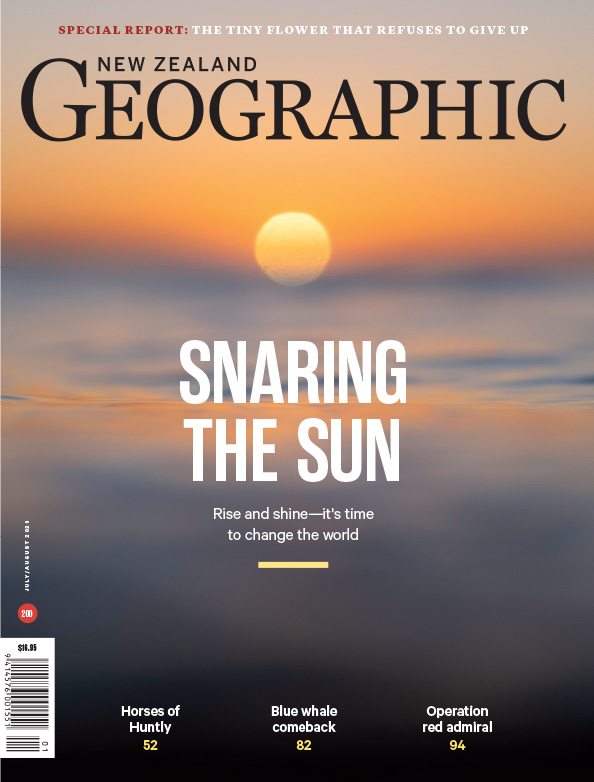
Issue 200

Jul - Aug 2026

Solar power
Horses of Huntly
Forget me not
Whaling
Red admirals

Issue 200 Jul - Aug 2026

Trending

When the forecast is just right, Irene and Crispin Middleton wake up in the middle of the night and put to sea....
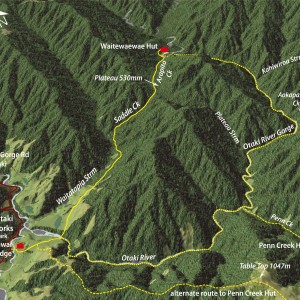
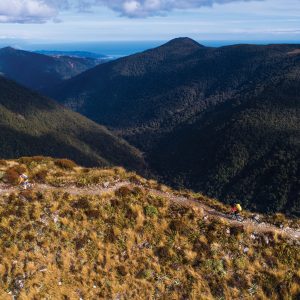
Tararua Forest Park, 2 days...
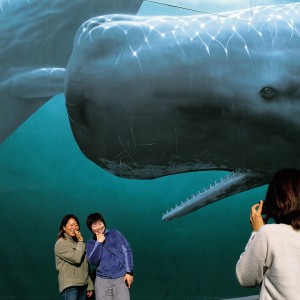
The blast of the harpoon may have given way to the click of the camera, but whales are still the cornerstone of commerce—and the subject of many a decorative mural—in the north Canterbury town of Kaikoura. In little more than a decade, marine ecotourism has transformed a coastal backwater into an international travel hotspot....
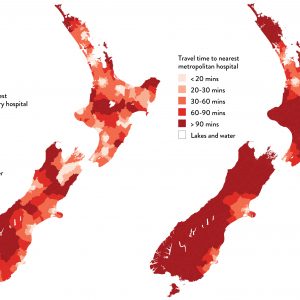
Health geographer Jesse Whitehead has been mapping New Zealanders’ access to healthcare, whether it’s the distance they have to travel to a vaccination clinic, or whether it would be more equitable to ensure vaccines are available at schools or GP clinics (it turns out that schools offer better coverage). These maps show the distance people […]...
The Paparoa Track, set to open in September 2019, is the first new Great Walk in 25 years, and the first built for shared use between walkers and cyclists. Traversing the coal-rich hills between Blackball and Punakaiki, it will pay its respects to the 29 men who lost their lives in the Pike River Mine....
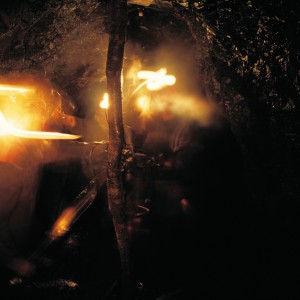
As we honour and mourn those lost in the Pike River tragedy, we also consider the future of underground coal mining in New Zealand....
Welcome to the “Science Round-up”, the first of what is anticipated to be a regular summary of interesting science stories relevant to New Zea­landers. There are many worthwhile articles published each week in sci­entific journals, but where can they be found? In this first column I will attempt to answer that question. Access to current […]...
Publishing is invariably a one-sided relationship. You produce words, pictures, illustrations, then print and despatch them, as if tying messages to the feet of so many carrier pigeons. Occasionally a message comes back. And no matter what its content—whether affirmation or disagreement—there is joy in the completing of the loop. That is why any editor […]...
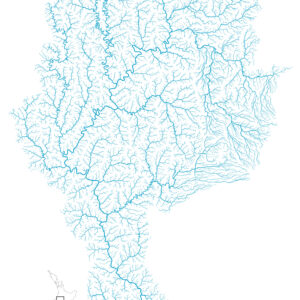
Whanganui is Aotearoa’s third-longest river. It begins on Mount Tongariro and flows 290 kilometres to the Tasman Sea, joined by thousands of small tributaries along the way. Whanganui iwi have long sought legal recognition of their relationship with the river. They petitioned Parliament in the 1870s for protection of their awa. From the 1880s, the […]...
New Zealand takes its first refugees....

Archive

×

Subscribe to our free newsletter for news and prizes