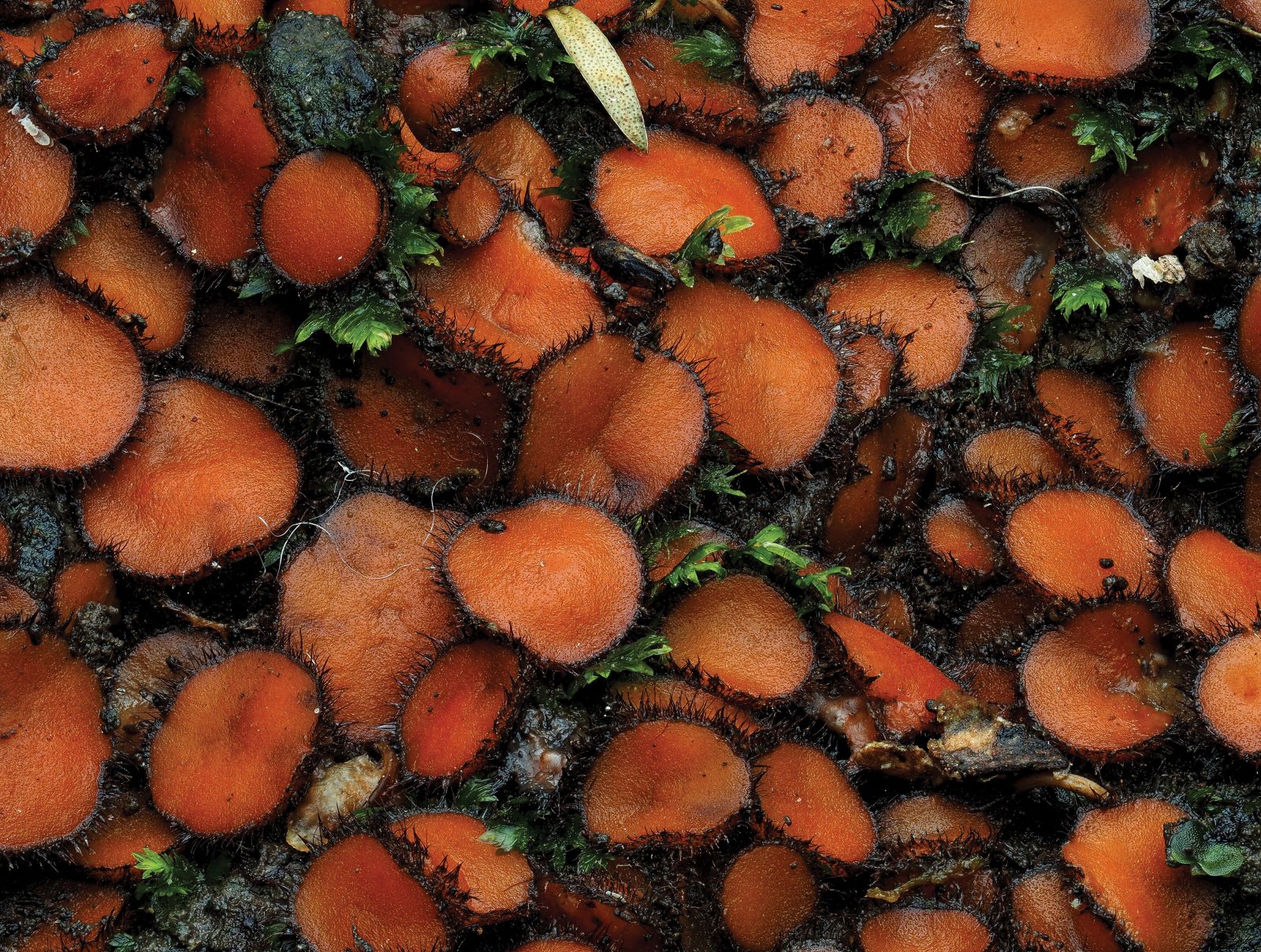




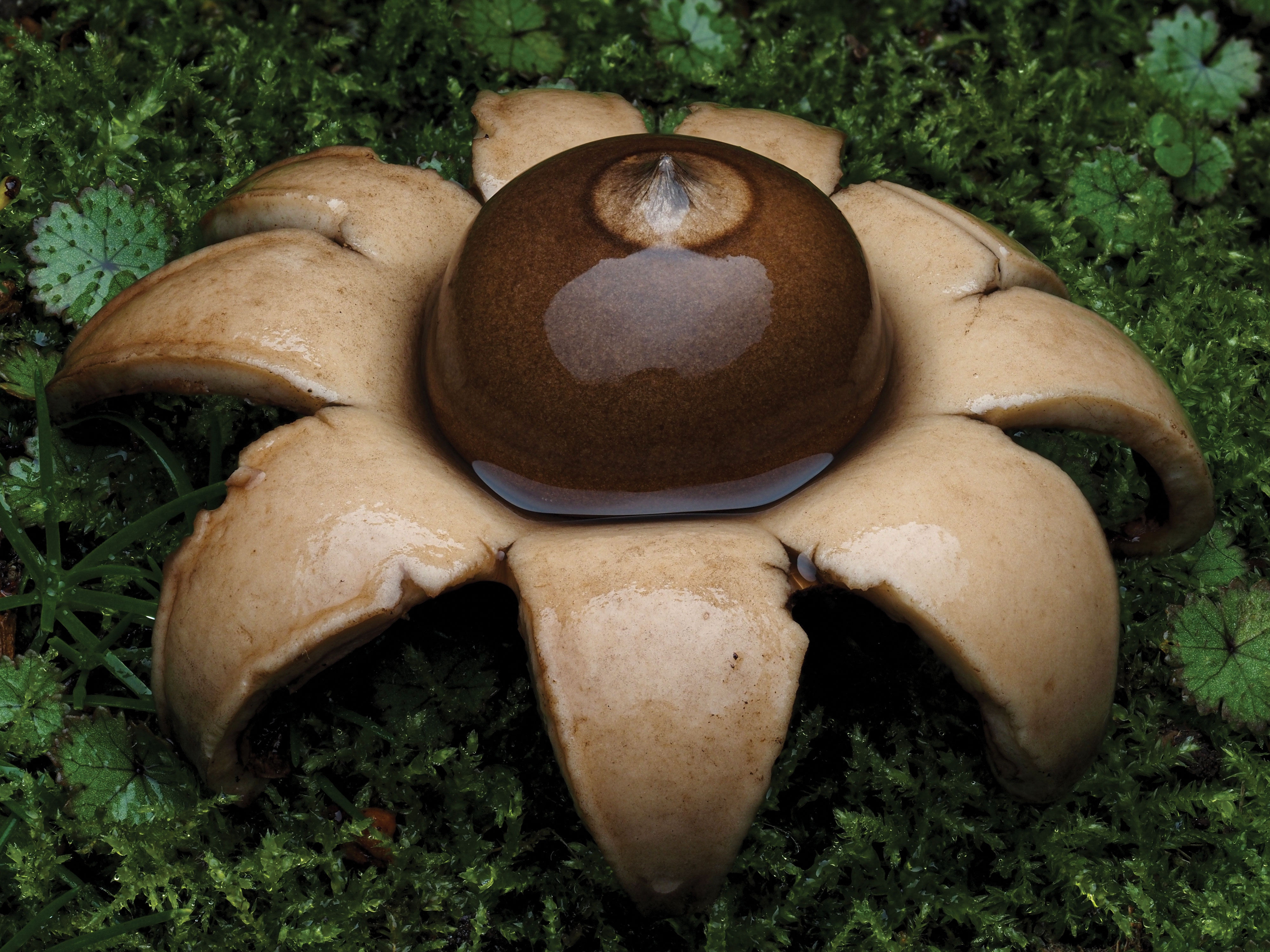
Auckland fungi obsessive Jay Lichter documents the tiny rainforest that flourished during 2023’s warm, wet winter.
Twenty-seven-year-old Jay Lichter bought his first camera in April. Just in time. It was the beginning of the fungi season, and this was set to be a particularly soggy—and therefore fruitful—year. His old, cracked iPhone 6 was not going to cut it.
Inspired by the Instagram images of Taiwanese fungi shooter Eric Cho and with tech advice from Australian macro-photographer Brendan James, Lichter bought an Olympus OM-D E-M1 Mark III, kitting it out with a 60mm macro lens and a flash diffuser. Then he spent the winter in the mud, documenting his fungi finds on Instagram using the handle @cyanesense. His old iPhone has now been relegated to use as a torch for supplementary lighting.
Lichter’s fungi fetish was sparked by a soil science paper he was taking at a Unitec landscape design course in 2021. Until then, he’d thought fungi were little more than “just the portobello mushrooms in the supermarket”. “I thought it was fascinating that soil was alive and teeming with fungi you don’t see.”
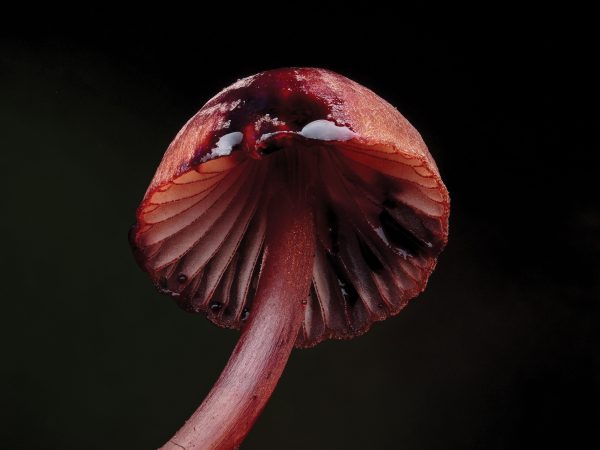
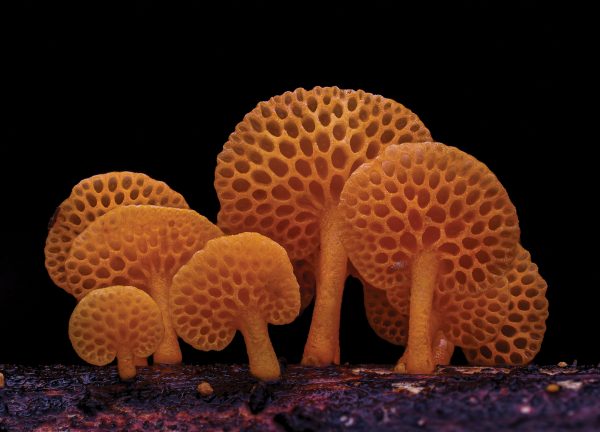
He’s been struck by a relative lack of research in the field—and our lack of appreciation for fungi as our ecosystem’s hidden heroes. “Everyone has a favourite plant or animal but fungi are a far larger, more diverse and vaster kingdom than either,” he points out. It’s estimated there are up to 3.8 million species worldwide, with only 148,000 having been officially described.
American mycologist Paul Stamets—whose own fungi obsession began with a bad magic mushrooms trip when he was 19—famously described fungi as the planet’s grand recyclers. “Fungi are the interface organisms between life and death… the vanguard species in habitat restoration.”
Although fungi are simpler to photograph than some equally microscopic but twitchy insects, finding them is a time-consuming mission. Lichter has occasionally shot fungi in his own garden—they even pop up in his houseplants. But his favourite spots in Auckland have been the Hunua Falls and Gittos Domain in Blockhouse Bay. On one shoot at the falls, it took him seven hours to cover a one-kilometre path for just a dozen fungi finds.
He concentrates his search on rotting wood where his specimens—sometimes smaller than a pinhead—reside. He also investigates scraps of bright colour: often it’s rubbish, but just now and then it’s something spectacular, like the violet Ramariopsis pulchella.
Fungi thrive in the dark and damp—prime season is April through September—and capturing them often requires long periods prostrate on the forest floor or lugging expensive camera gear up native-bush-clad hills.
For Lichter, the tiniest finds are the most rewarding to photograph—the smaller the better, he says.
“Ninety-nine per cent of people will just walk right past all this amazing stuff. There is a tiny world hiding in plain sight; you just have to look hard enough.”
But it takes the magic of the macro lens and focus-stacking software to bring out their full beauty. The camera can take up to 1000 images in just one shot, focusing on different points from front to back—the thicker the fungi, the more images are required. The fewest he’s used to make one image is 25, but he typically uses more than 100.
His favourite species include the shiny, gloopy Gliophorus, which appear in a range of vibrant colours, and their entomopathogenic relatives such as Beauveria, Cordyceps and Hirsutella, which take over the bodies of insects that ingest them. The insects are compelled to clamp on to leaves—which they otherwise wouldn’t do—at a convenient vantage point from which to drop and disperse the fungal spores. The “zombie fungus” mechanism inspired the video game and HBO series The Last of Us.
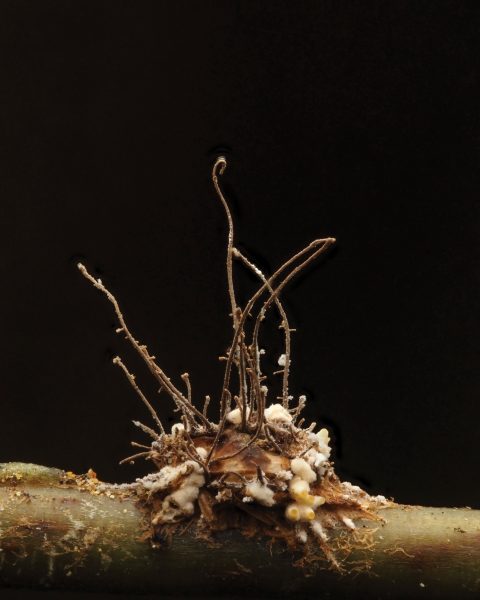
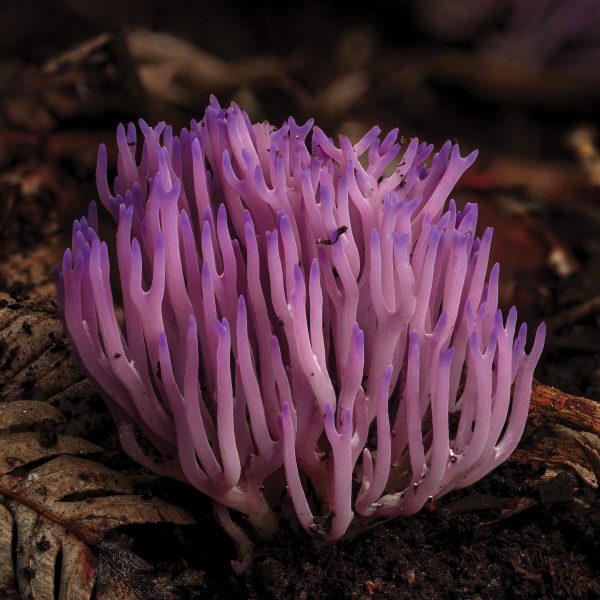
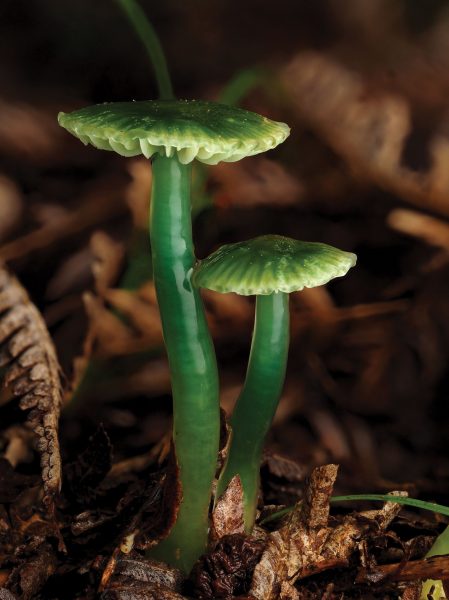
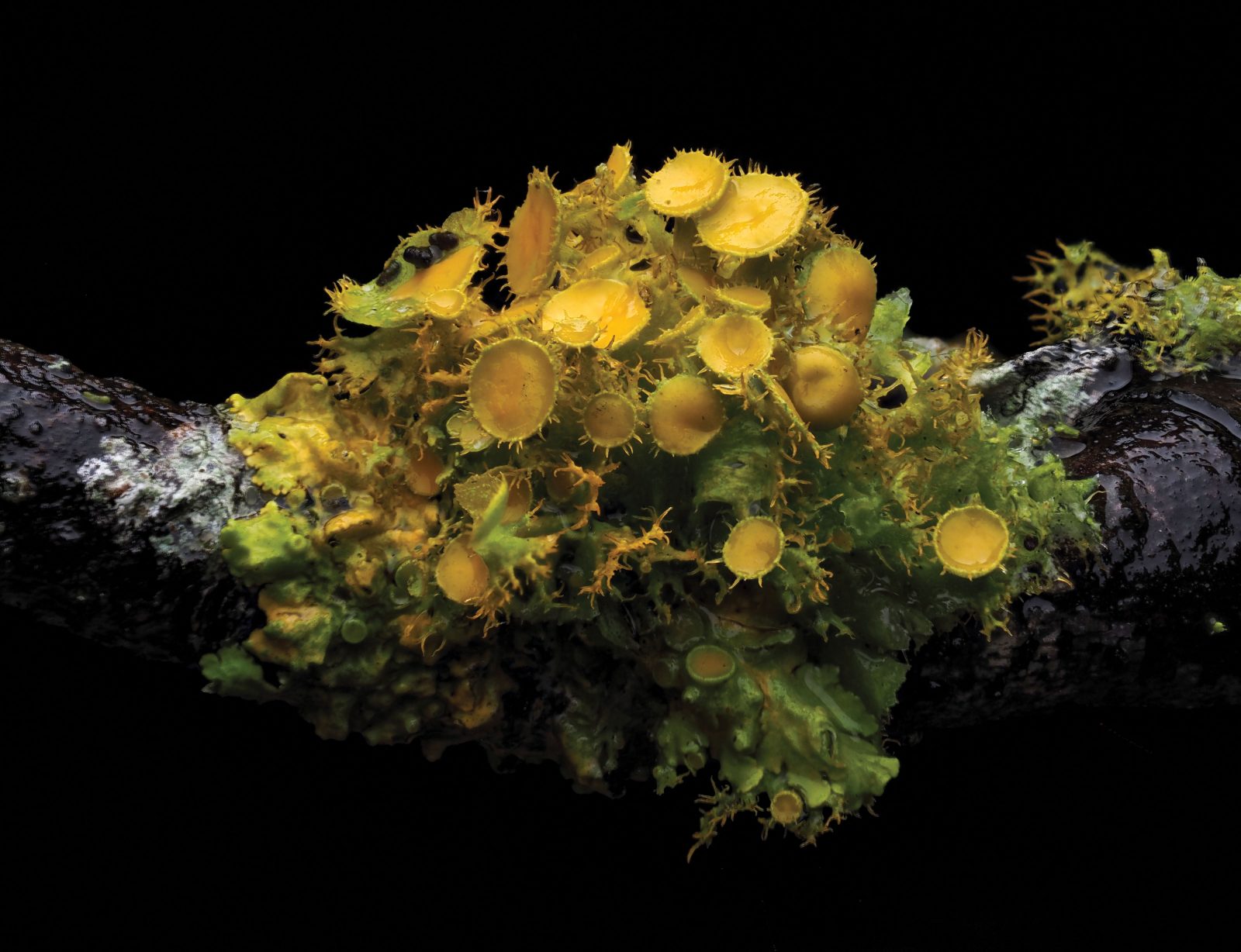
One of Lichter’s rarest finds was the endemic Mycena flavovirens, which grows only on rotting logs of Cyathea tree ferns. It’s estimated there may be fewer than 1500 mature specimens of this green mushroom in existence at any given time, and it’s found mostly in pockets of native forest that may be threatened by farming and urban development.
Although his shots have so far been confined to Auckland, Lichter aims to travel south next mushroom season in a bid to find one of his holy grail species, the bright blue werewere-kōkako (Entoloma hochstetteri). Photos of the fungi taken by Rob Suisted have adorned the New Zealand $50 note since 2016, when they prompted media speculation on their psychedelic qualities (they have none).
For Lichter, learning about fungi is almost as fascinating as the photography.
“Fungi deserve more respect,” he says. “They were here before us, they’ll be here after us and they’ll return you whence you came after you’re dead. They’re doing more for our world than you could possibly imagine.”
Never eat unidentified fungi. Some are deadly, and many have unknown toxic side effects. If in doubt, throw it out!
More by Donna Chisholm
More by Jay Lichter