


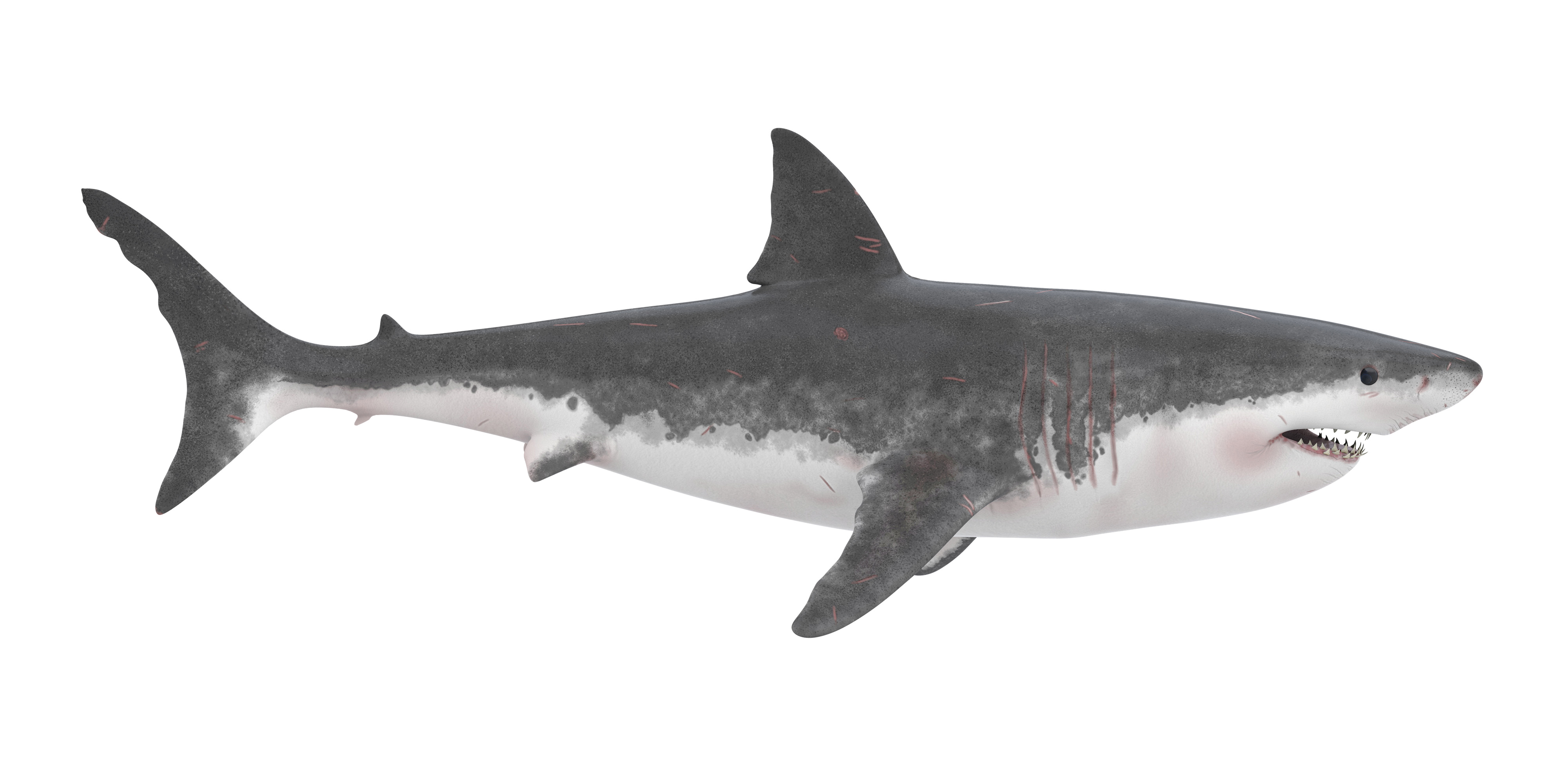
The case of the missing sharks

Normally, more than 200 sightings of great white sharks are recorded every year in False Bay, near Cape Town, South Africa. This year, that number is zero.

Receivers that are supposed to ‘ping’ when a tagged shark passes by remain silent, while whale carcasses usually found in the bay are free of shark bite marks.

False Bay is a renowned great white hotspot, and shark scientists are puzzled by the predators’ absence. It’s possible that orcas are the culprits—they’re known to attack great whites, and have a particular taste for their livers. Indeed, sightings of great whites decreased after two orcas visited False Bay in 2015. Alleged victims of orca predation have washed up along the South African coast, their livers removed with surgical precision—the orca’s calling card. This is also consistent with observations from Australia and California, where orcas on the prowl have led to a mass exodus of great whites.

But there’s another suspect in this case: humans. It’s possible that changing prey distribution, pollution or overfishing could also be responsible for the missing sharks.

More by

Normally, more than 200 sightings of great white sharks are recorded every year in False Bay, near Cape Town, South Africa. This year, that number is zero.

Receivers that are supposed to ‘ping’ when a tagged shark passes by remain silent, while whale carcasses usually found in the bay are free of shark bite marks.

False Bay is a renowned great white hotspot, and shark scientists are puzzled by the predators’ absence. It’s possible that orcas are the culprits—they’re known to attack great whites, and have a particular taste for their livers. Indeed, sightings of great whites decreased after two orcas visited False Bay in 2015. Alleged victims of orca predation have washed up along the South African coast, their livers removed with surgical precision—the orca’s calling card. This is also consistent with observations from Australia and California, where orcas on the prowl have led to a mass exodus of great whites.

But there’s another suspect in this case: humans. It’s possible that changing prey distribution, pollution or overfishing could also be responsible for the missing sharks.

More by

Issue 160

Nov - Dec 2019

Fisheries
Riflemen
Manufacturing
Powelliphanta

Fallback image

More by

×

Subscribe to our free newsletter for news and prizes

3 FREE ARTICLES LEFT

Subscribe for $1  | 

3 FREE ARTICLES LEFT THIS MONTH


Keep reading for just $1

$1 trial for two weeks, thereafter $8.50 every two months, cancel any time

Signed in as . Sign out