At Lake Ellesmere/Te Waihora, Joe Harrison documents an era of change and uncertainty. (more…)
More by Michelle Duff



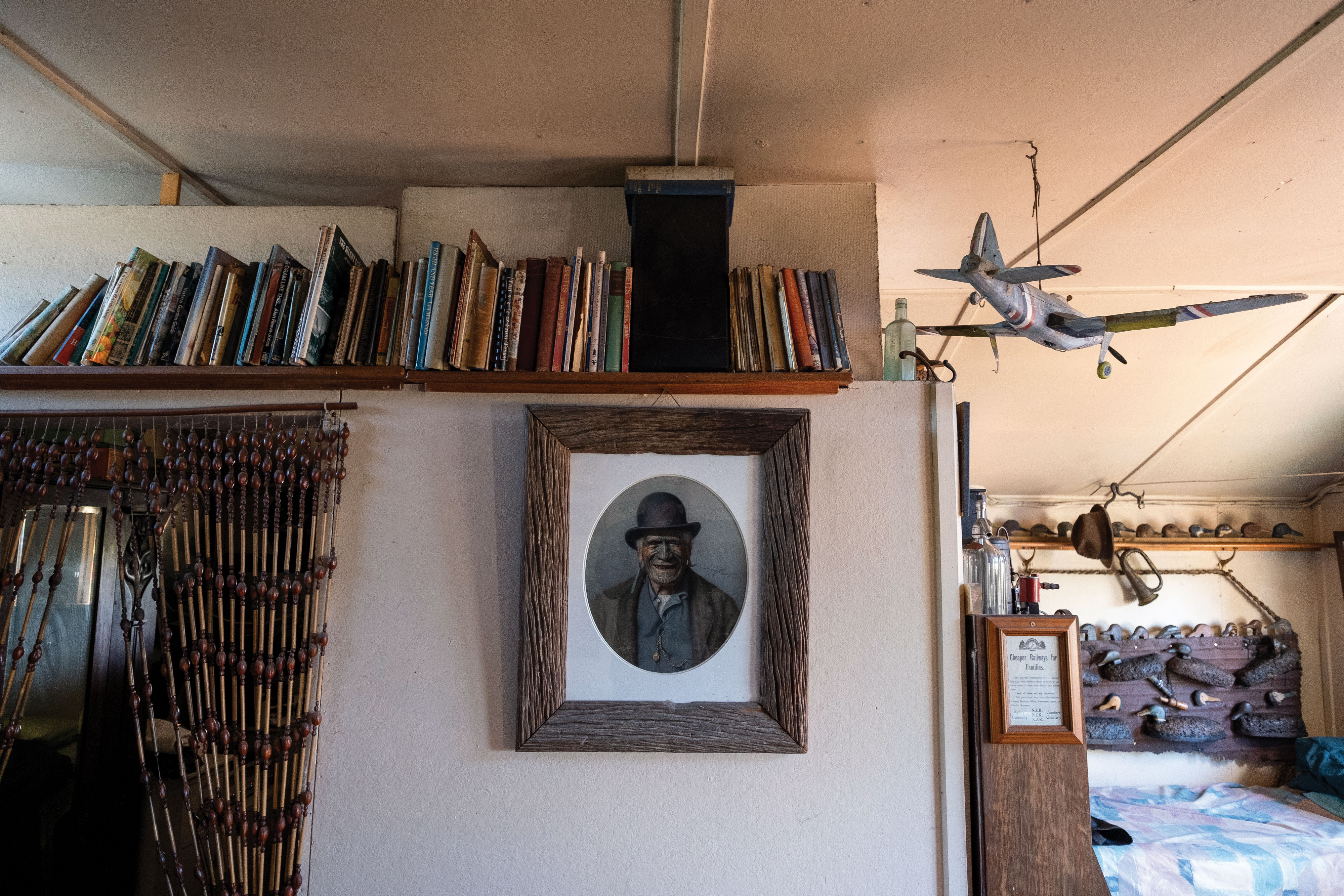
The mist hangs low over Lake Ellesmere/Te Waihora, a body of water that’s not really a lake, nor a lagoon, but floats somewhere between the two. Reeds and wading birds puncture the dense bottle-green of the water, rich, fragile ecosystems swirling in the shallows beneath. This place is famous for being one of our most important wetland habitats, and one of the worst polluted—though restoration projects are now well under way. Photographs of the lake tend to focus on the algal blooms that turn it an eerie emerald.
But Joe Harrison was captured by another aspect: the people who have made homes and lives here.
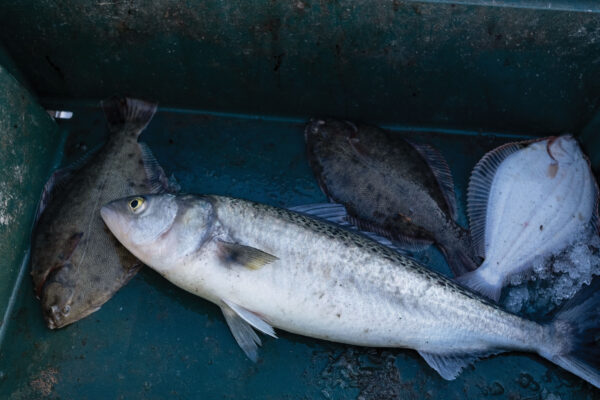
Since about 1900, several communities have sprung up on the shores of Te Waihora, people who make their living off its produce—pātiki/flounder, mostly—or who enjoy the secluded, simple lifestyle it brings. But times change. The residents of three communities have all been given deadlines to move out. In the case of the Greenpark Huts, Ngāi Tahu is reasserting its right as the owner of the land, requiring those who live here now to vacate. The tribal property was returned as part of the Ngāi Tahu Claims Settlement Act of 1998. Ben Bateman, the chief executive of Te Rūnanga o Ngāi Tahu, says the lake is a taonga of great significance, especially as a place of food-gathering, or mahinga kai. The leases, which Ngāi Tahu inherited from the Crown, were never permanent, allowed for part-time residence only, and Ngāi Tahu had given five years’ notice, he says. “We are working hard to reduce the impact of this transition on Greenpark Huts leaseholders.”
The Upper and Lower Selwyn huts are run by the Selwyn District Council and the Department of Conservation respectively, and their occupants have also been given their marching orders.
As well as helping to right Te Tiriti o Waitangi breaches in the case of Ngāi Tahu, environmental issues are cited as the reason for all three relocations. Climate change is projected to bring more flooding, and that risk is compounded by a lack of infrastructure and poor water quality.
Harrison, who was recently named New Zealand Geographic’s Photographer of the Year, wanted to document this moment of flux, driving the half-hour south from Christchurch more than 20 times to capture the lives of the people living there. “I didn’t know anything about these huts,” he says. “They were kind of mysterious, and I think they are to a lot of people in Christchurch.”
Some of the residents were media-savvy, having talked to journalists about the relocation, while others were shy—but the more Harrison visited, the more he built trust.
The huts, he says, “attract a different type of people”. “They’re characters. Some of them have had a hard life. It’s where they’ve gone to escape society or get away… They have each other’s back.”
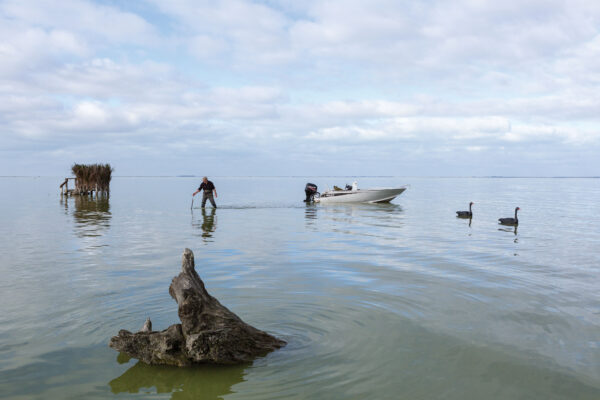
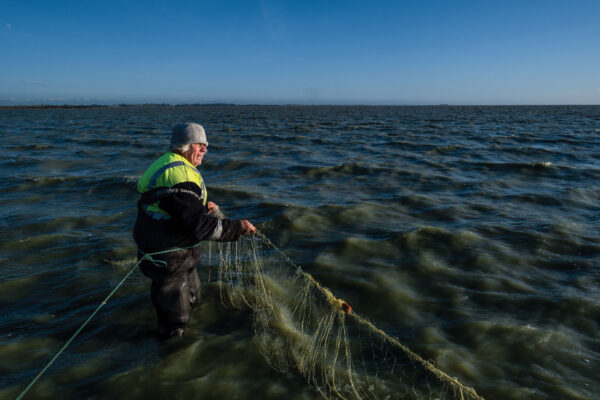
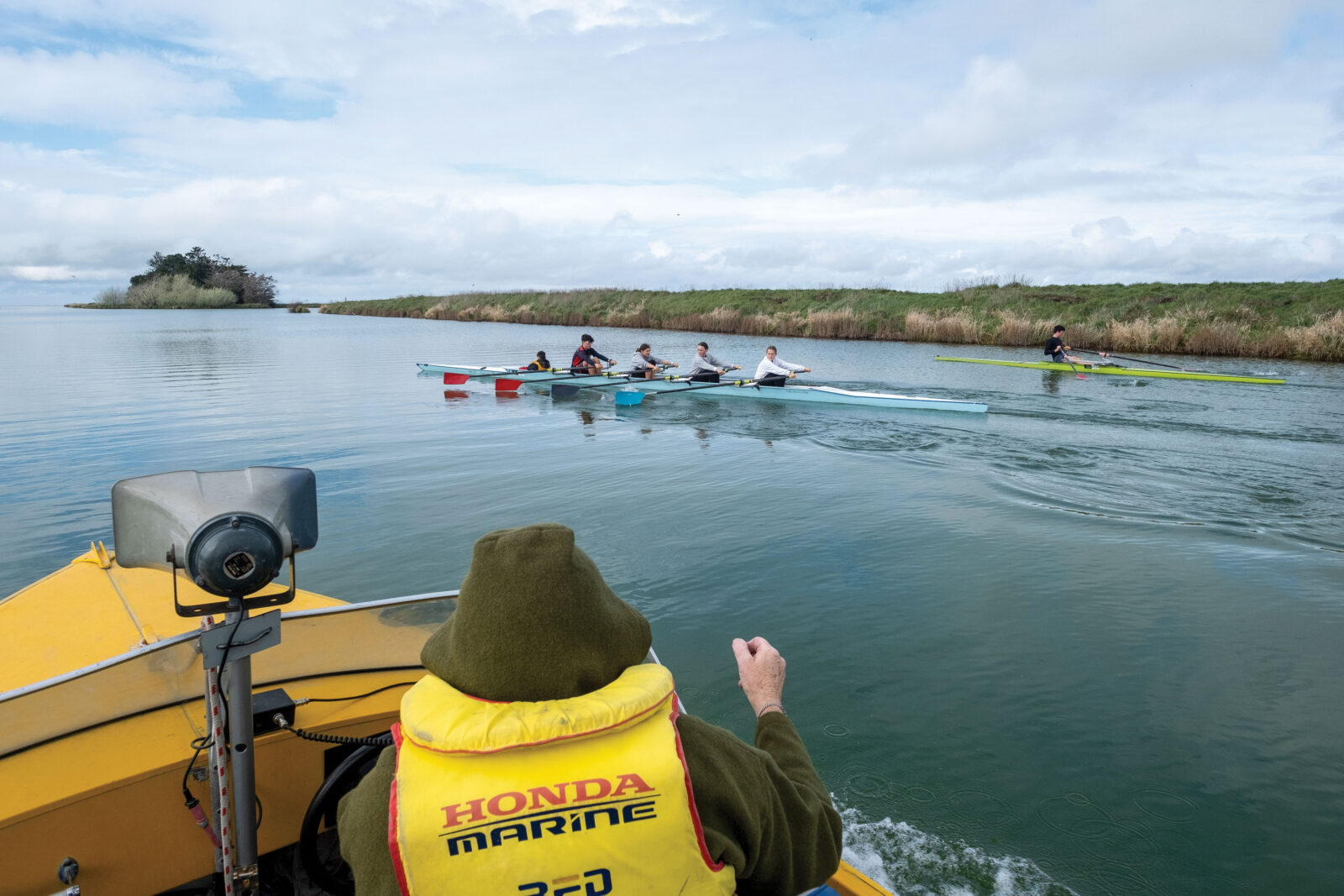
After a while, Harrison found himself drawn to the lake itself, and to the people who use it. Duck hunters, fishermen, the local rowing club; they all found their way into his story. Harrison donned waders and simply walked after them into the lake—it doesn’t get much deeper than knee-height. He found the fishermen, in particular, were in tune with the lake. “For those guys, it’s their world.”
Many of the huts are in disrepair, some have asbestos, and some residents have already left.
Luke Watson, his partner, Jenna Holland, and their children Hailey, five, and Bree, two, have now been renting in Christchurch for six months. Jenna and Bree are both deaf, and the family had loved the calm, tight community at the Greenpark Huts. “You couldn’t swim in the lake,” Luke says. “It’s a bit silty and you’d get stuck halfway, but it was great having it there for adventures.” Luke understands the land is Ngāi Tahu’s, and that Te Tiriti o Waitangi has to be honoured, but he wishes they weren’t losing their house. “We just have to work through it.”
Others are digging their heels in. Leading the group of about 20 Greenpark Huts residents who oppose the shift is 66-year-old commercial flounder fisherman Ross Wilson. He says he bought his three-bedroom house for $60,000 in 2000, and has spent $400,000 on renovations. He does not recognise Ngāi Tahu’s legal right to the land, or the reasons they have given for wanting residents to leave, and says his group are still exploring legal options. His whole life is here, he says. “So we’re saying, ‘We’re not going. Unless you compensate us, we’re not going to move.’”
Wilson fishes the lake using set nets, catching about a tonne on a good week. “I’ve fished it, and I’ve shot all the birds on here since I was 16.
My life revolves around it, to be fair. It’s so beautifully quiet and the people here are wonderful… You look straight out the window all the way to the lake.”
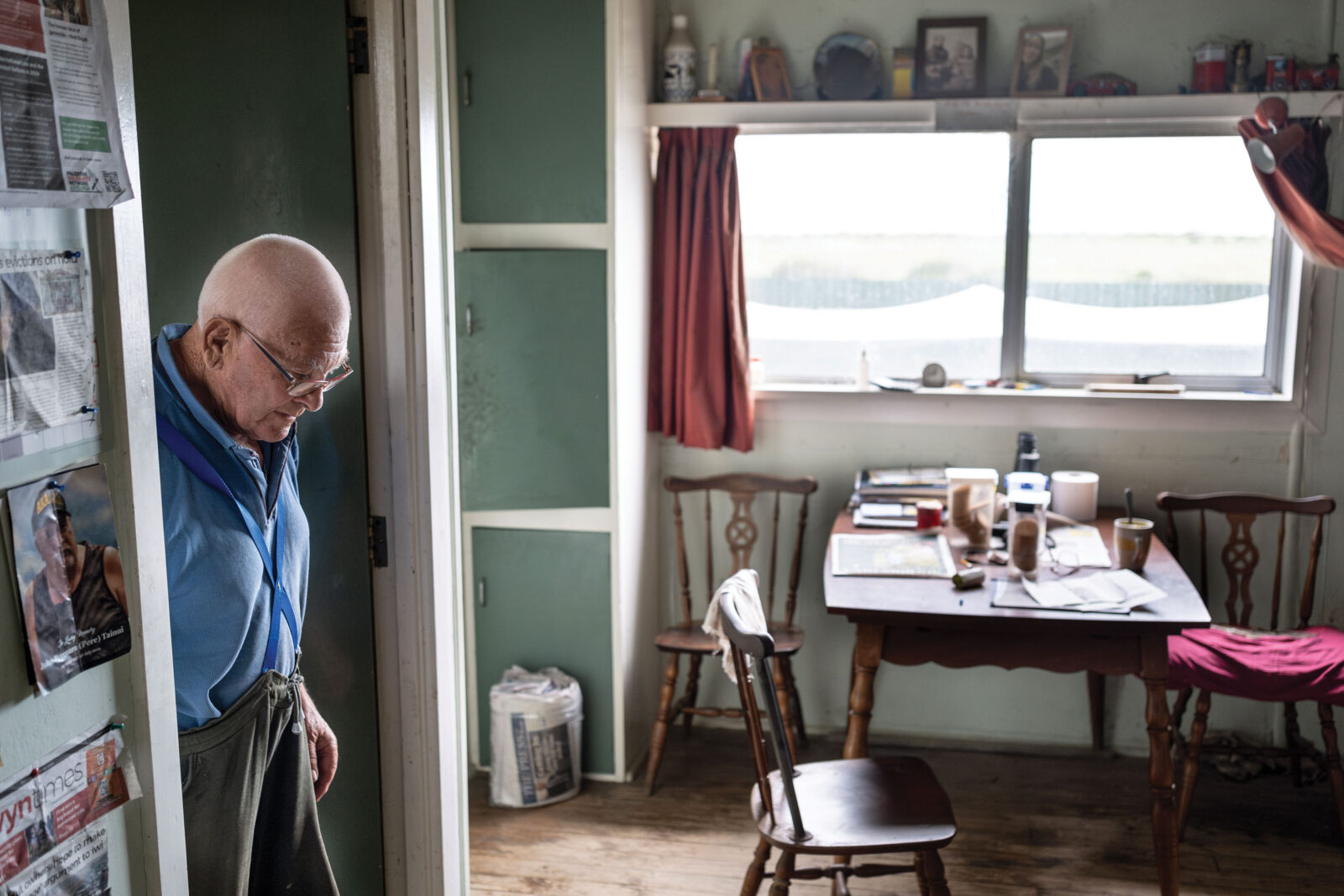
Harrison came back several times to take different versions of certain frames, such as the portrait of longtime resident Don Brown inside his house, surrounded by his worldly belongings. The photographer, who enjoys working slowly, was waiting for “a sense of mood and feeling”.
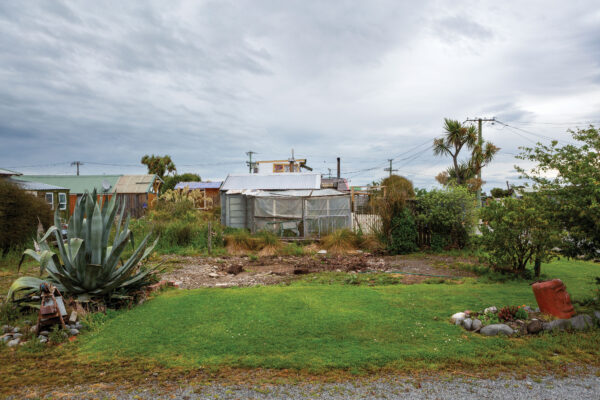
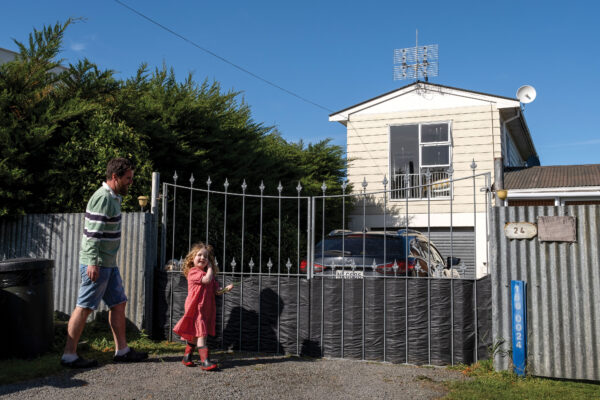
He was helped by the quality of light and the weather: the clouds and the matte, mute tones of the lake working together to create a kind of “Scandinavian crime vibe” on a cold winter’s morning. “If you’re into writing crime thrillers it would be a great place to base one.”
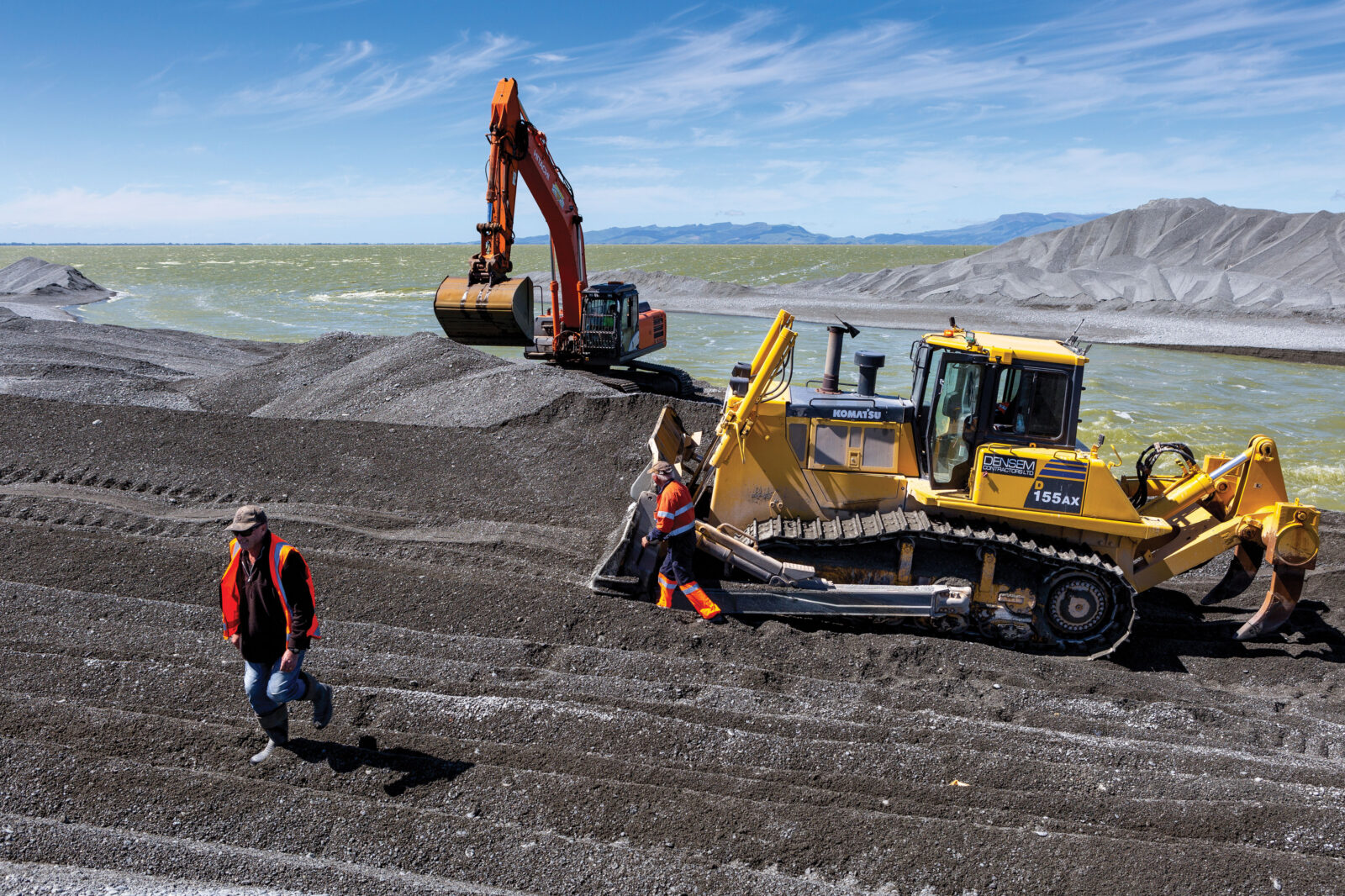
While documenting this community in their quiet limbo, Harrison also captured a concrete moment of abrupt change: the lake being opened, a procedure that happens every year to make way for migratory fish and to prevent the lake levels becoming too high.
“I just wanted to see this story play out,” says Harrison. “And it’s still playing out.”
More by Michelle Duff
Subscribe to our free newsletter for news and prizes
3
$1 trial for two weeks, thereafter $8.50 every two months, cancel any time
Signed in as . Sign out