



Outdoor education is at a crossroads.
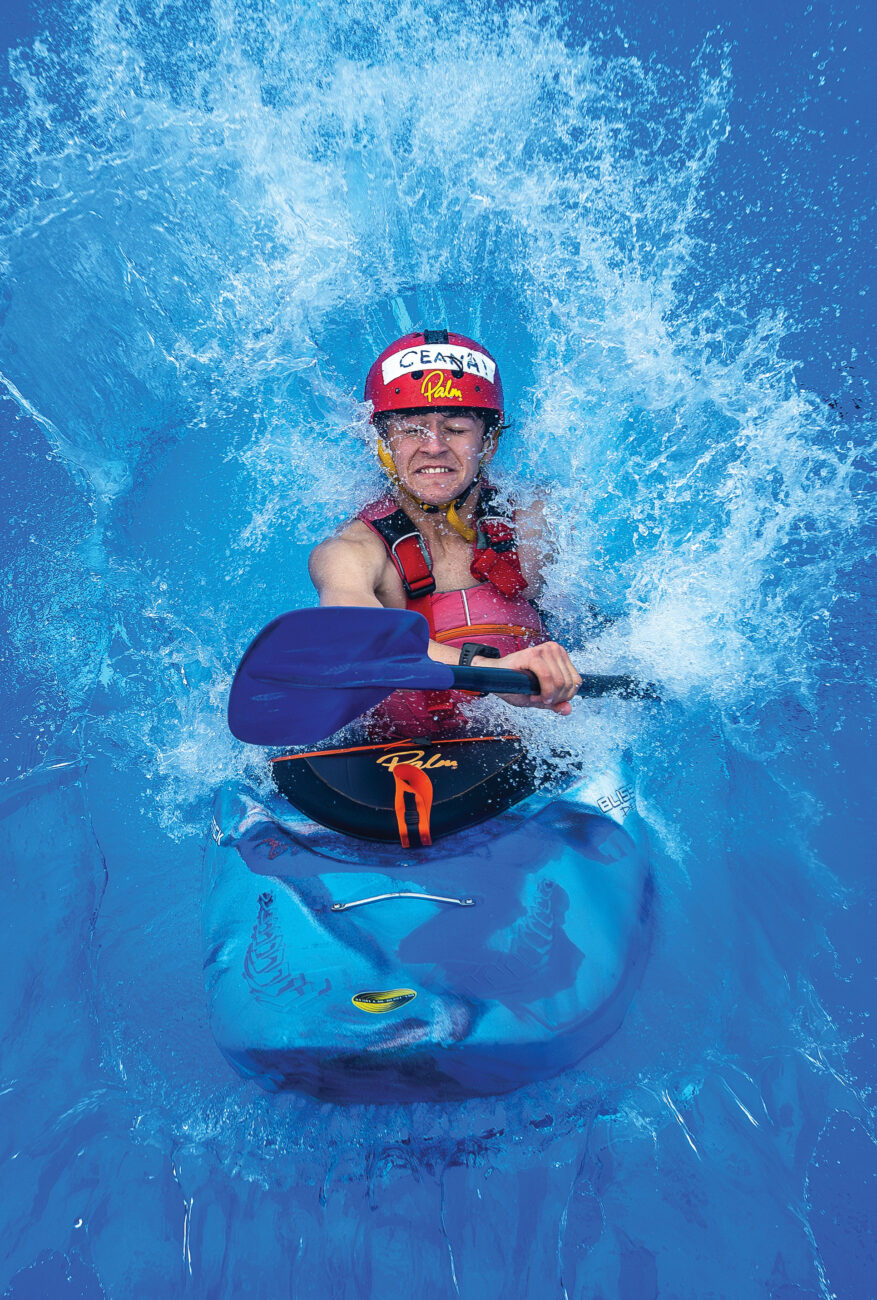
It’s fourth period on a freezing wet Thursday, and a group of Cambridge High School Year 13s are zooming around the unheated outdoor pool in tiny kayaks.
“It’s a bit fresh, Miss!” says Lachlan Rutherford, before gleefully launching himself, kayak and all, off a metre-high wooden platform on the side of the pool. Boy and boat splash into the water. The kayak flips. Underwater, Rutherford digs in his paddle, emerging with a grin and a duck-like shake.
Everyone in this 20-strong outdoor education class knows how to right a kayak in whitewater, the kids assure me. They’ve been doing this for three years. “You don’t have to be special,” says Izzy Douglas. “You just learn… Everyone is capable if you’ve got good people around you.”
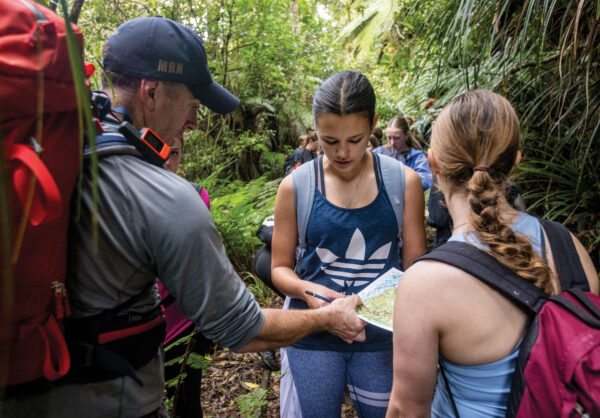
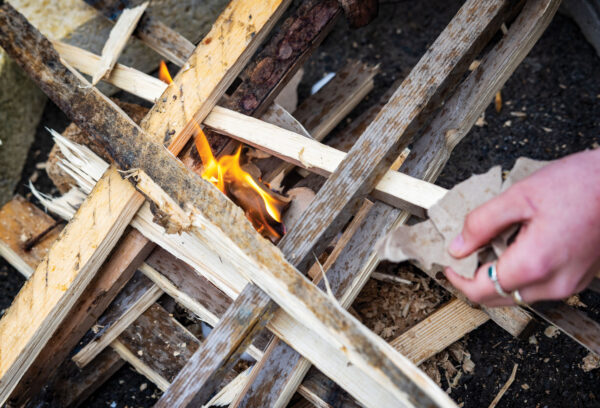
This school’s outdoor education programme is legendary. From Year 11, the teenagers learn rock-climbing, orienteering, surfing, skiing, mountain biking, and to rescue each other in whitewater. They build shelters and fires, plan expeditions, read the weather. By the end of their final year, they’ve summitted Ruapehu in crampons in winter and tested their survival skills alone at night on Ponui Island in the Hauraki Gulf.
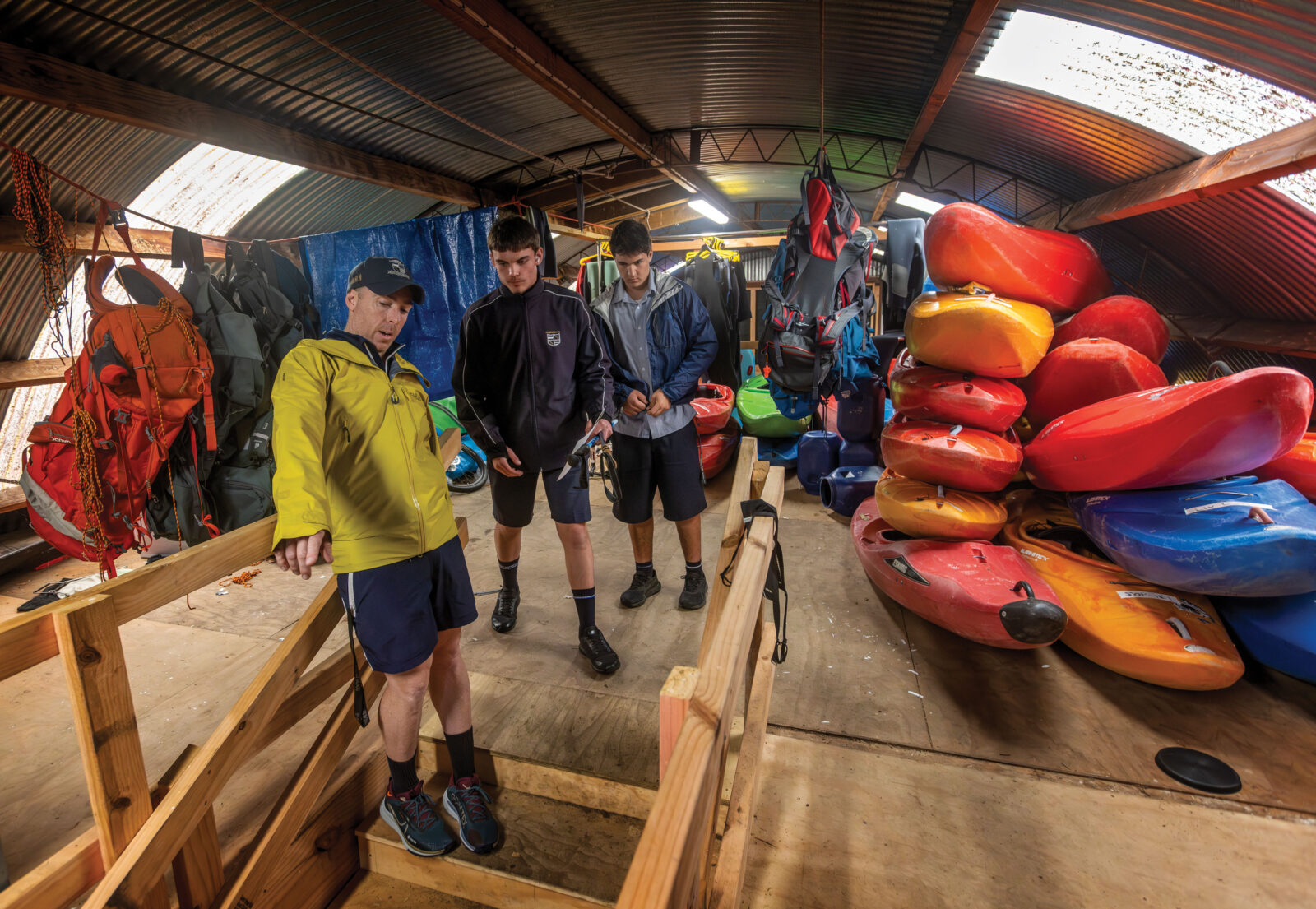
A mezzanine in the PE shed is stuffed full of gear. Kayaks, wetsuits, ice axes, hiking packs, tarpaulins. The public school fundraised to buy it all, cutting hire costs to make each trip cheaper and more accessible for families. New Zealand children spend a third of their after-school time on screens. This subject gets kids into nature, and exposes them to a huge range of activities most would never otherwise get the opportunity to do. But the practical skills are only half the story.
Each class learns to work as a team, to solve problems, to communicate and take care of one another. They learn to manage their time: in Year 11, for example, they have 10 whole-day trips and have to organise themselves to catch up on their other subjects. They learn to connect. Canoeing down the Whanganui River for four days always brings a class together, says teacher Mel Schroeder.
“They’re all in different cliques, but there around the campfire with no phone signal and no Snapchat, they talk to each other—and start making up games like they’re kids again.”
Pushed out of their comfort zones, they learn they can do hard things, and manage fear and discomfort. They analyse risk; at some schools, senior students study coroner’s reports. Teacher Matt Robinson talks with his students about how practising bravery in this class can transfer into the scary moments in life more broadly—“whether that’s going for a new job or moving overseas to pursue a passion”. He hopes they head off knowing how to make good decisions.
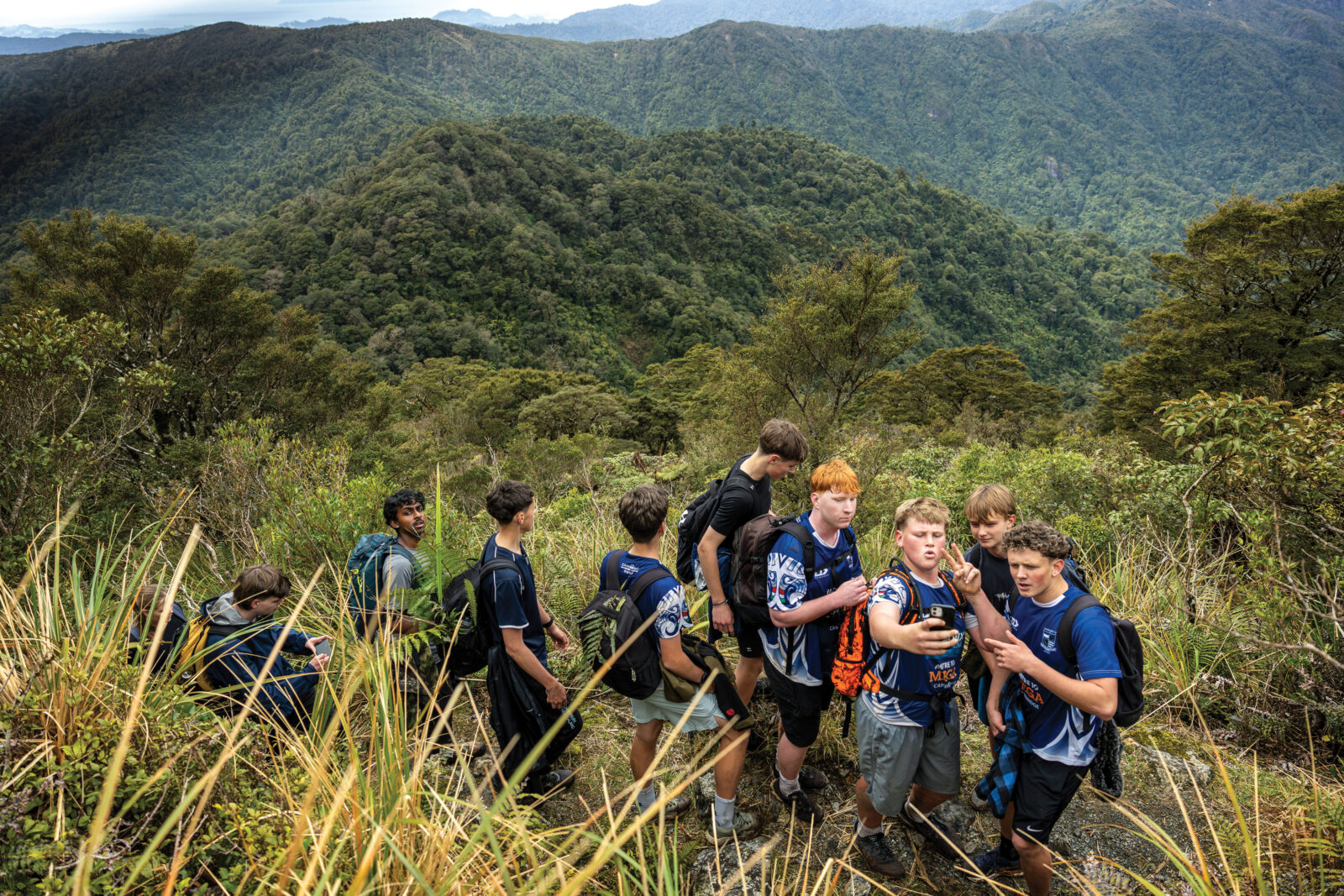
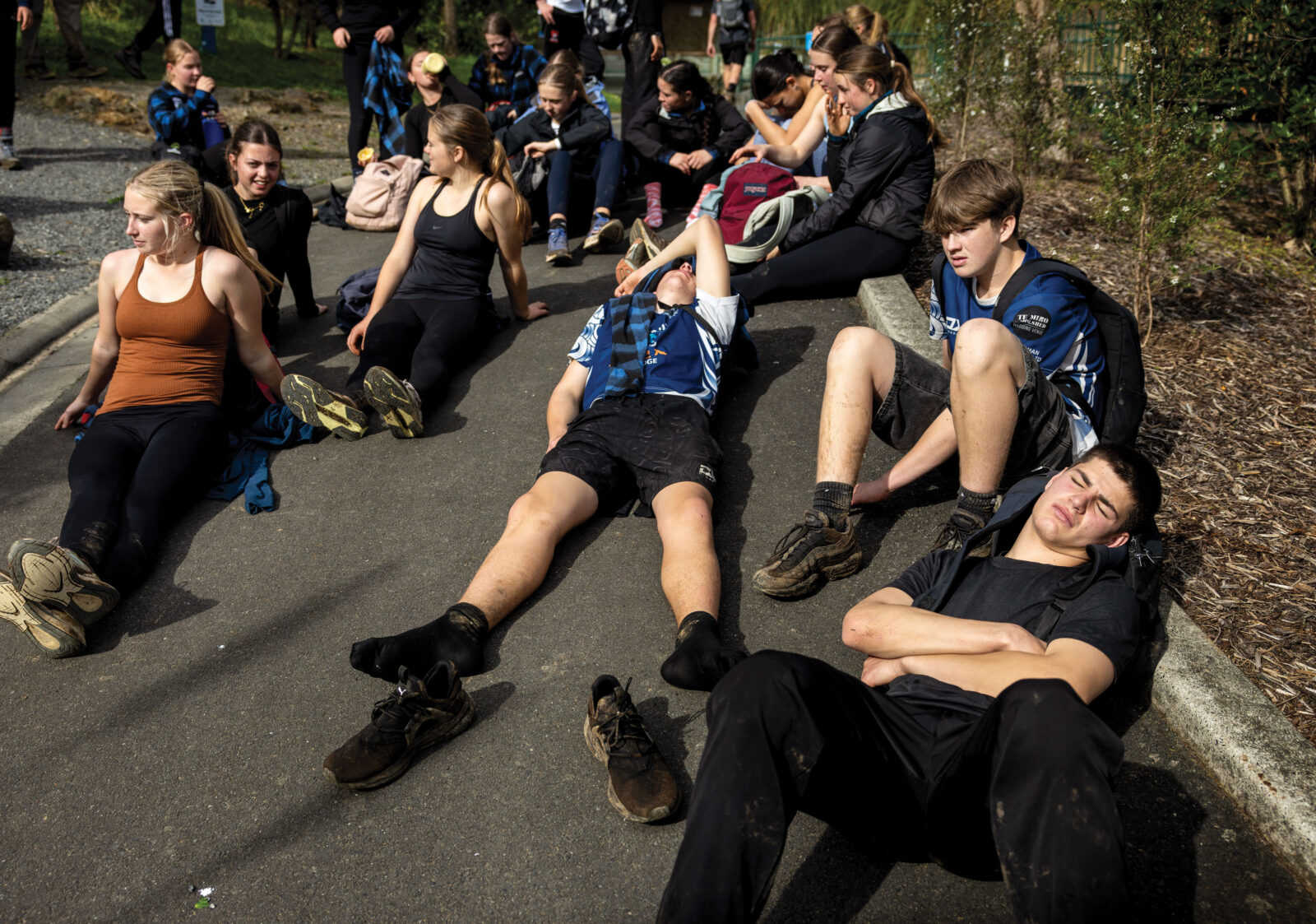
Recently, Robinson and the other Cambridge teachers took a class to hike the Tongariro Crossing. The weather was dire, he says—“hissing with 100-kilometre-an-hour winds”—but the students planned carefully, dressed appropriately, and learned so much more than they would have on a bluebird day.
Four hours in, the students decided to turn back at the South Crater rather than take on a narrow ledge in a gale—even as ill-prepared tourists continued past them. Robinson says proudly: “They said, ‘Nah, we’re not doing that. That’s so dangerous.’”
*
The government is overhauling both the high school curriculum and the way it’s graded. Right now, schools can make sure some of the work done in outdoor education counts towards university entrance. The proposed changes close off that option, meaning any student wanting to go to university would be taking a risk in adding it to their schedule—they’d have to make up those marks elsewhere. Outdoor education would also be available only from Year 12. The week after this magazine goes to press a petition against the changes will be presented to Parliament.
Cambridge principal Greg Thornton is among the tens of thousands hoping the heart of the subject—as well as access to it—isn’t lost in the flux.
Outdoor education “is a really good way to develop the whole person,” he says—as valuable for academic students going on to university as it is for those who might want to work in tourism or join the army.
Still dripping in his kayak, Rutherford tells me he signed up for outdoor education without telling his parents—they wanted him to do more traditionally academic subjects. Now, he says, they’re glad he did outdoor ed.
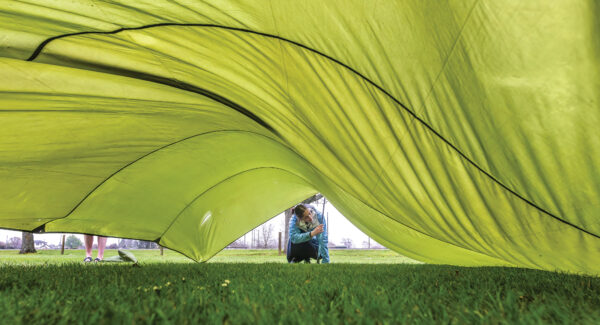
As the wind whips across the school field, I watch Year 13s Sophie Revell and Abby Stoddart construct a top-notch sleeping shelter from a tarp, a couple of hiking poles and a few pegs, then haul a waterlogged kayak from the pool using an ingenious arrangement of ropes and carabiners. Both plan to go to university next year; Stoddart to study law, Revell to tackle a double degree in law and criminal justice.
“I genuinely don’t think I would’ve liked high school without outdoor ed,” says Revell. For her, this class is a reset after the concentration required in history, psychology or English, and it’s given her self-discipline, confidence, and resilience. “Like, before taking outdoor, there would have been no way I’d sleep in a shelter in the middle of the bush on a hill when it’s raining. But now if I got stuck out there, I’d know exactly what to do.”
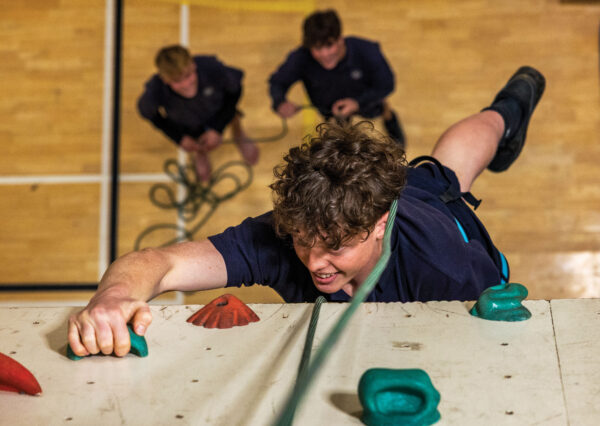
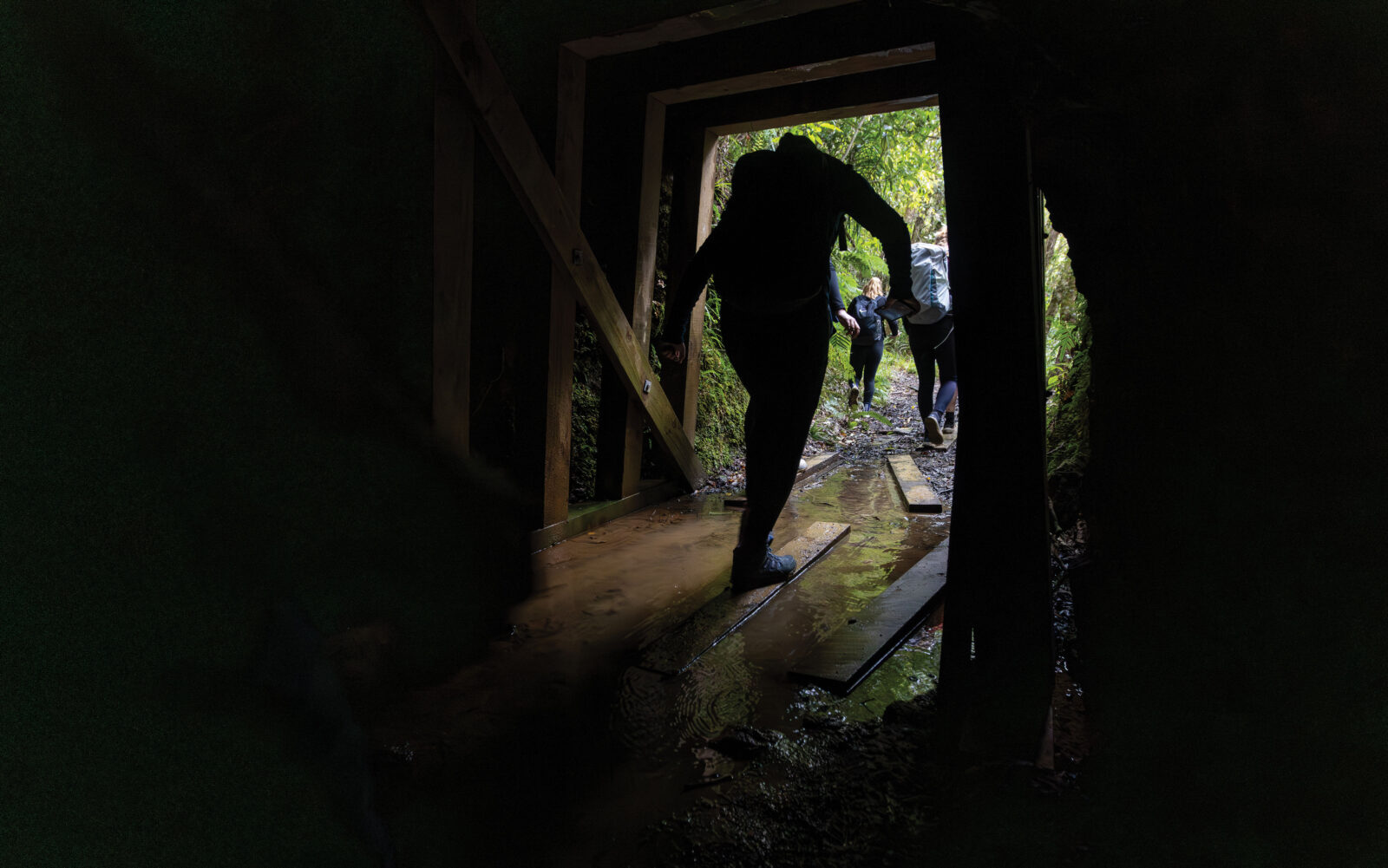
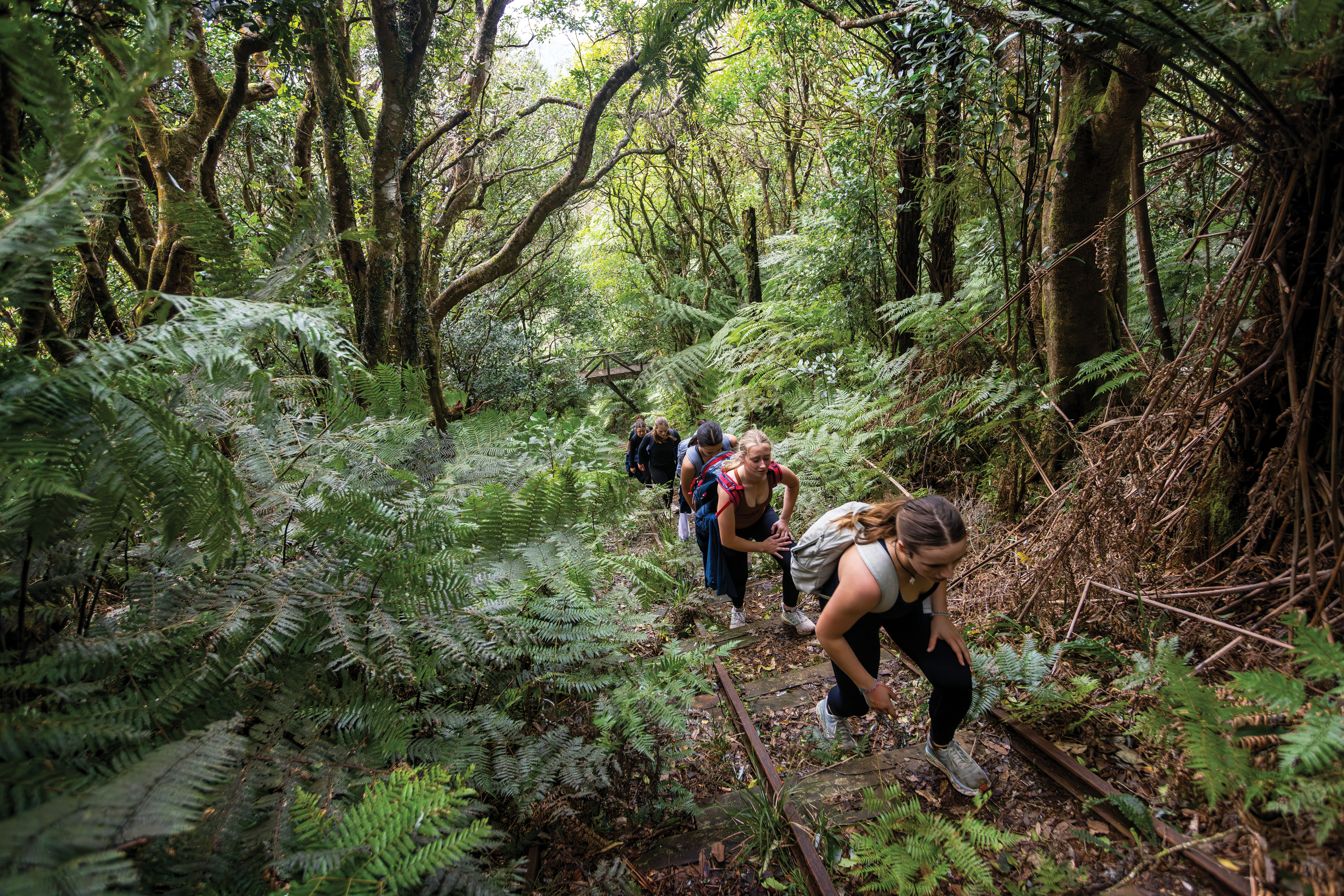
For photographer Mike Scott, following a class up Mt Te Aroha was a blast from the past. There was no outdoor education at high school in his day, but in his early 20s, after university, Scott did the Otago Polytechnic outdoor recreation course in Wānaka (locals called it Play School). Thirty years on, he’s still using the mountaineering, bushcraft and first-aid skills he learned there—the feeling of self-worth, as well, has stuck. “It taught me I could handle discomfort, and push myself more than I realised,” he says. “I use all of that in my work, personal and family life now.”
More by Kate Evans