





The bone belonged to a songbird, but it didn’t belong to any existing New Zealand songbird, alive or dead, and so Elizabeth Steell was stumped.
Steell, a research fellow at the University of Cambridge, is one of the world’s few experts in prehistoric songbirds. The bone had been excavated from the archaeological site at St Bathans in Otago, then kept in a box along with other puzzling bird parts in Te Papa until Steell picked it up to investigate. It was a little bit smaller than a toothpick, and it was a foot: “The bit where the toes articulate is preserved really, really well,” she says.
Steell began comparing the mystery foot to other songbird species around the world, and that’s when she found a match. It was very similar in shape to a bowerbird bone, and not just a passing resemblance, either; it had a combination of distinctive features that bowerbird feet have.
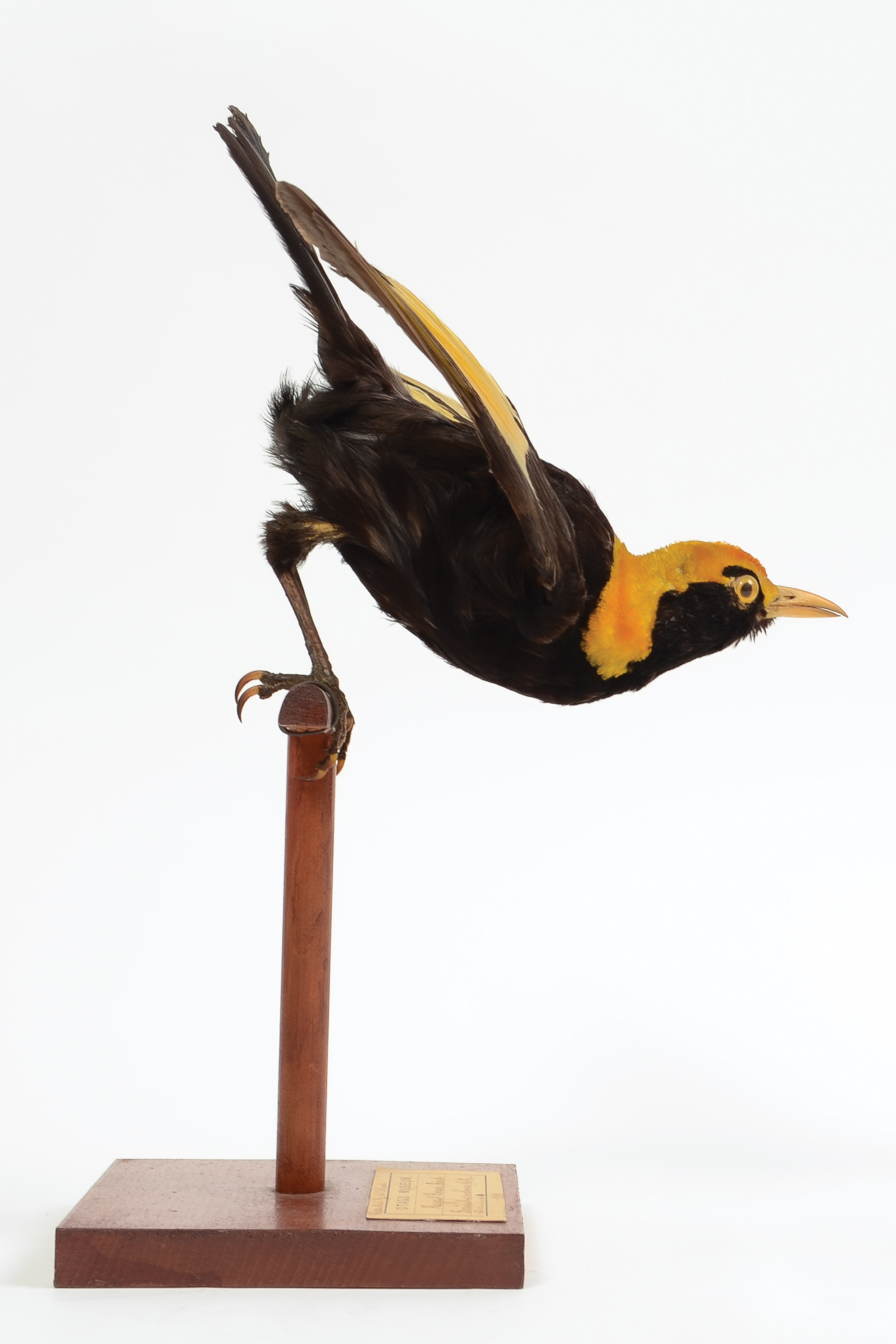
There are no bowerbirds in New Zealand. They live in more tropical places—Australia and New Guinea—where they are famous for building complicated structures out of twigs and then dancing in front of them. Some decorate their bowers with blue items, others with moss, flowers and berries, and others with a ring of leaves silver-side up. The effect is part romantic, part occultic. The mystery foot shares similarities with Sericulus bowerbirds (pictured), which build “avenue bowers”: parallel walls of twigs enclosing a walkway.
Did we once have a prehistoric bowerbird? Steell needs more bones. She’s hoping to return to the box of bird parts, certain there’s more to find: bowerbird proof, perhaps, or other surprise species. “There’s so much that hasn’t been described around the world,” she says, “and New Zealand is one of these places”.
More by Rebekah White