









Bird puzzle: solved

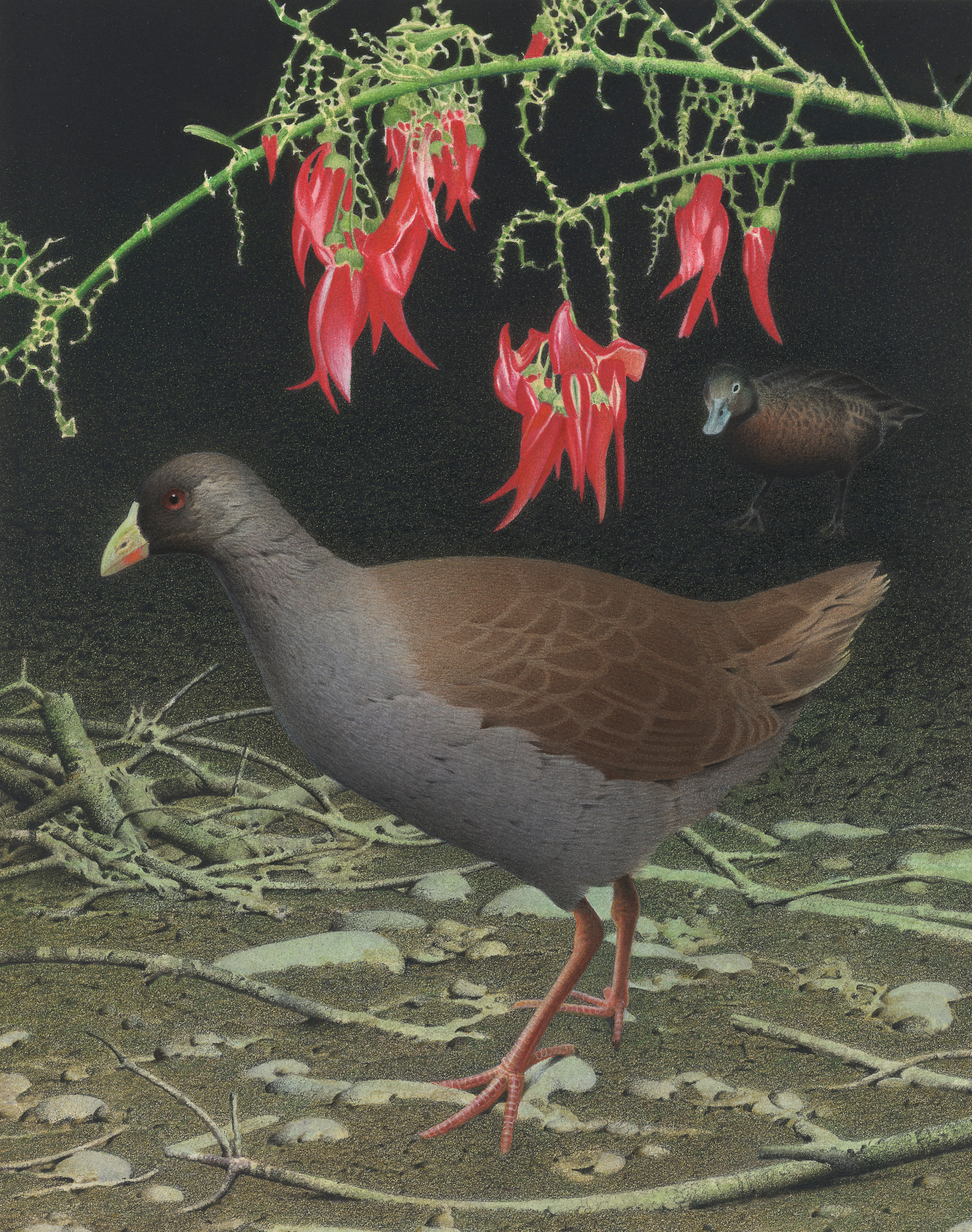
For decades, the extinct endemic bird known as the Hodgens’ Waterhen has flummoxed taxonomists—since the first fossils were found in 1955 the flightless species, which favoured swamps and grasslands, has bounced between six different genera. But mitochondrial DNA has now settled things: the bird is a gigantic crake, five times bigger than its closest living relative, the Australian crake. To the Latin-inclined the species shall henceforth be known as Porzana hodgenorum (its first name, marking the clade, was previously Tribonyx). The scientists suggest “New Zealand Giant Crake” as a snappy English moniker.

For decades, the extinct endemic bird known as the Hodgens’ Waterhen has flummoxed taxonomists—since the first fossils were found in 1955 the flightless species, which favoured swamps and grasslands, has bounced between six different genera. But mitochondrial DNA has now settled things: the bird is a gigantic crake, five times bigger than its closest living relative, the Australian crake. To the Latin-inclined the species shall henceforth be known as Porzana hodgenorum (its first name, marking the clade, was previously Tribonyx). The scientists suggest “New Zealand Giant Crake” as a snappy English moniker.

×

Subscribe to our free newsletter for news and prizes

3 FREE ARTICLES LEFT

Subscribe for $1  | 

3 FREE ARTICLES LEFT THIS MONTH


Keep reading for just $1

$1 trial for two weeks, thereafter $8.50 every two months, cancel any time

Signed in as . Sign out