

Our newest weapon is a sponge

Sue Butt

A sea sponge may one day save millions of lives, according to a study published in Scientific Reports in October.

Tuberculosis kills 1.8 million people each year, more than any other disease, and current vaccines are struggling to contain it. That’s because Mycobacterium tuberculosis, the organism that causes TB in humans, is quick to mutate, meaning it can soon evolve drug resistance.

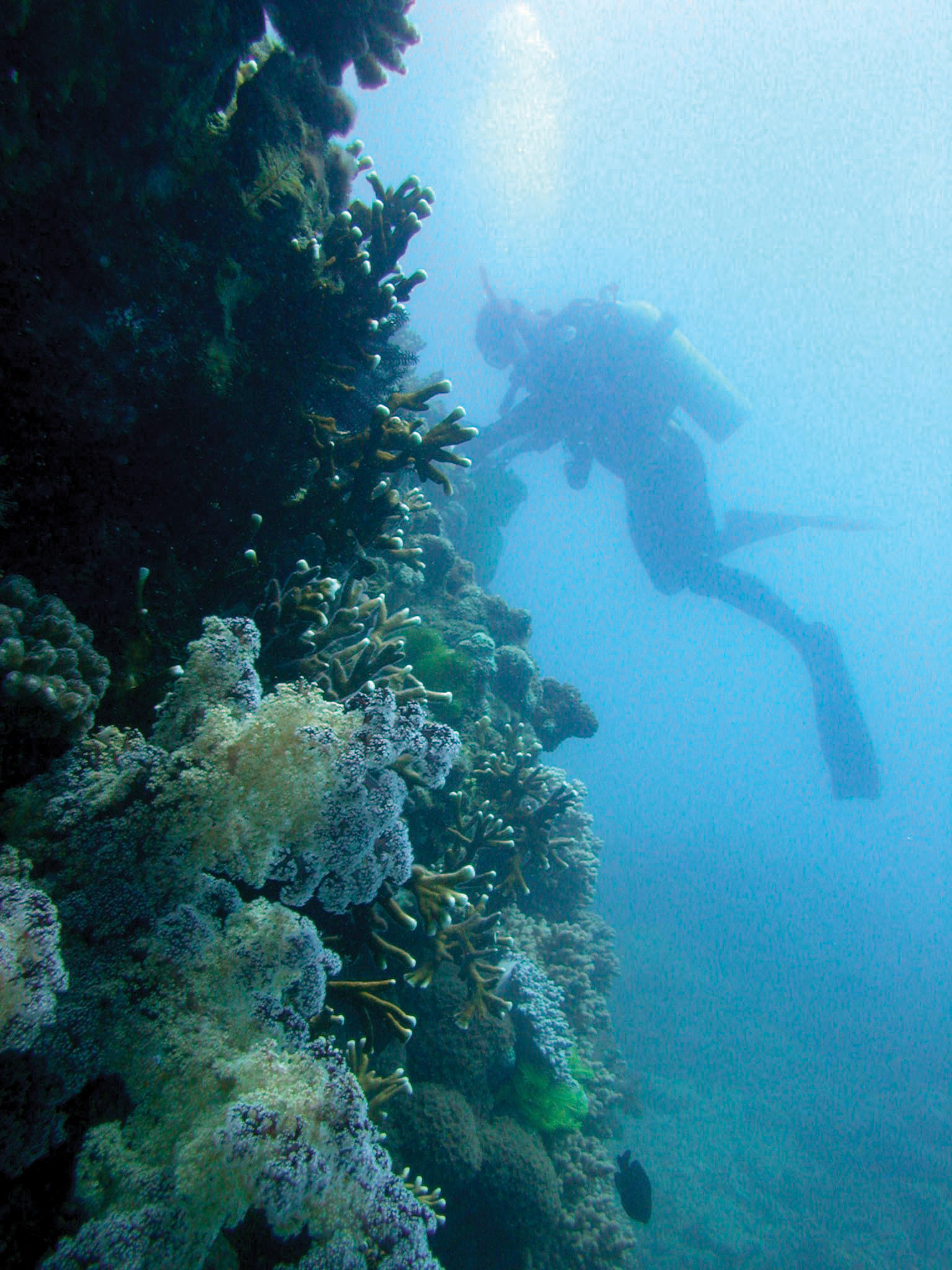
The quest for a better vaccine has led scientists beneath the waves, looking for bioactive molecules in sponges: compounds that might one day comprise the basis of new vaccines.

Over three years, the Centenary Institute and the University of Sydney analysed around 1500 sponges, and discovered that a species of Tedania, a genus found around Australia and New Zealand, possesses potent powers against M. tuberculosis.

The active component, Bengamide B, was able to halt drug-resistant TB strains, and did not harm human cells.

“Bengamide B shows significant potential as a new class of compound for the treatment of tuberculosis,” said the study’s lead author, Diana Quan, “and also importantly, for the treatment of drug-resistant TB.”

More by

Sue Butt

A sea sponge may one day save millions of lives, according to a study published in Scientific Reports in October.

Tuberculosis kills 1.8 million people each year, more than any other disease, and current vaccines are struggling to contain it. That’s because Mycobacterium tuberculosis, the organism that causes TB in humans, is quick to mutate, meaning it can soon evolve drug resistance.

The quest for a better vaccine has led scientists beneath the waves, looking for bioactive molecules in sponges: compounds that might one day comprise the basis of new vaccines.

Over three years, the Centenary Institute and the University of Sydney analysed around 1500 sponges, and discovered that a species of Tedania, a genus found around Australia and New Zealand, possesses potent powers against M. tuberculosis.

The active component, Bengamide B, was able to halt drug-resistant TB strains, and did not harm human cells.

“Bengamide B shows significant potential as a new class of compound for the treatment of tuberculosis,” said the study’s lead author, Diana Quan, “and also importantly, for the treatment of drug-resistant TB.”

More by

Issue 160

Nov - Dec 2019

Fisheries
Riflemen
Manufacturing
Powelliphanta

Fallback image

More by

×

Subscribe to our free newsletter for news and prizes

3 FREE ARTICLES LEFT

Subscribe for $1  | 

3 FREE ARTICLES LEFT THIS MONTH


Keep reading for just $1

$1 trial for two weeks, thereafter $8.50 every two months, cancel any time

Signed in as . Sign out