




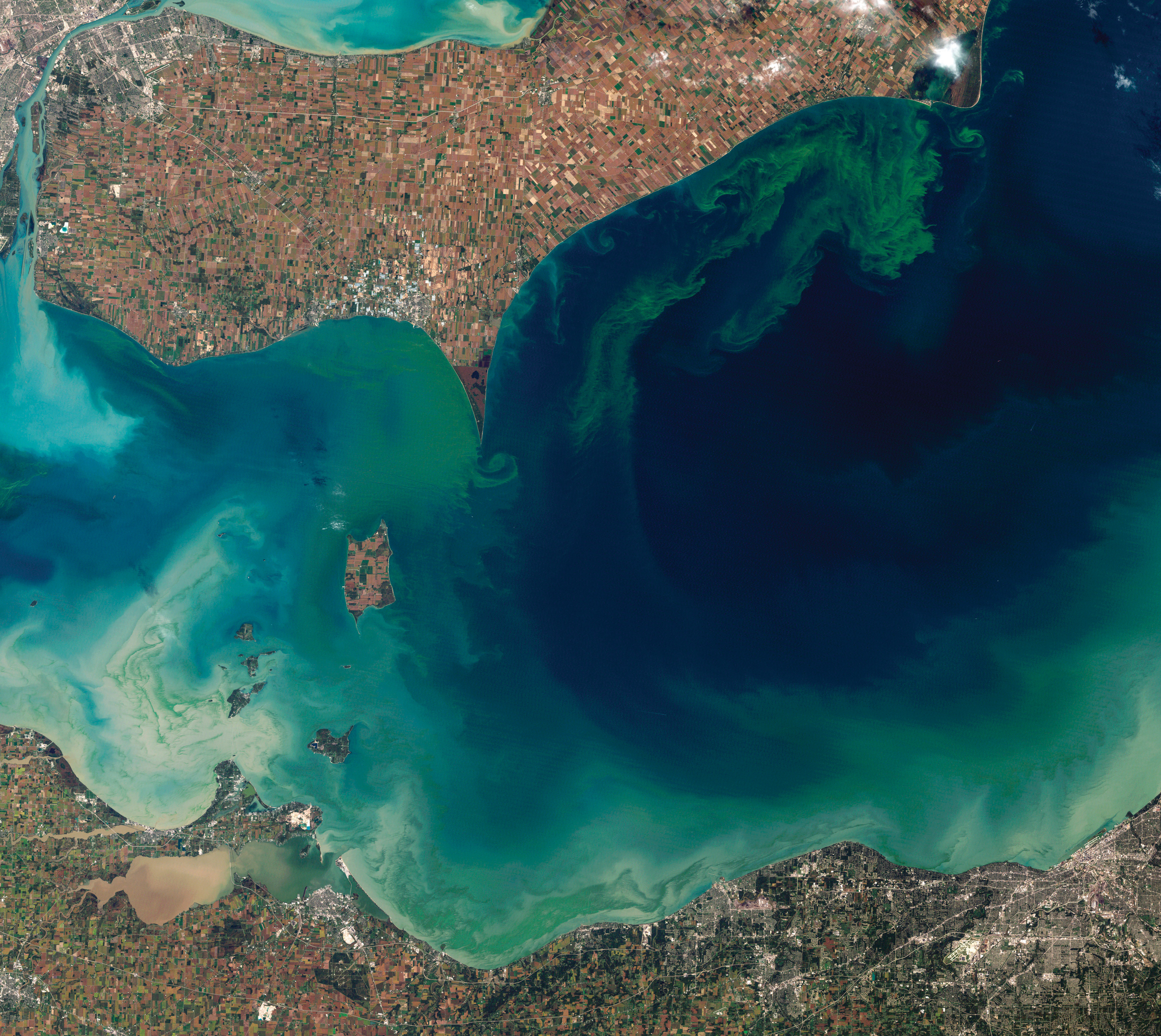
Rise of the lake slime

Written by

Rick Krauts

By studying 71 lakes in 33 countries from space, researchers from Stanford University have found that toxic algal blooms in freshwater have been increasing since the 1980s. Using satellite data from the past 30 years, they found blooms were becoming more frequent in 70 per cent of the lakes studied, but that this wasn’t linked to usual causes, such as fertiliser use or rainfall changes. The lakes that had fewer blooms over time, however, had warmed less than other lakes.

More by

Rick Krauts

By studying 71 lakes in 33 countries from space, researchers from Stanford University have found that toxic algal blooms in freshwater have been increasing since the 1980s. Using satellite data from the past 30 years, they found blooms were becoming more frequent in 70 per cent of the lakes studied, but that this wasn’t linked to usual causes, such as fertiliser use or rainfall changes. The lakes that had fewer blooms over time, however, had warmed less than other lakes.

More by

Issue 161

Jan - Feb 2020

Making birds
Tomb raiders
Castaways
Let there be night

Issue 161 Jan - Feb 2020

More by

×

Subscribe to our free newsletter for news and prizes

3 FREE ARTICLES LEFT

Subscribe for $1  | 

3 FREE ARTICLES LEFT THIS MONTH


Keep reading for just $1

$1 trial for two weeks, thereafter $8.50 every two months, cancel any time

Signed in as . Sign out