Keep reading for just $1
$1 trial for two weeks, thereafter $8.50 every two months, cancel any time
Signed in as . Sign out

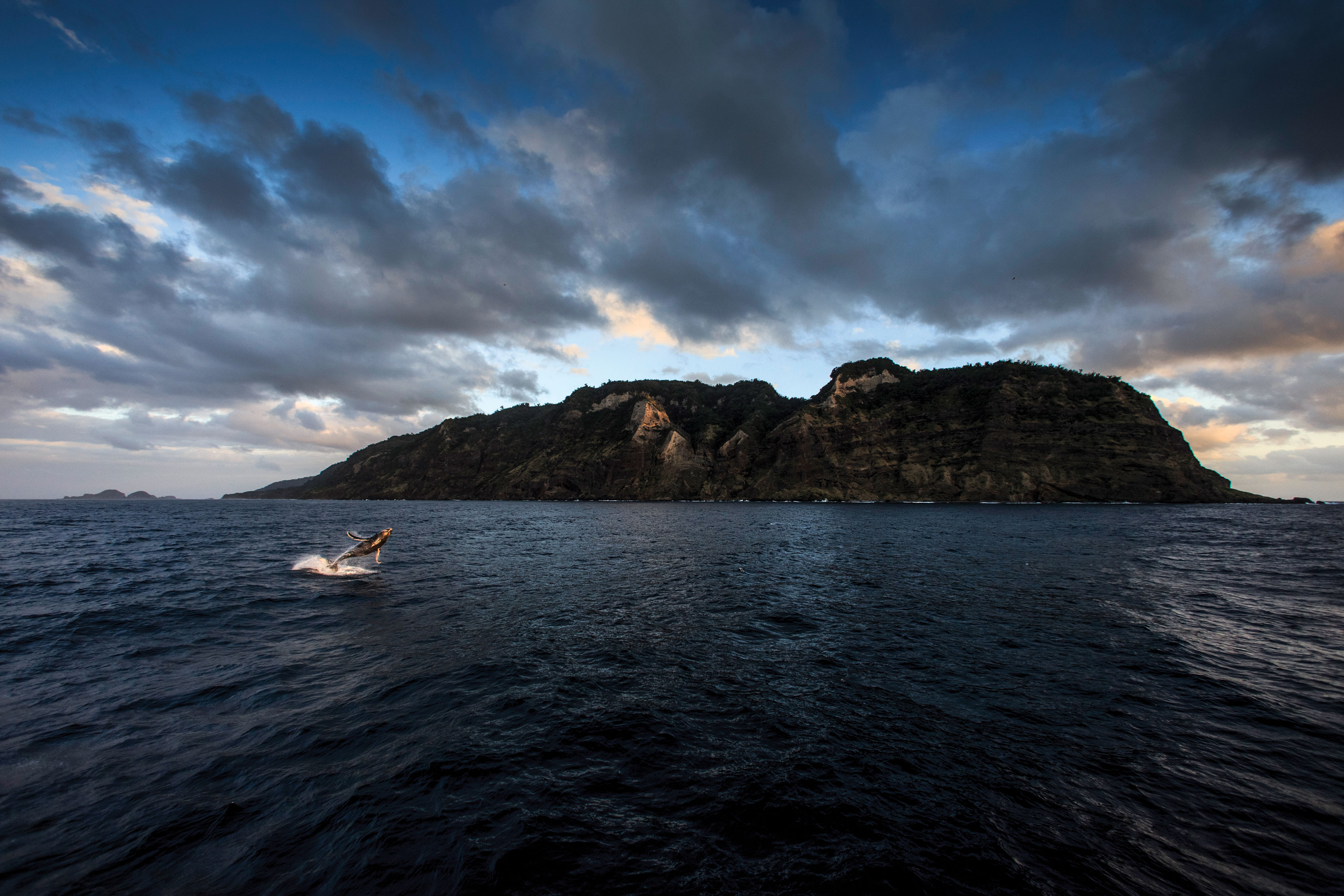
The Marine Reserves Act was created in 1971 in response to campaigning by the late Bill Ballantine, among others. He was director of the University of Auckland’s Leigh Marine Laboratory which was established in 1964. But staff and students soon discovered people were eating their experiments.
So that’s what the Act was created for: ‘the purpose of preserving, as marine reserves for the scientific study of marine life, areas of New Zealand that contain underwater scenery, natural features, or marine life, of such distinctive quality, or so typical, or beautiful, or unique, that their continued preservation is in the national interest.’
Today, with our ocean ecosystems under increasing pressure from commercial and recreational fishing, sedimentation, pollution, and warming, we need our marine protection to do more than preserve small areas for scientific study.
But it’s not an easy task. Most marine protection proposals face extensive push back that delays the process for years, sometimes decades.
“It’s really, really hard to manage it appropriately,” says Professor Chris Hepburn, marine scientist at the University of Otago. “It’s land, sea. It’s different user groups, it’s rights, it’s things like the settlement, it’s people not understanding each other’s points of view.”
Listen to the podcast below.
Voice of Tangaroa is a joint production between RNZ’s Our Changing World and New Zealand Geographic. Reporting for this series is Public Interest Journalism funded through NZ On Air. You can learn more and read the articles for free at nzgeo.120.138.19.230.sth.nz/seas

Subscribe to our free newsletter for news and prizes
3
$1 trial for two weeks, thereafter $8.50 every two months, cancel any time
Signed in as . Sign out