Keep reading for just $1
$1 trial for two weeks, thereafter $8.50 every two months, cancel any time
Signed in as . Sign out

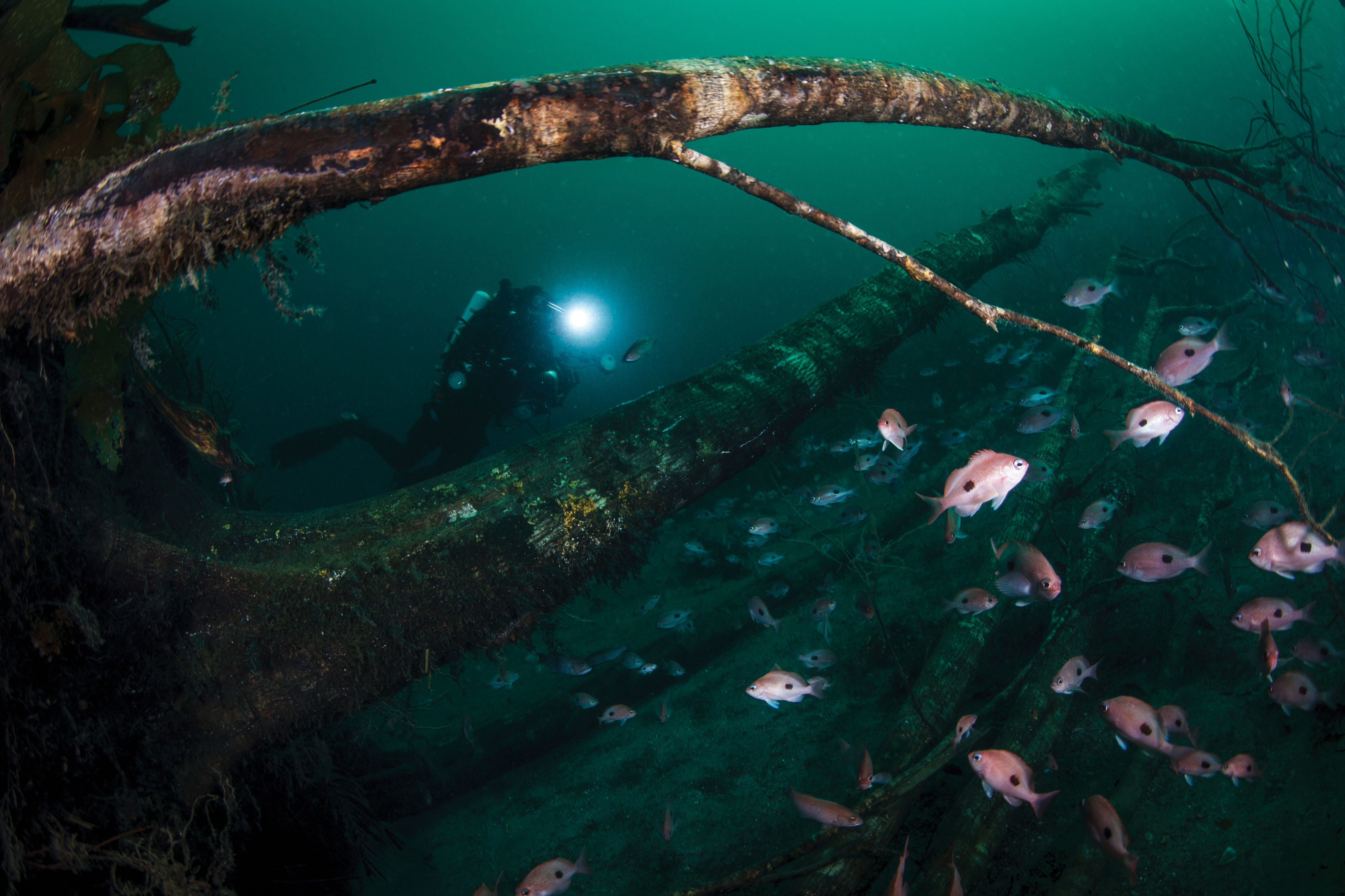
Between 6–10 metres of rain falls in Fiordland each year. An incredible amount. It’s part of what powers the forest-to-fiord carbon storage pump that makes Fiordland exceptionally good at locking away large amounts of carbon long-term. Something scientists are only beginning to understand.
Luckily, National Park status on land and marine protection in part of the sea have meant that Fiordland has remained relatively untouched.
Not so for some of our other carbon-burying ocean ecosystems. Salt marshes and seagrass meadows in estuaries have taken big hits. But Te Whakapū o Waihī, a collective of local iwi and the Bay of Plenty Regional Council, are fighting back.
Listen as Kate Evans learns about Fiordland’s secrets, the plans to restore Waihī wetlands and estuary, and what this all means for our blue carbon potential.
Voice of Tangaroa is a joint production between RNZ’s Our Changing World and New Zealand Geographic. Reporting for this series is Public Interest Journalism funded through NZ On Air. You can learn more and read the articles for free at nzgeo.120.138.19.230.sth.nz/seas

Subscribe to our free newsletter for news and prizes
3
$1 trial for two weeks, thereafter $8.50 every two months, cancel any time
Signed in as . Sign out