Ken Hall, with Helena Walker, Christchurch Art Gallery, $60, August 14 (more…)
More by Catherine Woulfe



In 1944, with a little baby in the house, Colin McCahon presses a woodcut stamp onto a cigarette paper. Ta-da: a jaunty bird taking a walk, looking like he’s about to belt out a Pingu honk. Decades later, McCahon paints a bluebird sky, thinking as he paints of a river in Hokianga that he’s read about, where children lie on the sun-warmed riverbank and sing back at the skylarks singing ahead. The painting, writes Ken Hall in this book, “radiates an ecstatic immersion in air, light and sound”.
Hall is a curator at Christchurch Art Gallery Te Puna o Waiwhetū, where on August 15, an exhibition called Bird Land: Te Kāhui Manu will open, and run for almost six months. The accompanying book—featuring dozens of artworks, with longer essays and interviews arranged throughout—is something of an ecstatic immersion itself.
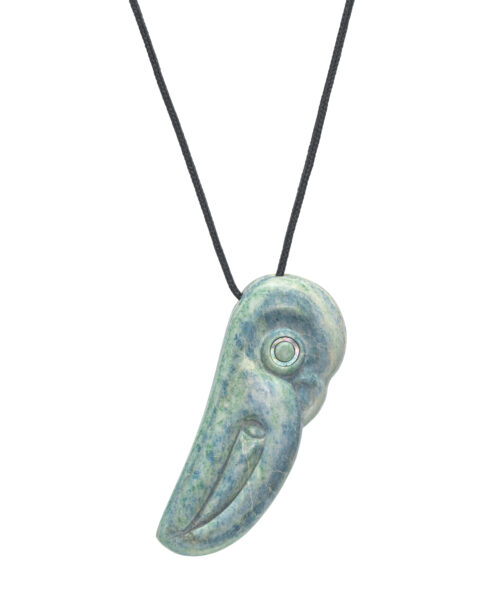
Art books tend to assume a lot of prior knowledge, or at least a familiarity with art-speak. This one is much more accessible. Even at the level of captions, the focus is on story, not esoteric analysis. Each piece of text is nifty and quick. The impression is of dozens of moments of flying joy, like the McCahon snippets above, dipping at other points into loss, or irreverence, or deep time. The impression is also: people have always been fixated by birds.
Did you know that in 1977, you could collect paintings of endangered native birds in packets of Gregg’s Jelly Crystals? That a stone bird, Korotangi, travelled to Aotearoa in the waka Tainui, and spent 57 years shut up in storage at Te Papa? When Princess Margaret married the future Lord Snowdon, New Zealand sent the couple a pair of silver-gilt kiwi. One snuffles at a giant worm tangled about its feet. The other guards a giant egg. The artist, John Simpson, had reservations; he would have preferred, he said, “a bird with natural grace and comeliness”. The pair lived in a royal dining room; they were flicked off at Christie’s in 2006. Poor old kiwi.
Want to cosplay our greatest mimick, tūī?
Kohai Grace has just the thing: a sleek black cloak of dyed harakeke, muka and copper, sprigged with fluffy white kererū feathers, looking like it would shift and settle just so, and gleam. Consider a flourish from Matthew McIntyre Wilson: ‘Poi Kura’, a silver-and-muka neckpiece with a white pompom of toroa feathers, made to sit at the throat.
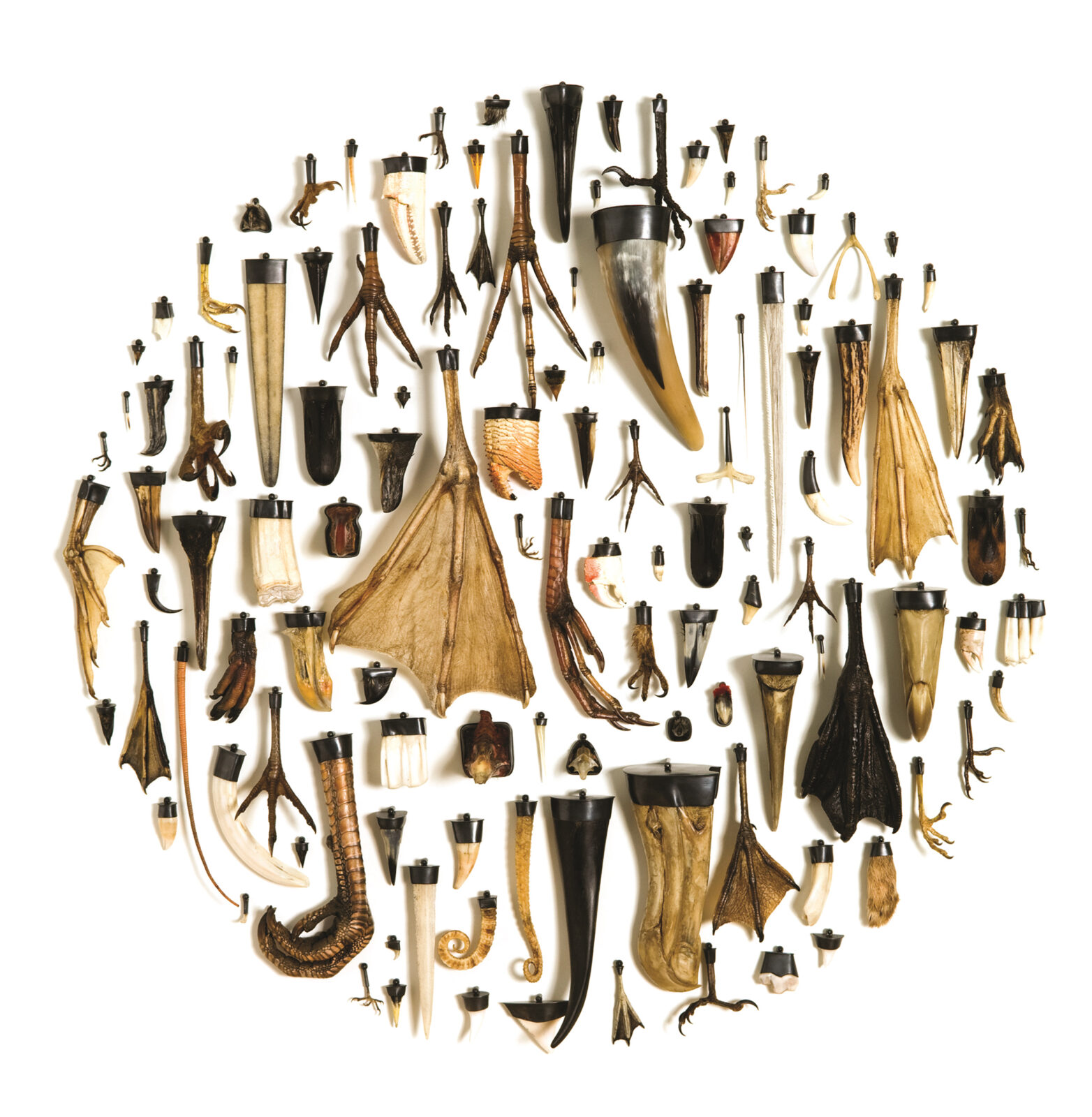
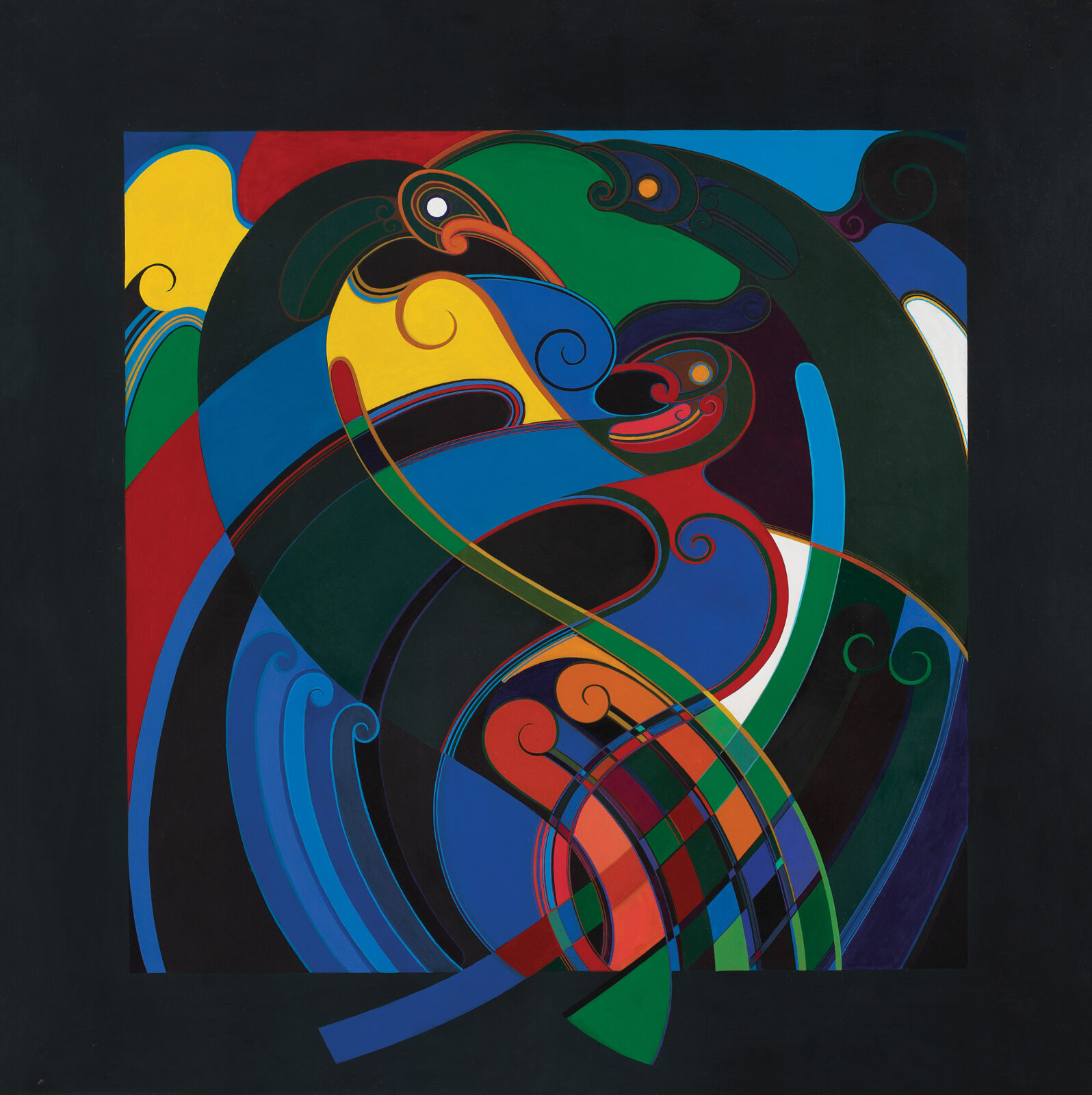
Michael Parekōwhai photographs a house sparrow in noble head-and-shoulders fashion, then gives it a bright-orange backsplash. Warwick Freeman spends three years picking up roadkill to make an array of beaks and claws. Bill Hammond spends his life painting bird-people; John Keulemans faithfully paints 20,000 birds, many of them New Zealand specimens sent over the sea by Walter Buller. Robin White paints the birds that mark her days and her homes, including an oystercatcher on mudflats—albino, she says, but perhaps technically leucistic, certainly, as she says, “a singularity”—and three tīeke perched in a 1940s Bakelite kitchen. “Birds come and go,” White says. “A sort of winged almanac.”
Sometimes a bird can shape a life. In an essay, Gregory O’Brien tells a story about a young Don Binney, in 1958, spending a weekend with his Elam classmates at Whatipu, a black-sand beach in Auckland. Already a bird nerd, Binney is pleased to spot a banded dotterel—then a classmate shoots the bird with an air rifle, and it crashes about the dunes, dying, “like a broken mechanical toy”. “He later recalls that afternoon at Whatipu as a galvanising event,” O’Brien writes.
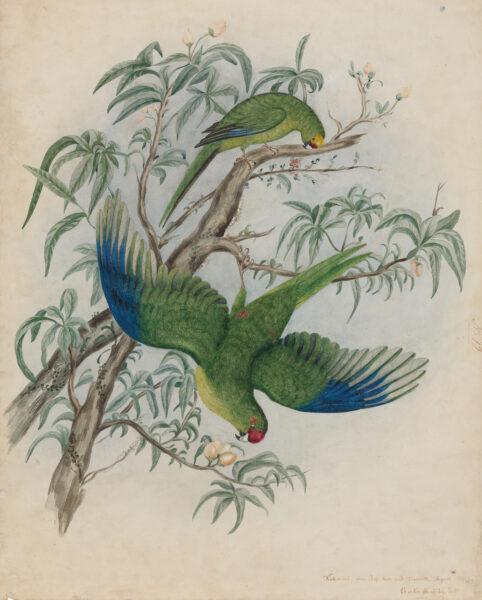
On some pages the reader is invited to imagine once-upon-a-time abundance, the “melodious wild musick” that greeted Joseph Banks in 1770. Elsewhere the focus is on decline, and our duty to work to arrest it, ranging from pest control to the ethics of de-extinction.
Douglas Ian Campbell, a University of Canterbury philosopher, argues that the huia, in fact, would be a much better resurrection subject than the giant moa, currently in the sights of controversial US company Colossal.
Many of those who hunted huia, Campbell writes, wanted to keep the hides as lifelike as possible, often soaking the skins in formaldehyde, thus doing “an imperfect but serviceable job of preserving the birds’ genetic blueprints”.
Campbell even gives an eight-step methodology for bringing the huia back. It ends with a large, genetically diverse population installed on a predator-free island. Amazing. Should we do it, though? Not right now, Campbell concludes: it would cost way too much, and that money would be better spent saving other species. We absolutely should, however, be snipping tiny samples from the huia held in museums, and putting that precious material in cryogenic storage. Gene tech is getting better all the time, he points out. “The least we can do for our descendants, who will live in a world much less biodiverse than ours, is to leave them the option of resuscitating some precious fraction of what has been destroyed.”
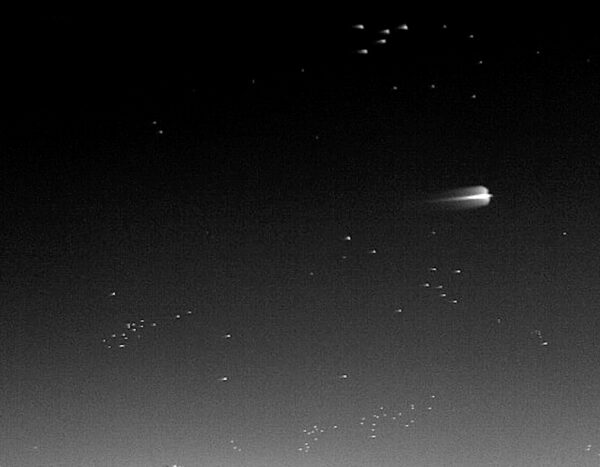
In another section, Kāi Tahu photographer and conservationist Conor Clarke talks with Hall about the two colonies of tītī that live on Kaikōura’s mountains. It was night when the earthquake hit in 2016, Clarke explains, and the birds were in their burrows; some 80,000 died. And then she talks about standing in the middle of one of those colonies in 2025, with a thermal monocular—again it was night, and she looked up, and she could see the heat signatures of tītī wheeling in the dark. The parents would catch the scent of their chick and plummet down, Clarke remembers. She made photographs of the birds, black skies full of winged stars. “We were obsessed,” she says. We still are.
More by Catherine Woulfe
Subscribe to our free newsletter for news and prizes
3
$1 trial for two weeks, thereafter $8.50 every two months, cancel any time
Signed in as . Sign out