




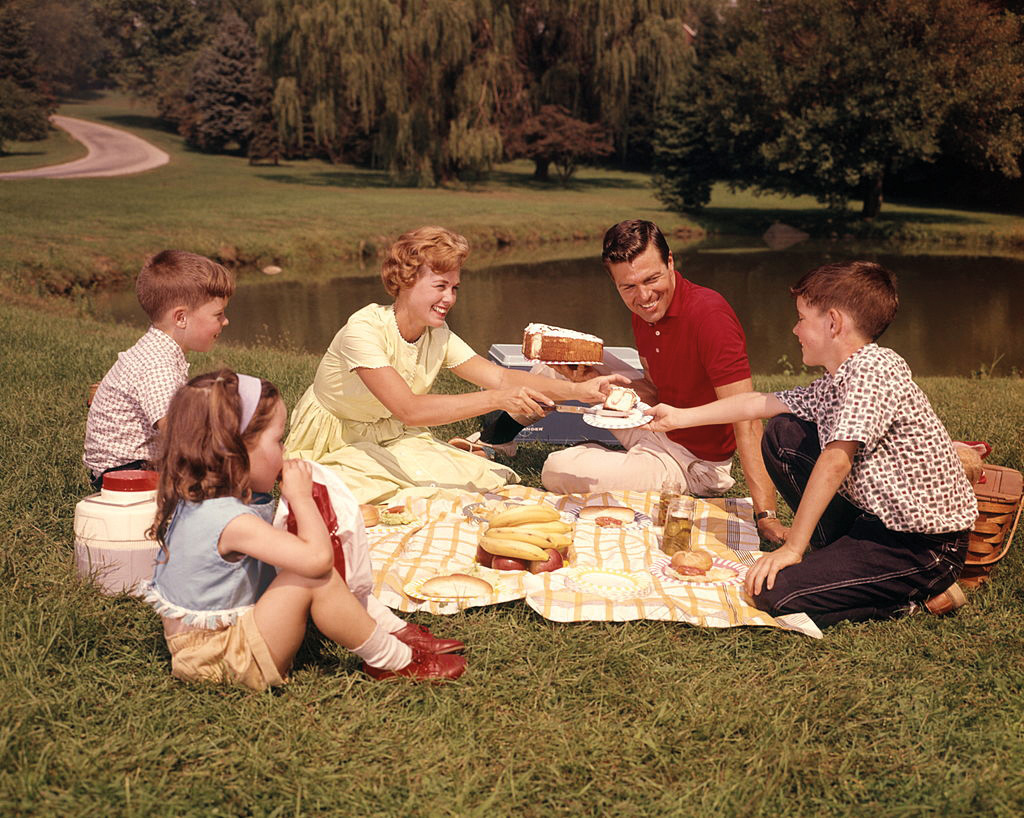
The nuclear family may no longer be the norm in New Zealand.
New data from the long-running Dunedin Study (a longitudinal investigation of 1037 people born in the year to March 1973) shows that New Zealand family ‘types’ are more diverse and dynamic than may be expected.
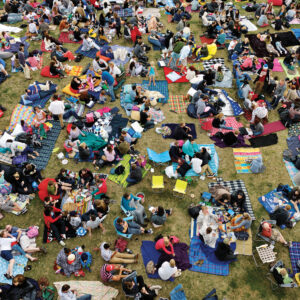
Out of 209 15-year-olds (all children, stepchildren and foster children of the original Dunedin Study participants), just seven per cent lived in households containing only nuclear family members. The rest shared their homes with a stream of other people, including other biological family members, step-parents, half-siblings and non-related household members, such as boarders, family friends or flatmates—another eight people moving in or out of a participant’s household on average. Only one-quarter of the participants lived with both biological parents at the time of the survey.
Although this study isn’t a representative sample of New Zealand (one or both parents were born in Dunedin, the parents are aged 42 or 43 at this stage of the study, and ethnic makeup isn’t representative), the authors say family diversity is increasing in most developed countries, and recognising the dynamic nature of children’s lives is important to avoid stigma and to make sure they are eligible for effective services.
More by Skye Wishart