




Shelter from the Storm

Written by

According to research published in Biology Letters, microhabitats can reduce exposure of a species to extreme climates, highlighting the importance of forests in preventing extinction.

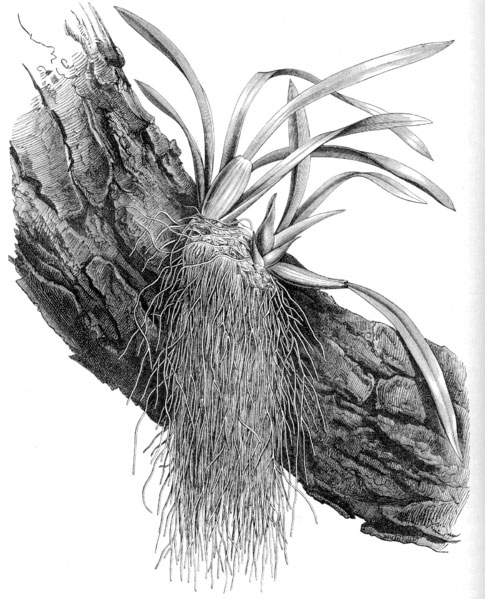
As species adapting to climate change slowly shift to higher ground or towards the poles, the microhabitats provide a buffer in two ways. Firstly, they reduce the hottest temperature a species will experience—for example, epiphytes high in the forest canopy can provide an environment almost 5ºC cooler than the ambient temperature. Secondly, the temperature will change more slowly inside a microhabitat than outside.

Scientist Brett Scheffers says the latter scenario means that during a heatwave, for example, a species can remain in a habitat for longer periods and be exposed to cooler, less-extreme climates.

“Unfortunately, this defence only works under short time periods—days to weeks. With severe long-term changes in annual temperatures and reduced precipitation as predicted by many models, no habitat will protect species from this level of climate change.”

Species extinction is a fundamental issue of the 21st century, he says, with habitat loss continuing and climate change looming. “But if there is a glimmer of hope to be found from my study, it is that healthy, pristine rainforests provide a diversity of habitats that species may use.”

More by

According to research published in Biology Letters, microhabitats can reduce exposure of a species to extreme climates, highlighting the importance of forests in preventing extinction.

As species adapting to climate change slowly shift to higher ground or towards the poles, the microhabitats provide a buffer in two ways. Firstly, they reduce the hottest temperature a species will experience—for example, epiphytes high in the forest canopy can provide an environment almost 5ºC cooler than the ambient temperature. Secondly, the temperature will change more slowly inside a microhabitat than outside.

Scientist Brett Scheffers says the latter scenario means that during a heatwave, for example, a species can remain in a habitat for longer periods and be exposed to cooler, less-extreme climates.

“Unfortunately, this defence only works under short time periods—days to weeks. With severe long-term changes in annual temperatures and reduced precipitation as predicted by many models, no habitat will protect species from this level of climate change.”

Species extinction is a fundamental issue of the 21st century, he says, with habitat loss continuing and climate change looming. “But if there is a glimmer of hope to be found from my study, it is that healthy, pristine rainforests provide a diversity of habitats that species may use.”

More by

Issue 132

Mar - Apr 2015

Gallipoli
Homelessness
Carnivorous plants
Street art
Pet day

Issue 132 Mar - Apr 2015
New Zealand Geographic and Heritage Expeditions are pleased to announce their second premium adventure, a journey through Fiordland with New Zealand conservation stalwart, award-winning author, photographer and natural history filmmaker Rod Morris....

More by

×

Subscribe to our free newsletter for news and prizes

3 FREE ARTICLES LEFT

Subscribe for $1  | 

3 FREE ARTICLES LEFT THIS MONTH


Keep reading for just $1

$1 trial for two weeks, thereafter $8.50 every two months, cancel any time

Signed in as . Sign out