
These are the finest images of 2025. Now you be the judge—vote on your five favourites.


Judges have selected 69 images from more than 6000 entries that tell the story of an exceptional year in Aotearoa. Select five of your favourites to vote in the Ockham Residential People’s Choice award!
SCROLL DOWN

SWIPE UP


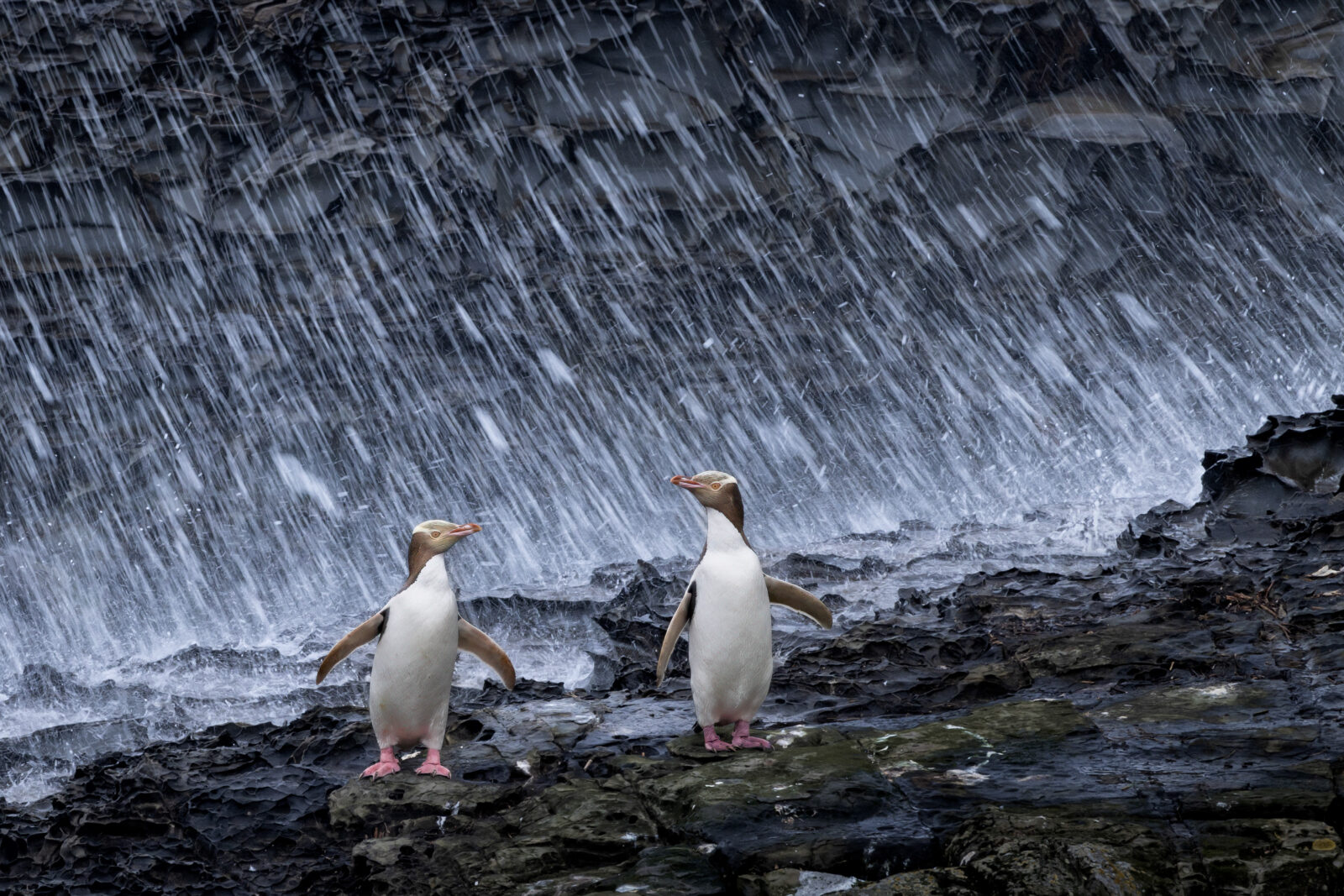
Hoiho/yellow-eyed penguins wait for the right moment to dive into a rough sea as they head out foraging for the day. A long exposure, braced against some driftwood, allowed Tony Whitehead to capture the motion from the splashing waves. It took about half an hour of waiting and watching before the elements came together.

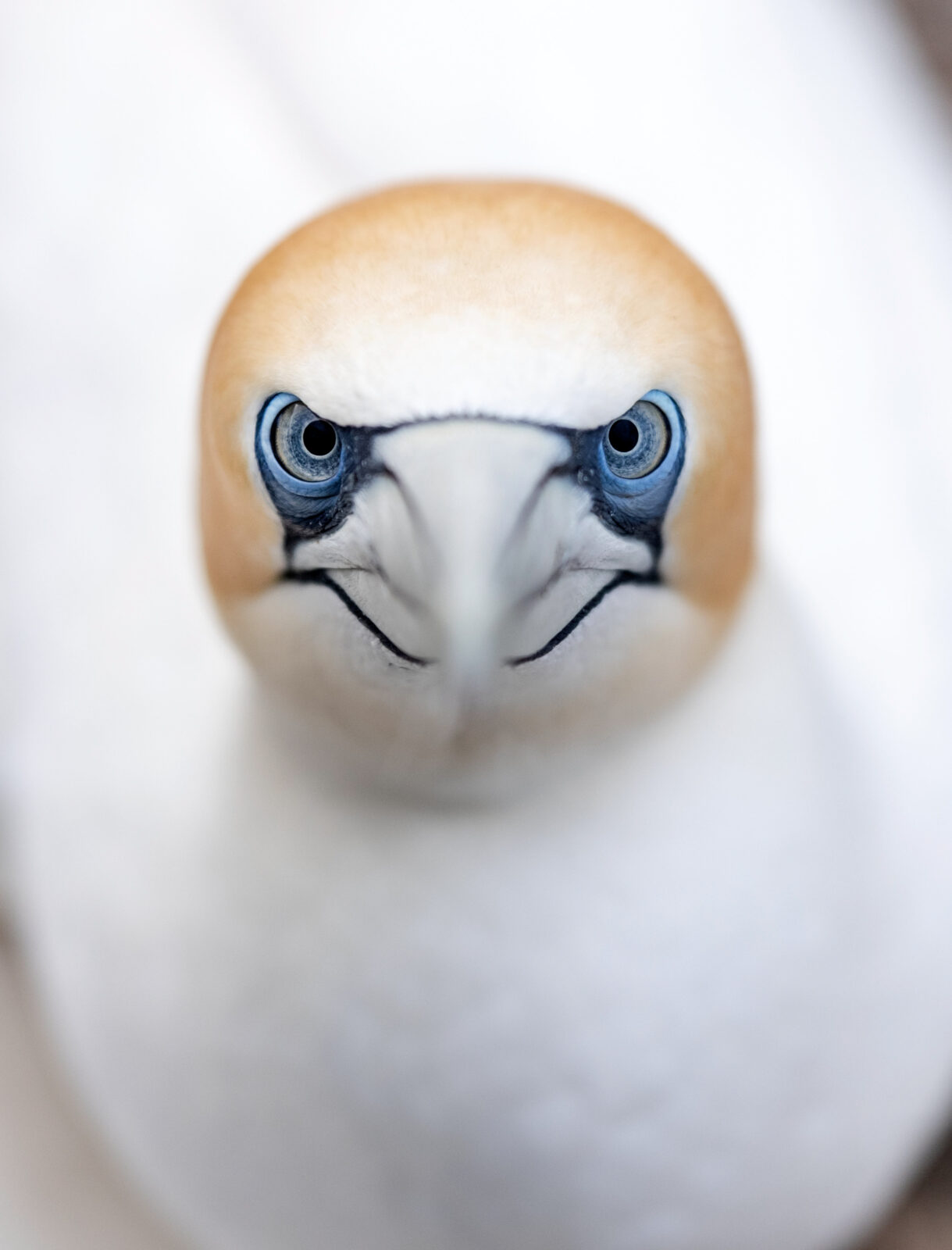
A gannet rests below the public viewing platform at the large gannet colony at Muriwai Beach–one of Simon Runting’s favourite photo spots. “I used a fairly short lens as the gannets are very close, and I wanted an extremely shallow depth of field to make the eyes really stand out,” he says. “The issue was keeping both eyes on the same focal plane and in focus.”
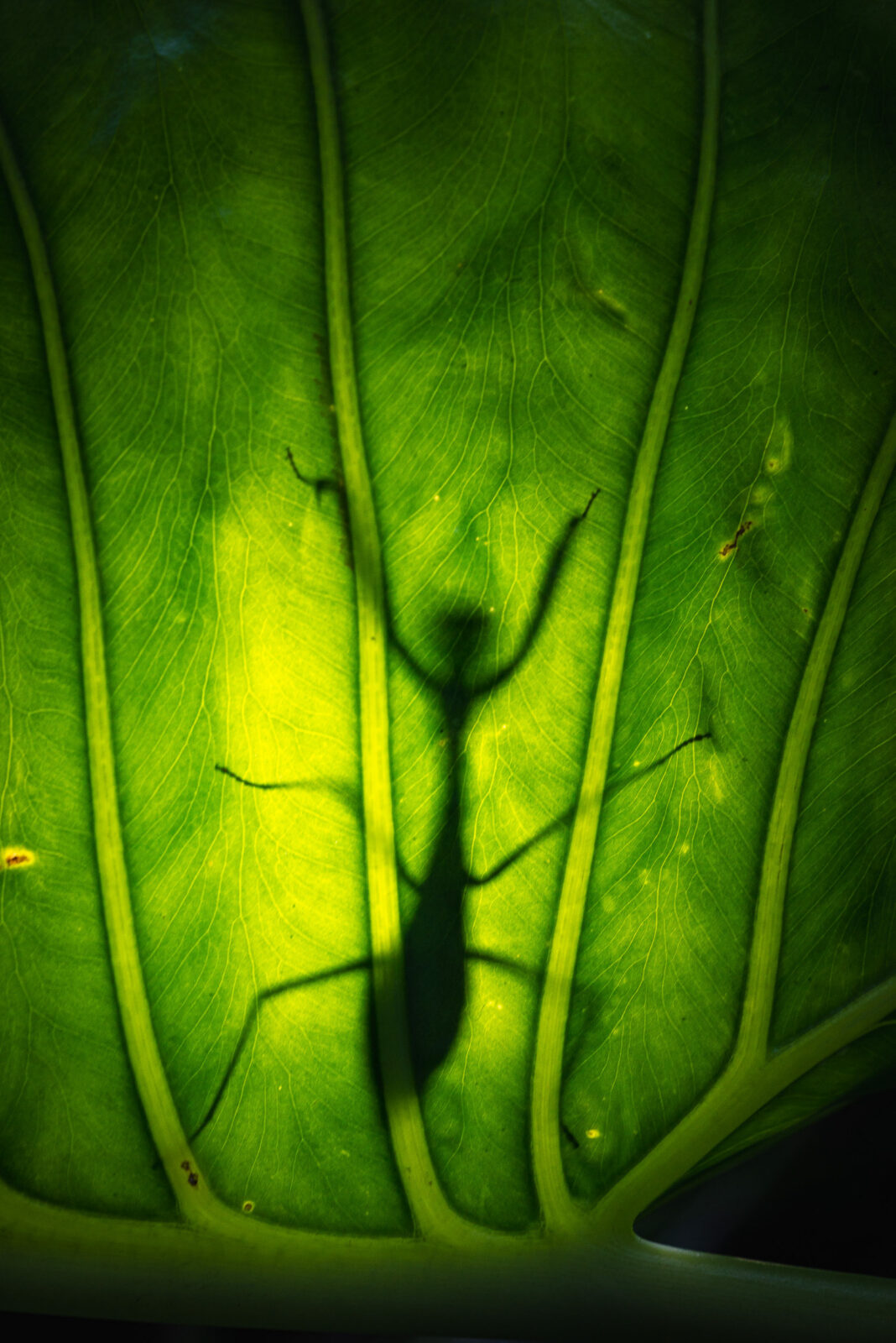
Exploring the garden with his macro lens, Oliver Stammers spotted a praying mantis on a taro leaf, its colour blending with the foliage. He used a flashlight to enhance light and shadow, and crouched below the leaf in order to capture the silhouette of the insect from below.
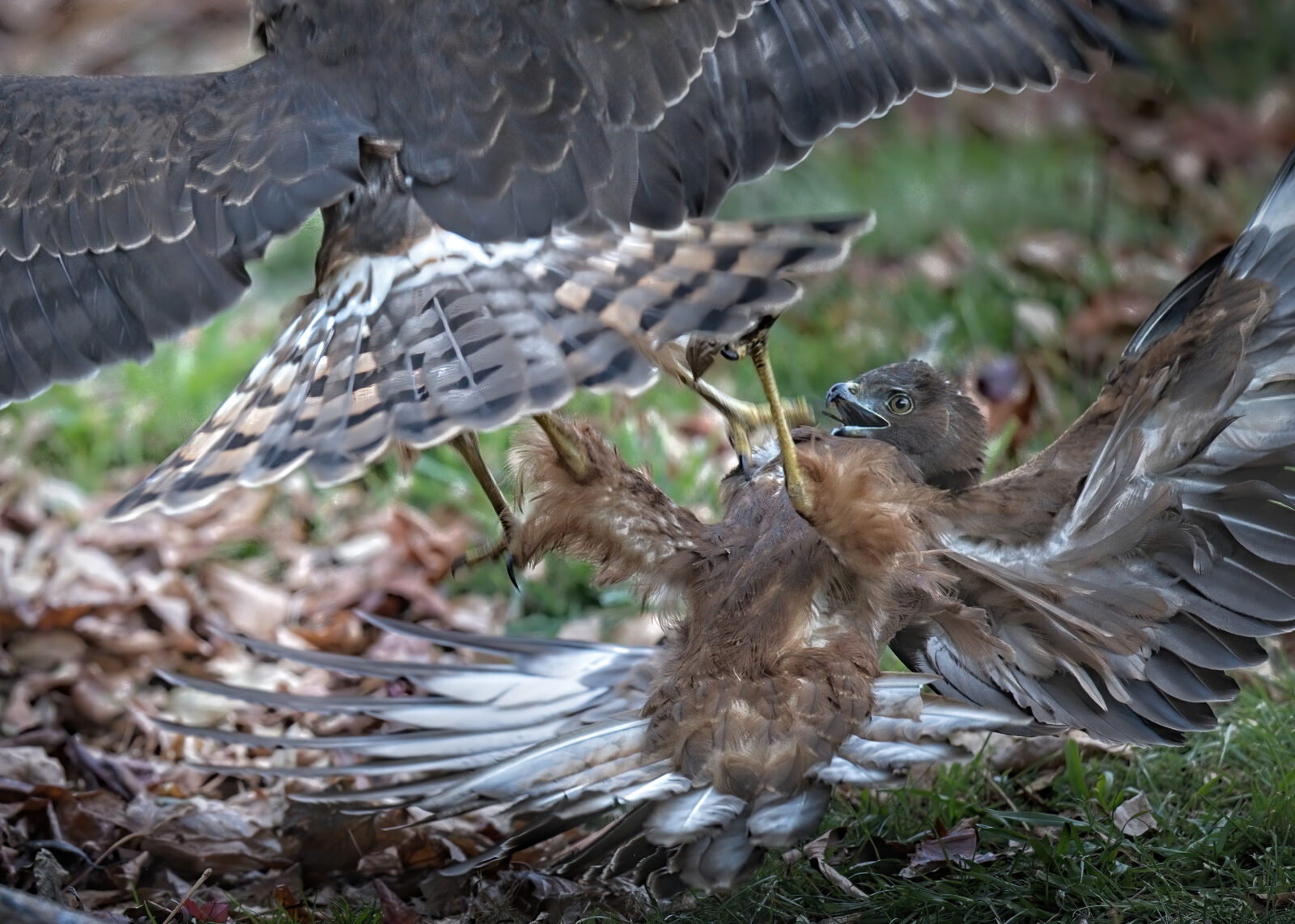
Two harrier hawks fight for ownership of a roadkill carcass. Martin Barwood was photographing one when, suddenly, a second bird swooped in “at lightning speed” to force the other away. “This young harrier hawk didn’t stick around for long after the larger bird made it clear it was time to move on,” he says.
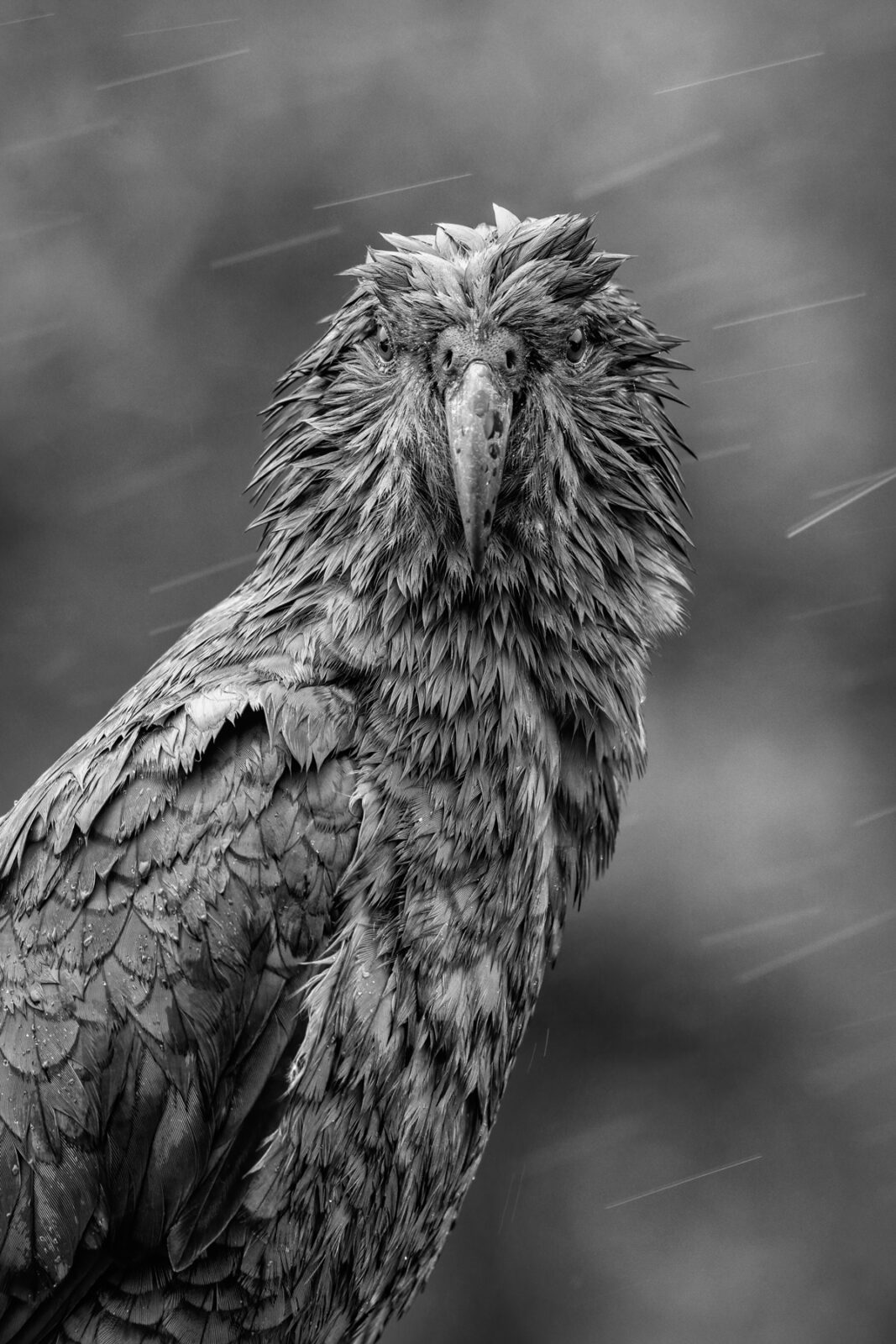
After closely watching weather forecasts, finally Jonathan Harrod spotted what he had been waiting for: a heavy rain event in Arthur’s Pass. He used a slow shutter speed to blur the near-horizontal deluge. “I spent a couple of hours with these kea in the pouring rain; they seemed completely unfazed, while I struggled to keep myself and my gear dry,” he says.
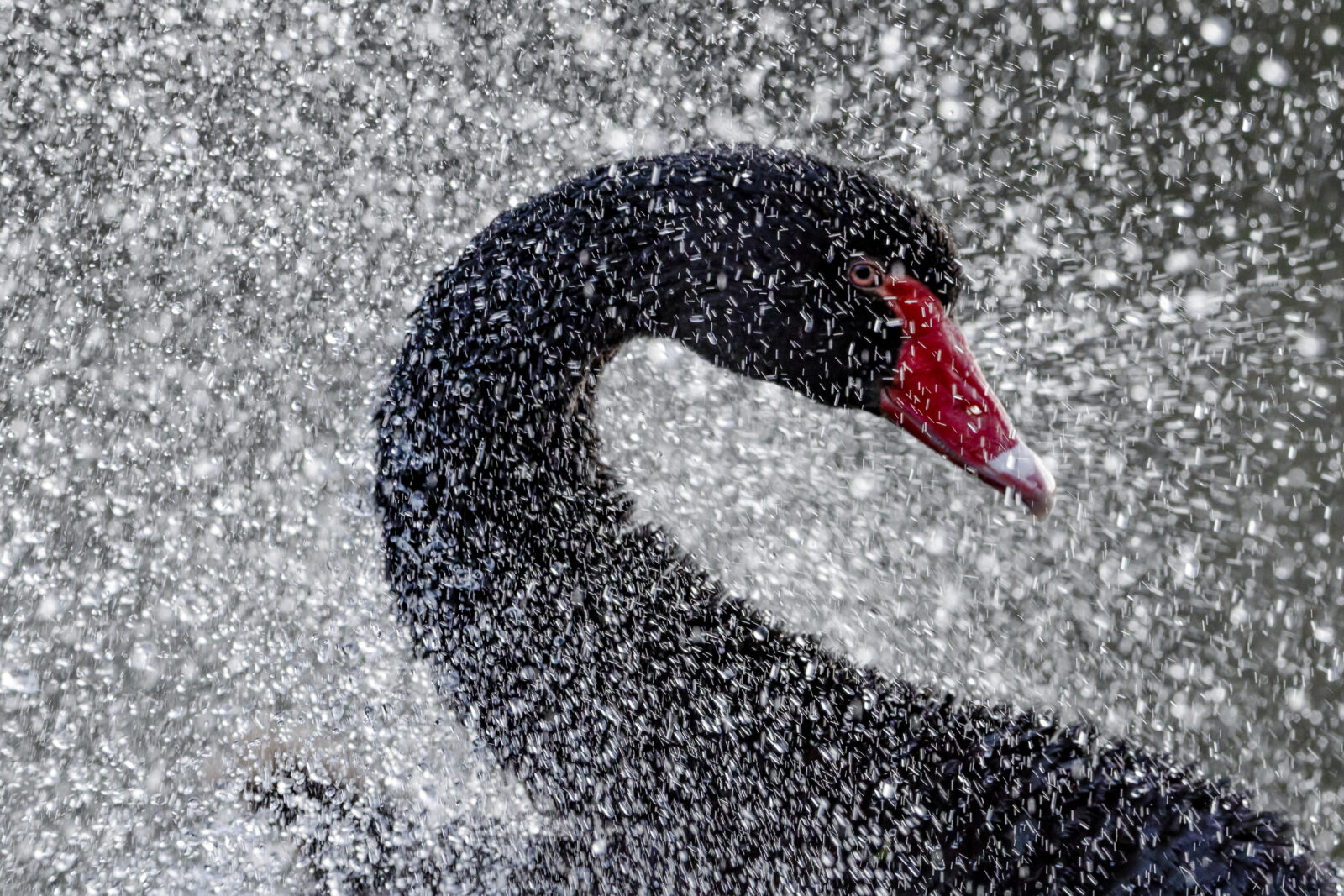
Early on a winter’s morning, Enzo Giordani spent half an hour photographing a black swan beating its wings in the water to clean them. “As one of the many people who love to get up before dawn and spend time photographing birds at Western Springs, I often gravitate towards the swans,” says Enzo Giordani. “Their long necks create beautiful shapes and curves.”
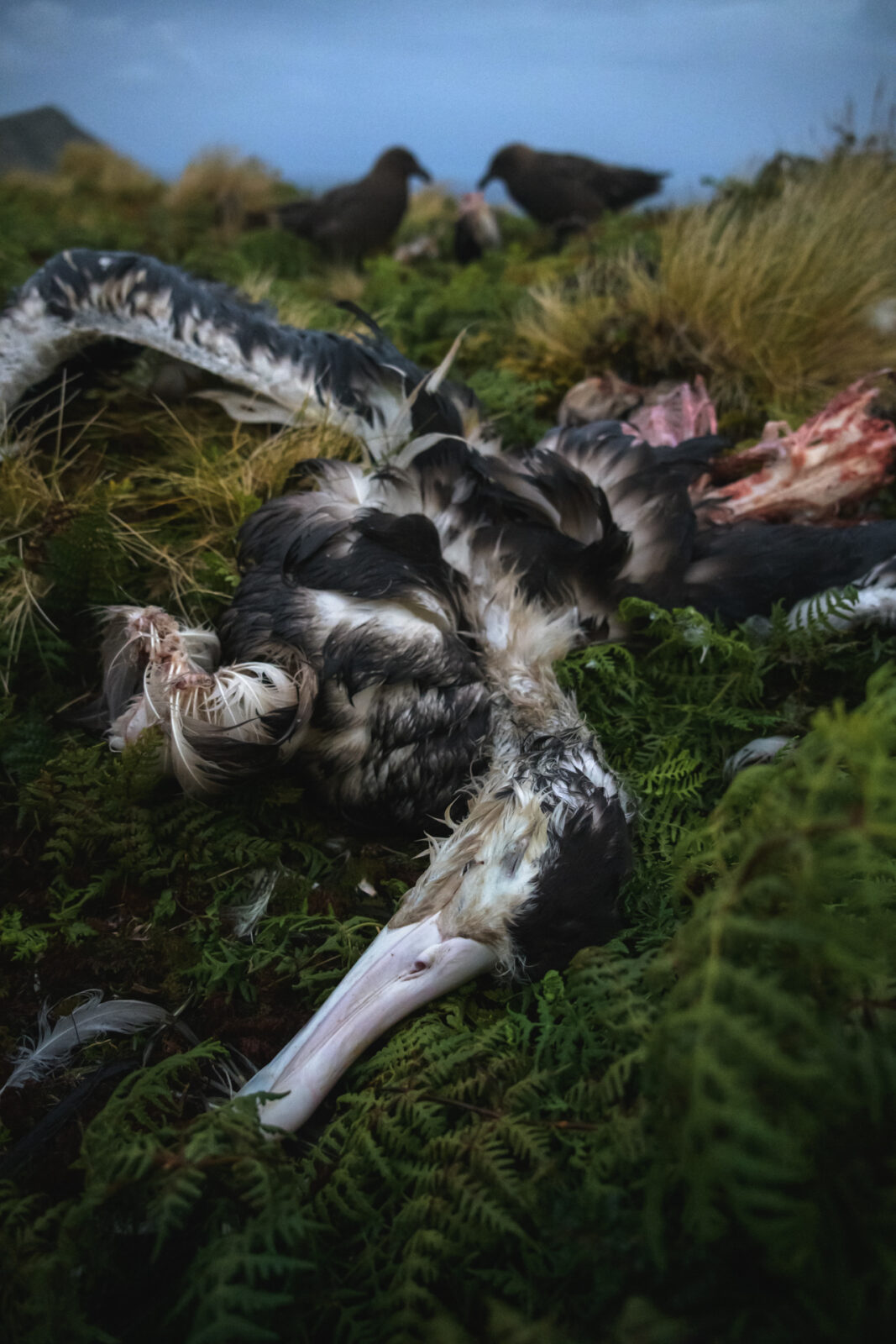
Not every Antipodean albatross chick makes it to fledging–leaving the nest and taking flight–either because their parents can’t find enough food, or one parent is killed as bycatch. “Lying face to face with the wreckage of a chick that I had seen alive only a few days beforehand was a sobering reminder of the threats these birds face,” says Edin Whitehead.
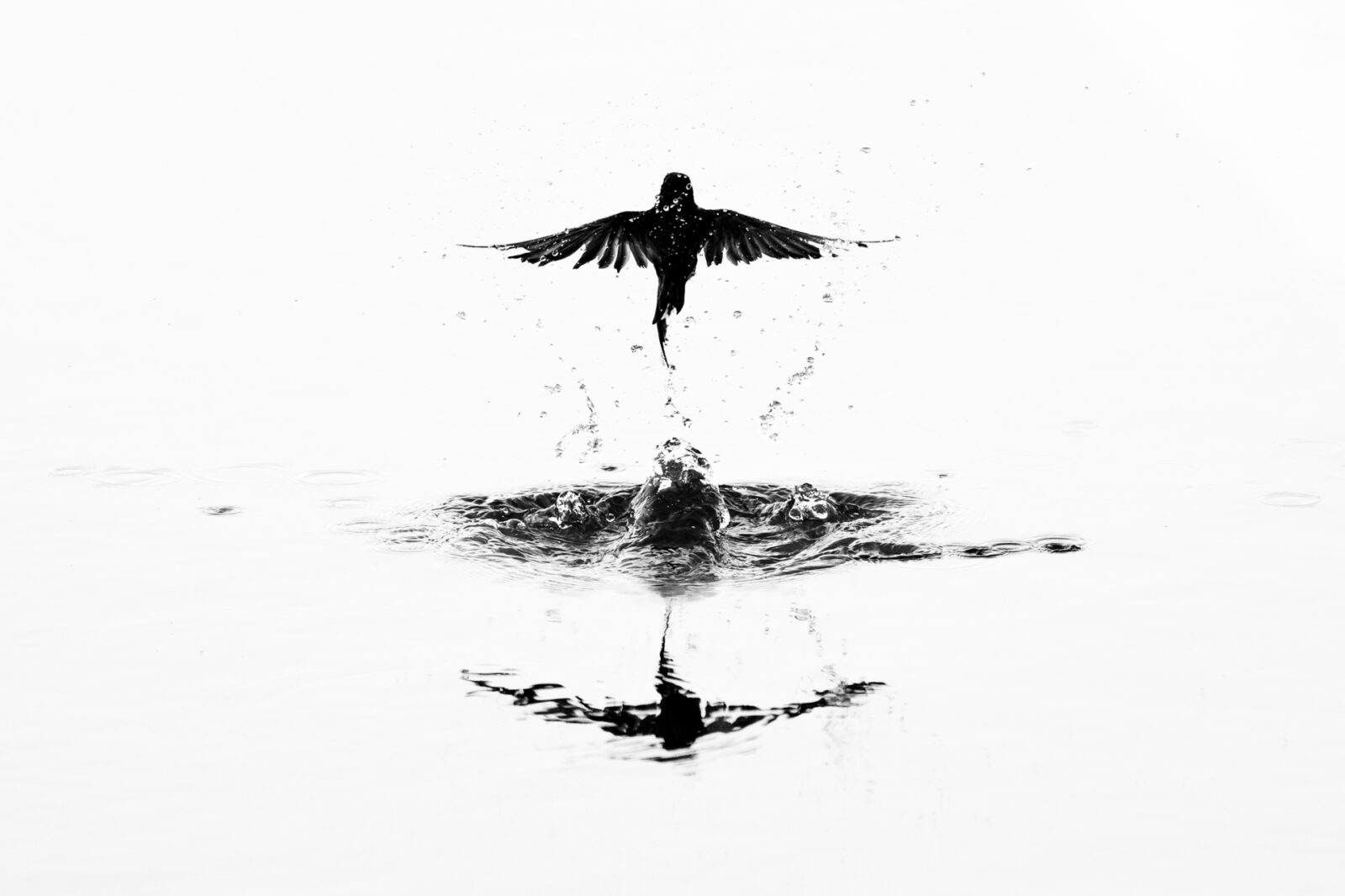
En route to the coast of Aorangi after a day surveying rako/Buller’s shearwater burrows, Edin Whitehead spotted a small flock of welcome swallows bathing on the wing. “I spent about ten minutes firing off shots as they dipped into the water,” she says, “hoping that something would be sharp enough to see the behaviour.”
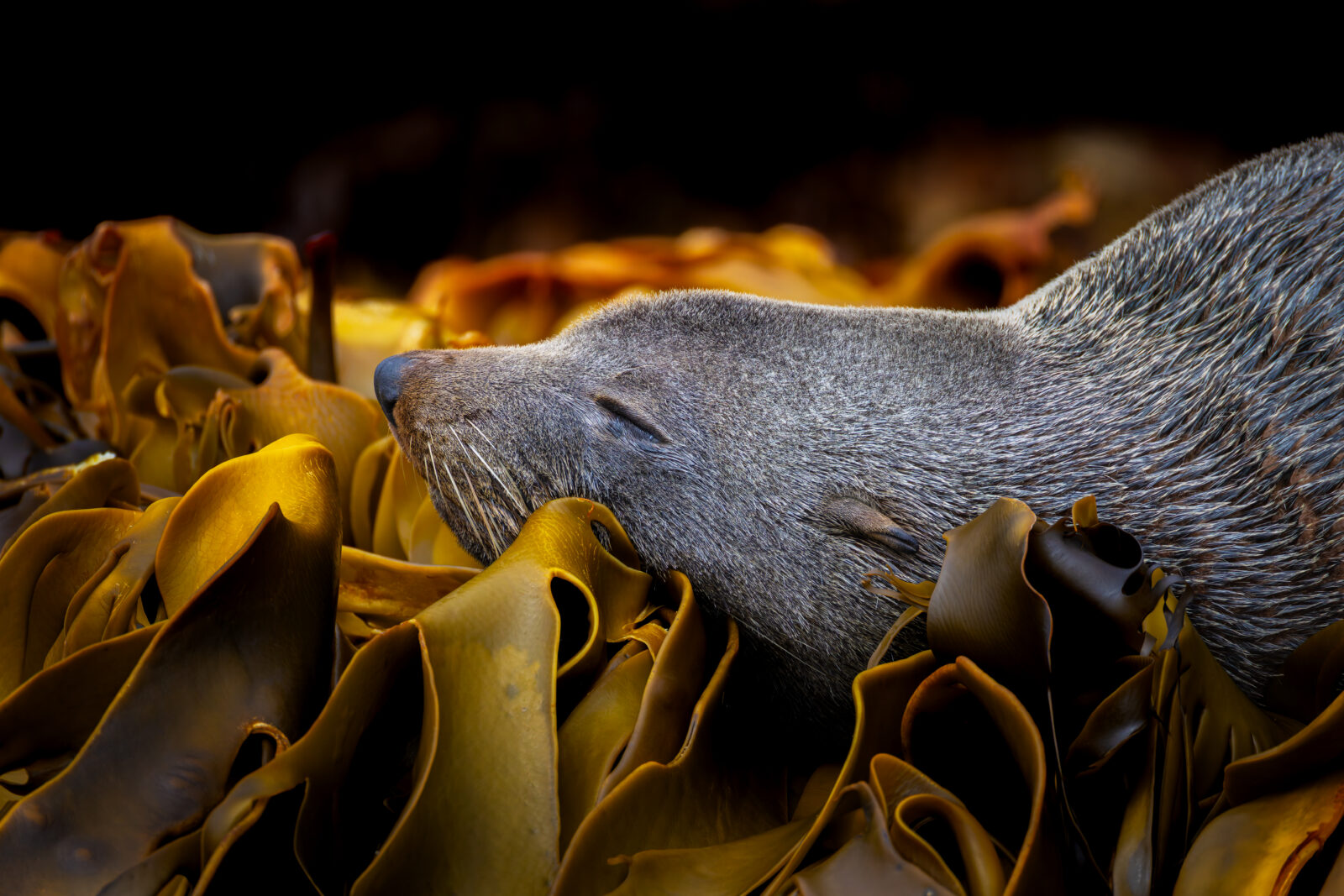
A kekeno/New Zealand fur seal takes a nap on a bed of giant kelp on the shoreline of the subantarctic Snares Islands. Danylo Hawks was photographing Snares crested penguins from a Zodiac when he spotted the sleeping seal. The challenge was keeping his long lens stable on the rocking boat.
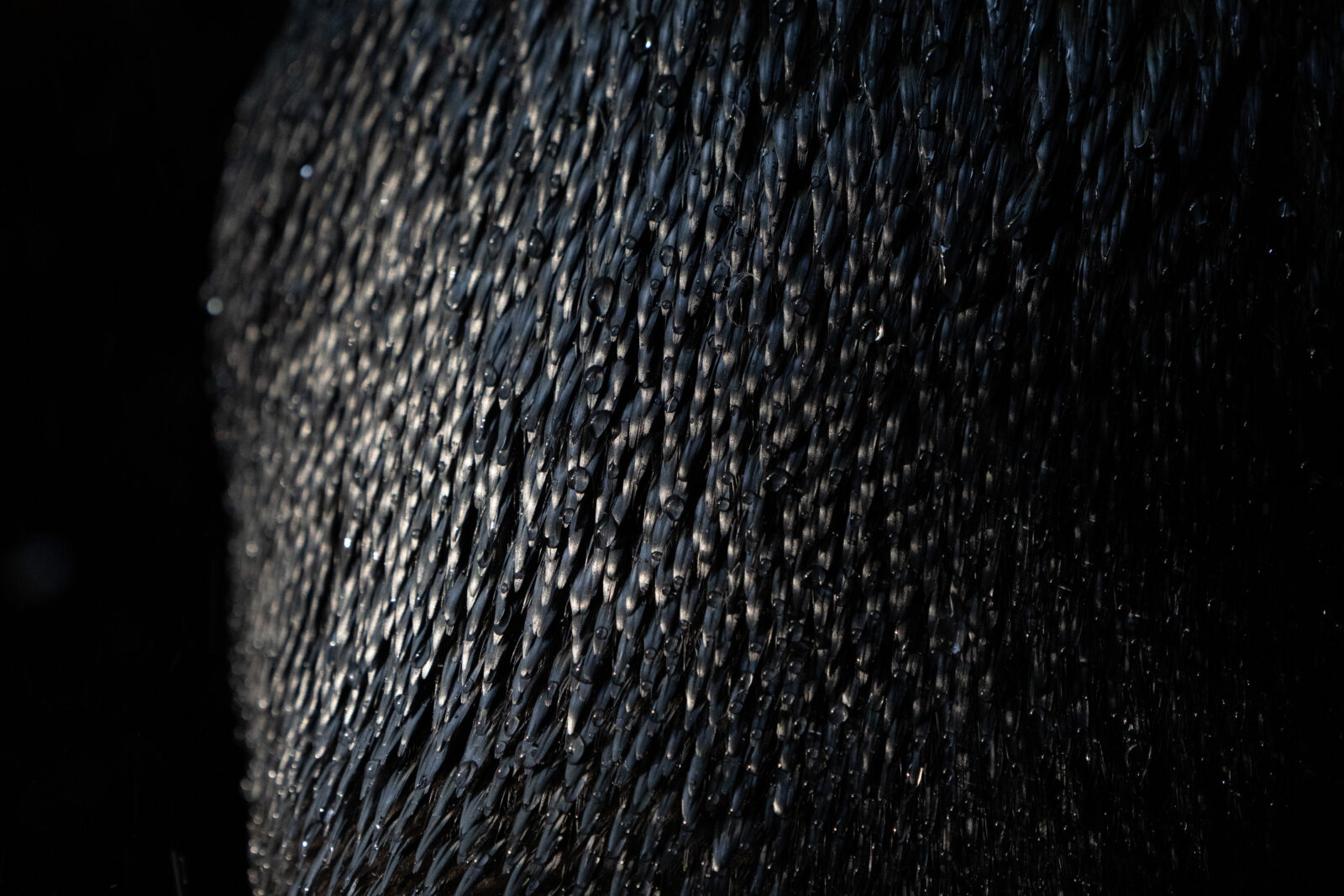
While camped on a beach at the entrance to Hāwea/Bligh Sound, Dan Sutherland came across a small cave where tawaki/Fiordland crested penguins were nesting. He hid behind a tree stump to photograph the tawaki as they emerged one by one to drink from a small waterfall, capturing a close-up of the feathers of one as it went about its business unawares.
Heritage Expeditions Wildlife
Anne Webber
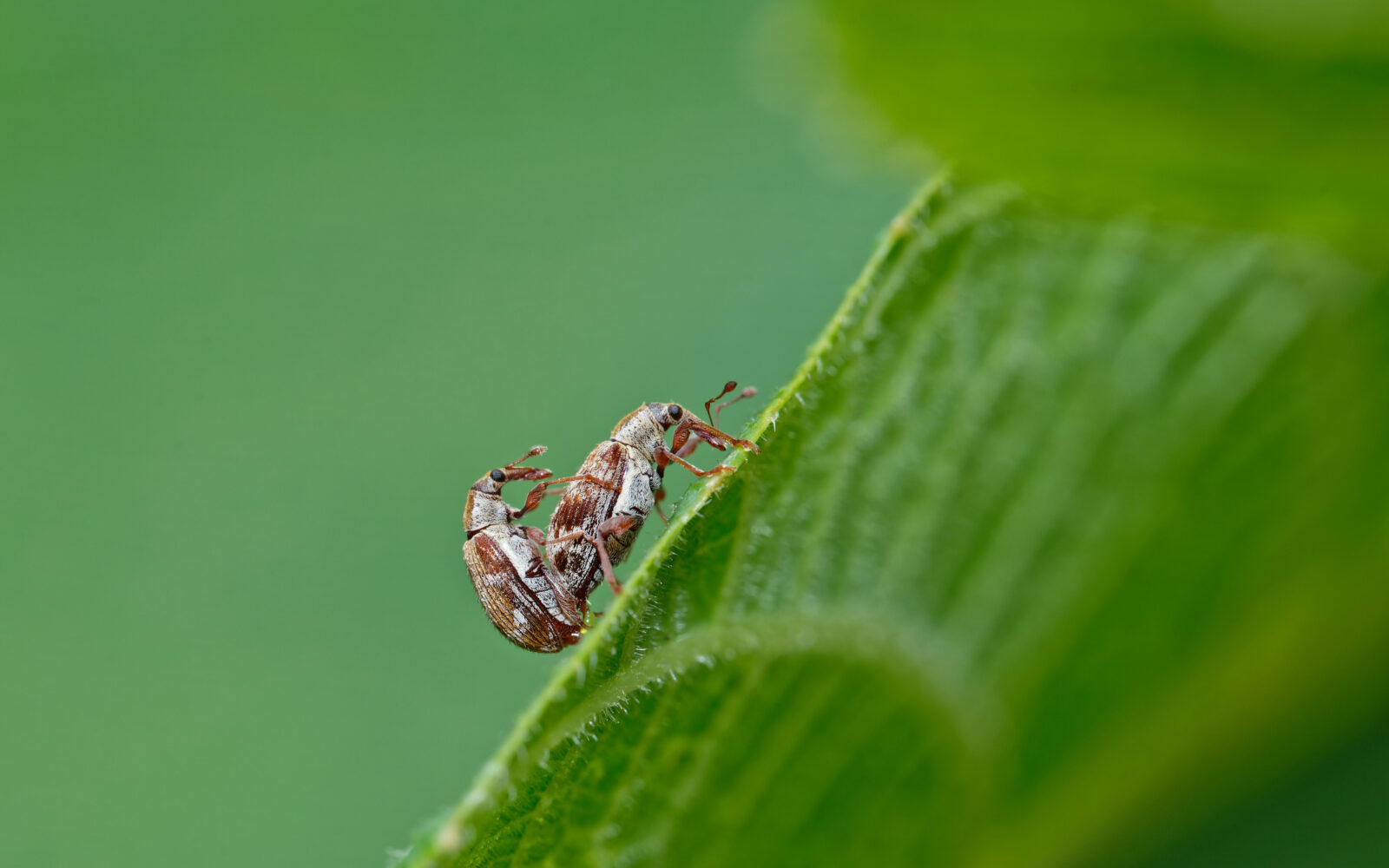
On a weekend photography trip to Golden Bay, Anne Webber was hoping to photograph wētā. Instead, she spotted weevils. The first was uncooperative and flew away, but searching for others, she came across this mating pair. Carefully, she experimented with different angles in order to capture and light them without disturbing the moment.
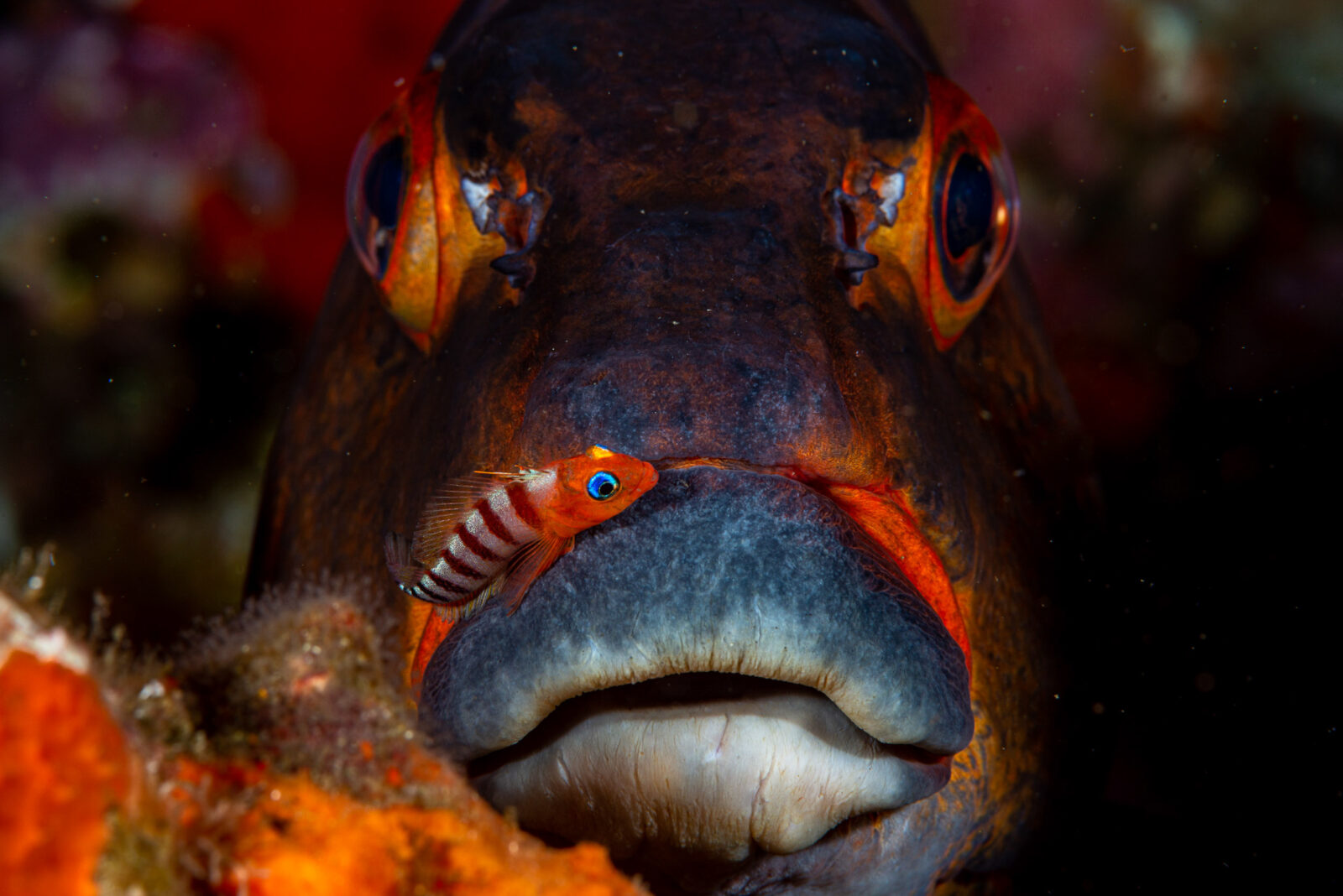
A blue-eyed triplefin cleans parasites off a red moki resting on a ledge in Blue Maomao Arch. When Alex Stammers noticed the red moki at rest, he positioned his camera and strobe arms to light it for a photograph. Just as he began to shoot, a blue-eyed triplefin swam into the frame and began to clean the moki’s face.
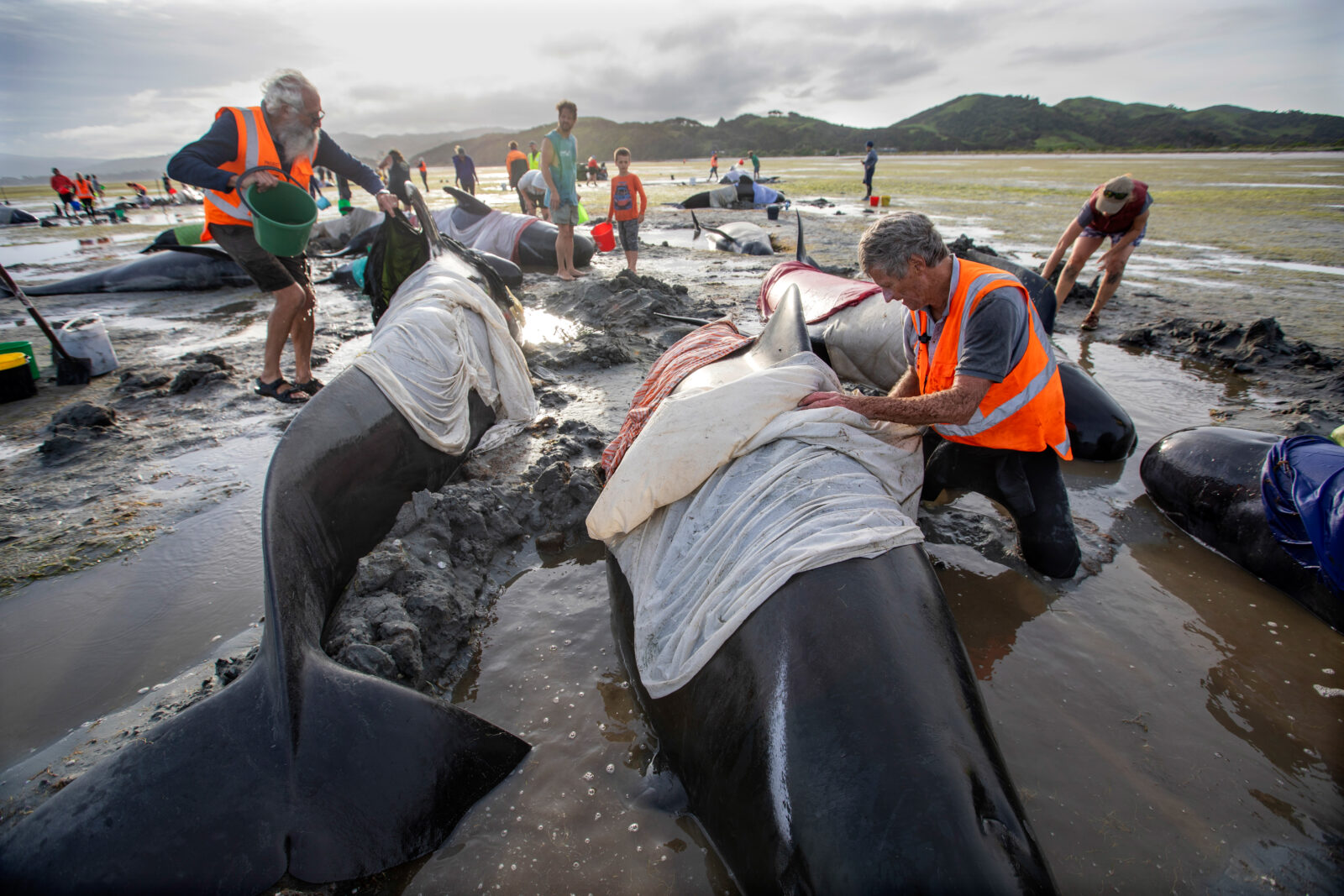
Project Jonah volunteers respond to the stranding of 39 pilot whales at Farewell Spit. Photojournalist Tim Cuff arrived on the scene in the evening and documented weary volunteers who had been caring for the whales all day. The whales were re-floated twice before the survivors finally left the bay.
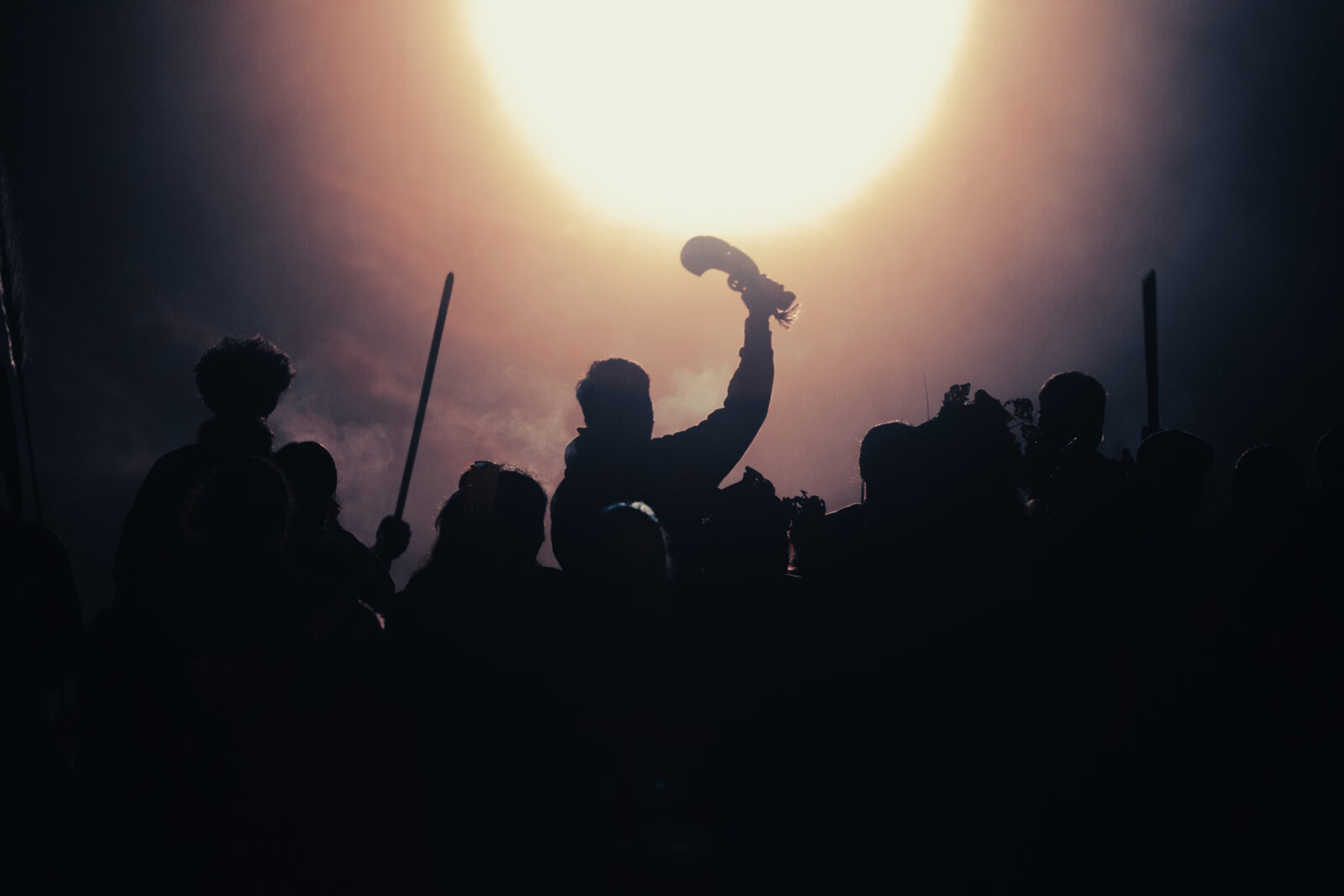
Beneath a full moon, a warrior lifts his patu in a reenactment of Te Ika a Ranginui, a pivotal battle between Ngāti Whātua and Ngāpuhi, as hundreds look on. The reenactment, which took place in March, marked the 200-year anniversary of the battle. With photography limited by darkness, Tamaira Hook focussed on capturing silhouettes of the patu and taiaha.
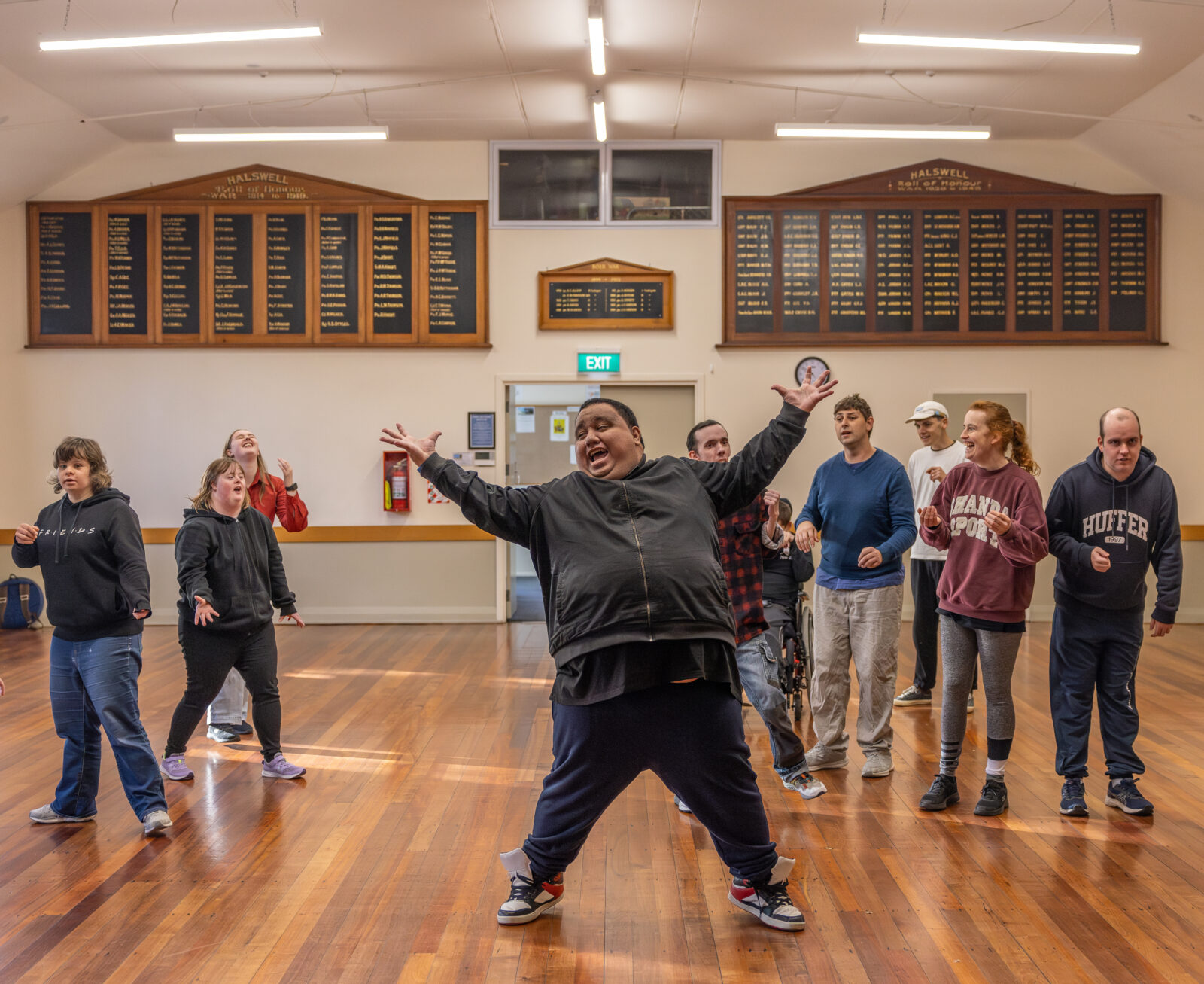
Members of the Inclusive Performance Academy of Canterbury, young people living with mental and often physical disabilities, practise for an upcoming show–their 10th. While this show had a history theme, there was also room for improvisation. “Much of what they do is totally spontaneous–like Haiti stealing the show in this image,” says Peter Meecham.
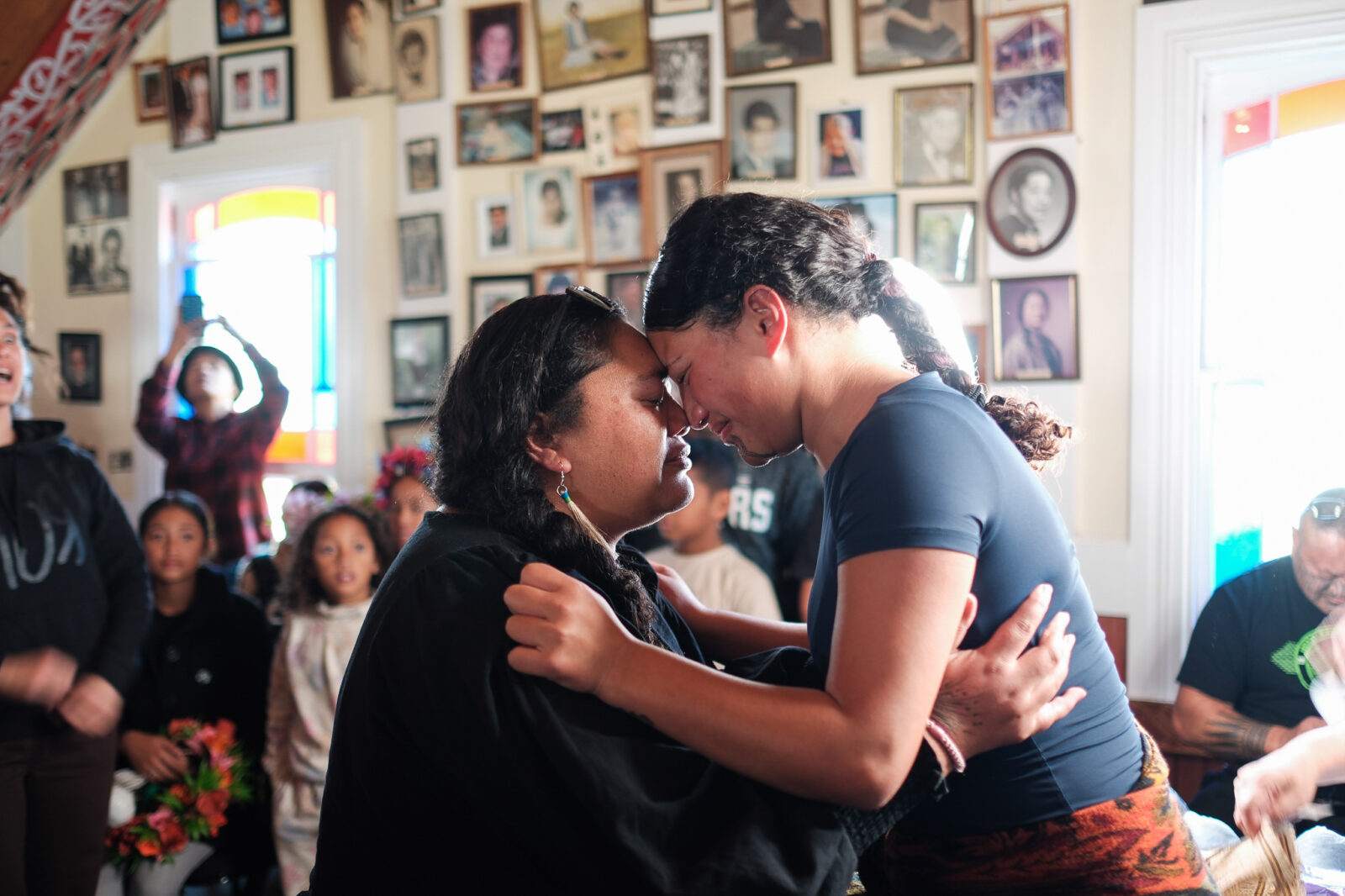
A mother greets her daughter after receiving her moko kauae as whānau surround them both, performing a haka in celebration. “This was one of many candid photos caught during the entire process of Rangimarie Kara receiving her moko,” says Manihera Te Hei.
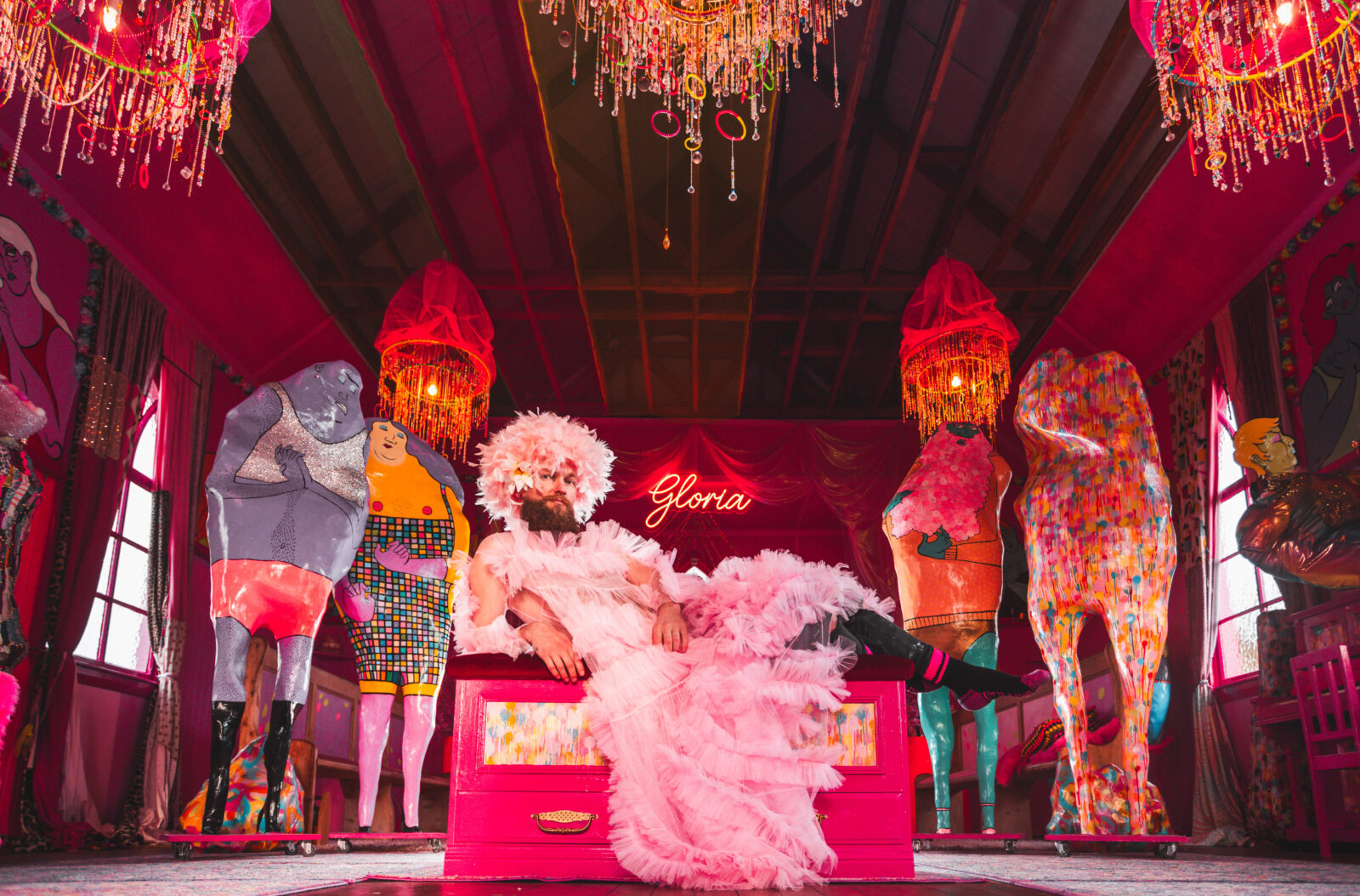
Artist Sam Duckor-Jones poses in his live-in art project, Gloria the Pink Church, surrounded by the congregation he’s created. “I wanted to capture Sam's personality and the enormous effort he has put into his project,” says Jason Blair. That meant capturing the kaleidoscope of colours central to the experience of visiting Gloria in real life.
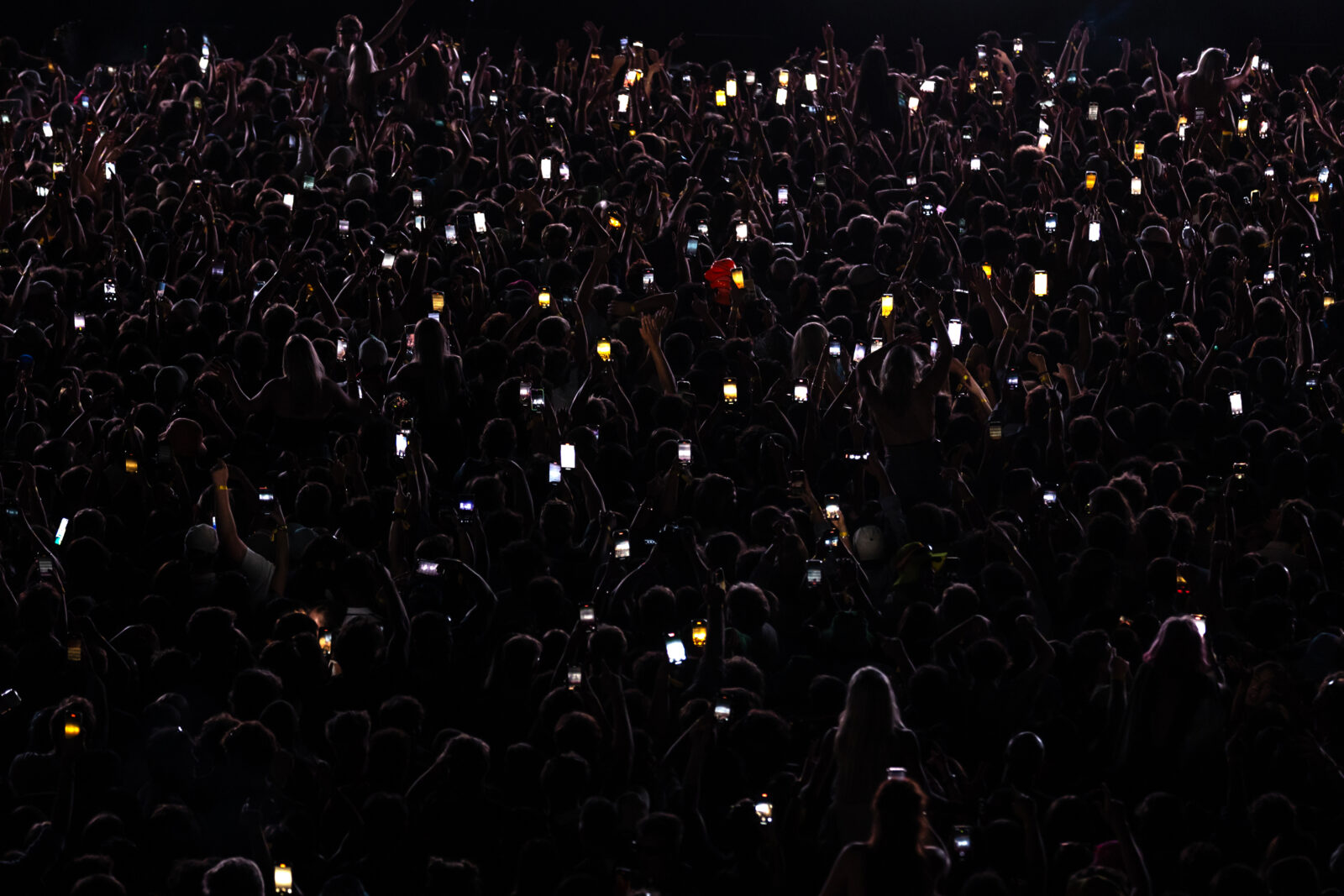
The Electric Avenue annual summer music festival in Hagley Park is illuminated by the artificial light of concertgoers making videos of the drum and bass act Chase and Status. “People spent more time filming on their phones than they did watching with their eyes,” says Iain McGregor, who is a senior photojournalist at Stuff.
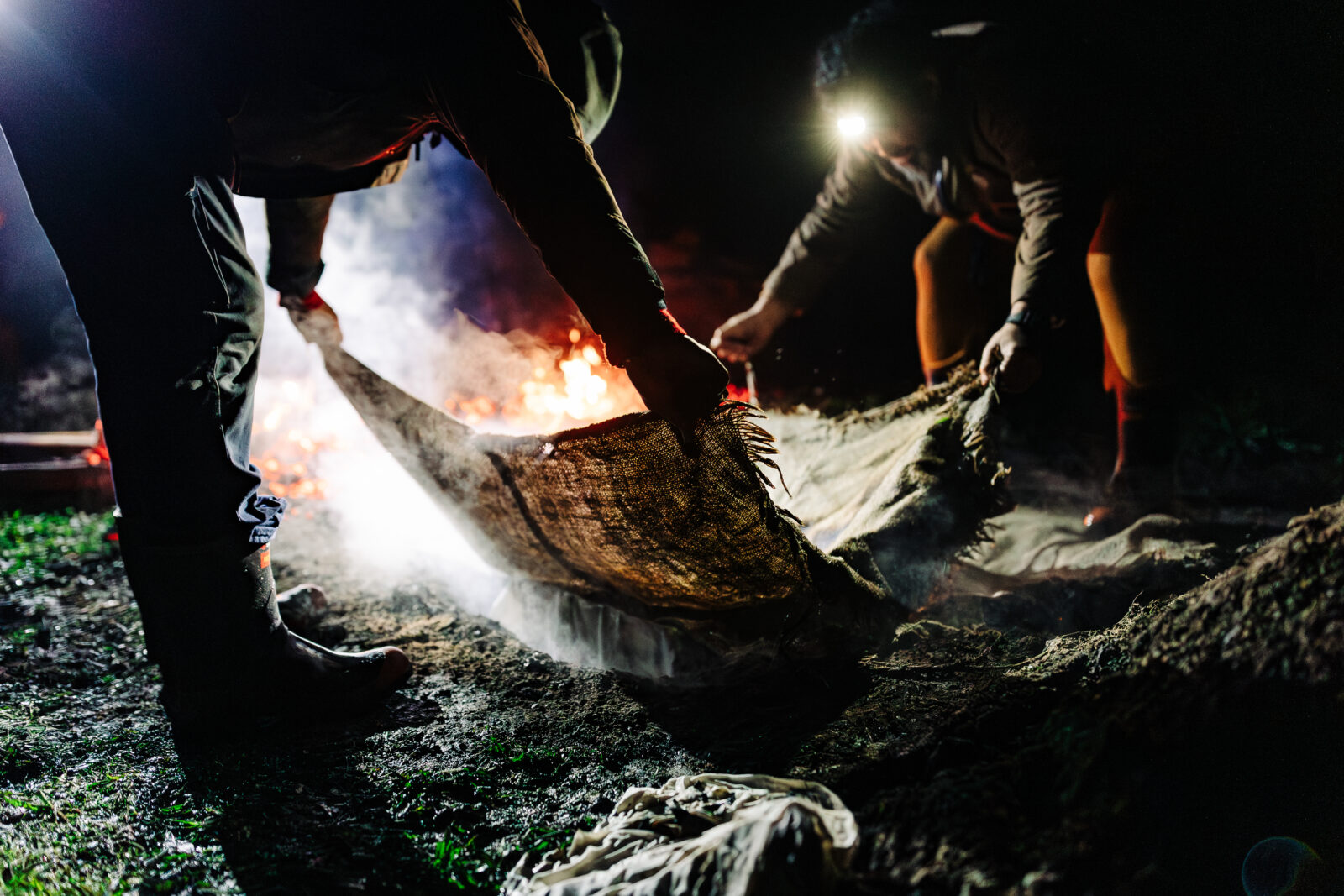
Wet sacks are placed over baskets full of kai, which will be buried under layers of dirt to cook slowly on the piping hot stones beneath. Erica Sinclair woke early to photograph her cousin laying down the hāngī, and make sure her cousin and his friends wore head torches while they worked. “I knew with the fire and the steam, it would make for a pretty dramatic scene.”
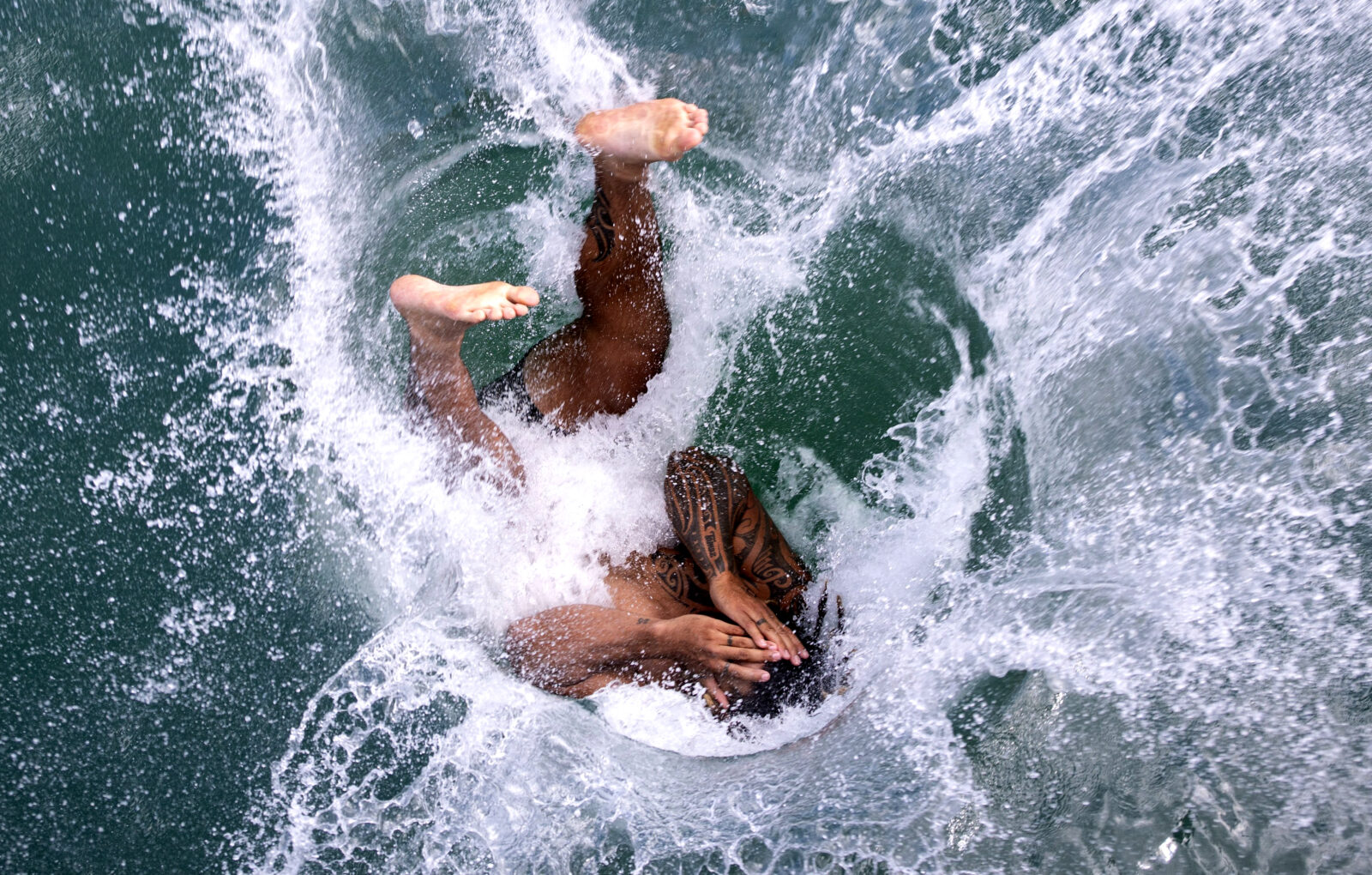
Nikora Puhi-Royal competes in the classic category at the Manu World Champs, demonstrating perfect form: body in a V-shape, backside hitting the water first. The manu is a type of bomb designed to create a very large splash; the competition also has a division for jumpers experimenting with freestyle forms, from head-first plunges to cannonballs.
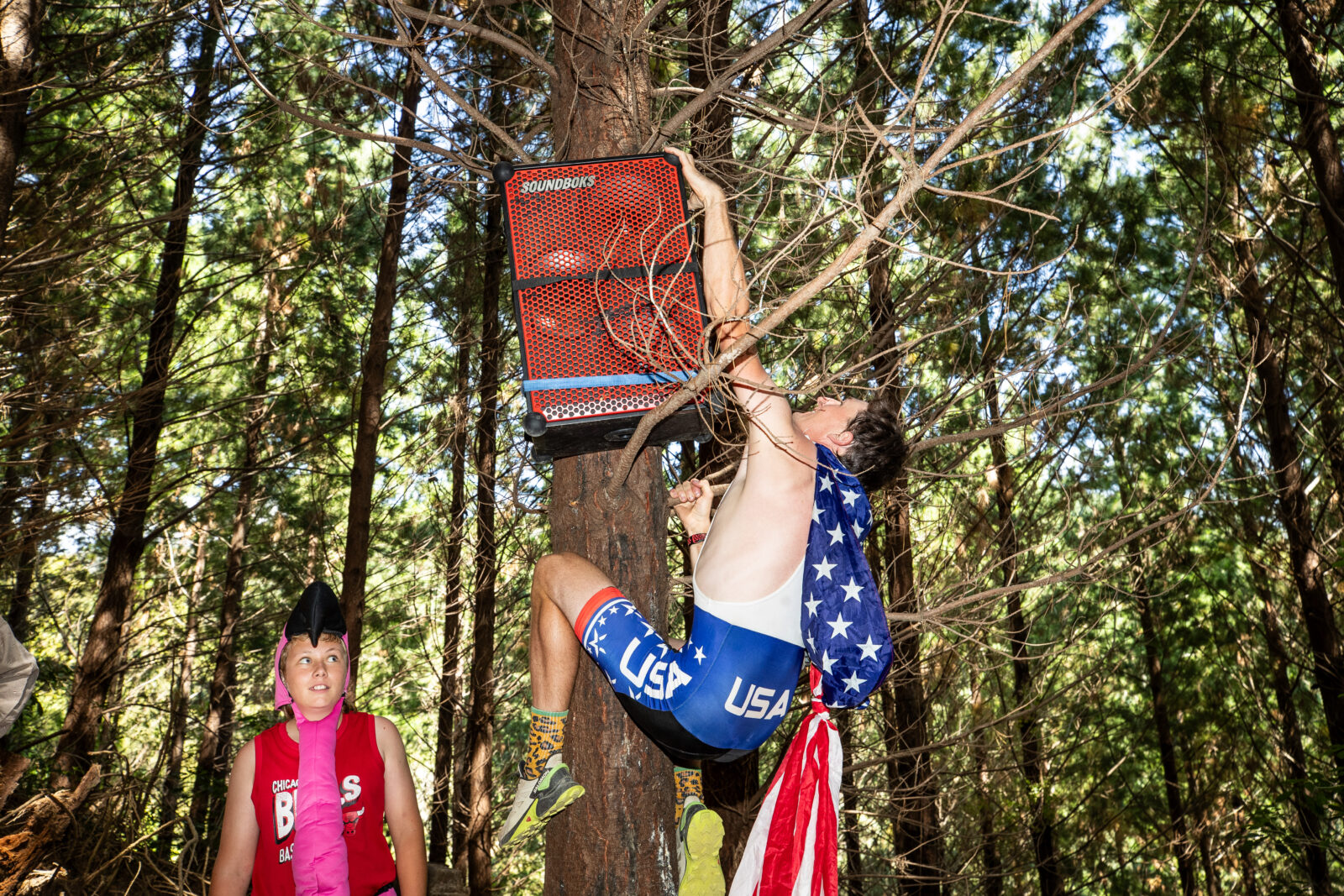
During the Cable Bay Enduro, a multi-part mountain-bike event, Oliver Smith watches Cam Moore attach a speaker to a tree. “The dedication to supply beats for both the fans and competitors is quite an important part of building atmosphere,” says Braden Fastier. “Others bring cowbells and chainsaws with the sharp bits removed.”
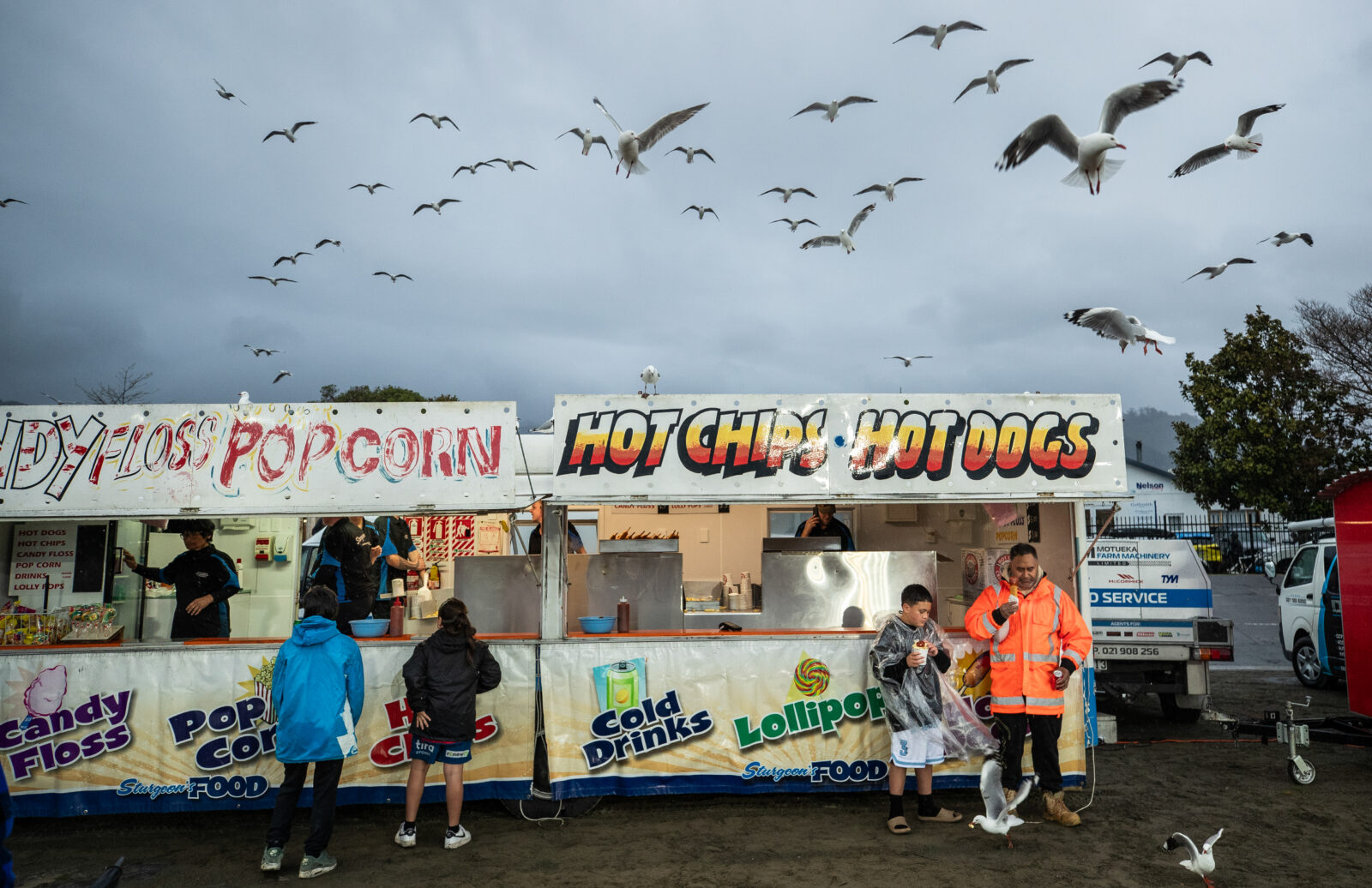
On a wet Wednesday night in October, Tasman Mako rugby fans grab some kai from a food cart during the Ranfurly Shield match against Auckland. “I find that at rugby games, the crowd and fans are just as interesting as the match itself,” says Braden Fastier. The Mako won the match 31-17.
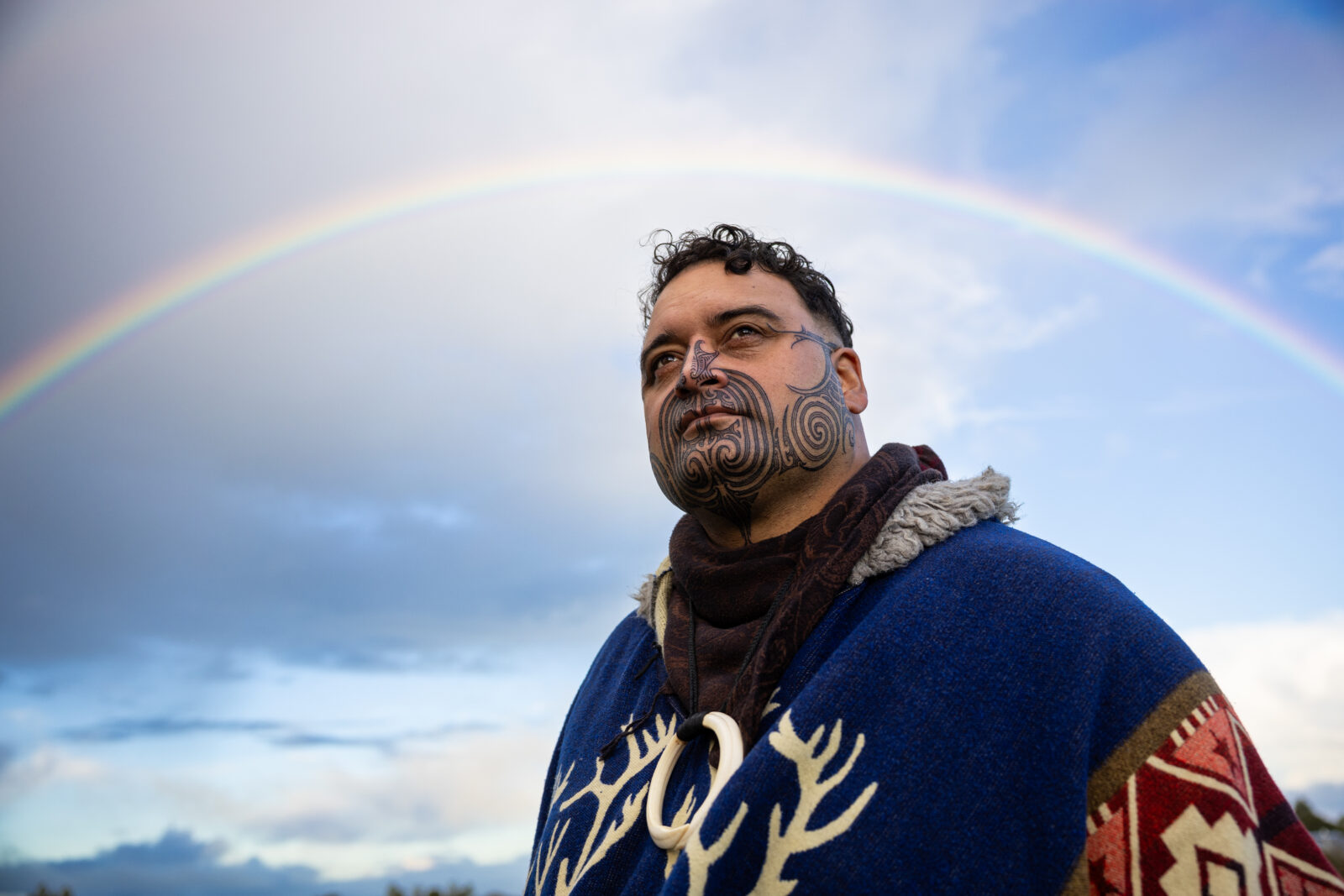
After receiving his own mataora, a facial tattoo, Te Rawhitiroa Bosch offered to photograph the process of his friend, the musician Troy Kingi, receiving his. “The uenuku [rainbow] appeared at the completion of his mataora and so we went outside to capture this portrait under its magnificence,” he says.
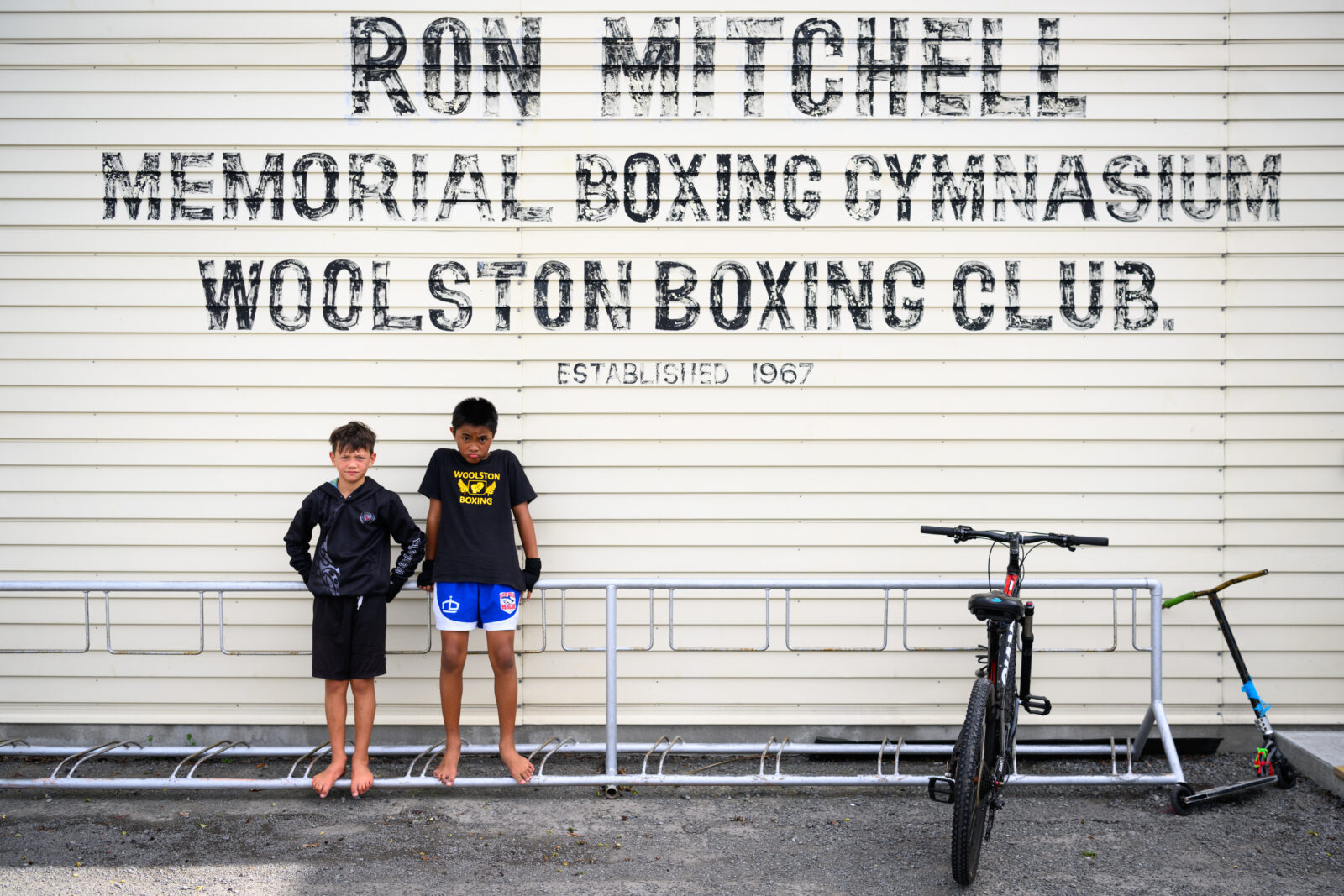
Nine-year-old Isaia Rapata-Gage and 11-year-old Nico Tia-Faitaua wait outside the Woolston Boxing Club following a training session. Schwoerer was setting up for a portrait of the pair of them outdoors when he noticed their expressions and quickly captured this shot. In March, both boys competed in the South Island Novice Championships alongside around 200 others.
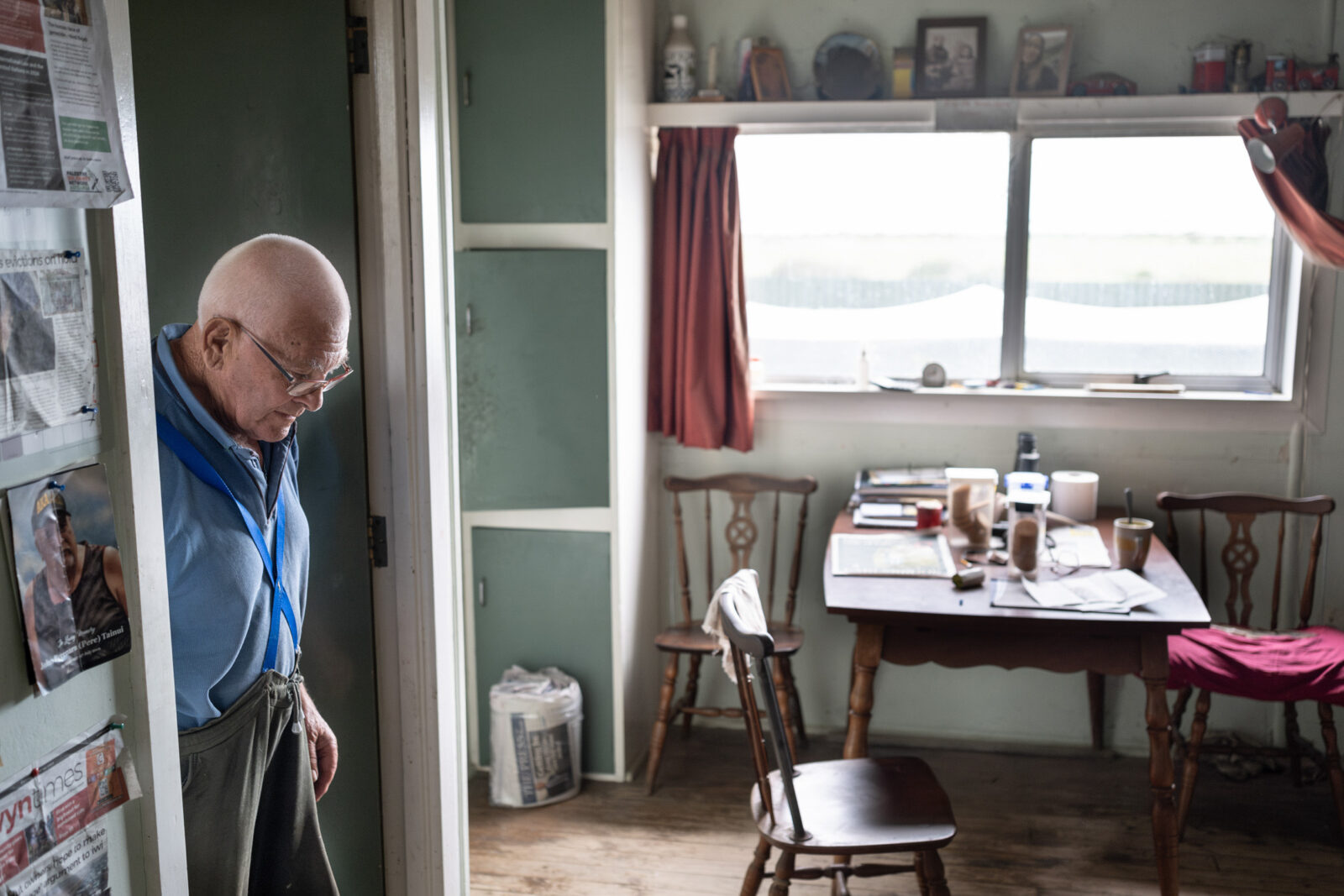
Don Brown, who lives in one of the 32 Greenpark Huts, has worked as a customary fisherman on Te Waihora/Lake Ellesmere since the 1970s. On June 30, 2025, all residents of the huts were required to leave; their leases had expired, and the landowner, Ngāi Tahu, had not renewed them. Brown, whose ancestry includes Ngāi Tahu, Ngāti Mamoe and Waitaha, protested the evictions.
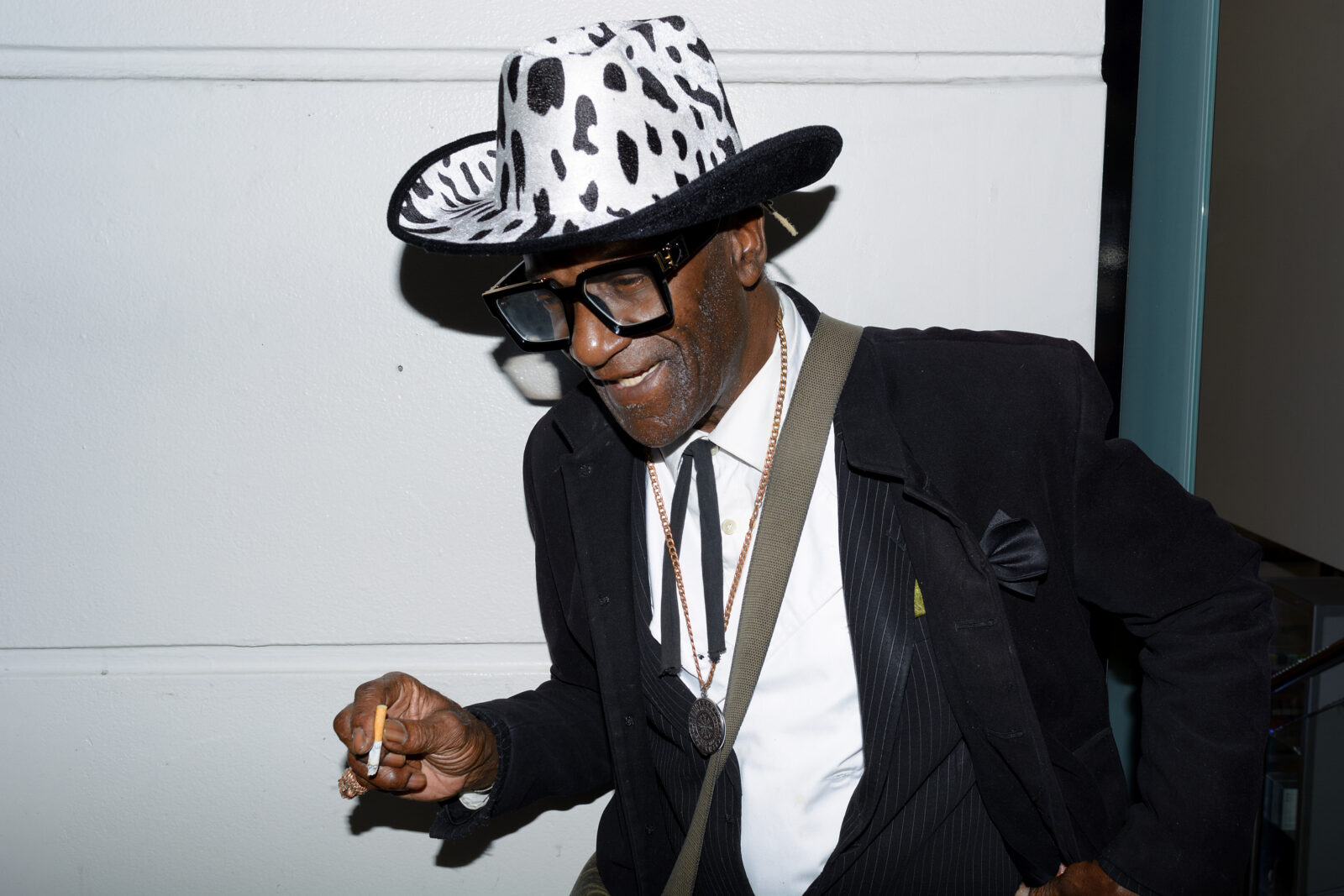
Mister Sunshine, real name Larry Woods, is one of Auckland’s most colourful characters. A former multimillionaire who lost it all–as the documentary about his life recounts–Mister Sunshine makes a living shining shoes. Elie Kayrouz complimented his hat, and, after some back-and-forth, asked him for a picture: “Lovely guy,” he says.
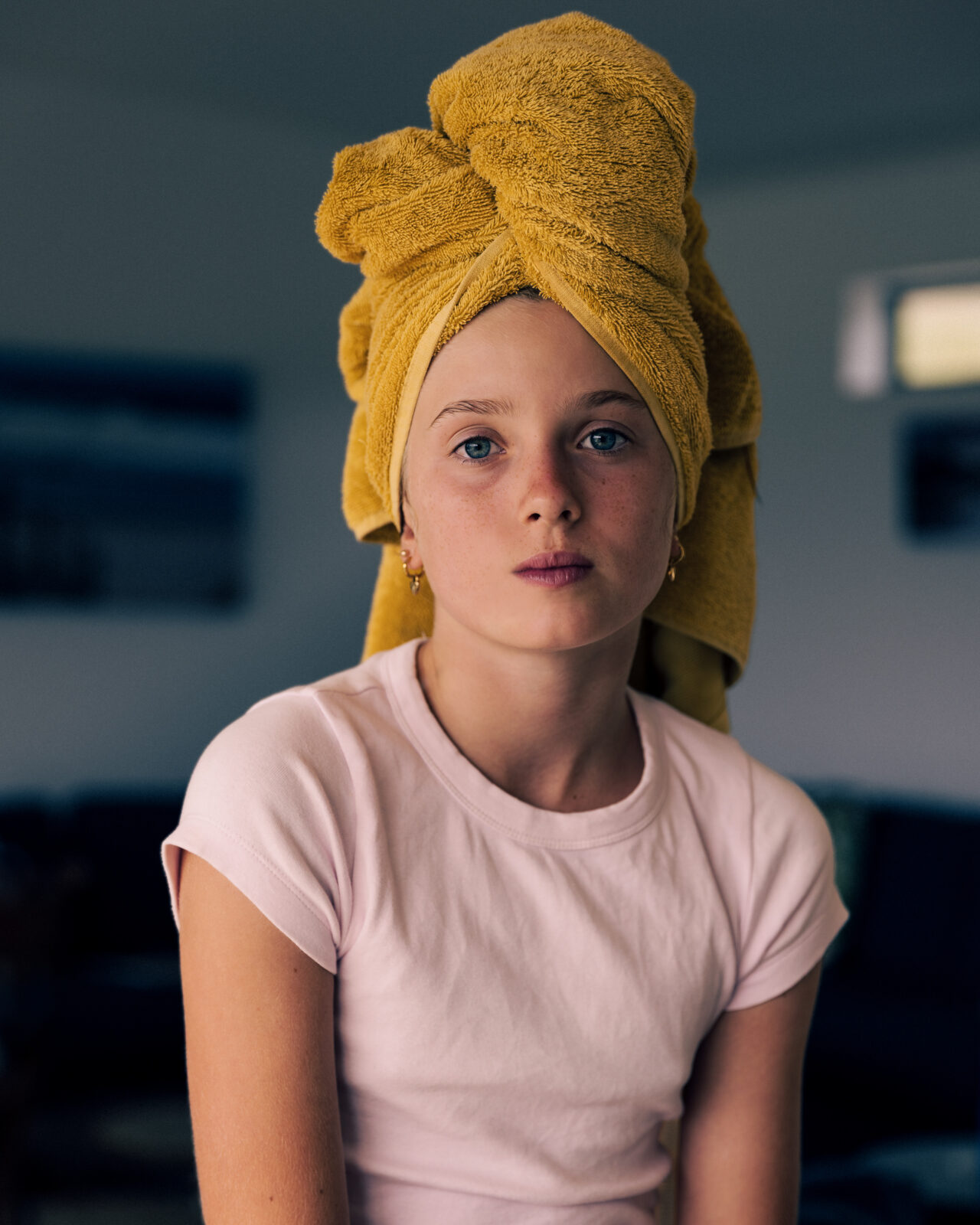
A spontaneous portrait of Duncan Innes’s 12-year-old daughter Eva after a morning swim captured a sense of imminent change. “This moment struck me as the first glimpse of adolescence: the makeup, the towel twisted on her head and the way she was sitting, with a poise that feels beyond her age,” he says.
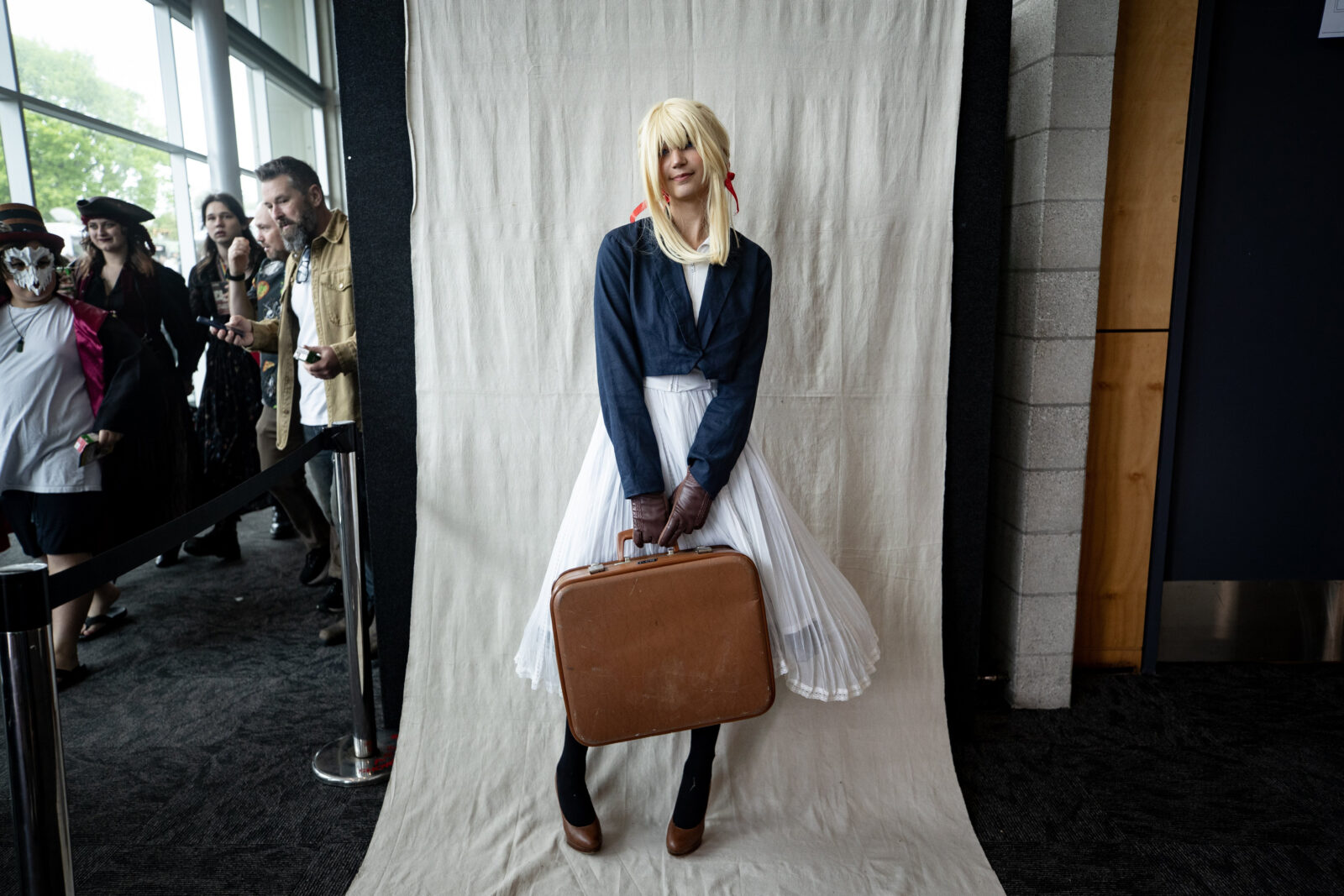
Sarah Holdaway poses in costume as Osamu Dazai from the manga Bungo Stray Dogs during the Armageddon Expo, an annual science fiction and pop culture convention held in Auckland. Dean Purcell photographs street style for the magazine Viva, capturing the portrait’s environment as well as the person at its centre.
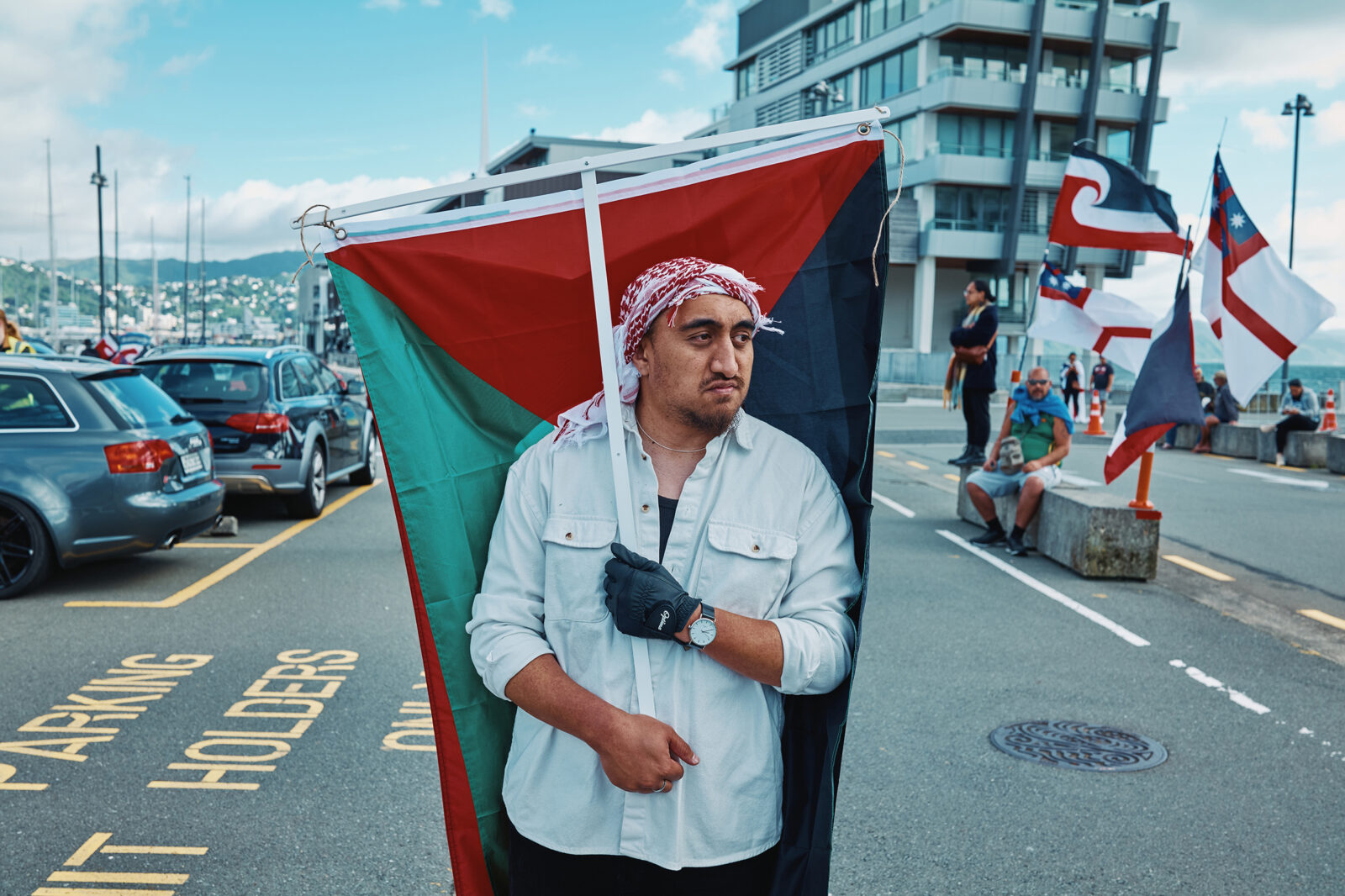
In November, tens of thousands of people joined the Hīkoi mō Te Tiriti, a march towards Parliament in opposition to a bill that attendees believed would dilute the Treaty of Waitangi. Among the many Tino Rangatiratanga and He Whakaputanga flags, Abe Mora noticed the Palestinian flag. “Indigenous peoples see the struggle to overcome oppression as a common goal,“ he says.
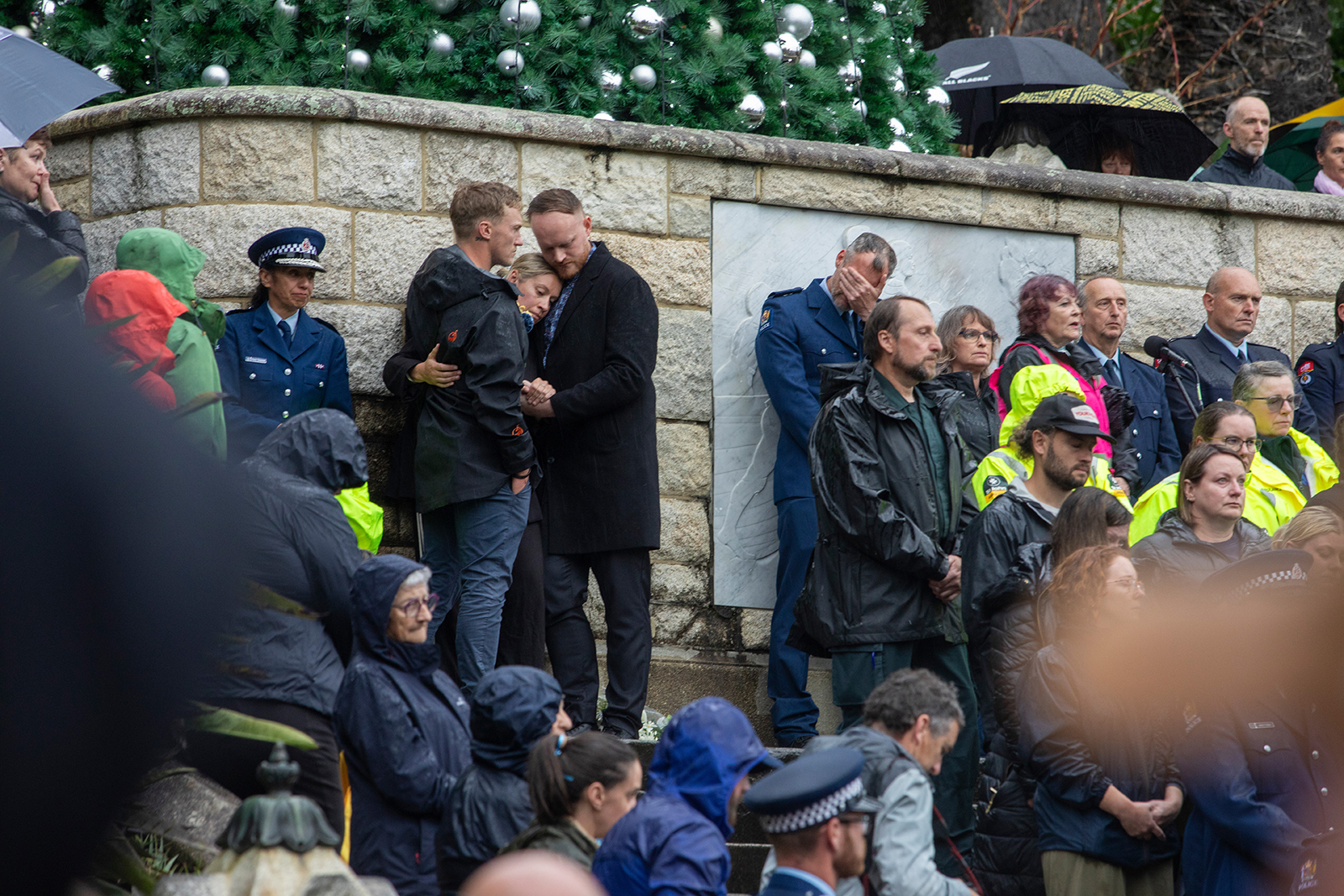
Senior Sergeant Lyn Fleming was killed in the early hours of New Year’s Day 2025, the first New Zealand female officer to lose her life in the line of duty. The two weeks that followed saw an outpouring of community support, including a public vigil in pouring rain in the city centre. “Without doubt, the saddest event in my nearly 20 years working in Nelson,” says Tim Cuff.
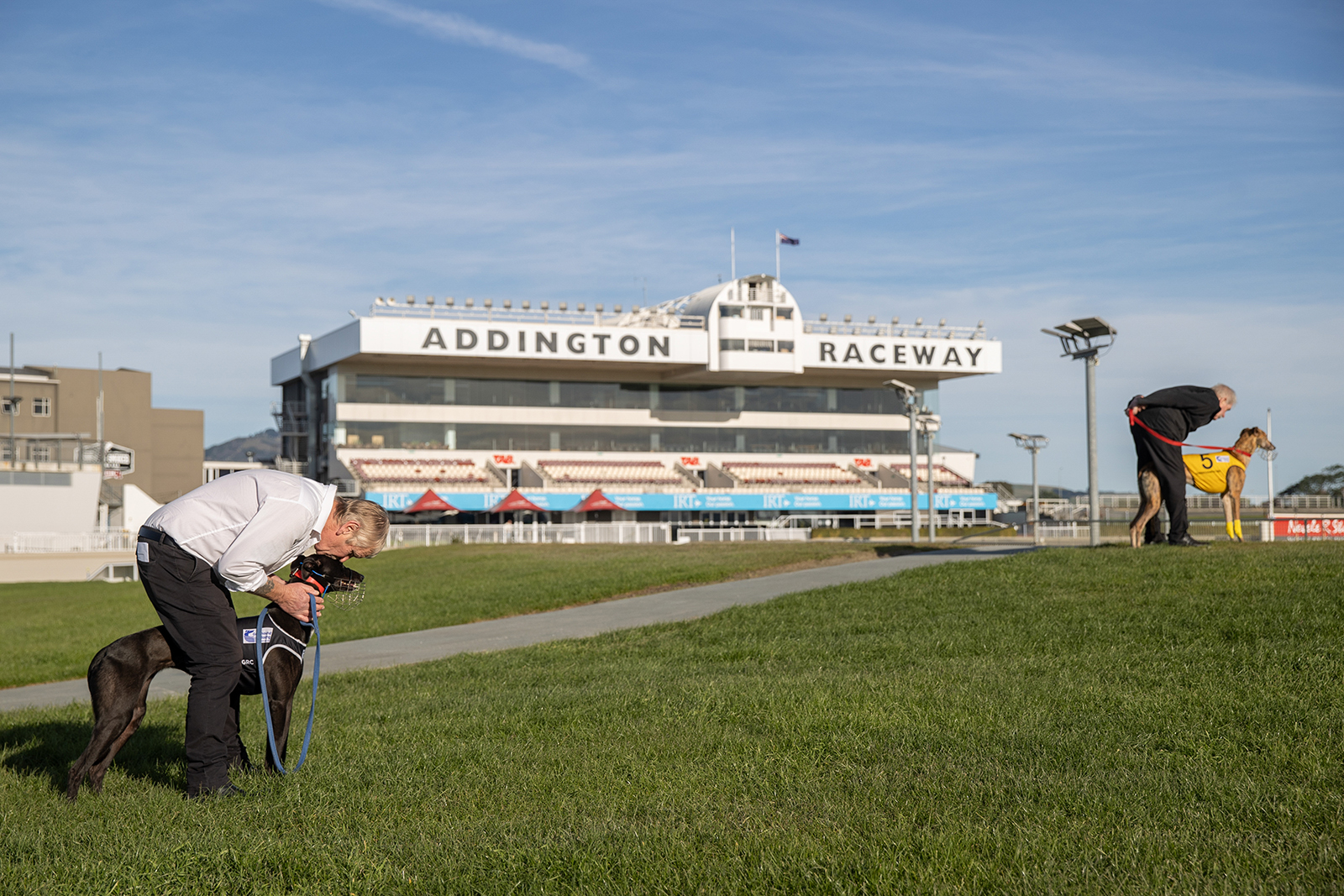
Last December, the government announced that it would ban greyhound racing from 2026 onwards, citing the high rates of injury among racing dogs. The greyhound racing industry said this ruling ignored the progress it had made in improving animal welfare, and in August, launched a legal battle against the government to argue the ban was unlawful.
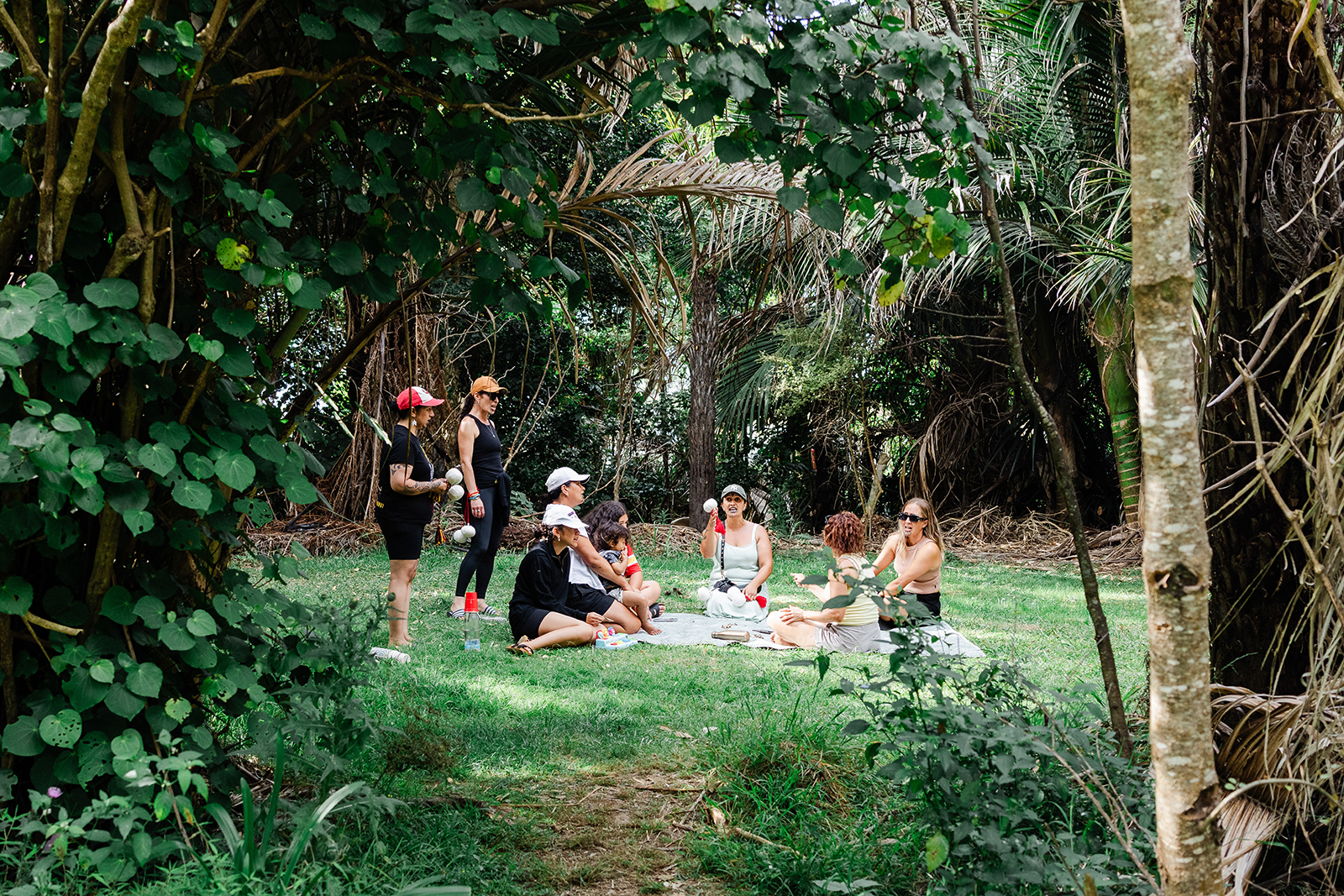
Wāhine practise together; tāne train under night rain on the marae ātea; tamariki climb trees to get a better view of rehearsals. Erica Sinclair followed the kapa haka team Te Taumata o Apanui in the lead-up to their first Te Matatini contest and beyond. “The true kaupapa lay beyond the competition,” says Sinclair, “in building whānau, raising future leaders, and sustaining tikanga.”
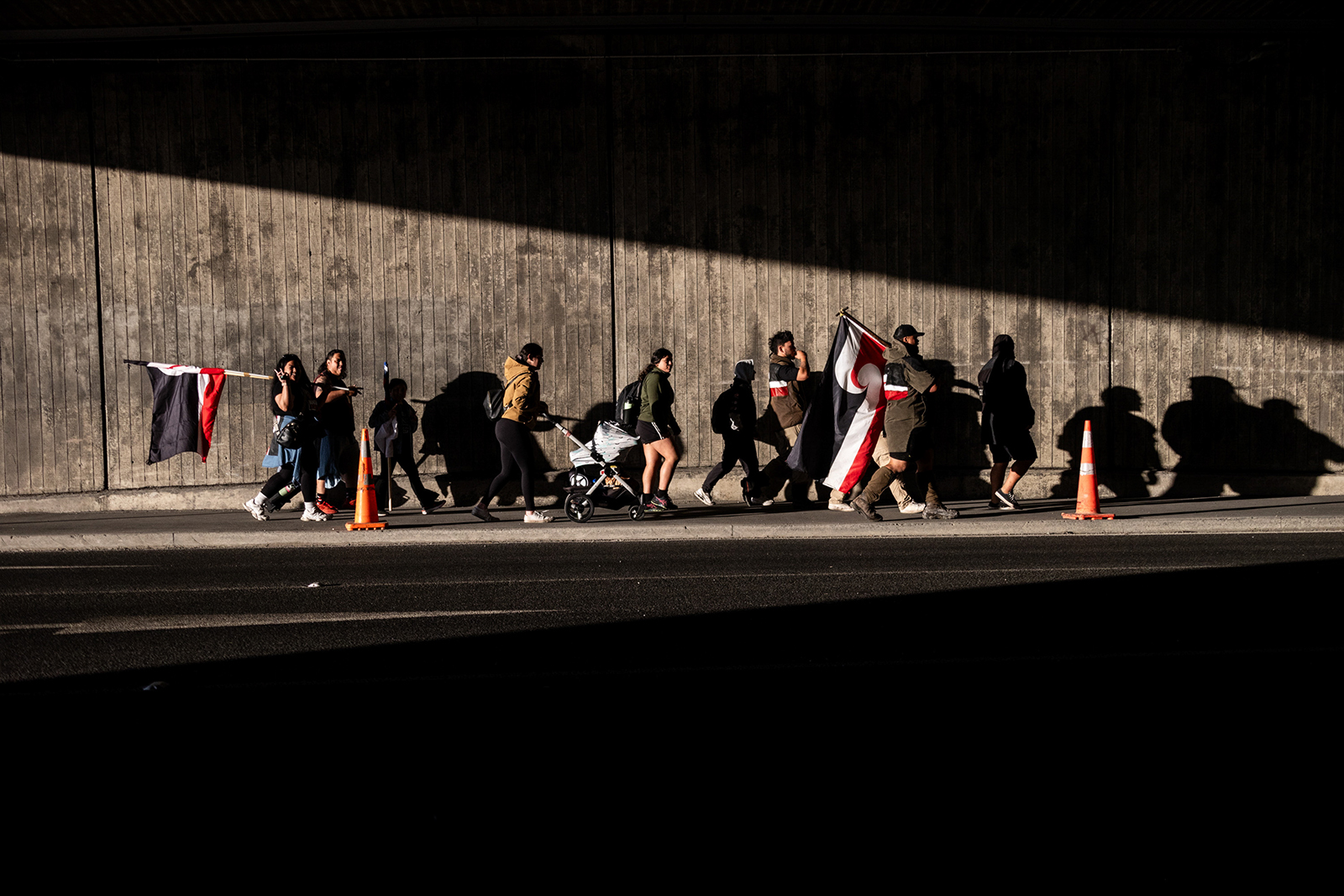
Last November, around 42,000 people marched on Parliament in Wellington as part of the Hīkoi mō Te Tiriti, the March for the Treaty. The hīkoi was organised in protest of the Treaty Principles Bill, draft legislation which sought to reinterpret the intent of the Treaty of Waitangi and to put that new interpretation to public referendum. The bill was defeated in April.
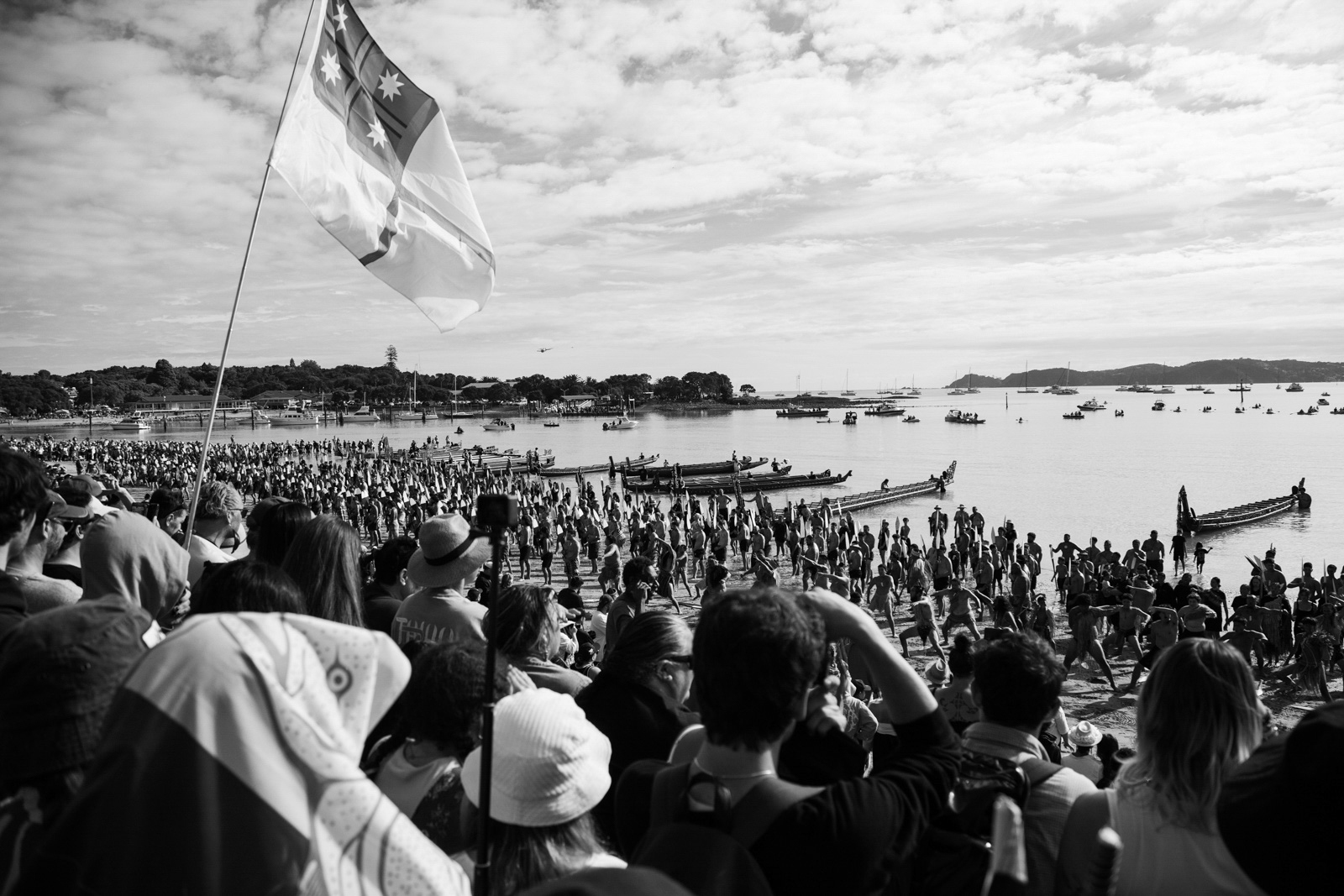
This series documents two years of Waitangi commemorations, including karakia, crowds watching waka tauā, and the first visit of the coalition government leaders. Cornell Tukiri sought to capture the mood and energy of attendees. “Waitangi on Waitangi Day is a place that all New Zealanders should visit at least once in their lives,” he says.
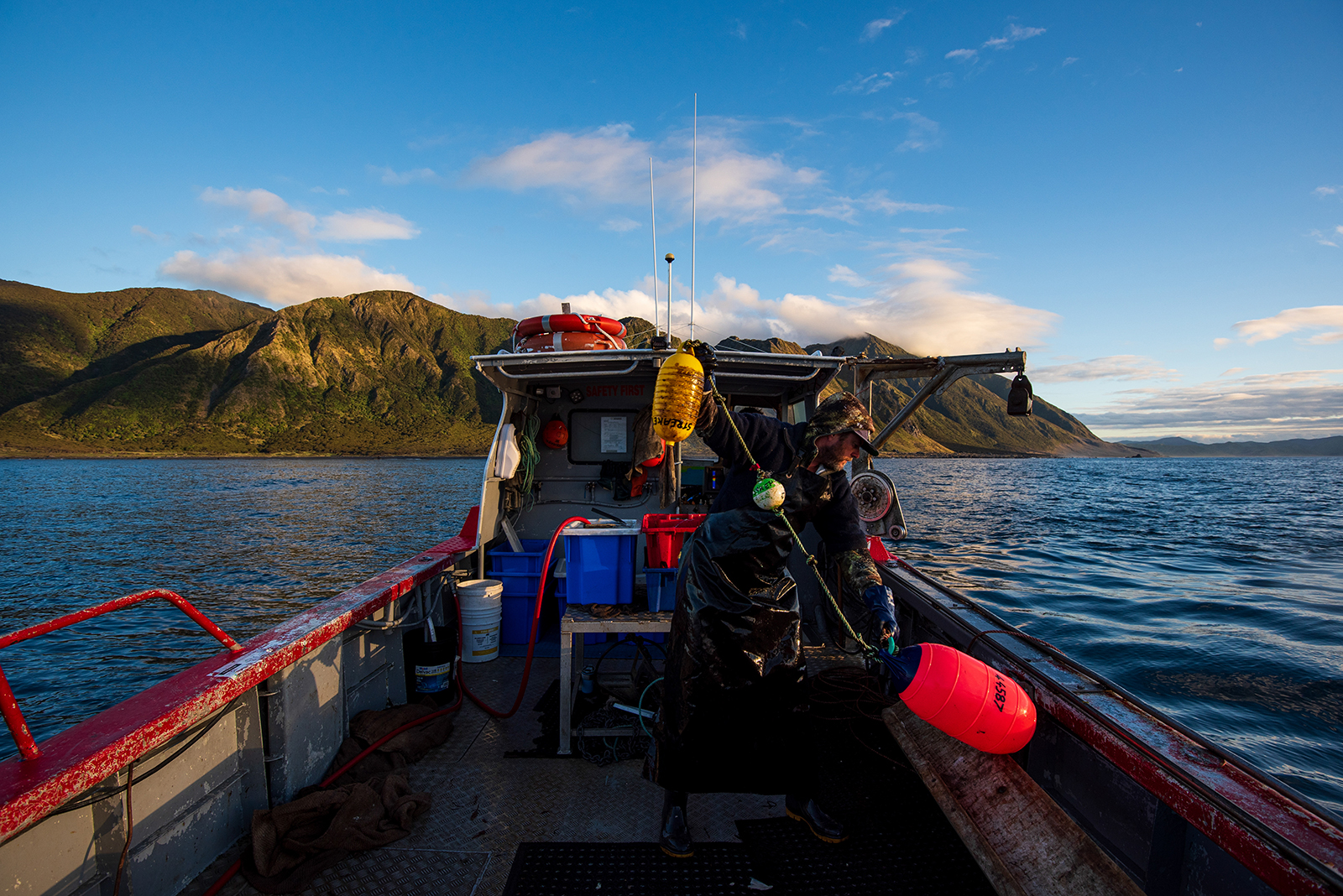
Brandon Fenwick, a Ngawi-based crayfisherman, aims to time each harvest with the best market price. To preserve the species, he only takes male crayfish. For photographer Andy MacDonald, who works in Wellington, it was a challenge to line up his free time with days Brandon was crayfishing.
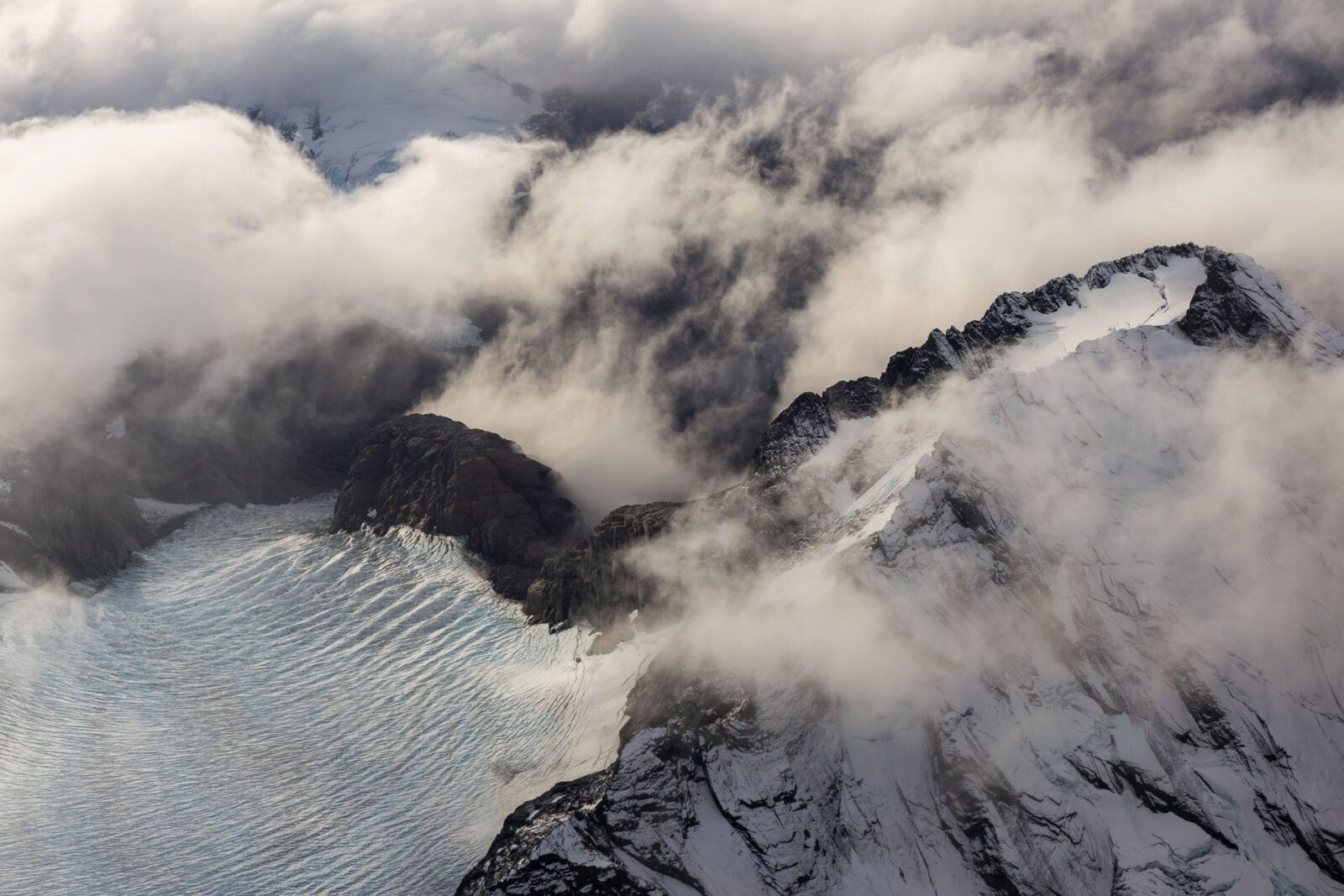
Adventure and travel photographer Will Nelson was on a fixed-wing scenic flight when the plane punched through a layer of cloud to reveal one of Mount Aspiring National Park’s 100-odd glaciers. The late light on an autumn afternoon softened the glare of the snow.
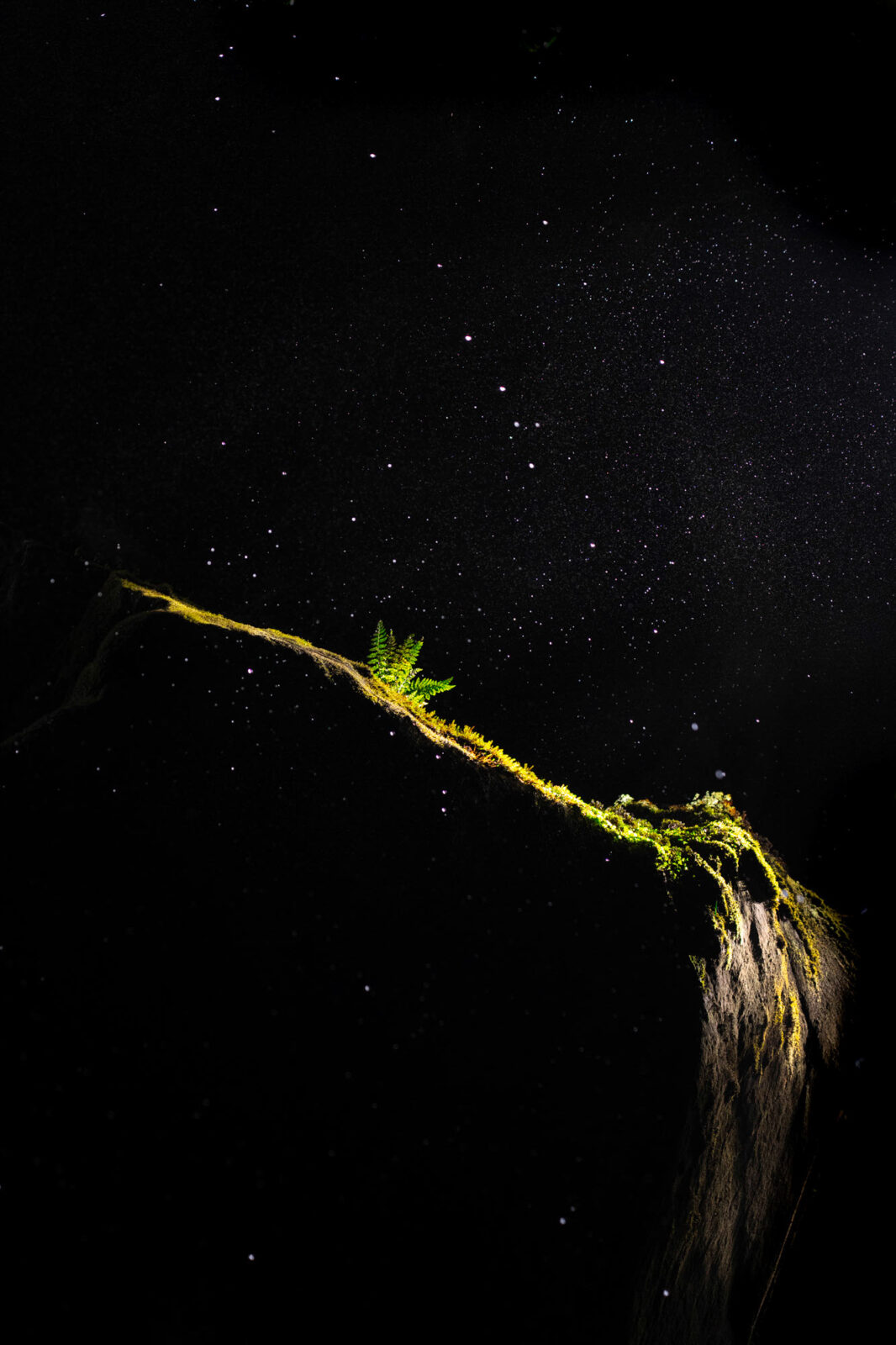
Water dripping into Wilson Creek Canyon is illuminated by a shaft of sunlight striking vegetation on the canyon wall. “I had never visited Wilson Creek Canyon before, but after this moment, I knew it had suddenly become one of my favourite places in New Zealand,” says Olivia Wentzell. “It was definitely worth wading in knee-deep mountain-fed water.”
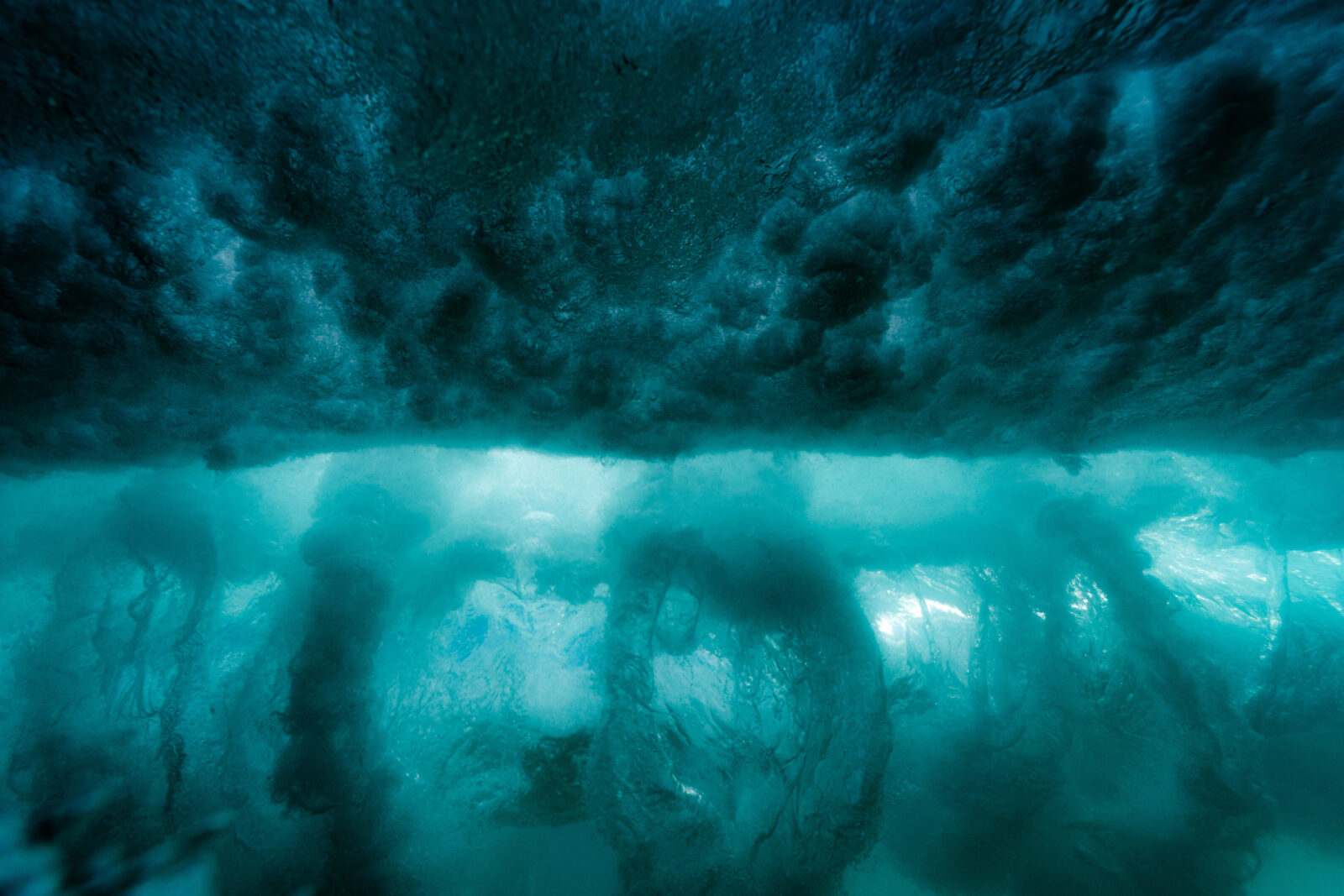
At Forestry Beach, a point break north of Auckland popular with surfers, a wave crashes on top of ocean landscape photographer Nick Whittaker. The underwater perspective shows the anatomy of the wave from the inside: turbine-like shapes and froth.
Resene Landscape
Mel Zytecka
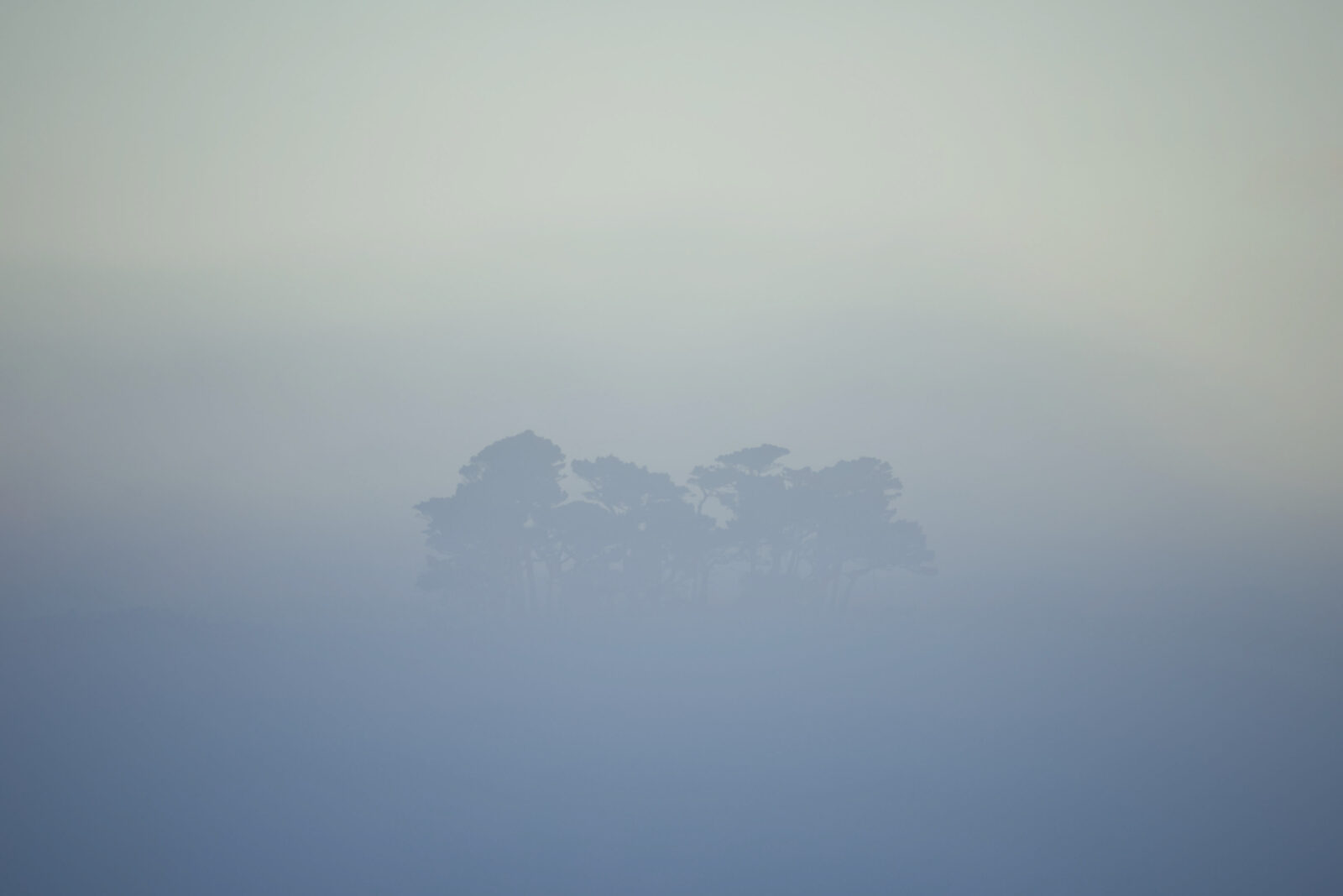
On a June morning, sea fog covers the Porirua Basin, hiding a new subdivision expanding towards the treeline. “The trees were the last remnants of the farm that used to be there,” says Mel Zytecka. “The fog was rolling in and out, so the trees would come into shot and then disappear again.”
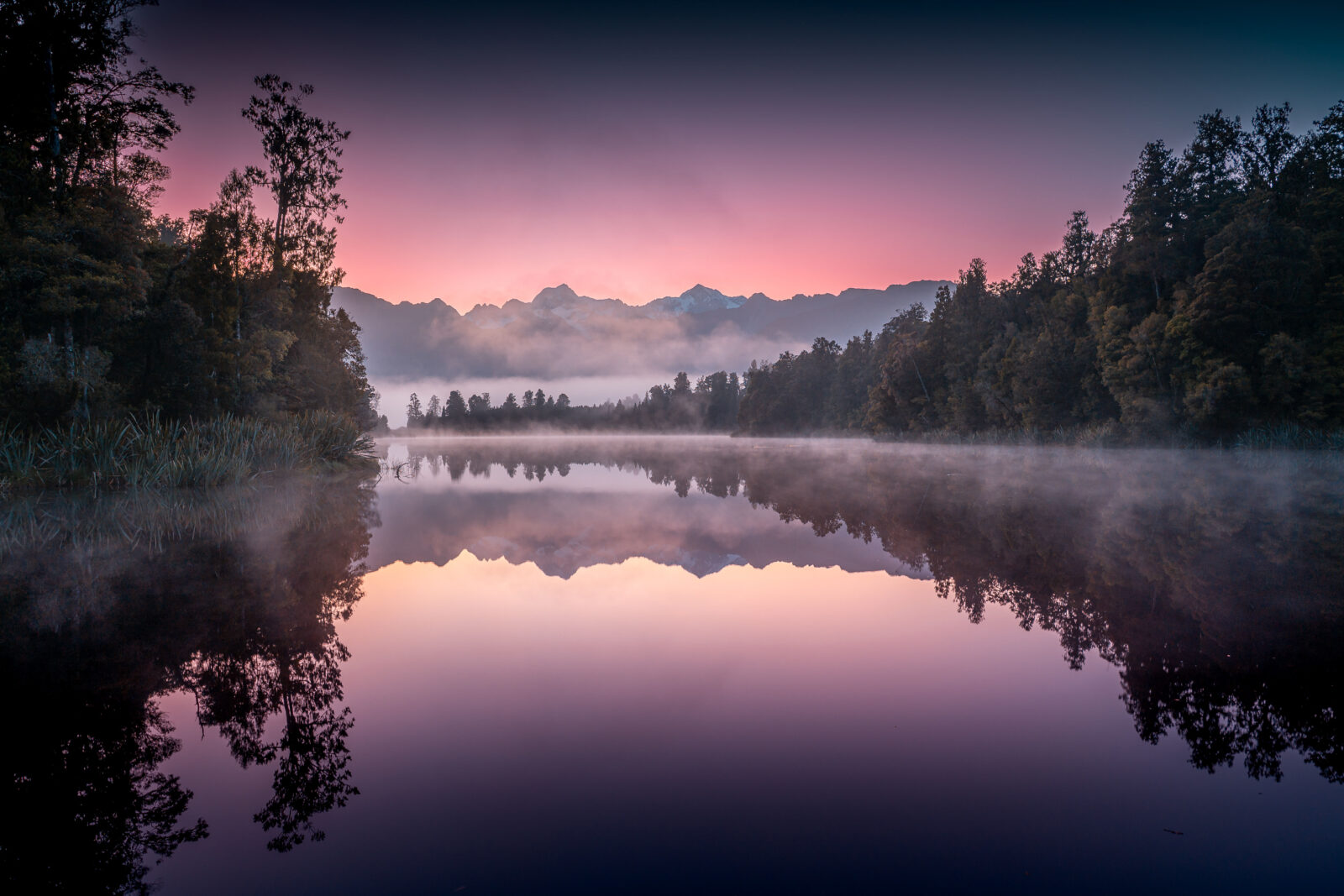
An early summer dawn breaks over Lake Matheson, the peaks of Aoraki/Mount Cook and Te Horokōau/Mount Tasman reflected in its surface. Luboš Havelka and his partner had risen early to experience the scene. “To our surprise, five others had the same idea,” he says. “We joined in the shared tranquility, soaking in the peace of the moment.”
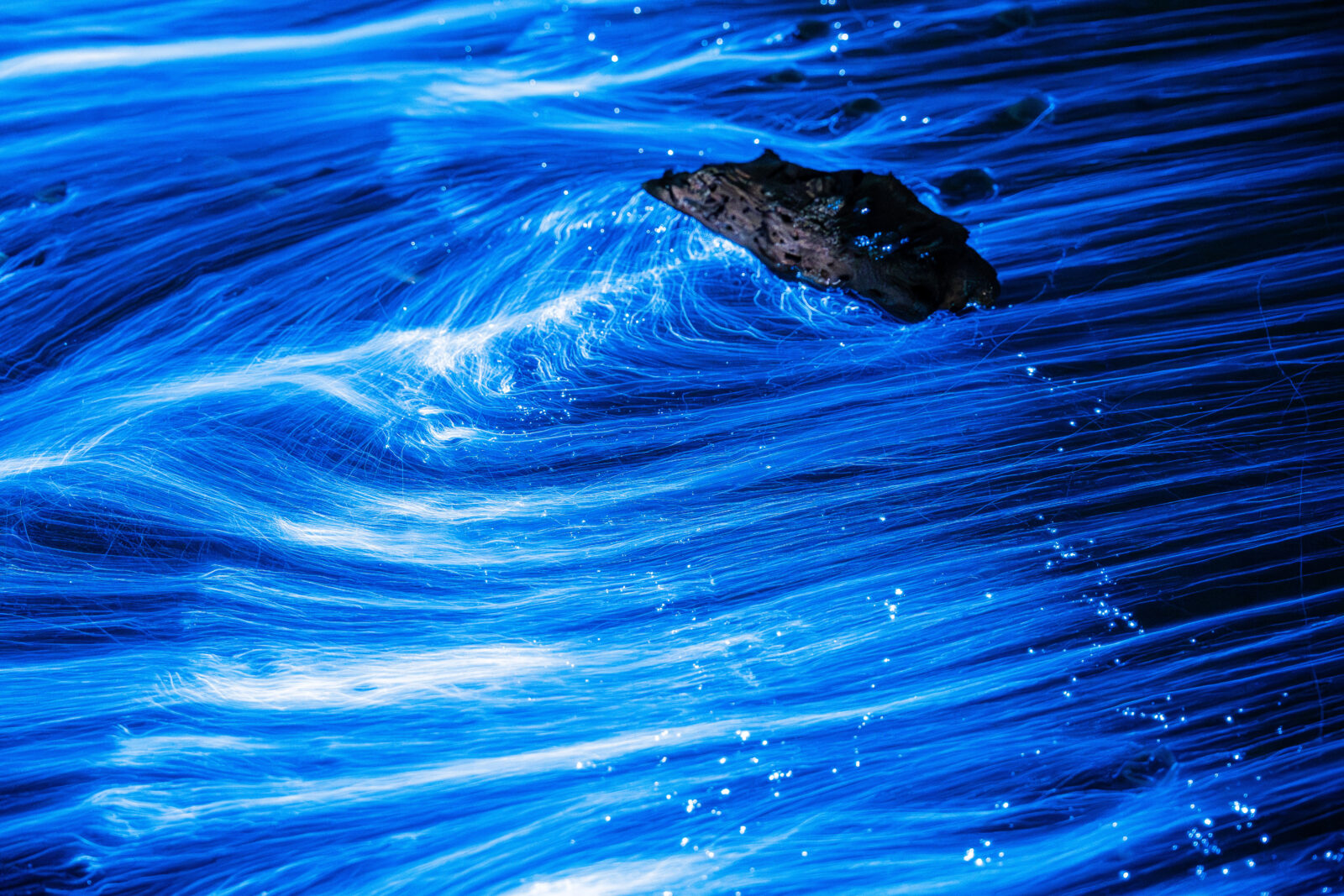
Bioluminescent plankton swirl around a log on Paraparaumu Beach. Kaitlin Groom had been visiting the beach for several weeks during summer hoping to see bioluminescence, but only small amounts were visible–until one night when “it all went off”, she says. It’s not known what affects the fluctuations of bioluminescent plankton.
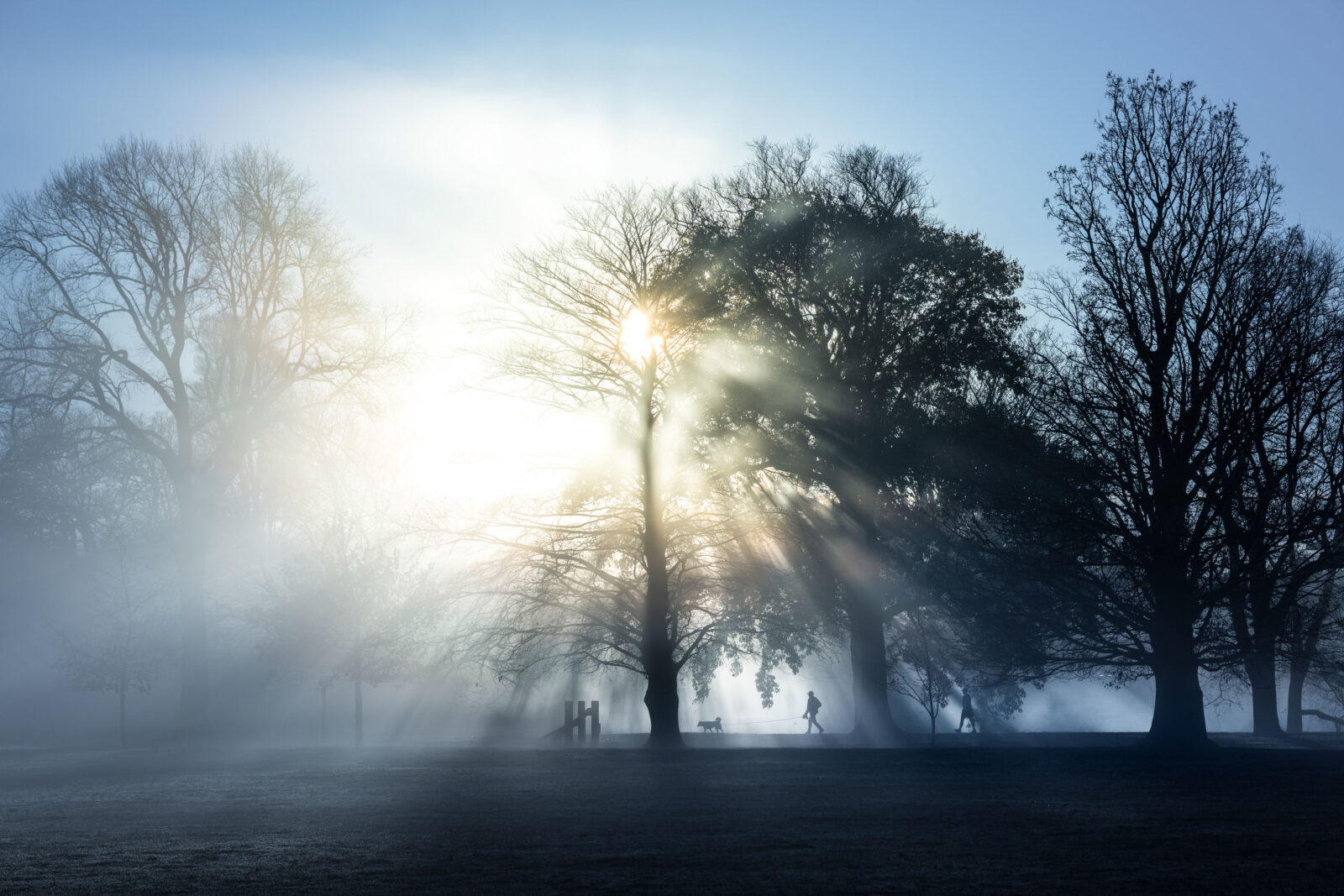
Mist hangs on Ōtākaro, the Avon River, on a Saturday morning. “I made compositions from a distance away and waited for people to walk through the scene,” says John Doogan, who has been documenting the park through the seasons. “It is particularly beautiful in mist, so if mist is forecast I try and make it down there with my camera kit.”
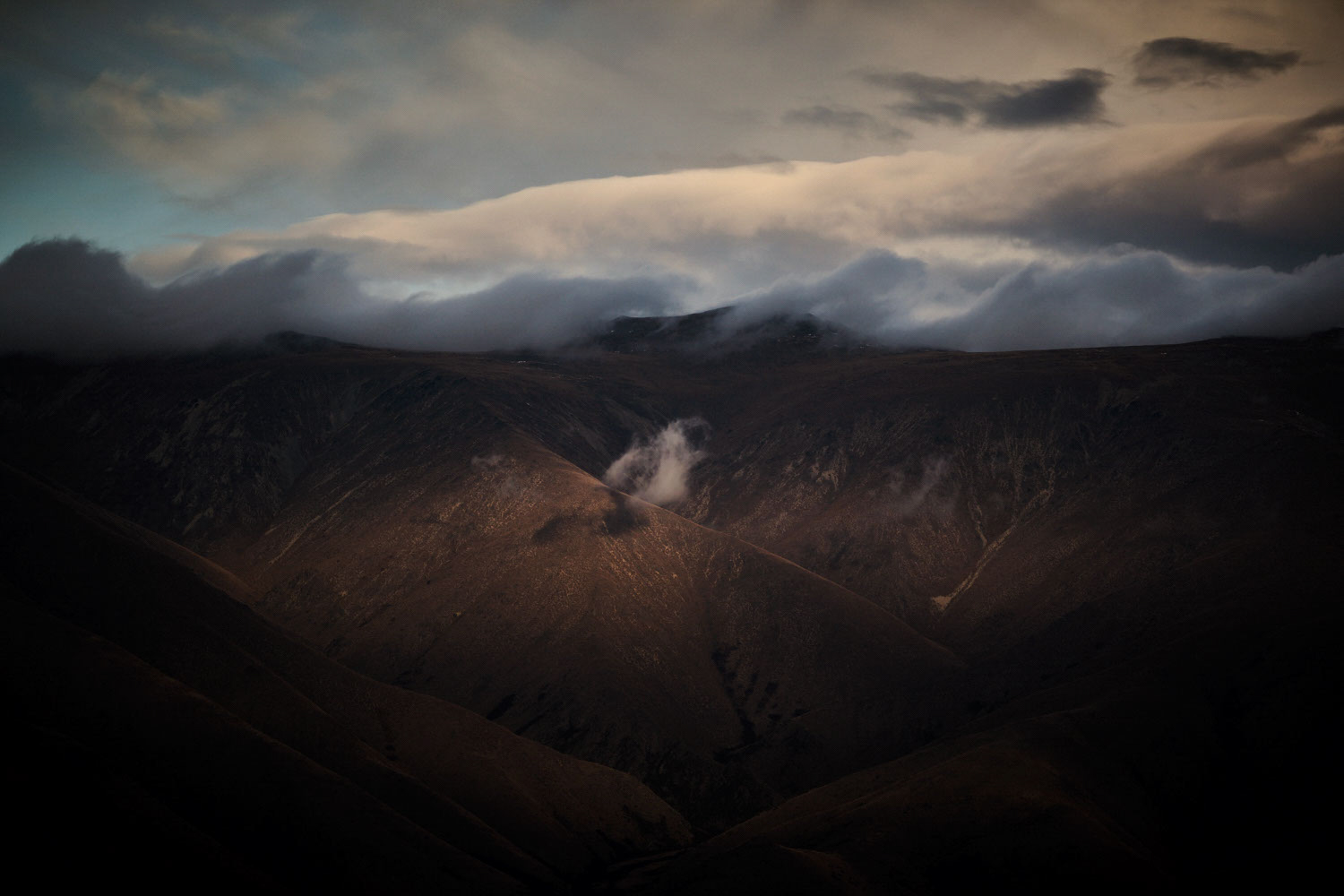
The last light of a September day hits the hills as sun breaks through the clouds. “A classic Mackenzie Country scene,” says Alistair Guthrie, who stopped to photograph it while on the road. ”The only challenge was finding a place to pull over and not get run over.”
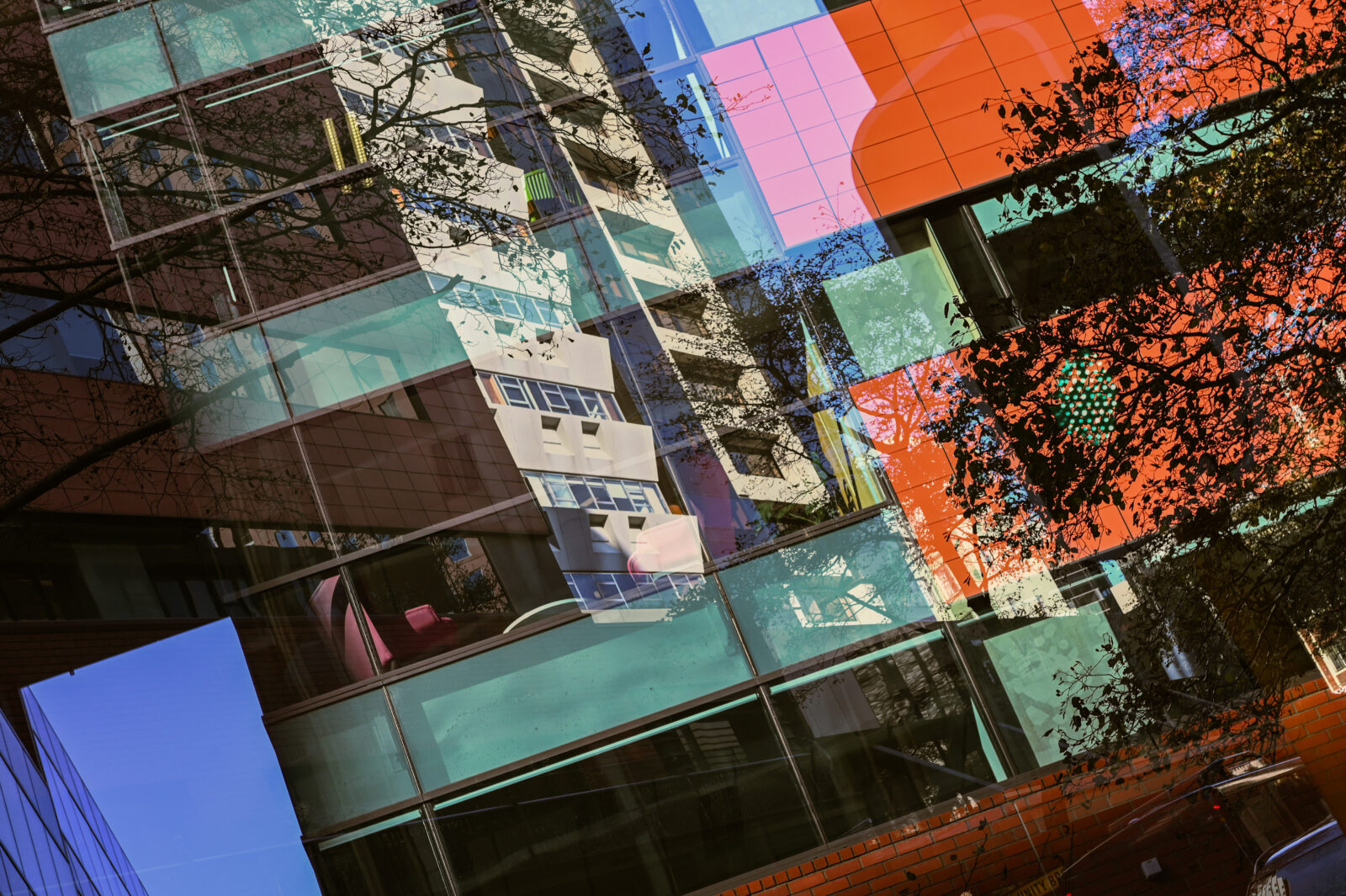
This double-exposure photograph superimposes the geometry of downtown Wellington with the organic patterns of the city’s trees. Olesia Feketa took both images from the same spot on Willis Street, part of a series of double exposures documenting the city. “The biggest challenge was finding the right framing so that light and dark areas would highlight each other,” she says.
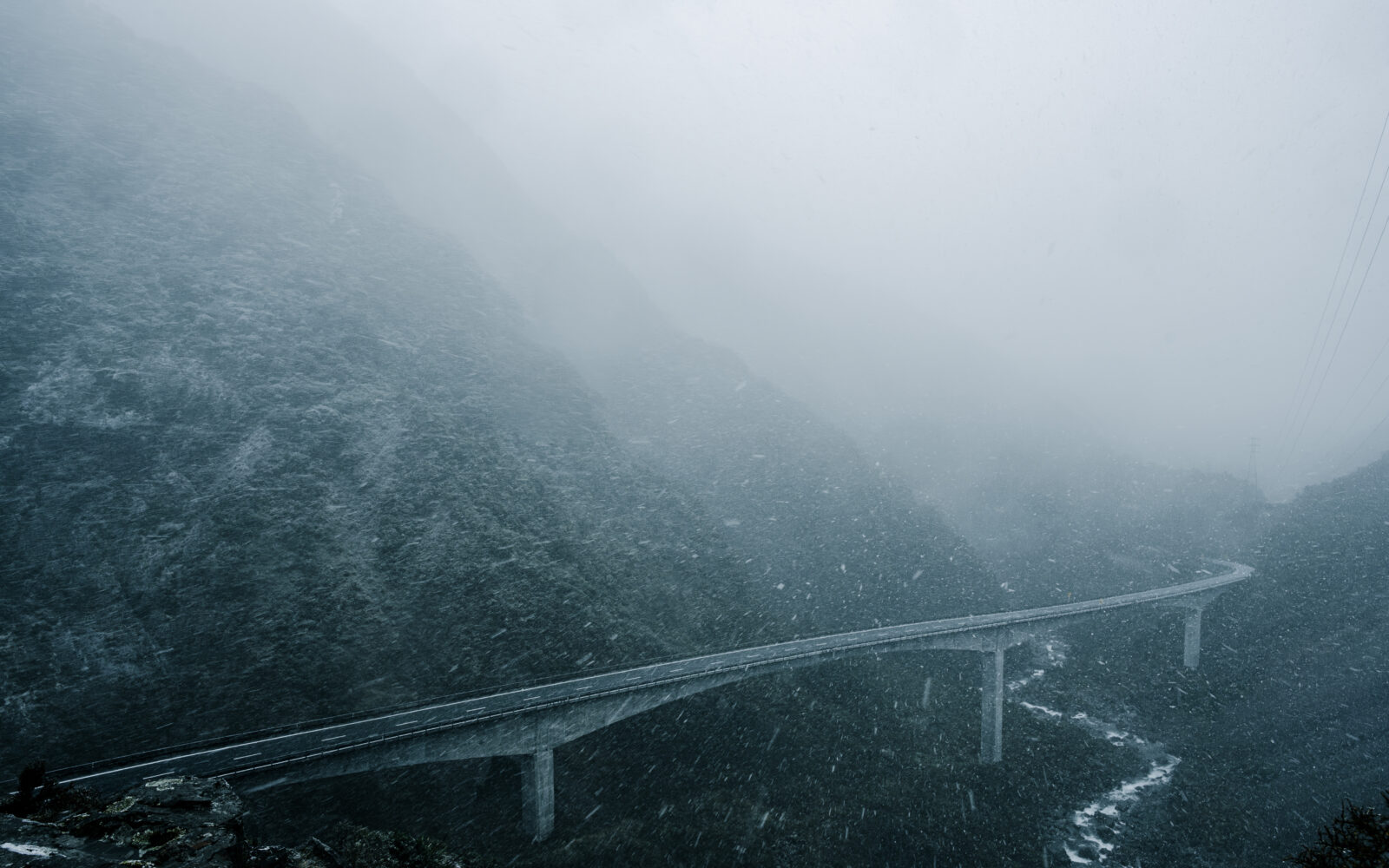
The Otira Viaduct, which crosses steep terrain in Arthur’s Pass, is swallowed by winter weather. Kunal Kumar was taking the long way home to Nelson on a road trip when the weather en route inspired this photograph. He nipped out of the car, avoiding slipping on the snow, and made this picture.
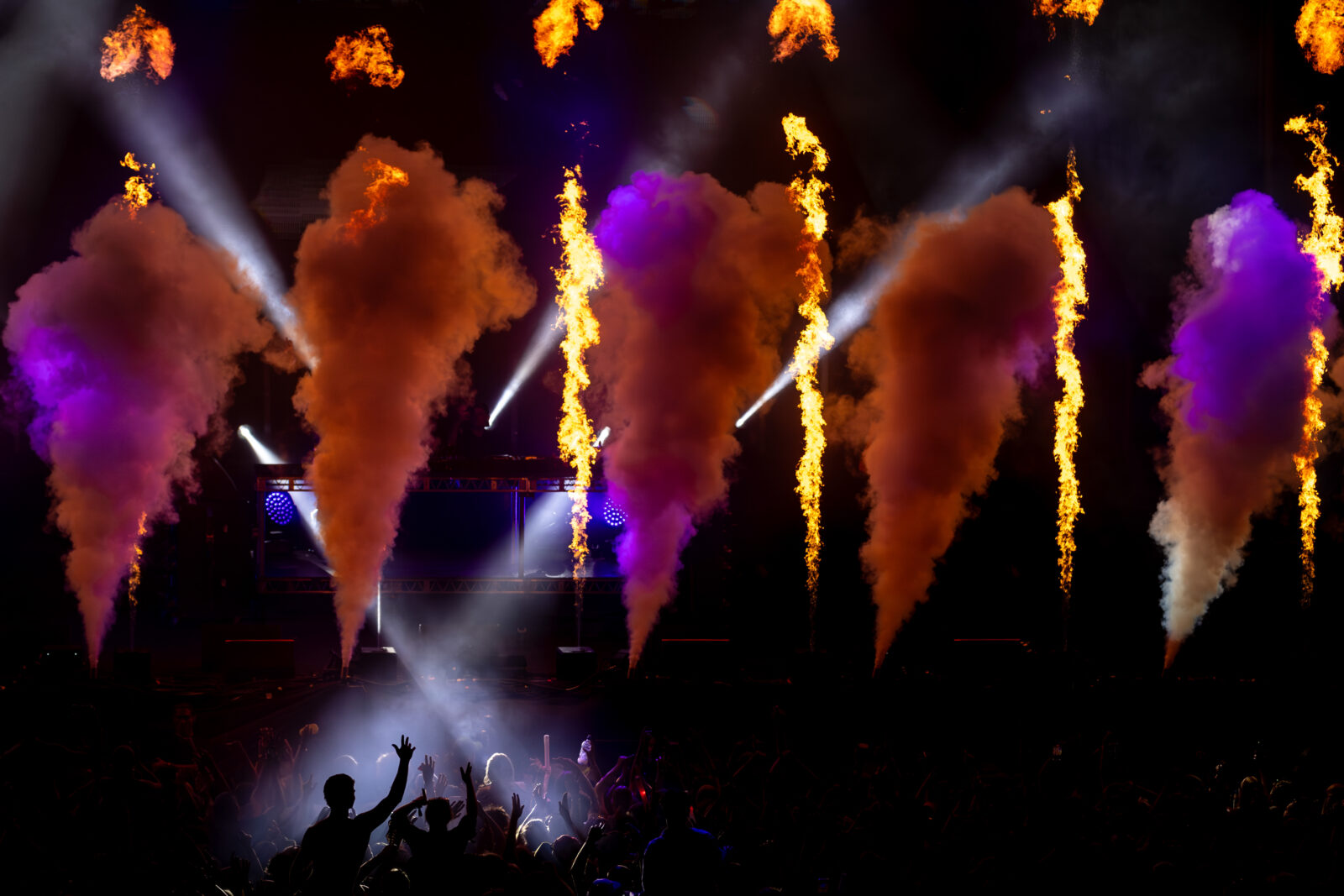
Peking Duk, an electronica act from Canberra, perform at February’s Electric Avenue music festival in Hagley Park. The event drew record crowds, selling out accommodation in central Christchurch. Stuff photojournalist Iain McGregor waited for a moment where flame, dry ice and lighting added structure and depth to the silhouettes of the dancing crowd.
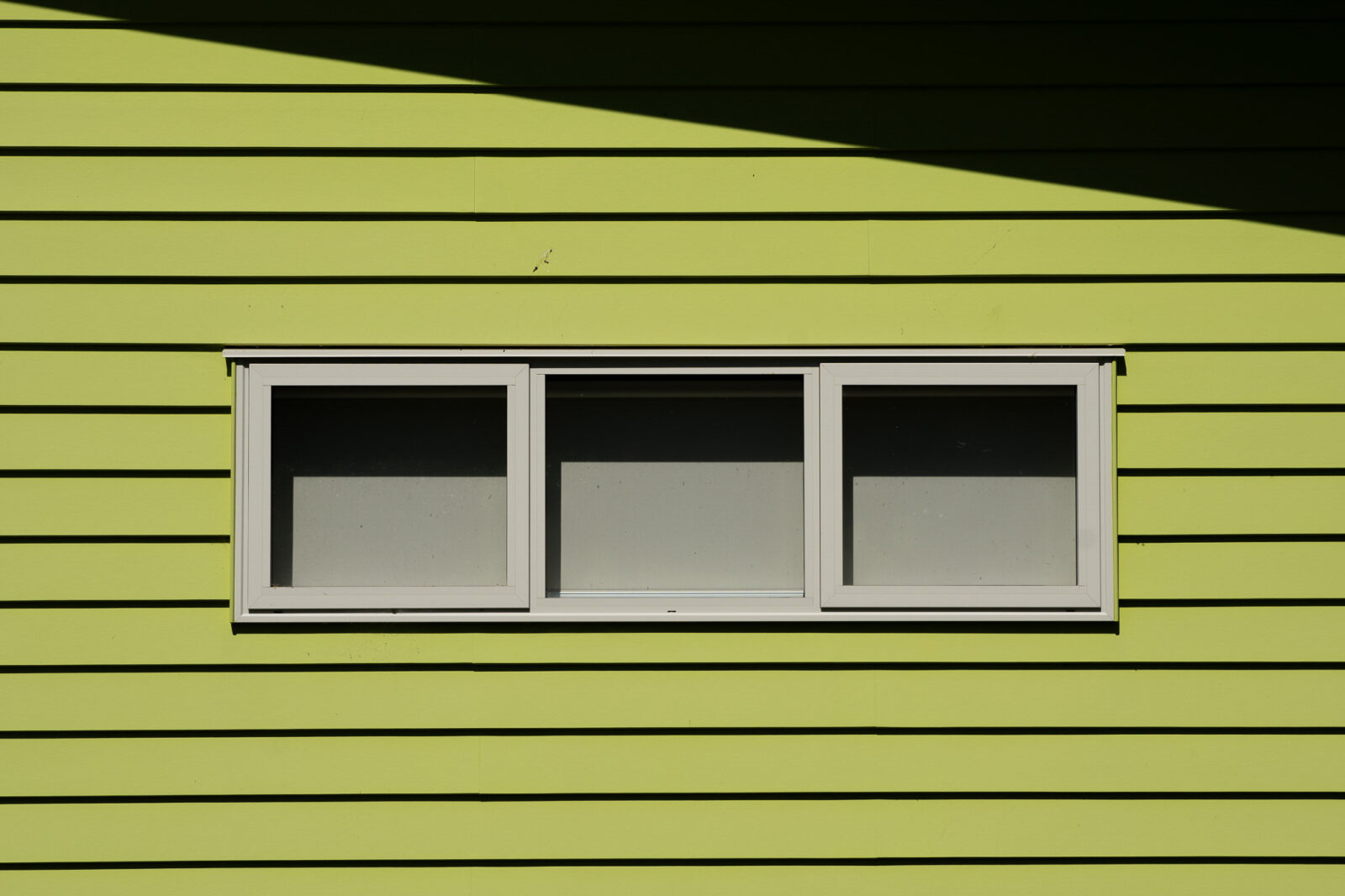
Summer afternoon sun casts strong shadows from the roof of a house in Whiritoa, a beach town on the Coromandel Peninsula. The bright colours caught D’Artagnan Sprengel’s eye as he was wandering around the township, as well as the way the shadow cut through the straight lines of the scene.
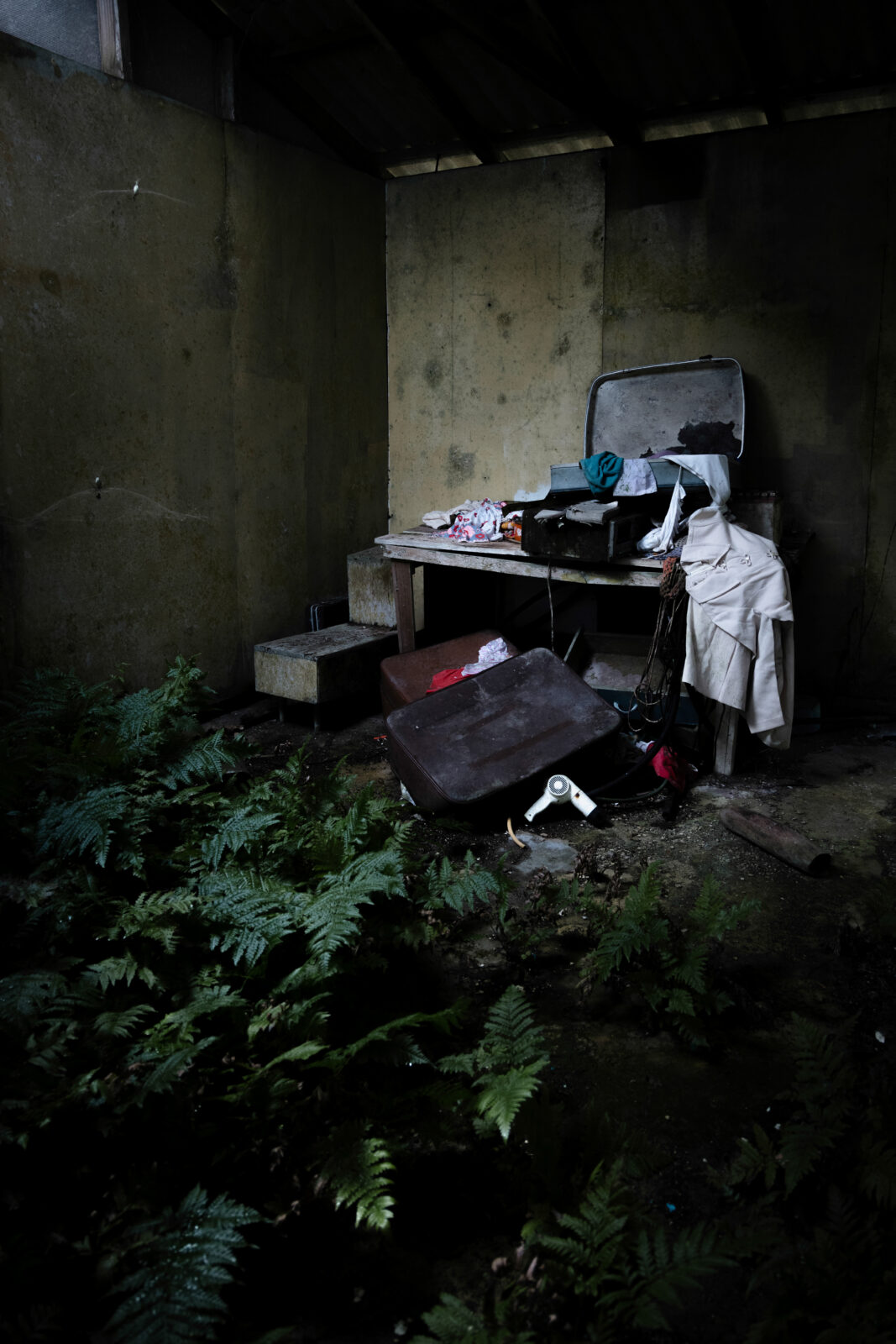
In an abandoned home in Niue, ferns push through the cracked floor to meet a lone hairdryer, a battered suitcase and long-forgotten clothing. Christine Cornege was visiting Niue to photograph a wedding and, on her day off, explored the island by bike. She stopped to make pictures of this house, drawn by how nature was reclaiming its interior.
Resene Built Environment
Artem Proskurin
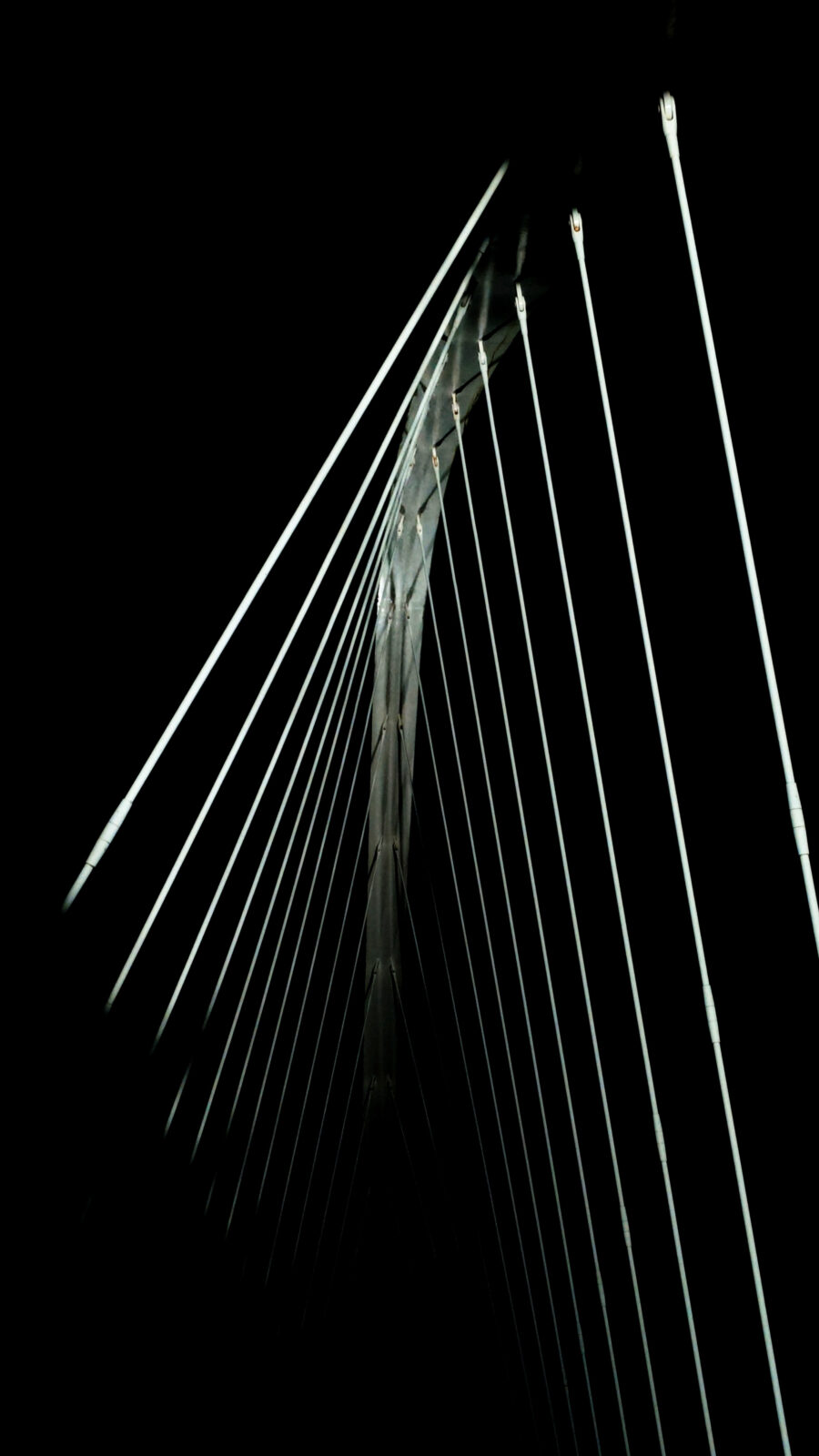
This pedestrian footbridge crossing Auckland’s southwestern motorway took on a different quality to Artem Proskurin after dark. “In the night, the view was almost magical,“ he says. To him, it looked like something organic, the bridge’s rigging reminiscent of a leaf skeleton. To capture this vision of it, he returned to photograph it by night.
Stardome Astrophotography
Roger Wandless
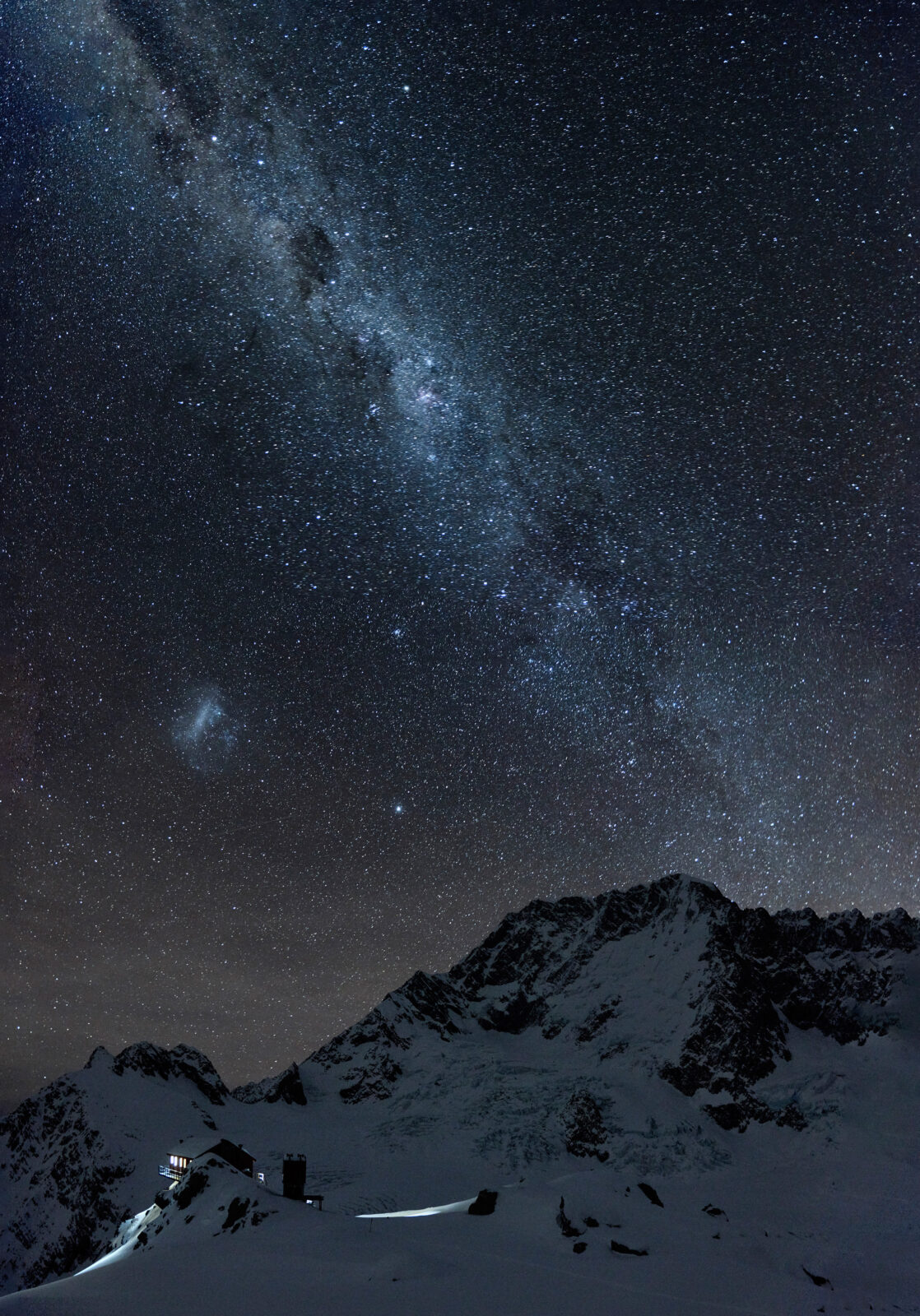
On a Matariki weekend trip to Plateau Hut, which sits at 2200 metres, landscape photographer Roger Wandless ventured out in below-zero temperatures and fresh snow to make this picture of Aoraki/Mount Cook and the Hochstetter Glacier silhouetted by the Milky Way. After an hour outdoors, Wandless needed every layer of clothing, plus the hut’s spare blankets, to keep warm.
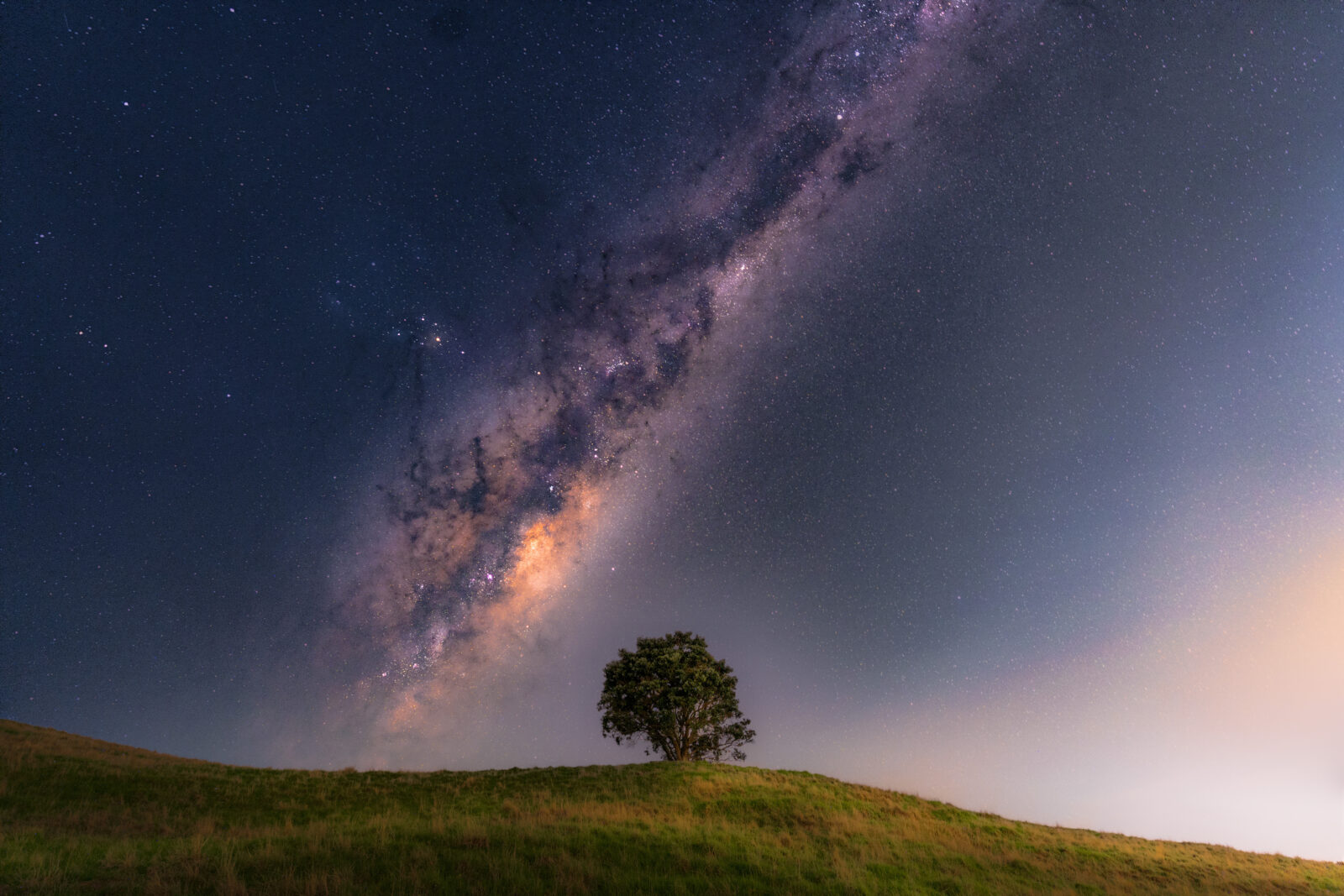
On a late-night trip to Shakespear Regional Park to photograph the Milky Way, Rob Rodolfo spotted a tree standing alone on a hill and figured it would make an excellent focal point for the shot. The glow at the corner of the frame is the light pollution from Auckland.
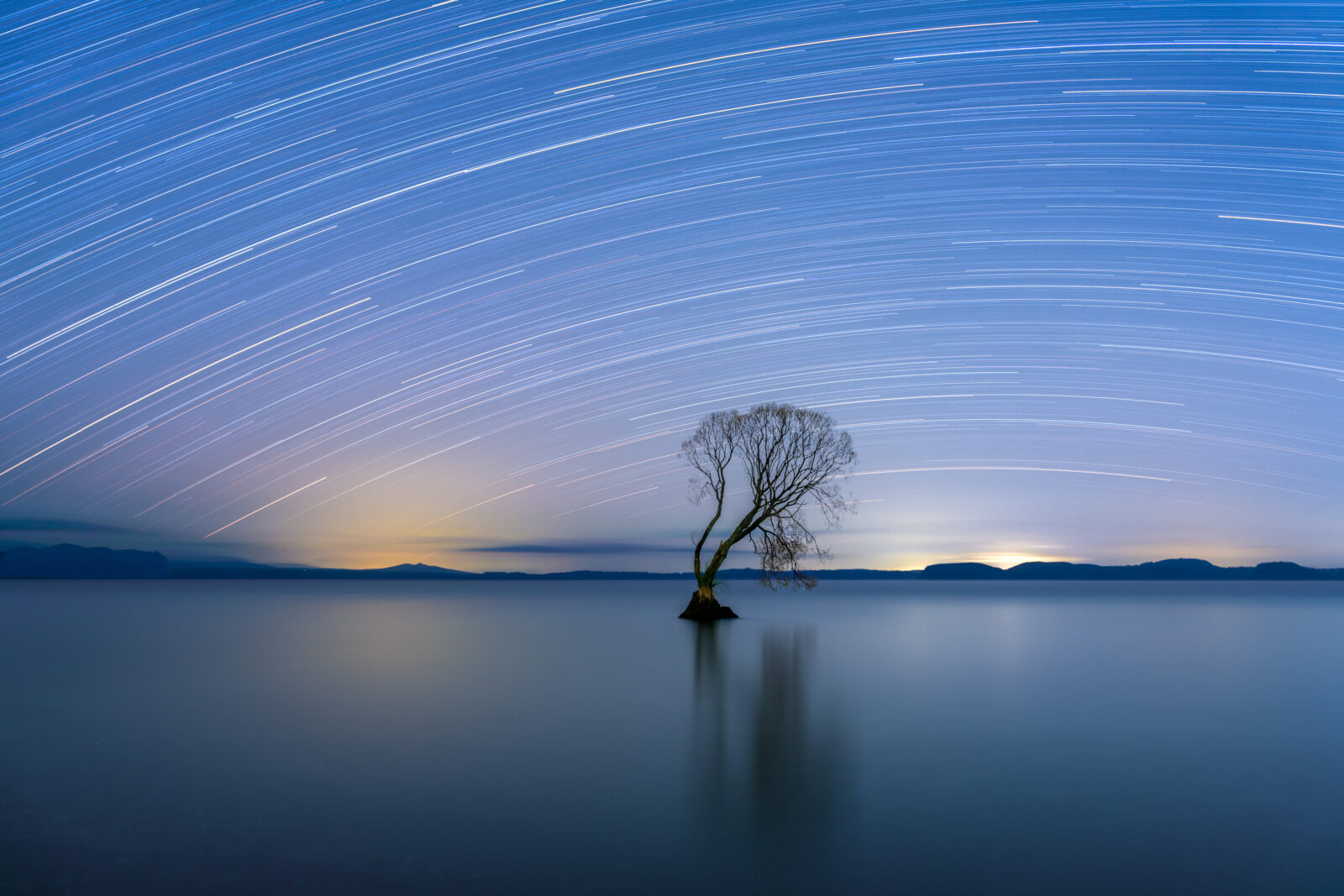
On a September evening, cloud cover thwarted Meghan Maloney’s plans to shoot star trails on the Central Plateau. Instead, Maloney decided to focus on a lone tree facing west on Lake Taupō. She shot nine 10-minute-long exposures between 12.15am and 1.45am and combined them to show the movement of stars across the sky.
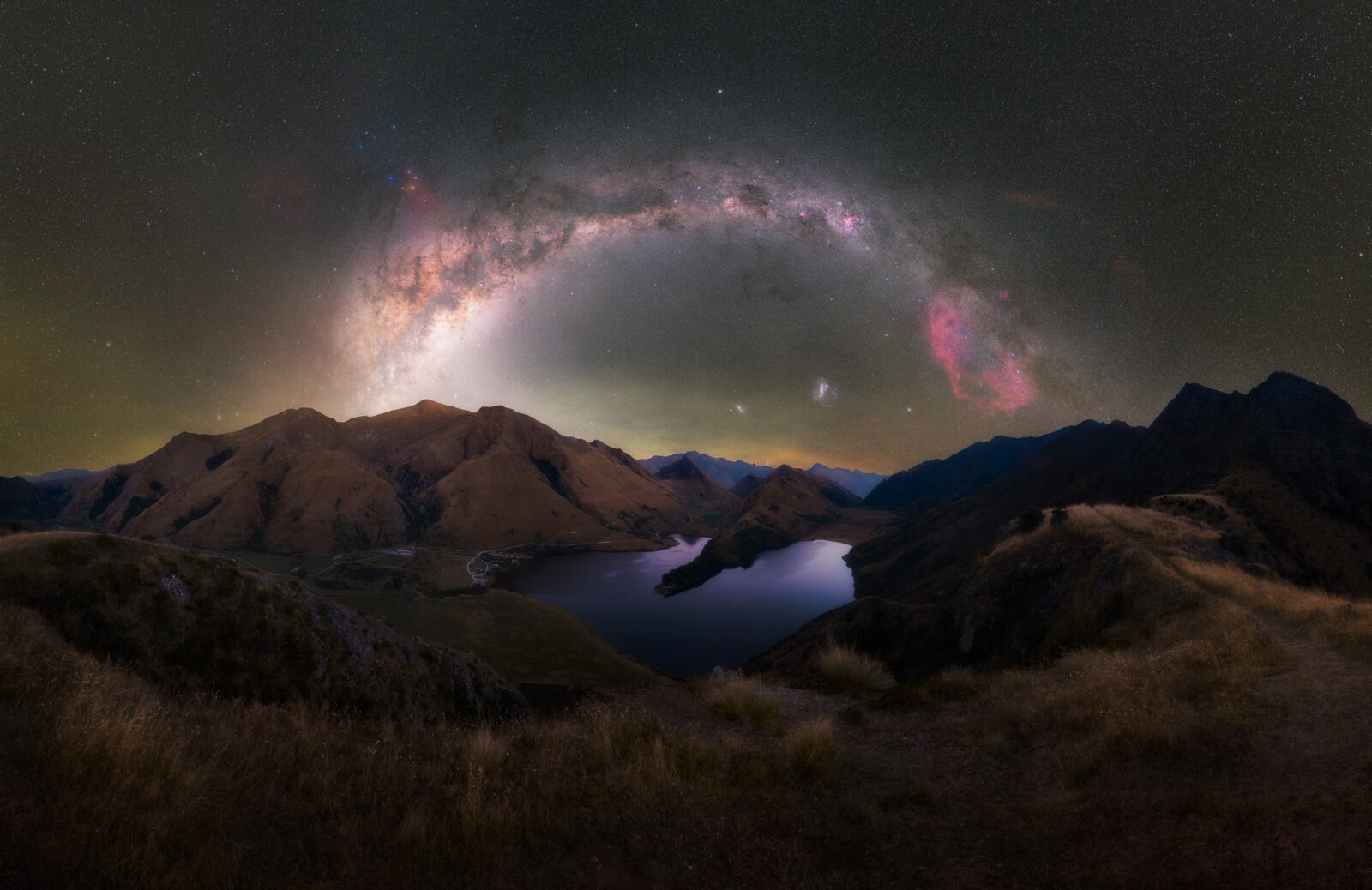
“This particular view over Moke Lake is accessible with a quick little scramble up a rough track,” says Kavan Chay, “with the sky dark enough to get a great view of the Milky Way rising above the mountains as the night goes on.” Chay used a modified camera to make the red nebulae in the shot visible, while Queenstown’s light pollution illuminates the core region of the Milky Way.
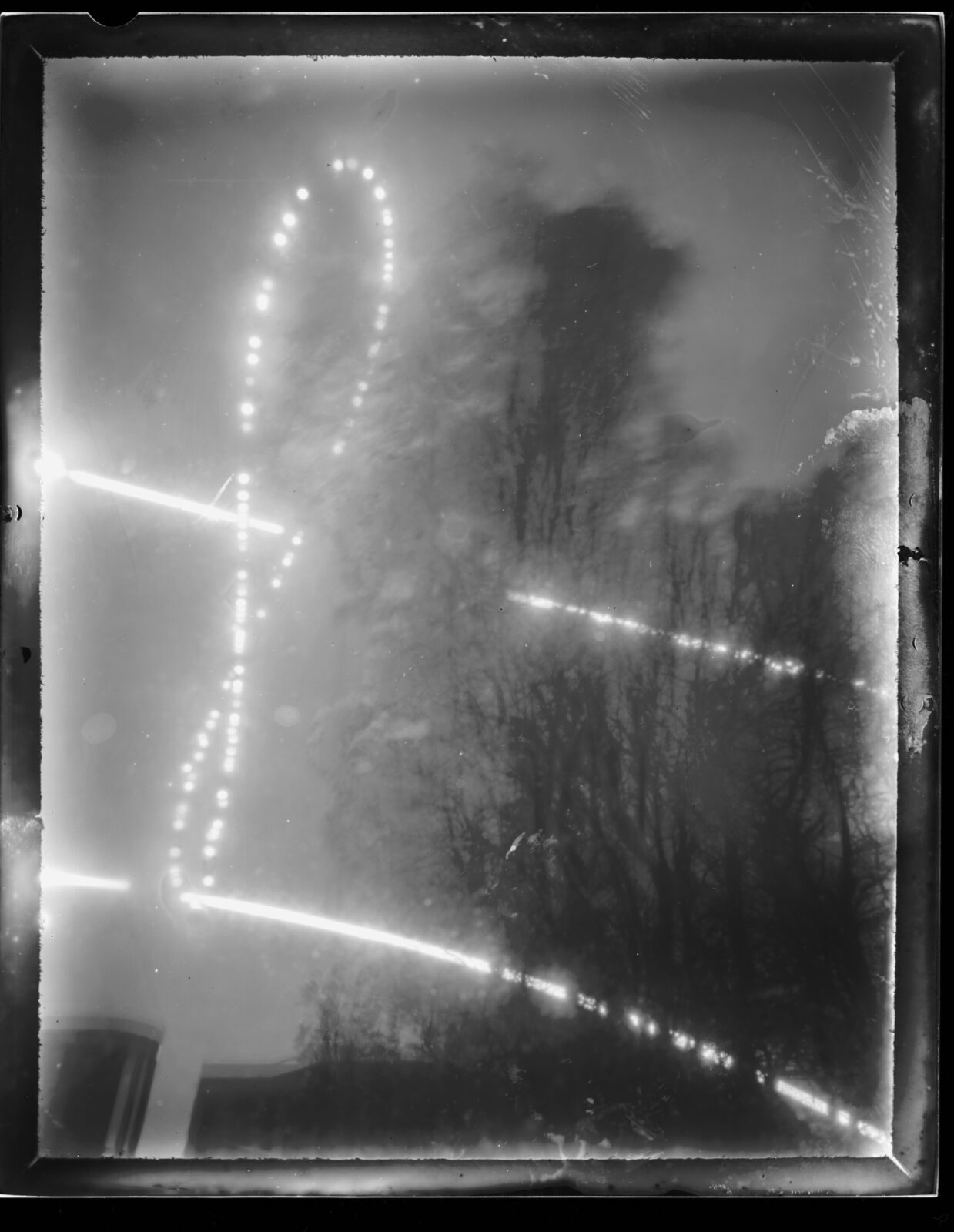
The solar analemma is the path traced by the sun if photographed at the same hour every day over a year. Ian Griffin documented it out the window of his office, using a four-by-five inch pinhole camera and a single glass plate. “Every sunny day, I took a 30-second exposure at the same time,” he says. “At the end of a year I took the plate into my darkroom and developed it.”
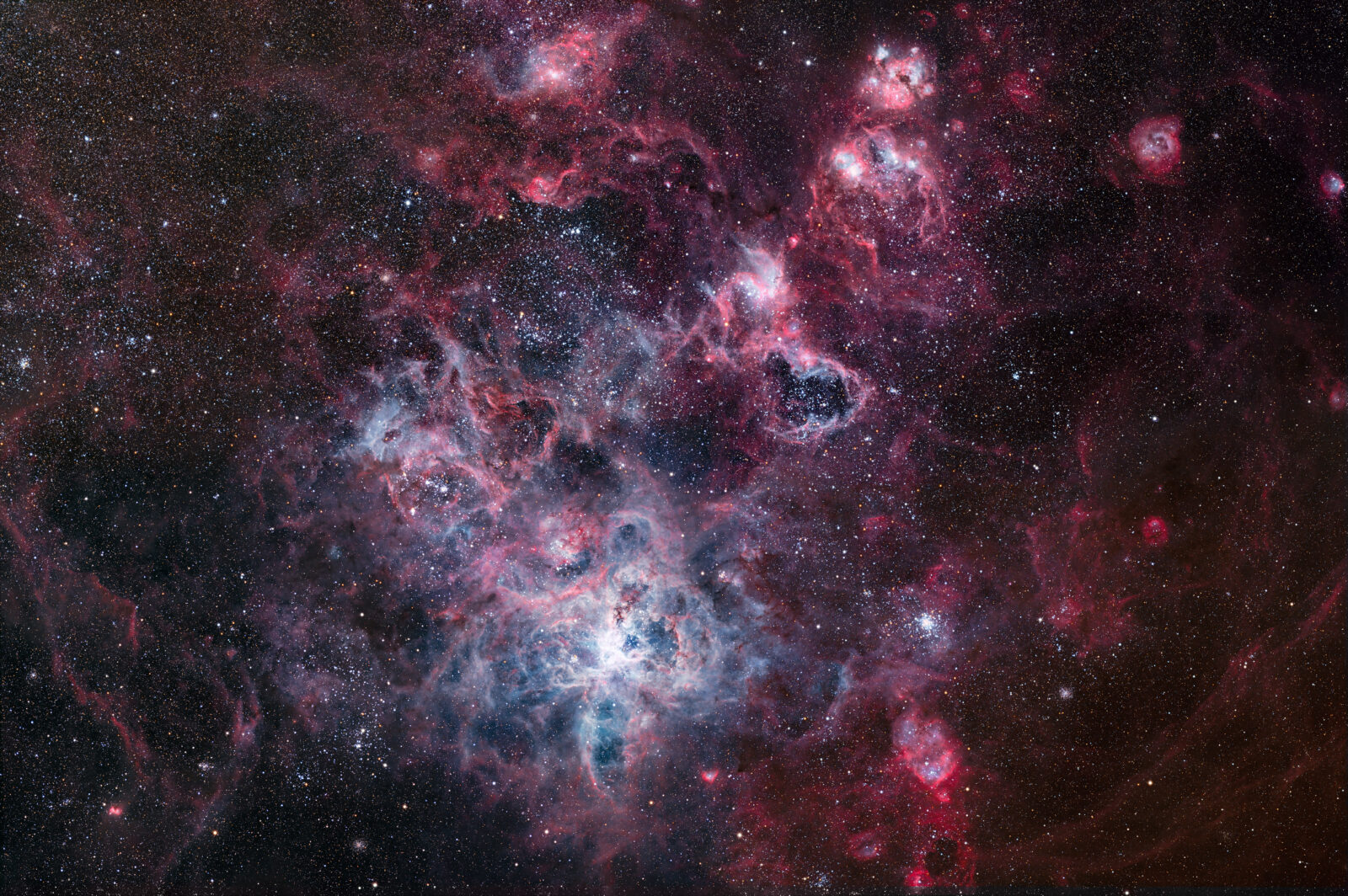
The Tarantula Nebula is a vast cloud of gas, dust and stars located in a neighbouring galaxy to the Milky Way. It’s one of Chris Murphy’s favourite astronomical objects–it’s so large that it’s visible with basic binoculars, though this image was made via a telescope. It’s four images stitched together, each of which took hours of exposure time to shoot.
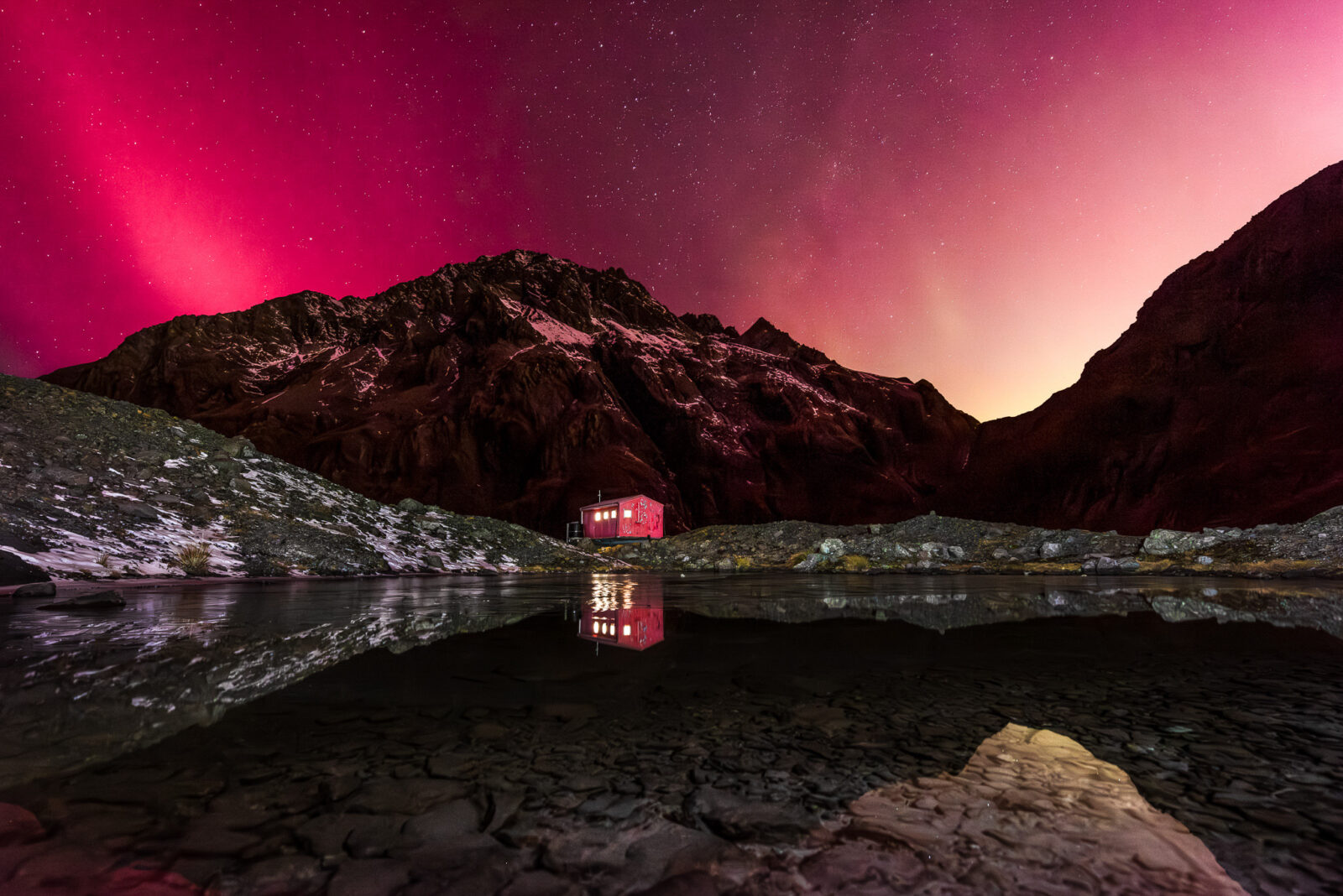
After a long day of tramping, Adam Gearing reached Barker Hut, only to notice a strange sight when darkness fell. His trip coincided with a series of powerful solar storms, and a strong aurora australis was turning the night sky red. Gearing balanced his camera on a rock and used a headtorch to illuminate the hut during a long exposure.
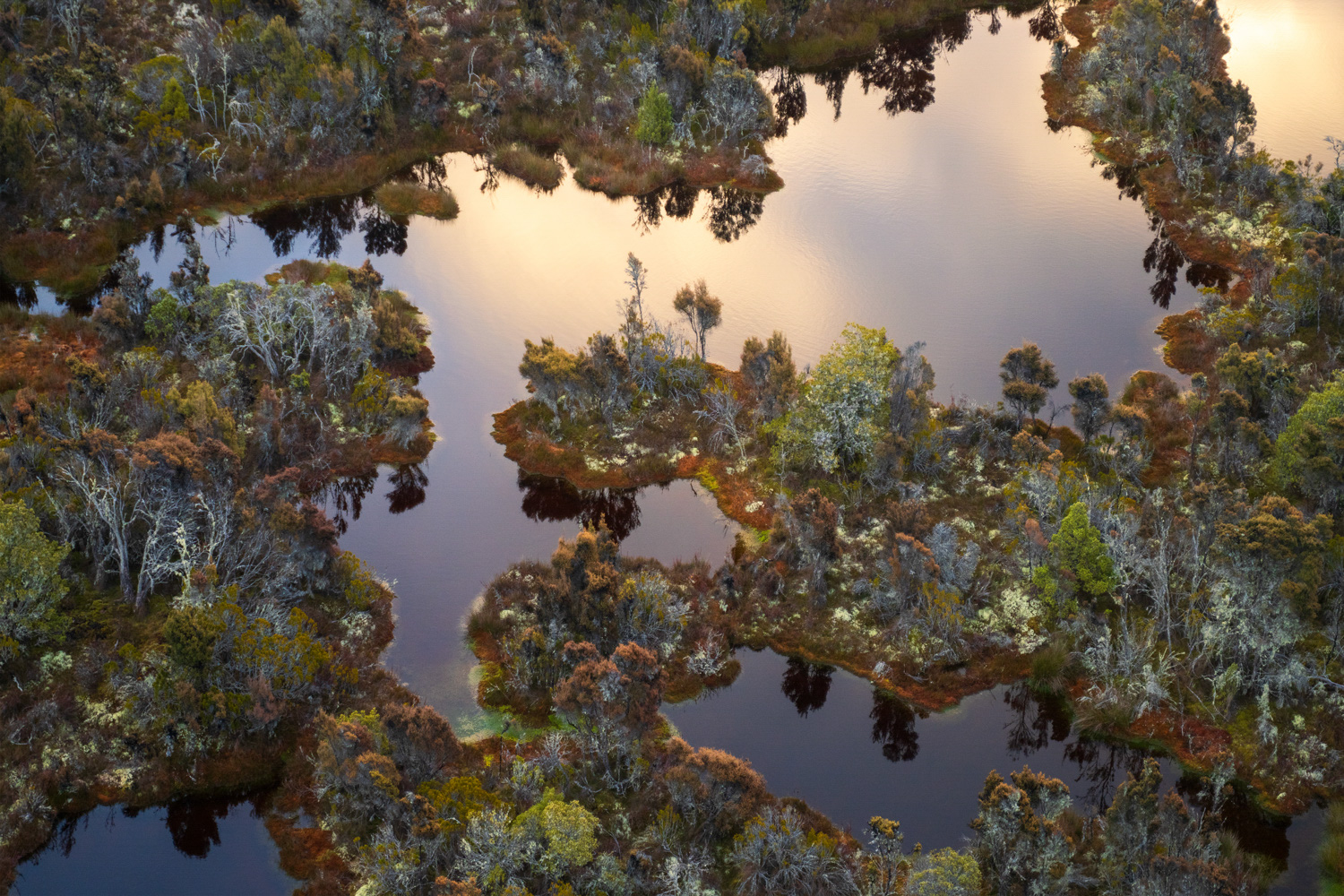
This wetland isn’t far from William Patino’s home in Te Anau, but it’s hidden by bush. A pilot friend alerted him to it, and one day, the two of them set out to photograph it. Patino’s eye was caught by the tree at the centre of the frame, but getting the shot was a challenge: “We worked the chopper to align the right composition to best show the tree and reflected light.”
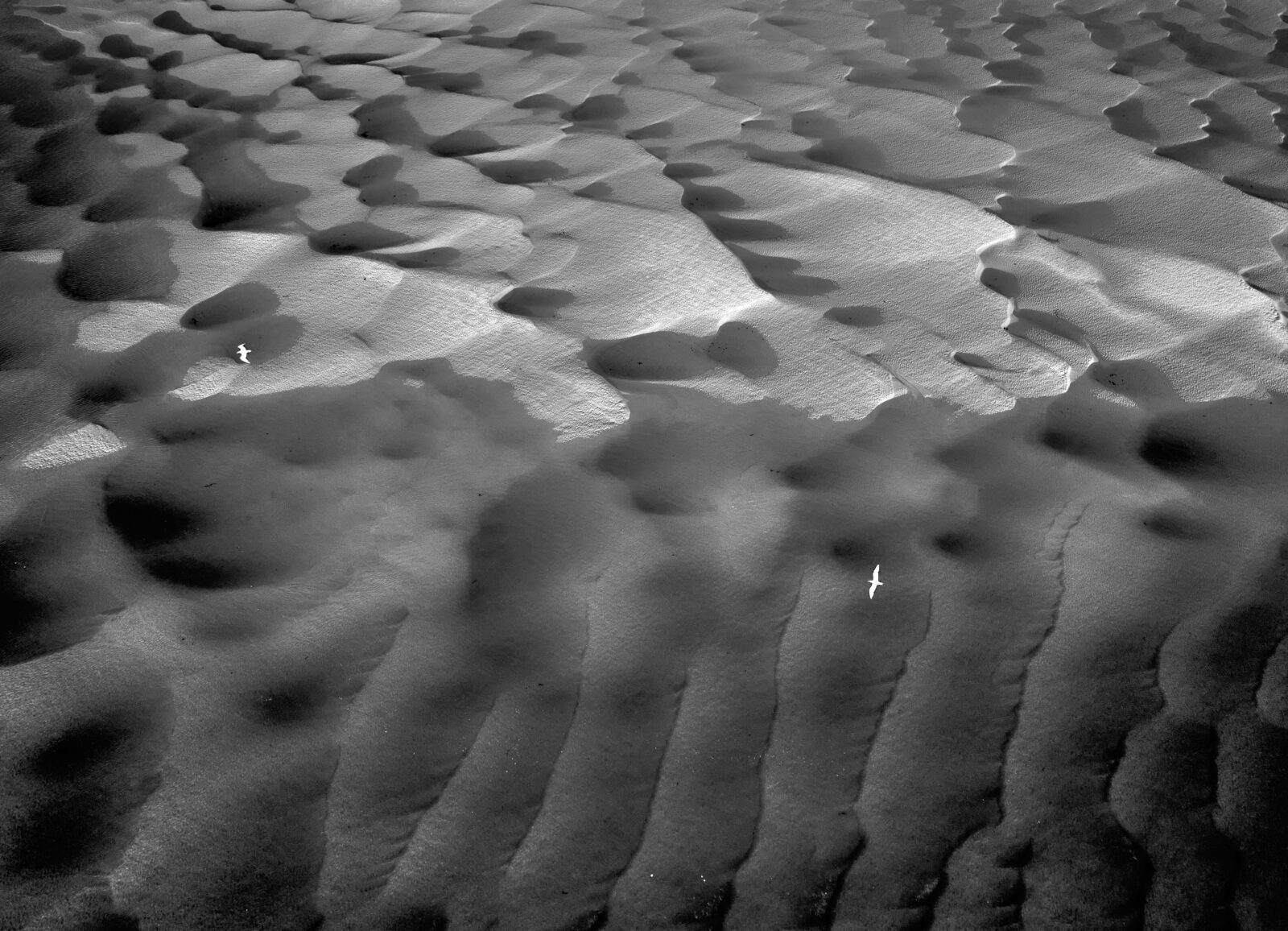
A receding tide leaves pools of water and patterns in the sand at Blueskin Bay. “I visit this spot on a regular basis as no days are ever the same,” says Trevor Douglas. “With this image I decided to remove all the colours to accentuate the patterns. The seagulls passing through the frame were an added bonus, giving scale to otherwise abstract design.”
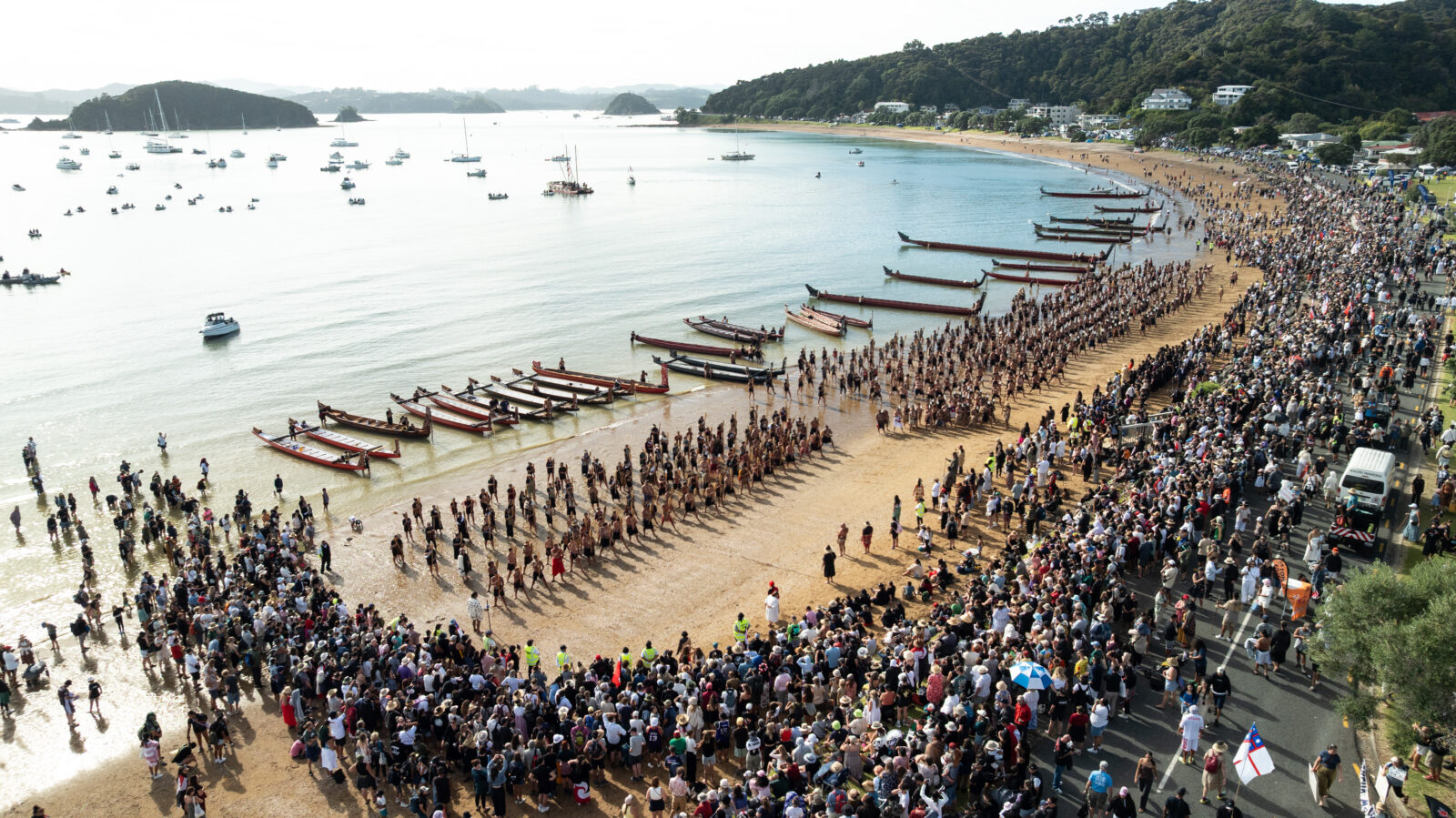
The fleet of waka tauā, waka tētēkura and waka tangata stands ready on the beach at Waitangi as crowds gather. Every year, on Waitangi Day, thousands watch the ceremonies and cultural customs practiced by the hundreds of kaihoe/paddlers and their supporters. Te Rawhitiroa Bosch’s ongoing documentation of kaupapa waka is also on display at Te Papa.
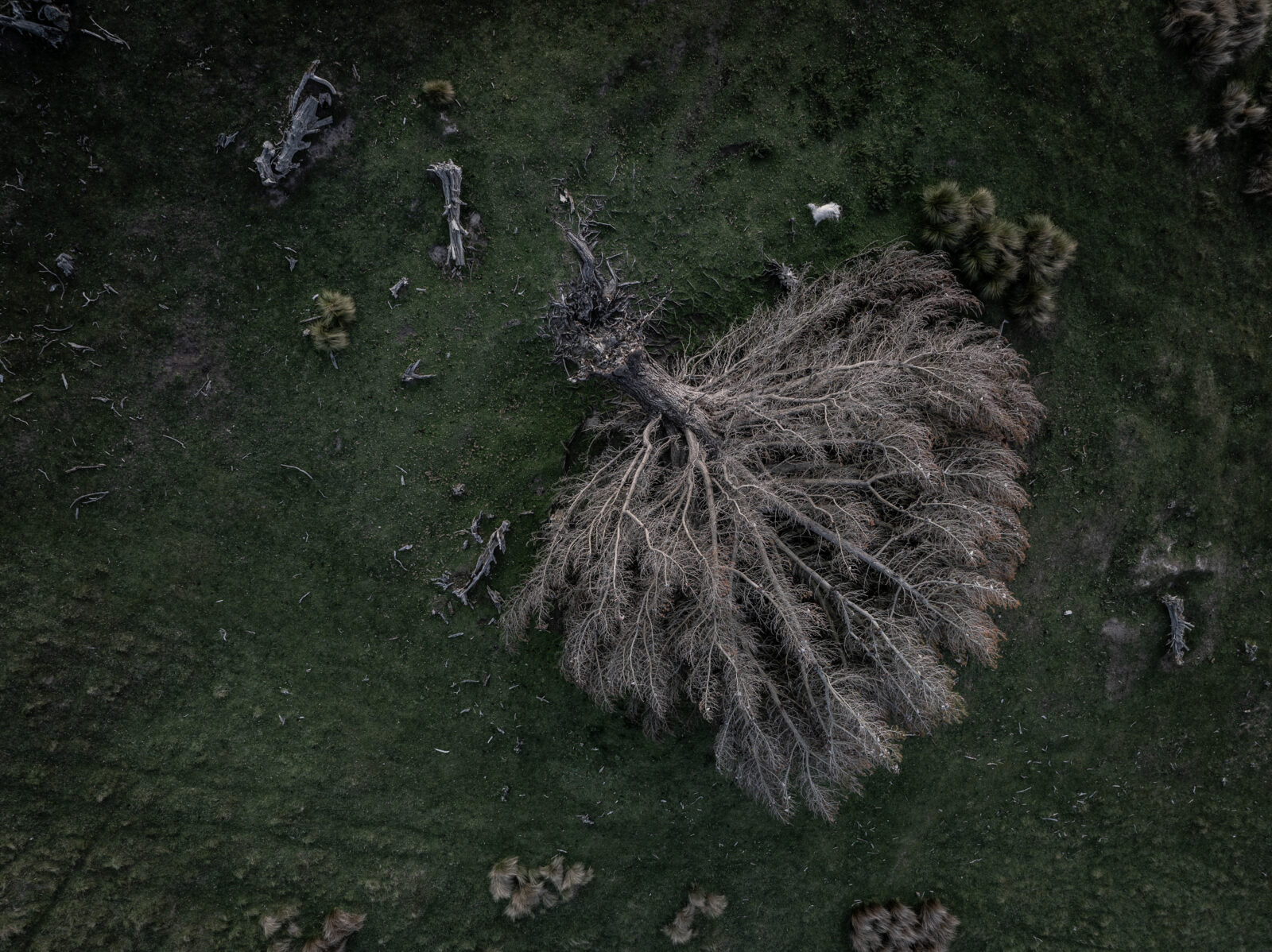
Landscape and location photographer John Doogan had often seen this toppled tree while mountain biking in Montgomery Spur Reserve, and wondered what it looked like from the air. One spring day, he returned with his drone, and captured an image of it where it lay.
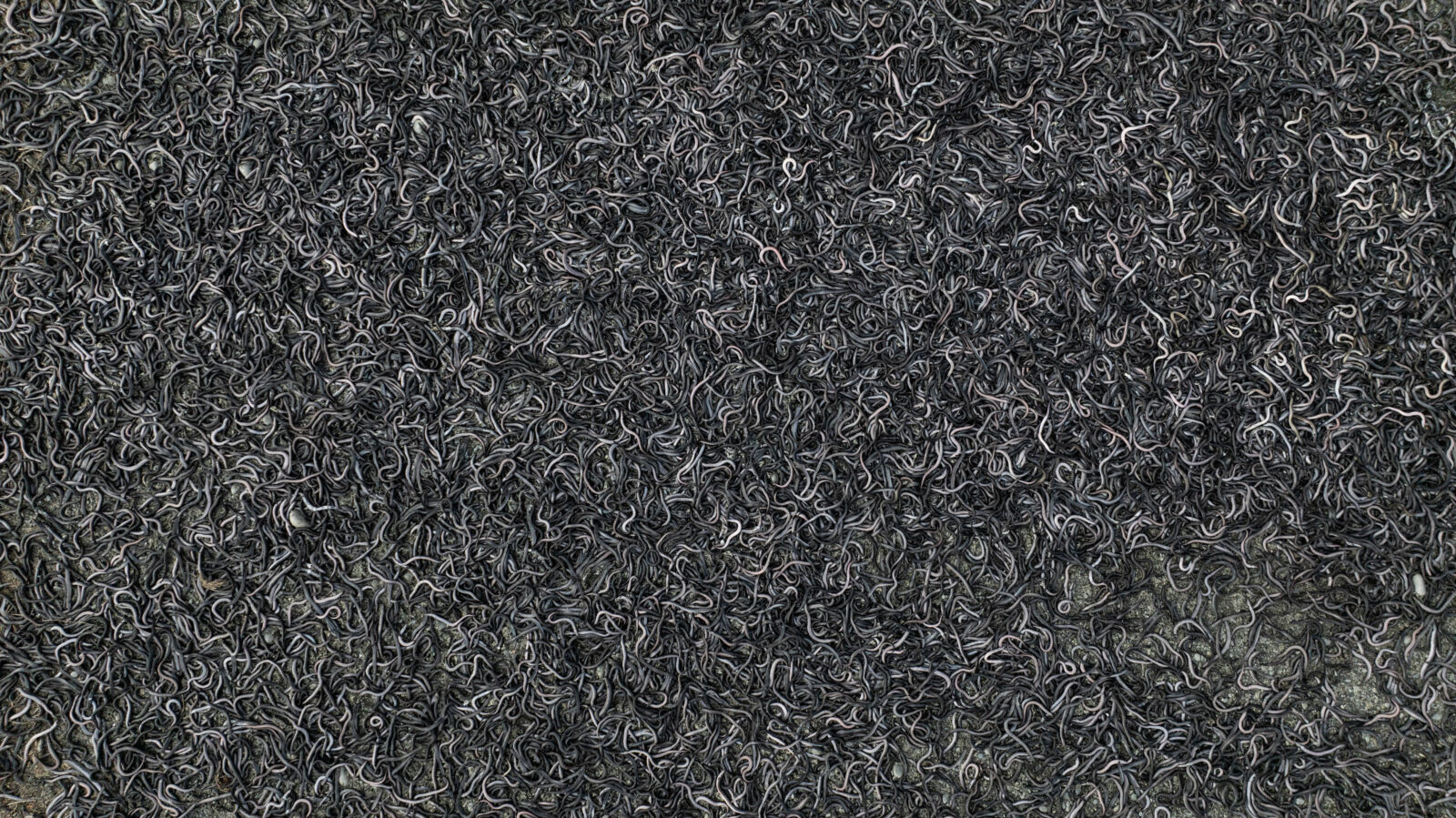
In April, a huge number of tuna/eels attempted to migrate to the sea from Te Waihora/Lake Ellesmere. Most of them successfully reached the ocean, but thousands didn’t make it, becoming stranded on the sandbar separating the two bodies of water. After hearing about the event, George Heard headed towards Te Waihora to find and photograph the stranding.
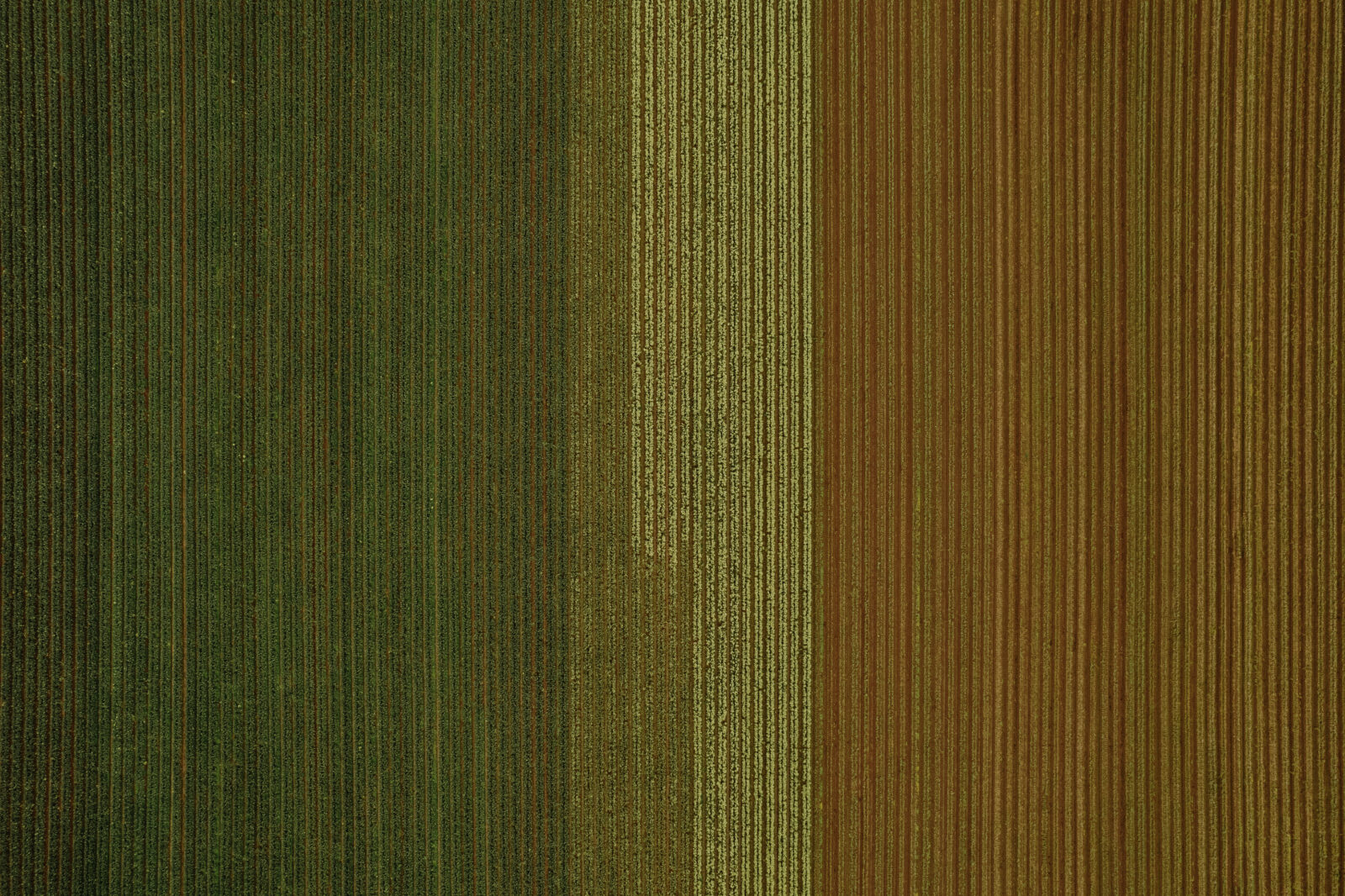
A single field of broccolini shows several stages of a growing season, from ready-to-harvest plants on the left to flowering plants in the centre and freshly cut ones on the right. Ethan Lowry photographed this scene as part of a year-long project to capture the happenings, people, places and industry of the rural Auckland district of Franklin.
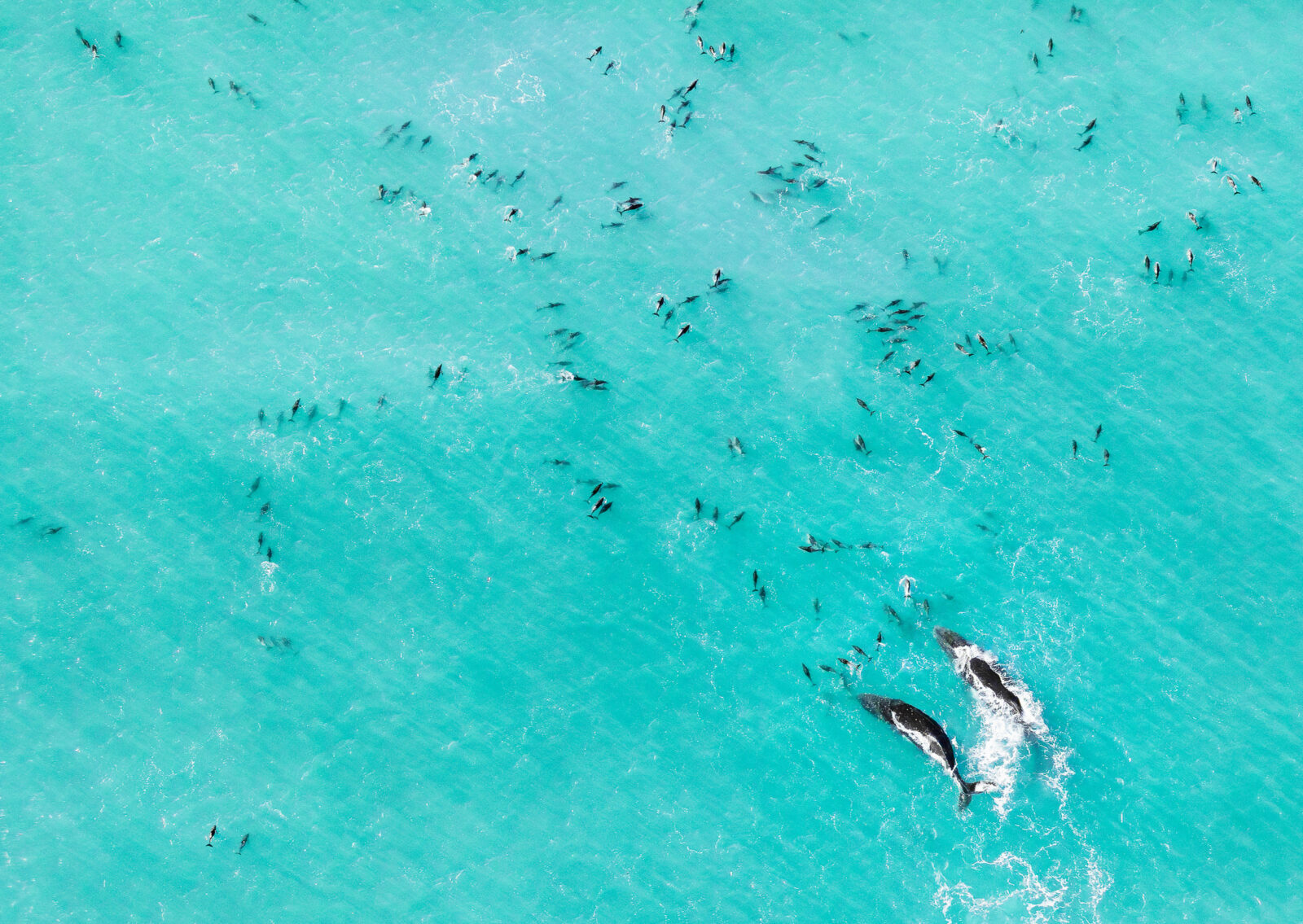
Two humpback whales meet a large pod of dusky dolphins off the coast of Kaikōura. "Having lived in Kaikōura for a couple of years, I’m always on the look out for unique photo opportunities, especially involving the local wildlife," says Darren Creighton. Taking the opportunity of a spare seat on a whale-watching flight led to this shot.
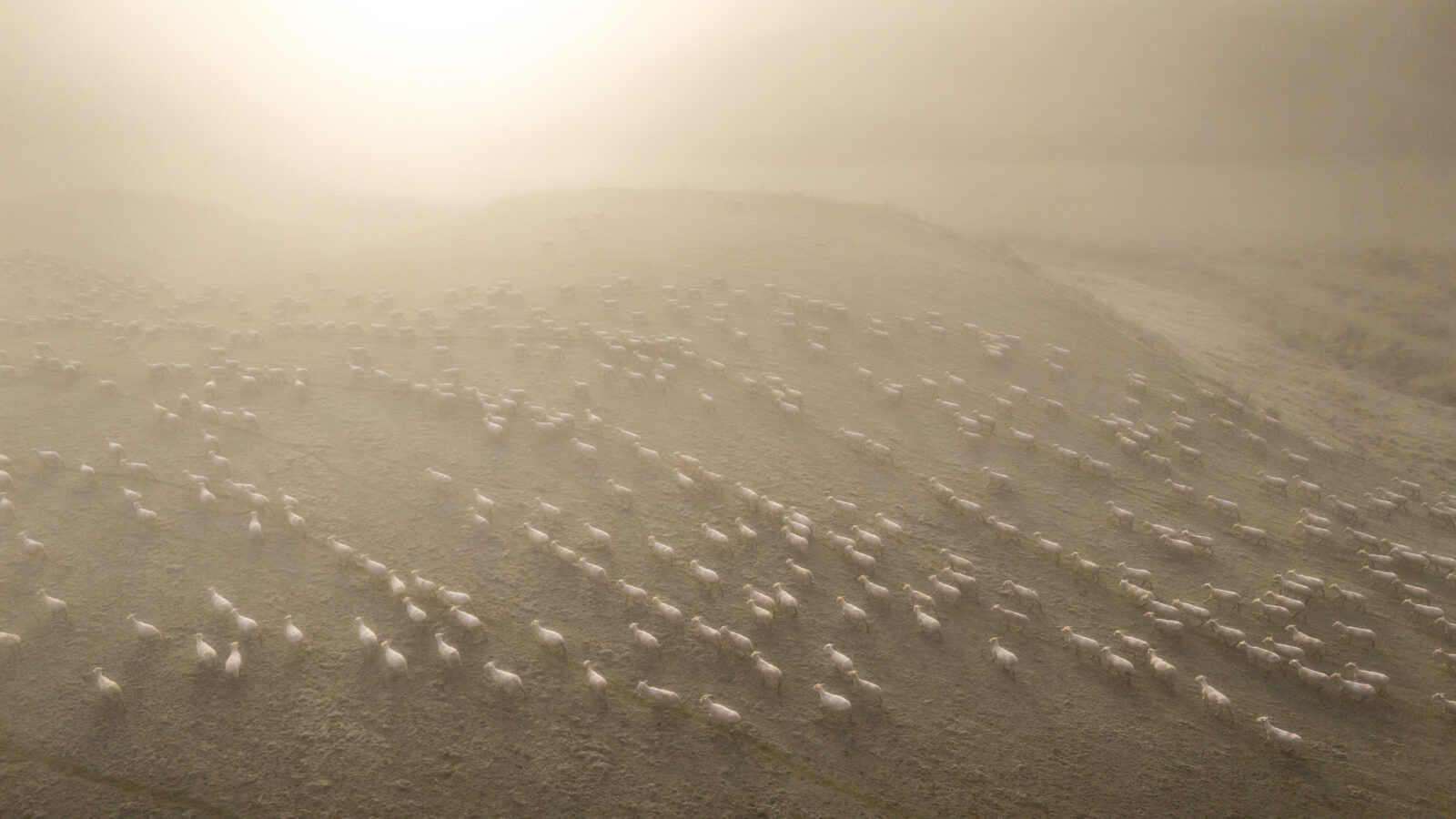
The temperature was below zero, Alex Wallace couldn’t see anything due to fog. He sent up his drone in order to get the lay of the land, and discovered a flock of sheep moving through a heavily frosted paddock. "I managed to shoot no more than 10 frames before the drone flashed up an emergency warning," he says. He landed it to find icicles on the propeller blades.
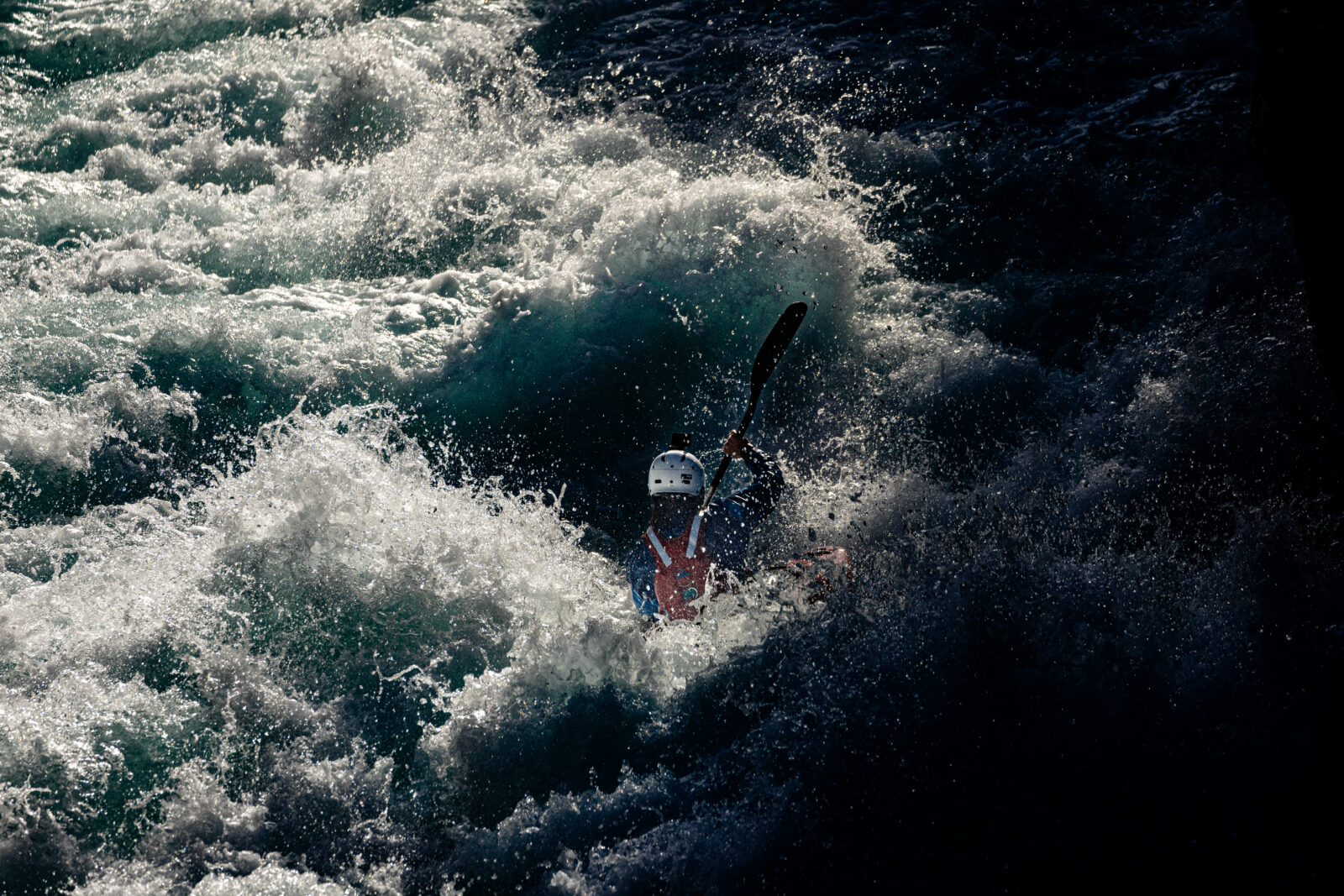
Sports photographer Rod Hill has made an ongoing project of photographing friends paddling Huka Falls—here, whitewater kayaker Mic Uhl exits a rapid nicknamed the ‘pencil sharpener’. “The conditions were fantastic for me with really deep shadows,” says Hill, “but it was particularly cold and misty. The paddlers were all in dry suits.”
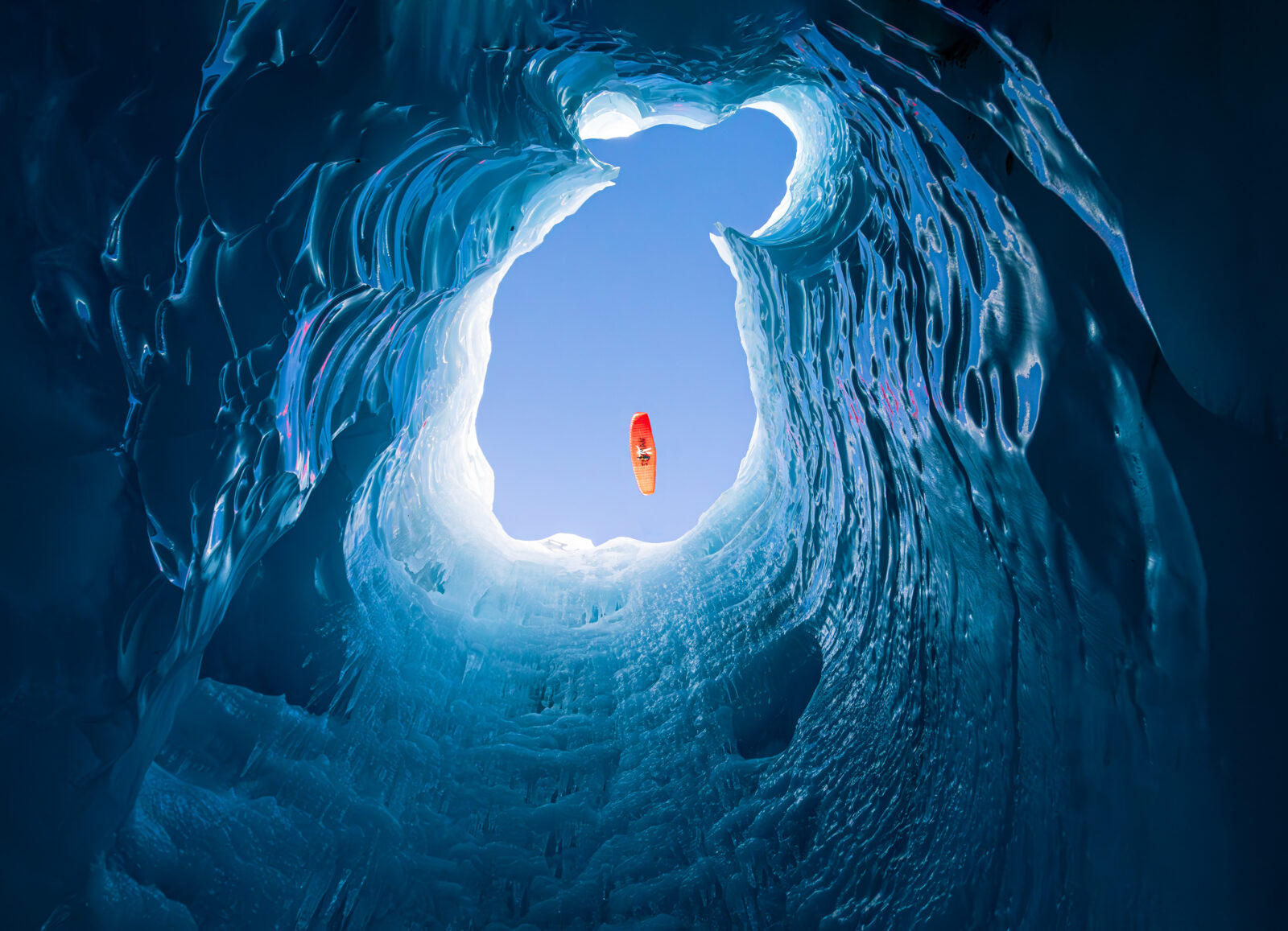
Through a small hole in the roof of a glacier cave, a paraglider travels across the sky–an image long in the making for Paddy Edmondson. The opening in the cave roof was tiny, so the paraglider needed to hit the perfect position while battling strong winds from the wrong direction. “‘A needle in a haystack’ feels like the perfect way to describe this shot,” says Edmondson.
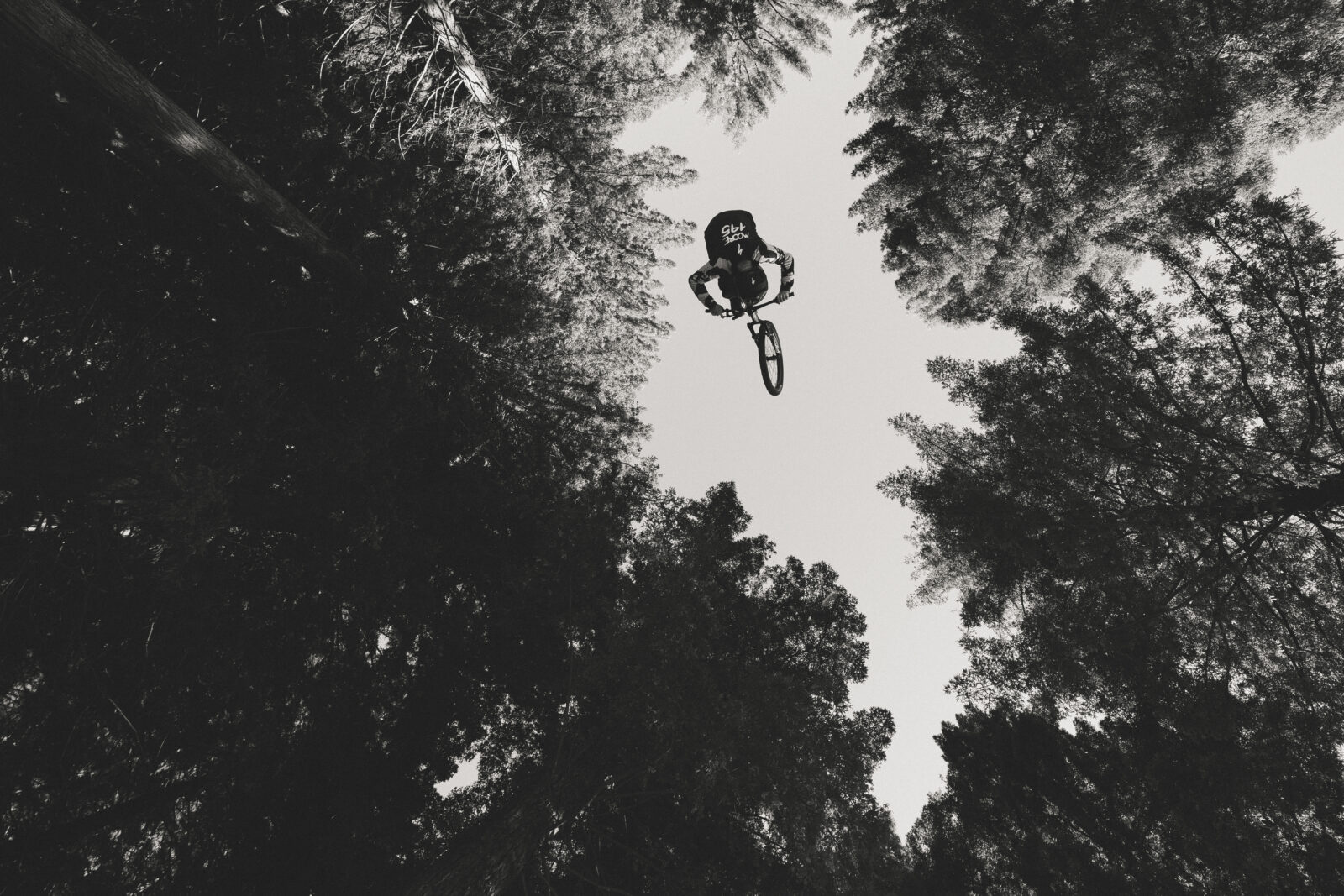
Canadian mountain biker Chance Moore takes a practice run of the men’s slopestyle course at Crankworx, a global mountain bike festival with an annual Rotorua event. Michael Bogalo, who had media clearance to access the course, lay directly under one of the jumps to capture this shot.
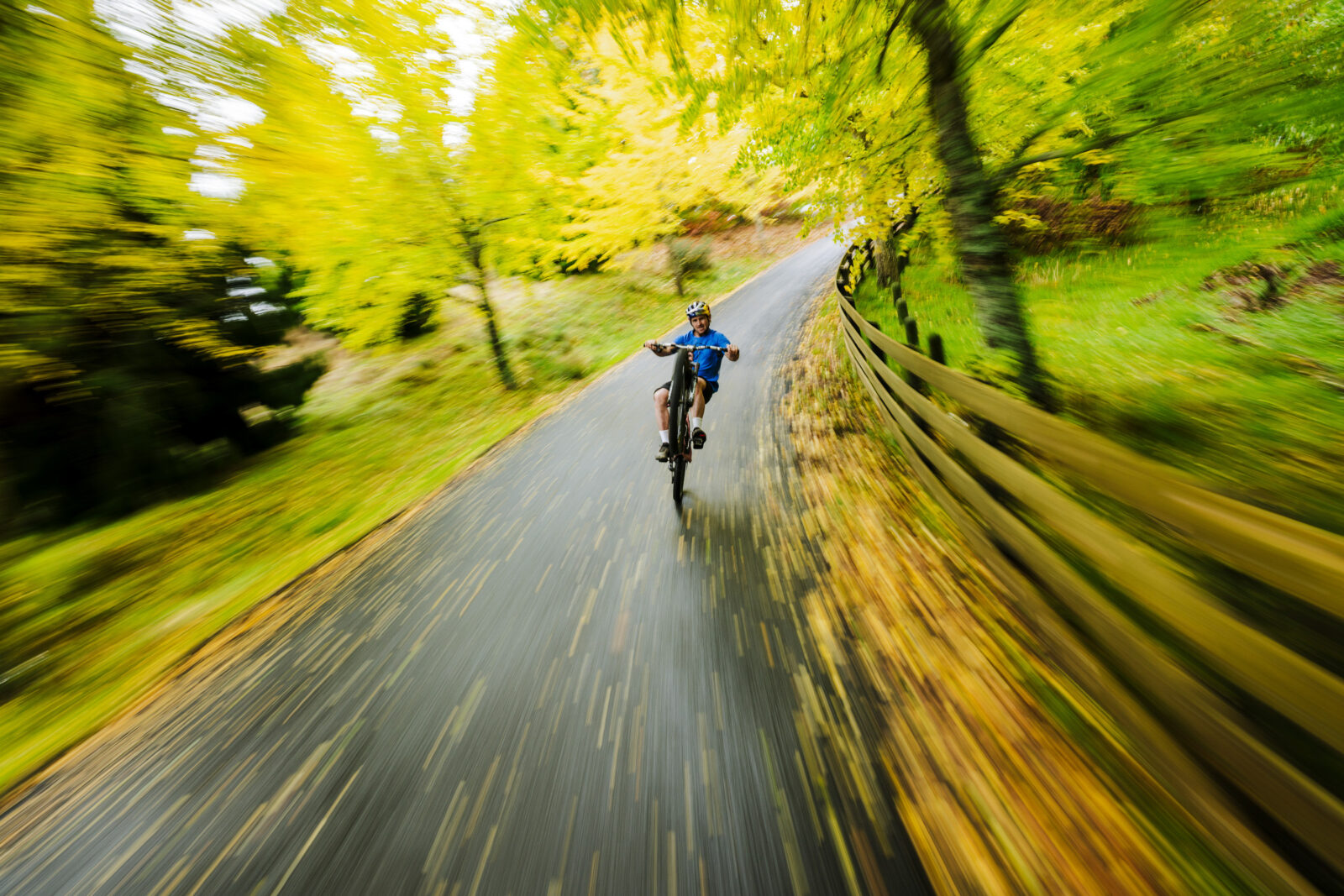
Downhill mountain biker Brook Macdonald nails a manual–like a wheelie, but more difficult–amidst Rotorua’s autumn colours. Sports photographer Graeme Murray envisaged the shot in advance and built a camera rig especially for it. “It worked straight away,” he says, “which I was stoked about.”
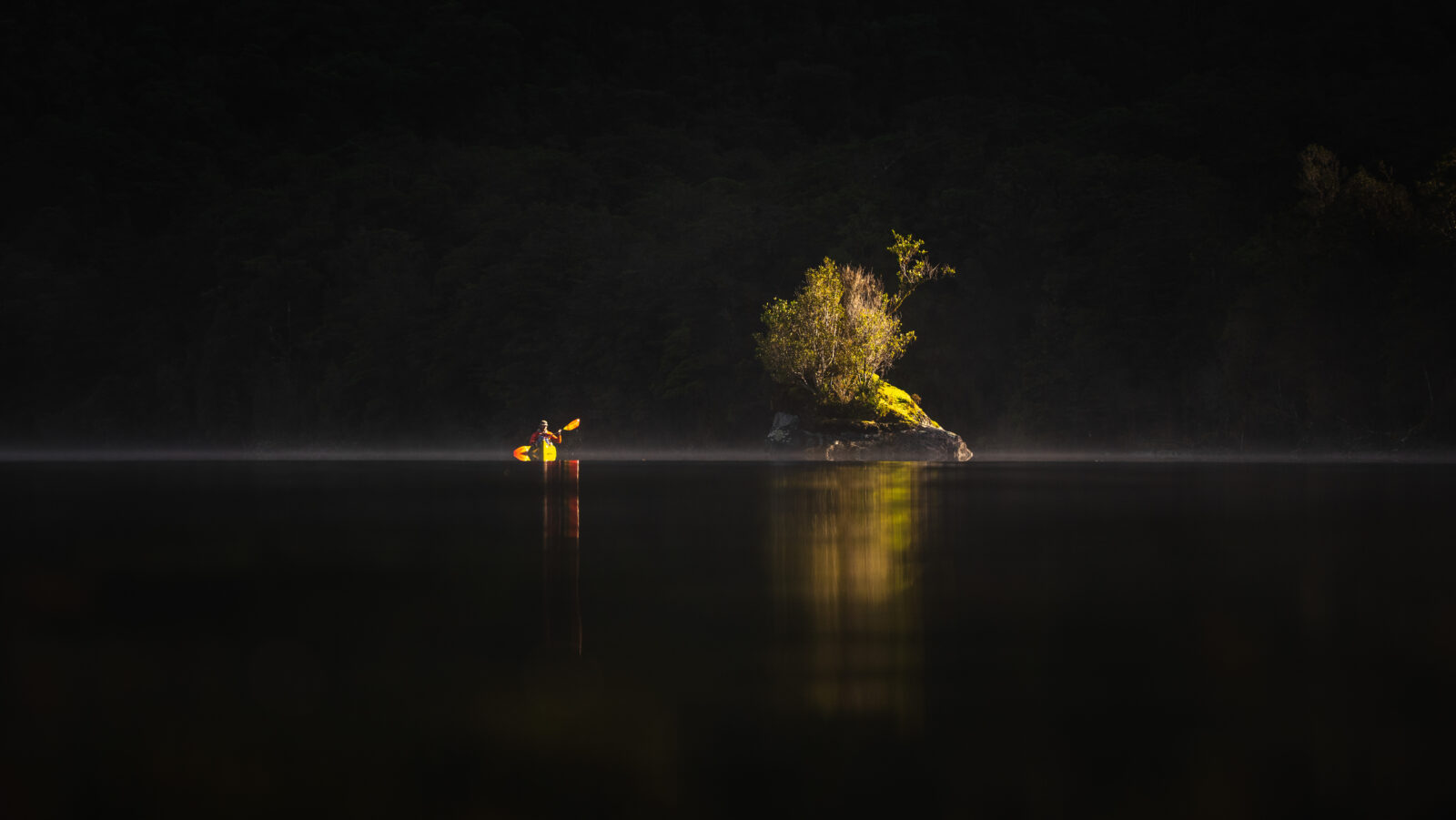
On a 100-day trip through Fiordland National Park, Ethan Roadley paddles across Wet Jacket Arm, named by Captain James Cook after his crew was caught out in the weather. It’s one of the rainiest parts of the country; on this winter morning, only a small island caught the sun.
Thanks to our family of sponsors, each of them committed to fostering the craft of photography in New Zealand.
More by dan_roberts