
In 2025, there were 36 winners in Photographer of the Year, each a compelling reflection of who we are as a people and the environment we live in.


In 2025, there were 36 winners in Photographer of the Year, each a compelling reflection of who we are as a people and the environment we live in.
SCROLL DOWN

SWIPE UP


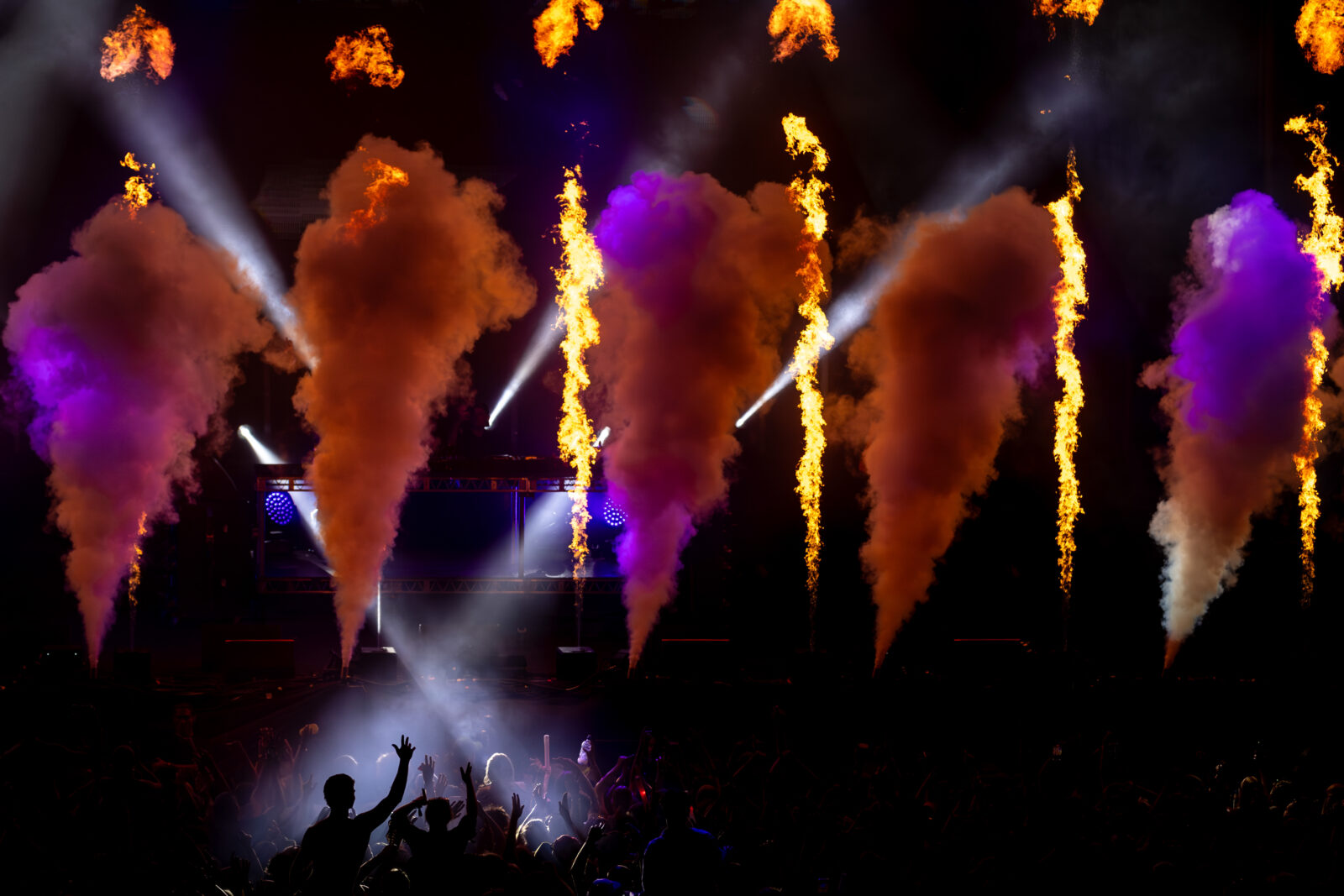
Peking Duk, an electronica act from Canberra, perform at February’s Electric Avenue music festival in Hagley Park. The event drew record crowds, selling out accommodation in central Christchurch. Stuff photojournalist Iain McGregor waited for a moment where flame, dry ice and lighting added structure and depth to the silhouettes of the dancing crowd.

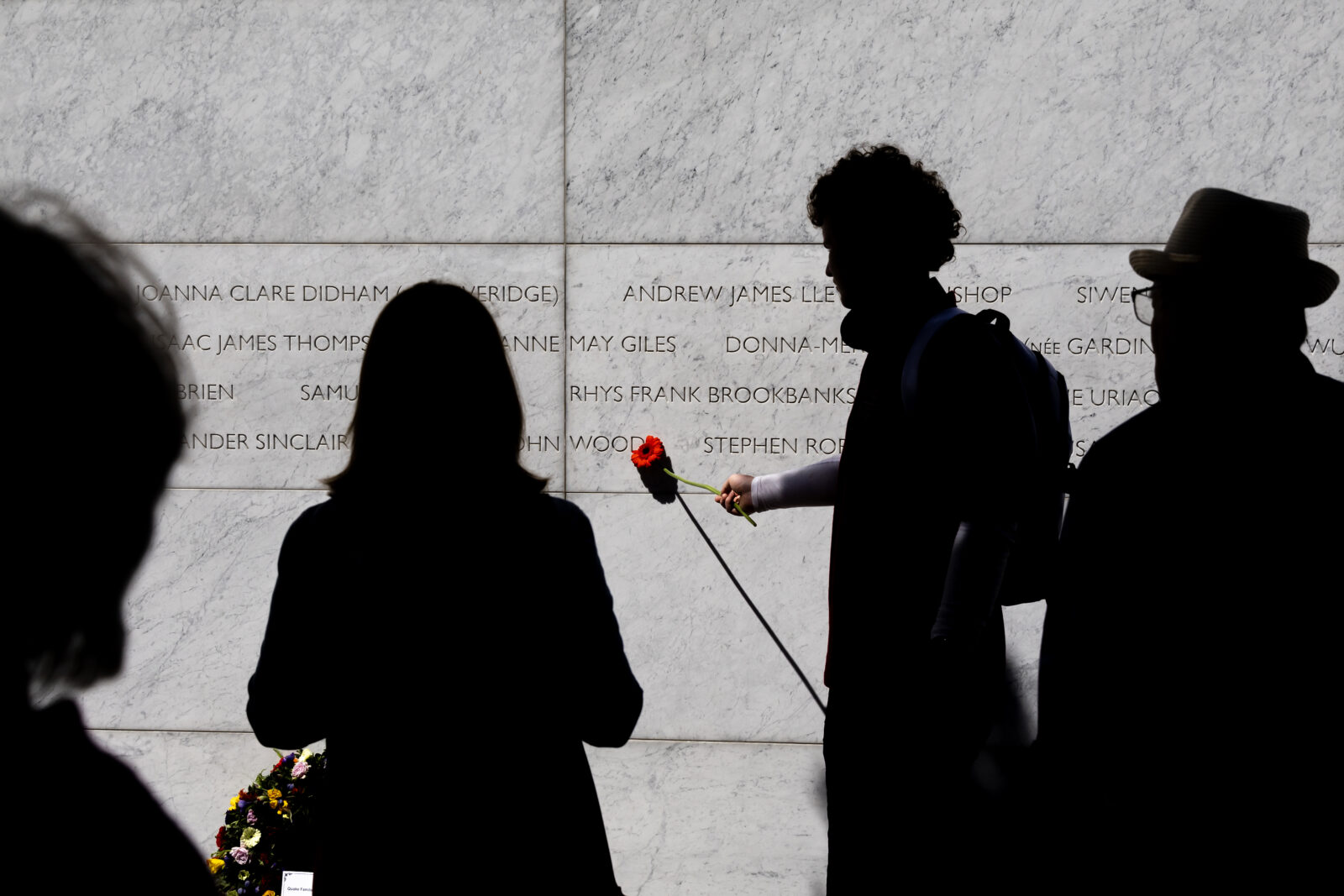
Canterbury Earthquake National Memorial on the anniversary day 22nd Feb. Names of the victims are on the wall.
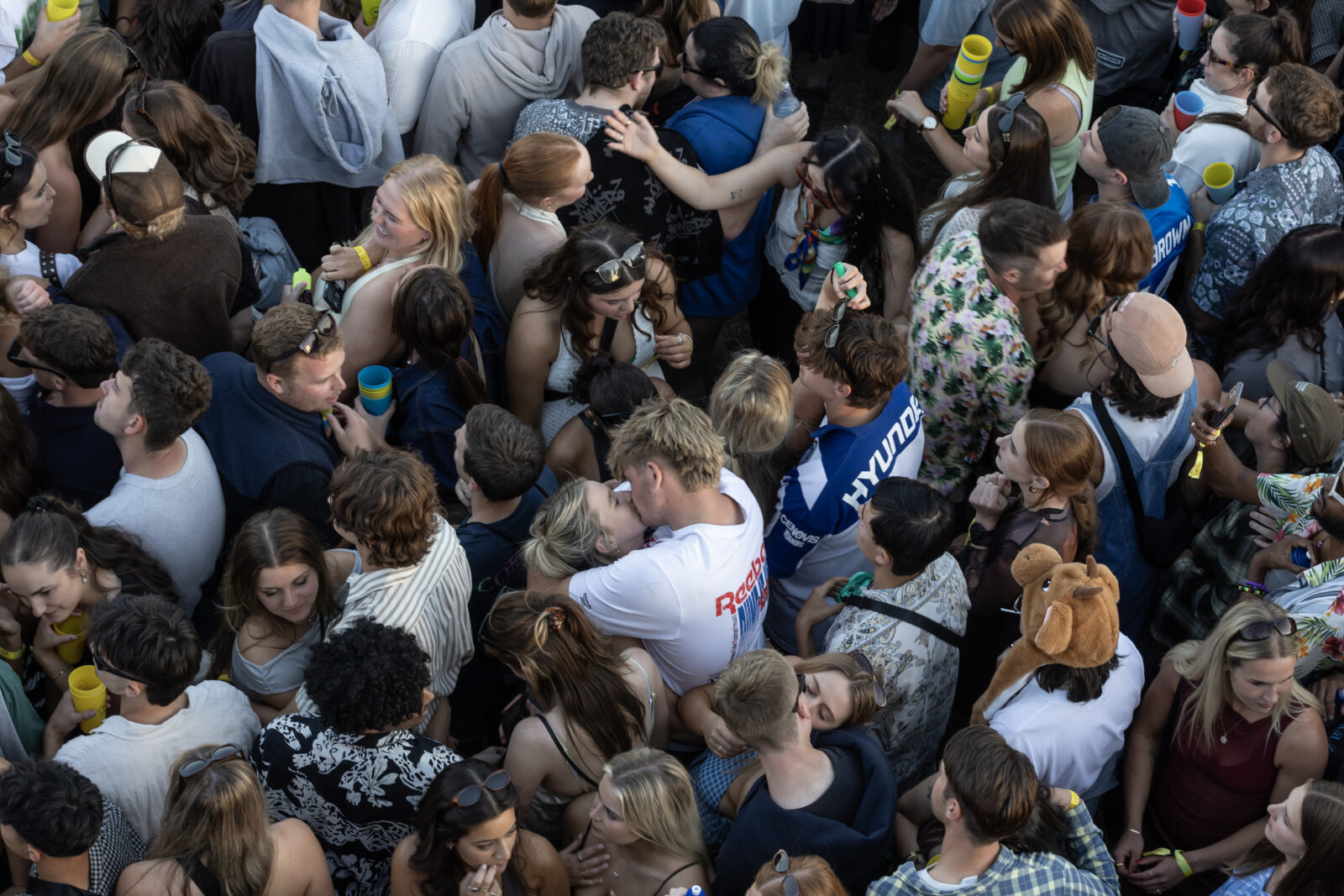
Day 1 of Electric Ave music festival in Hagley Park, Christchurch. A couple in the crowd kiss during a set from Empire of the sun. Electric Ave drew record crowds and sold out the central city accomodation.
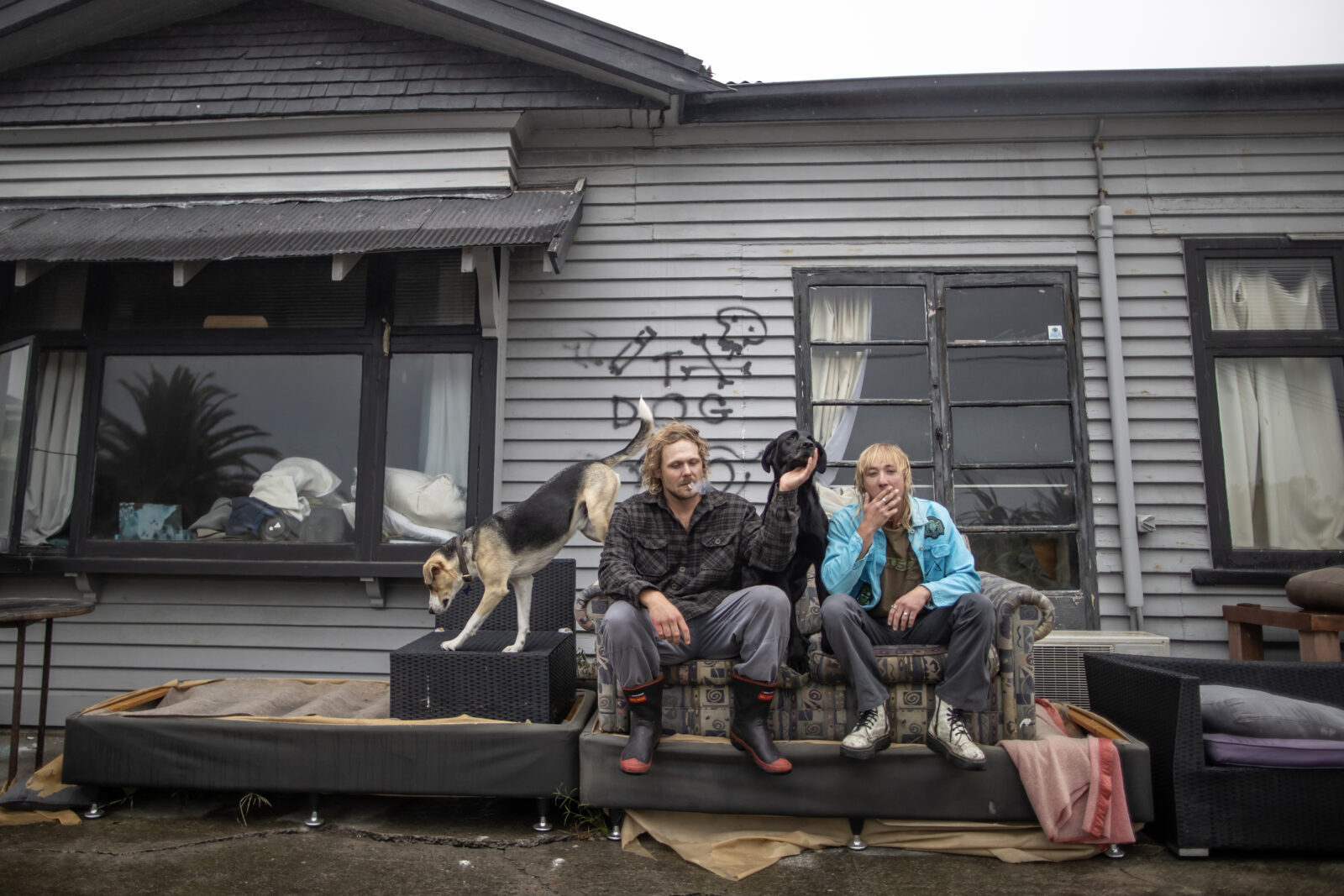
Tenants Charlie Brown and Yannik Turner of a well known surfers party house on the esplanade in Sumner will have to move out when the property is demolished in June for new buildings.
paddy_edmondson
Paddy Edmondson
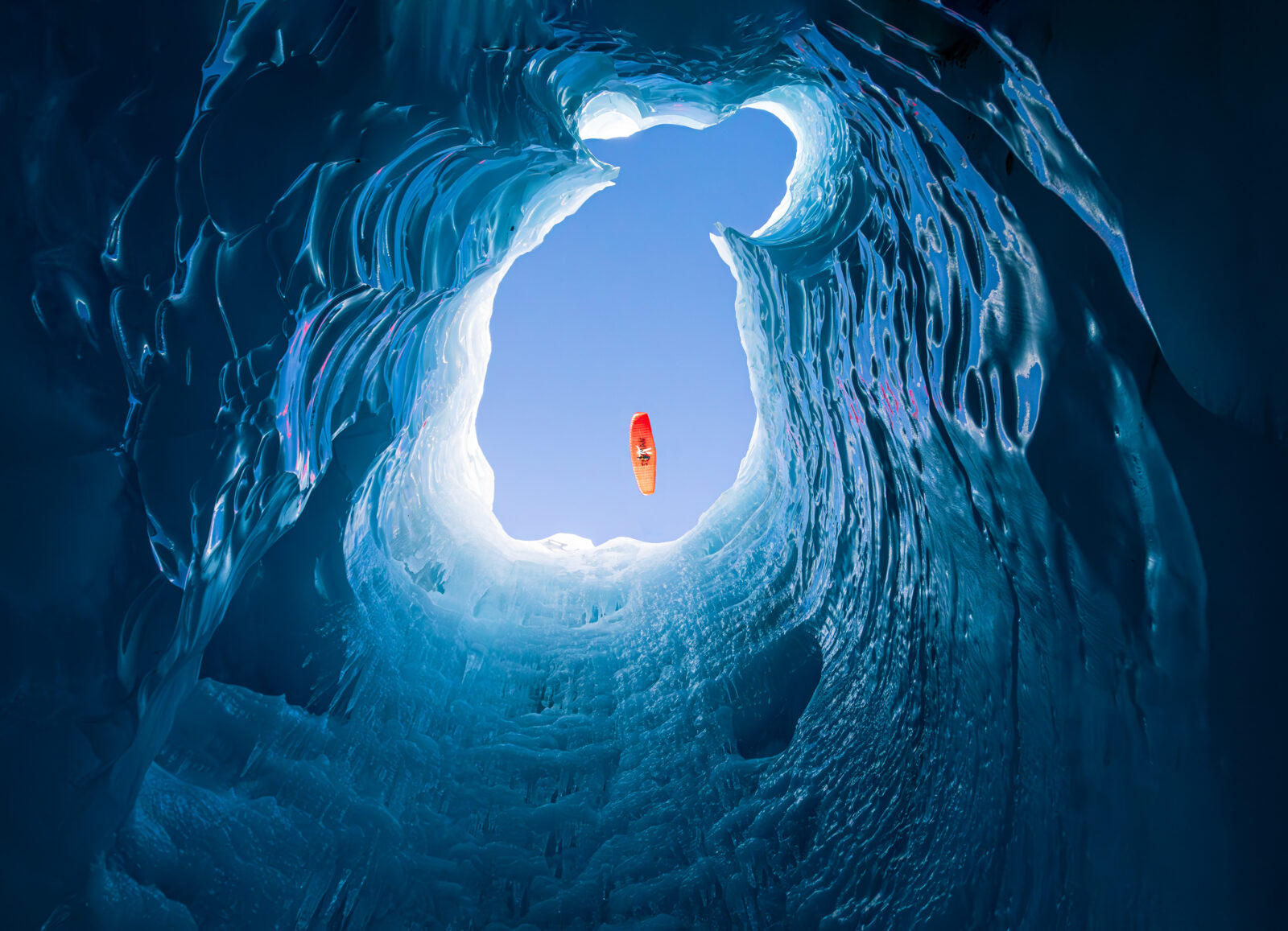
Through a small hole in the roof of a glacier cave, a paraglider travels across the sky–an image long in the making for Paddy Edmondson. The opening in the cave roof was tiny, so the paraglider needed to hit the perfect position while battling strong winds from the wrong direction. “‘A needle in a haystack’ feels like the perfect way to describe this shot,” says Edmondson.
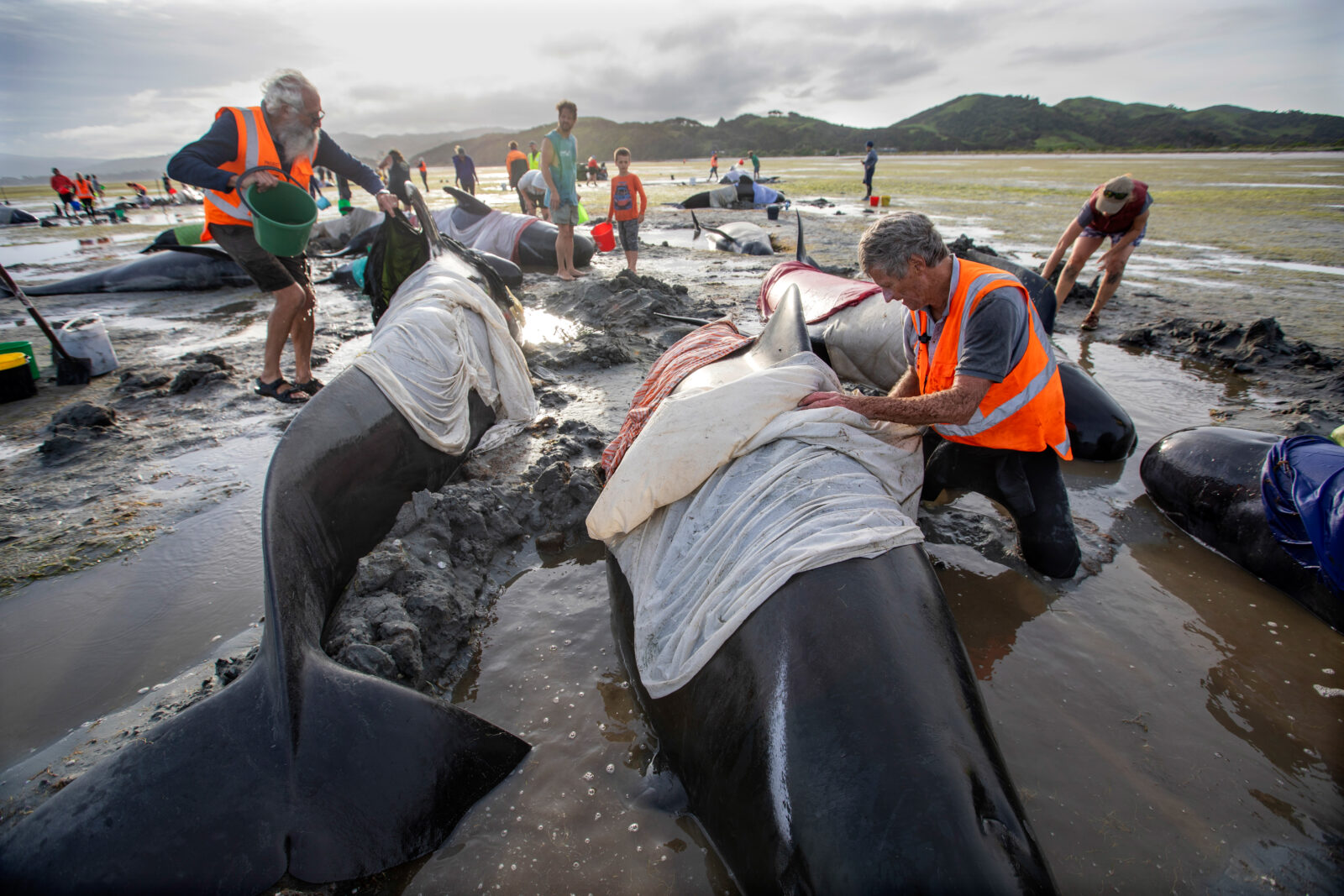
Project Jonah volunteers respond to the stranding of 39 pilot whales at Farewell Spit. Photojournalist Tim Cuff arrived on the scene in the evening and documented weary volunteers who had been caring for the whales all day. The whales were re-floated twice before the survivors finally left the bay.
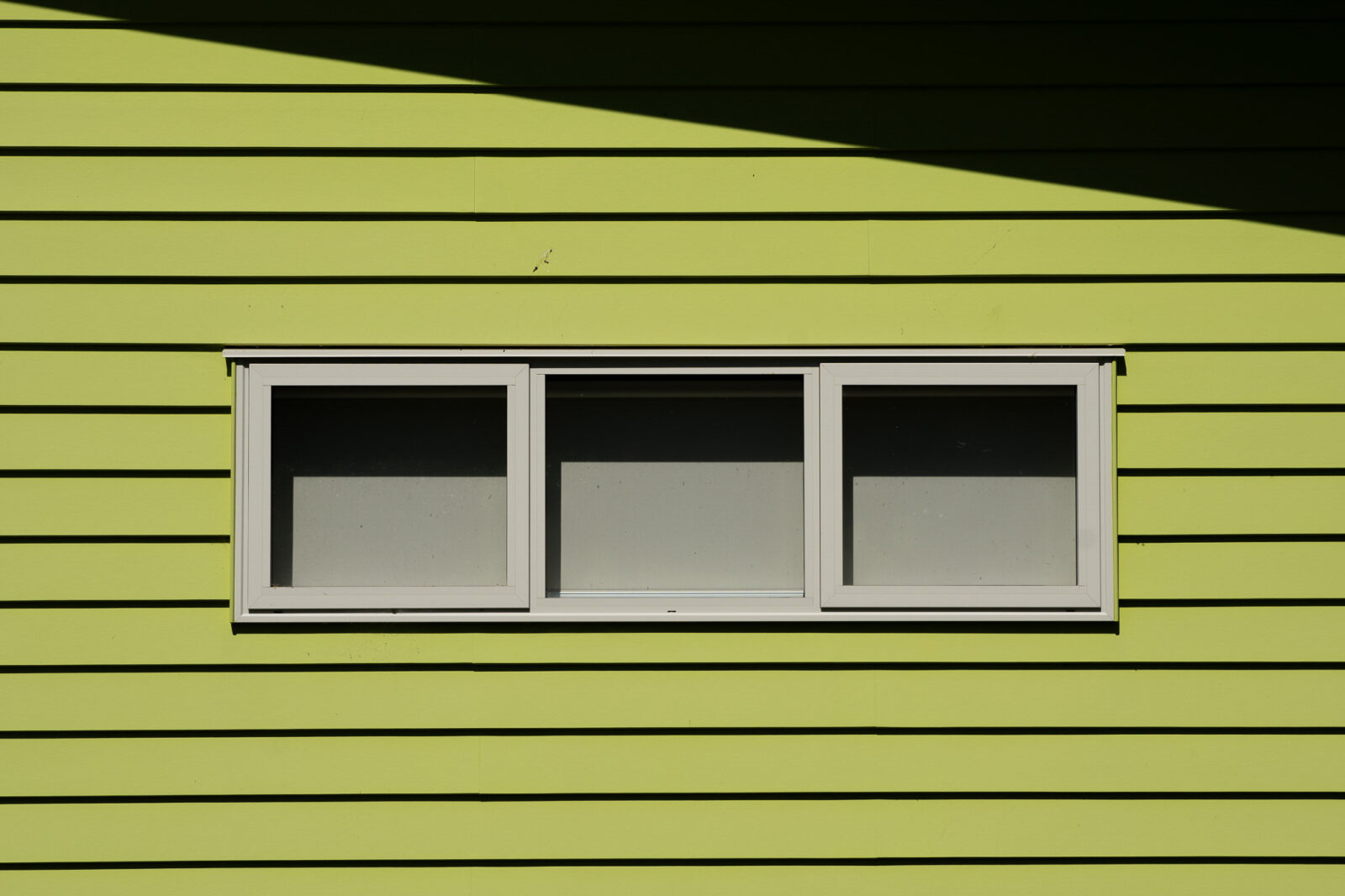
Summer afternoon sun casts strong shadows from the roof of a house in Whiritoa, a beach town on the Coromandel Peninsula. The bright colours caught D’Artagnan Sprengel’s eye as he was wandering around the township, as well as the way the shadow cut through the straight lines of the scene.
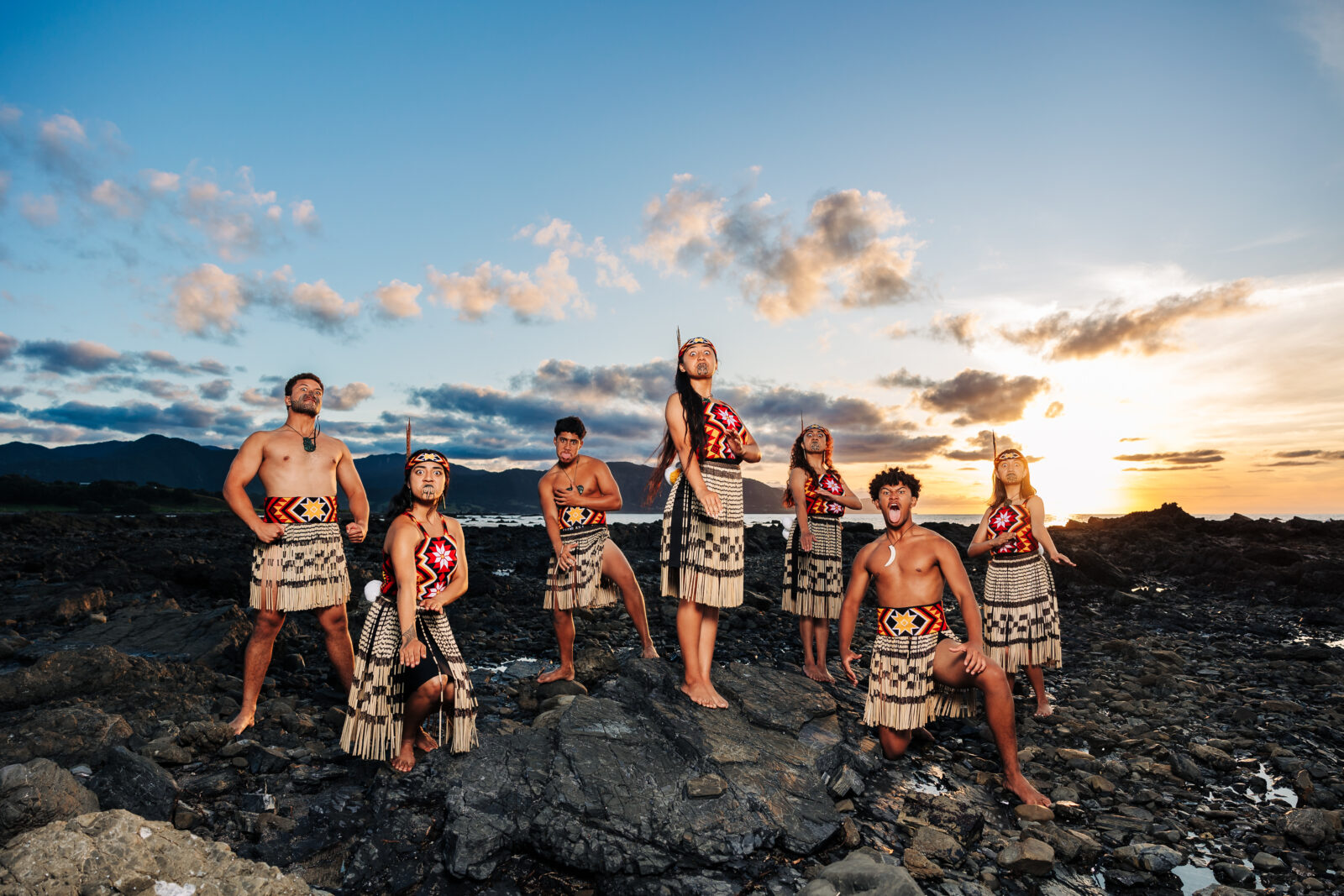
Ngā Rangatahi o Te Taumata o Apanui, Raukokore. He toka tō moana—steadfast like the rocks they stand on.
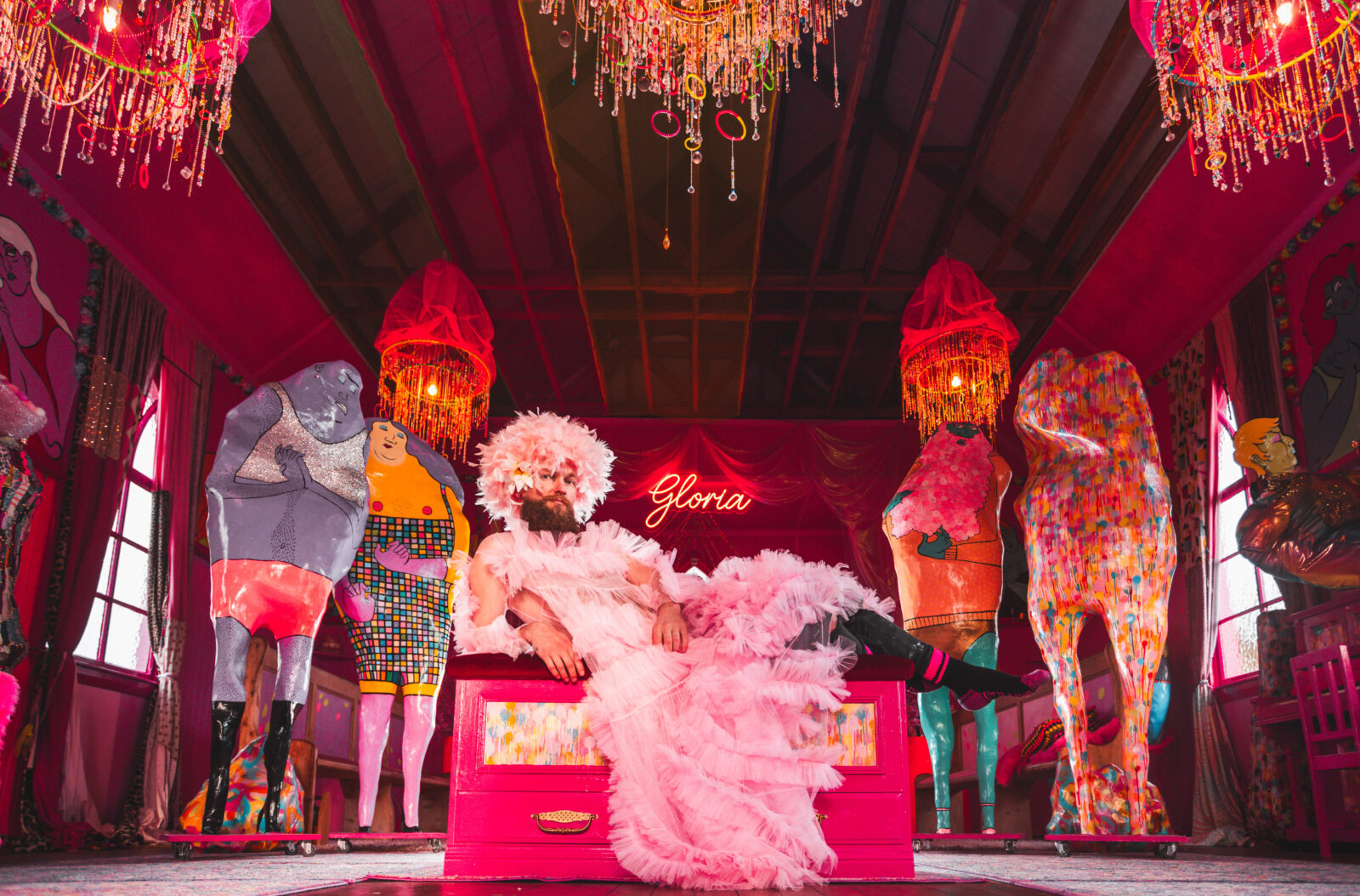
Artist Sam Duckor-Jones poses in his live-in art project, Gloria the Pink Church, surrounded by the congregation he’s created. “I wanted to capture Sam's personality and the enormous effort he has put into his project,” says Jason Blair. That meant capturing the kaleidoscope of colours central to the experience of visiting Gloria in real life.
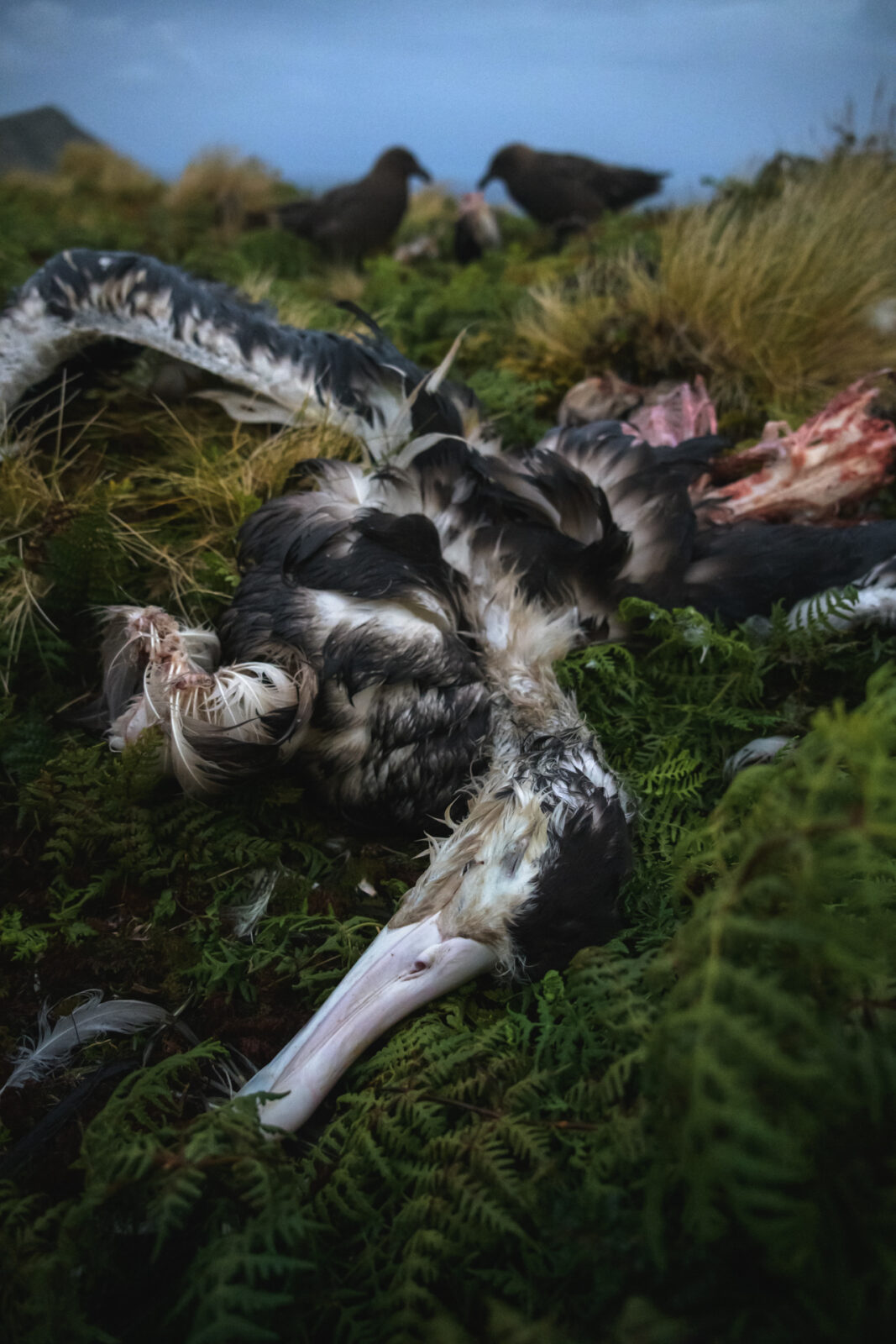
Not every Antipodean albatross chick makes it to fledging–leaving the nest and taking flight–either because their parents can’t find enough food, or one parent is killed as bycatch. “Lying face to face with the wreckage of a chick that I had seen alive only a few days beforehand was a sobering reminder of the threats these birds face,” says Edin Whitehead.
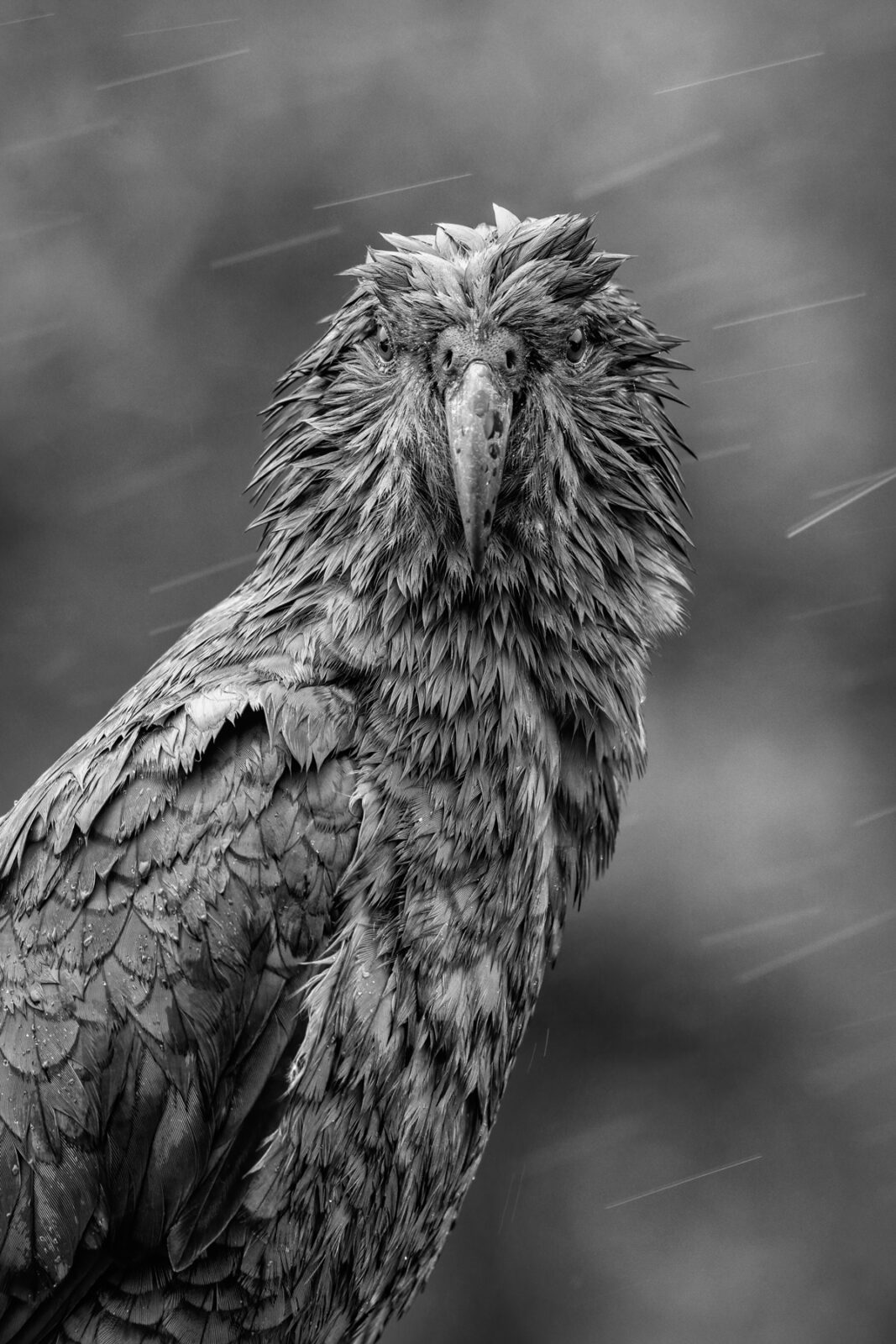
After closely watching weather forecasts, finally Jonathan Harrod spotted what he had been waiting for: a heavy rain event in Arthur’s Pass. He used a slow shutter speed to blur the near-horizontal deluge. “I spent a couple of hours with these kea in the pouring rain; they seemed completely unfazed, while I struggled to keep myself and my gear dry,” he says.
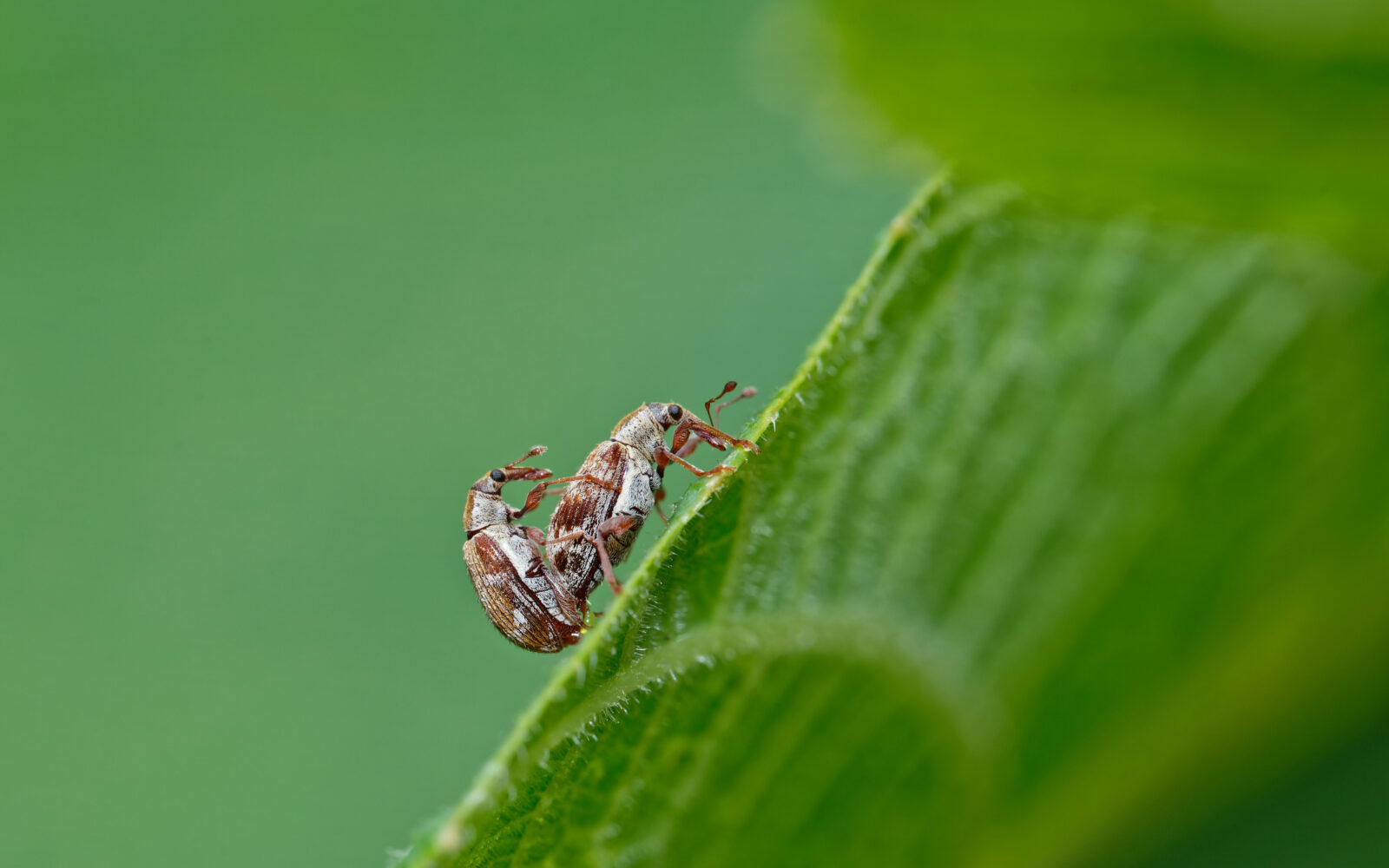
Highly Commended—Heritage Expeditions Wildlife
Anne Webber
On a weekend photography trip to Golden Bay, Anne Webber was hoping to photograph wētā. Instead, she spotted weevils. The first was uncooperative and flew away, but searching for others, she came across this mating pair. Carefully, she experimented with different angles in order to capture and light them without disturbing the moment.
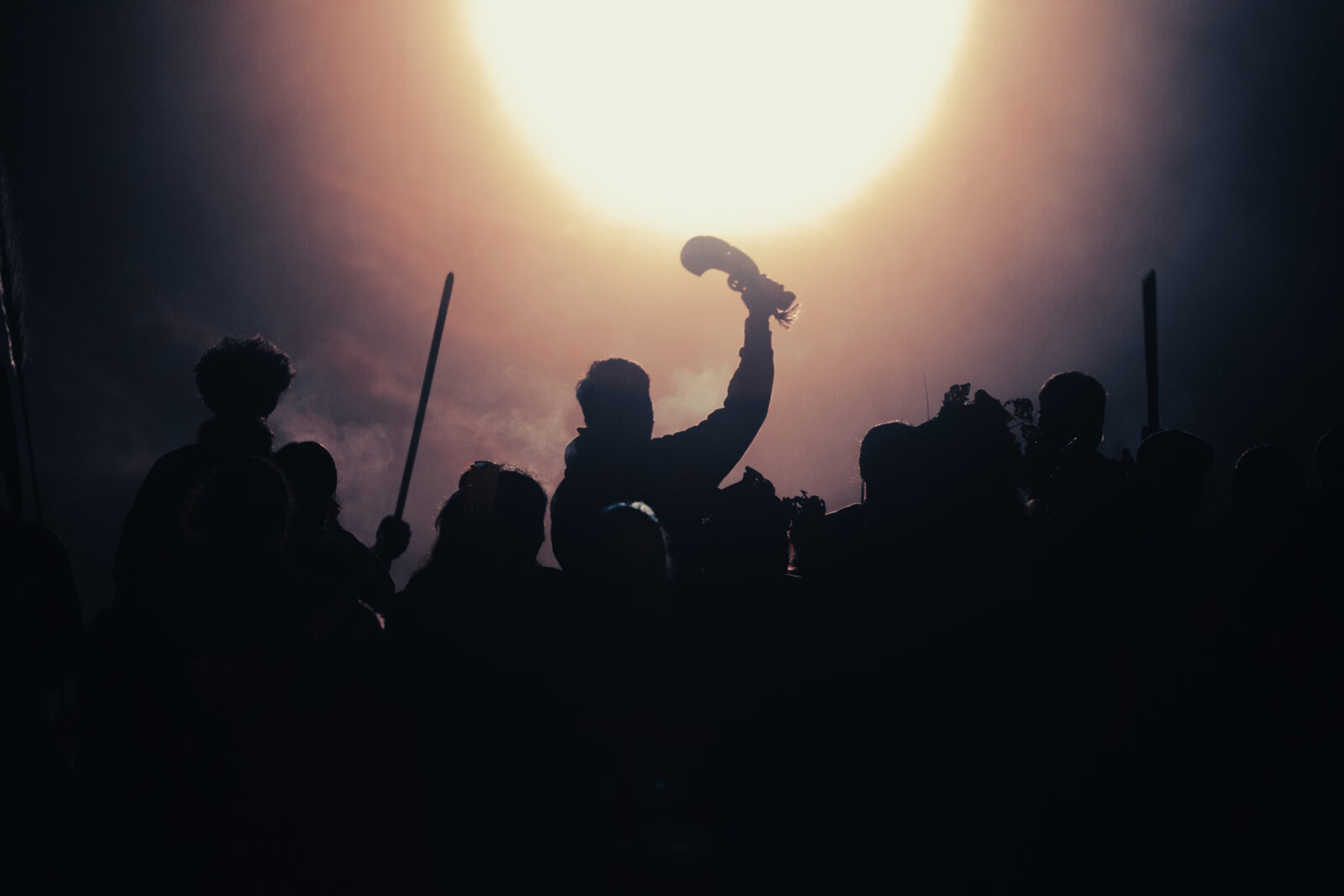
Beneath a full moon, a warrior lifts his patu in a reenactment of Te Ika a Ranginui, a pivotal battle between Ngāti Whātua and Ngāpuhi, as hundreds look on. The reenactment, which took place in March, marked the 200-year anniversary of the battle. With photography limited by darkness, Tamaira Hook focussed on capturing silhouettes of the patu and taiaha.
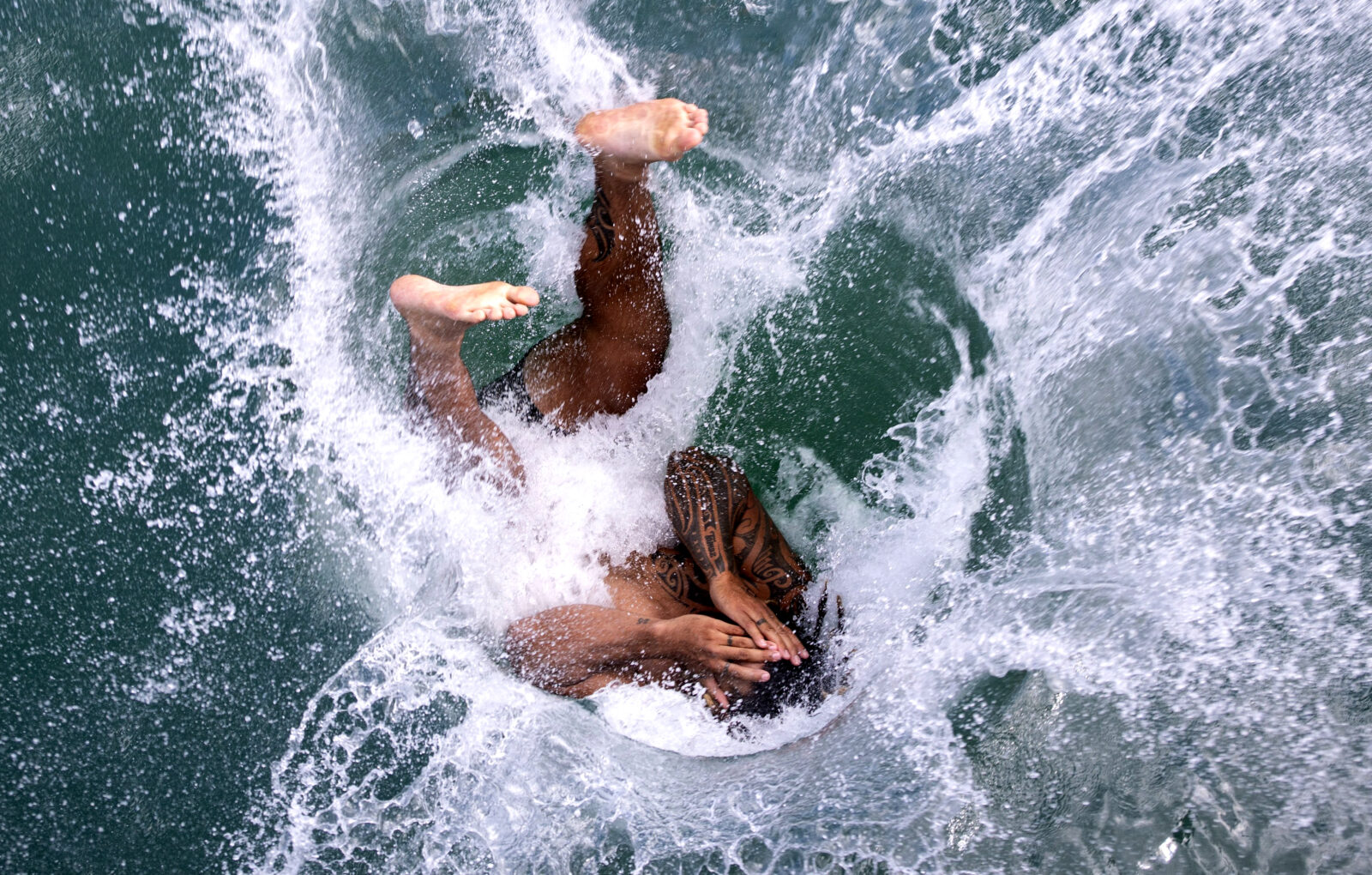
Nikora Puhi-Royal competes in the classic category at the Manu World Champs, demonstrating perfect form: body in a V-shape, backside hitting the water first. The manu is a type of bomb designed to create a very large splash; the competition also has a division for jumpers experimenting with freestyle forms, from head-first plunges to cannonballs.
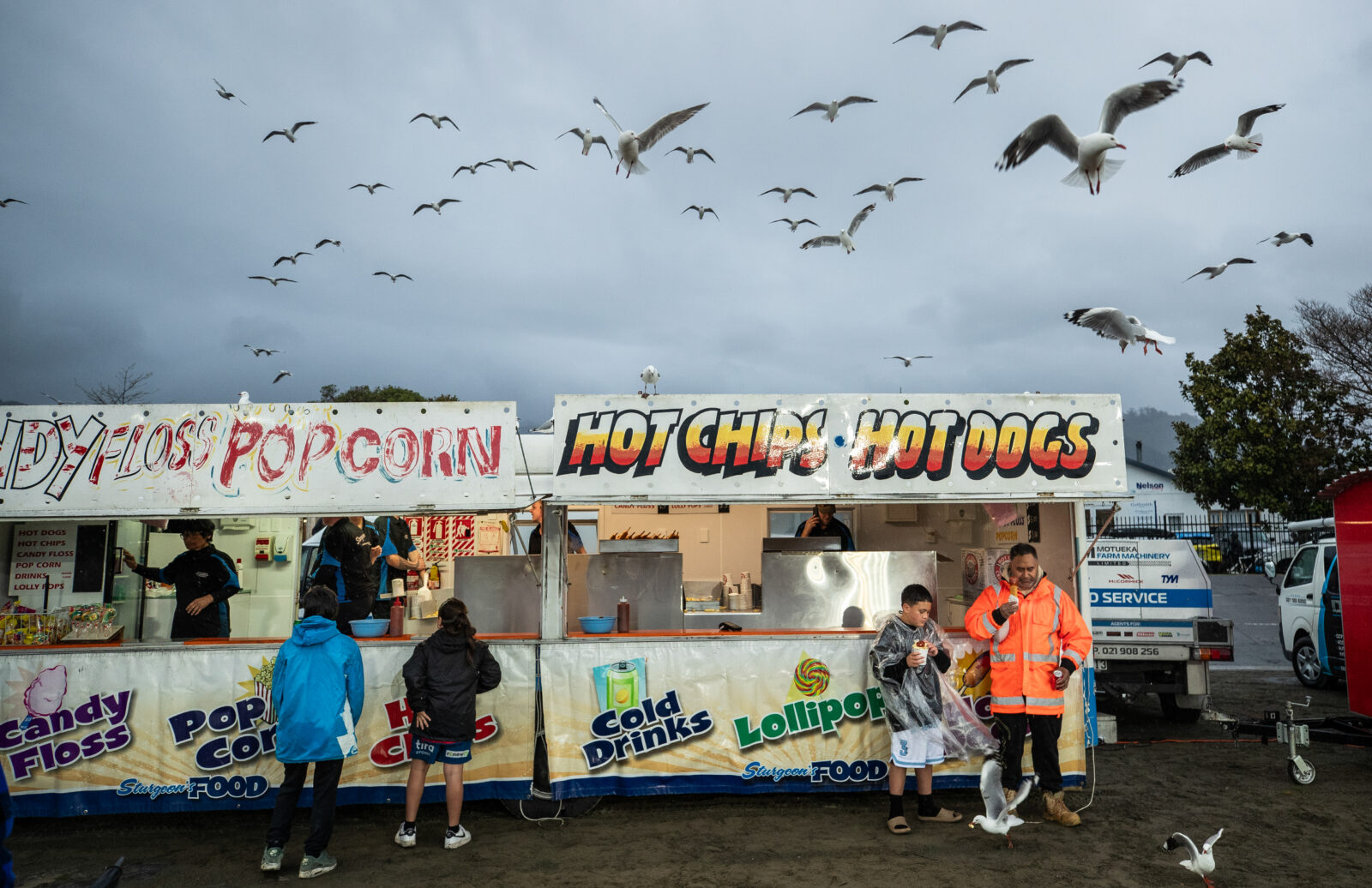
On a wet Wednesday night in October, Tasman Mako rugby fans grab some kai from a food cart during the Ranfurly Shield match against Auckland. “I find that at rugby games, the crowd and fans are just as interesting as the match itself,” says Braden Fastier. The Mako won the match 31-17.
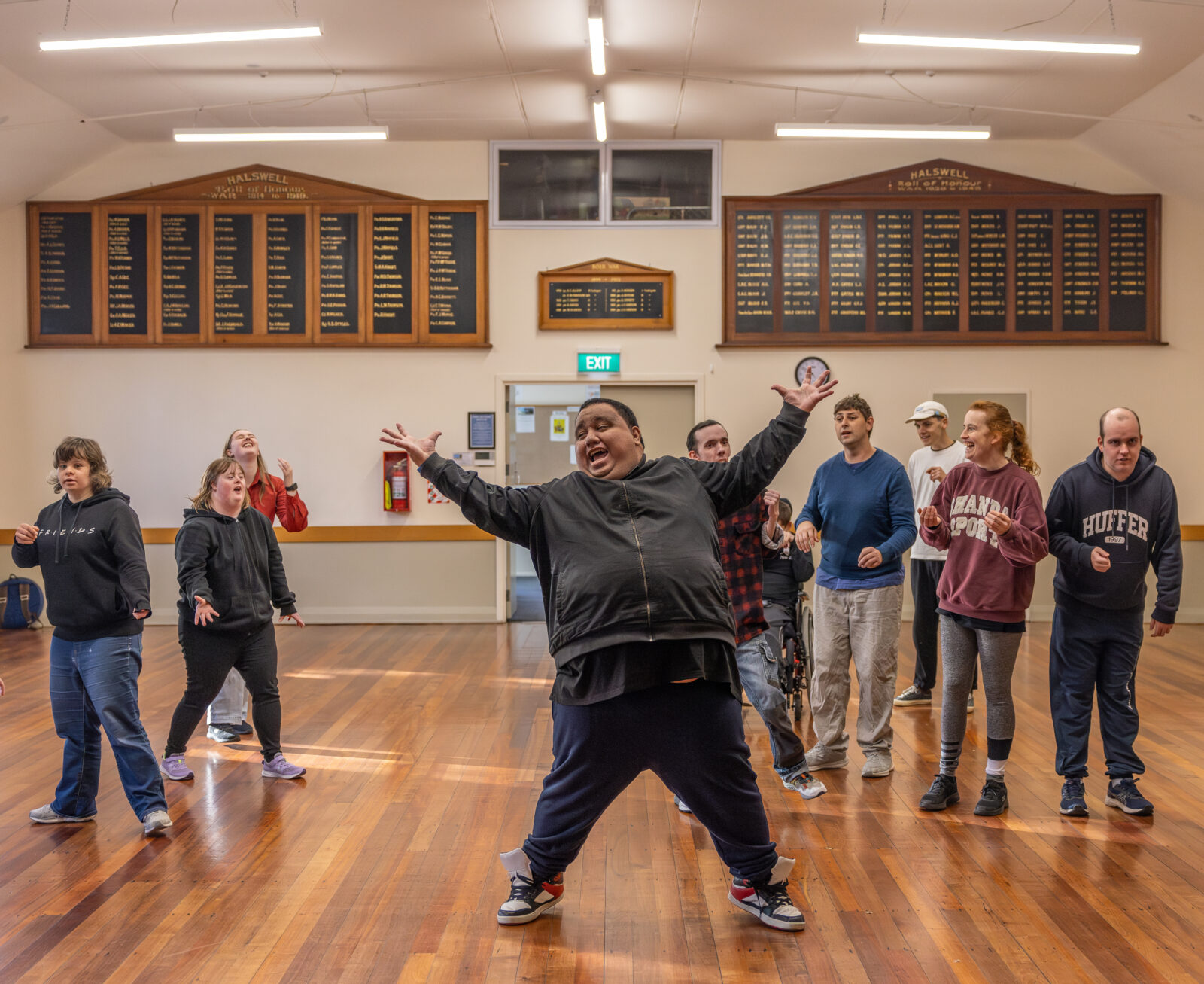
Members of the Inclusive Performance Academy of Canterbury, young people living with mental and often physical disabilities, practise for an upcoming show–their 10th. While this show had a history theme, there was also room for improvisation. “Much of what they do is totally spontaneous–like Haiti stealing the show in this image,” says Peter Meecham.
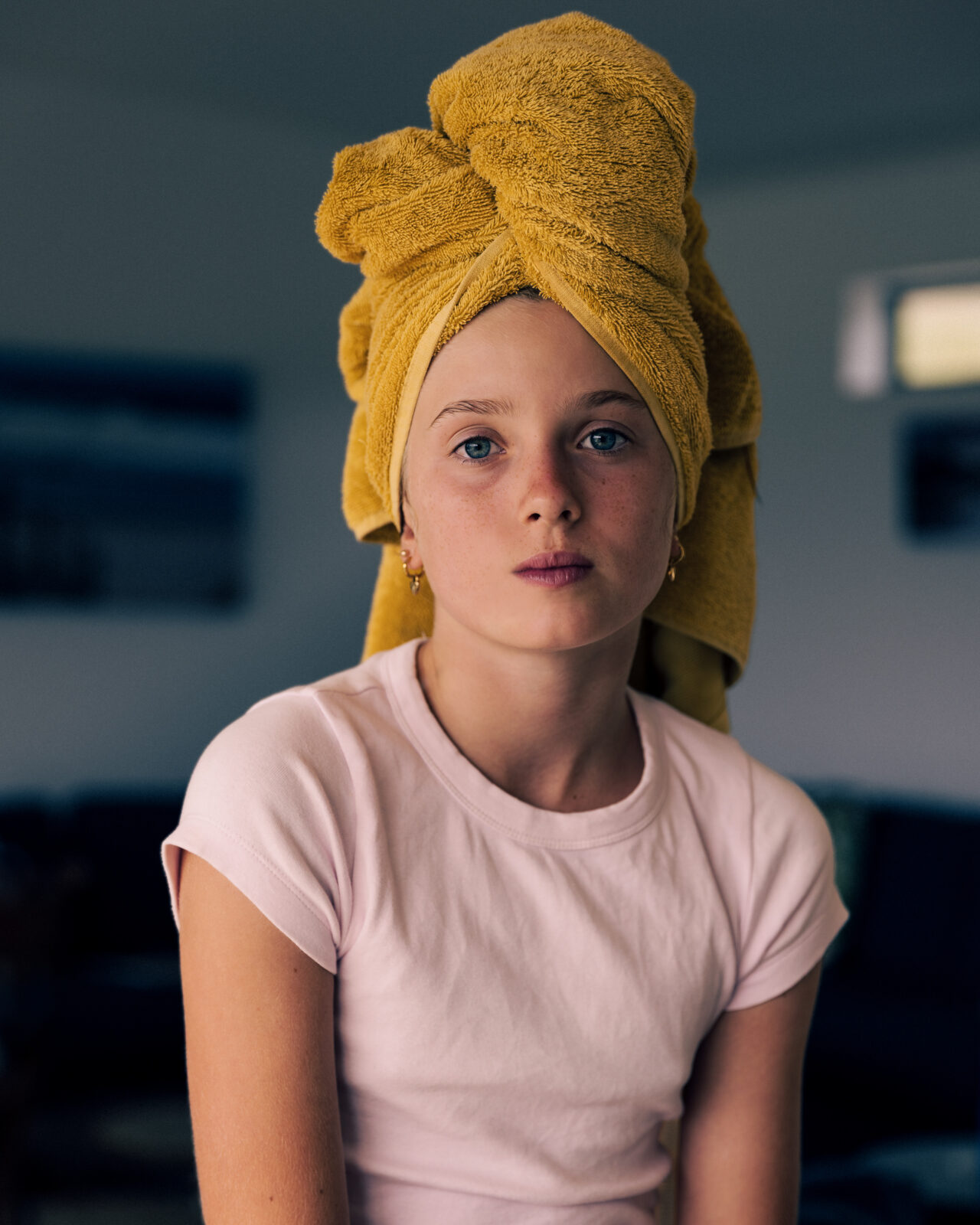
A spontaneous portrait of Duncan Innes’s 12-year-old daughter Eva after a morning swim captured a sense of imminent change. “This moment struck me as the first glimpse of adolescence: the makeup, the towel twisted on her head and the way she was sitting, with a poise that feels beyond her age,” he says.
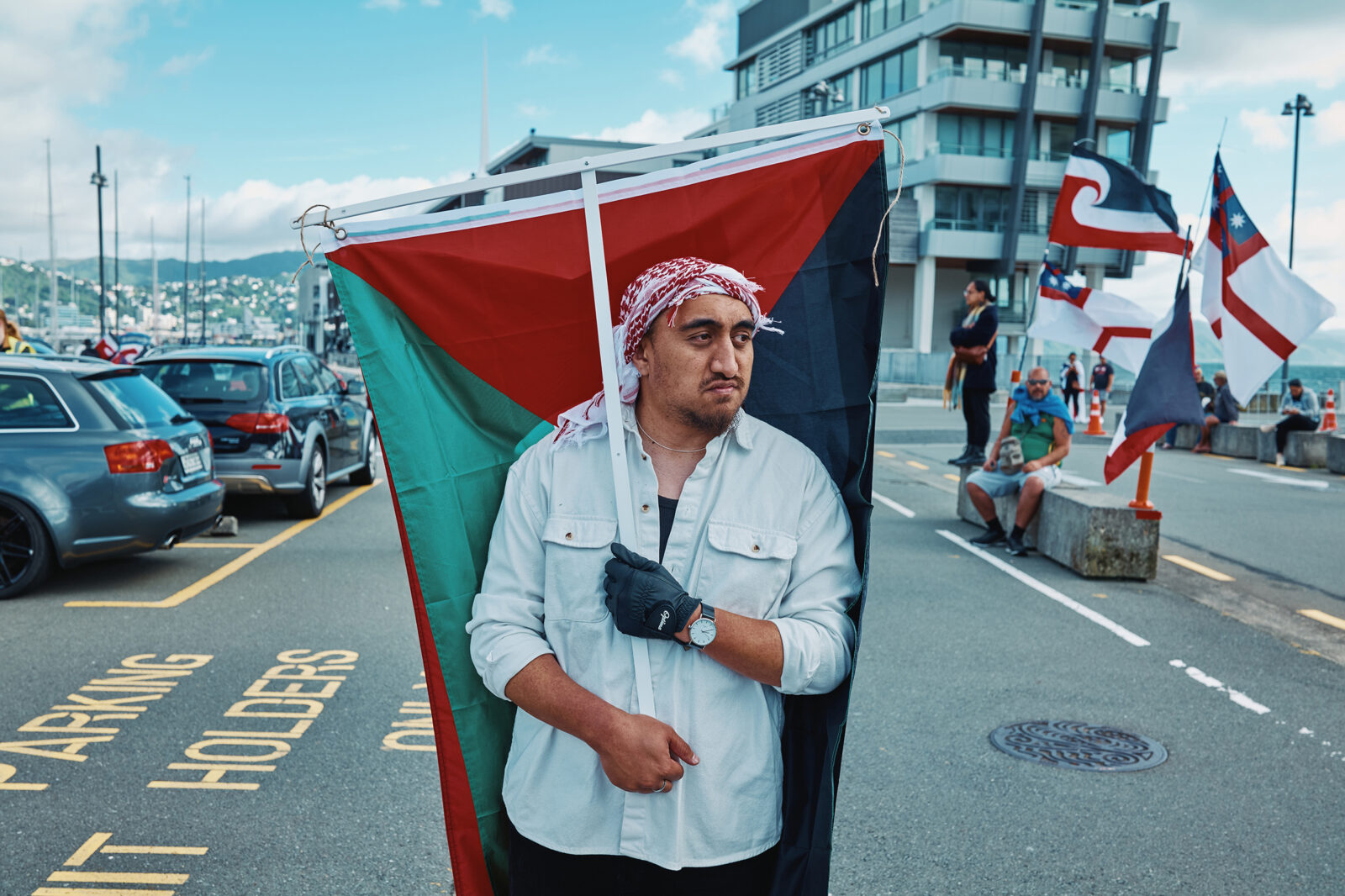
In November, tens of thousands of people joined the Hīkoi mō Te Tiriti, a march towards Parliament in opposition to a bill that attendees believed would dilute the Treaty of Waitangi. Among the many Tino Rangatiratanga and He Whakaputanga flags, Abe Mora noticed the Palestinian flag. “Indigenous peoples see the struggle to overcome oppression as a common goal,“ he says.
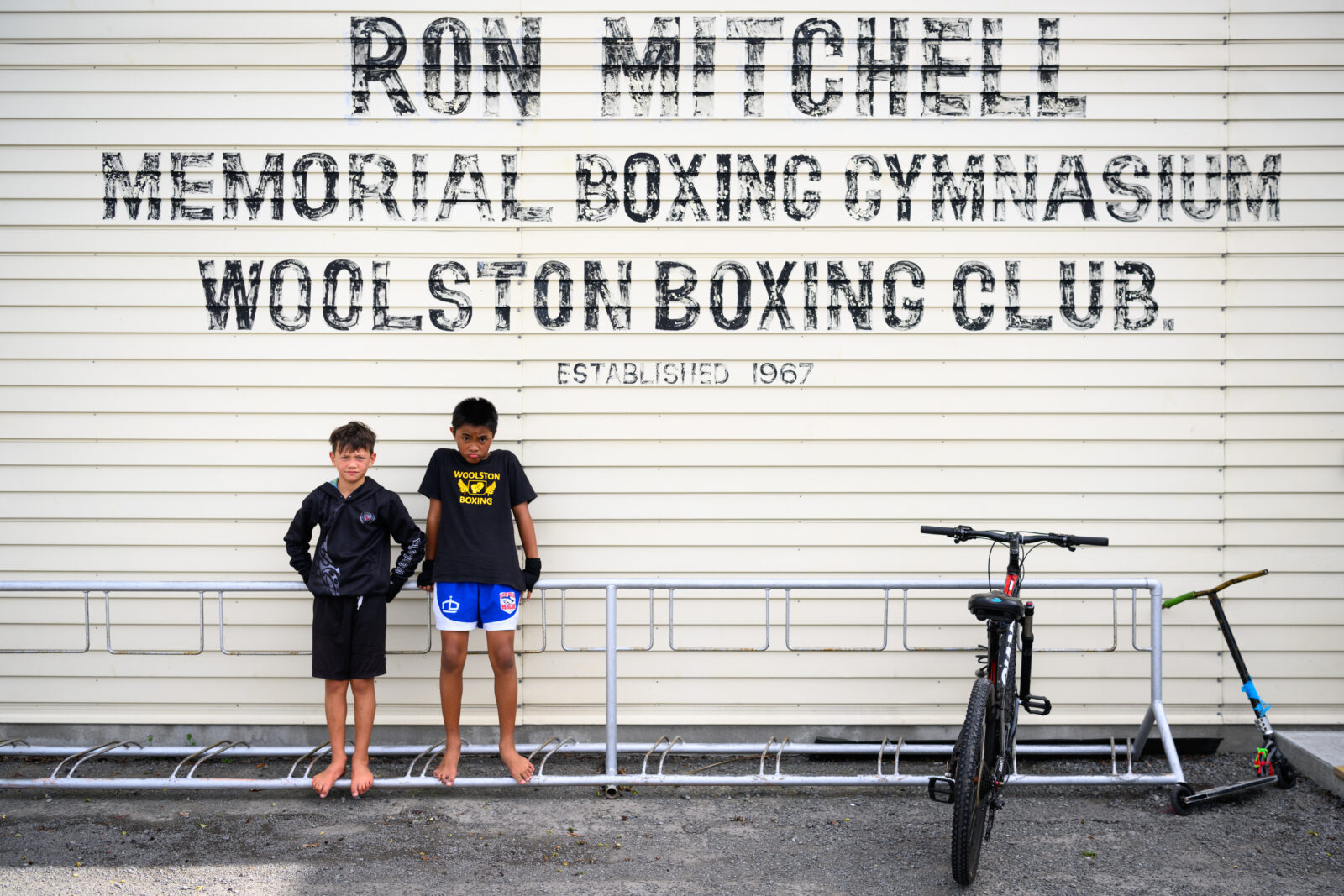
Nine-year-old Isaia Rapata-Gage and 11-year-old Nico Tia-Faitaua wait outside the Woolston Boxing Club following a training session. Schwoerer was setting up for a portrait of the pair of them outdoors when he noticed their expressions and quickly captured this shot. In March, both boys competed in the South Island Novice Championships alongside around 200 others.
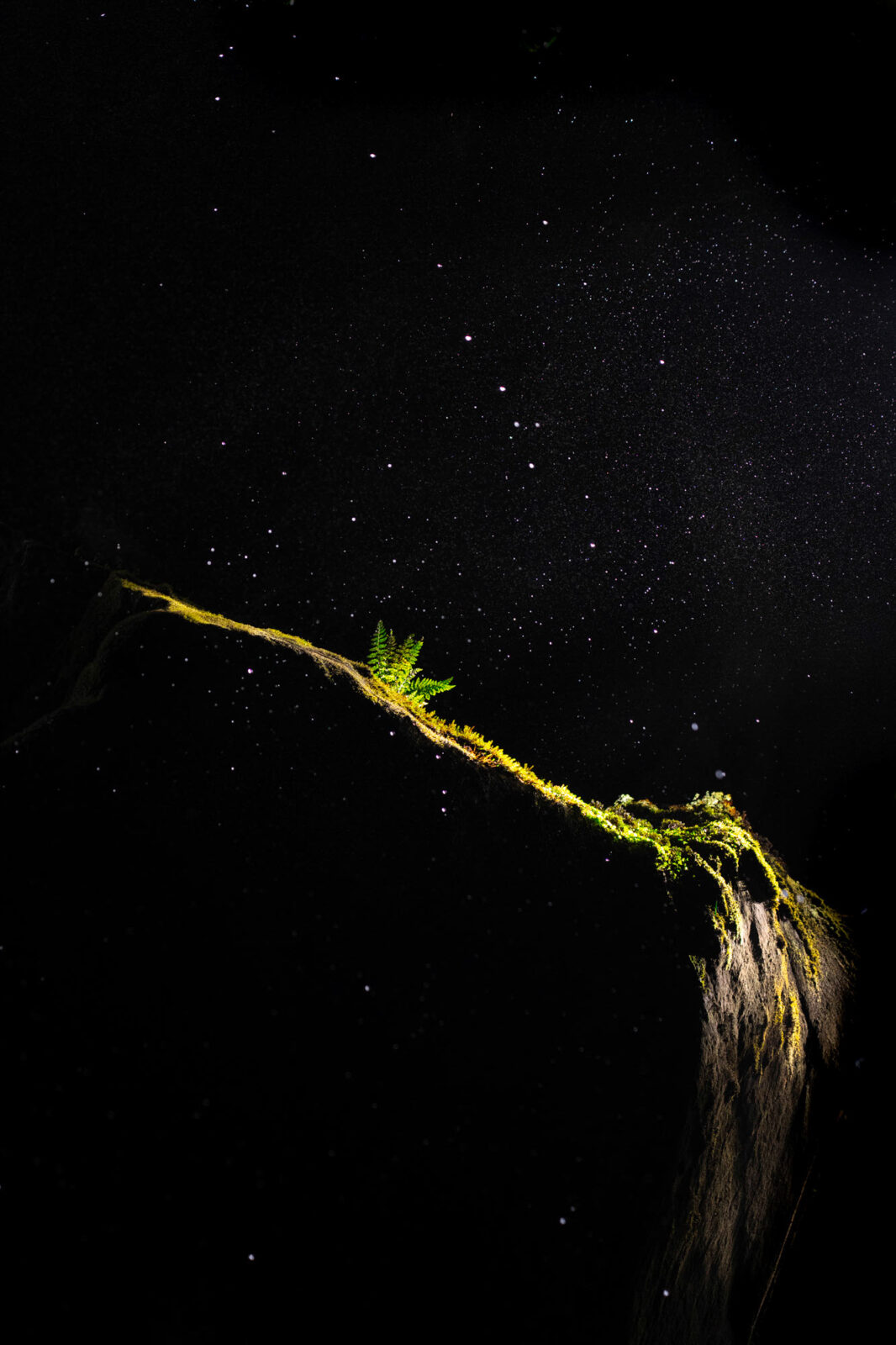
Water dripping into Wilson Creek Canyon is illuminated by a shaft of sunlight striking vegetation on the canyon wall. “I had never visited Wilson Creek Canyon before, but after this moment, I knew it had suddenly become one of my favourite places in New Zealand,” says Olivia Wentzell. “It was definitely worth wading in knee-deep mountain-fed water.”
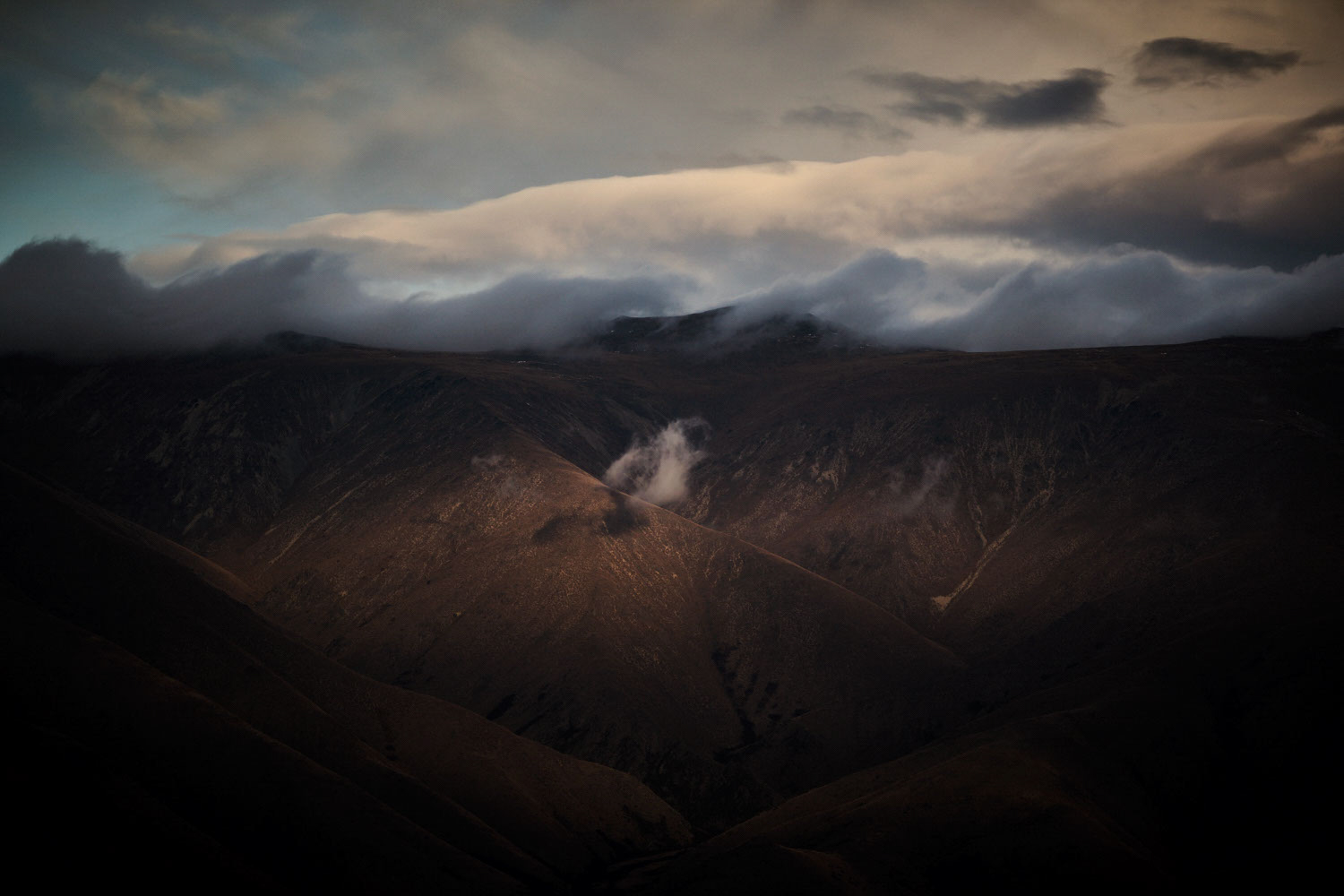
The last light of a September day hits the hills as sun breaks through the clouds. “A classic Mackenzie Country scene,” says Alistair Guthrie, who stopped to photograph it while on the road. ”The only challenge was finding a place to pull over and not get run over.”
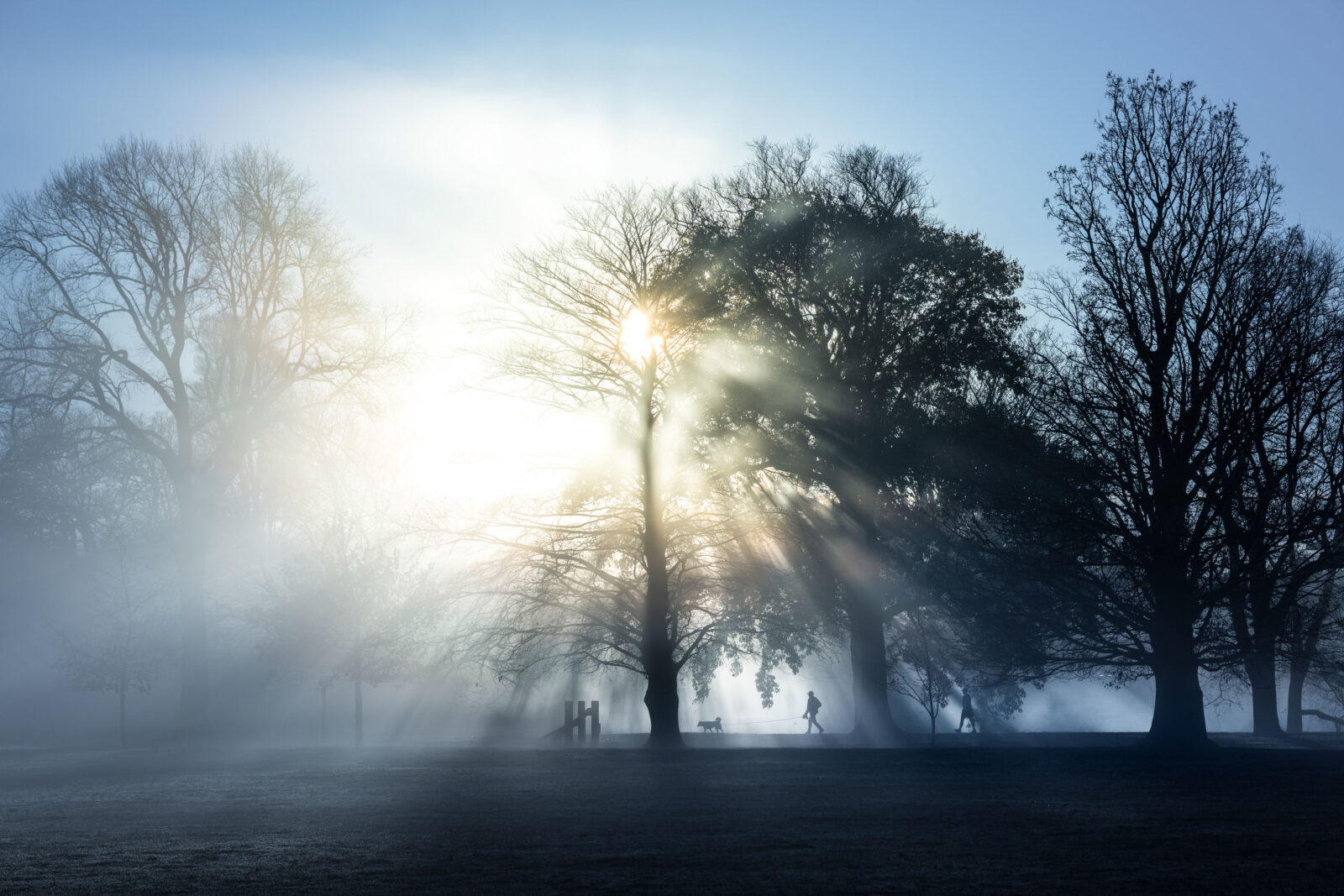
Mist hangs on Ōtākaro, the Avon River, on a Saturday morning. “I made compositions from a distance away and waited for people to walk through the scene,” says John Doogan, who has been documenting the park through the seasons. “It is particularly beautiful in mist, so if mist is forecast I try and make it down there with my camera kit.”
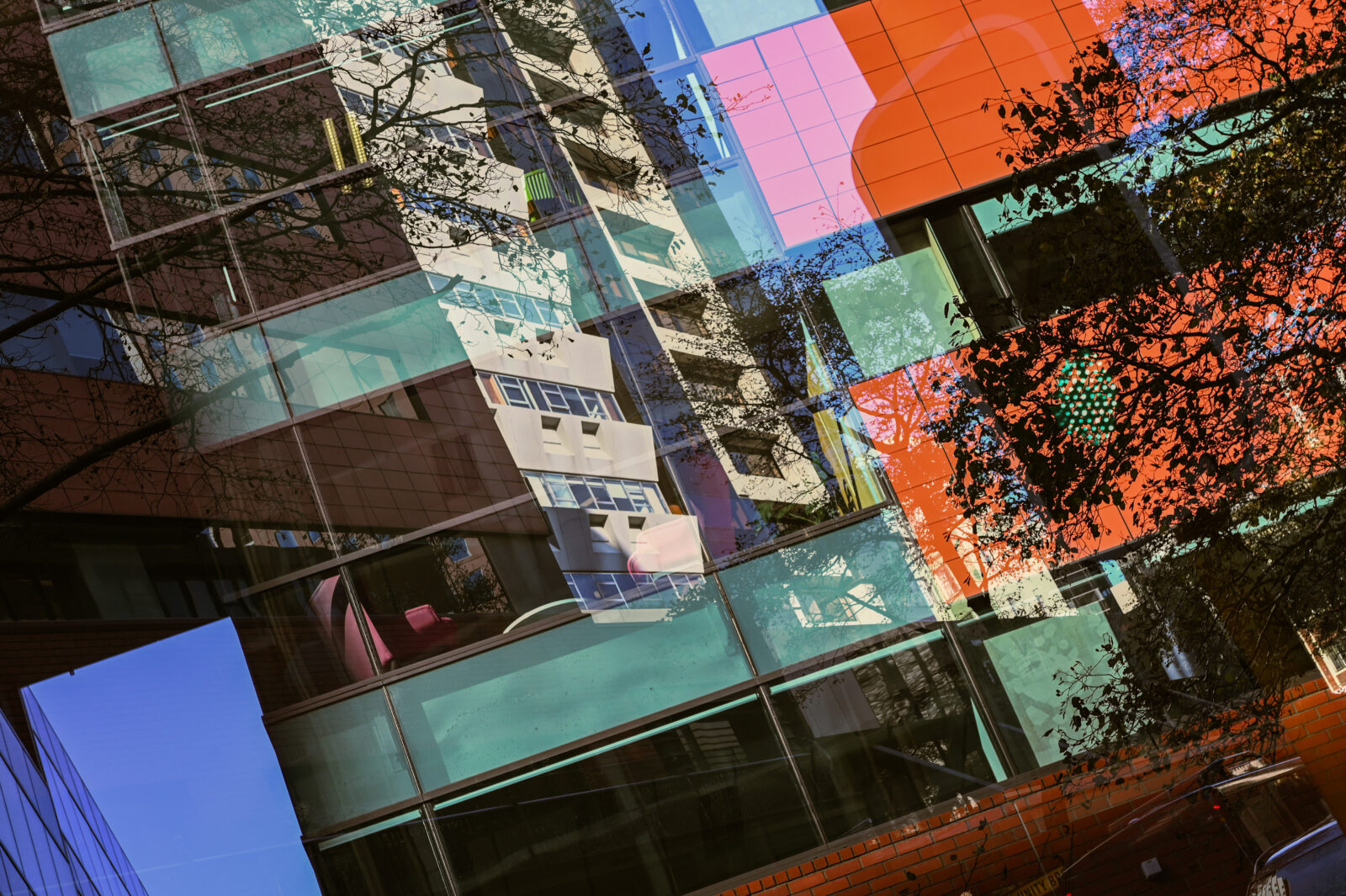
This double-exposure photograph superimposes the geometry of downtown Wellington with the organic patterns of the city’s trees. Olesia Feketa took both images from the same spot on Willis Street, part of a series of double exposures documenting the city. “The biggest challenge was finding the right framing so that light and dark areas would highlight each other,” she says.
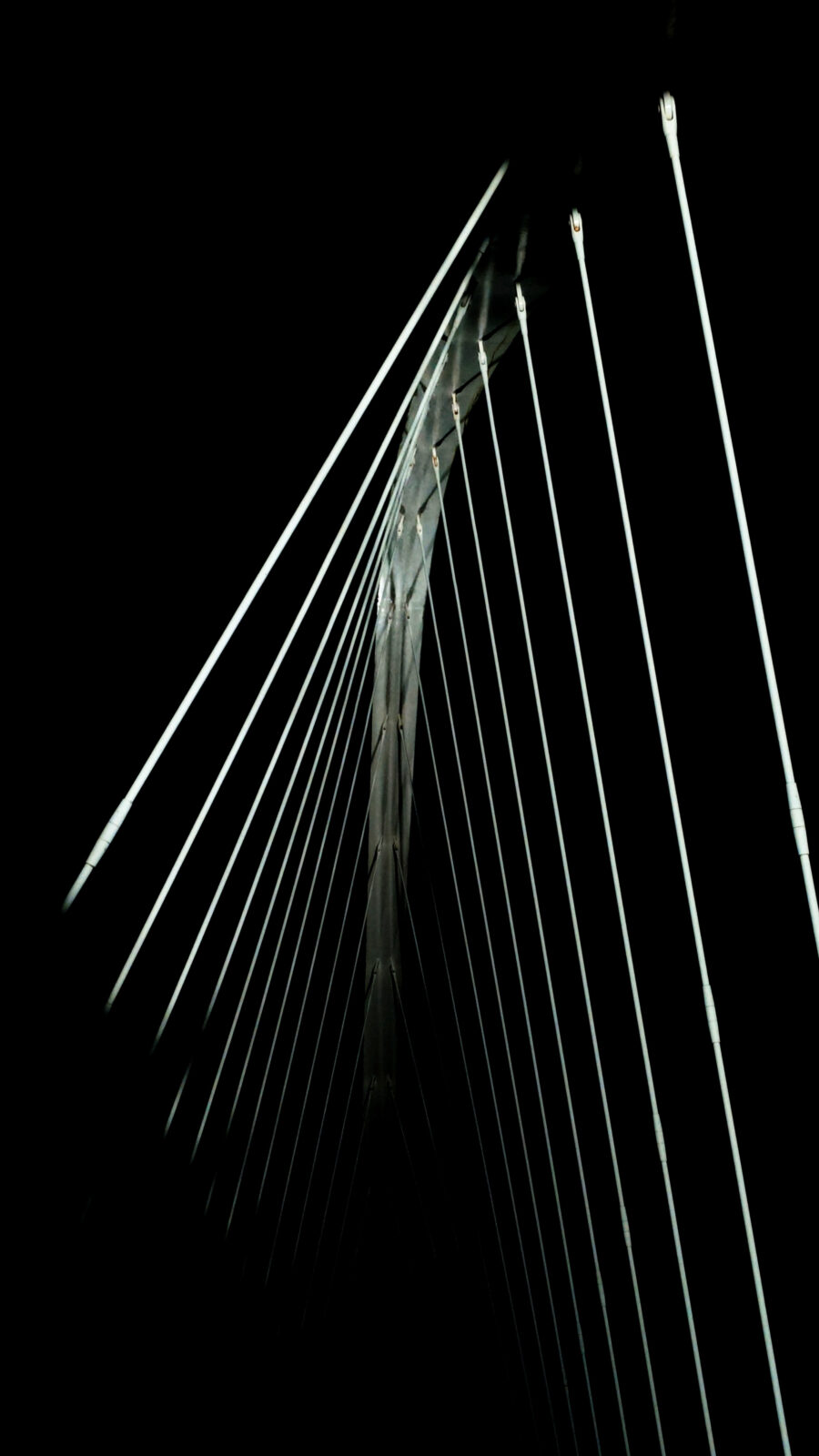
Runner-Up—Resene Built Environment
Artem Proskurin
This pedestrian footbridge crossing Auckland’s southwestern motorway took on a different quality to Artem Proskurin after dark. “In the night, the view was almost magical,“ he says. To him, it looked like something organic, the bridge’s rigging reminiscent of a leaf skeleton. To capture this vision of it, he returned to photograph it by night.
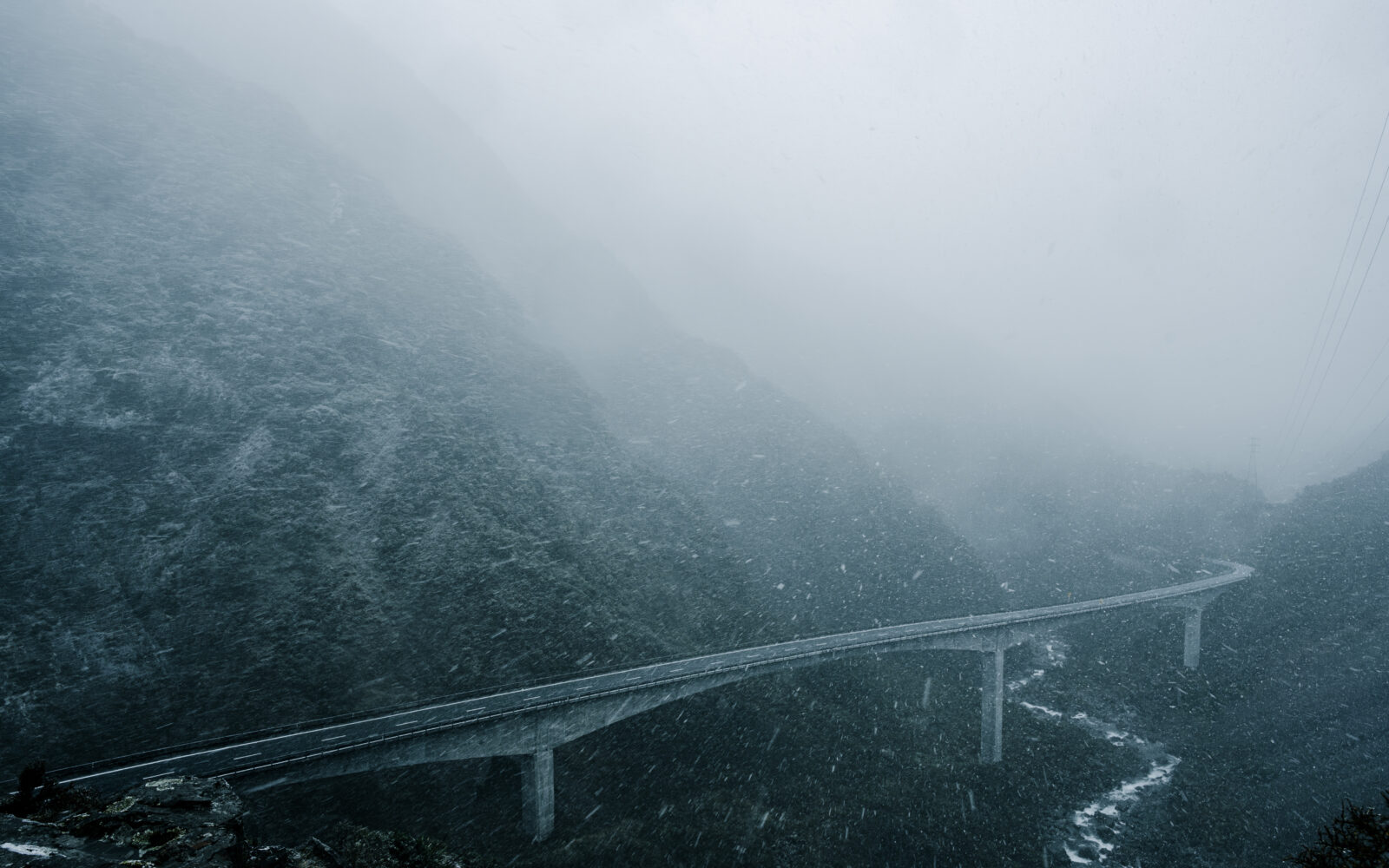
The Otira Viaduct, which crosses steep terrain in Arthur’s Pass, is swallowed by winter weather. Kunal Kumar was taking the long way home to Nelson on a road trip when the weather en route inspired this photograph. He nipped out of the car, avoiding slipping on the snow, and made this picture.
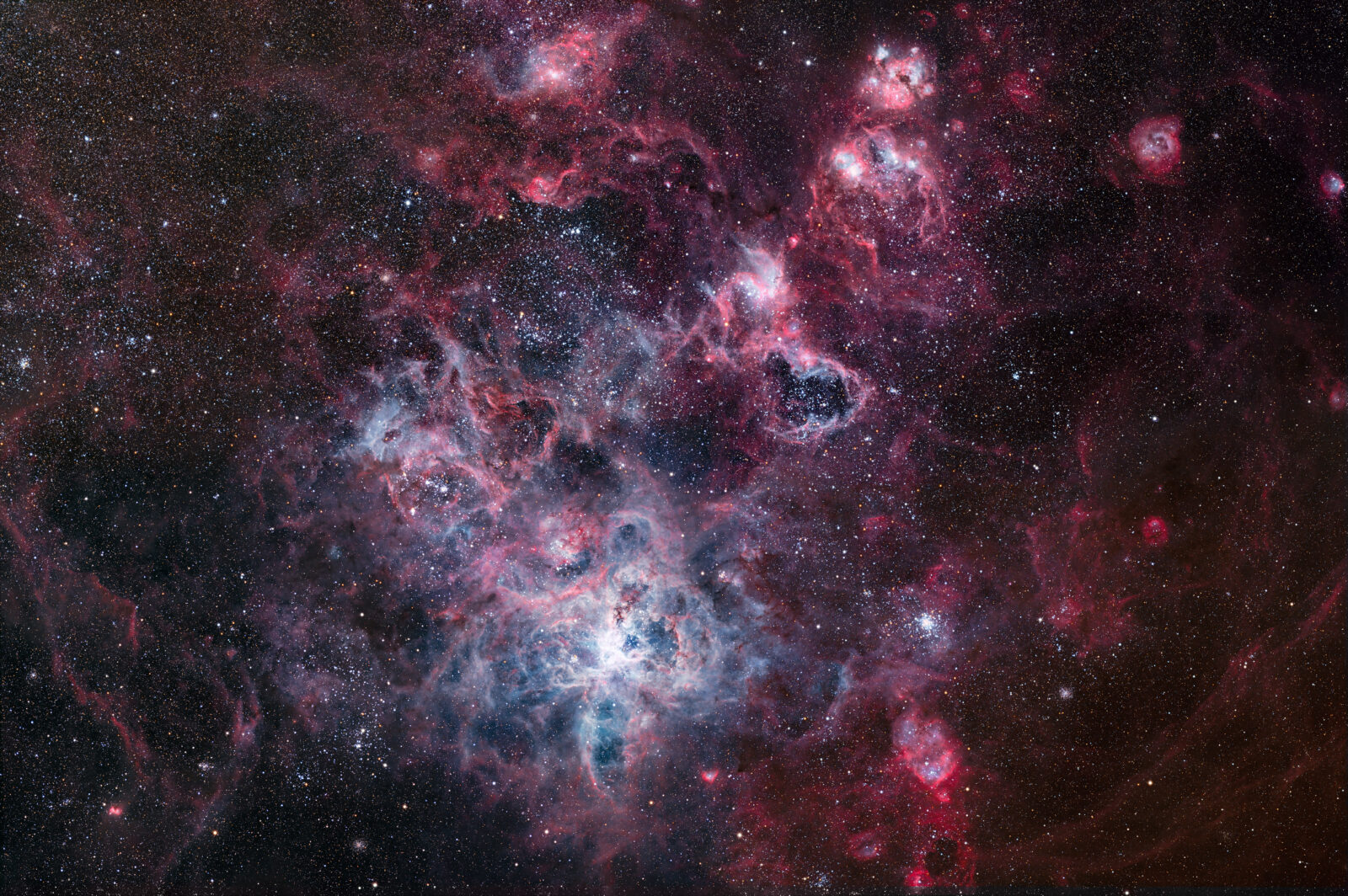
The Tarantula Nebula is a vast cloud of gas, dust and stars located in a neighbouring galaxy to the Milky Way. It’s one of Chris Murphy’s favourite astronomical objects–it’s so large that it’s visible with basic binoculars, though this image was made via a telescope. It’s four images stitched together, each of which took hours of exposure time to shoot.
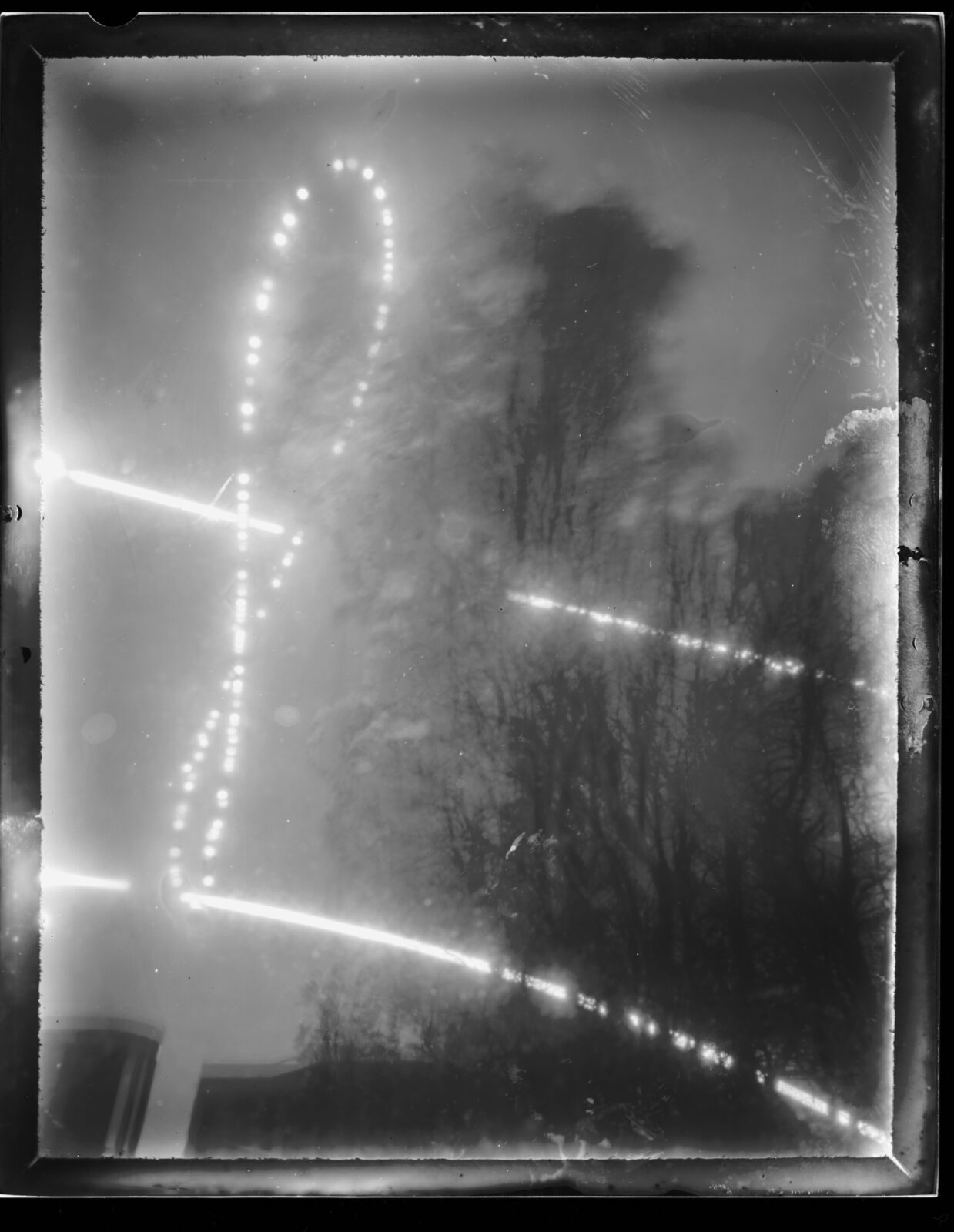
The solar analemma is the path traced by the sun if photographed at the same hour every day over a year. Ian Griffin documented it out the window of his office, using a four-by-five inch pinhole camera and a single glass plate. “Every sunny day, I took a 30-second exposure at the same time,” he says. “At the end of a year I took the plate into my darkroom and developed it.”
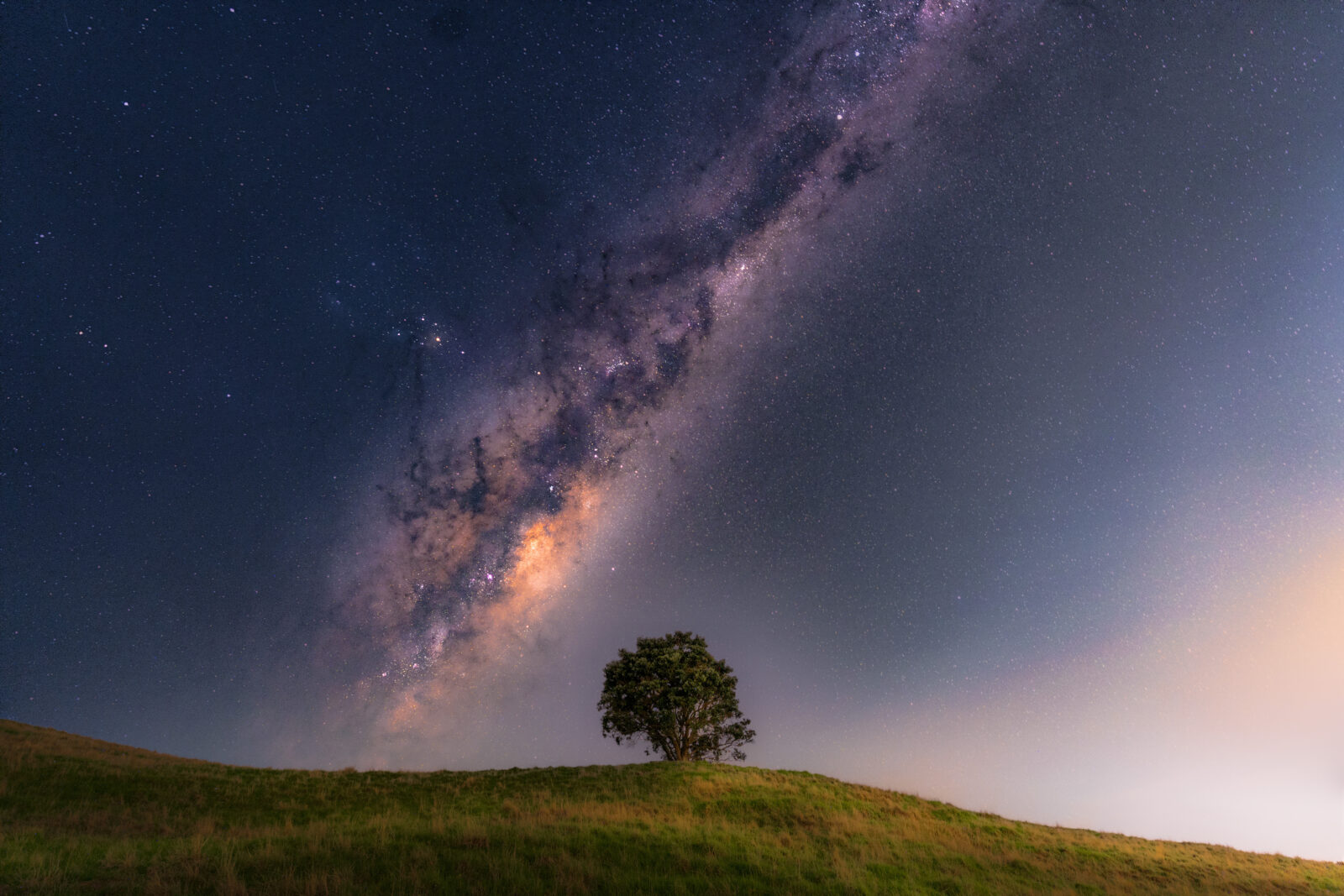
On a late-night trip to Shakespear Regional Park to photograph the Milky Way, Rob Rodolfo spotted a tree standing alone on a hill and figured it would make an excellent focal point for the shot. The glow at the corner of the frame is the light pollution from Auckland.
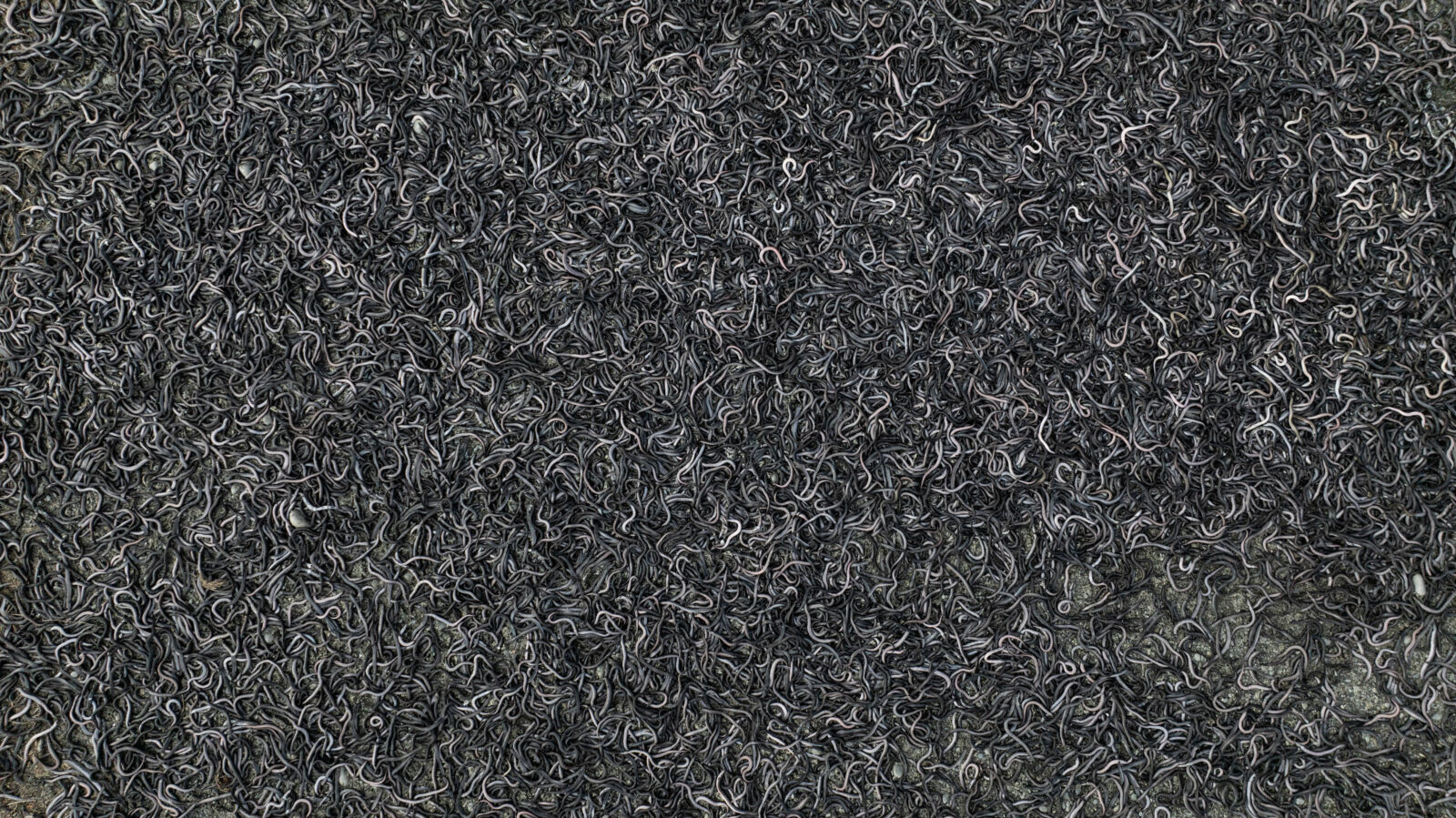
In April, a huge number of tuna/eels attempted to migrate to the sea from Te Waihora/Lake Ellesmere. Most of them successfully reached the ocean, but thousands didn’t make it, becoming stranded on the sandbar separating the two bodies of water. After hearing about the event, George Heard headed towards Te Waihora to find and photograph the stranding.
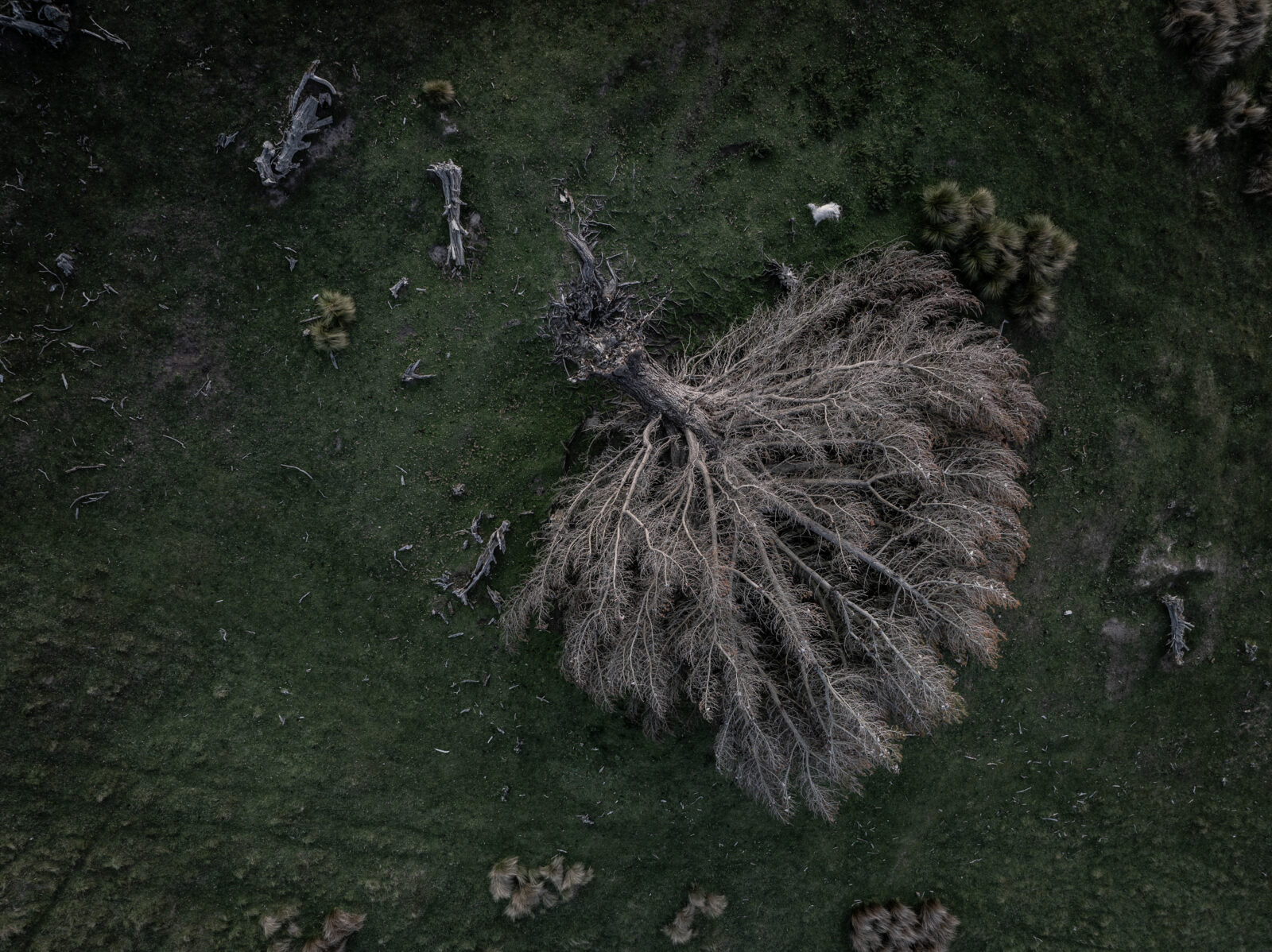
Landscape and location photographer John Doogan had often seen this toppled tree while mountain biking in Montgomery Spur Reserve, and wondered what it looked like from the air. One spring day, he returned with his drone, and captured an image of it where it lay.
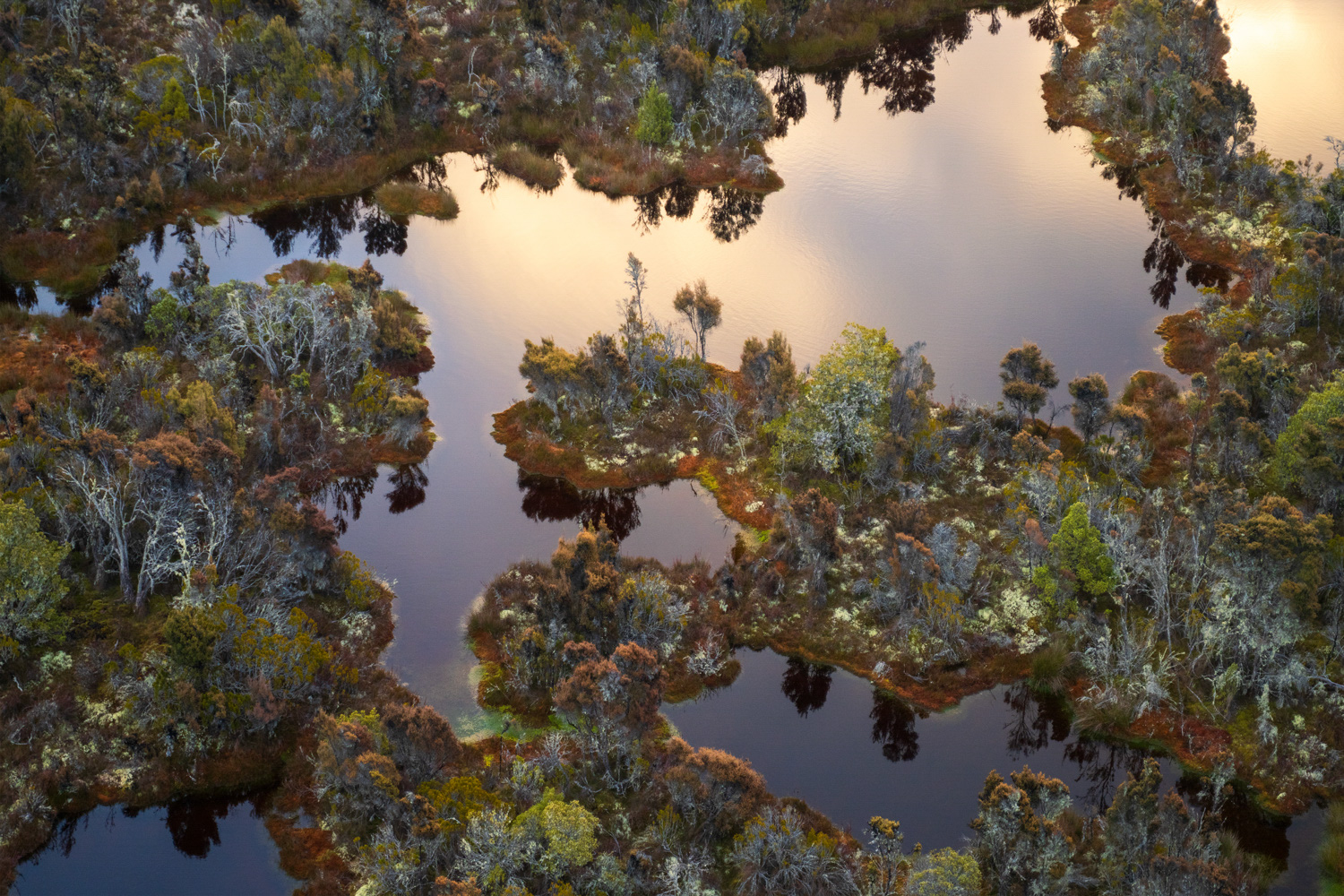
This wetland isn’t far from William Patino’s home in Te Anau, but it’s hidden by bush. A pilot friend alerted him to it, and one day, the two of them set out to photograph it. Patino’s eye was caught by the tree at the centre of the frame, but getting the shot was a challenge: “We worked the chopper to align the right composition to best show the tree and reflected light.”
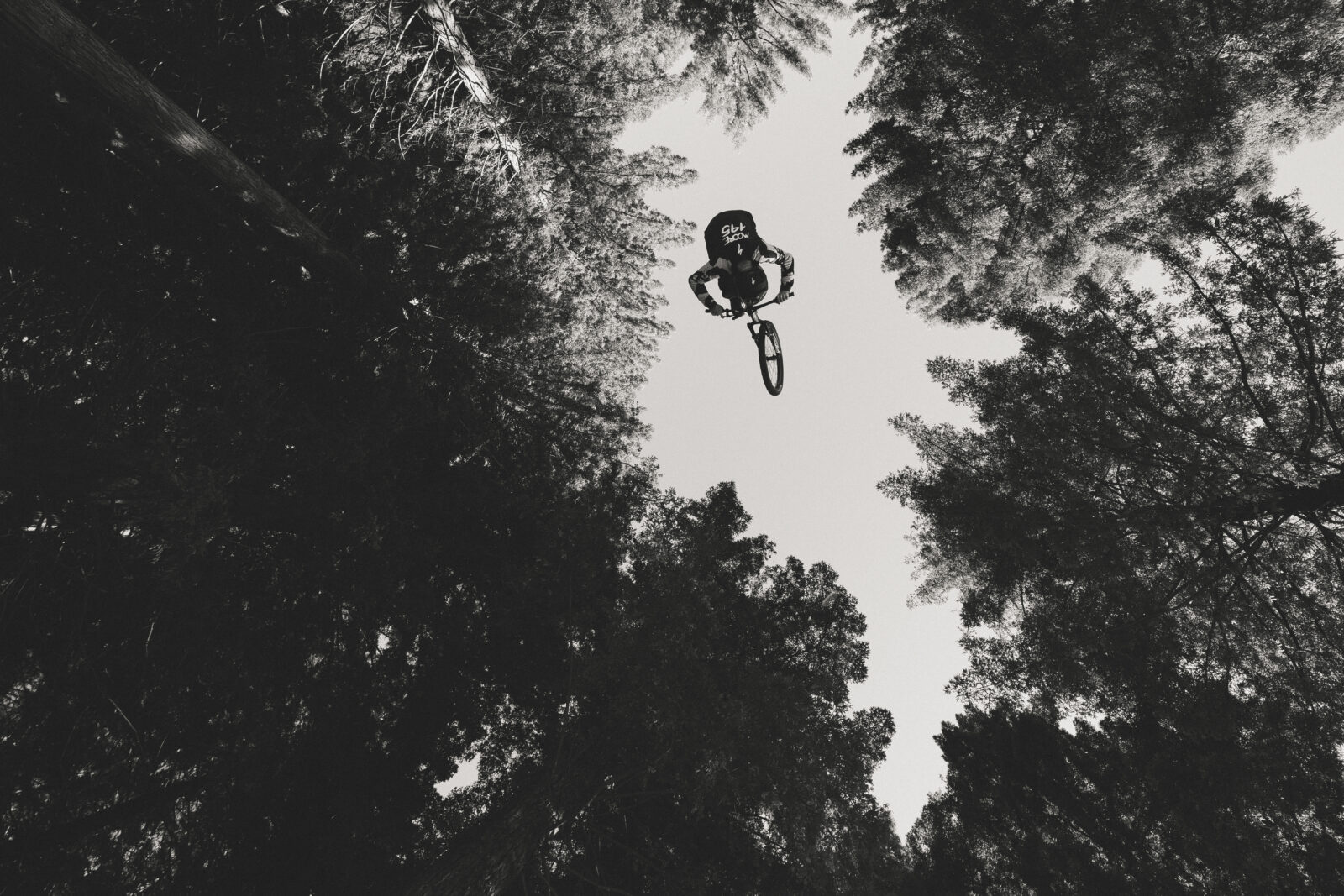
Canadian mountain biker Chance Moore takes a practice run of the men’s slopestyle course at Crankworx, a global mountain bike festival with an annual Rotorua event. Michael Bogalo, who had media clearance to access the course, lay directly under one of the jumps to capture this shot.
Through a small hole in the roof of a glacier cave, a paraglider travels across the sky–an image long in the making for Paddy Edmondson. The opening in the cave roof was tiny, so the paraglider needed to hit the perfect position while battling strong winds from the wrong direction. “‘A needle in a haystack’ feels like the perfect way to describe this shot,” says Edmondson.
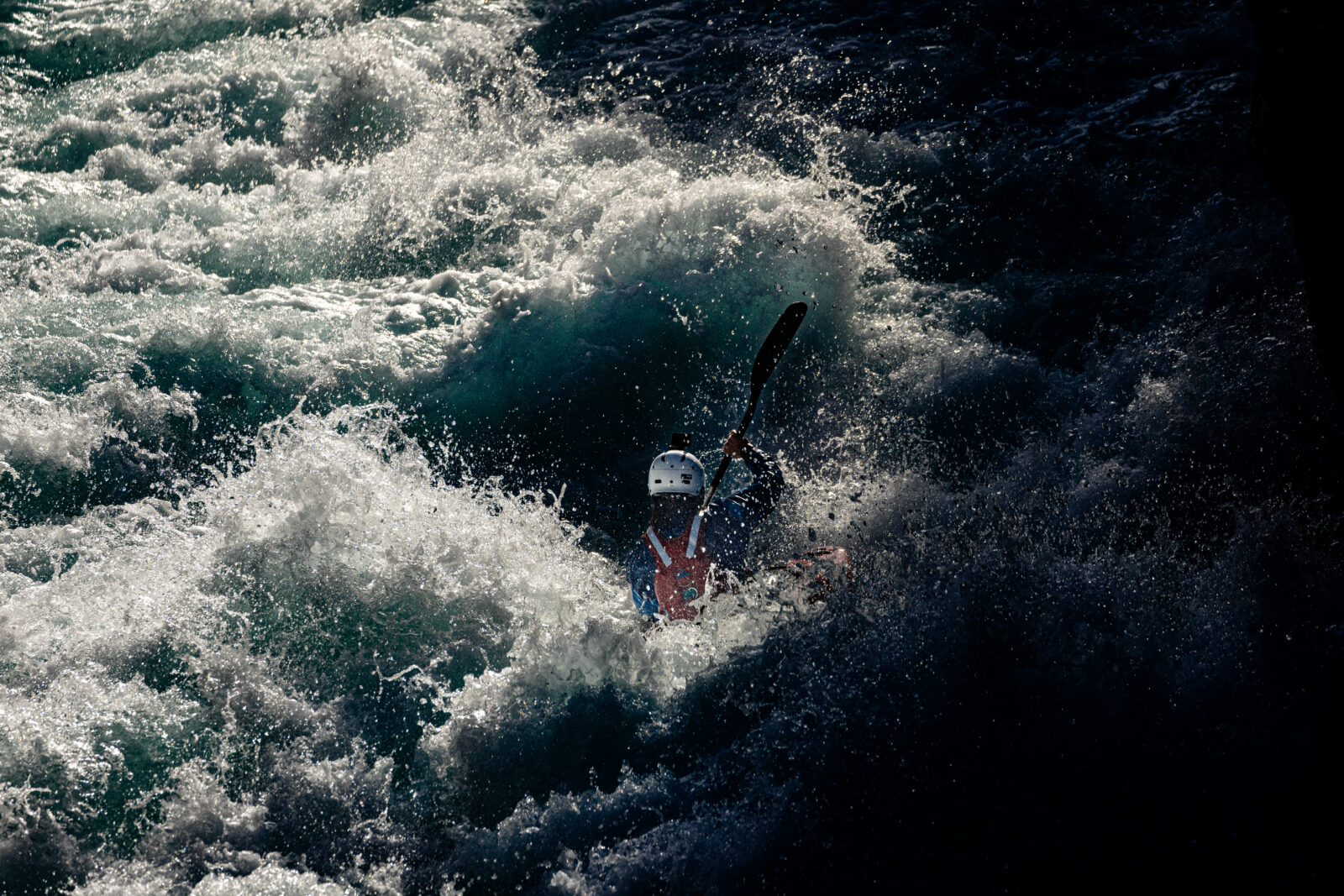
Sports photographer Rod Hill has made an ongoing project of photographing friends paddling Huka Falls—here, whitewater kayaker Mic Uhl exits a rapid nicknamed the ‘pencil sharpener’. “The conditions were fantastic for me with really deep shadows,” says Hill, “but it was particularly cold and misty. The paddlers were all in dry suits.”
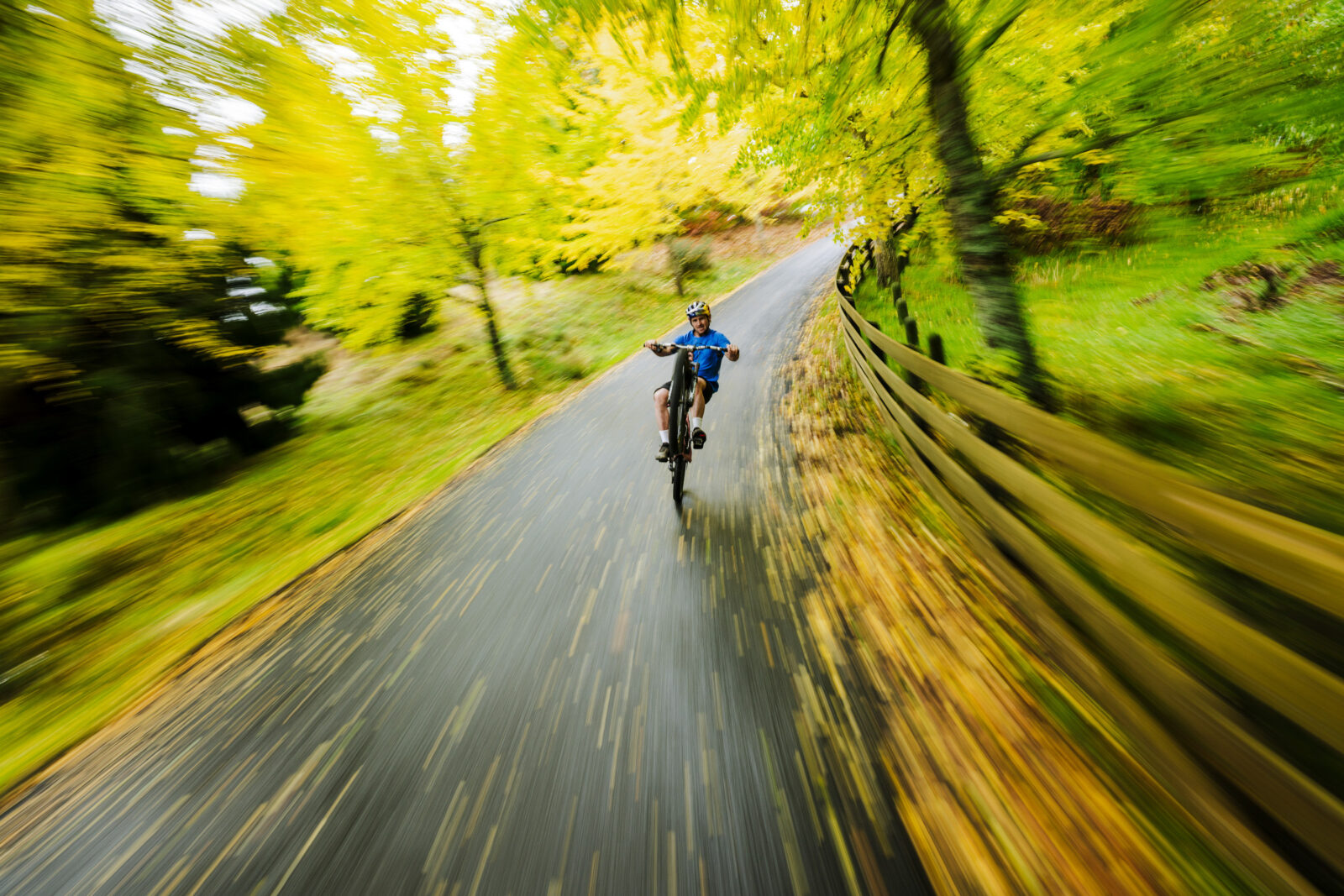
Downhill mountain biker Brook Macdonald nails a manual–like a wheelie, but more difficult–amidst Rotorua’s autumn colours. Sports photographer Graeme Murray envisaged the shot in advance and built a camera rig especially for it. “It worked straight away,” he says, “which I was stoked about.”
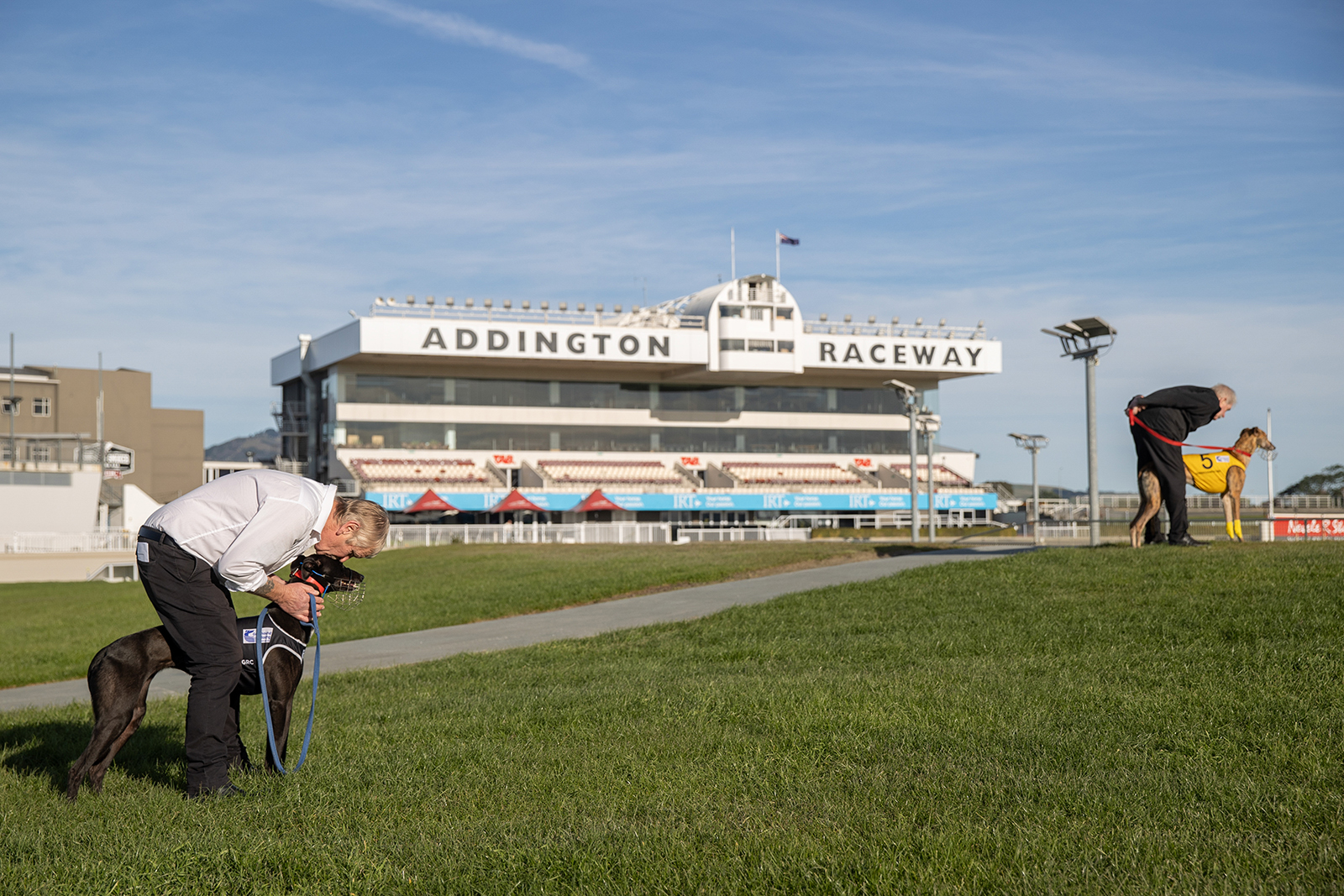
Last December, the government announced that it would ban greyhound racing from 2026 onwards, citing the high rates of injury among racing dogs. The greyhound racing industry said this ruling ignored the progress it had made in improving animal welfare, and in August, launched a legal battle against the government to argue the ban was unlawful.
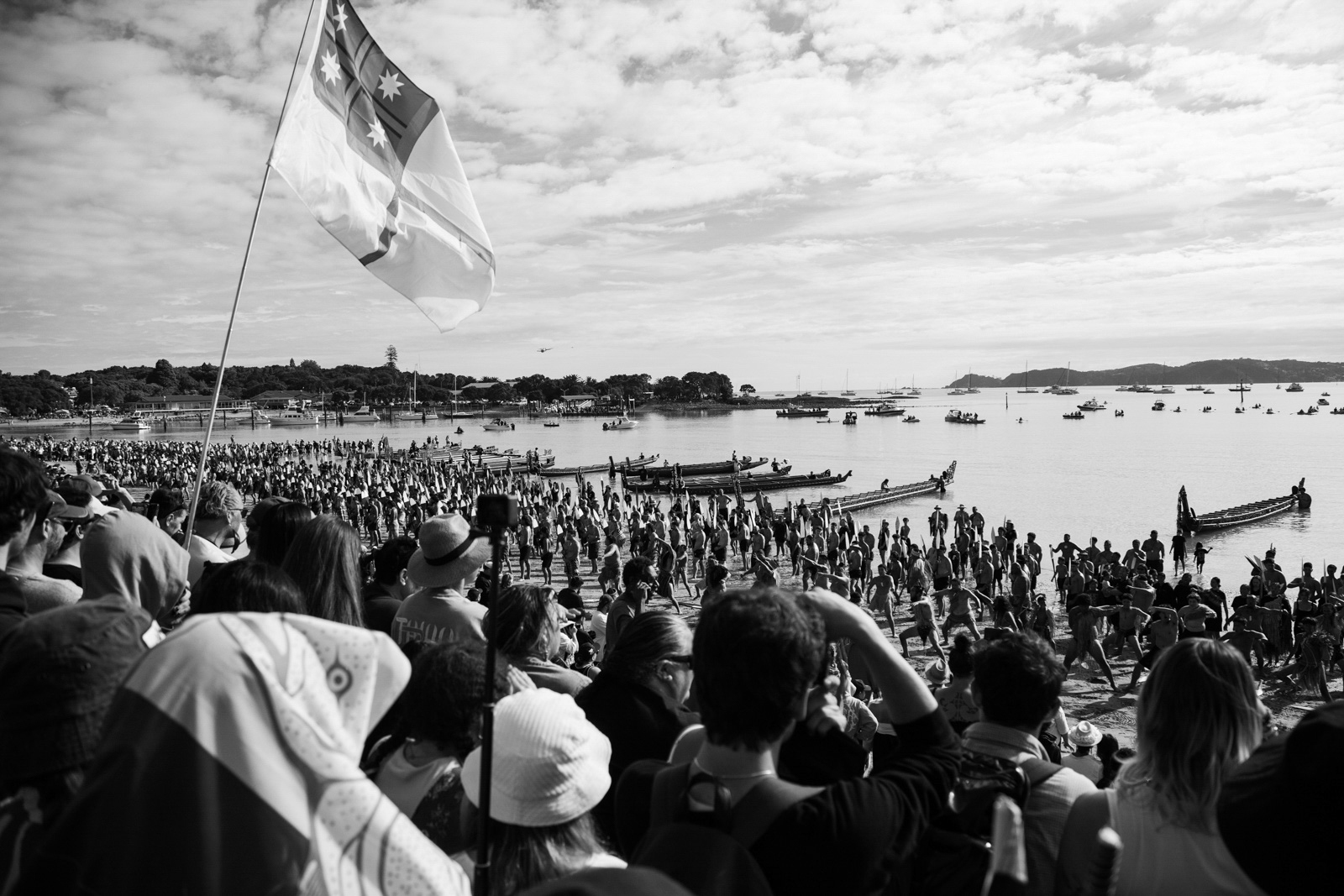
This series documents two years of Waitangi commemorations, including karakia, crowds watching waka tauā, and the first visit of the coalition government leaders. Cornell Tukiri sought to capture the mood and energy of attendees. “Waitangi on Waitangi Day is a place that all New Zealanders should visit at least once in their lives,” he says.
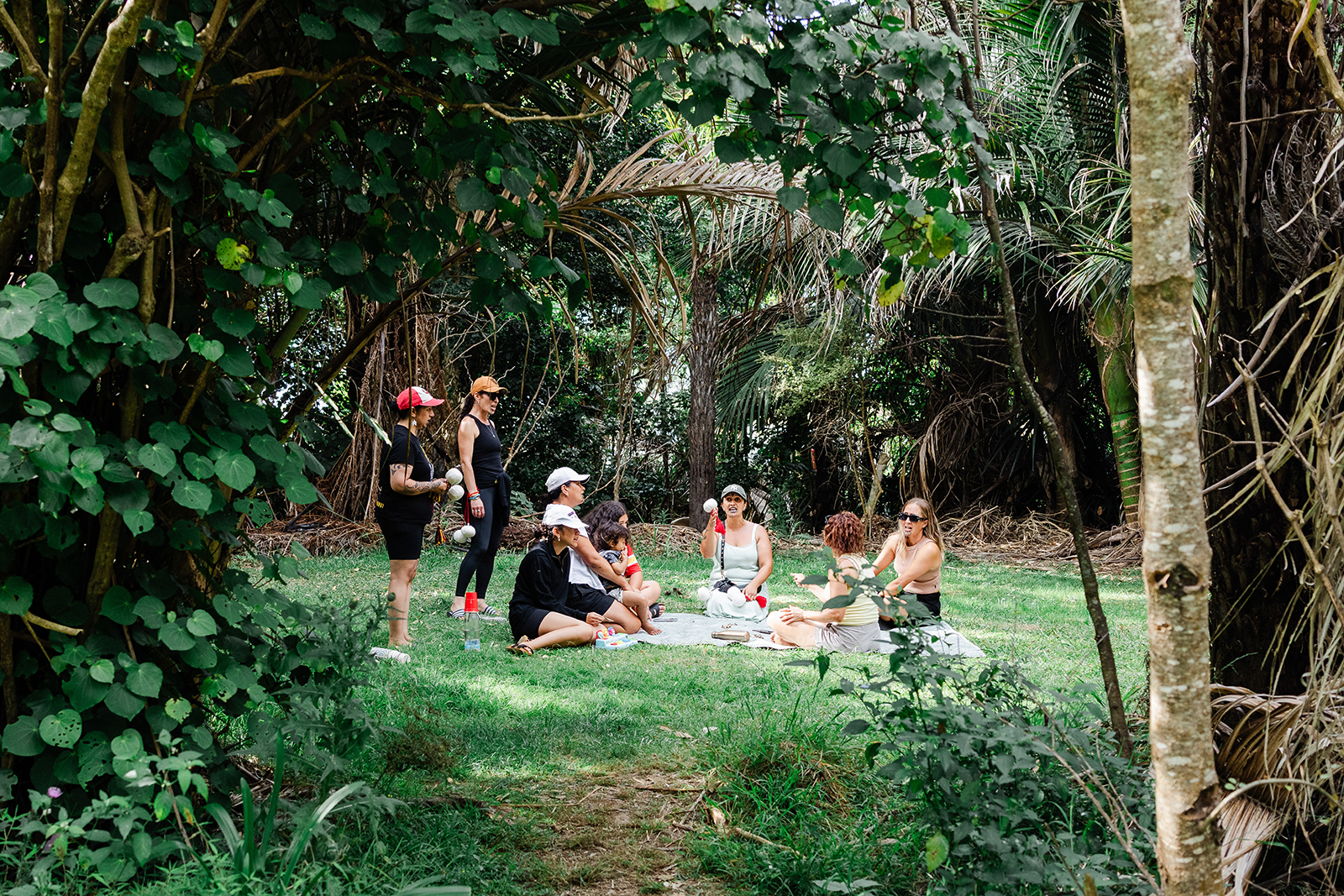
Wāhine practise together; tāne train under night rain on the marae ātea; tamariki climb trees to get a better view of rehearsals. Erica Sinclair followed the kapa haka team Te Taumata o Apanui in the lead-up to their first Te Matatini contest and beyond. “The true kaupapa lay beyond the competition,” says Sinclair, “in building whānau, raising future leaders, and sustaining tikanga.”
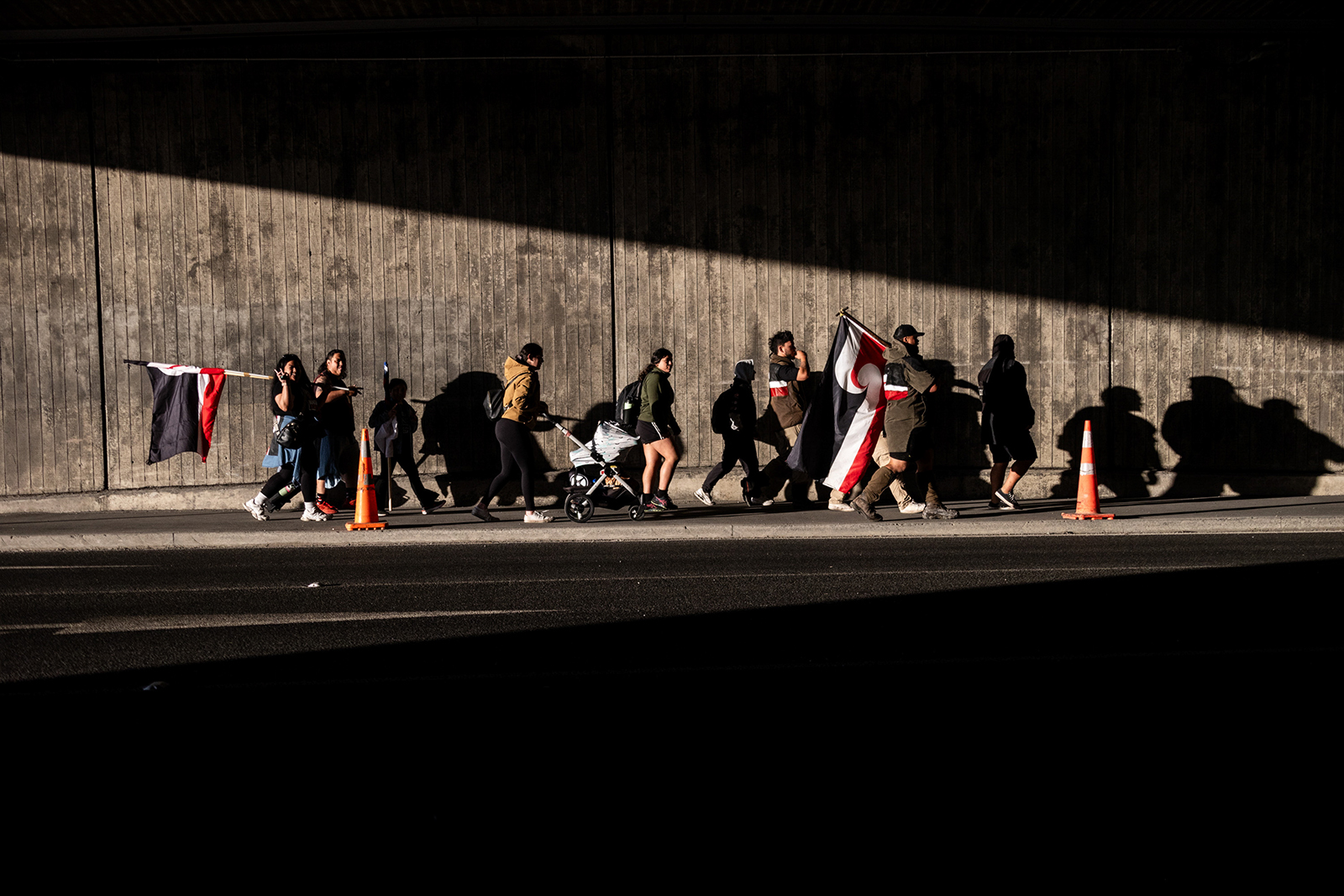
Last November, around 42,000 people marched on Parliament in Wellington as part of the Hīkoi mō Te Tiriti, the March for the Treaty. The hīkoi was organised in protest of the Treaty Principles Bill, draft legislation which sought to reinterpret the intent of the Treaty of Waitangi and to put that new interpretation to public referendum. The bill was defeated in April.
Thanks to our family of sponsors, each of them committed to fostering the craft of photography in New Zealand.
More by dan_roberts