
As borders reopen will NZ’s sky-high emissions take off again?

As international travel resumes, Aotearoa should ensure flying doesn’t reach 2019 levels, Robert McLachlan writes.
The future of cancer treatment
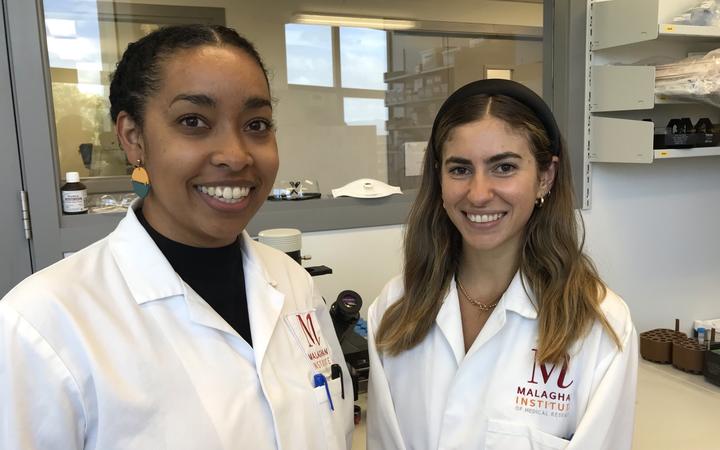
At the Malaghan Institute of Medical Research a team of scientists are working on what they believe will be the future of cancer treatment in New Zealand.
Funding package to make an impact on Predator Free 2050
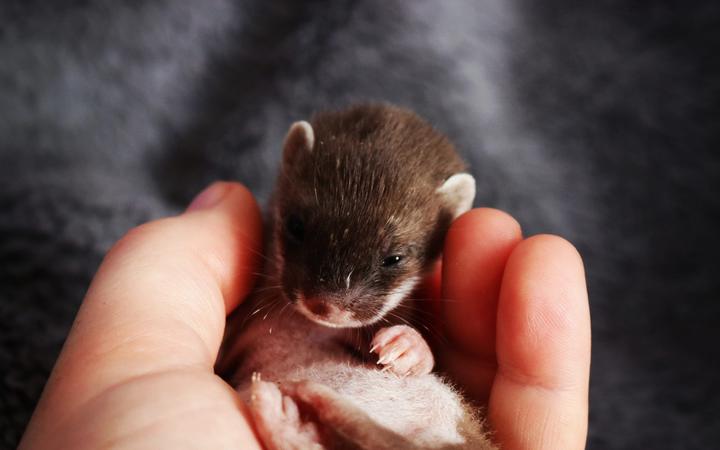
Predator Free 2050 recently announced a huge funding package that will be dispersed among six research projects helping to cleanse Aotearoa of invasive predators. Landcare Research wildlife ecologist Andrew Veale talks to Jesse.
Depleted scallop fisheries in upper North Island to close after drop in numbers
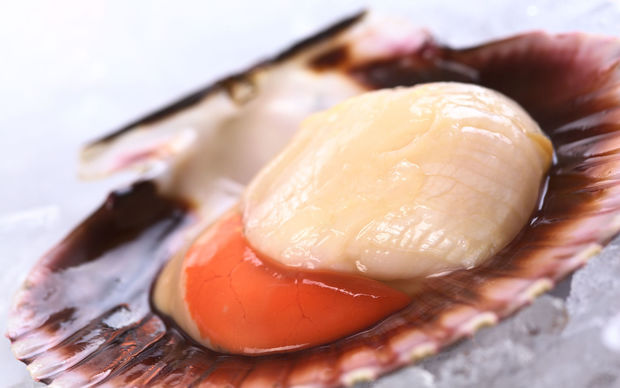
Depleted scallop fisheries in Northland, most of Coromandel and the Hauraki Gulf are to be closed to allow them time to recover.
Solar bins to replace central Nelson’s cast iron rubbish bins
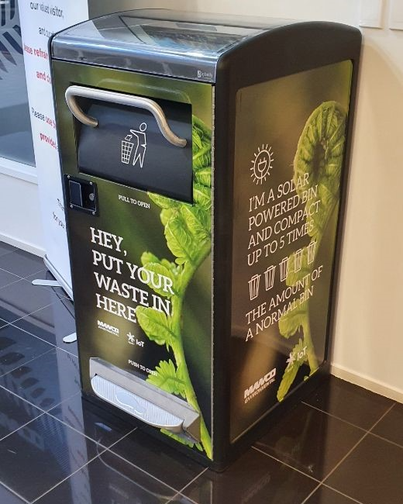
The bins have a small solar-powered compactor which crushes the rubbish, allowing it to hold more than a standard bin.
Southland enters drought restrictions with water in short supply
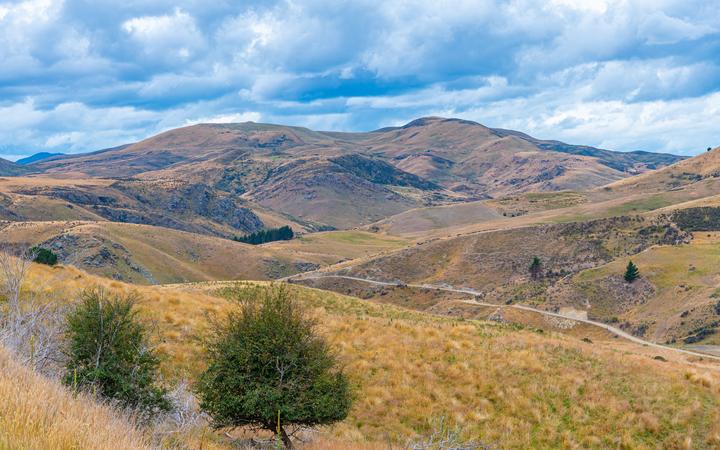
Southland is grappling with an extreme dry spell that has prompted water restrictions across the region and a total fire ban.
Toyota NZ studies sustainable options for old electric, hybrid car batteries
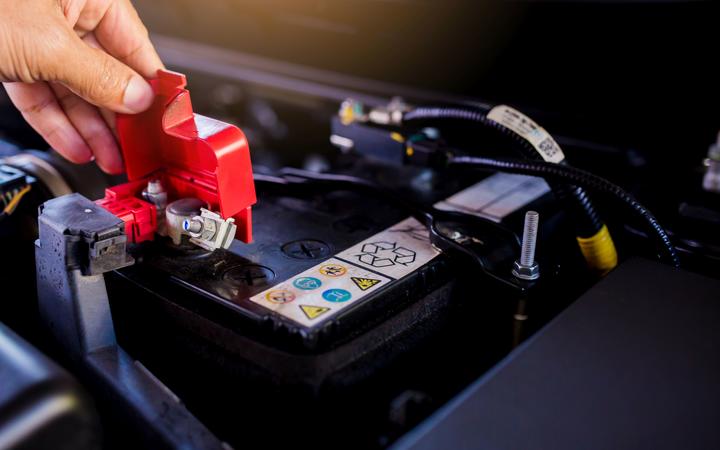
The country’s biggest selling vehicle maker is making some big changes to how it manages the end of life for hybrid and electrical vehicles.
Container repair firm fined a second time for Tauranga Harbour pollution

Bay of Plenty Regional Council found sediment-laden storm water discharging from the company’s site into the harbour twice in 2020, the court heard.
Pluto’s giant ‘ice volcanoes’ made from many recent smaller eruptions: New Horizons study
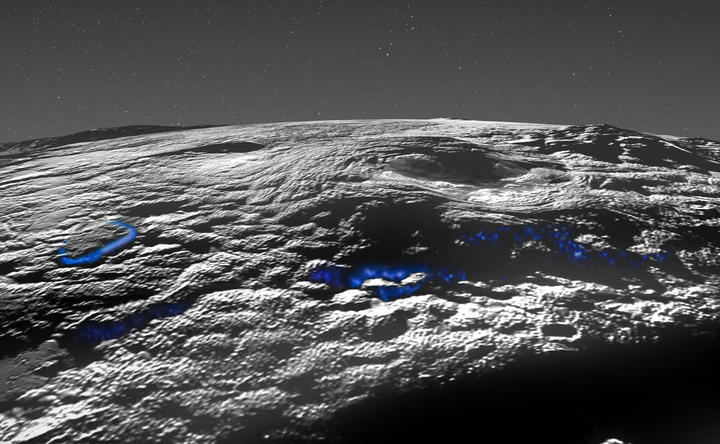
When the New Horizons spacecraft zoomed past Pluto in 2015, it snapped photos of what appeared to be two massive ice volcanoes.
Chip packets recycled to make foil blankets for homeless
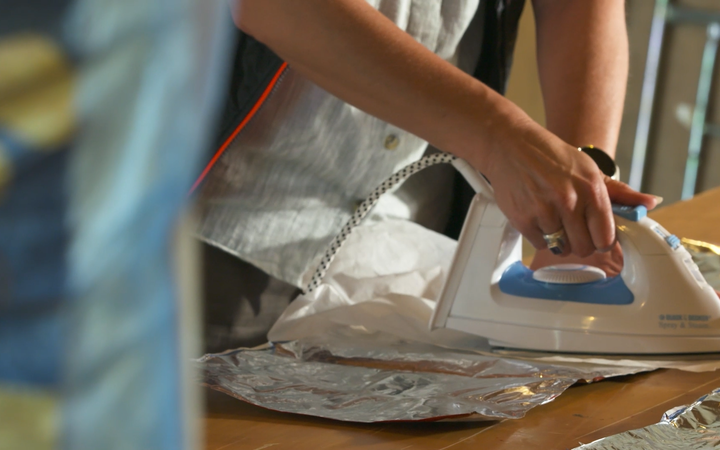
Chips are a staple snack or lunchbox filler for New Zealanders. But their foil packaging can take 80 years to decompose.
A new organisation, Chip Packet Project NZ, is taking the trash and turning it into treasure creating blankets, sleeping bag covers and even pillows for the homeless.
Visual journalist Samuel Rillstone and camera operator Marika Khabazi have the story.