


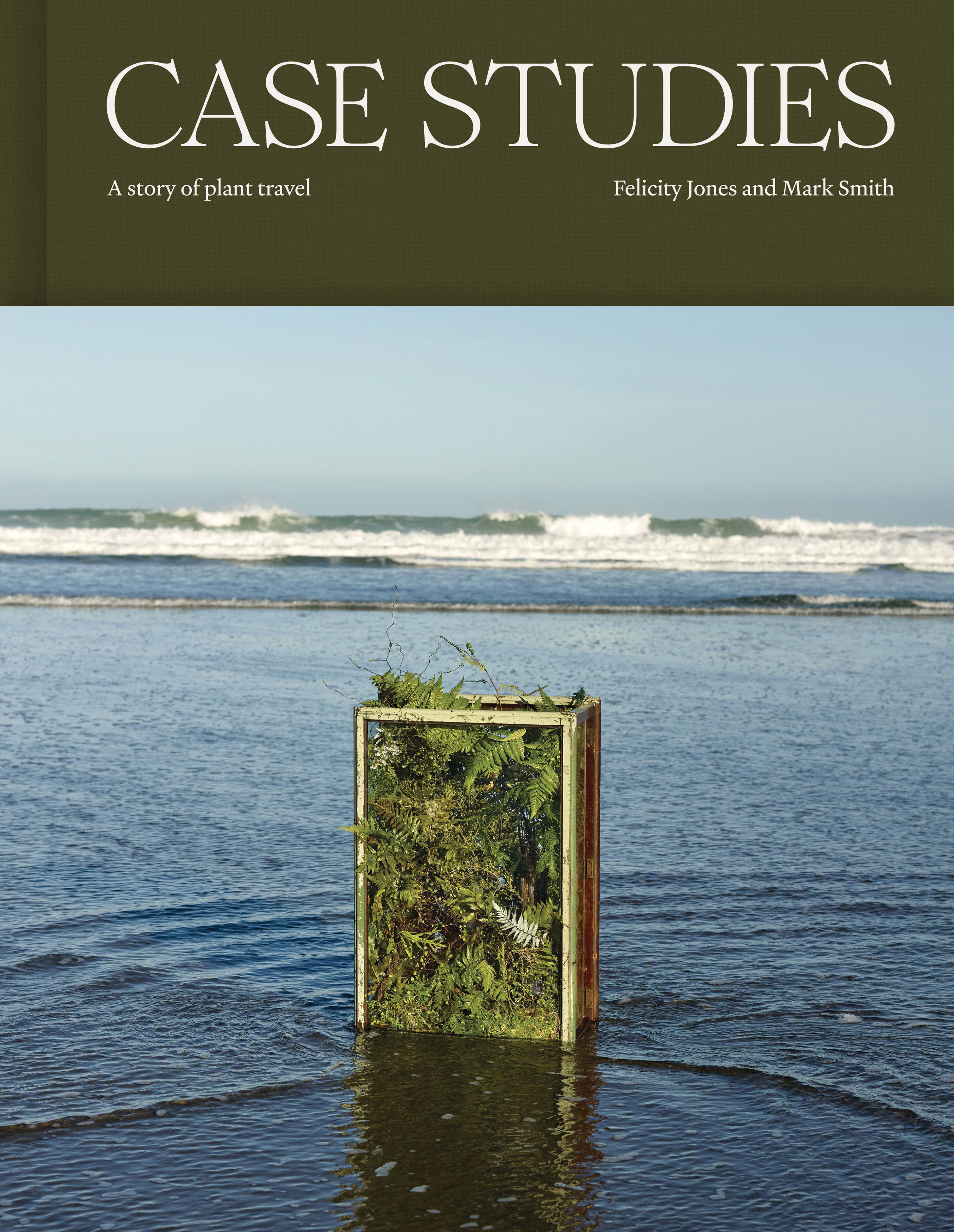
Felicity Jones and Mark Smith, Massey University Press, $85, October 9
In 1829, London doctor Nathaniel Bagshaw Ward carried out a simple experiment. He collected a moth chrysalis and sealed it in a glass bottle with some soil and leaves to see if the moth would hatch in the closed environment. It did—but it wasn’t the only thing that thrived. A fern and some meadow grass also sprouted inside, and flourished there for months.
This discovery, at this moment in history, had huge implications. Sailing ships were criss-crossing the world’s oceans, carrying people, animals and plants to new lives in new places. But keeping plants alive through a long salty sea voyage was extremely challenging. According to one botanist, only one in a thousand survived.
Inspired, Ward built a glass-sided sealed case, and in 1833, sent one full of ferns, mosses and grasses on a ship from London to Sydney.
Perched on the poop deck, receiving sunlight but no water, the case was like a tiny greenhouse, providing a stable microclimate for the plants inside—and they all survived the journey.
For the next century, the Wardian case facilitated the transfer of live plants around the world. But the case was not simply a practical solution to a problem, writes cultural critic Gregory O’Brien in the introduction to Case Studies: “sentiment and nostalgia were also part of its freight”.
Botanical artist Felicity Jones first learned about the Wardian case in 2016. Like me, she’s always been interested in the history of gardening and plants “and how it is they connect us emotionally to the past”. An image dropped into her mind: a glass box filled with romantic English flowers on a path in the 19th century New Zealand bush, on their way to a settler’s garden.
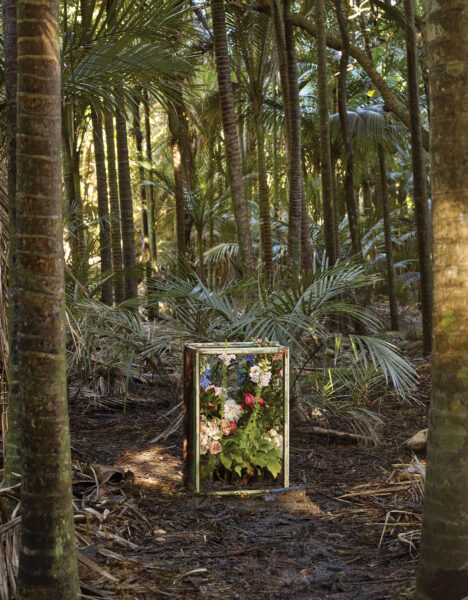
She enlisted her husband to design a replica case and convinced photographer Mark Smith to bring the vision to life (left). So began an artistic collaboration spanning multiple expeditions and exhibitions.
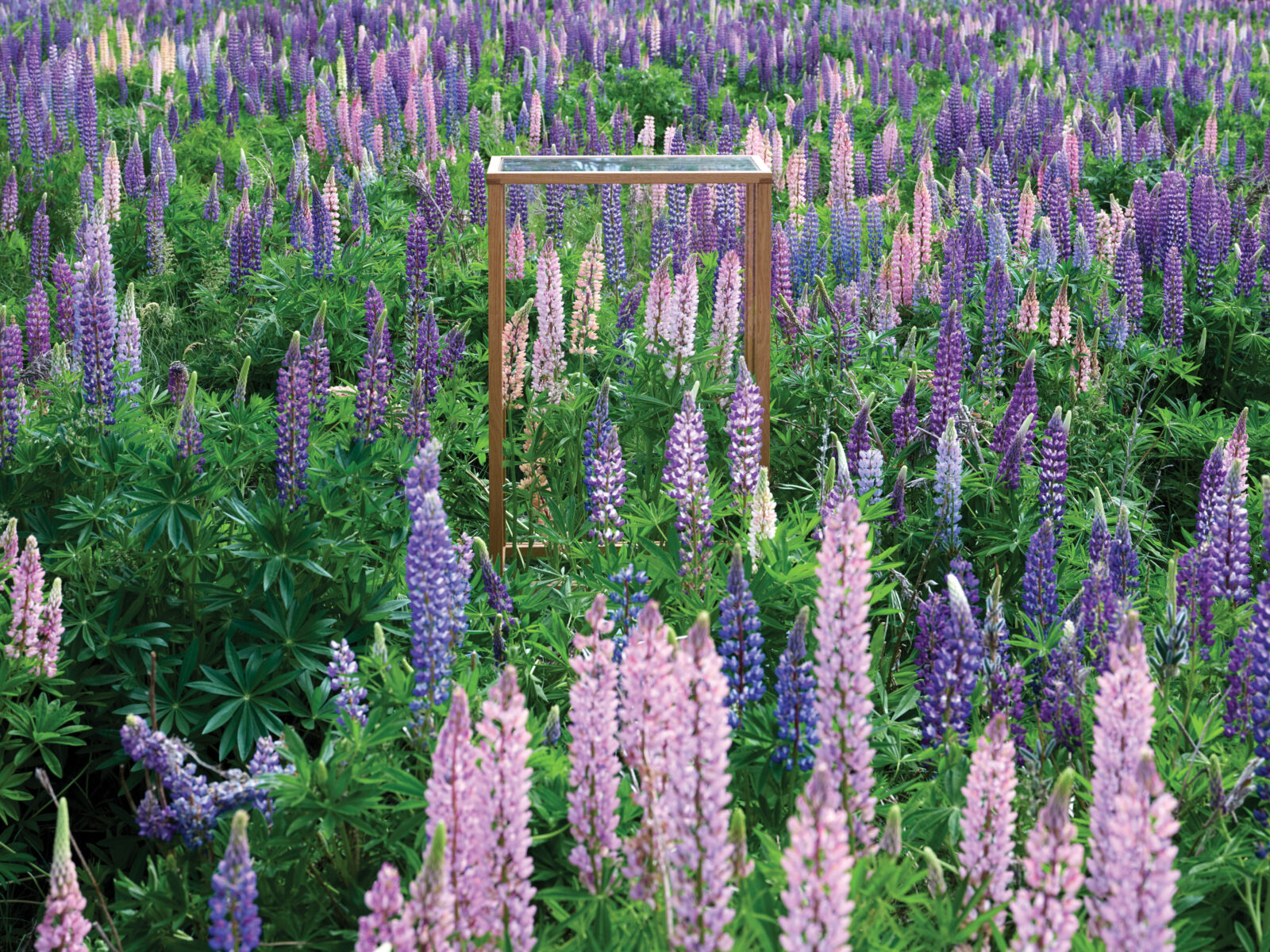
Many of the book’s photographs trace that original format: a floral or botanical arrangement inside the case, set somewhat incongruously in a landscape. In the first half of the book, that landscape is “here”—hydrangeas in the black dunes of Piha, invasive lupins on the lupin-carpeted banks of the Lindis River (above), toetoe and other grasses bending in a box set amongst wavelets on St Bathans’ Blue Lake. In Tairāwhiti, forestry slash fills the case in a field of maize toppled and silted by Cyclone Gabrielle. In Auckland, the box frames urban weeds in the quieted city during a COVID lockdown.
The project evolved further in 2022 when the pair travelled to England—for the cases didn’t just bring foreign plants to our shores. In the 1830s, some of the first trees to arrive at the Royal Botanical Gardens, Kew, in Wardian cases were New Zealand kauri, rimu, tōtara, pūriri, and tānekaha seedlings.
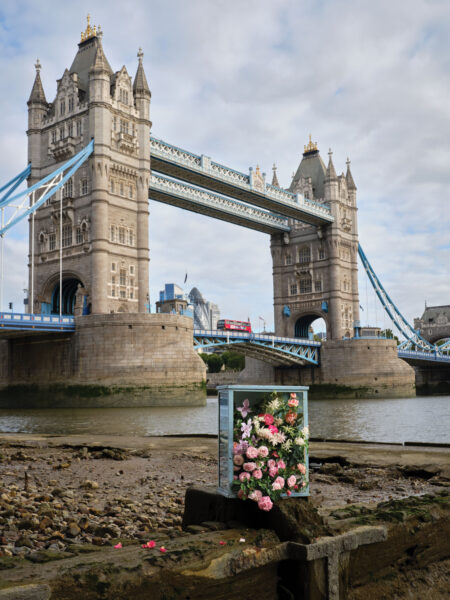
In London, Smith photographed Ward’s unmarked grave, a case of roses Jones set by the Thames beneath Tower Bridge (below), and, imagining seedlings arriving by boat at the Oxford Botanic Garden, they took a box of flowering kōwhai, muehlenbeckia and ferns punting on the River Cherwell.
The Wardian case functions as a kind of miniature theatre, notes O’Brien, “a rectangle within a rectangle. A world within a world,” allowing Jones and Smith to branch into ideas of colonialism, heritage, ecological disruption, unintended consequences, and mātauranga Māori.
These themes are fleshed out in the book in brief notes from the artists and longer essays by guest writers including O’Brien, Anne Salmond, and the Ngāti Tukorehe artist and researcher Huhana Smith. She describes the case as an “edifice of imperialism” and explores the metaphorical implications of one of the more striking images: a Wardian case entirely enveloped in woven harakeke among the Te Henga/Bethells Beach sand dunes—encircled and reclaimed by the plants that belong here.
More by Kate Evans