Keep reading for just $1
$1 trial for two weeks, thereafter $8.50 every two months, cancel any time
Signed in as . Sign out

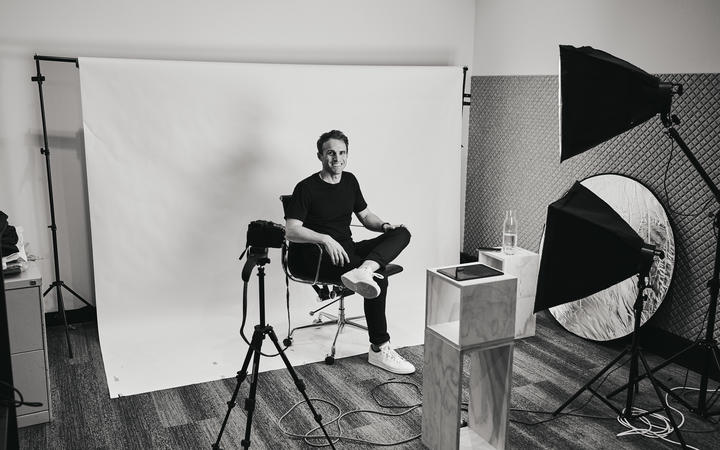
The inability to visualise mental images – a condition called aphantasia – affects around 2-5 percent of the population, but very little is known about it. An example of neurodiversity, aphantasia comes in different shapes and sizes – with some reporting a reduced ability to remember the past, imagine the future, or even dream.
Professor Joel Pearson, a cognitive neuroscientist at the University of New South Wales and director of Future Minds Lab, has been studying mental imagery since 2005. Recent research helmed by Professor Pearson has shown people with aphantasia are harder to frighten with scary stories, and now the team are investigating how PTSD might be experienced differently by those with aphantasia.
More by dan_roberts

Subscribe to our free newsletter for news and prizes
3
$1 trial for two weeks, thereafter $8.50 every two months, cancel any time
Signed in as . Sign out