


Keep reading for just $1
$1 trial for two weeks, thereafter $8.50 every two months, cancel any time
Signed in as . Sign out

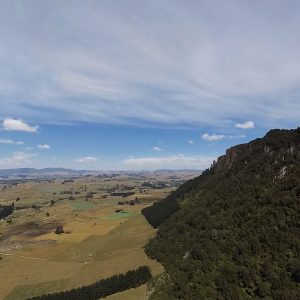
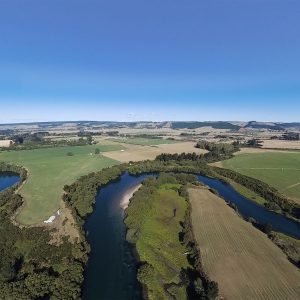
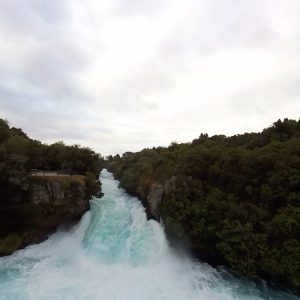
The upper reaches of the Waikato writhe like a serpent through the fertile farmland of Broadlands Forest.
The land is a patchwork of agriculture—from enormous pivot irrigators that orbit paddocks of dairy cows, to the corduroy fields patrolled by combine harvesters.
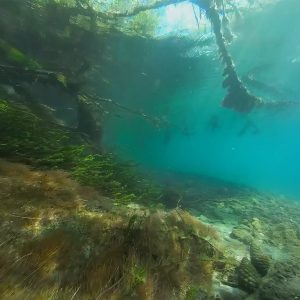
Dense vegetation on the river banks protects the river from fertilisers and stock effluent, but in the places where that riparian margin is thin, it flows into the river from farm ditches, culverts and tributaries. In these headwaters the river still runs clear, but everyone along its banks is culpable for the state of the river at its mouth at Port Waikato.
Wetlands are the kidneys of a river system, filtering out toxins, absorbing nutrients and stabilising sediment. Likewise, planting along farm margins absorbs nutrients, fertiliser and stock effluent at source, protecting waterways. (Research suggests margins must be more than five metres wide to be effective.) Planting and wetland restoration is funded by a number of agencies and available as tax breaks for primary producers.
Subscribe to our free newsletter for news and prizes
3
$1 trial for two weeks, thereafter $8.50 every two months, cancel any time
Signed in as . Sign out