








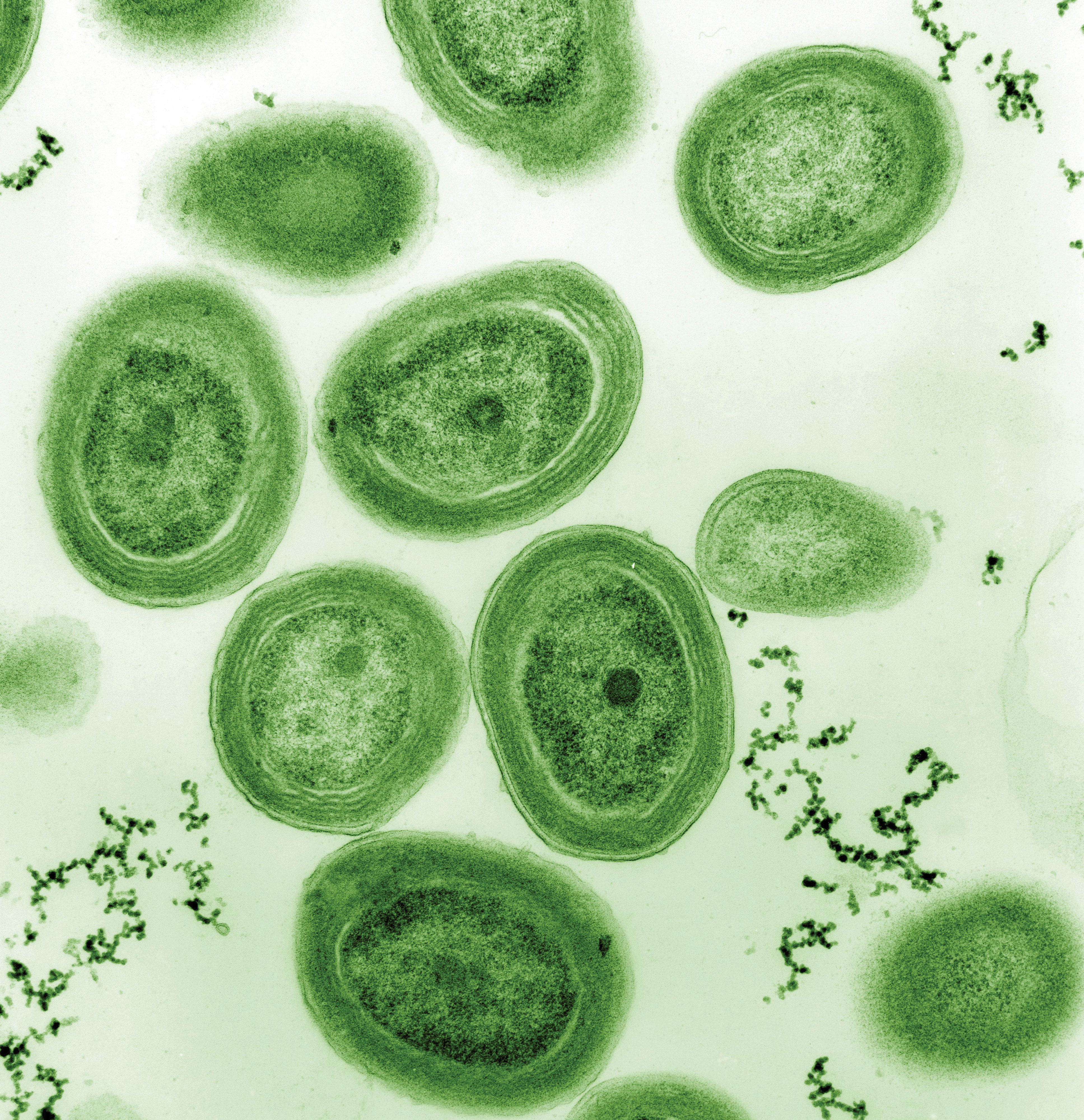
Of all the lifeforms that photosynthesise—turning light into energy, and pumping out oxygen—Prochlorococcus is the smallest and most abundant. A drop of seawater might contain 100,000 of the bright-green cyanobacteria; they cover three-quarters of the ocean surface, underpin marine food webs—and produce at least 10 per cent of the planet’s oxygen.
A US study published in Nature warns this “keystone” plankton is not nearly as heat-tolerant as was hoped. As the seas warm, Prochlorococcus is expected to thrive and become even more dominant—until the surface water hits 28°C. Then, the study predicts, it will struggle to reproduce. In the warmest waters, Prochlorococcus could collapse completely. Globally, its population is predicted to abruptly drop by 10 to 37 per cent, depending on how the climate crisis plays out. This scenario is just decades away: by 2100, tropical and subtropical oceans are projected to be regularly topping 30°C.
“It is crossing a threshold that could flip entire ocean regions into a fundamentally different state,” says lead author François Ribalet, of the University of Washington. “When you remove the foundation of any ecosystem, everything built on top of it shifts… The fish species, the timing of reproduction, the efficiency of energy transfer through the food web—all of this may change when you shake the base of the pyramid.”
Ribalet notes the phytoplankton are also “tiny carbon pumps, constantly pulling CO2 from the atmosphere and converting it into organic matter”. That vital cycle, too, could be disrupted.
The findings were gleaned from seawater samples taken over a decade, during more than 100 research trips across the warming Pacific; Ribalet told the Associated Press the team counted more Prochlorococcus than there are stars in the Milky Way. He adds that the modelling is conservative, and looks only at sea-surface temperature, not other threats such as ocean acidification or plastic pollution. “In reality, things may be worse.”
More by Catherine Woulfe