








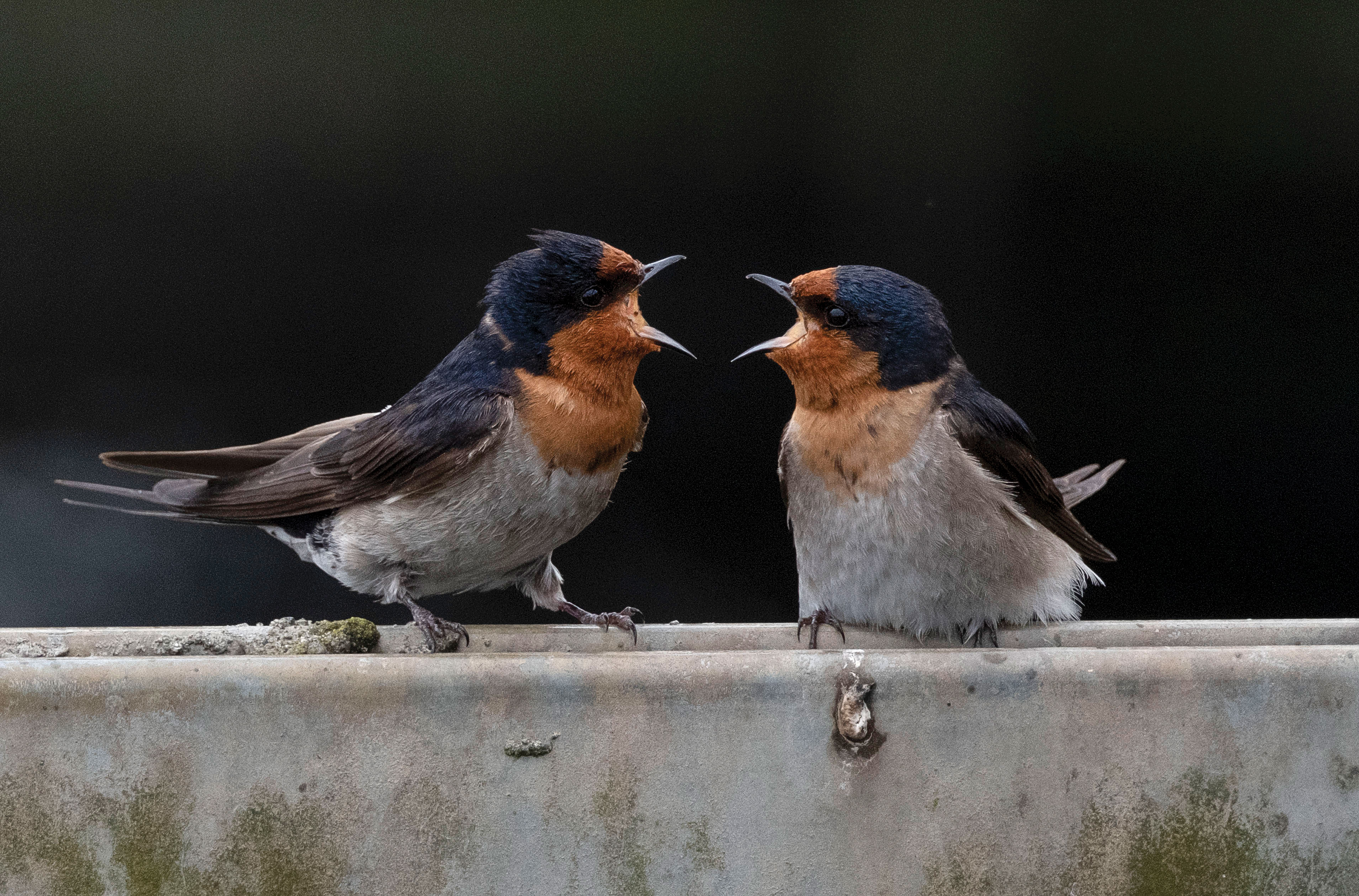
Across the world, light pollution such as streetlights, signage and lit-up windows is prompting hundreds of species of birds to sing for longer—on average, each bird is putting in an extra 50 minutes per day.
US ecologists analysed a year’s worth of data from an app called BirdWeather, which maps birdsong picked up all over the planet. Some of the songs in this “living library” are caught on special audio recorders in reserves and forests—including a handful in New Zealand—but many others are logged by phones, or YouTube cams set up to watch nests and feeders, such as those at Castlepoint and Taiaroa Head. (It’s a fascinating website to poke around on. In the space of 30 seconds it flagged noisy starlings in Christchurch, a sparrow in Whanganui, and pīwakawaka just out of Hamilton.)
The research, published in Science, lines the songs up with satellite data documenting light pollution, and finds that birds in lit-up areas start singing on average 18 minutes early, and sing 32 minutes later each evening. The analysis covers almost 600 species; those most reactive to light tend to be migratory birds, species with big eyes, and those that make open nests. The researchers are not sure what effect all that extra singing might be having.
More by Catherine Woulfe