

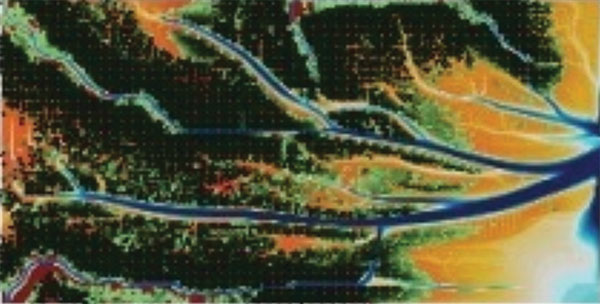
Calling a truce on mangroves

It’s long been assumed that more mangroves means more mud, says Karin Bryan, a University of Waikato professor and specialist in oceanography. And no-one likes to watch a sandy beach turn to sludge. It makes sense, then, that we rip mangroves out. Right?

In a new study published in Nature Communications, Bryan worked with an international team to model what would happen if we managed to remove mangroves from certain areas of the New Zealand coast. The team expected that with the plants gone, the mud would start to wash away, too. Instead, it stuck around—and continued to build up.
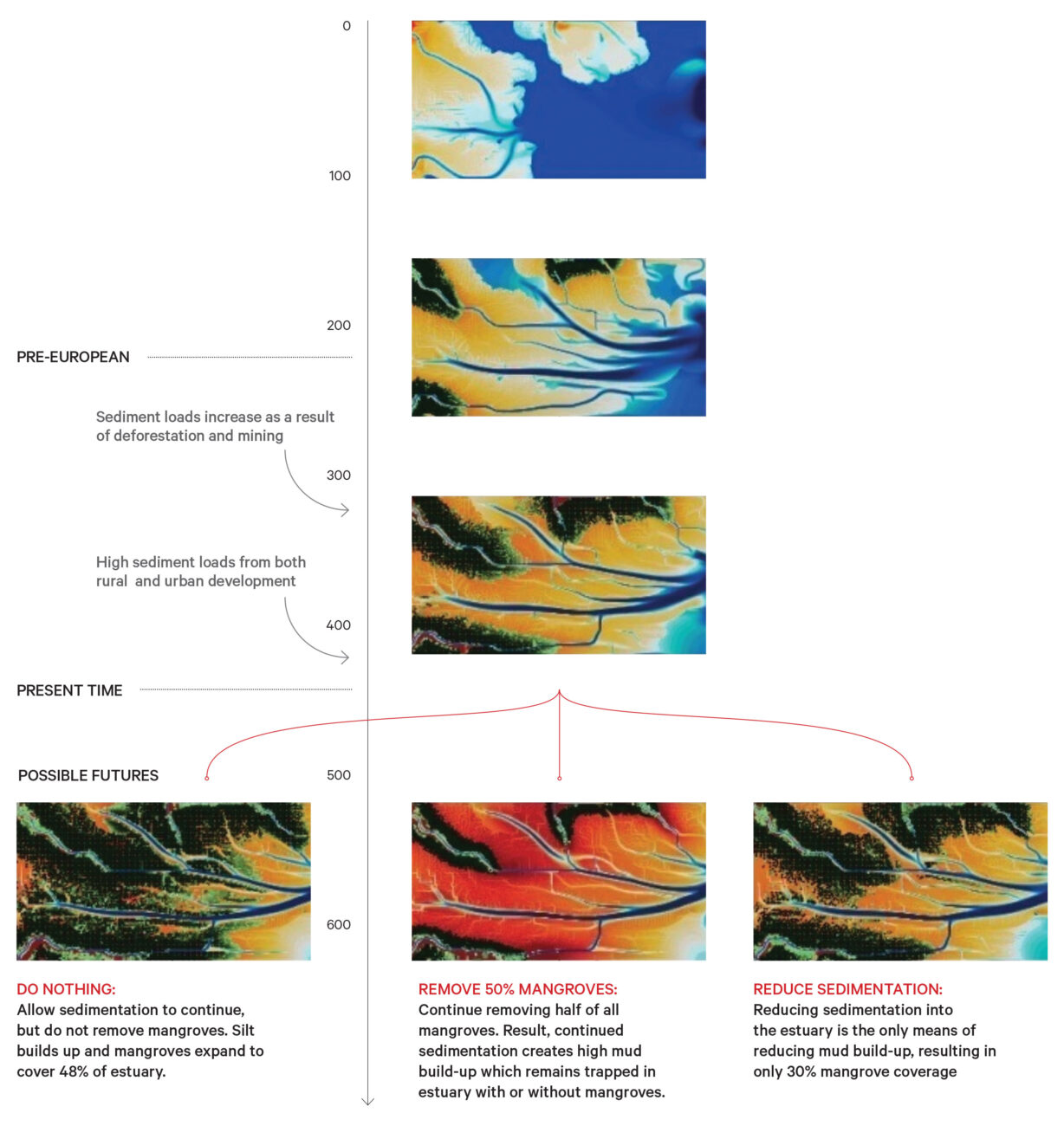
“We were quite surprised,” Bryan says. The “weird twist” is that the mangroves on the front line—the fringe facing the sea—tend to thrive, building up an elevated barrier of mud that stops sediment washing in behind it. So instead of a thick mudflat, you’re left with something like a seawall, with less mud closer to the beach.

Feeding the computer model various scenarios, the scientists found that no amount of mangrove removal would stop the mud—and it certainly wouldn’t bring back the sand. Only stemming the flow of sediment to the sea could do that. And that means changing the way we use land. Mangroves, Bryan says, are not the bad guys. “They’re just a symptom of what’s wrong with our coast.”

It’s long been assumed that more mangroves means more mud, says Karin Bryan, a University of Waikato professor and specialist in oceanography. And no-one likes to watch a sandy beach turn to sludge. It makes sense, then, that we rip mangroves out. Right?

In a new study published in Nature Communications, Bryan worked with an international team to model what would happen if we managed to remove mangroves from certain areas of the New Zealand coast. The team expected that with the plants gone, the mud would start to wash away, too. Instead, it stuck around—and continued to build up.

“We were quite surprised,” Bryan says. The “weird twist” is that the mangroves on the front line—the fringe facing the sea—tend to thrive, building up an elevated barrier of mud that stops sediment washing in behind it. So instead of a thick mudflat, you’re left with something like a seawall, with less mud closer to the beach.

Feeding the computer model various scenarios, the scientists found that no amount of mangrove removal would stop the mud—and it certainly wouldn’t bring back the sand. Only stemming the flow of sediment to the sea could do that. And that means changing the way we use land. Mangroves, Bryan says, are not the bad guys. “They’re just a symptom of what’s wrong with our coast.”

Issue 187

May - Jun 2024

Red billed gulls

Search & rescue

Amber

Ōrongorongo

Huts

Plankton

Issue 187 May - Jun 2024
×

Subscribe to our free newsletter for news and prizes

3 FREE ARTICLES LEFT

Subscribe for $1  | 

3 FREE ARTICLES LEFT THIS MONTH


Keep reading for just $1

$1 trial for two weeks, thereafter $8.50 every two months, cancel any time

Signed in as . Sign out