


What’s in a name?

Rob Suisted

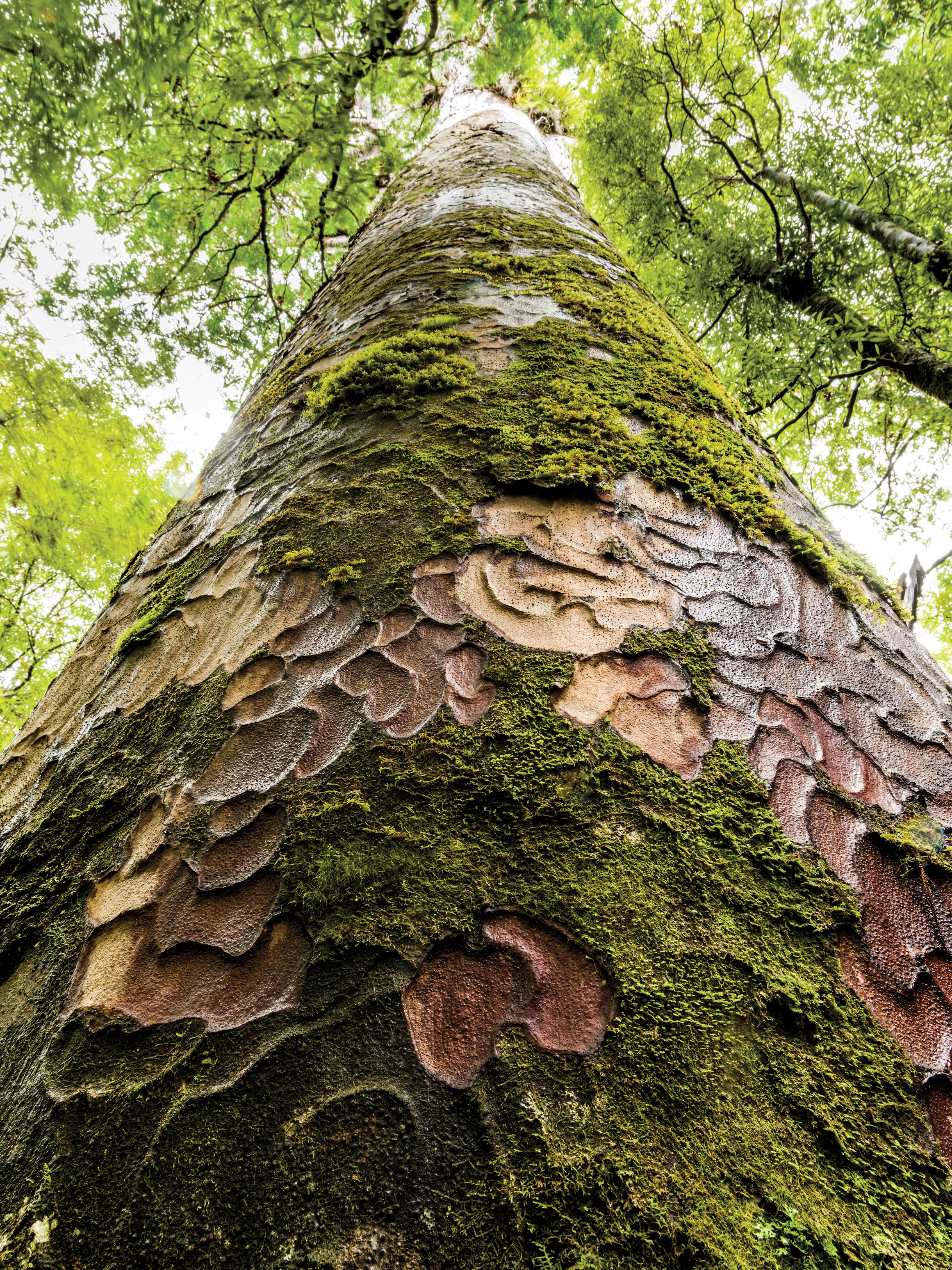
Why did scientists name our iconic forest giants Agathis australis when the trees have been called kauri for hundreds of years?

Most of New Zealand’s iconic species were given scientific names by botanists during the colonial era, and the names they chose reflect the priorities and attitudes of the time.

Some species were named for people whom scientists wanted to impress or insult. (That trend continues today: in 2019, a newly discovered blind, burrowing amphibian was named Dermophis donaldtrumpi, in a nod to the United States president’s climate change denial.)

There are scientific names using racial slurs, like many South African species names deriving from “kaffir”. There’s Maoriblatta novaeseelandiae, in which scientists labelled a stinky black cockroach a “Māori bug”.

In a comment paper in the journal Communications Biology, biogeographers Len Gillman from AUT University and Shane Wright from the University of Auckland argue that taxonomic protocol should allow scientific names worldwide to be changed to get rid of irrelevant or offensive names, replacing them instead with long-held indigenous ones.

For example, Agathis australis could become Agathis kauri. Wright, who is Māori, would like to see another endemic conifer, Prumnopitys taxifolia, renamed Prumnopitys mataīthe Māori name implying chiefly leadership.

Meanwhile, botanist Peter de Lange, who reviewed the paper, foresees some problems with the proposal. Which Māori dialect would prevail? Would Moriori names get a look-in? Should tūī be incorporated into Prosthemadera novaeseelandiae, when before the 1930s most Māori called the birds koko? What about mānuka, which until the 1930s was used to describe kānuka? (Mānuka was called kahikātoa.)

Gillman and Wright point out that the concept would only work in the small number of cases where there is one consistent indigenous name across the whole of a species’ range, or where groups can agree on a name to use.

So far, the idea has seen both pushback and support from the international taxonomic community, which doesn’t surprise Gillman. “Before you get change, you have vigorous debate.”

More by

Rob Suisted

Why did scientists name our iconic forest giants Agathis australis when the trees have been called kauri for hundreds of years?

Most of New Zealand’s iconic species were given scientific names by botanists during the colonial era, and the names they chose reflect the priorities and attitudes of the time.

Some species were named for people whom scientists wanted to impress or insult. (That trend continues today: in 2019, a newly discovered blind, burrowing amphibian was named Dermophis donaldtrumpi, in a nod to the United States president’s climate change denial.)

There are scientific names using racial slurs, like many South African species names deriving from “kaffir”. There’s Maoriblatta novaeseelandiae, in which scientists labelled a stinky black cockroach a “Māori bug”.

In a comment paper in the journal Communications Biology, biogeographers Len Gillman from AUT University and Shane Wright from the University of Auckland argue that taxonomic protocol should allow scientific names worldwide to be changed to get rid of irrelevant or offensive names, replacing them instead with long-held indigenous ones.

For example, Agathis australis could become Agathis kauri. Wright, who is Māori, would like to see another endemic conifer, Prumnopitys taxifolia, renamed Prumnopitys mataīthe Māori name implying chiefly leadership.

Meanwhile, botanist Peter de Lange, who reviewed the paper, foresees some problems with the proposal. Which Māori dialect would prevail? Would Moriori names get a look-in? Should tūī be incorporated into Prosthemadera novaeseelandiae, when before the 1930s most Māori called the birds koko? What about mānuka, which until the 1930s was used to describe kānuka? (Mānuka was called kahikātoa.)

Gillman and Wright point out that the concept would only work in the small number of cases where there is one consistent indigenous name across the whole of a species’ range, or where groups can agree on a name to use.

So far, the idea has seen both pushback and support from the international taxonomic community, which doesn’t surprise Gillman. “Before you get change, you have vigorous debate.”

More by

Issue 167

Jan - Feb 2021

Cats

After Wildfires

Two Shipwrecks

Red Zone

Foraging

Fallback image

More by

×

Subscribe to our free newsletter for news and prizes

3 FREE ARTICLES LEFT

Subscribe for $1  | 

3 FREE ARTICLES LEFT THIS MONTH


Keep reading for just $1

$1 trial for two weeks, thereafter $8.50 every two months, cancel any time

Signed in as . Sign out