
Submarine streams

University of Southampton

Freshwater rises above denser saltwater—except in Antarctica, where the rotation of the earth keeps Antarctic meltwater hundreds of metres below the surface of the ocean.

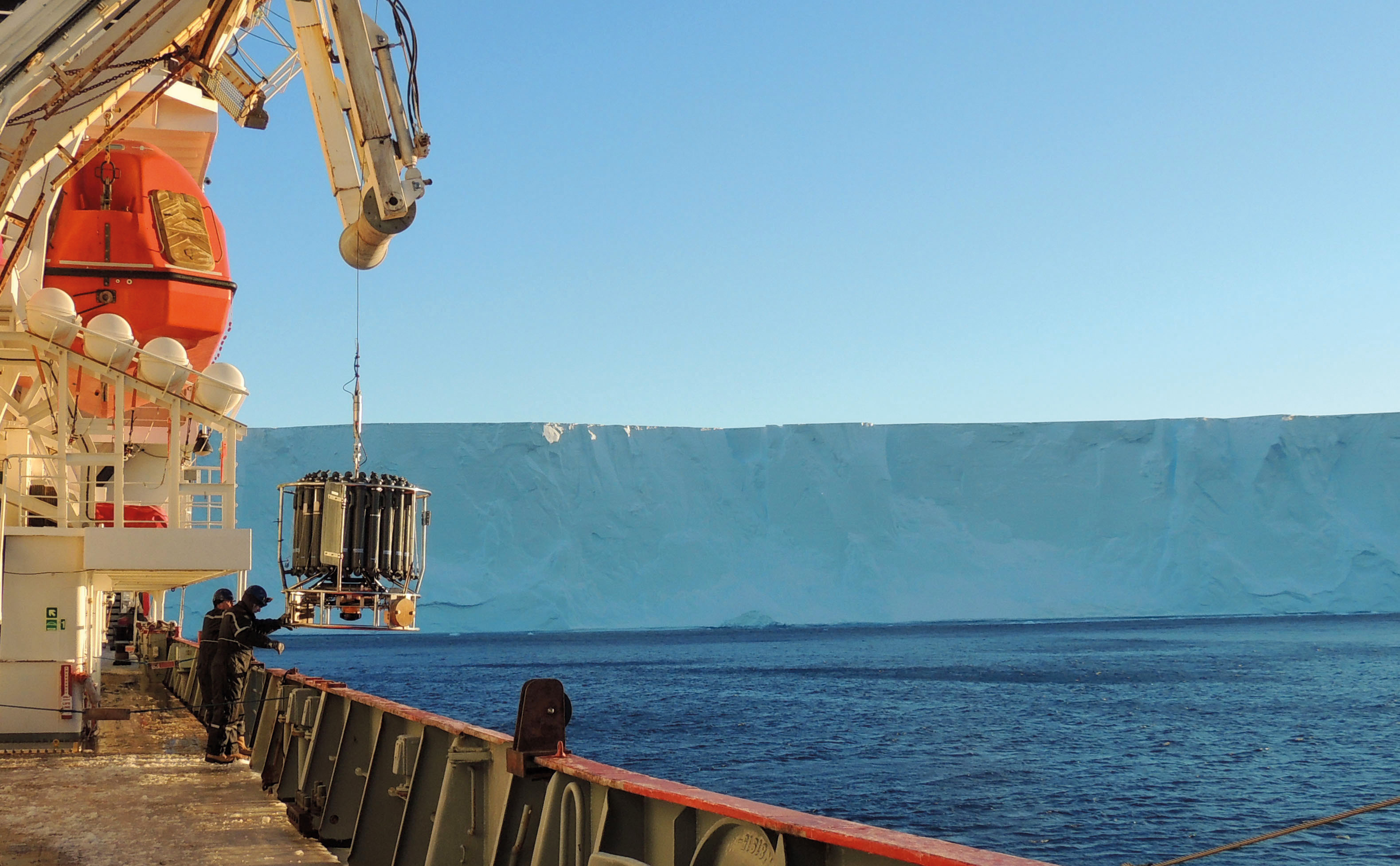
Research published in Nature earlier this year investigated meltwater gushing from an underwater cave in the Pine Island Glacier, which is particularly fast-melting. Although this freshwater begins to rise vertically, the rotation of the earth causes the stream of meltwater to spin on its vertical axis, flinging the freshwater sideways in filaments, which then mix with saltwater and settle at depth. This type of motion is widespread at the poles, say the University of Southampton researchers.

Ice sheets form fastest when meltwater rises to the surface of the sea, remains there and freezes in place. Without a layer of freshwater on top of the ocean, saltwater continually rises to the surface of the ocean and sinks, this churning motion preventing it from freezing as quickly. Without ice sheets forming at their usual pace, the melting of the poles may take place faster than currently predicted.

More by

University of Southampton

Freshwater rises above denser saltwater—except in Antarctica, where the rotation of the earth keeps Antarctic meltwater hundreds of metres below the surface of the ocean.

Research published in Nature earlier this year investigated meltwater gushing from an underwater cave in the Pine Island Glacier, which is particularly fast-melting. Although this freshwater begins to rise vertically, the rotation of the earth causes the stream of meltwater to spin on its vertical axis, flinging the freshwater sideways in filaments, which then mix with saltwater and settle at depth. This type of motion is widespread at the poles, say the University of Southampton researchers.

Ice sheets form fastest when meltwater rises to the surface of the sea, remains there and freezes in place. Without a layer of freshwater on top of the ocean, saltwater continually rises to the surface of the ocean and sinks, this churning motion preventing it from freezing as quickly. Without ice sheets forming at their usual pace, the melting of the poles may take place faster than currently predicted.

More by

Issue 145

May - Jun 2017

No swimming
Bruce McLaren
Glowworms
Archey’s frog

Issue 145 May - Jun 2017

More by

×

Subscribe to our free newsletter for news and prizes

3 FREE ARTICLES LEFT

Subscribe for $1  | 

3 FREE ARTICLES LEFT THIS MONTH


Keep reading for just $1

$1 trial for two weeks, thereafter $8.50 every two months, cancel any time

Signed in as . Sign out