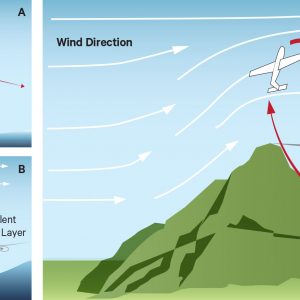
Flying robots are taking to the skies in greater numbers—performing tasks such as tracking critically endangered Māui dolphins and collecting data on extreme weather events. But they can’t fly well in windy conditions, and don’t have the battery capacity to power long flights. Birds, on the other hand, can wheel and soar in even the […]...
Human antidepressants flow into waterways after passing through the body, where they affect the behaviour of fish. Australian researchers created tanks of water polluted with one of the world’s most commonly prescribed antidepressants, fluoxetine (also known as Prozac), at concentrations that have already been detected in waterways around the world. Over two years, the scientists […]...
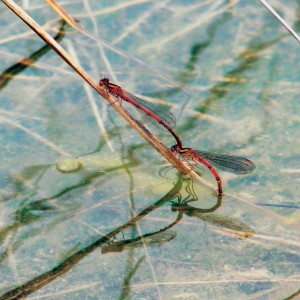
On January 4, 2007, while visiting tarns at Carrol Hut in the Kelly Range, Arthurs Pass National Park, Dr John Flux noticed a pair of redcoat damselflies (Xanthocnemis sinclairi) apparently mating and preparing for egg-laying. He was able to photograph the whole process. The pair backed down a stem into the water, the female first, […]...
On these bleak winter days, few varieties of shell survive the white wrath of New Zealand’s West Coast. However, one that is commonly picked out from among the wrack and foam is the delicately coiled ram’s horn, Spirula spirula—an object that has a number of claims on our interest. Although the shell is common on […]...
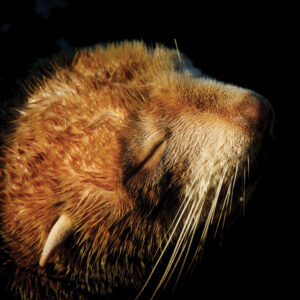
For a year, the coastline north of Kaikōura was home to a unique albino kekeno pup affectionately called Golden Boy. Department of Conservation scientists first spotted the ginger fur seal in February 2025 when he was a few months old, during colony monitoring at Ōhau Point. With his honey-coloured coat, pink flippers and nose, and rheumy […]...
Plans to mine a well of diatomite in Otago hit a snag when scientists pointed out that the site contains contains a wealth of perfectly preserved examples of prehistoric Aotearoa....