Salute

Two months of staring through a porthole at Antarctic ice floes hardly seems a useful preparation for a story on tropical atolls. Yet it was his exploration of this great white wilderness while on assignment for New Zealand Geographic at the beginning of the year (see Issue 9) that gave Mark Scott a vital clue […]...

What a star!

Once again the Sky Serpent has been defeated and forced to disgorge the Sun almost as soon as it had swallowed it. Thirty-three hundred years ago, the Eighteenth Dynasty Pharaoh Akhenaten (“he who is beneficial to Aten”) made a shortlived attempt to replace the gods of Egypt with a monotheistic religion centred on the Aten, […]...

The big freeze

Although the cannibal rabbits of Central Otago, on close scrutiny, turned out to be only suffering from frost-bitten ears, the big freeze in July still provided plenty of the stuff of legend. Beer froze in some pubs, sheep froze to the ground, hands froze on metal gates, diesel turned to sludge, water pipes burst and icy […]...

Lost poetry, lost history

The people of Marton have reason enough to be proud of the name of their pleasant tree-lined town. It reflects the name of Cap­tain James Cook’s birth­place, Marton-in-Cleve­land, in the North riding of Yorkshire. But back in the 1860s, when Marton was being established, things were different. The Maori name was Tutaenui, and when the […]...

The voyage home

E kore au e ngaro, to kaakano i ruia mai i Rangiatea. I shall never disappear, the seed sown here from Rangiatea....

GEONEWS

New Zealand Geographic readers who enjoyed learning about papermaking (Issue 9) can now make their own paper, using an inexpensive paper recycling kit developed by a Dunedin couple. The kit contains a simple “papermaker’s sandwich” (two outer frames and a fine mesh which goes in the middle), drying boards, a sponge and an instruction book. Using […]...

Sure to rise

It has been more than a century since the first hot-air balloon soared into New Zealand skies. In the early years, ballooning was largely entertainment, with daredevil exponents impressing the crowds by dangling from trapezes and leaping from their balloons with primitive parachutes. Today, it is both sport and sightseeing, as Wellington journalist Mark Coote discovered at the New Zealand Hot […]...

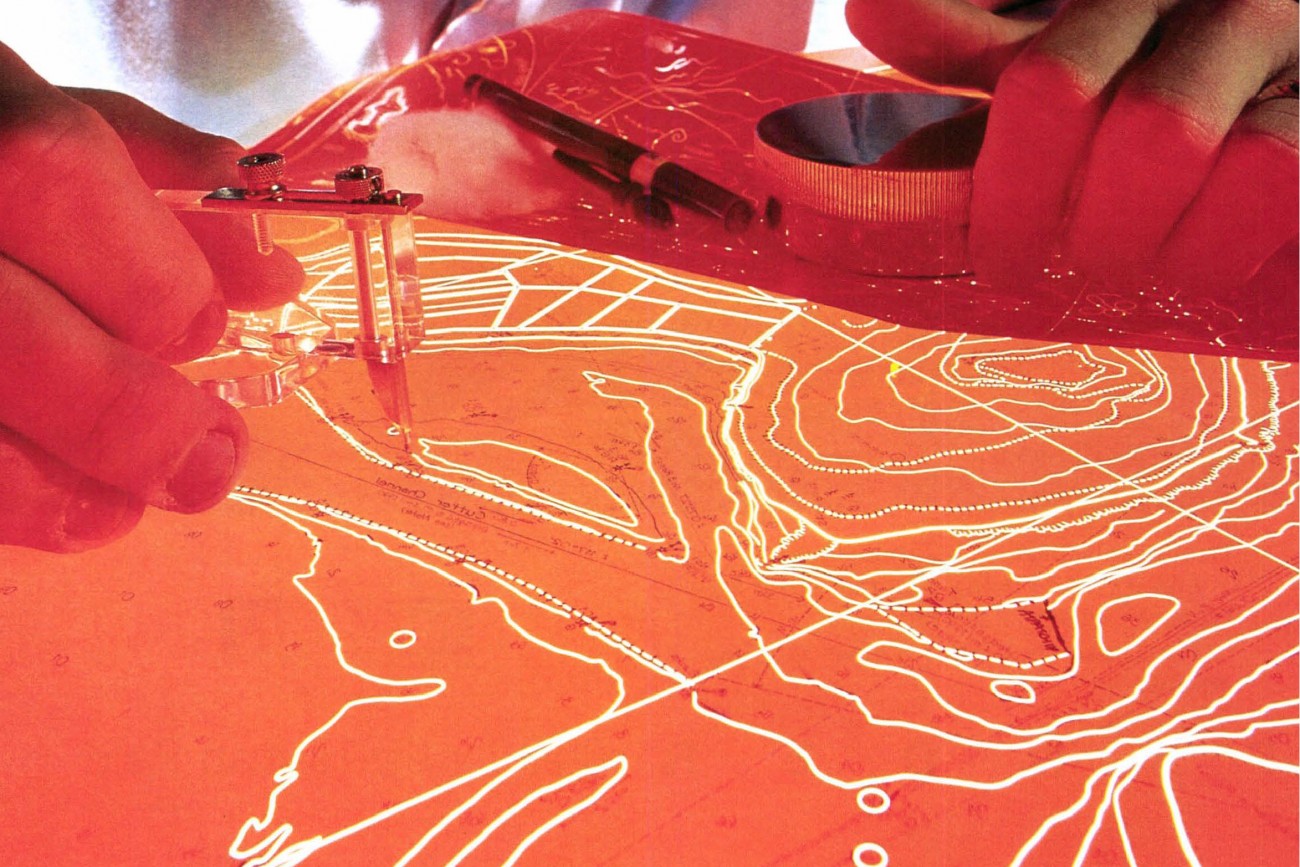
Accuracy above all

In the 19th century, mariners relied on “faith in God and an Admiralty chart”. Despite the revolutionary impact of satellites and global communication networks on the task of navigation, the essence of safe sailing is still a sound chart....

The fifth kingdom

Moulds, mushrooms and their kin....

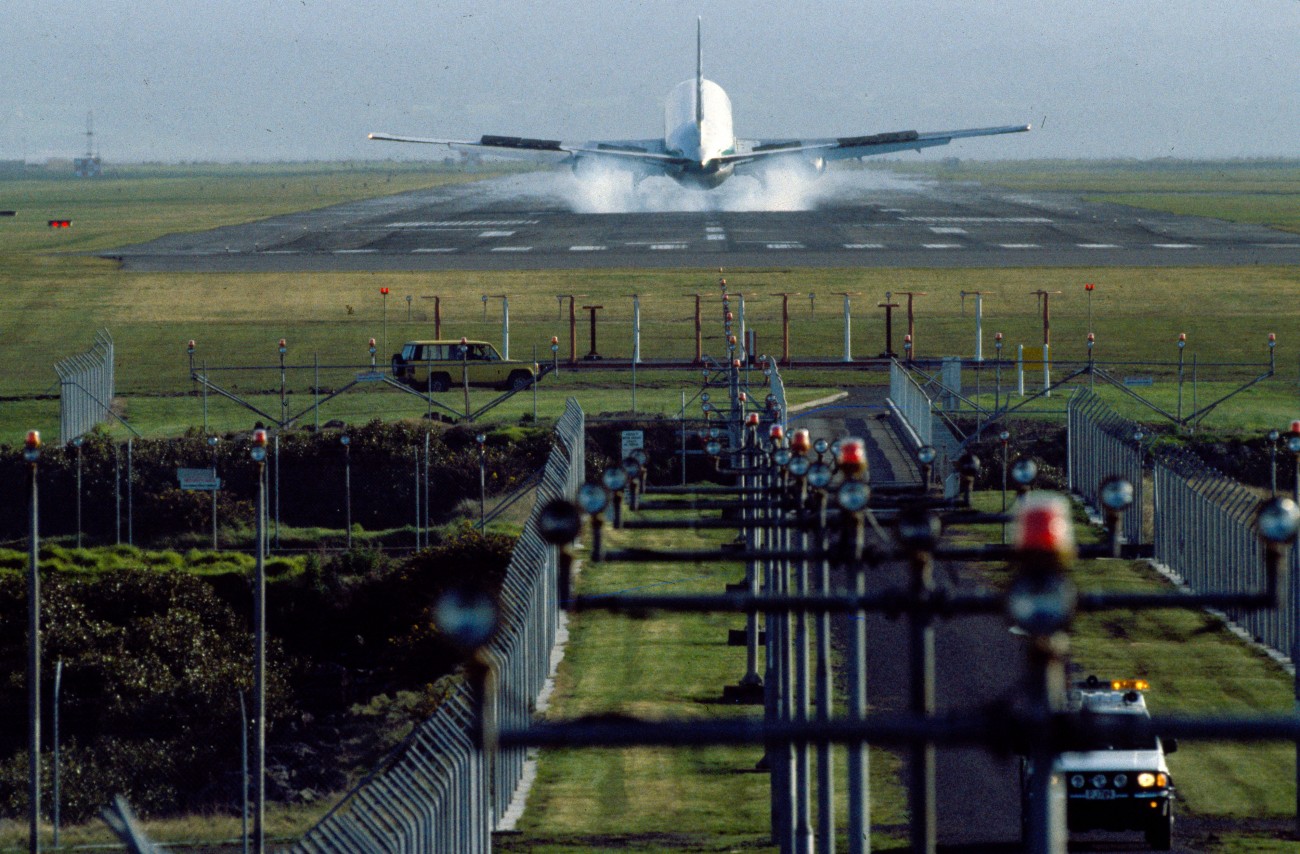
Touchdown New Zealand

Pied oystercatchers float down from a sea of grey cloud and land softly on the shore of the Manukau Harbour. The tide is covering the mudflats, so these waders fossick through a nearby field of wet grass, their orange beaks probing for worms instead of their preferred seafood. A hundred metres away, Phil Henare watches […]...

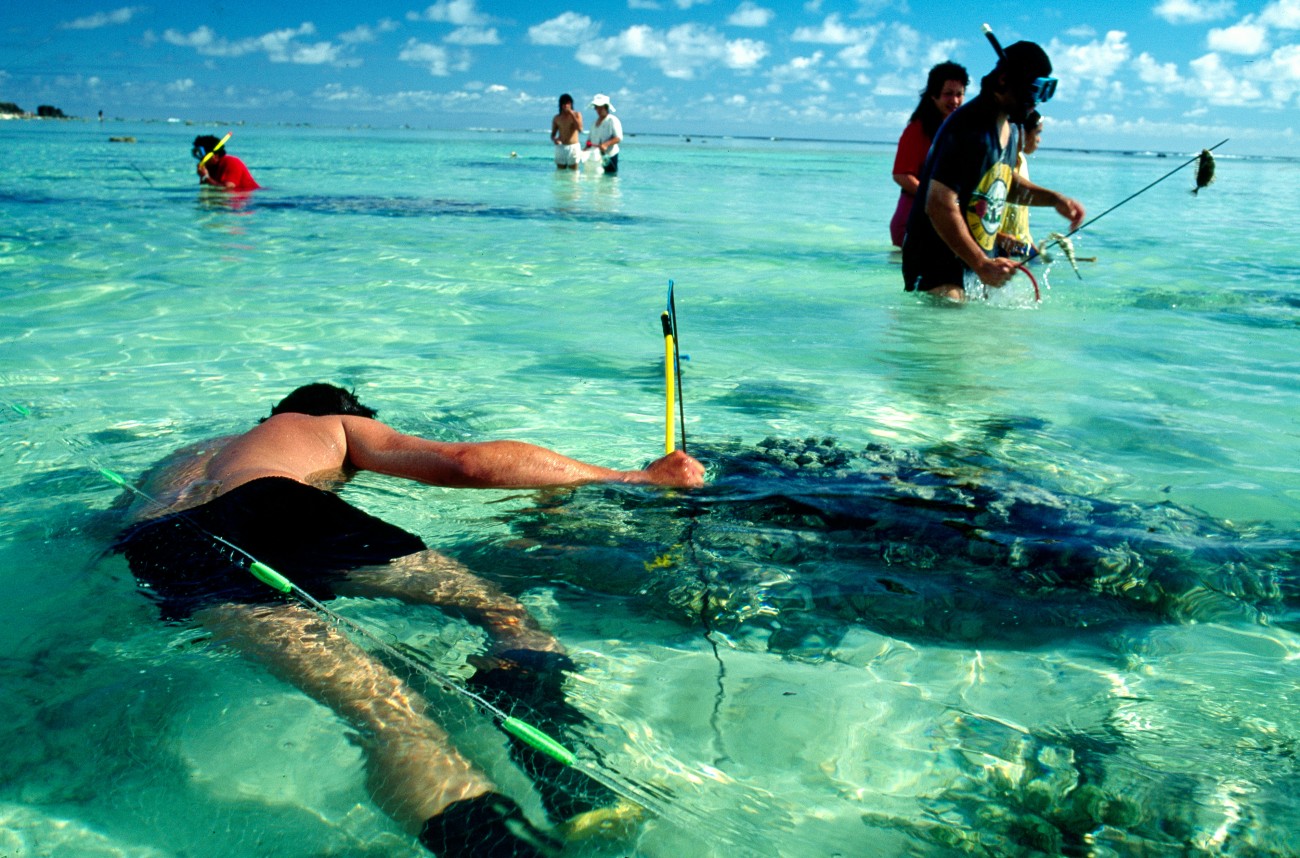
In search of the Cook Islands

To some, they are New Zealand’s Majorca. To others, a totemic link with the Polynesian voyagers who settled Aotearoa a millennium ago. Fifteen tiny islands and atolls sprinkled over close to a million square miles of ocean, the Cooks are a diverse group of communities, each with its own distinct flavour....

Magazine

Issue 200

Jul - Aug 2026

Solar power
Horses of Huntly
Forget me not
Whaling
Red admirals

Issue 200 Jul - Aug 2026

Trending

The age of fossil fuels is ending, and the world is entering the era of solar power. What matters now is how fast we make the shift....
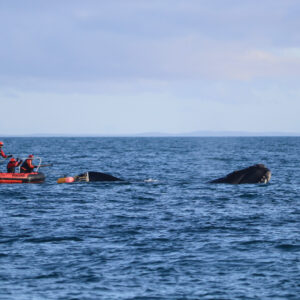
On December 10, 2024, a juvenile bottlenose dolphin was reported tangled in fishing line near Riverhead, in the upper reaches of the Waitematā Harbour. The dolphin couldn’t flex its tail properly, or dive, or chase fish. Its pod headed elsewhere. One larger dolphin stayed behind, and for the next month it stuck close, spending almost […]...
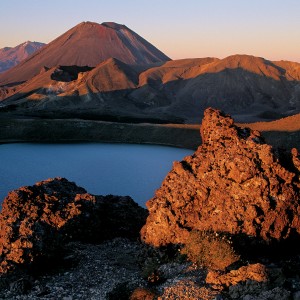
Tongariro is by far the most popular national park in the North Island, attracting tens of thousands of skiers, walkers and trampers every year. The park centres around three active volcanoes: Tongariro, Ngauruhoe and Ruapehu, all of which are considered by local Maori to be sacred ancestors. In 1887 the chief of the local iwi Ngati […]...
For all sorts of reasons: to defend territory, attract a mate, let a mate know where it is, be­cause it’s fun, because it’s dawn. What is unusual about New Zealand native birds (and many bird species in the southern Hemisphere) is that the females can belt out a tune as well as their male coun­terparts, […]...
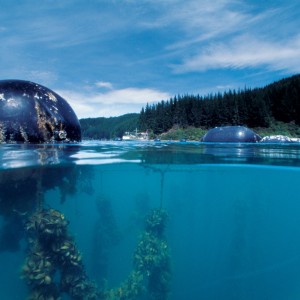
Seafood is healthy and the world wants more. Too bad that most wild fisheries are overfished and collapsing. Over the last few dec­ades, aquaculture has begun to offer a solution to this difficulty, but it’s not a solution that wins universal acclaim. In New Zealand, the black floats that mark mussel farms (above)—our main form […]...
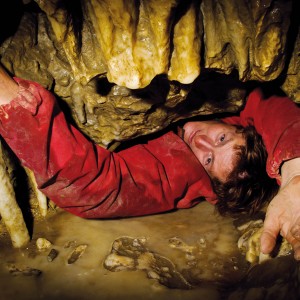
A claustrophobe goes caving...
As 2006 came to an end, stories of record warmth around the world contrasted strongly with the cold temperatures New Zealand expe­rienced in December. Averaged over the whole country, the month was 1.9°C below the long-term average. Although nationwide it was not the coldest December on record—December 2004, for exam­ple, was 0.3°C colder again—many places […]...

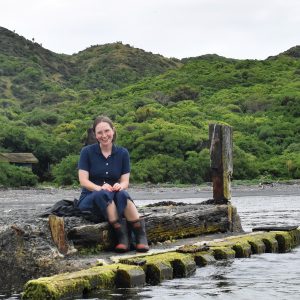
Flora Feltham wrote an early version of our cover story when she was living on Wellington’s predator-free reserve Mana Island with her husband, then a DOC ranger. The couple spent two years on the island, often alone, spanning Feltham’s first pregnancy and 10 months of their baby’s life. An incredible honour, she says, but it […]...
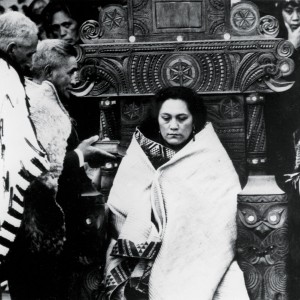
Maoridom gains a queen....
Fine documentary photojournalists are as rare and as delightful to encounter as any of New Zealand’s endangered species. As this magazine’s art director, I am all too aware of the difficulties that a complex photo-journalistic assignment poses. An instinct that puts a photographer in a certain place at a certain time with an eye for the […]...
Archive

×

Subscribe to our free newsletter for news and prizes