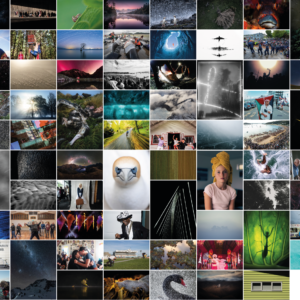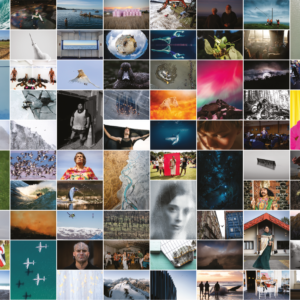
Gathered in a darkened boardroom, three of the finest editorial photographers in New Zealand pressed their noses to a screen and pored, one-by-one, through nearly 2000 images submitted for the New Zealand Geographic Photographer of the Year competition. Each was examined for content, composition, technical expertise, light, depth, and the very individual contribution that each photographer made to the subject before them.

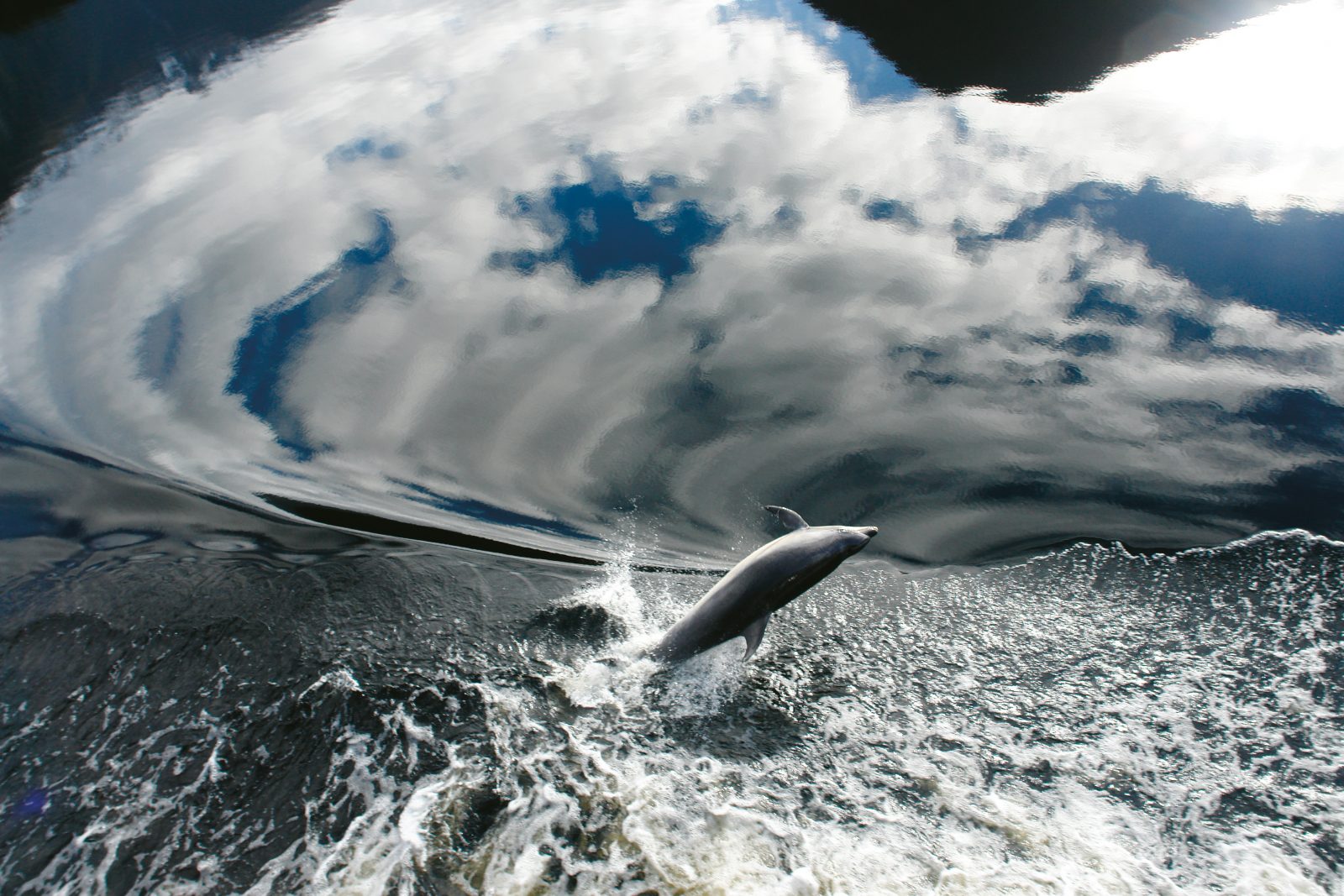
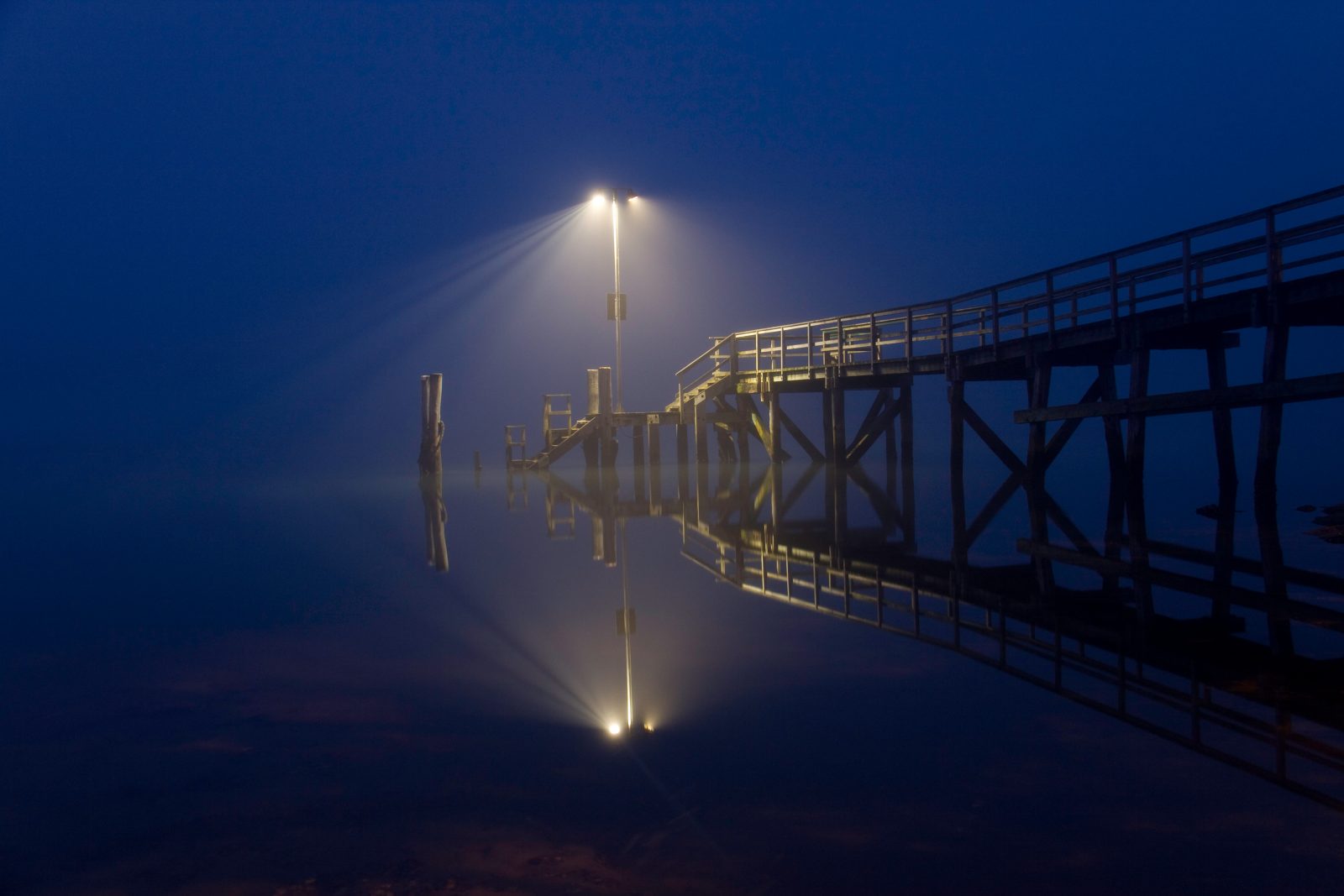
There was the point-and-shoot fraternity who had invested a minimum and blazed away, but others had positioned themselves, timed the moment, measured the distance, exposure and composition with care to create a photograph that stood apart from the rest. And those photographers prepared to go the distance could make an equally compelling portrait of a native heron as they could a dirty rat. Those entering the culture category caught the judges’ attention for studies as diverse as para-sailing and window frames, each subject examined with visual literacy and attention to detail.
The landscape section, for instance, was particularly well-subscribed to, hardly surprising given the affection Kiwis have for their environment. But we were slower to turn the camera on ourselves to examine our society and culture through the lens—there were just 200 entries in the culture category. Perhaps we are camera-shy as a culture, perhaps private, perhaps simply confused about what New Zealand culture is. Those who rose to the top in this category were worthy winners, but we look forward to more photographers fixing their focus upon our people next year.
PHOTOGRAPHER OF THE YEAR 2009: TOBIAS BERNHARD
Tobias Bernhard, the 2009 New Zealand Geographic Photographer of the Year, demonstrated a remarkable consistency of technical expertise and vision in his image-making.
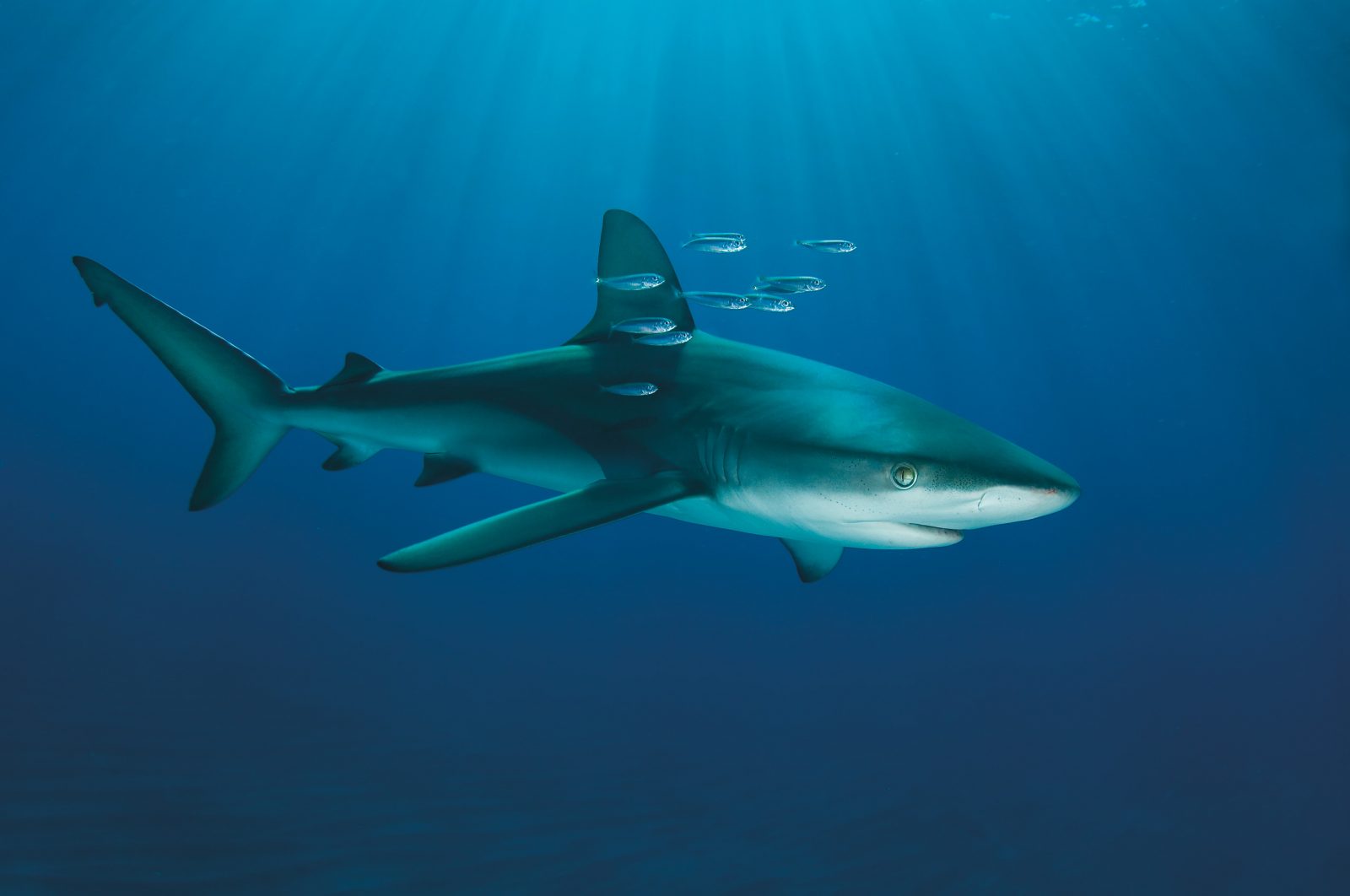
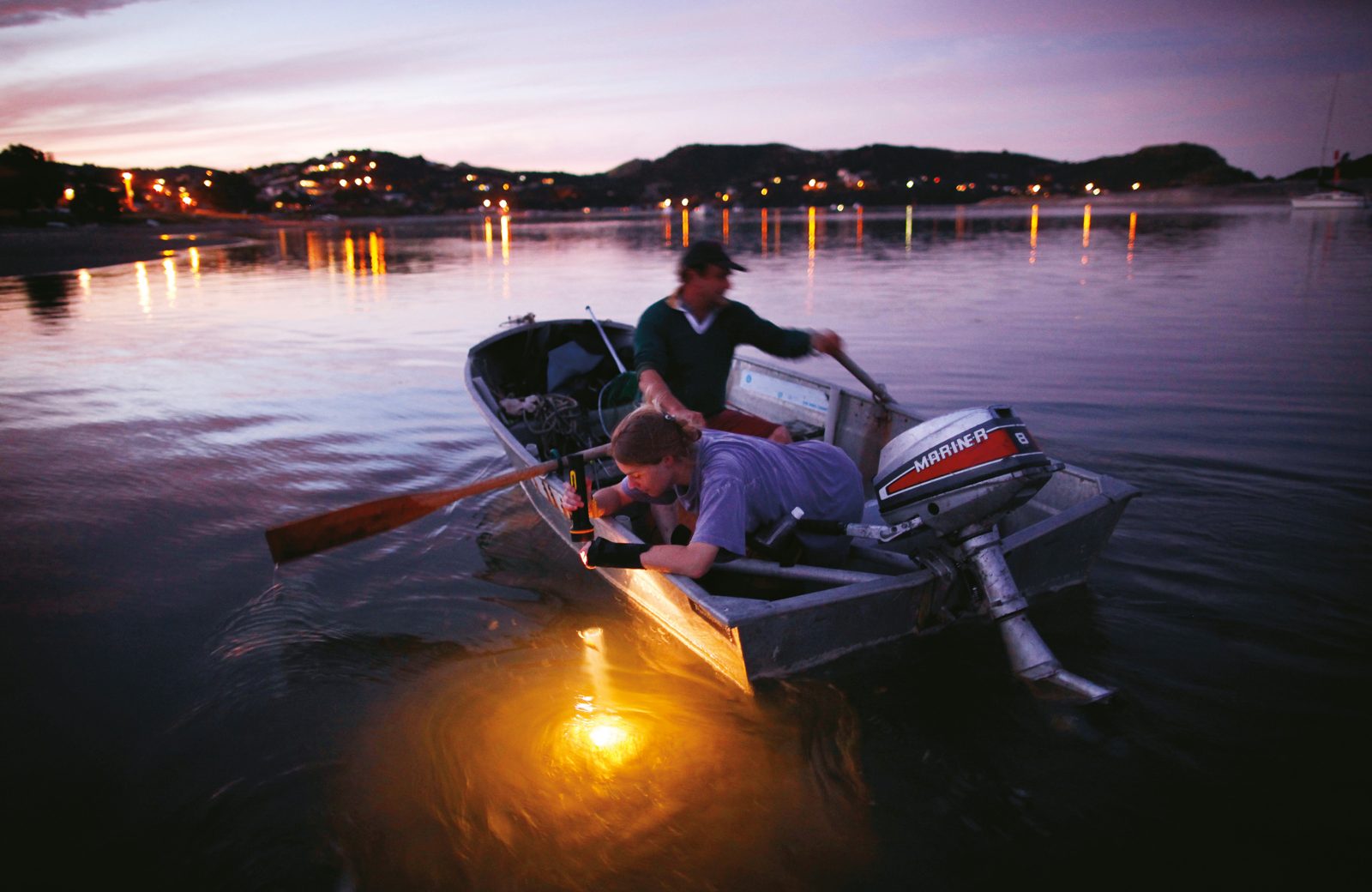
His photographs were stark studies of life above and below the waterline, illuminating his subjects and lifting them from the background with judicious lighting.The image of a Galapagos shark at the Kermadecs is arresting in its simplicity, the snapper in kelp a cleverly constructed mosaic that requires the viewer to look on the underwater realm with fresh eyes, and the tui on flax, of which there were so many entries in this competition, is bathed in the ethereal glow of the day’s last light. Ultimately, the entries told us much about what moves New Zealand photographers.