
Keep reading for just $1
$1 trial for two weeks, thereafter $8.50 every two months, cancel any time
Signed in as . Sign out

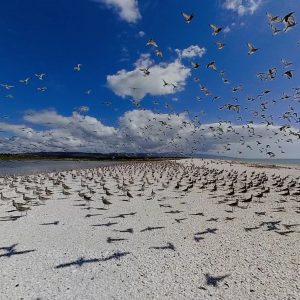
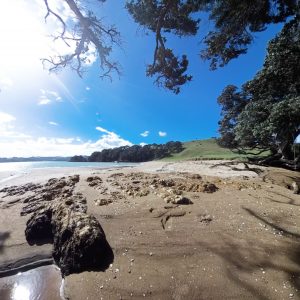
Godwits and wrybills roost on chenier shell banks at Miranda, and the western shore of the Firth of Thames.
Each year, godwits will embark on the longest non-stop migration of any bird in the world, flying from this site to the Yellow Sea in China, then to Alaska, and returning across the Pacific, direct, to New Zealand.
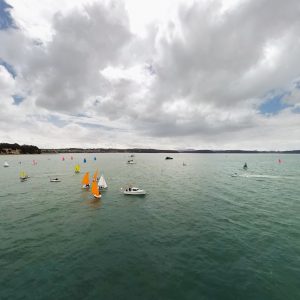
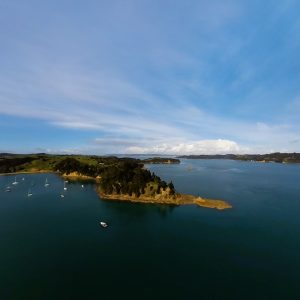
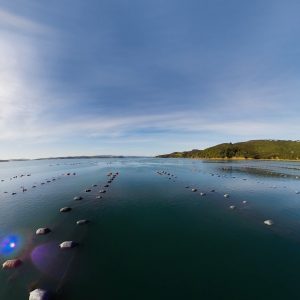
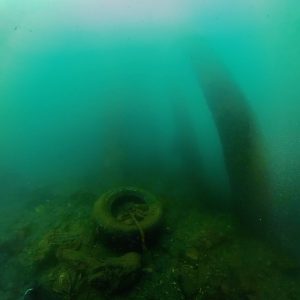
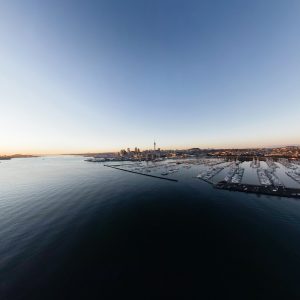
At the outflow of the intensive dairy farmland of the vast Hauraki Plains, the Firth is among the most modified marine environments in New Zealand, with high turbidity, nutrient loads, pollution and very low levels of oxygen, particularly near the sea floor. It was once carpeted with 500 square kilometres of mussel beds that filtered the outflow of kahikatea swampland, but the kahikatea was felled, the swamps drained and the mussels dredged up by 1960. By then, the sedimentation in the Firth was too thick for mussels to re-establish.
Subscribe to our free newsletter for news and prizes
3
$1 trial for two weeks, thereafter $8.50 every two months, cancel any time
Signed in as . Sign out