Keep reading for just $1
$1 trial for two weeks, thereafter $8.50 every two months, cancel any time
Signed in as . Sign out

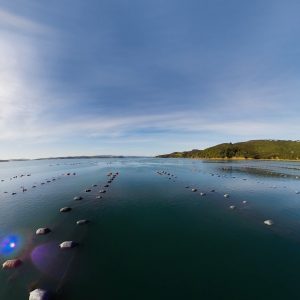
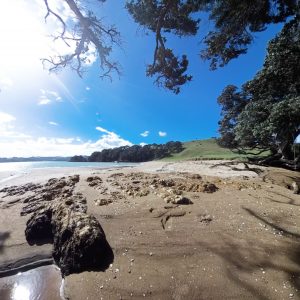
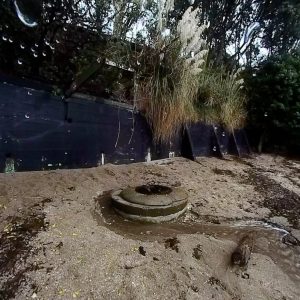
At Pōnui Island, under the shade of picturesque pōhutukawa, effluent from a farm drains into the Waiheke Channel adjacent to the Te Matuku Marine Reserve.
Stock roam freely through the waterway and the wetland above it. The smell, fortunately for the viewer, can only be imagined.
This is a compelling picture of run-off in the rural context, but the volume of material from major rural tributaries into the Firth of Thames, for instance, is orders of magnitude more concerning. Concentrations of nitrogen in the Firth have increased dramatically since the expansion and intensification of dairying began in 1998, as has phytoplankton and carbon dioxide. Oxygen depletion in the Firth is about four times worse than in the outer Gulf.
What happens on land, flows to sea. In the rural context, very large nutrient loads cause algal blooms that grow so thick they form rafts. Sediment poisons the ecosystem, and the water becomes turbid and lacking in oxygen, forming a dead zone where life cannot exist. To clean up the sea we must clean up the land.
Subscribe to our free newsletter for news and prizes
3
$1 trial for two weeks, thereafter $8.50 every two months, cancel any time
Signed in as . Sign out