A year of change, a world of difference

In 2021, Better Ancestors produced 50 stories profiling people and organisations doing their bit to find solutions to some of the world’s most pressing environmental issues. So what did they learn through that process? As executive producer Warren Begley says: “If individually and collectively we act as long-term thinkers, as if we wanted to be […]...

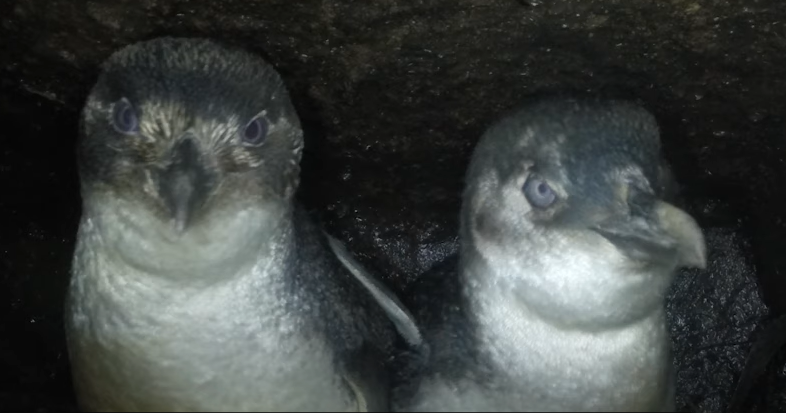
The secret life of kororā

The Ngā Mōtū Marine Reserve Society was set up in 1997 to support a network of small marine reserves on the Taranaki coast – Parininihi in the north, and Tapuae near New Plymouth. The society is made up of locals who are interested in the study and preservation of local coastal and marine biodiversity and […]...

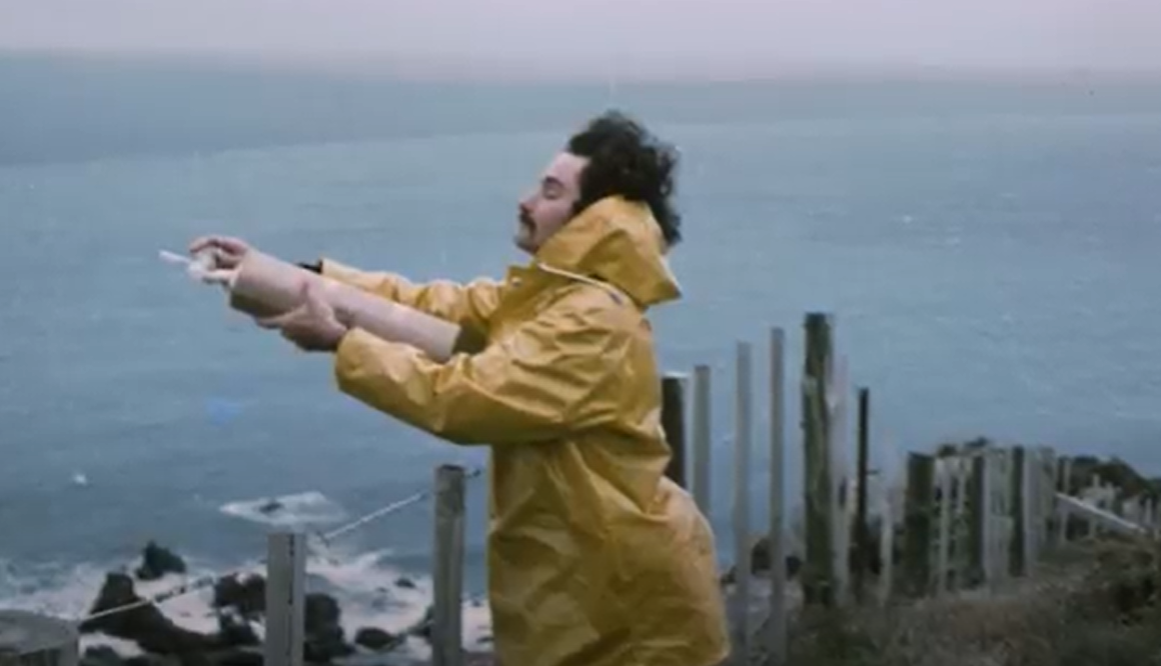
Blowing minds to save our oceans

After Sir Peter Blake’s death, The Blake Trust was set up to continue his work educating people about the state of our oceans and getting them to do more to protect the marine environment. NZVR, a partnership between Blake and New Zealand Geographic, does just that by bringing the ocean to our country’s classrooms. It […]...

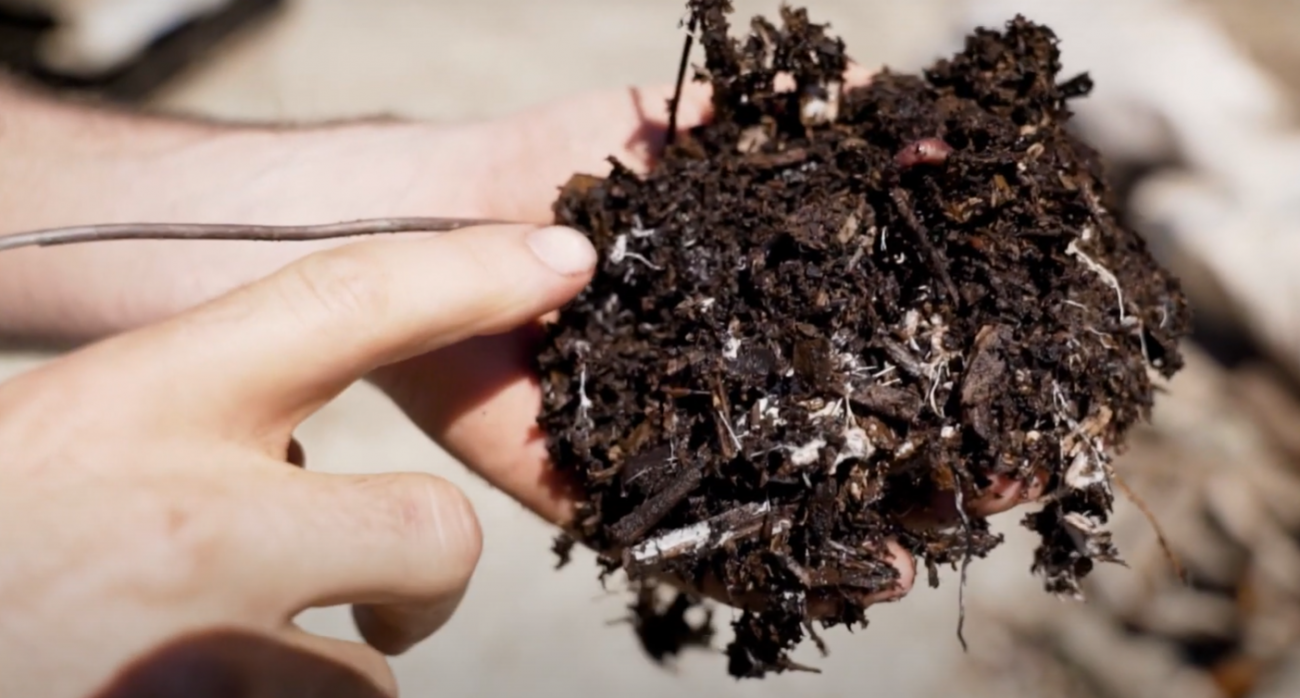
Bringing regeneration home

Untangled Landscapes started off working with domestic jungles, transforming them into well-manicured ornamental spaces. None of what they did was regenerative, however, and eventually the weeds would return. Since then, their approach has evolved and it’s more about untangling people from the need to use chemicals and industrial materials in their gardens. They have stopped […]...

Counting carbon

Dave Lowe’s journey with the atmosphere began in 1970 as a 23-year-old physics graduate, where he made the first measurements of carbon dioxide levels in New Zealand. The data he collected at Baring Head became an important part of David Keeling’s research into the seasonal changes of carbon dioxide levels in the atmosphere – and, […]...

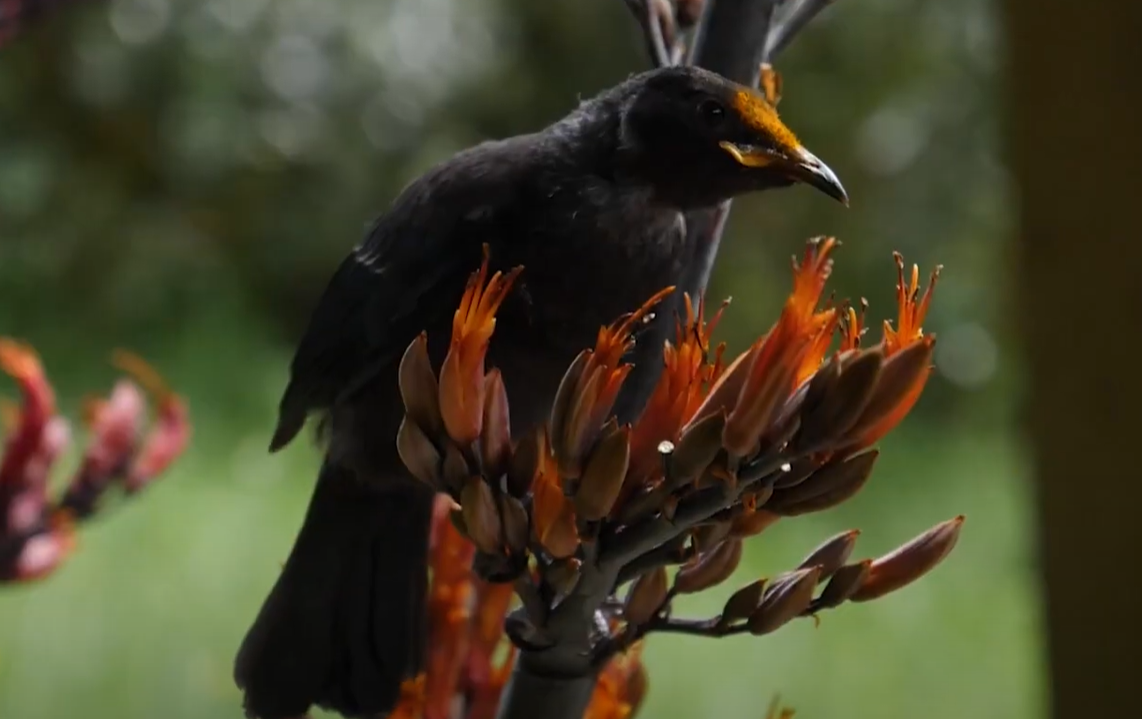
How to restore a wetland

What was once a mess of mud after being chomped and stomped by cattle is now teeming with tūī after flax and cabbage trees were planted on the land more than ten years ago and pest control was undertaken. “The wetland has returned to its original function of being the kidneys of the land,” says […]...

The avian election

Forest & Bird’s annual campaign to give a voice to New Zealand’s native birds* has grown from a small-scale promotion to a national obsession. Led by teams of volunteers who employ creative – and occasionally fraudulent – methods to drum up votes for their chosen bird, the ‘country’s most anticipated election’ is fun and engaging, […]...

Greening the concrete jungle

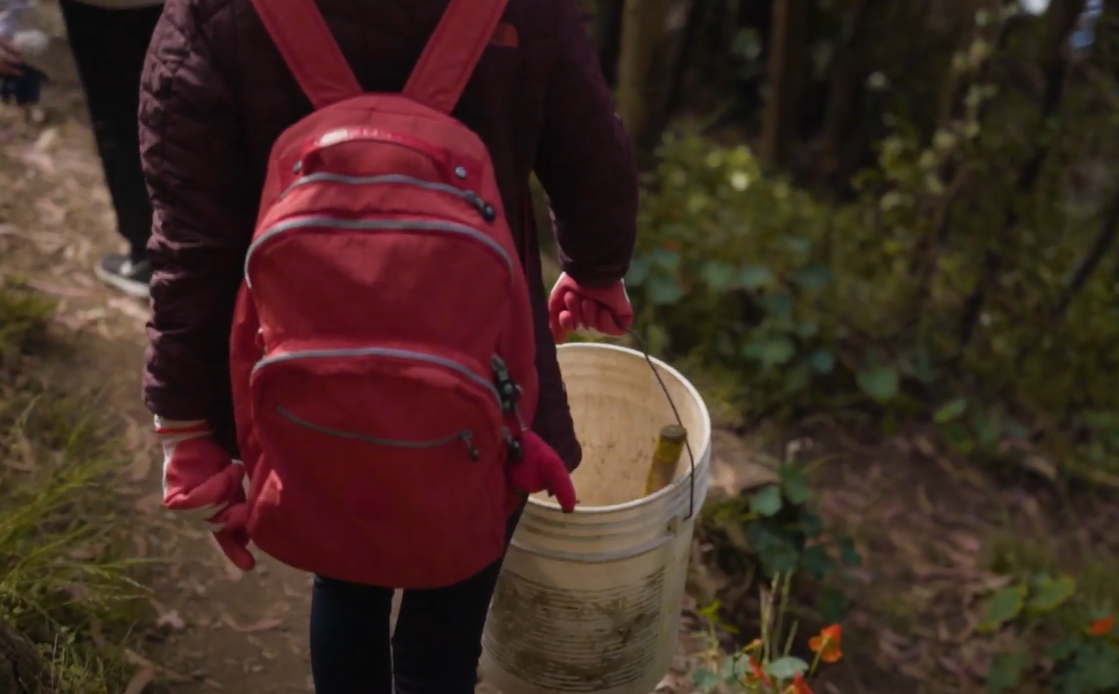
In California, the Sutro Stewards blend conservation, recreation and the concept of stewardship in an intense urban environment. By mobilising volunteers to build trails, remove invasive species, and grow and establish native plants, a severely degraded ecosystem is being restored. “When you restore the plant communities, you’re restoring the base of the foodchain that other […]...

Tears of the albatross

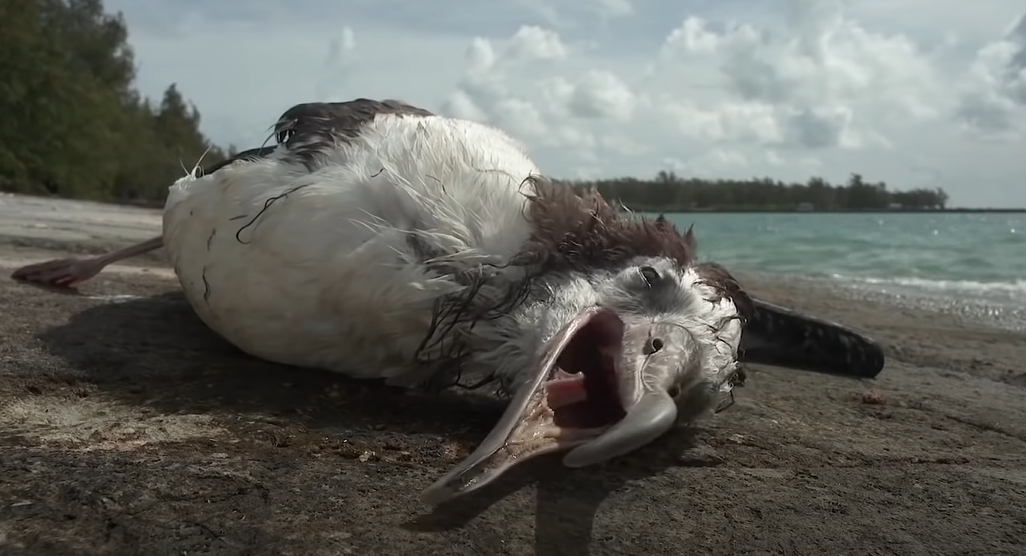
The Toroa or Royal Albatross is the world’s largest flying bird – and an endangered species native to New Zealand. When one of the majestic birds washed up on the East Coast in obvious distress last year, the family that discovered it took it to the vet, but the three-year-old bird died a few days […]...

Candid camera

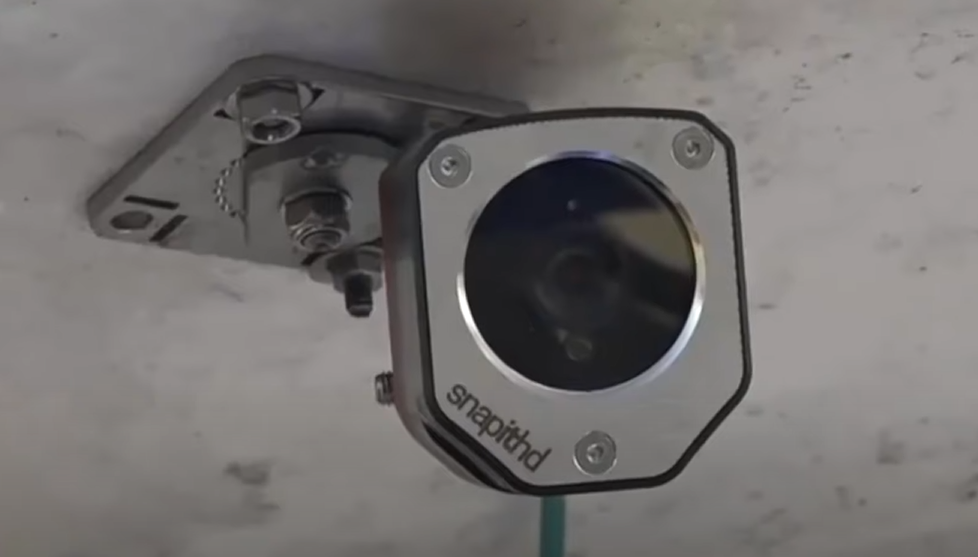
Environmental groups concerned about the amount of fish being dumped back into the sea by the fishing industry have been asking for cameras to be put on boats for years. While new regulations came into place this year requiring boats to land everything they catch, the industry has resisted the move to place cameras on […]...

The nature of business: how the Begley family’s restaurants help protect the environment

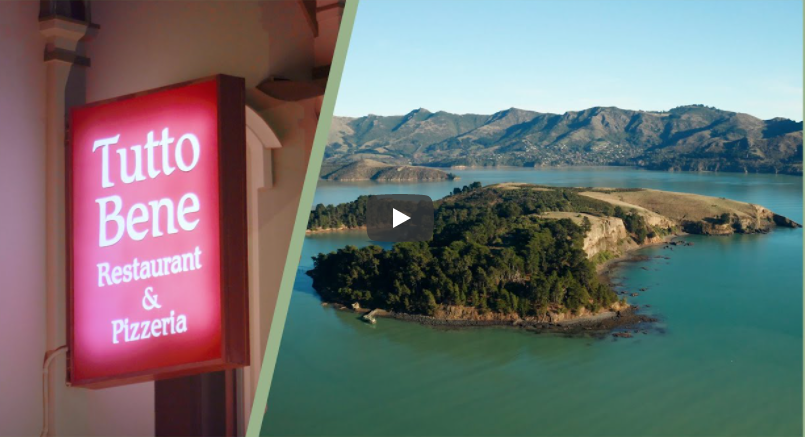
Warren Begley and his family run two restaurants in Ōtautahi Christchurch – Tutto Bene and Formaggio’s – and they are also passionate environmentalists who support a range of conservation projects in the region. As Begley says, without the natural world, they would have no business, so, in his view, it is the most important stakeholder. […]...

Using the power of nature to improve farming

The health of the soil plays a crucial role in water quality, food quality and carbon sequestration but the pressures placed on it from industrial agriculture and excessive fertiliser use means it’s currently not in the best shape. There are some farmers who see a return to nature as the smartest approach, however, both to […]...

Understanding Antarctica

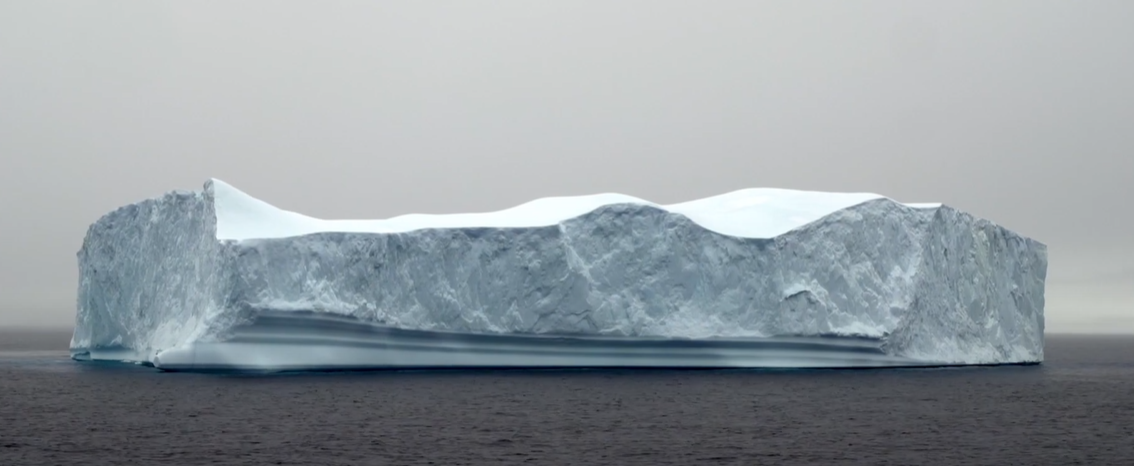
Whether it’s climate change, microfibres in the ocean, or loss of biodiversity, the impacts of human activity are also being seen in Antarctica. Scientists, researchers and organisations like Greenpeace are monitoring these changes in an effort to create a baseline but, as University of Exeter marine scientist Kirsten Thompson says: “It’s time we put conservation […]...

Aotearoa Water Action’s fight for water security

Without water there is no life and yet across Aotearoa and beyond exploitation of water for profit is accelerating. But Aotearoa Water Action provides support to communities who are battling to protect water security in their region and shows the power of a community coming together, resourcing and supporting each other to confront a massive […]...

A better way to build

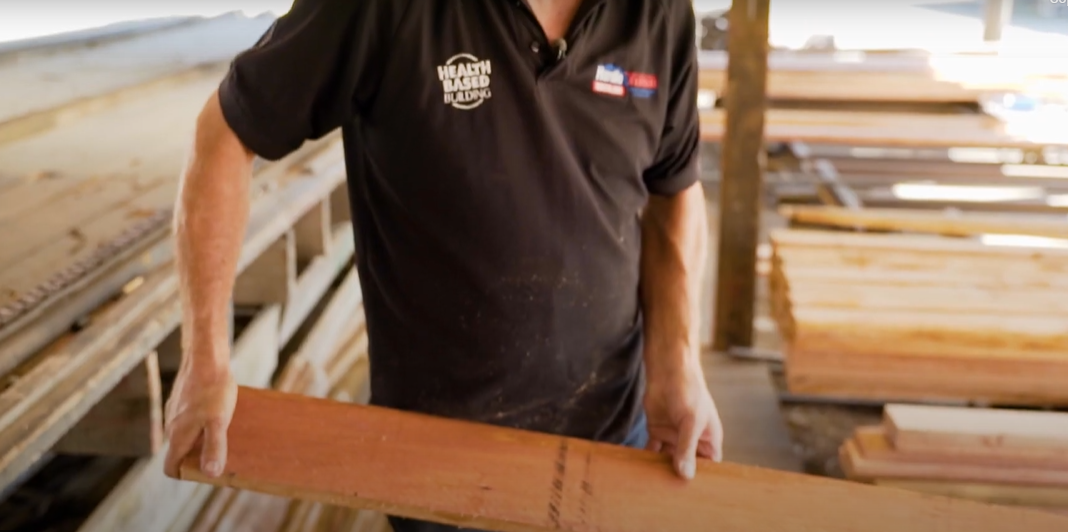
Robin Curtis of Health Based Building and John Dronfield of Forever Beech believe it is possible to harvest from a forest and build homes that are not only genuinely sustainable but are beautiful, healthy spaces in which to live. www.betterancestors.org...

Ancient knowledge, modern medicines

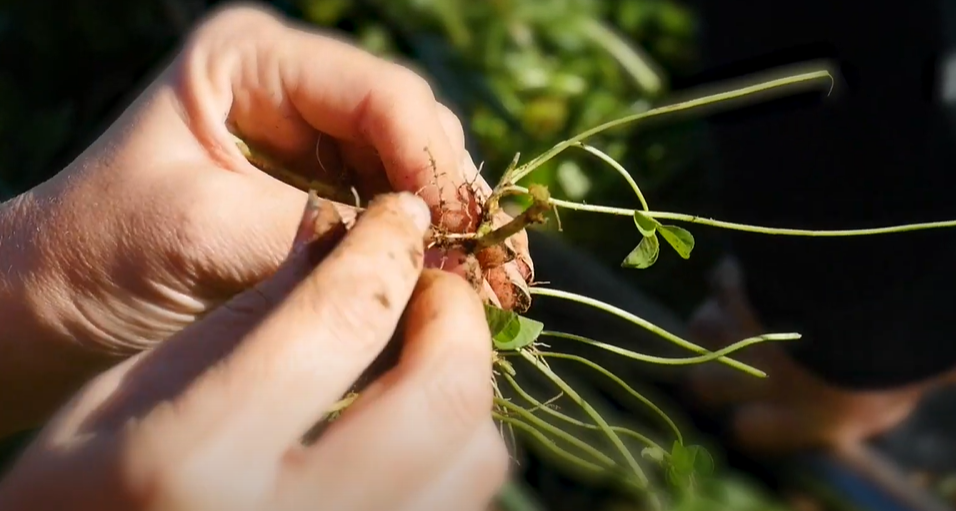
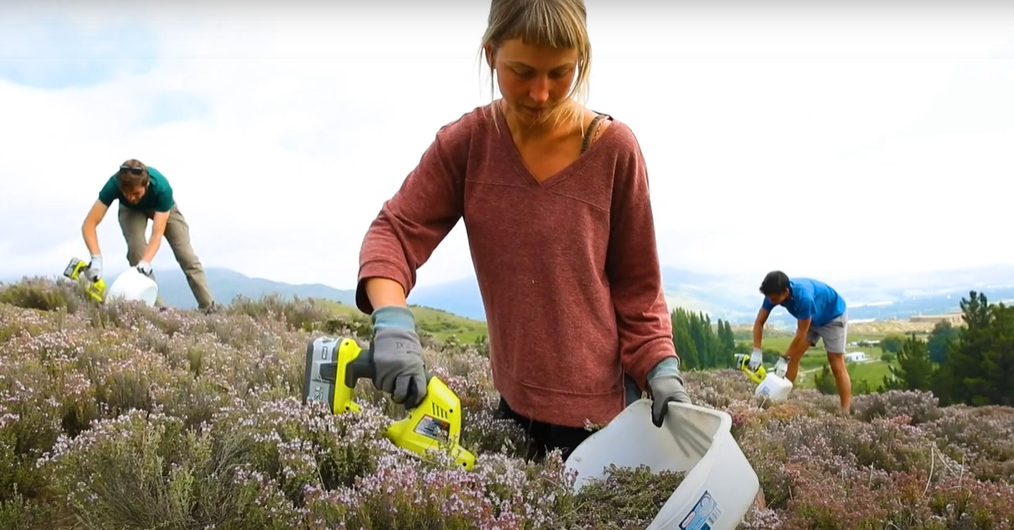
Plants have been used continuously as medicines for 60,000 years and 80% of the world’s population uses plants for health care and natural remedies. Dr Sandra Clair, the founder of Dunedin-based company Artemis, is keeping the knowledge, skills and experience of traditional plant-based medicines alive and believes they are as relevant for health care as […]...

From waste to wonder

Adrienne and Robert Scott of Reclaimed Timber Traders (RTT) in Palmerston North lead a team pioneering a sustainable business model that not only repurposes our precious timber resource but also provides employment opportunities and a sense of purpose for those who are disadvantaged or struggle to find a role in the system....

Restoring our taonga: inside Jeff McCauley’s native nursery

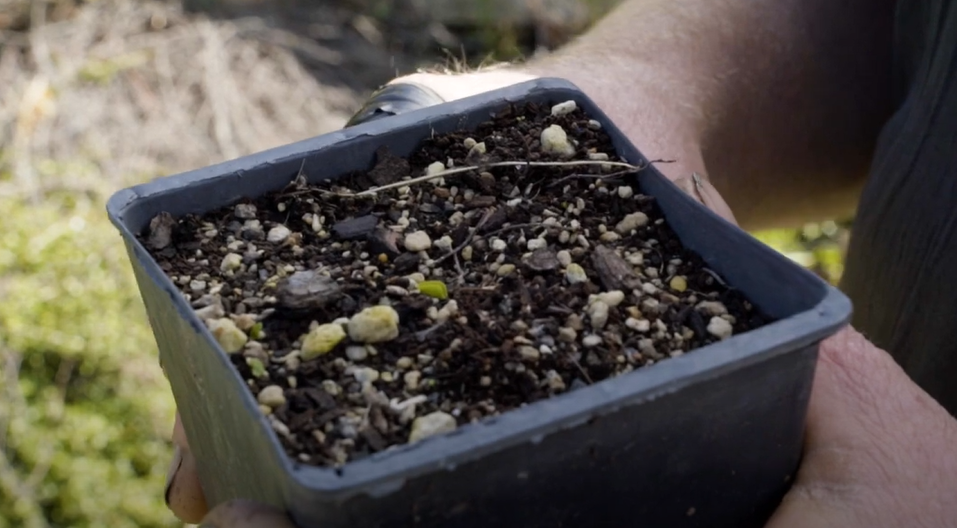
The plants and animals that are native to Aotearoa have evolved away from large landmasses, which means we have some of the highest numbers of endemic species on earth. Unfortunately, the sometimes accidental and sometimes deliberate introduction of tens of thousands of exotic plants and animals has pushed many of our unique species to the […]...

Better Ancestors: fresh water or not?

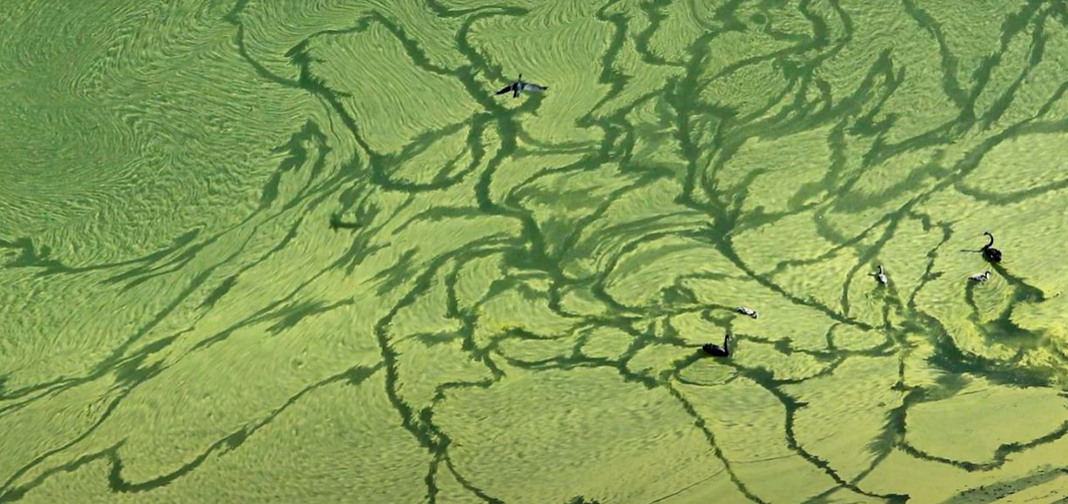
New Zealand is at a tipping point. The cumulative adverse impacts of our land use and the impact of synthetic fertilisers and industrial agriculture are harming our freshwater ecology, driving species to the brink of extinction and impacting human health. But we have the capacity to change and now is the time. If we can […]...

The cloth works

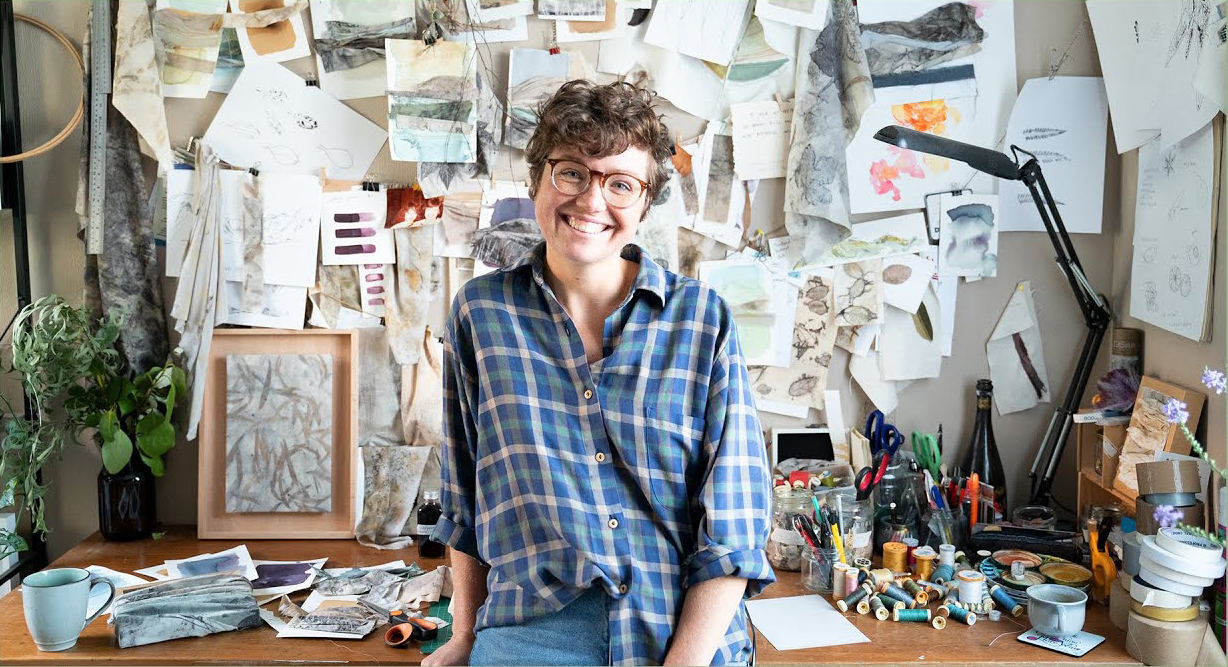
By re-purposing second-hand fabrics, using eco-printing and dyeing techniques Seonaid Burnie reveals art from within nature....

Magazine

Issue 200

Jul - Aug 2026

Solar power
Horses of Huntly
Forget me not
Whaling
Red admirals

Issue 200 Jul - Aug 2026

Trending

The age of fossil fuels is ending, and the world is entering the era of solar power. What matters now is how fast we make the shift....
Something strange is happening inside the Sun. In the last 40 years, the pattern of tiny sound waves produced deep beneath the surface of our star has mysteriously changed, say scientists reporting in the Monthly Notices of the Royal Astronomical Society. This solar activity fluctuates in intensity in reliable 11-year cycles, at times driving solar […]...
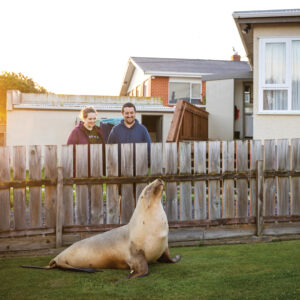
Derek Morrison photographs Dunedin’s most celebrated citizens: the dozens of sea lions making themselves at home in gardens, golf courses, and fish and chip shops....
When a male South Island robin is in want of a mate, he sings. It’s not a glamorous sound, says ecologist Manaia Pearmain-Fenton. Plee plee plee / chee chee chee. Loud, plinky, like a kid picking at a keyboard. Pearmain-Fenton has whakapapa to Ngāti Hokopū, Ngāti Awa and Te Whakatōhea in the Bay of Plenty. […]...
When the forecast is just right, Irene and Crispin Middleton wake up in the middle of the night and put to sea....
Tararua Forest Park, 2 days...
Fifteen years after kakaruwai were brought to Dunedin’s Orokonui Ecosanctuary, a new study shows the tiny robins are doing so well that they have booked up every bit of real estate and are now kicking juveniles into the surrounding bush. Researchers counted at least 23 of the friendly birds living up to 1.5 kilometres outside […]...
The blast of the harpoon may have given way to the click of the camera, but whales are still the cornerstone of commerce—and the subject of many a decorative mural—in the north Canterbury town of Kaikoura. In little more than a decade, marine ecotourism has transformed a coastal backwater into an international travel hotspot....
In 1889, Thomas Ward proposed something unique for the capital city: a really, really, really good map....
For decades, the extinct endemic bird known as the Hodgens’ Waterhen has flummoxed taxonomists—since the first fossils were found in 1955 the flightless species, which favoured swamps and grasslands, has bounced between six different genera. But mitochondrial DNA has now settled things: the bird is a gigantic crake, five times bigger than its closest living […]...
Archive

×

Subscribe to our free newsletter for news and prizes