Aeroplanes carry more unwanted hitchhikers than boats. (more…)
More by Skye Wishart



Fast, comfortable journeys to New Zealand pose a greater biosecurity hazard than slow, arduous trips, according to a new study from AgResearch.
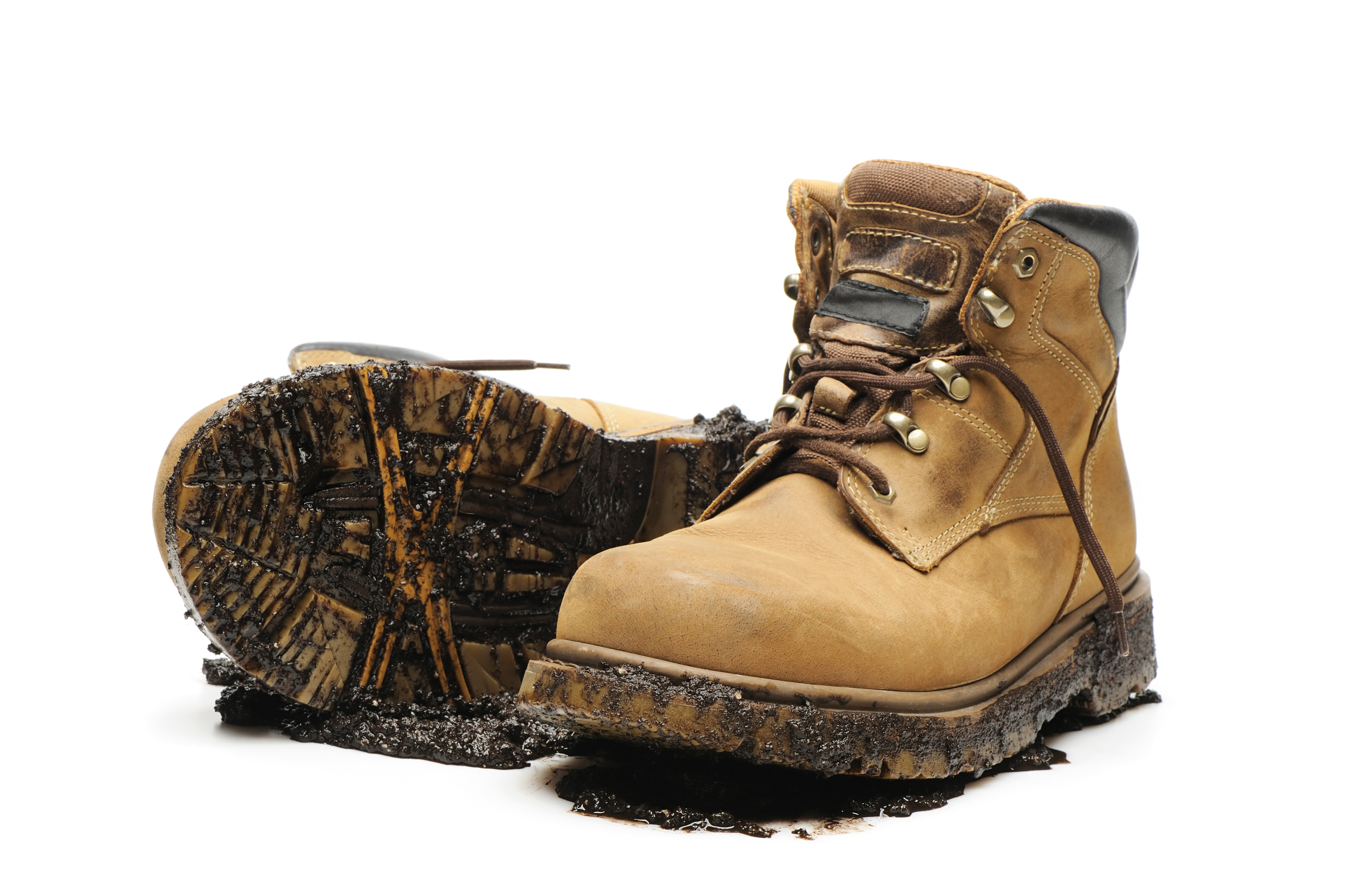
Soil stuck to boots or baggage can harbour foreign pests and diseases, some of which could damage New Zealand’s primary industries and native flora and fauna, but there’s a difference in risk depending on whether it arrives by plane or ship.
Past studies found the soil on air passengers’ footwear contained 500 times the number of nematodes—microscopic worms—than the residue on sea containers. But how long a journey can those pests handle?
Researcher Mark McNeill and his team monitored soil from organic orchards and native forests for one year. They protected one batch in cupboards, and exposed another to the elements, placing it either on, in or under sea containers.
Nematodes, insects, plants, seeds and some bacteria steadily succumbed over the course of the year, no matter where they were stored. Moisture and sunlight killed them faster. This suggests that the fresher the dirt, the more pests it contains.
After a year, the soil still wasn’t safe. Fungi and some types of bacteria thrived—probably because they were spreading to new parts of the soil and starting new lifecycles, says McNeill. He hopes the study will help biosecurity authorities to assess risk.
More by Skye Wishart
Subscribe to our free newsletter for news and prizes
3
$1 trial for two weeks, thereafter $8.50 every two months, cancel any time
Signed in as . Sign out