


Flowers on demand

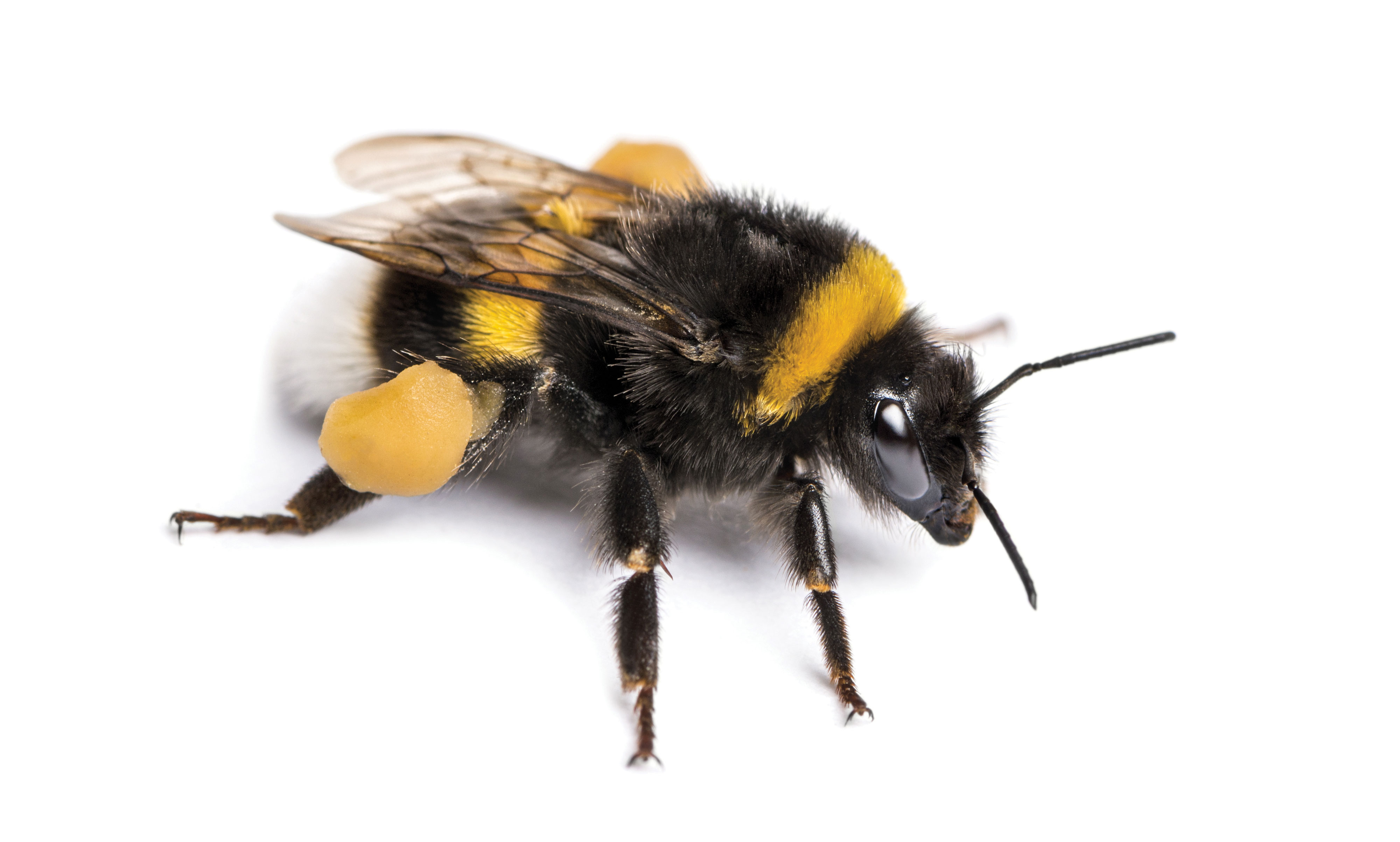
As winters get warmer, bumblebees are emerging from hibernation earlier. They urgently need sustenance, but many of the plants they rely on haven’t yet flowered. So they force them to.

Consuelo De Moraes, a chemical ecologist at the Swiss Federal Institute of Technology in Zurich, noticed bumblebees chewing distinctive holes in plant leaves. At first, she thought they were taking leaf material back their nest. But it turns out that by inflicting such damage, bumblebees can prompt flowers to bloom as much as a month early. Researchers still don’t know exactly how, but the behaviour may help bumblebees cope better with the impacts of climate change.

More by

As winters get warmer, bumblebees are emerging from hibernation earlier. They urgently need sustenance, but many of the plants they rely on haven’t yet flowered. So they force them to.

Consuelo De Moraes, a chemical ecologist at the Swiss Federal Institute of Technology in Zurich, noticed bumblebees chewing distinctive holes in plant leaves. At first, she thought they were taking leaf material back their nest. But it turns out that by inflicting such damage, bumblebees can prompt flowers to bloom as much as a month early. Researchers still don’t know exactly how, but the behaviour may help bumblebees cope better with the impacts of climate change.

More by

Issue 165

Sep - Oct 2020

Seabird migration
West Coast
Wildfire
SS Ventnor

Fallback image

More by

×

Subscribe to our free newsletter for news and prizes

3 FREE ARTICLES LEFT

Subscribe for $1  | 

3 FREE ARTICLES LEFT THIS MONTH


Keep reading for just $1

$1 trial for two weeks, thereafter $8.50 every two months, cancel any time

Signed in as . Sign out