
Learning to speak

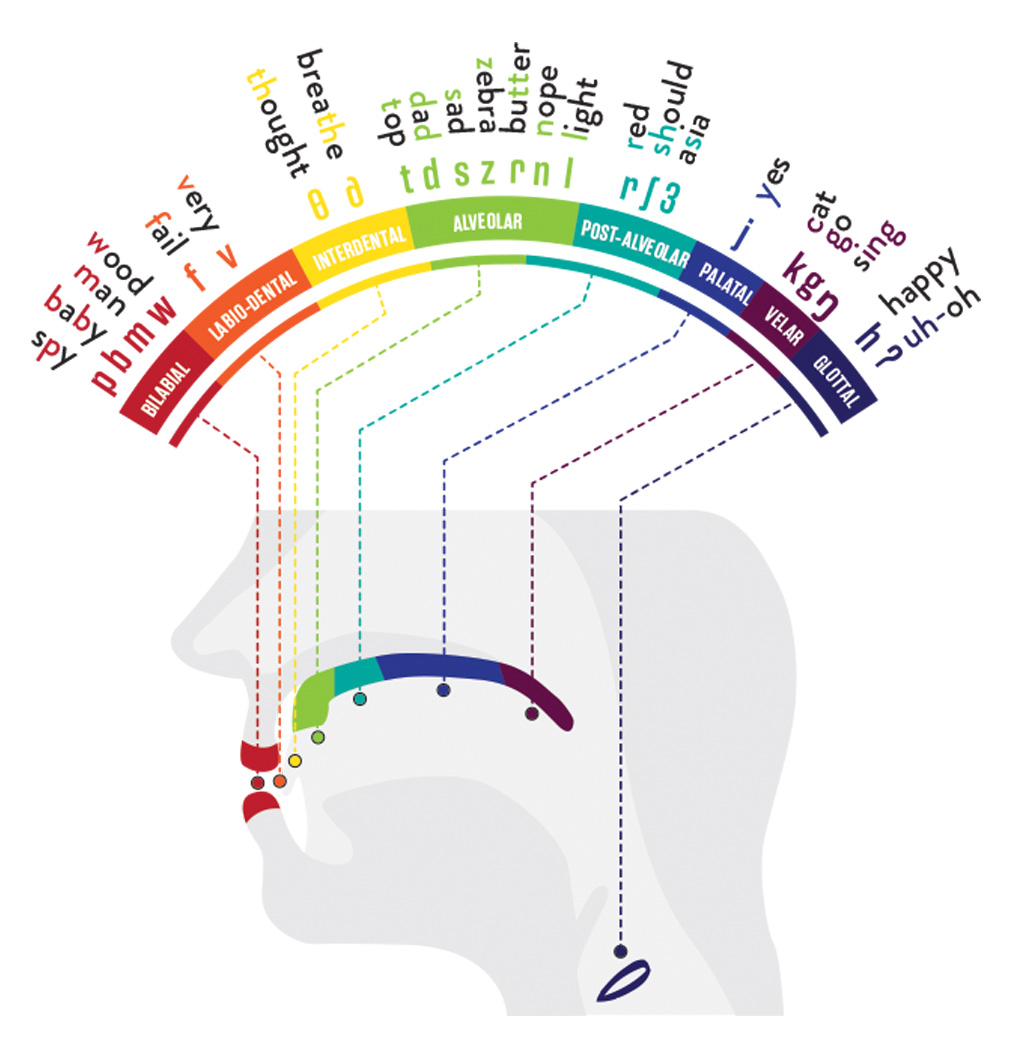
Eating grains may have given rise to human speech, say Swiss researchers. The change from hunter-gathering to milled-grain consumption is correlated with a change in human tooth structure, where the upper teeth were pushed slightly in front of the lower teeth. This allowed the mouth to produce new sounds known as ‘labiodentals’, which are found in half the world’s languages. They are made by touching the lower lip to the upper teeth, such as when saying ‘f’ or ‘v’.

More by

Eating grains may have given rise to human speech, say Swiss researchers. The change from hunter-gathering to milled-grain consumption is correlated with a change in human tooth structure, where the upper teeth were pushed slightly in front of the lower teeth. This allowed the mouth to produce new sounds known as ‘labiodentals’, which are found in half the world’s languages. They are made by touching the lower lip to the upper teeth, such as when saying ‘f’ or ‘v’.

More by

Issue 158

Jul - Aug 2019

Te Araroa
Kororā
Spearfishing
Artificial limbs
Foulden Maar

Issue 158 Jul - Aug 2019

More by

×

Subscribe to our free newsletter for news and prizes

3 FREE ARTICLES LEFT

Subscribe for $1  | 

3 FREE ARTICLES LEFT THIS MONTH


Keep reading for just $1

$1 trial for two weeks, thereafter $8.50 every two months, cancel any time

Signed in as . Sign out