

Reading the tea gene

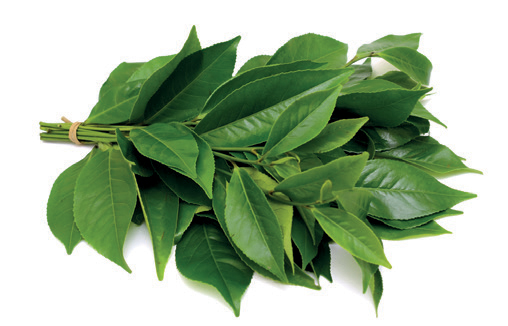
Tea plants make large amounts of caffeine and flavonoids compared to other varieties of camellia, and it does this it by copy-pasting particular genes like crazy.

When scientists from China’s Kunming Institute of Botany sequenced the genome of tea, Camellia sinensis, they discovered it was unusually long. At 3.02 billion base pairs, it is four times the size of the coffee genome. More than half of these base pairs are ‘jumping genes’, which replicate themselves over and over again.

Inside some of these repeated pieces of DNA are genes which make catechins, flavonoids and caffeine, and contribute to stress tolerance—all-important for flavour and for the adaptation of tea to plantation sites all over the world.

More by

Tea plants make large amounts of caffeine and flavonoids compared to other varieties of camellia, and it does this it by copy-pasting particular genes like crazy.

When scientists from China’s Kunming Institute of Botany sequenced the genome of tea, Camellia sinensis, they discovered it was unusually long. At 3.02 billion base pairs, it is four times the size of the coffee genome. More than half of these base pairs are ‘jumping genes’, which replicate themselves over and over again.

Inside some of these repeated pieces of DNA are genes which make catechins, flavonoids and caffeine, and contribute to stress tolerance—all-important for flavour and for the adaptation of tea to plantation sites all over the world.

More by

Issue 146

Jul - Aug 2017

Cannabis
Rivers
Snipe
Pop-up Globe

Issue 146 Jul - Aug 2017

More by

×

Subscribe to our free newsletter for news and prizes

3 FREE ARTICLES LEFT

Subscribe for $1  | 

3 FREE ARTICLES LEFT THIS MONTH


Keep reading for just $1

$1 trial for two weeks, thereafter $8.50 every two months, cancel any time

Signed in as . Sign out