

Restorative Justice

Kevin Boekholt

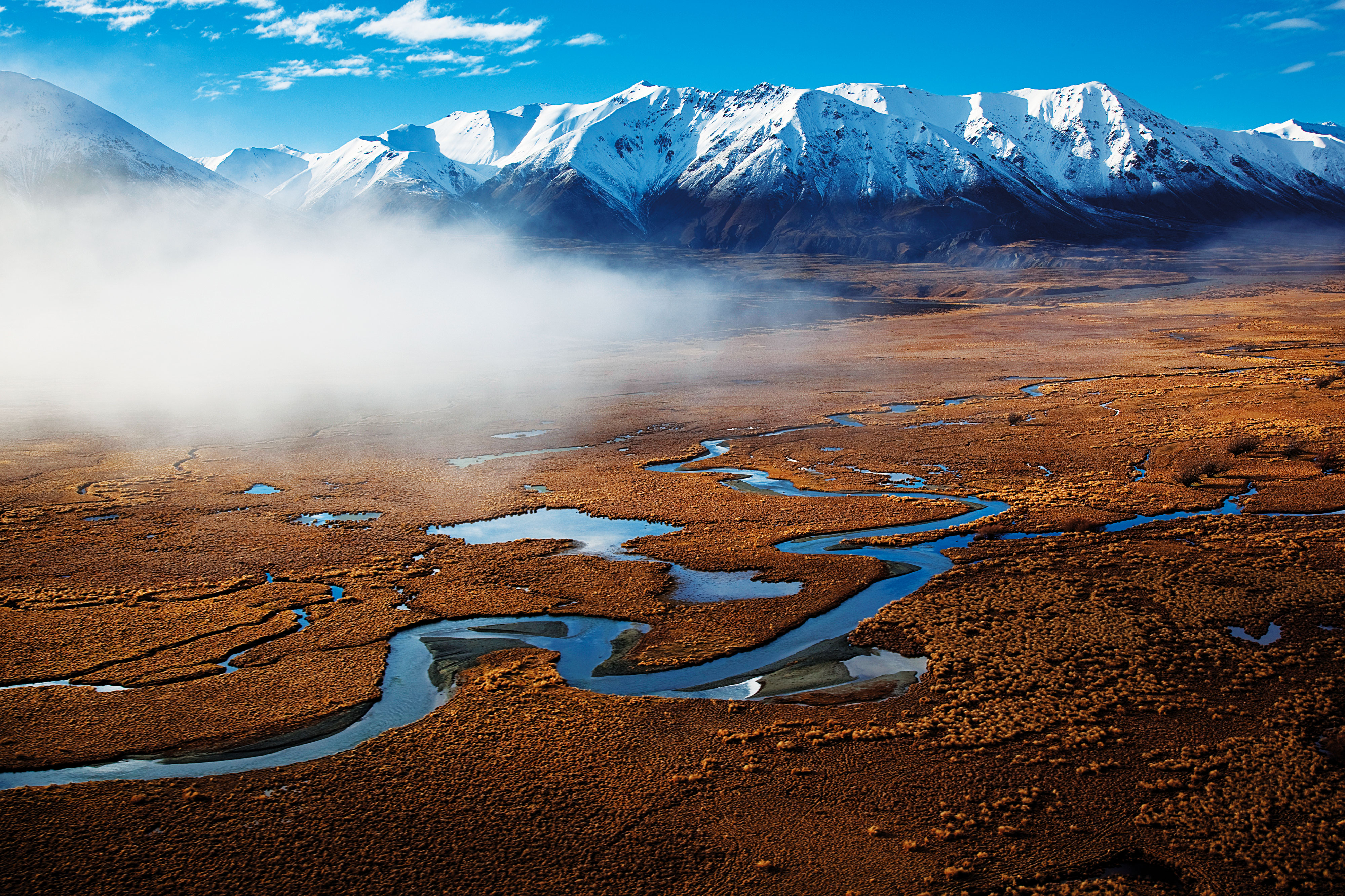
Wetlands conserve biodiversity, store carbon, control erosion, purify water and function as breeding grounds for fish, fowl and invertebrates. In New Zealand, 90 per cent of wetlands have been degraded, drained or destroyed. Many of those are now being restored to their former glory, but new research suggests that they will never function as they once did.

University of California, Berkeley fellow David Moreno-Mateos studied 651 restored wetlands of every type around the world­ from salty estuaries to alpine marshes—50 years to a century after restoration. Despite this long period, they were found to store 23 per cent less carbon than unaltered sites, and had 26 per cent lower plant biodiversity.

More by

Kevin Boekholt

Wetlands conserve biodiversity, store carbon, control erosion, purify water and function as breeding grounds for fish, fowl and invertebrates. In New Zealand, 90 per cent of wetlands have been degraded, drained or destroyed. Many of those are now being restored to their former glory, but new research suggests that they will never function as they once did.

University of California, Berkeley fellow David Moreno-Mateos studied 651 restored wetlands of every type around the world­ from salty estuaries to alpine marshes—50 years to a century after restoration. Despite this long period, they were found to store 23 per cent less carbon than unaltered sites, and had 26 per cent lower plant biodiversity.

More by

Issue 114

Mar - Apr 2012

Acclimatisation Societies
Nelson Floods
Solar car
Regatta
Sperm whales

Issue 114 Mar - Apr 2012

More by

×

Subscribe to our free newsletter for news and prizes

3 FREE ARTICLES LEFT

Subscribe for $1  | 

3 FREE ARTICLES LEFT THIS MONTH


Keep reading for just $1

$1 trial for two weeks, thereafter $8.50 every two months, cancel any time

Signed in as . Sign out