
The penguin that wasn’t

The Hunter Island penguin (Tasidyptes hunteri) was named in 1983 when four penguin bones were excavated from a midden on Hunter Island. Its ‘extinction’ was estimated to have occurred about 11,700 years ago. But the bones were in fact from other penguins, including two from New Zealand.

Recent DNA analysis led by the University of Otago showed the bones were from three penguin species which are very much alive: the Australian fairy penguin, and two New Zealand species that are occasionally sighted in Tasmania, the Fiordland crested penguin and the Snares crested penguin.

This year, ancient DNA has added species to the register as well as subtracting them. A new seabird, the kōhatu shag, and a native black swan, the poūwa—both extinct—were discovered by another team at the University of Otago.

More by

The Hunter Island penguin (Tasidyptes hunteri) was named in 1983 when four penguin bones were excavated from a midden on Hunter Island. Its ‘extinction’ was estimated to have occurred about 11,700 years ago. But the bones were in fact from other penguins, including two from New Zealand.

Recent DNA analysis led by the University of Otago showed the bones were from three penguin species which are very much alive: the Australian fairy penguin, and two New Zealand species that are occasionally sighted in Tasmania, the Fiordland crested penguin and the Snares crested penguin.

This year, ancient DNA has added species to the register as well as subtracting them. A new seabird, the kōhatu shag, and a native black swan, the poūwa—both extinct—were discovered by another team at the University of Otago.

More by

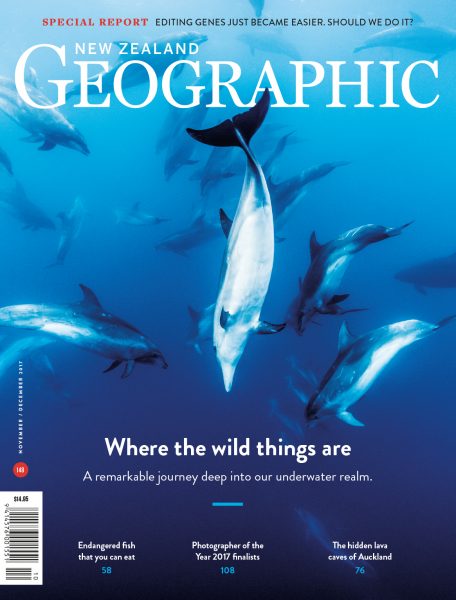
Issue 148

Nov - Dec 2017

Pelagic species
Gene editing
Whitebait
Lava caves

Issue 148 Nov - Dec 2017

More by

×

Subscribe to our free newsletter for news and prizes

3 FREE ARTICLES LEFT

Subscribe for $1  | 

3 FREE ARTICLES LEFT THIS MONTH


Keep reading for just $1

$1 trial for two weeks, thereafter $8.50 every two months, cancel any time

Signed in as . Sign out