
Walk like a shark

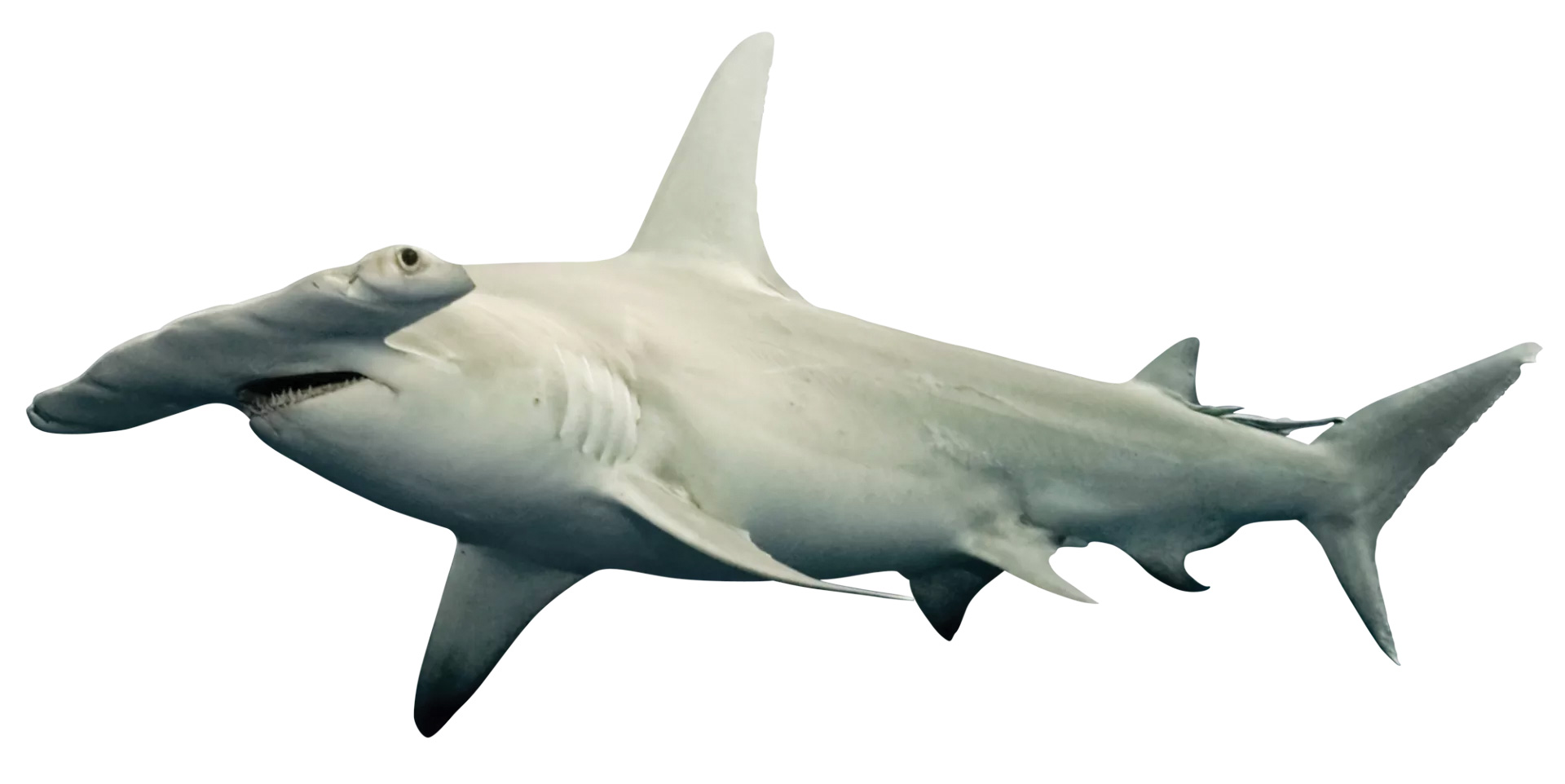
When spider monkeys, honey bees, or sharks are foraging for food, they’ll use a pattern of movement called a Lévy walk—random but correlated steps with no destination in sight, involving many short movements mixed with a few longer ones. The theory goes that this pattern is statistically best for finding randomly distributed objects, such as food. Now, Japanese scientists have shown humans also do the Lévy walk when moving through crowds—the free spaces substituted as the resources being sought. Though people move haphazardly, they naturally choose efficient routes. The study has implications for crowd-behaviour research and urban design.

More by

When spider monkeys, honey bees, or sharks are foraging for food, they’ll use a pattern of movement called a Lévy walk—random but correlated steps with no destination in sight, involving many short movements mixed with a few longer ones. The theory goes that this pattern is statistically best for finding randomly distributed objects, such as food. Now, Japanese scientists have shown humans also do the Lévy walk when moving through crowds—the free spaces substituted as the resources being sought. Though people move haphazardly, they naturally choose efficient routes. The study has implications for crowd-behaviour research and urban design.

More by

Issue 158

Jul - Aug 2019

Te Araroa
Kororā
Spearfishing
Artificial limbs
Foulden Maar

Issue 158 Jul - Aug 2019

More by

×

Subscribe to our free newsletter for news and prizes

3 FREE ARTICLES LEFT

Subscribe for $1  | 

3 FREE ARTICLES LEFT THIS MONTH


Keep reading for just $1

$1 trial for two weeks, thereafter $8.50 every two months, cancel any time

Signed in as . Sign out