While the end of World War I brought celebration and relief, it did not bring an end to the pain the conflict had caused. Of the 120,000 young New Zealand men who fought in the war, 18,000 perished. Over 16.000 of these were buried abroad and 5325 had no close friends estimated at 100.000, or […]...
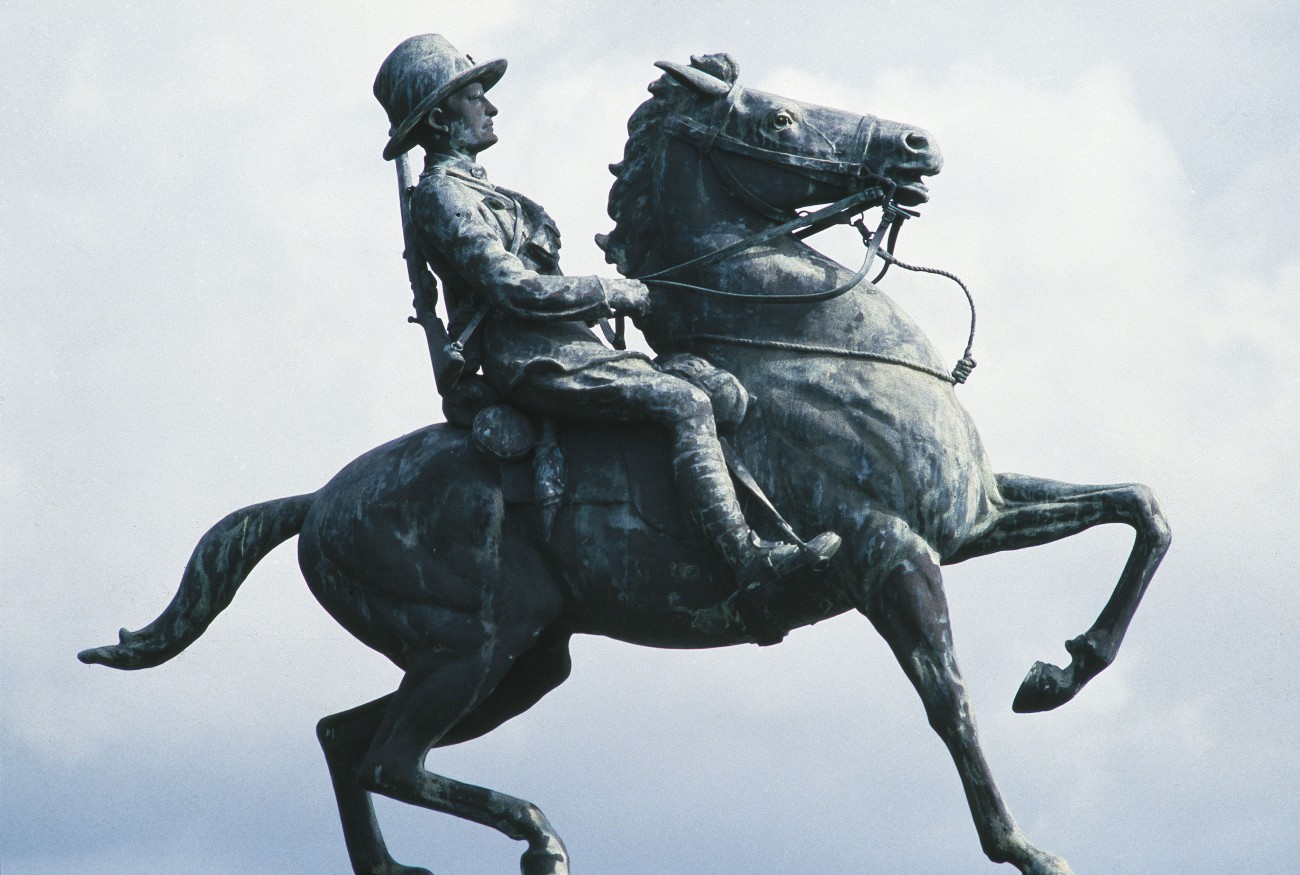
In the battle for Chunuk Bair, Imperial Britain’s campaign to occupy the Gallipoli peninsula reached its harsh climax, and fighting centre stage were the soldiers of the New Zealand Expeditionary Force. Artist Ion Brown’s re-creation of the scene—a sesquicentennial gift to the people of New Zealand from the country’s armed forces—celebrates the unquenchable resolve of the […]...
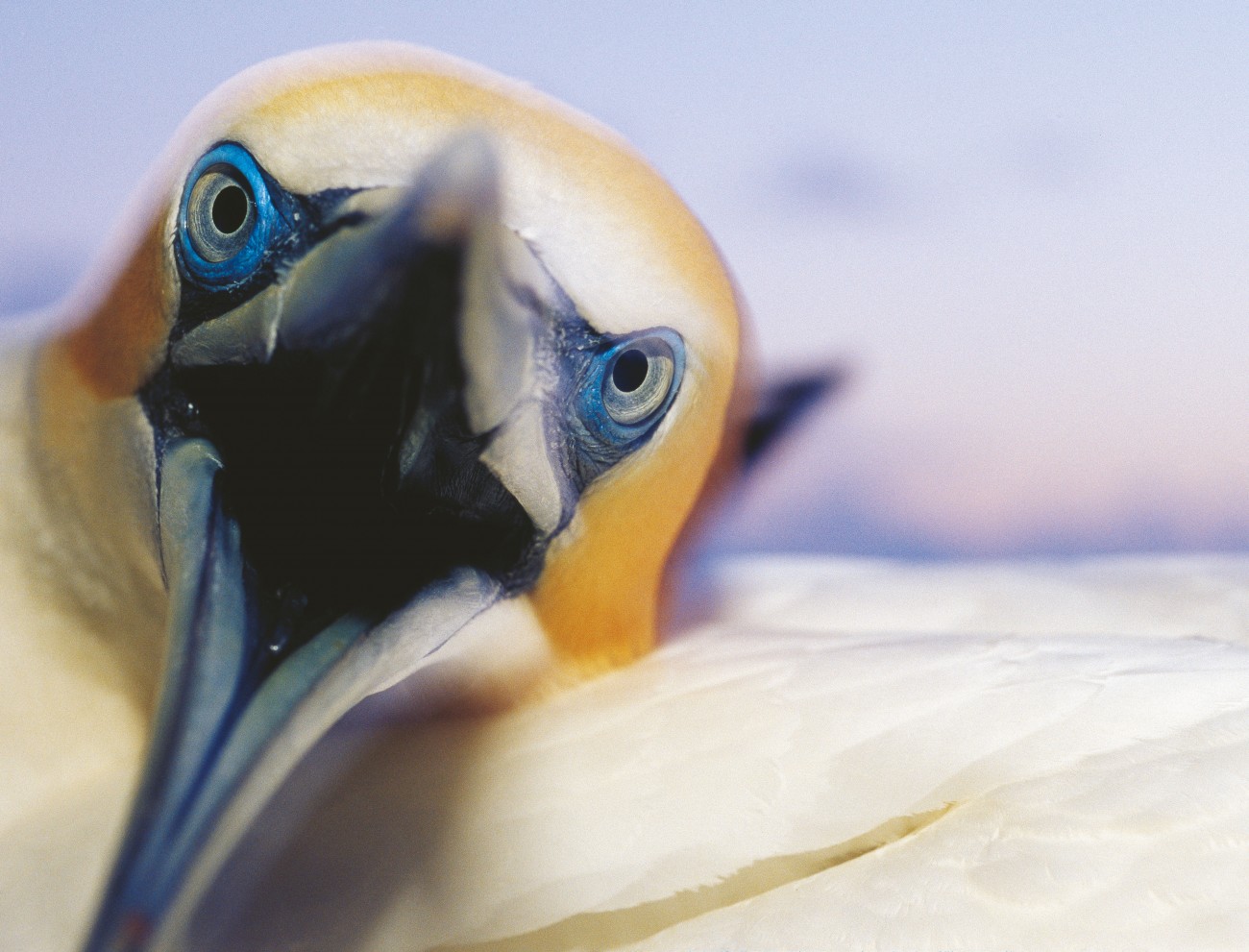
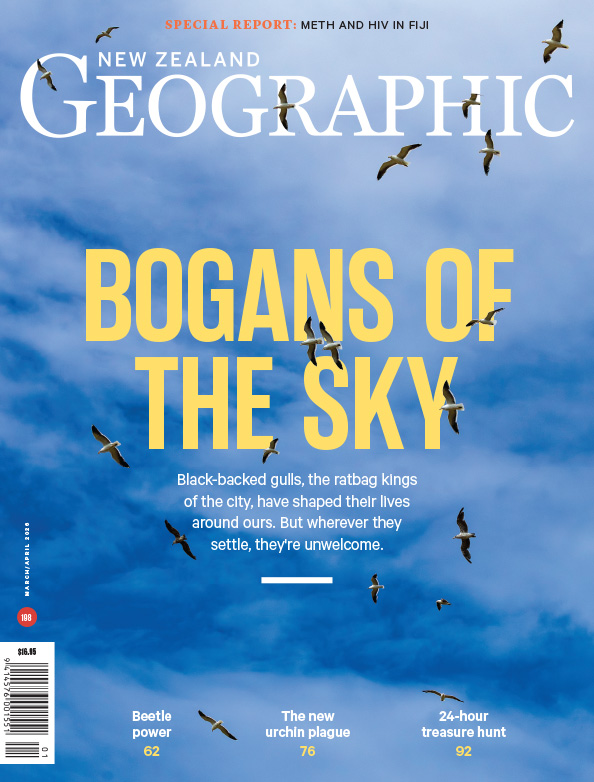
With bold colours, rakish lines and a wing span of almost two metres, gannets are not only among the most elegant of birds but are almost masters of the wind....
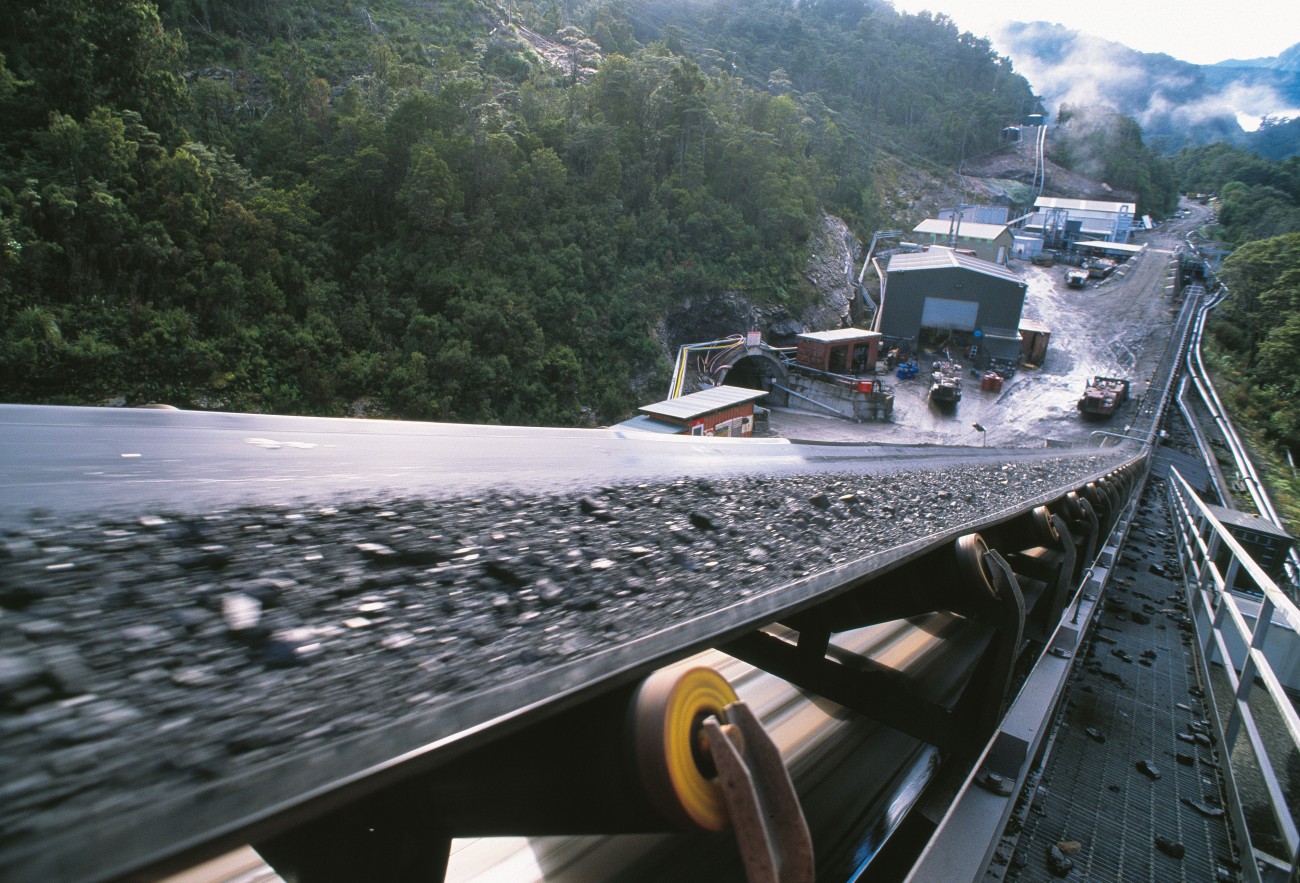
Eclipsed for years by its high-performing cousin natural gas, coal is making a comeback. In Southland, Otago, Waikato and the West Coast—including at Spring Creek underground mine, north of Greymouth seen here—rivers of coal are flowing out of the ground to meet a burgeoning demand for New Zealand’s most abundant fossil fuel....
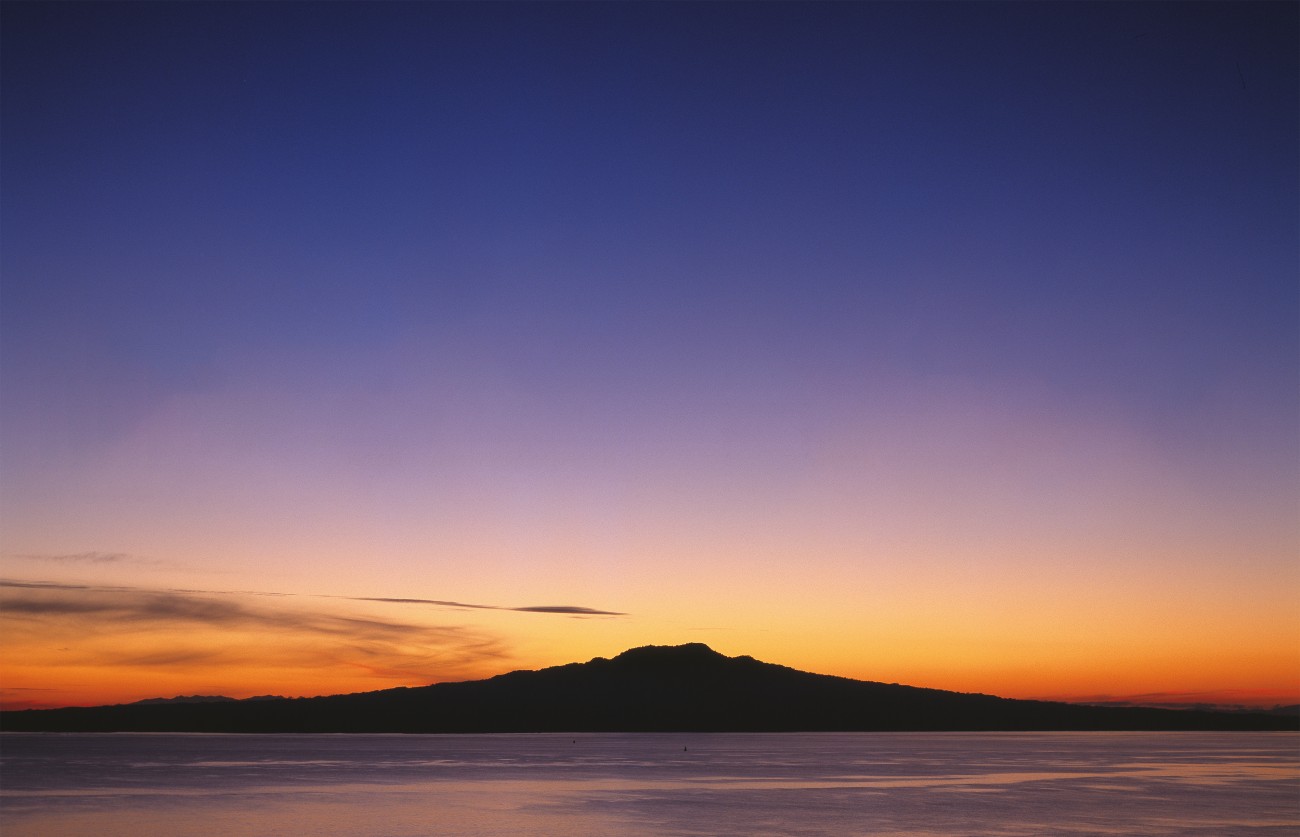
Island volcano in the city of sails...
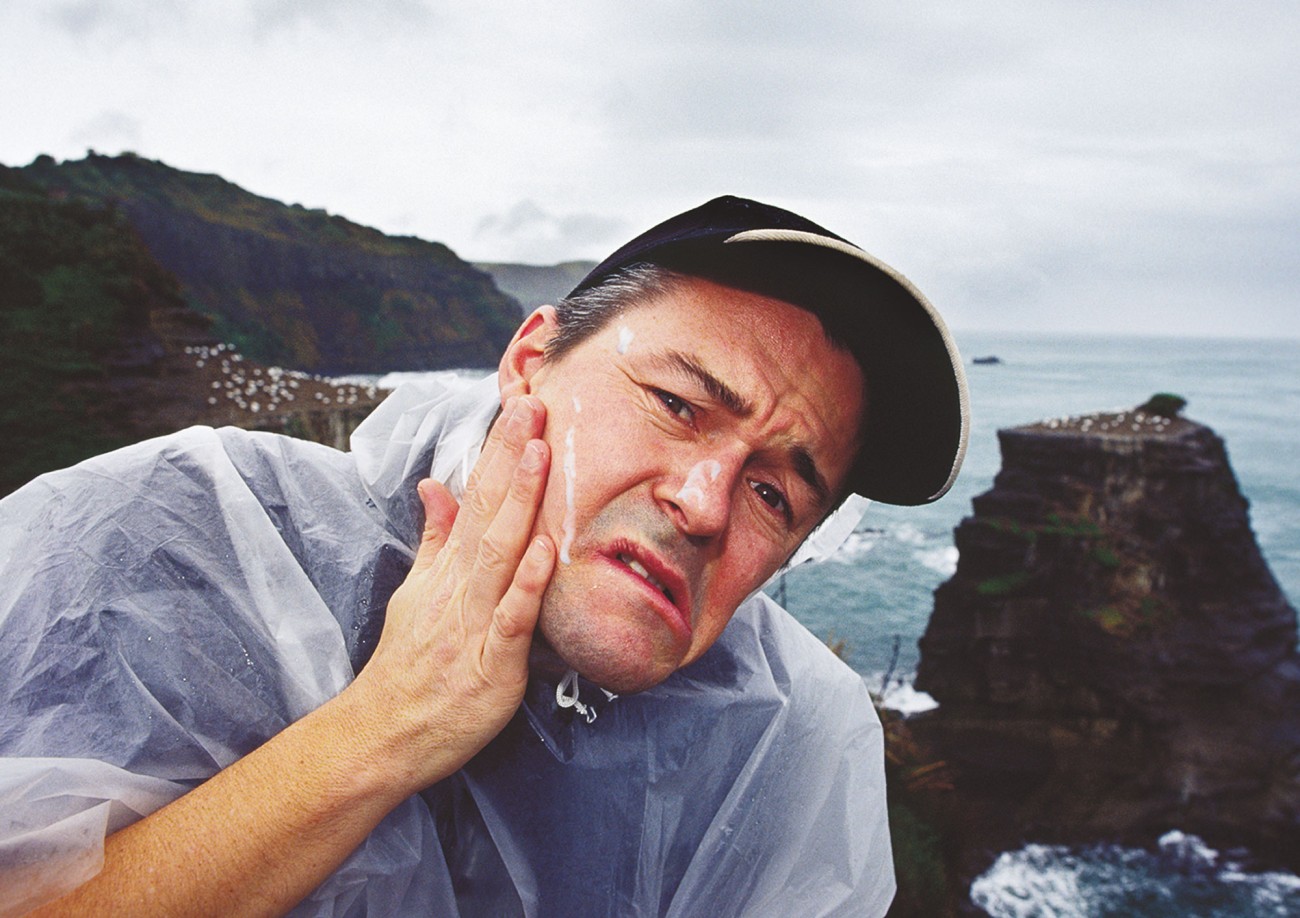
How did Jason Hosking capture the superlative images of gannets shown on pages 58 to 77? By spending three years photographing the birds, during which he travelled over 7000km on 80 or more forays made to Muriwai Beach on Auckland’s west coast. And by shooting well over 100 rolls of film—perhaps 4 or 5000 shots […]...
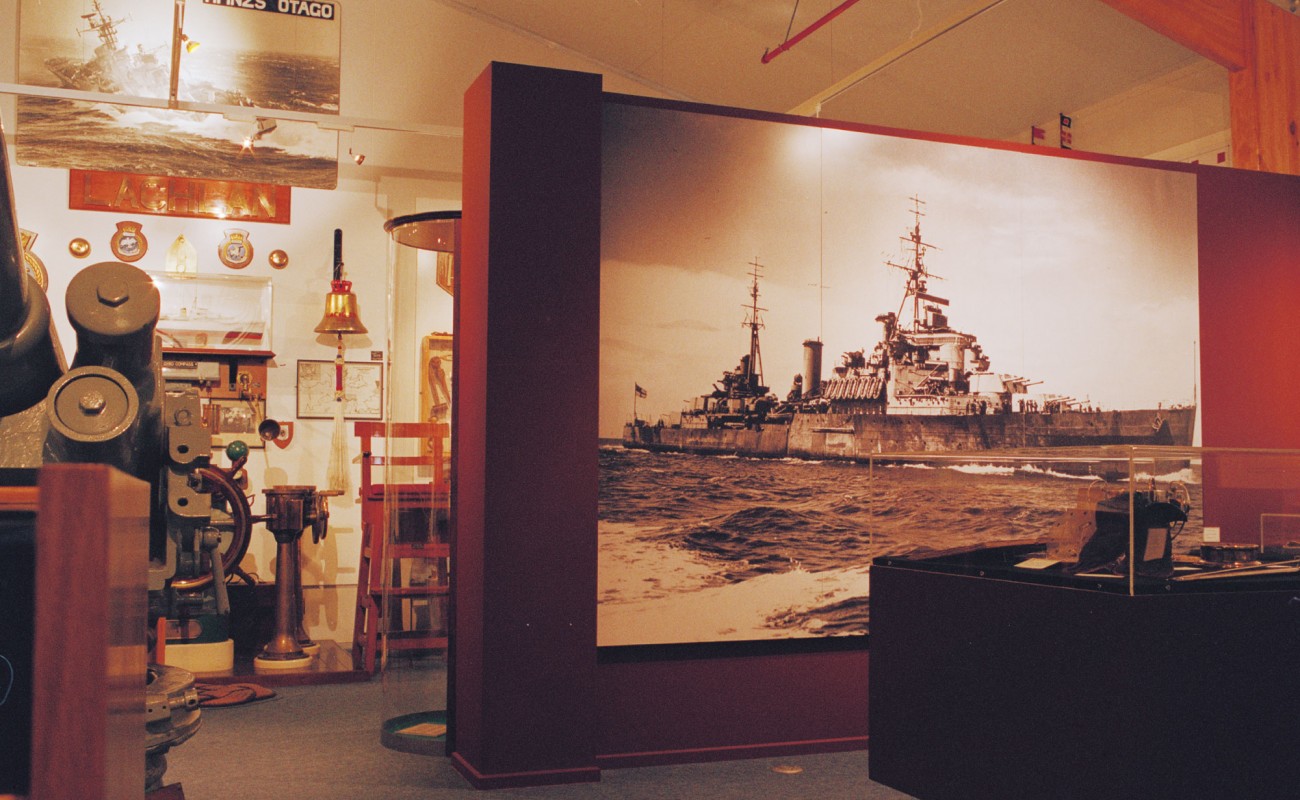
Nestled in the Heart of seaside Devonport, one of Auckland’s oldest suburbs, is a little museum that pays homage to New Zealand’s naval history....
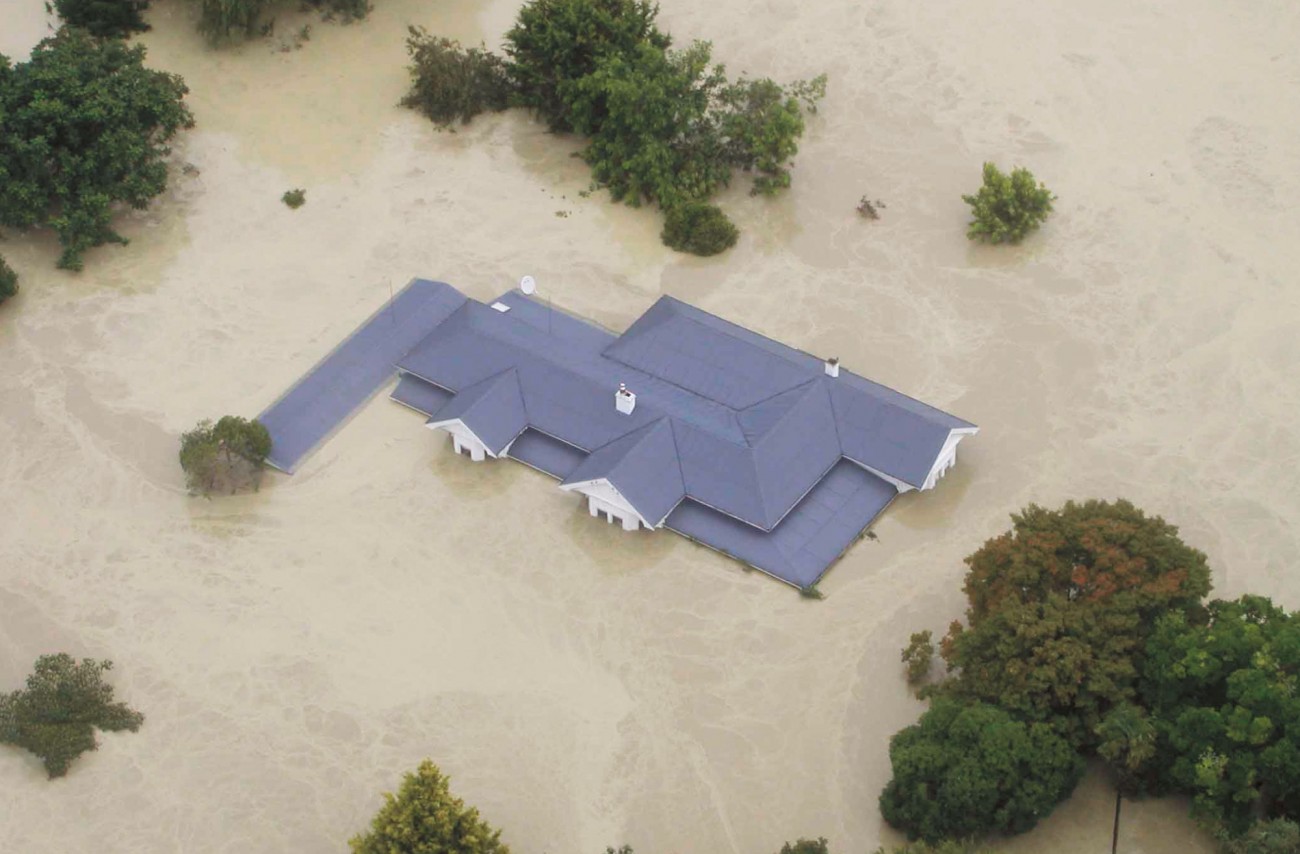
February’s weather was without precedent. Seven heavy rainfall events brought four to six times normal rainfall to a large part of the North Island. Highest yet February rainfall totals were recorded at 31 different locations from Kaitaia to Hokitika. In three of these places—Levin, Wanganui, and Farewell Spit—measurements have been kept since the late 1800s, […]...
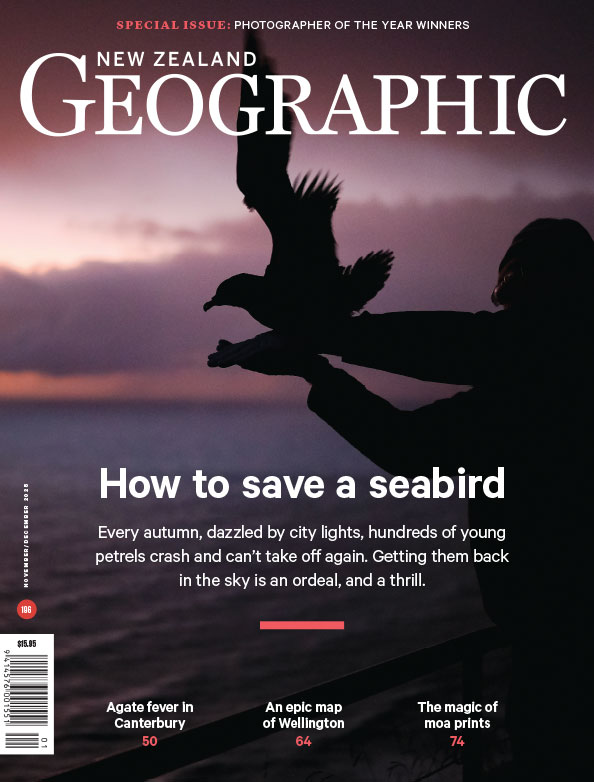
It is fairly safe to say that good news concerning the natural world, in these days of global warming, widespread pollution and rapidly disappearing rainforests, is sparse. Hence news of the rediscovery of the New Zealand storm petrel is especially welcome. The New Zealand storm petrel is a fairly enigmatic bird. Three specimens were collected […]...
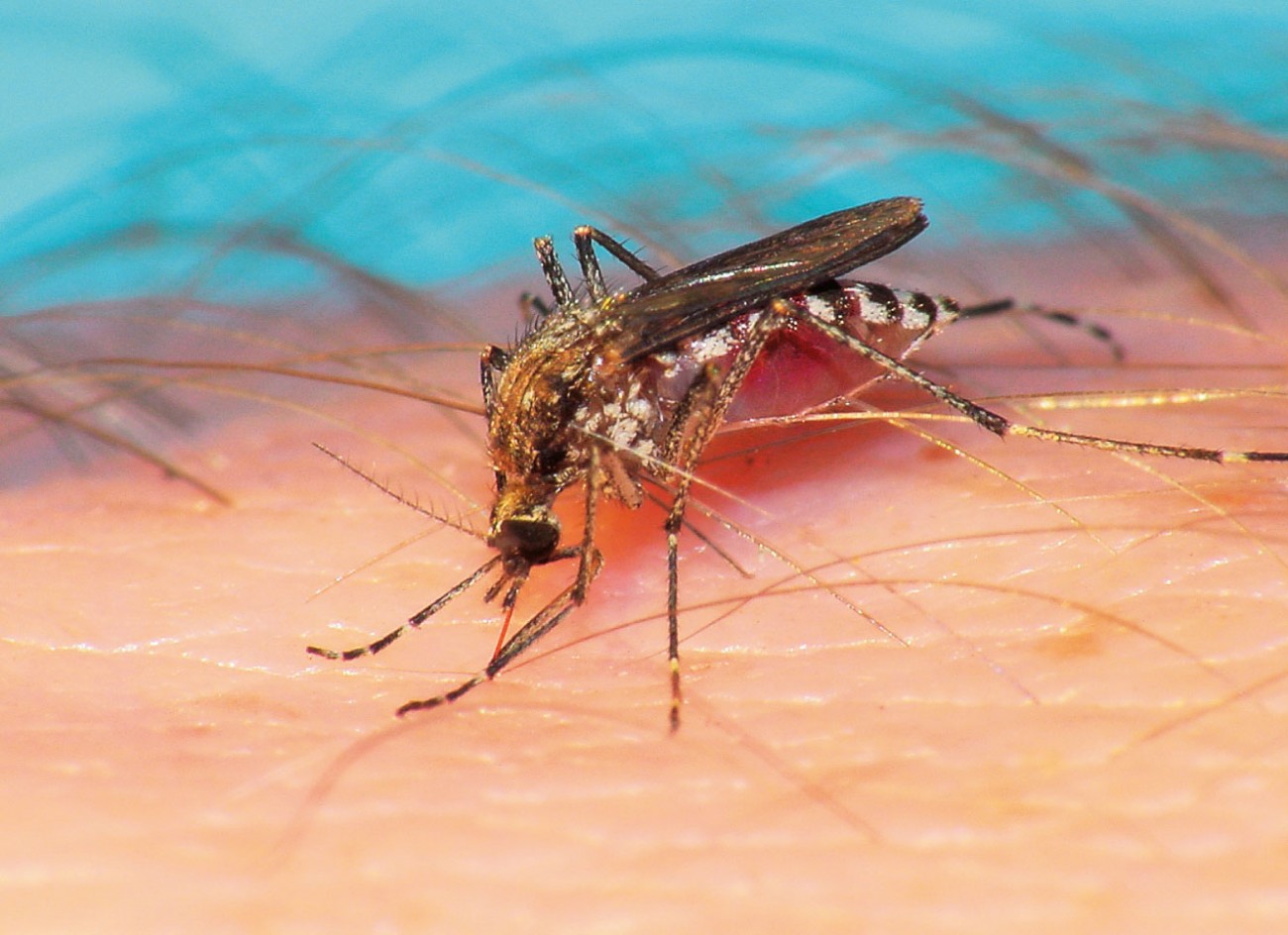
In 1998, members of the public living in Hawke’s Bay found themselves being bitten by a particularly aggressive mosquito that attacked during the day. Health officials collected specimens and soon identified a species new to New Zealand, Ochlerotatus camptorhynchus, commonly known as the southern salt marsh mosquito or campto, as the culprit. The species is […]...