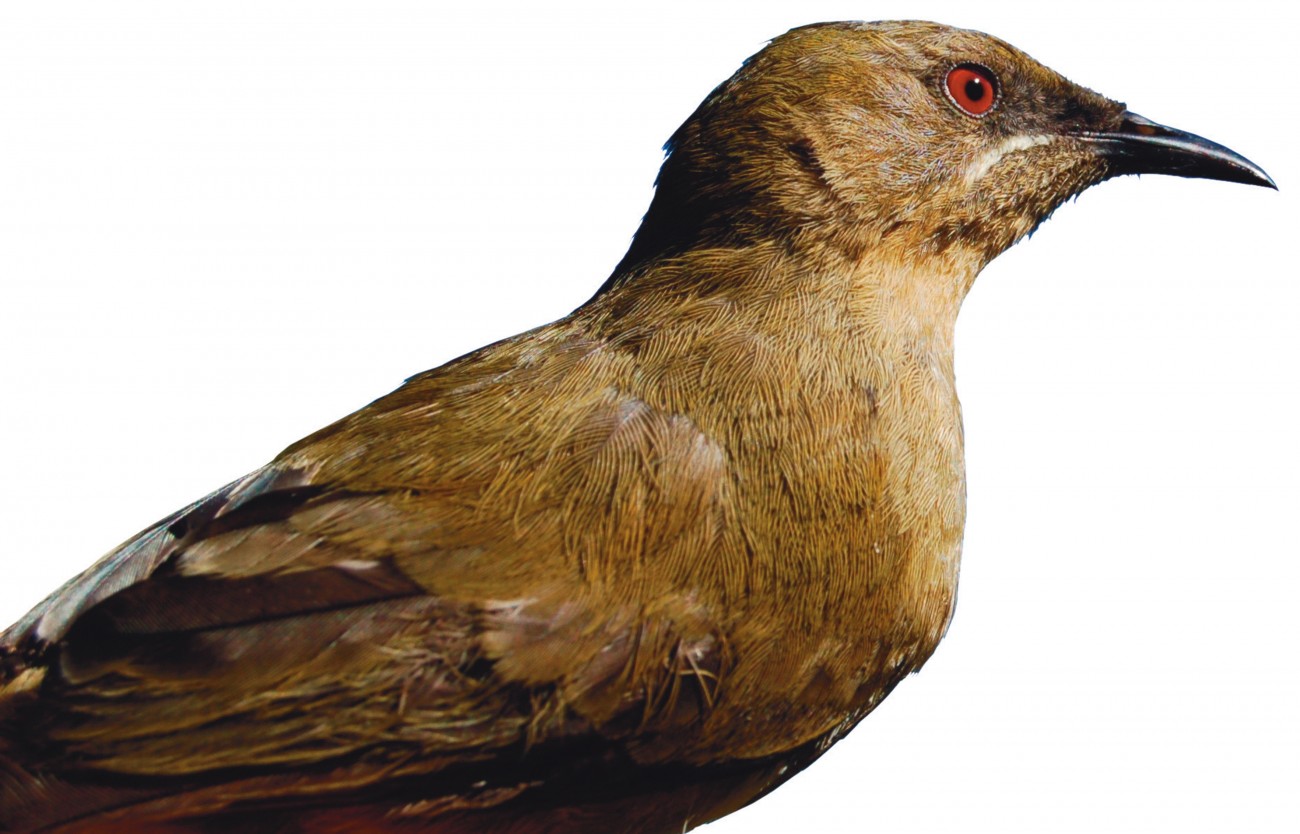
Most linguists and cognitive scientists agree that we humans are uniquely blessed with the gift of language. Compared to human speech, animal calls are stereotyped and fixed, and tied to specific situations such as mating, territorial claims, expressing aggression, or raising alarm. The nearest equivalent to speech seems to come, not from our nearest relatives […]...
John Reynolds, artist, recalls the time he was in a pub in the gold-mining town of Macrae’s Flat, Central Otago, and how he was telling the locals that he was planning to create a public sculpture, and that the sculpture would be made of tussock, and the locals looked at the Aucklander and laughed, “F**ing […]...
Wind is one of the hardest weather elements to depict in paintings, yet Rita Angus succeeds magnificently in her watercolors of the lakes in Central Otago. By showing choppy waves whipped up on the lake’s surface, and trees leaning over with their foliage streaming out downwind, she conveys the excitement and movement of a strong breeze. […]...
Tongariro is by far the most popular national park in the North Island, attracting tens of thousands of skiers, walkers and trampers every year. The park centres around three active volcanoes: Tongariro, Ngauruhoe and Ruapehu, all of which are considered by local Maori to be sacred ancestors. In 1887 the chief of the local iwi Ngati […]...
The idea of establishing the Women’s Royal New Zealand Naval Service—known as the Wrens—was first floated in May 1941, but it was another year before the navy appointed a Director, Miss R Herrick and her deputy, Miss F H Fenwick, and recruitment began in earnest. Selection standards were high: of the first 870 applications received […]...
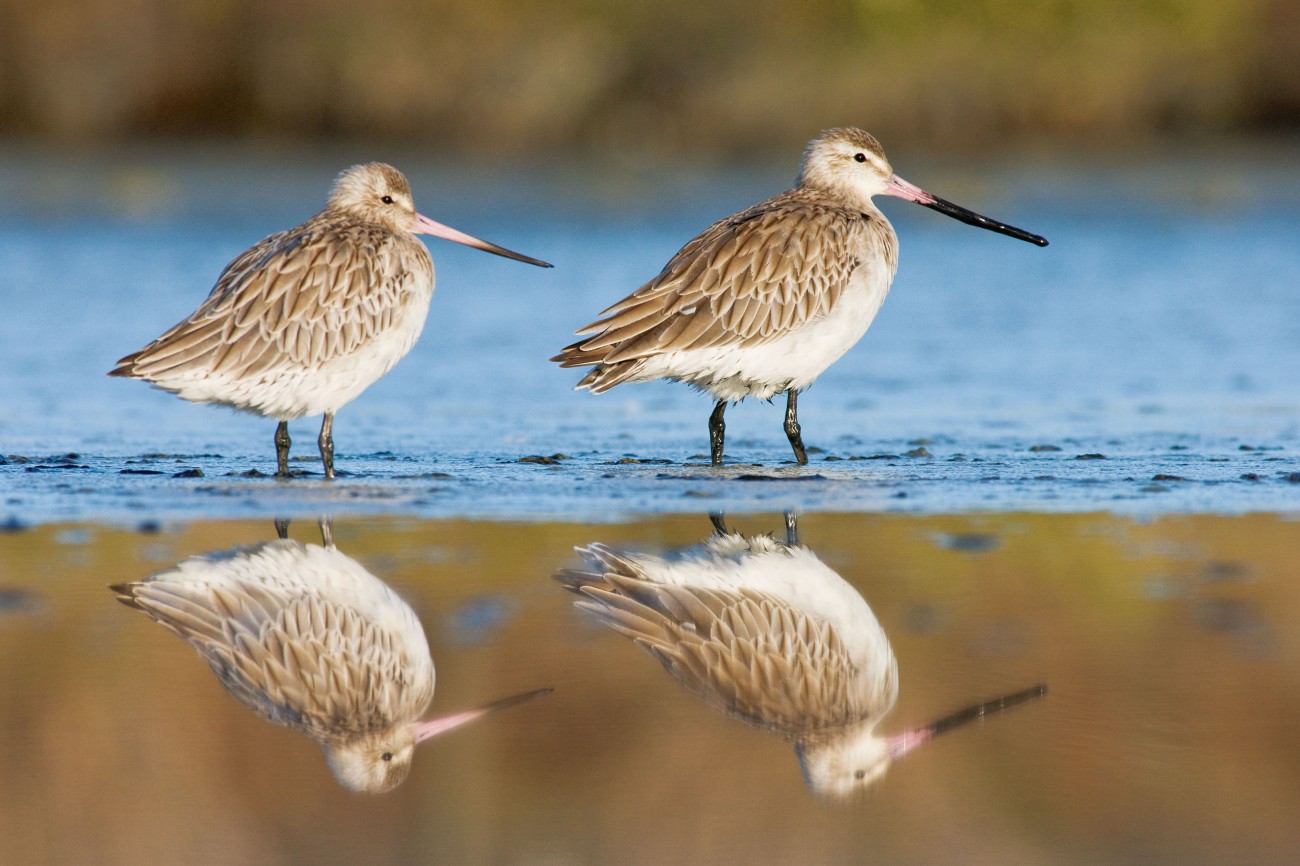
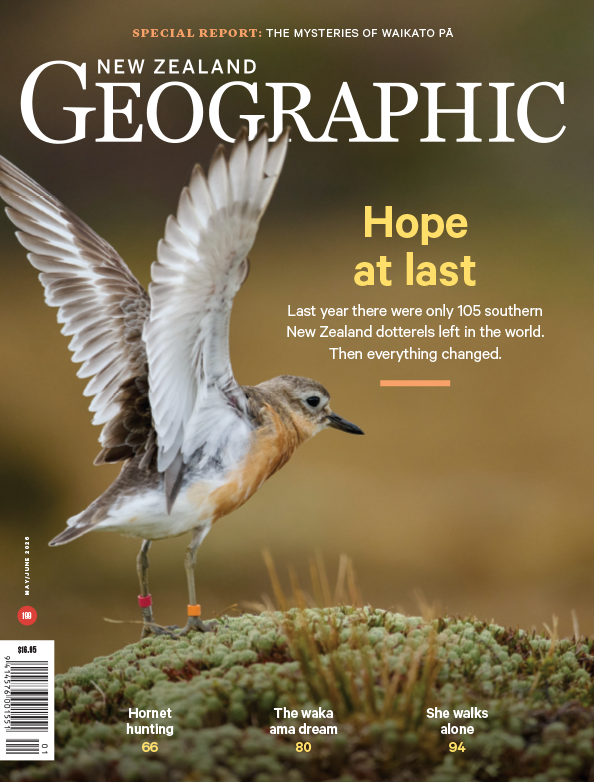
For all sorts of reasons: to defend territory, attract a mate, let a mate know where it is, because it’s fun, because it’s dawn. What is unusual about New Zealand native birds (and many bird species in the southern Hemisphere) is that the females can belt out a tune as well as their male counterparts, […]...
Sparks are flying in Marlborough over a project using New Zealand falcons to protect vineyards from bird damage. Falcons for Grapes breeds and releases falcons to act as bouncers, preying on pests such as starlings and sparrows, which cause huge damage to grape crops every year. Falcons prefer to conduct their protection racket from lofty […]...
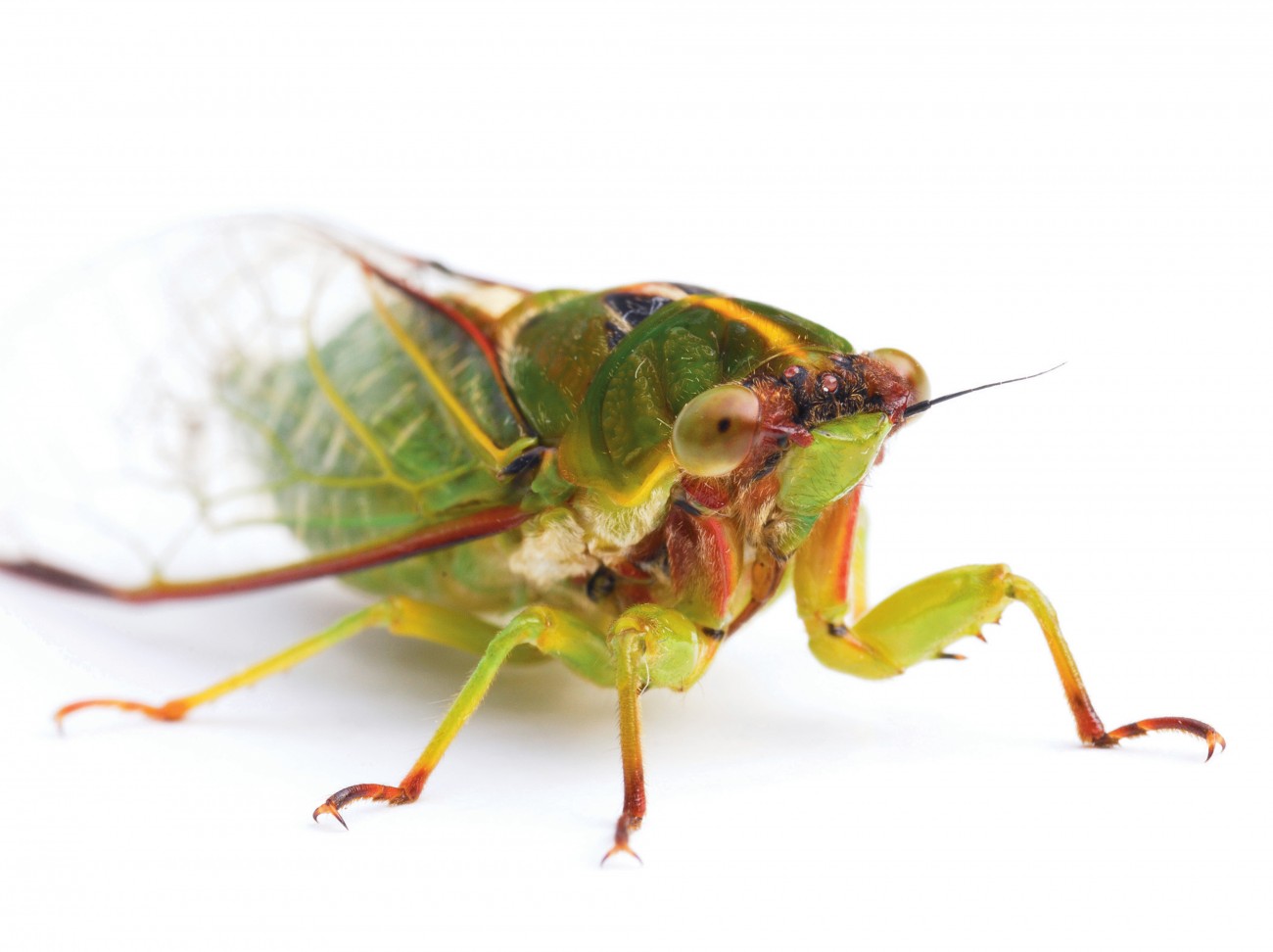
Around about now the cicadas will be making their usual summer racket. But that isn’t the deafening sound of a single type of cicada, but a number of different species: New Zealand has five genera and at least 54 known species. “And there’s probably more,” says Jim Esson, an entomologist and cicada enthusiast who has […]...