Episode Three: Revolutions tells the stories of the objects and events generated by the Silk Road that helped to inspire revolutions. Paper-making spread from China throughout Asia and beyond. After the invention of the first printing press in 1440, millions of Europeans were reading printed content in multiple languages. Paper and the printing press democratised […]...
Light From Darkness explores how deathly disease and new life alike travelled along the Silk Road to change the world. Journey through time, from the decimation of the Black Death to a grain that helped to overhaul agriculture. When the Black Death reached Europe, it spread about 5 miles per day. In a surprising twist, […]...
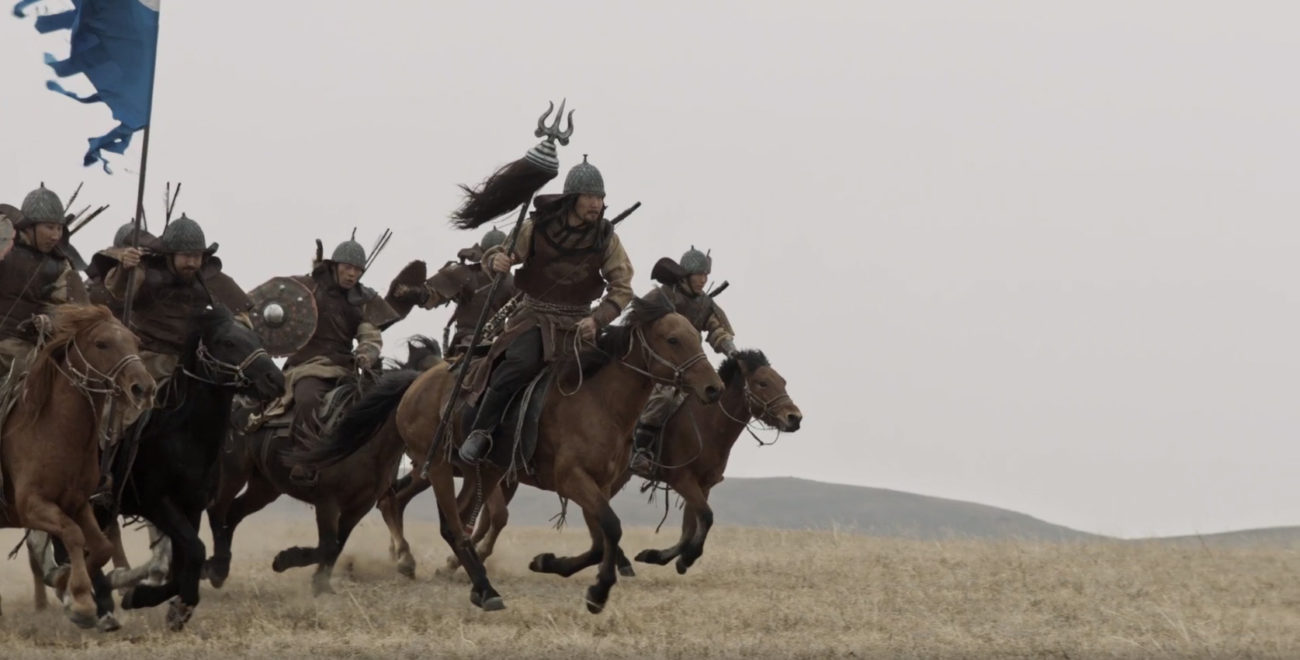
War explores how the Silk Road influenced conflict, from cavalry warfare to gunpowder. The series opens 2000 years ago, when the Roman Empire seemed unstoppable. However, the Battle of Carrhae saw one of Rome’s worst military defeats when the Parthians used cavalry tactics to their advantage. The style of cavalry warfare developed by Central Asian […]...
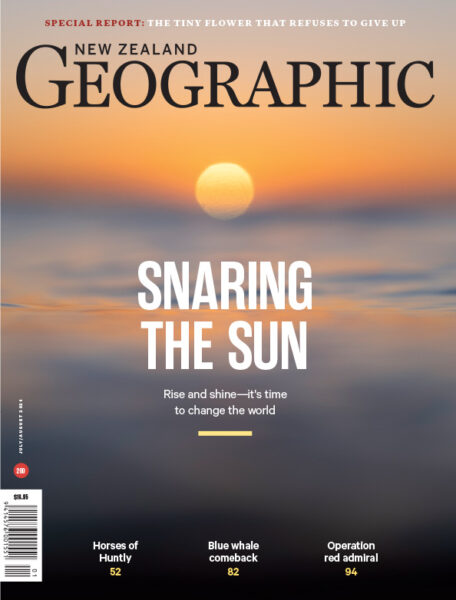
Magazine
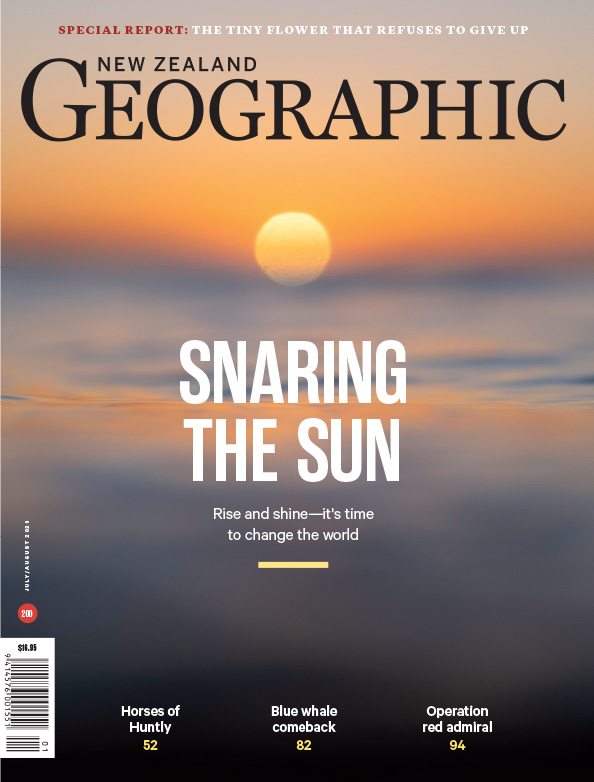
Issue 200
Jul - Aug 2026
Solar power
Horses of Huntly
Forget me not
Whaling
Red admirals
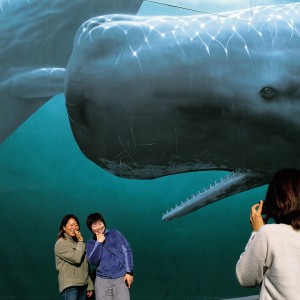
The blast of the harpoon may have given way to the click of the camera, but whales are still the cornerstone of commerce—and the subject of many a decorative mural—in the north Canterbury town of Kaikoura. In little more than a decade, marine ecotourism has transformed a coastal backwater into an international travel hotspot....
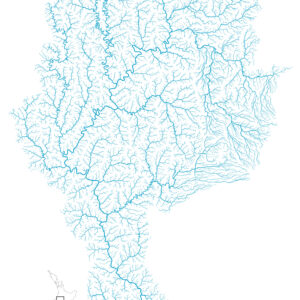
Whanganui is Aotearoa’s third-longest river. It begins on Mount Tongariro and flows 290 kilometres to the Tasman Sea, joined by thousands of small tributaries along the way. Whanganui iwi have long sought legal recognition of their relationship with the river. They petitioned Parliament in the 1870s for protection of their awa. From the 1880s, the […]...
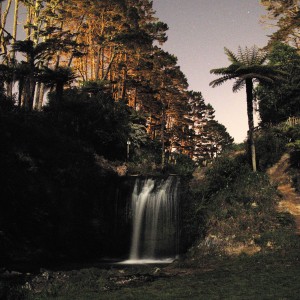
Where can the city dweller look for the inexhaustible wild? Perhaps it lies closer than we think, on the flipside of the ordinary, along the unkempt edges of the familiar. An urban green space can become a site of pilgrimage, a place to discover a waterfall by moonlight....
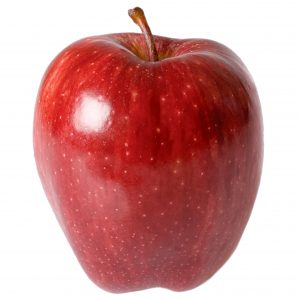
Anthocyanins, the molecules that turn fruit red and blue, are usually produced at a particular time and for a particular purpose, such as when a plant wants to advertise the fact that its fruit is ripe, or during times of stress. Anthocyanins are particularly powerful anti-oxidants, those molecules that mop up the free radicals that […]...
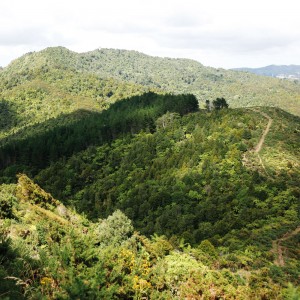
The track goes over Mt Tamahunga (437 metres) the highest accessible summit between Auckland and Whangarei. It’s named for Te Kiri, a Ngati Wai chief who in 1864 rescued 180 Waikato prisoners from Governor George Grey’s nearby Kawau Island estate and brought them here, beyond reach of the British military. The Government demanded that the […]...
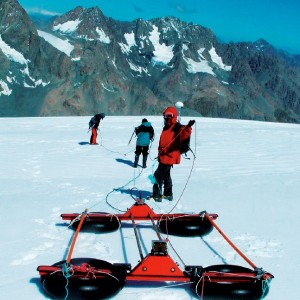
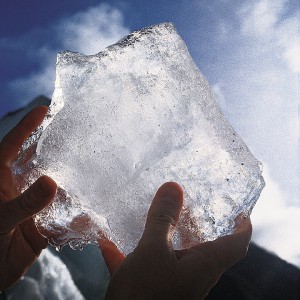
Old snow can tell us a lot about the past. As snowflakes fall, they collect whatever particles are in the atmosphere at the time—dust, volcanic ash, smoke, pollen. Then, as the snow accumulates and turns to ice, it freezes with it a record of what the weather was like dozens, even hundreds, of years ago. […]...
ICE. At one extreme, it is the humble cube which puts the clink in your drink on a hot summer’s afternoon. At the other, it is a major cog in the engine which drives the world’s weather. Furthermore, its behaviour over the ages may have played a pivotal role in human evolution. At the heart […]...