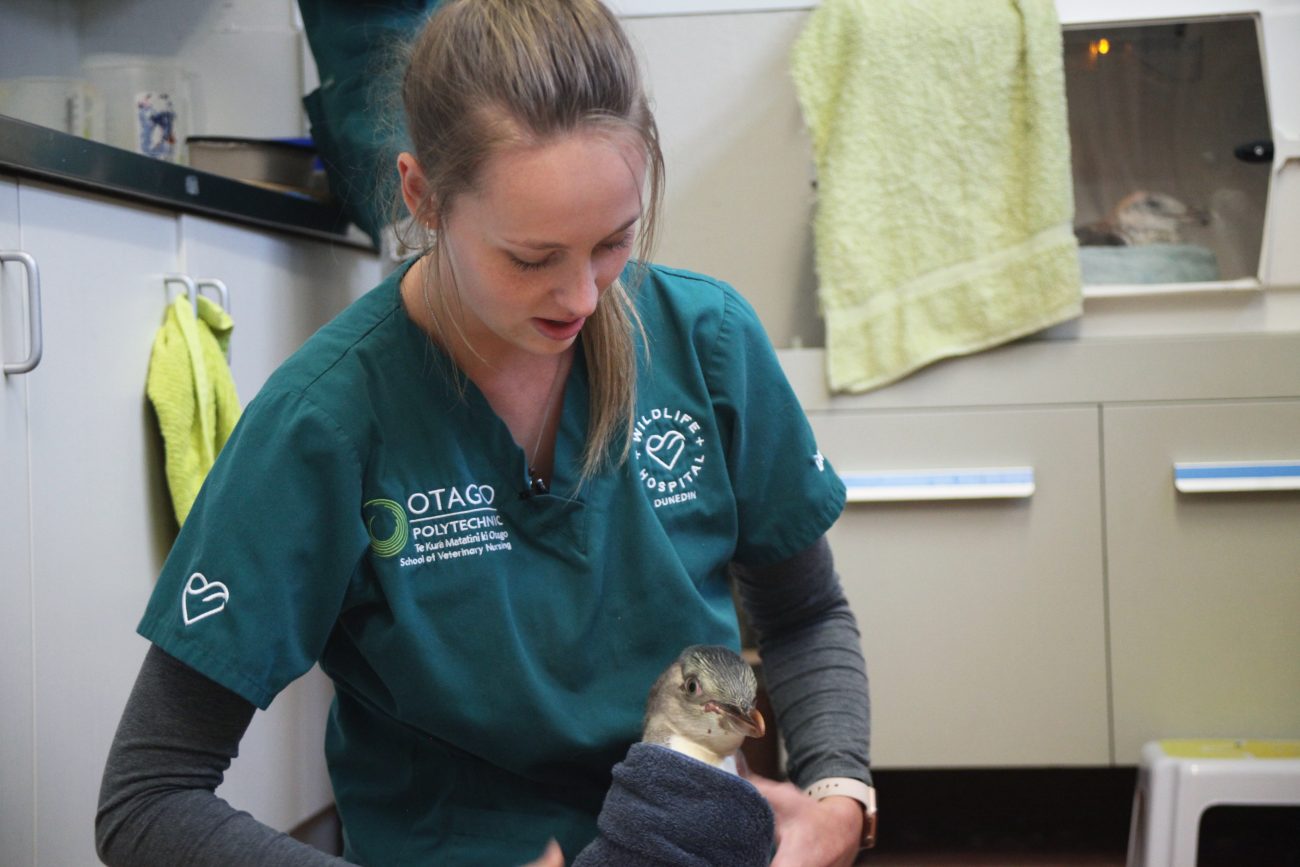
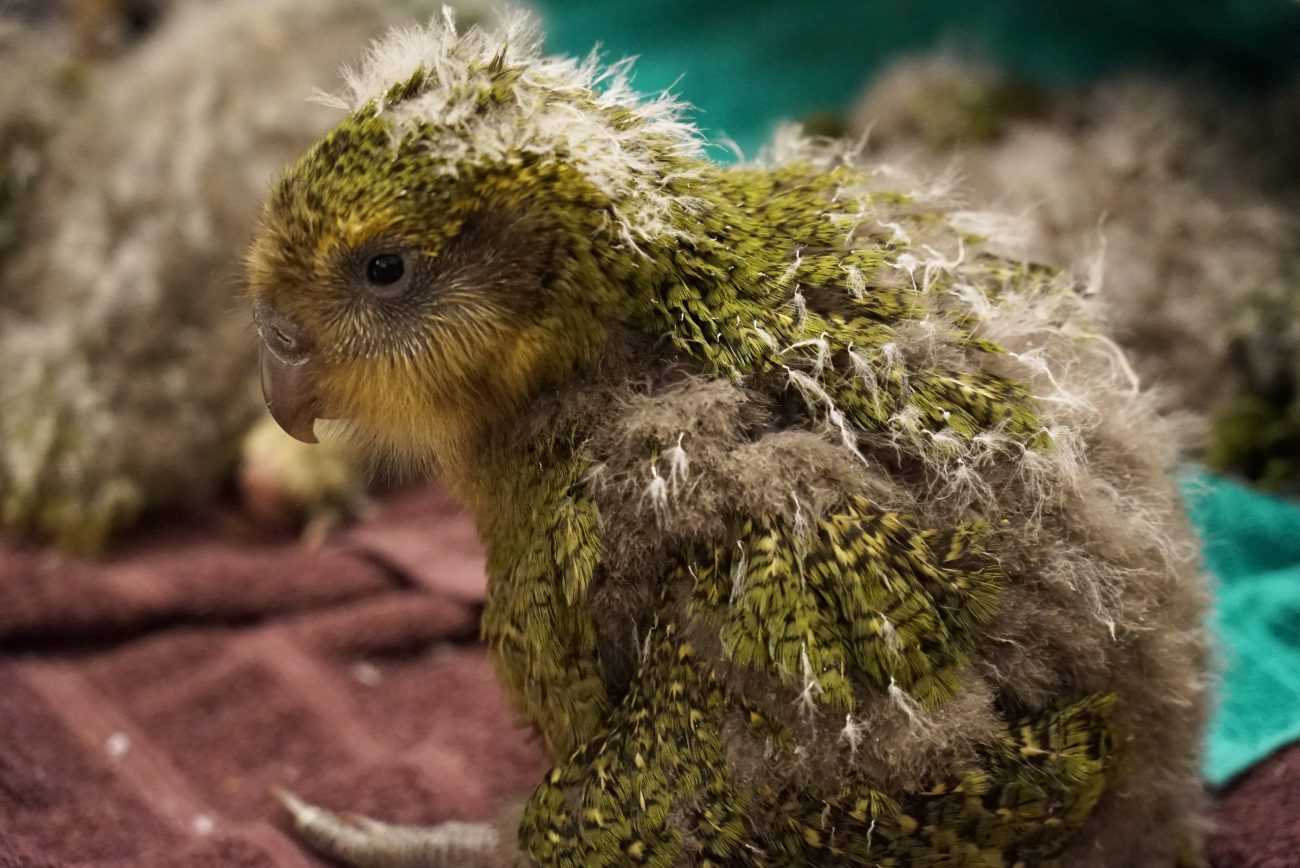
At the Dunedin Wildlife Hospital, Dr Lisa needs to urgently assess a pair of unwell kākāpō, and Lizzie must convince a traumatised shag that it can swim. Many other animals are reaching the end of their rescue journeys as the southern summer draws to a close. The yellow-eyed penguin chicks brought in after an oceanic […]...
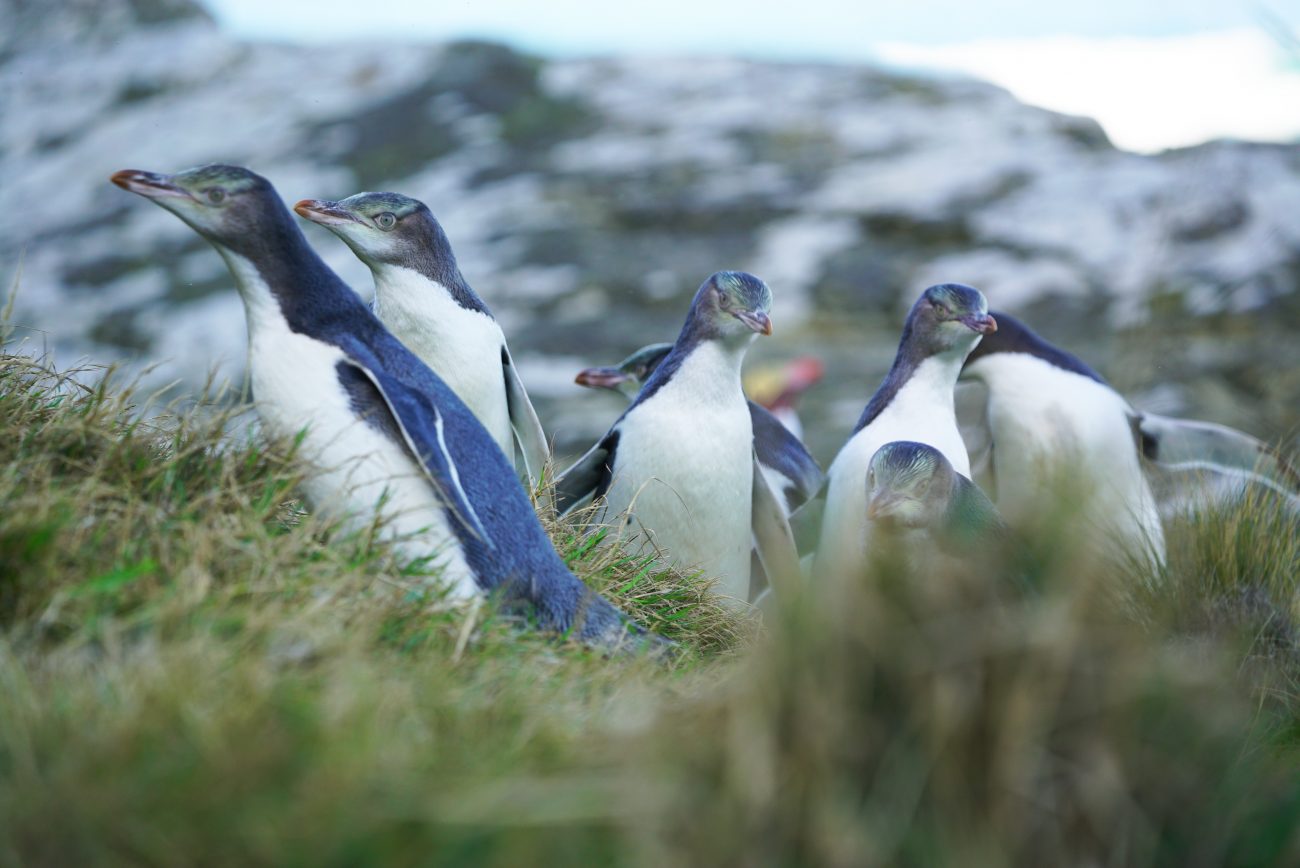
At Dunedin’s new Wildlife Hospital, the team have been thrown a curve ball! Some yellow-eyed penguins have tested positive for avian malaria, and what’s more terrifying is they’re not alone. The team must jump into action to prevent an all-out epidemic. But the penguins aren’t their only patients. At two months old, the kākā chicks […]...
It’s mid-summer in Dunedin, and the city’s wildlife rescuers are in a flap. Eight newly-hatched kākāpō chicks have landed at the Wildlife Hospital, requiring Dr Lisa’s expert care. Lizzie and Emily need to deal with a very angry Fiordland crested penguin (who they soon nickname ‘Purple Rage’). And nurse Gina can’t help but laugh at […]...
Its early summer in southern New Zealand, and the Dunedin Wildlife Hospital has been inundated with wave after wave of starving penguin chicks. Dr Lisa Argilla and her team pull out all stops to save the hungry youngsters. Add to this a clutch of endangered kākā parrot chicks that need ‘round-the-clock care, and a kiwi […]...
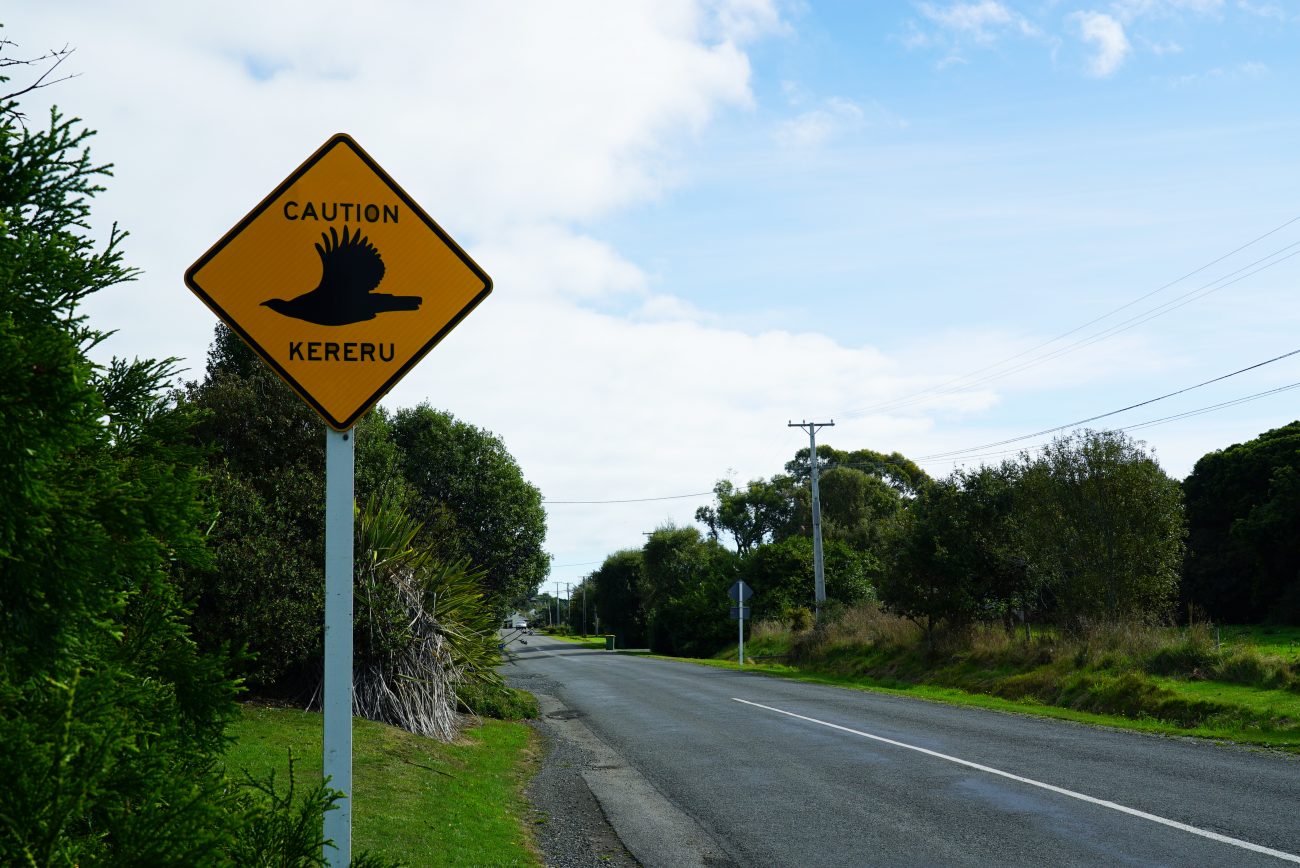
The new Dunedin Wildlife Hospital provides a second chance for injured native animals. Every day, Dr Lisa Argilla and her small team of wildlife vets give their all to save our precious fauna – from kererū pigeons with internal injuries caused by flying into windows, to a yellow-eyed penguin chomped on by a shark. Not […]...
Magazine
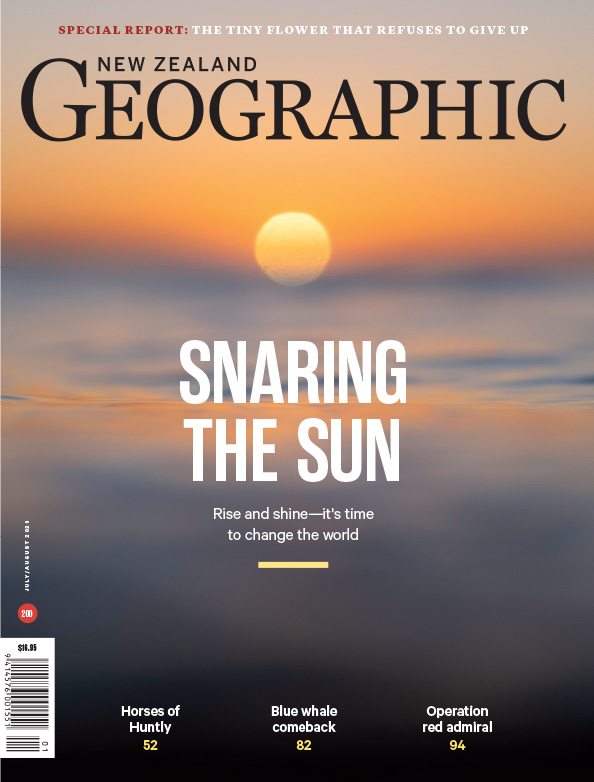
Issue 200
Jul - Aug 2026
Solar power
Horses of Huntly
Forget me not
Whaling
Red admirals
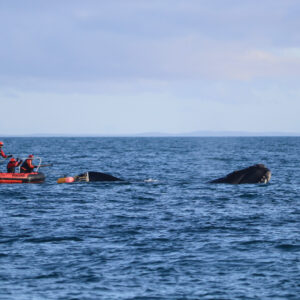
On December 10, 2024, a juvenile bottlenose dolphin was reported tangled in fishing line near Riverhead, in the upper reaches of the Waitematā Harbour. The dolphin couldn’t flex its tail properly, or dive, or chase fish. Its pod headed elsewhere. One larger dolphin stayed behind, and for the next month it stuck close, spending almost […]...
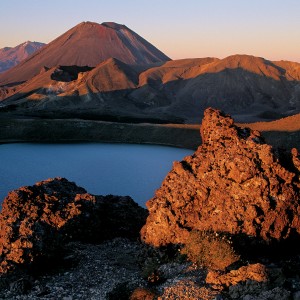
Tongariro is by far the most popular national park in the North Island, attracting tens of thousands of skiers, walkers and trampers every year. The park centres around three active volcanoes: Tongariro, Ngauruhoe and Ruapehu, all of which are considered by local Maori to be sacred ancestors. In 1887 the chief of the local iwi Ngati […]...
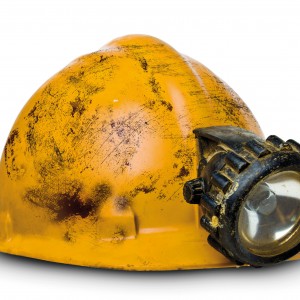
I slithered along the gravel through a streamway barely 25 centimetres high, 10 centimetres of water lapping gently along the centre line of my face. With my head turned sideways, I could breathe only through the top of my mouth by pursing my lips, awkwardly, into a snorkel shape, as freezing water sloshed about my […]...
As 2006 came to an end, stories of record warmth around the world contrasted strongly with the cold temperatures New Zealand experienced in December. Averaged over the whole country, the month was 1.9°C below the long-term average. Although nationwide it was not the coldest December on record—December 2004, for example, was 0.3°C colder again—many places […]...
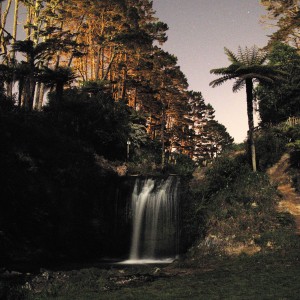
Where can the city dweller look for the inexhaustible wild? Perhaps it lies closer than we think, on the flipside of the ordinary, along the unkempt edges of the familiar. An urban green space can become a site of pilgrimage, a place to discover a waterfall by moonlight....
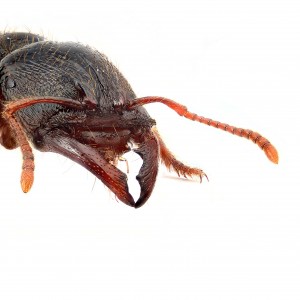
Robotic in form and startlingly efficient en masse, ants have outlived the dinosaurs and now scuttle over every major landmass but Antarctica. Humans can learn a lot from these diminutive critters, which communicate using cocktails of exotic pheromones, expeditiously divide labour among thousands, and silently conduct their small and significant lives for the greater good—of the colony and their immediate […]...
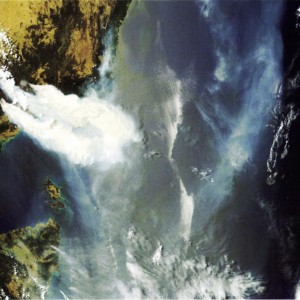
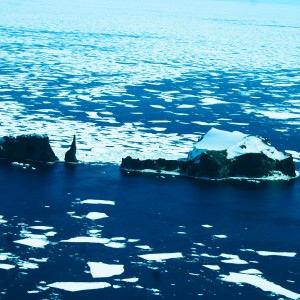
Confrontations between Japanese whalers and anti-whaling protesters in Antarctica’s Ross Sea have put the Balleny Islands in the news lately. It is a spotlight to which they are unaccustomed. Fewer than 30 landings have been made on these remotest islands in the 168 years since they were discovered. These are not the kind of islands […]...
This issue’s cover posed a challenge: to present cannabis in a way that was recognisable, but that didn’t immediately call to mind a number of associations. An image of a cannabis leaf has layers of meaning attached to it. We wanted to make it possible for readers to take a fresh look. We are, as […]...